Bangkok then overnight train (13hrs) to Surat Thani
Thursday
2nd January
2008
Surat Thani to Ko Samuii (bus 2hrs, ferry 1 hr)
Friday
3rd January
2008
Ko Samuii to Ko Pha Ngan (ferry 1hr)
Saturday
4th January
2008
Ko Pha Ngan
Sunday
5th January
2008
Ko Pha Ngan
Monday
6th January
2008
Ko Pha Ngan to Surat Thani (ferry 1hr, bus 2 hrs) to Bangkok (overnight train 13 hrs)
Tuesday
7th January
2008
Bangkok
Wed
8th January
2008
Bangkok
Thursday
9th January
2008
Bangkok
Friday
10th January
2008
Bangkok then fly to
Saturday
11th January
2008
Melbourne and Sydney
Thursday 27th December, 2007
Sydney to Melbourne to Bangkok
Julie and Steve pick us up from home at 6 am. In Sydney we leave the car in the long-term car park and catch a bus to the Domestic Terminal as our Jetstar flight is going via Melbourne. Hate that and hate having to leave from the Domestic instead of the International. What a bore!
After the short ninety-minute flight to Melbourne, there are long lines at Immigration but much worse is when Steve gets the bad news that they won’t let him on the plane because he has less than six months on his passport. He tries ringing everyone he can but this is Boxing Day and no-one is working.
Awfully, we have to leave him in Melbourne and hope he can get it sorted as soon as possible and meet us in Bangkok in a couple of days. Julie can’t stay with him, as she’d also lose the price of her ticket and have to buy another one. Steve knows somebody in the Passport Office so he’s going to contact him today and see if he can get on a flight tomorrow.
In the meantime, Mark, Julie and I fly out at 2:30pm on Jetstar feeling very guilty about leaving Steve behind. He later tells us that he spent the day going round and round on the free city tram just for something to do. He’s got a great attitude, but it’s still a pretty shit situation.
The rest of us land in Bangkok at 7:15 pm at the very modern Suvarnabhumi Airport that popped up two years ago in 2006. The Suvarnabhumi terminal might be super impressive but we’d prefer the dingy, but very atmospheric, Don Mueang which is now only used for domestic flights.
We wait nearly an hour for the airport bus but then it only takes thirty minutes to get into Banglamphu passing all the familiar landmarks on the way. The most memorable is the Democracy Monument on Ratchadamnoen Road which always gets us excited as we know we’re nearly there. And ‘there’ would be Khao San Road, Bangkok’s famous backpacker mecca where we’ve stayed many times before.
As usual it’s super busy, jammed with bars, cafes, markets, food stalls, music and cheap accommodation but, because it’s so busy and because it’s nearly ten o’clock by now, it might be hard to find somewhere to stay. After being here before, we know that the popular Khao San Road and the adjoining Thanee Road will fill up first so we head for Soi Rambutri, another nearby street for budget travellers like us.
But even here, we’re turned away from Sawadee and the Travelers Rest guesthouses until we eventually find a shared room at the Secret Garden. This is situated in a dark alleyway across from the temple so it’s still in a great area.
After dumping our gear, we walk around to Sawadee and have beers (Chang) for Mark and margaritas for me and Julie. More margaritas at Sawadee Smile just around the corner from our guest house but I ‘have to go home now’ so Mark and Julie finish off our drinks.
Friday 28th December, 2007
Bangkok
This morning, Julie gets a call from Steve to say that he’ll be arriving tonight on Thai Airways. So relieved! Julie, Mark and I have breakfast at the Four Brothers Inn at a table next to the soi. Here, we decide to book out of the Secret Garden and find a better guesthouse for tonight.
Close by is the Baan Sabai Hotel which has a pleasant bar at the front with a big airy foyer and rooms at the back. Between the rooms and the foyer is a garden complete with tropical plants and ponds of goldfish. They have two spare rooms next to each other on the bottom floor with windows opening out onto the central garden. The rooms are starkly bare but big and very clean so we take them. We check out the showers and toilets down the corridor and they look okay as well so we’re very happy.
Later we find a travel agent to buy overnight train tickets for Surat Thani in Southern Thailand for the second of the January. We would have liked to leave earlier but they’re booked out for sleepers and none of us want to sit bolt upright for fourteen hours.
Our plan is to get to the islands of Ko Samuii and Ko Phangan, so this delay will cut short the time we can spend down south. But we’re not too bothered as there’s heaps to do in and around Bangkok.
Now we celebrate Steve’s arrival tonight with a massage at Mama’s which has moved to an even nicer open-sided room across the tiny alleyway and only 150 baht ($6 AUD) for an hour. And here is Sharlo and her husband, we call him Mr Mumma. They’re both amazing masseurs besides being super sweet.
To get to Mummas, we walk through Wat Chana Songkram which sits opposite the entrance to Khao San Road with Soi Rambutri wrapping around it on three sides. A back gate allows us to walk through the temple grounds which hold monk quarters, a bell tower, teaching halls for the monks and an open-sided kitchen where white robed nuns are preparing food.
Just inside the temple compound we all order cold juices sitting at one of the local stalls set up opposite one of ancient figs called Holy Trees. These tall eye-catching trees are wrapped in coloured cloth to show that they’re holy and can’t be chopped down. We’ve seen them in many other places over the years but didn’t know what it all meant. But, of course, everything in Thailand has a religious significance.
Later we sit for a while inside the main prayer hall to watch shaven headed monks chanting in unison. I feel happy and I wish I could bring our Angie here. My heart breaks for our little one. Maybe Buddhism could cure her deep sadness.
Winding through the crooked alleyway to Khao San Road (pronounced Cow San) we wander around the markets set up on both sides of the street. Originally a market for selling milled rice, the stalls today sell souvenirs, cheap clothes, silver jewellery, street food and anything else a backpacker would want. This includes travel agents, money changers, banks and passport photos.
Mark and I have absolutely loved this street ever since we first came here in 1997. We love the mix of international influences and Thai culture especially seeing monks wandering around or whizzing past in tuktuks. We love the energy, the interesting people, both local and backpackers, and hearing languages from all over the world. Khao San Road is actually known as the best backpacker hub anywhere and I could rave on forever.
The thing is, though, while it’s great to experience the crazy vibe for a while we’ve learnt to stay further afield in Soi Rambutri which is actually only just across the busy road in front of the temple. Soi Rambutri is a haven of peace but with the same market stalls, cafes and bars but at a much slower pace. So, this is where we now head for a pedicure near the Wild Orchid.
Later we rest in our rooms till about 6 o’clock then have drinks in a bar overlooking the great people-watching laneway. Oh, and even better is that we can see over the temple wall where monks in orange robes are doing a walking meditation. Monks and margaritas – heaven!
We have more drinks in a couple of other bars then snacks at Four Brothers. Julie has been in contact with Steve so we’re prepared when we see him pull up in a taxi at 12:30 am in front of the Baan Sabai guesthouse. We’re waiting on the steps and, in true Amazing Race fashion, we greet him with ‘Sorry Steve you’re the last to arrive. And you have been eliminated from the race’! Ha ha!
Saturday 29th December, 2007
Bangkok
So happy that Steve is with us. It’ll be a good day.
Firstly at 7o’clock, we all buy breakfast at an outdoor food stall in Soi Rambutri. Mark and I have eaten here many times before and still a favourite for fresh fruit salad, yoghurt, muesli and an omelette. All this washed down with freshly squeezed juices, of course. We always feel healthy in Thailand but only if you forget about the huge consumption of alcohol!
From here we walk down to the Banglamphu Pier on the Chao Praya River. It’s here where we book a one-hour longtail klong tour of Thonburi which we’ve also done a couple of times before but it’s worth a visit every time we come to Bangkok. It’s just the four of us in the longtail so we can ask the driver to stop whenever we want.
Leaving Banglamphu Pier, we zip across the river where Thonburi sits on the opposite side. We dodge ferries going back and forth, ferries going up and down the river, barges and other longtail boats. After the excitement and the energy of the river, the serenity of the klongs is like entering a secret, almost hidden, world.
This is the Bangkok of old, where people live in simple wooden houses built out over the water with tiny canoes pulled up at the door. It’s so pretty! All the homes are surrounded by palms and trees with potted flowering bougainvillea decorating the verandas that overlook the klongs.
In fact, all the homes have a riverside veranda where the family washing is strung out to dry after its all been washed in the river itself. We also see people bathing themselves while others are going about their morning chores sweeping and mopping verandah floors. Seeing local life is what we all love about our travels.
Much smaller klongs join our main klong. They emerge out of thick vegetation and lead to more rural areas even though we’re in the middle of Bangkok. People rowing small canoes pop out of these mysterious little waterways and I wish we could explore them but we won’t have time today.
Chugging along we pass under low bridges, golden temples, a floating market and stop to feed bread to the hideous catfish at Fish Temple. Ladies in canoes row excitedly towards us hoping we’ll buy their souvenirs and we spy the huge monitor lizards sunning themselves by the water.
Finally, we burst out at the Chao Praya where we ask to be dropped off at the Wat Po Pier instead of going back to Banglamphu. The area around Wat Po is amazing especially the stinky Tha Tien Fish Market which we have to walk through but mainly the old shop houses built by the Chinese in the late 19th century. These are what the name says, shops on the bottom and living quarters above. The shops around here are all fascinating selling herbs, Chinese medicines, teas and temple offerings.
Across the road is the 16th century temple of Wat Po. It’s a huge complex of chedis, viharas, pavilions and immaculate topiary gardens. But the highlight is the largest gold-plated Reclining Buddha in Thailand – it’s huuuge at 150 feet (46 m) long! A visit also involves dropping coins in one of the long line of monks’ bowls.
But Wat Po is not just about statues and temples, it’s also known as the birthplace of Thai massage. Yes, please! And we all have a wonderful foot massage each – heaven!
As everywhere, it’s as hot as hell so we hightail it back to Banglamphu for lunch at Sawadee. This is also an old favourite from when Mark and I first discovered it on our first trip to Thailand in 1997. The restaurant is open to the laneway with different levels for seating, swirling ceiling fans, traditional Thai decor and a totally laid back atmosphere. Oh, and the food is awesome and cheap! And it’s directly across from the temple!
Now Mark and I book train tickets from Surat Thani in the south back to Bangkok for the 6th of January. Julie and Steve will be leaving a few days earlier. Later we all have a siesta then up at 6 o’clock for drinks at Baan Sabai before, on dark, grabbing a tuktuk to take us to Chinatown.
Bangkok’s Chinatown is said to be the largest in the world, founded over two hundred years ago, and yes by the Chinese! The main area lies along Yaowarat Road and actually lends its name to the entire area, which is often just referred to as Yaowarat.
So, this is where we’re dropped off – a neon-lit street crammed with people all here to try the wonderful food this place is famous for, especially seafood like stir-fried crab and sweet and sour shrimp. Sounds amazing!
Restaurants line either side of the street while street food vendors at traditional stalls cram the pavements. We come across a sort of open food court and luckily find a tiny plastic table and four stools. Rice, salads, fish and prawns are amazing while Steve and Mark are happy with their Singha beers – big ones!
It’s still early so we set off in another tuktuk to Patpong Road. Buzzing through Bangkok’s streets at night in a tuktuk might be one of my favourite things on earth – the traffic is much lighter and the air much cooler.
Patpong Road is known as the red-light district with the street itself lined with go-go bars and ping-pong shows. Everyone knows about the ping pong shows! Oh shit! Should we be here? Probably not!
A market is set up every night along the centre of the street but we don’t bother much as it sells the same stuff we can buy in Khao San Road. Hawkers constantly hassle us to go into one of the girlie bars and to be honest that’s what we’re here to experience – right or wrong.
Our first encounter is Big Pussy nightclub where we’re immediately ripped off – they want 3500 Baht for four drinks plus we also have to buy extra drinks for the girls who’ll obviously never get them. We leave after an argument then have drinks at a bar across the street. It all feels too awful so we leave.
Home to bed.
Sunday 30th December, 2007
Bangkok
We all wake at seven for breakfast at the same food stall in Soi Rambutri for fruit salad, muesli and yoghurt – fucking health freaks!!
Our plan today is to visit Chachoengsao, a town just north of here – a day-trip I’d found in a boxed section in an old Lonely Planet.
So about eight o’clock, we all catch a tuktuk to Hualamphong Station where we make a dash for the Chachoengsao train. It’s a bargain at only 13 Baht each for the fifty kilometer, ninety-minute trip. The train is wonderful – one of the old local trains lined with polished wood and polished wooden bench seats. We’re the only non-locals so it’s an interesting trip for people watching. Everyone is friendly and there’s lots of cute kids and babies.
Leaving the centre of Bangkok, we love hanging out the open windows to watch the little local shops and houses built right up to the train line. People are going about their everyday lives, some hanging out washing and some preparing food in their tiny backyards.
After passing through the outskirts of Bangkok we’re now in open green countryside before arriving in Chachoengsao at 9:30am.
Chachoengsao sits on the banks of the Bang Pakong River with the main attraction Wat Sothonwararam. Never heard of it, but apparently this is one of the biggest temples in Thailand and a sacred sanctuary for the Thai people. As we leave the station, with hordes of devotees, we can see the white marble tower of the temple soaring above the surrounding trees.
Apparently, hundreds of Thais visit here every day and we join the crowd to pass through the main entrance where a group of beautiful Thai ladies are performing traditional dances as part of one of the many ceremonies held here. Their graceful movements always mesmerize as they sway to the sounds of gongs, xylophones and drums. And their elaborate costumes of jewelled headdresses and brocaded silk stand out from the rest of us. This place is so chaotic and fascinating with a constant stream of locals bringing offerings and performing religious rituals. This is why we love Thailand!
Time now for lunch in a massive food hall where untold simple stalls are cooking all kinds of wonderful Thai food. There’s no end to the choices available. We all squeeze around a tiny foldaway table to have an amazing traditional meal for next to nothing – prawns, muscles, calamari and sticky rice wrapped in some sort of leaves.
Making our way back to the station is another challenge as hundreds of other people are heading back to Bangkok by now as well.
We spend the night just hanging around our favourite chilled-out Soi Rambutri. Love everything about it here! And this love affair will continue for many, many years to come.
Monday 31st December, 2007
Bangkok
New Year’s Eve! This morning Mark and I decide to get prescription glasses made as they’ll be heaps cheaper here than at home. Not far from Wat Chana Songkram (‘our temple’ as we call it) is a string of optometrists so we drop in for eye tests. Glasses for me and contact lenses for Mark. Amazingly, we can pick them up this afternoon!
Now we spend an hour back at Wat Chana Songkram which is very crowded at the moment. It must be a special day as local families cram into the prayer hall. They light giant candles, burn bundles of incense and deliver offerings while orange robed monks sit cross-legged at low tables and feast on bowls of hot food cooked by the nuns outside who are now digging in as well.
The market set up in the shady grounds behind the temple is a peaceful way to shop compared to the madness of Khao San Road. In the past, Mark has bought t-shirts here from a deaf lady and here she is again so he buys up big. She gives him a cuddle and a polite wai (a bow with palms together).
Later we all catch a tuktuk to the Amulet Market over near Wat Mahatat and the Grand Palace. It’s just a short, exciting ride as we buzz through the busy back laneways. Getting dropped off on Mahatat Road, we wander along the pavement where people sit on the ground to ply their wares which include jewellery, religious trinkets and even false teeth! I buy sepia pictures of old Bangkok as a great momento of the city we love so much.
Other people cook food over hot coals right on the street and one lady has a basket of quail eggs that she breaks into a round cast iron plate with indentations to cook the tiny eggs. Nearby a monk sits on a plastic stool to eat a bowl of noodle soup on a foldup table while other monks stroll by. This area is lovely with the vast Wat Mahatat opposite and lots of shady trees.
Between the street and the river are narrow alleyways crammed with a network of covered market stalls. This is Bangkok’s authentic Amulet Market where vendors sell all types of sacred amulets all considered to have magical powers for the wearer. Each one is believed to protect the person against evil spirits and danger as well as bringing good luck.
Mark and I have bought lots of bronze buddha statues, candle sticks, ceramic ginger jars and local crochery from here in the past so our home is like a Thai museum. And, of course, we’ve also bought lots of amulets!
The good thing is that this is definitely a local market as we’re the only western people here. This what we love about this place so much. Another thing we love about the market is that it sits between Mahatat Road and the Chao Phraya River.
On the riverside, are a string of very simple restaurants all open to the water and where the cooking is done right next to us. Sitting on the river’s edge is so nice as we get a soft breeze coming off the water as we’re dripping in sweat by now. It’s also exciting to watch all the goings on with river traffic especially as we’re adjacent to the Chang Pier and the Maharaj Pier.
After a snack, we all tuktuk back to Banglamphu which is only minutes away. At 3 o’clock Mark and I pick up our glasses then the four of us buy sunglasses as well.
Now we all head back to Khao San Road to shop in the market stalls that line both sides of the street. Soon we’re ready for a siesta but we’ll be back tonight when the crowds and the energy promise to be even more exciting.
And this doesn’t disappoint, as on dark, the street is packed with party-goers including lots of young Thais as well as the inevitable backpackers. We do a bar crawl here and then in Soi Rambutri before heading down to the Chao Praya River about 11 o’clock.
We set up in a big café right on the river to watch the midnight fireworks. But it’s very disappointing considering the display Mark and I saw a few years ago. With only a few fireworks in the distance it’s a non-event. Oh well! Happy New Year!
Tuesday 1st January, 2008
Bangkok
Today is just a chill-out day, visiting the food market near the Grand Palace Pier, wandering around Khao San Road and having too many beers and margaritas in Soi Rambutri.
Wednesday 2nd January, 2008
Bangkok
Today we’re off to Bangkok Zoo. Seriously, the zoo!? Bloody hell, we’re really scraping the barrel finding something to do!
Anyway, we set off in a tuktuk for the short drive, passing the very impressive Ananta Samakhom Throne Hall, part of Dusit Palace, with its large two-storey dome in the centre, surrounded by six smaller domes. I had to look it up as we’ve past it so many times before and wondered what it was. I think it’s closed to the public.
Soon at the zoo, the entrance is lovely, shaded by tall trees and with people selling all kinds of cooked food from the inevitable food carts. Everything smells so good!
After paying the small entrance fee, we do the rounds seeing all the usual suspects – lions, monkeys, panthers, tigers, cheetahs and elephants. Of course, the favourites are the chimps, always being naughty and looking so cute! I think one of the nicest things about the zoo, though, is the grounds, so lush and green with palms, bamboo and all kinds of tropical plants and trees.
Also as part of the entrance fee, we get to see a performance of The Kenya Boys, a group of enthusiastic young men doing acrobats and basically making us laugh. Adorable!
Another tuktuk back home where we have foot massages before packing for our adventure down south. At seven o’clock we head off in tuktuks for Hualamphong Station where we buy junk food for the overnight trip even though we’ll be asleep for most of it.
We pull out at 7:30pm, all having a few drinks in our little alcoves set up with facing seats and a table in the middle. This is always such fun as we weave our way in the dark through the open countryside, pulling into small stations now and again. With the windows wide open to cool us down (we hate the air-con sleepers), it’s one of our favourite travel experiences.
At 9pm our beds are made up with Julie and me on the top bunks and Steve and Mark on the lower bunks. Amazing to think that when we wake up next we’ll be 650 km (405 miles) south of Bangkok! Good night!
Thursday 3rd January, 2008
Surat Thani to Ko Samuii
After a good sleep, our train rolls into the small station of Phun Pin about 7am. Bartering for a couple of tuktuks, we’re soon speeding towards the town of Surat Thani which is known as the gateway to the islands of Koh Samui, Koh Pha Ngan, and Koh Tao. ‘Koh’ means island, by the way, and our plan is to visit Samuii and Pha Ngan over the next few days.
Surat Thani itself is a busy town located near the mouth of the Tapi River on the Gulf of Thailand. This is where the ferries leave for the islands so we find a travel agent to book our tickets.
To fill in time before we need to leave, we all have a simple breakfast then jump on one of the waiting buses. Mark and I are a bit confused because when we took a ferry to Ko Samuii two years ago the wharf was close to the city but now we drive almost two hours to where a huge car ferry is waiting. This will be so much better than that last frightening crossing.
And it is! It’s a super less stressful passage than in 2006. On that trip, we were on a ‘fast ferry’ which literally means being encased in a speeding death trap with lots of other nauseous, vomiting backpackers.
Because of the rolling seas, it was hell in the downstairs cabin, so everyone crammed onto the deck – better to die of heat exhaustion in the scorching sun than to drown below deck. The fresh air helped but we were all still sea sick. All I could think of, was that at least Mark and I were getting off in Ko Samuii and not going on to Ko Pha Ngan which is where most of the hippies were headed for. I remember when we pulled up in Ko Samuii, I seriously felt like kissing the pier. Sea sickness is the pits!!
So, this time we’re leisurely heading for Ko Samuii on this wonderful car ferry and it seems like luxury. We find long bench seats in the vast passenger cabin and manage to lie down for the one hour trip. Yes, only one hour compared to the three on the death ferry. It’s obviously why we drove so far to get to the wharf this morning. Must be so much closer to the island.
From the wharf at Samuii, we grab a songthaew to take us to Chewang Beach. This is the island’s tourist hub which could be a bit tacky but we want to experience it anyway. Chewang is situated on the northeast coast so we need to drive across the island, very hilly and covered in luxuriant tropical growth. Ko Samuii is Thailand’s third largest island but because we’re only here for one day, we won’t get to see much at all.
In half an hour we’re being dropped in Chewang’s main street and head off down an alleyway towards the beach. Funnily the only rooms available in this area are at the Marine Resort where Mark and I stayed last time.
Our room is only 700 Baht (about AUD$28), ‘fan only’ but we don’t care! Feeling hungry, we walk to the southern end of the beach for lunch and then have a siesta in the afternoon.
On dusk, we meet up with Julie and Steve when we all wander down to the opposite northern end of the beach. This long stretch of sand is lined with beachfront cafes and bars all with low tables and cushions or beanbags set up on the sand itself. We like the look of the Mandalay Bar so we stop in for beers, margarita cocktails and seafood.
It’s sprinkling rain just now so we move inside to eat then set off for the main street parallel to the beach. Apparently, Chaweng was once a quiet fishing village but now it’s a booming resort town with cafés, restaurants, sports bars and the awful girly bars where bored young women dance on the countertops usually swinging around a pole.
And then someone has a tiny monkey to attract the tourists for a photo before a guy plonks a lime green iguana on Steve’s head. It all seems like fun but also wrong so we head back to the beach.
Julie realises that she’s lost her phone so we race back to the Mandalay Bar. It’s still here so we must celebrate! At another beach café, we have more beers and margaritas. All the restaurants along the beach are decorated with fairy lights and the bars are buzzing. Fire twirlers do their thing down near the water and one even lights my cigarette that I have sticking out of my mouth. Why did I do that? Too many margaritas, that’s why!
Later someone sets off fire rockets and then others release plastic bag lanterns. Oh shit, here comes a low flying plane! Bloody hell, what if one of the plastic bags get caught in the engine! Anything goes in Asia!
Friday 4th January, 2008
Ko Samuii to Ko Pha Ngan
Today we’re off to Ko Phan Ngan but we’ve got all morning to hang around here as the ferry doesn’t leave till 1pm.
After a 9am sleep-in, we find that the weather is a lot better this morning with clear blue skies. The four of us walk down to the southern end of the beach for breakfast then pack before heading into town. Here we look for a painting for mum and buy a few for Lauren.
At 12:30 we set off in a songthaew, picking up lots of other people on the way to catch the Ko Phan Ang ferry. We’re running late but reach Nathon Pier right on time at 1pm. Mark and I grab bench seats downstairs and rest for the one-hour trip.
At Haad Rin Queen Pier on Ko Phan Ang, we’re confronted with lots of touts but decide to check out this area to see if we like it here. No we don’t! This is apparently where the full-moon parties are held and it looks like it might be party central every night which means we decide to move on to somewhere quieter. So from here we pile into a tuktuk to drive us to Hat Rin – ripped off 200 baht for half a kilometre.
We hate the beach here as well so Mark and Steve find a songthaew to take us to a different beach. First we drive through the capital Thong Sala which takes about half an hour then on to Hat Yao where we check out a few guesthouses but they’re all full until finally the Silver Guesthouse has two bungalows.
After settling in, the four of us have a drink on the waterfront balcony then have wonderful oil massages – only 350Baht each – in a beautiful tropical setting. Dinner is at the same restaurant but we’re all tired and have an early night.
Saturday 5th January, 2008
Ko Phan Ngan
Today, we all hire motorbikes and ride to Srithanu Bay on the west of the island. This place has a peaceful atmosphere and apparently a hub for spiritual seekers and so popular for yoga and relaxation. We’ll skip the yoga but we do like the relaxation bit. Ha ha!
Mark and I decide to hang out here while Julie and Steve head into Thong Sala. Later, with me on the back, my favourite thing in the world, we ride around looking for other places to stay till we find an amazing beachside guesthouse with simple bungalows built over the sand and just a stone’s throw from the water. This is heaven! We book in for a couple of nights – only 400 baht.
Mark and I book out of the Silver Guesthouse but Julie and Steve decide to stay put as they’re leaving tomorrow. Mark ferries our gear to our new place by balancing our big packs across the front of the bike before picking me up.
Around midday, we meet Julie and Steve halfway towards Tong Sala, where we have lunch on a wooden platform built out over over the water before showing them our new guesthouse/bungalow.
Now Mark and I need to ride into Thong Sala to change our train tickets, getting a flat tyre on the way.
For dinner, Julie and Steve ride back to our place when we all walk over to a very hippie café built out on the point. It’s set up with ponds and cushions on the floor and Café del Mar music is playing which Mark and I first discovered when we went to Goa a few years ago – again, very hippie.
A good last night together with lots of beers and margaritas rounded off with a wee wee in the bushes. Before bed we buy Bacardi breezers next door where we also buy a yellow T-shirt, two scarves and four Café Del Mar CDs.
Sunday 6th January, 2008
Ko Phan Ngan to Bangkok
This morning we wave good-bye to Julie and Steve as they set off for Thong Sala in the back of a songthaew. They’re heading back to Bangkok earlier than us as they’re flying home tomorrow. Mark and I want to stay another night or so in our wonderful beachside bungalow so we have time to explore the island.
Mark fills the bike with petrol from a tiny stand on the side of the street. It’s basically a big drum with a GASOLINE sign above. All done, we ride back to our cute guesthouse crossing a wooden walkway that spans a pond overhung with deep pink bougainvillea and palms. A few tiny houses are built right on the edge of the pond and look so pretty painted a bright blue. This place is lovely!
On the other side of the pond, we’re right on the sand which is dotted with coconut palms and thick tropical plants. We decide to have lunch here at our guesthouse cafe which is an open-sided shack with the water on one side and tropical gardens surrounding the rest. A wooden floor, a low sloping ceiling, cane furniture, Christmas decorations and plastic flowers is the way we love it – laidback and very Thai. From the small menu, we choose tasty traditional dishes with rice all washed down with cold pineapple shakes.
After lunch we set off on our motorbike to explore the island which is only about forty kilometres around so we should get to see most of it. Surrounding us is a sea of greenery, thick on either side of the road – vines, palms, ferns and the large-leafed plants like the Elephant Ear. This jungle is probably part of the National Park that covers nearly half of the island so this gorgeous tropical rainforest should last forever.
We also pass agricultural areas including durian and dragon fruit farms, rubber plantations and lots of coconut groves which are a major part of the landscape here.
Monitor lizards are common on Koh Phangan, mainly the huge water monitors, and we come across a simple farm where lots of then are held in deep pens. The lizards are bred for their hides and, although they’re super creepy, it’s still a bit sad.
A bit further on is a pretty creek where long wooden fishing boats are being built while others are being painted. And all these interesting experiences are even better as we’re the only tourists around.
Soon we arrive at the Phangan Safari Elephant Camp. And, although we’re facing another ‘right or wrong moment’, we really want to have a ride!
Like everything on the island, it’s a simple place so hopefully it’s family-run and so these local people are able to earn some money from fuckwit tourists like us. Note that I’m trying to justify riding an elephant. Ha, ha – will probably go to hell!
First, we give bananas to a cute baby elephant then feed milk to a tiny baby monkey from a baby’s bottle. It’s heart-wrenchingly adorable, playing and jumping all over me while trying to pinch my earrings.
Now it’s time for our ride. This place is gorgeous, surrounded by coconut groves and a small lake while mountains pile up around us, all covered in thick vegetation.
I follow Mark to climb a ladder up to a tall wooden platform where we crawl into the howdah (basket) on the elephant’s back. Another elephant lumbers slowly out of the jungle towards us dragging a long palm frond with a mahout riding on its back.
A narrow dirt track straggles up the hillside and off we go passing more elephants on the way. As we climb higher, we have brilliant views of the surrounding countryside and the mountains beyond. At first, we sit in the basket but then have turns of riding on the elephant’s head.
Back at the entrance hut I give the baby monkey another bottle – so sweet!
Next, is my favourite part of the day! A Buddhist monastery in the jungle! Literally music to my ears and fills my heart! We sit on the ground to watch orange-robed monks, some sweeping steps leading up to the temple with besom brooms and others moving from one building to another all painted a gorgeous green. We visit the wat to admire the golden sitting Buddha and all the colourful flowers and decorations.
But even after all these special experiences, we find lovely beaches on the tip of the island – turquoise waters, longtails pulled up to the shore, cafes on the sand and massage places. From the beach we come across a waterhole where local kids are having a riotous time. We’d love to stay but we need to get back to our bungalow to pack.
So, this afternoon we catch the ferry back to Surat Thani on the mainland where, on dark, we visit the vibrant Night Market which is the real deal. No tourists here in the open market which is a labyrinth of wonderful food stalls. Everything about this place is authentic. The bustling market has lots of noodle stalls selling local dishes such as the famous Pad Thai, grilled and fried fish balls, flavoured rice noodles and all sorts of weird and wonderful dishes that we’ve never seen before. This is a true Thai market!
This also means that we pass on the free glasses of water that accompany each dish as we sit on tiny plastic stools and mingle with the locals. This is the best way to experience real Thai culture away from the tourist crowds.
It’s ten o’clock by the time we leave but we’ve still got a couple of hours before we catch the train to Bangkok.
We’ve researched a posh hotel where we know we’ll be able to get alcohol and chill out for a while in the air-conditioning as we’re melting by now. So, from the market we grab a tuktuk to take us to Hotel Thai.
This looks very impressive, but as we enter the main foyer we’re immediately suspicious. This has the feel of a Thai built/run hotel which, we’re soon to discover, means no bar which obviously means no booze!! For fuck sake!
At the desk, we ask directions to somewhere that sells alcohol which they happily point us to. This is a stand-alone building near the main road and looks very promising. But, guess what! No booze! Seriously, get us back to Bangkok! We ARE alcoholics, after all!
So, back to Hotel Thai to hang out in their alcohol-free lounge area till it’s time to head for the station. Outside, tuktuk drivers are ripping us off because they could tell we’re stranded so eventually we pay too much for one of them to take us to Phun Pin Station.
Here the train is an hour late which is pretty good but we can’t wait to climb into our sleeper compartments which have already been made up.
Monday 7th January, 2008
Bangkok
After being rocked to sleep by the old train, we don’t wake till about 6am. When our beds are stripped by the train staff, we settle in our seats for the next six hours or so. Since we didn’t leave Phun Pin till after midnight, we won’t get into Bangkok till early afternoon. We’re very happy with this as we now get to see the scenery along this long southern peninsula that runs between the Gulf of Thailand coast and south Myanmar.
We never get bored of the lush green countryside or the cute little stations or the towns and villages we pass through. It’s nice, too, to mingle with the local passengers and buy food and water from the hawkers who continually walk up and down the train. We buy hot corn on the cob which is always a favourite.
Arriving in Bangkok around 2pm, we’re soon zipping through the streets in a tuktuk decorated with bunches of marigolds. We pass giant photos of the royal family which are seen everywhere. It shows how much the Thais love their king, Rama IX, who’s ruled here for over sixty years!
We’re sharing the road with taxis, songthaews, tuktuks and, of course, motor bikes. Soon we see the familiar sites of Banglamphu including the striking white Phra Sumen Fort built next to the Chao Praya River. It feels like we’ve come home.
For a change we decide to find somewhere to stay over in Soi 1. This is where we’ve stayed a couple of times before and we like it because it’s more residential and so even quieter than Soi Rambutri.
We’re dropped off at the entrance to the soi. This is adjacent to a small temple and where people are cooking from a street cart. Dragging our packs down the laneway we see a sign for Bangkok House pointing down an even tinier alleyway. This is a small guesthouse occupying an old family teak house and crammed in by other wonderful traditional old teak houses. We love it!
The exterior is stained dark brown like most original teak houses while the interior weatherboard walls are painted a cheery cream with green doors. Our room is clean and we have a view of the neighbouring weatherworn house, so achingly old Bangkok – louvred shutters, spindled balcony rails and shaded with thick vines and big leaved tropical plants.
The only downside is that we don’t have air-conditioning and it’s as hot as hell in our room. No worries as we’ll be out all day and only be here for showers then to sleep when it should be a bit cooler. Anyway, we wouldn’t swap our little hot box for air-con in some featureless high-rise.
Ready for a massage, we wander though the other sois around here till we come to a small bridge that spans a narrow klong which runs along the park next to the fort. We love this area where old shophouses are built along the curve in the road. Here ladies push hand carts selling cold drinks and people are eating at baby sized tables on the footpath. From a handcart we buy chicken with fried rice and salad that we eat at a table jammed up against the wall of a garden while people wander past. This is true happiness.
Soi Rambutri is just around the corner so after lunch, we find a massage place
Tuesday 8th to Friday 10th January, 2008
Bangkok
We spend the next few days just hanging around Bangkok, mainly Banglamphu. We’ve seen most of the tourist sites on other trips so now we can just hang around doing things we love – visiting the temples, catching ferries, having massages, manicures and pedicures, super cheap facials, eating the amazing street food and just wandering the sois immersing ourselves in the wonderful Thai culture.
This morning we’re up at 5am to shower and pack then catch a taxi to Hamilton Station. This is now the end of the line in Newcastle after they ‘cut the rail’ on Boxing Day.
We meet Julie and Steve for coffees and hot chocolate then catch the 6 o’clock train to Sydney’s Central Station arriving at 8:30am. From Platform 23 we jump on the train to Kingsford Smith International Airport where we check in our bags and go straight through to immigration. Lots of people here this morning.
To kill some time, Mark and I have McDonald’s, buy perfume, a memory card and two bottles of Bacardi before we all wait in the boarding lounge for our plane which is now running an hour late. Here we chat with Barry, an Australian man living in Fiji who teaches English literature. He’s a big traveller so he has some interesting stories.
This morning we’re flying on Air Asia. Sadly, just two weeks ago, an Air Asia plane flying from Surabaya in Java to Singapore, went down over the Java Sea so that’s on our minds. Apparently, there’s about 100 bodies still down there. Tragic!
Once on the plane, Mark and I find that we have three seats between us including a window seat. So lucky and celebrate with a picnic of salami, cheese and cherry tomatoes.
Later we watch the coastline of Australia disappear below us before we fly over the Indonesian islands of Java, Sumatra and our beloved Bali. After a temazepam each we dose for most of the flight.
Nine hours later at 5:45 pm, we land at KLIA2, Kuala Lumpur‘s huge new airport. It might be huge and new but has no atmosphere whatsoever and we much prefer the old one which is now domestic-only. And even though it’s bigger and newer, there’s also nowhere to buy Bacardi or electric adapters!
With a five-hour wait, the four of us settle in for drinks in a small bar where we can also charge our phones. Later we eat at Warung – I have fish and chips, Steve has chicken and Julie and Mark have laksa. It’s a long walk to the gate and very busy. Steve and I sleep on the floor for an hour before boarding the plane but then we sit on the tarmac for an hour as there’s a problem with the back door – fix it!
Mark and I quickly grab some spare seats. He has three and I have two seats next to the window. The plane finally takes off at 12:30 pm where we sleep most of the five-hour flight until we see the lights of Calcutta twinkling below us. At 2am we land at the new Netaji Subhas Chandra Bose International Airport. For some reason it’s foggy inside. What?
After long lines at immigration, we quickly grab our bags then try to withdraw cash from an ATM but of course (this is Asia) it doesn’t work so Mark and Steve go back inside to find a money changer. Here we also book a taxi into town for only eight dollars.
Outside the air is cool and foggy with surprisingly little traffic on the sixteen-kilometre ride into the city. I say surprisingly, because even though it’s the middle of the night, this is still India and Kolkata is its second-largest city.
It’s 4am by the time we reach Hotel Galaxy in Sudder Street, Calcutta’s backpacker area. The hotel gates are shut but then we hear a little voice through the dark squeak ‘welcome’. God love him, he’s been waiting for us. We fill in a giant check-in book, the inevitable forms (we’ve been to India before) and then wait ages while he very slowly photocopies our passports.
Mark and I have a clean corner room with our own bathroom, a comfy bed and cupboards. All good except for the noisy crows outside so Mark puts in earplugs. I take a temazepam then later Mark gets up to have one as well but accidentally takes one of my happy pills instead – sleep solid.
Wednesday 14th January, 2015
Calcutta
We both wake at 8:30am although I could have slept much longer. After showers we dress and meet Julie and Steve when we all walk around to Sudder Street where we come across the wonderful Fairlawn Hotel.
The Fairlawn is a Calcutta institution that’s been in the same family for over seventy years. Originally built as a family home in 1783, it’s now a much loved guesthouse having retained all its colonial charm. We especially love the heritage green paintwork inside and out as well as the wrought-iron railings, marble columns and arched windows, all surrounded by a cool, jungly garden.
Inside is just as wonderful so we decide to stay for breakfast in the old-world dining room, complete with a black and white checkered floor, spinning ceiling fans, wicker furniture and potted palms. Of course, we must go for the ‘Full English’ for only $4 each!
We’d love to stay here tonight but they’re booked out so we make a booking for the 26th, 27th and 28th of January when we return from Bangladesh. We really must stay here to walk in the footsteps of the wonderful past guests. Their photos are proudly displayed on the stairway walls – Michael Palin, Felicity Kendall, Julie Christie, Sting and John Nettles.
Back outside we look for an ATM but it’s broken so we ask a helpful guy in the street who directs us around the corner to find one that works. Mark and Steve both withdraw a couple of hundred dollars each. The ATM is on a chaotic but exciting road, lined on one side with market stalls where Julie and I buy long Indian tops for only three dollars each. Under spreading trees, people are selling chai, fruit and fruit juices from rough wooden stands shaded by faded umbrellas. Nearby, we drop into a travel agent to ask where we can book trains to Bangladesh.
So, armed with directions, we jump into a yellow taxi (all taxis in Calcutta are yellow Ambassador cars) with Mark in the front with his head almost sticking up through the roof. This is our first real look at the city itself. As with most Indian cities, with their British colonial past, the buildings are a mix of Victorian, Art Deco and Gothic styles, some of them a bit worse for wear but beautiful all the same. The architecture here probably reflects British rule more than other Indian city as Kolkata was actually the former capital of British India.
Finally at the booking office, we’re given a number to wait for our turn which takes about an hour. Meanwhile, Steve and I wander outside to buy chai on the street. This comes in little terracotta pots and is extra spicy and sweet. The thing to do is that when you’re finished, you just chuck the pots on the ground where they smash into little piles of clay.
Back at the ticket office, we’re told ‘visas not correct’. We need to have a certain border crossing stamp to get the Maitri Express which is the overnight train crossing from Bengal into northern Bangladesh. My fault for not researching properly.
So now our only option is to go by a local train to some other border, find a rickshaw then a bus, cross a river then catch another bus to Dhaka. Even though we’re disappointed to miss out on the Maitri Express, this other plan sounds like a real adventure.
Grabbing a taxi back to the hotel, we change and have lunch at a busy place called Blue Sky Cafe on a nearby corner. This is packed with locals but also a lot of western backpackers which means the service is good and so is the food – butter chicken, masala, rice, spicy chicken, mango lassi and pineapple juice.
Now it’s time for some sightseeing, so we find a taxi to take us to Khalighat Temple passing the Victoria Memorial and the Maidan on the way. We’ll come back here later.
The roads are inevitably choked with cars, buses and rickshaws then we find hundreds of people at the entrance to the temple. Our driver drops us off and says he’ll wait. God knows how we’ll ever find him.
Market stalls and small shops sell trinkets, saris, candles, beads, artwork and all sorts of offerings like flowers, sweets and fruits to donate as gifts to the Hindu Goddess Kali. Sadly, we’re confronted with people begging – an inescapable sight everywhere in India. Nearby, sitting on the ground, a fat lady with long, thick dreads strings flowers for offerings and the smell of incense wafts in the air.
A self-appointed guide takes Mark and I through the long lines to the inner temple then to a sacred pool where worshippers bathe in the early morning. He shows us how to pray at the Ganesh shrine then breaks Marigold flowers into little pieces, sticks them to my forehead and prays for our family – we give him a donation. Mark and I have lost Julie and Steve amongst the crowds but we finally find them outside where we all get back in our taxi headed for the Victoria Memorial.
This is one of Calcutta’s iconic landmarks and was built in 1921 to commemorate Britain’s Queen Victoria. Built of white marble, the Memorial is stunning with a huge central dome, portals, terraces, Mughal domes and colonades.
Stacks of Indian tourists are gathering outside here as well but we easily pay the small entry fee to wander around inside the museum where we walk around in a circle to admire statues of Queen Mary and King Edward.
Outside, are pretty manicured lawns, gardens, ponds and sculptures but we don’t hang about as the sun is low by now and we want to get back ‘home’. But first we must visit The Maidan, a huge green park which at the moment is busy with men playing cricket and soccer. Here we hire a horse and very tackily decorated carriage for $6 each – Julie and I in one with Steve and Mark in the other. Very touristy but lots of fun.
After being dropped off back in Sudder Street, we have a drink at the Sunset Bar at a modern hotel sharing Kingfisher beers, peanuts and chips. This place is boringly new and souless so we head back to our rooms to change and for me to grab my duty-free Bacardi. It’s a no-brainer that we return to the Fairlawn for its wonderful old-world atmosphere and to have drinks in the outside garden area. We chat to some interesting aging (like us) travellers then bed by 8:30pm.
Thursday 15th January, 2015
Calcutta
Another full day here in Calcutta before heading for Bangladesh tomorrow. Our plan this morning is to visit Mother Teresa’s mission as we’ve brought clothes to donate as well as cash we’ve all saved for.
But first, of course, is breakfast, so in Sudder Street we find a very basic restaurant popular with locals. Our waiter is a true comedian, combing back his thick black hair and jokingly posing for photos especially when we tell him ‘very handsome’.
Outside the sun is shining and the street busy with people going about their daily lives. Food is cooked right on the footpath and we watch one young man cooking roti like he’s done it a thousand times before. Julie and I also chat with some pretty ladies who want to paint our hands with henna. We promise to come back.
Now it’s time to head off, so we organise with some rickshaw pullers to take us to the mission. And I did say ‘pullers’ because these rickshaws aren’t cycle-driven but hand pulled. It’s said that these traditional carts (tana rickshaws) are the only way to navigate some of the city’s narrow lanes especially during the monsoon when flooded streets are impassable any other way. It is a conscience thing though. Is this the right thing to do?
Actually in 2006 the authorities tried to ban hand-pulled rickshaws but these very poor men got together to form a union to oppose the ban in the high court. They might not earn much but at least they’re earning something. Google quotes that ‘there are still about 8,000 in the streets of Calcutta that form the livelihoods of an estimated 35,000 people”.
So off we go in four rickshaws, leaving the wider streets jammed with yellow taxis to enter the tiny laneways of the very poor. This is one of the most interesting places we’ve seen for a while especially around a market area where vegetables are spread out in wide cane baskets and being weighed with simple hand-held hanging scales. All this with a backdrop of chai stalls, shacks covered in weathered and ripped tarpaulins where cooking is being done in huge metal pans and chickens in cages are waiting to be slaughtered. We ride past butcher shops with meat hanging from metal hooks while other bigger pieces are being hacked on thick slabs of tree trunks.
Meanwhile cows wander freely amongst the shoppers who head off with their purchases in other hand-pulled rickshaws. These poor people wouldn’t be able to afford a taxi or auto-rickshaw and is another reason why these rickshaws are still needed here.
Another sight that’s becoming familiar is people washing at municipal taps on the streets. Some are lathering up and bathing themselves while others are washing clothes and someone is washing a car. These public taps are also vital to the lives of the poor as a source of drinking water as running water wouldn’t exist in most of their homes.
Eventually we all pull up at Mother House which is the headquarters of the International Religious Congregation of the Missionaries of Charity created by Mother Teresa in 1953. Born in Albania, she ended up in India to devote her life to “the poorest of the poor” in the slums here in Calcutta.
Inside, we set about donating our clothes and money then wander around the mission visiting dormitories where orphans are sheltered and a whole room packed with baby cots – very sobering. But it’s all very homey and clean with pictures on the walls, pots of flowering plants and colourful mats on the floor.
The resident nuns are wearing the iconic dress that Mother Teresa always wore – white sari-style robes with a dark blue trim. In Mother Teresa’s words, their mission is to care for “the hungry, the naked, the homeless, the crippled, the blind, the lepers, all those people who feel unwanted, unloved, uncared for throughout society, people that have become a burden to the society and are shunned by everyone.”
Her body is laid to rest here as well, with the words “LOVE ONE ANOTHER AS I HAVE LOVED YOU” engraved on her tombstone. Again, pretty humbling especially as this place seems to be about love and kindness and not religious at all. Appealing because we four are not.
And Mother Teresa is also renown for the poem The Final Analysis although she never wrote it herself but had it hung here in the children’s home. It’s special to Mark and I as our Angie loved it. She had a copy of it on her fridge when she died and it was read out in church at her funeral. Good girl, Ange! We’re so proud of you, sweetheart.
The Final Analysis
People are often unreasonable, illogical, and self-centered. Forgive them anyway.
If you are kind, people may accuse you of selfish ulterior motives. Be kind anyway.
If you are successful, you will win some false friends and some true enemies. Succeed anyway.
If you are honest and frank, people may cheat you. Be honest and frank anyway.
What you spend years building, someone could destroy overnight. Build anyway.
If you find serenity and happiness, they may be jealous. Be happy anyway.
The good you do today, people will often forget tomorrow. Do good anyway.
Give the world the best you have, and it may never be enough. Give the best you’ve got anyway.
You see, in the final analysis it is between you and God ; it was never between you and them anyway.
Afterwards just outside the mission, I’m approached by a young woman who is begging not for money but wanting me to buy a can of powdered baby food for her starving child. Of course, I say yes and follow her to a tiny shop where we part with $30AUD. We pose for a photo while she looks mournfully into the lens. Later we realise it was a scam! After we leave, she would have returned to the shop owner to retrieve her money or part of it because he’d be in on it as well. Very enterprising!
From here we all jump into a taxi to take us to the 19th century Dakshineshwar Kali Temple situated on the eastern bank of the Hooghly River. As everywhere in India, throngs of people are lined up outside as we drive through the arched entrance. Inside is even busier with super long lines of devotees queuing to visit the inner sanctum which houses an idol of the goddess Kali who the temple is dedicated to. We decide to give the sanctum a miss because it’s basically meaningless to us non-Hindus.
What we do want to see, though, is the bathing ghat. With the iconic Howrah Bridge almost opposite, the ghat (stairs leading down to the river) is busy with pilgrims stripping off to bathe in the waters of the river. It’s a colourful scene of brilliant saris and flowers. Back towards the temple we watch families having picnics in the gardens of the vast grounds – a peaceful escape from the madness of the streets.\
Back in a taxi we all return to Sudder Street where Julie and I have our promised henna tattoos. The ladies are very happy and proceed to paint mandala-style patterns on the palm of our hand. It takes a while to dry into an orange-brown colour and I just hope I’m not allergic to it like Mark and Angie were in Bali all those years ago. They both came up in welts in the exact shape of the design and were left with scars for months.
Next we wander around to the SS Hogg Market, or New Market. Apparently, it was Kolkata’s first municipal market set up in 1874 to cater to the British who didn’t want to mingle with the “natives”. Today it’s busy with locals and tourists and another great experience. Here we sit on the footpath for lunch – wonderful dahl, rice and paratha from a busy street stall.
Later after dinner Julie and I find a hairdresser to have our hair washed and curled into baby-style ringlets – hilarious and we just hope they’ve fallen out by tomorrow. An early night.
Friday 16th January, 2015
Calcutta to Dhaka (Bangladesh)
Today we’re off to Bangladesh! Never thought I’d say that!
We all wake at 5 o’clock for showers and to pack, leaving The Galaxy at 6am. We need to wake three sleeping men curled up on the verandah floor to let us out the door. Sorry about that!
Outside it’s only just light and always exciting to be setting off at this early hour. The city is just waking up with street vendors getting set up for the day. In Sudder Street we find a taxi which only costs $3 to Sealdah Station.
Sealdah is the second largest railway station in India with over one and a half million passengers using it every day. I think most of them are here already! It’s madness with people coming and going, many carrying bags on their heads while inside, hundreds of people are spread out on the floor, some eating, some sleeping. We’re not sure which part of the station to go to but Mark eventually buys our four tickets. Unbelievably it’s only 40cents each for the three-hour trip to Bangaon in West Bengal and even better news is that it will leave in half an hour. But first we want to look for something to eat and find a small cafe to buy sandwiches, tea and coffee.
Time to leave, we accidentally board the Ladies Only carriage so we move one along. We do manage to grab seats but the carriage soon fills to bursting. Leaving Calcutta, we pass people squatting beside the tracks, simple houses with corrugated roofs, trackside canals, small towns where bicycles, motor bikes and autorickshaws are waiting to cross after our train passes through then later open green fields.
Our seats are close to an open doorway and it’s quite cool but blue skies promise a warm day ahead. A friendly girl behind me keeps chatting away like I understand everything she’s saying. I just keep smiling and nodding.
Later we all buy mandarins from a hawker then a strange guy comes on board. He demonstrates with a plastic doll on a stick how to use the hairbands that he has for sale. Other sellers push through the crowd peddling anything and everything – all kinds of food, flowers, accessories and even potted plants. There’s never a dull moment.
Eventually, we pull into the small Bangaon Station where we bargain with CNG drivers to take us the six kilometres to the India/Bangladesh border. By the way, a CNG is a gas fuelled tuktuk or autorickshaw as they’re called here in India and we soon squash ourselves inside and take off through town. Bangaon appears to be small and, although busy, it’s quite laidback compared to the chaos of Calcutta. Bicycles pull rough flat-topped carts usually transporting local ladies but others are laden down with goods or furniture.
On the outskirts of town we zip along a tree lined road with glimpses of nice houses between bamboo and coconut palms. A shady timber yard sits next to a three-storey school painted a bright yellow with lots of little ones out the front. This area is gorgeous! Market stalls are set up under the trees while we whizz past lots of people on more flat-topped carts and one with school kids sitting in a metal cage thing. Anything goes!
We also see groups of soldiers then Indian border guards in their khaki uniforms and elaborate red fan-tailed hats. We queue with the locals in a very, very long line where I run into the same friendly girl from the train who’s still talking to me like I understand ha ha! Do I look Indian?
While we wait, we buy snacks from roving hawkers. One man has a wooden box sectioned off into little squares. He makes a newspaper funnel and adds ten different ingredients from the box. We must try one.
After a couple of hours we reach the immigration building then line up to go through the gate to Bangladesh on the other side. It’s always exciting to be entering a new country with a new stamp for our passports!
From the border we catch another CNG to Benapole which is the most important checkpost on the Bangladesh/India land border. Here we change money – 1 AUD is 77 Banglashesi Taka (BDT) – and buy bus tickets for the long journey to Dhaka. But just outside out of Benapole we need to disembark, pull out our bags from under the bus while some guy in uniform comes over to look at us, says nothing then just walks away.
Anyway, back on the bus, Mark and I find that we can’t see out our window because of a big bloody sticker at eye level. We’ll just have to peer around the sides.
Finally, at 1 o’clock we set off along a dusty road, busy with bicycles and colourful tinsel-covered trucks. The countryside flashes by with farmyards of ducks, cows, goats, hairy sheep, white cows with long horns and plantations of sugarcane, coconut trees, banana trees, rice patties and vegetable gardens.
A few hours later, about 3.30pm, we pull into a rest stop where we all buy ice creams and use the loo. Here we ask our driver what time will we reach Dhaka? ‘Approximately 9 o’clock’ he announces with a big smile – wtf? Back on the bus I move to another seat so I can see out the window and this one reclines as well. I’m much happier being able to enjoy the small villages we pass through all with busy markets right on the road’s edge.
By 5 o’clock we’re in a long line of trucks on the broad flat bank of a river. This is the Padma River, a main distributary of the Ganges, flowing southeast for nearly four hundred kilometres to the Bay of Bengal. As we already know, Bangladesh is one of the flattest countries on earth and here on the plains is where three huge Himalayan rivers dump their silt to form the world’s biggest delta. This covers most of Bangladesh and the Indian state of West Bengal – bloody hell – huuuuge!!
And this place is fascinating especially as the sun has begun to set in a misty sky. The bank is barren and muddy with lots of crows, goats and children. Not at all picturesque but thrilling because of it. After lining up with other buses, we drive onto a big, very dilapidated car ferry.
Once on board we jump out of the bus to mingle with the locals. We all buy ‘hot’ snacks from a man who mixes herbs, onion, spices and grains which he pours into a cone fashioned from little squares of newspaper like the Indian guy at the border. Very eco-friendly. Lots of men (there are only men here) are staring at us as we try our snack. ‘You like hot’ one says – it’s bloody hot! – and it’s a great joke with the crowd. Love these people already.
While the sun is setting, we watch other car ferries, passenger ferries and small rowing boats heading cross river. Love the view from the deck but, in the dim interior upstairs, we can’t see a thing because the windows are filthy. It’s so much fun though as we buy tiny cups of strong tea but steer clear of the food as it looks a bit dodgy – parked out in big metal bowls which could have been sitting here for who knows how long. I also have a shoe-shine. I don’t want one but I feel sorry for the little man asking. Another man tells us that it’s only two hours to Dhaka so we hope he’s right. It’s been a long day already!
Reaching the opposite bank, we’re back downstairs to board the bus. It’s dark by now but still warm. We leave the ferry at 6 pm and drive on and on while the traffic becomes gradually heavier. We always think we’re nearly there but we never are.
Finally, the lights come on about 8 o’clock and we hope this means we’re getting close. No, we’re not and now someone is vomiting – get us out of here! At last we pull into Dhaka about 9.30pm when we jump straight into a couple of rickshaws. This is more like it!
But then the White House Hotel is a disappointment as our guidebook describes it as ‘cute’. It’s fucking not!! – a square blob covered in tacky fairy lights! Inside our bags are carried up three flights of stairs and by now we’re too tired to do anything but get room service – fried chicken, club sandwiches and chips. We message Milton (more about him tomorrow) and finally get to sleep about midnight. A big day!
Oh, I counted the different types of transport we’ve been on since we left the hotel fifteen hours ago – taxi, train, CNG, bus, ferry and cycle rickshaw – Six! Love travel days like these!
Saturday 17th January, 2015
Dhaka
Up at 6am to shower, ring Lauren and get ready for breakfast. We meet Julie and Steve in the dining room where we all have a Bengali breakfast. One waiter whispers, “there is a problem with the butter”.
Outside we walk for ages looking for somewhere to withdraw cash. This is our first real sight of Dhaka and interesting already with men cycling wooden carts carrying hairy black goats. The four of us grab a couple of cycle rickshaws to take us to Sadarghat which is Dhaka’s busiest port on the Buriganga River.
The road is clogged with hundreds of rickshaws, traffic police, carts carrying mountains of vegetables with men sitting on the top, bicycles, CNG‘s and buses all with their sides scraped and dented. Oh, and don’t forget the constant honking as everyone is trying to push in front of everyone else. Traffic lanes don’t exist and traffic lights are ignored that’s if they’re even working. It’s madness and we love it!
And even though this is the main road to the water, it’s extremely pot-holed which makes for a very bumpy ride. But then there’s so much to see. We pass men with long white beards and others with red beards and red hair which is some sort of natural dye. Ladies wear traditional saris, salwar kameez or kurtis displaying the city’s rich mixed culture.
For some reason we get lost but our driver says, ‘I happy’ then later ‘I tired’. He’s sweating, poor man, and we feel a bit shit but at least he’s got a fare. At last we reach the waterfront which is exactly how we’ve heard it described – the busiest and most chaotic part of the city. Hundreds of boats and ferries are transporting people and goods from one side of the river to the other. It’s seems to be a mess but it works and the energy is catching.
At Sadarghat port we find Julie and Steve then join the madness and excitement of the wharf where vendors are selling fruit, bread and snacks to the thousands of passengers embarking and disembarking. We seem to be quite an attraction with lots of people waving, smiling and everyone staring.
It’s here that we meet a ferryman called Marsum who wears a chequered scarf on his head and who says that he’ll take us across the river. To reach his sampan ferryboat, we have to walk across a big ferry then climb down into his traditional little wooden boat. Crossing the river is an experience in itself with an unbelievable amount of activity out on the water with lots of other boats going back and forward and everyone waving.
Our boatman rows by standing up at the bow and we wonder how many times a day he does this. Life is hard in Bangladesh. And, by far, he’s not the only one as there is a constant flow of these little boats, jam-packed with passengers, ferrying people from Sadaghat to the town of Keraniganj and back again.
Keraniganj is also where we’re headed to visit the Dhaka Shipyard. From the water we can see a long row of massive ships supported by crude wooden props lined up on the riverbank. These huge boats are being built or repaired by a hive of local workers – painting, hammering, grinding and welding. So much noise and like another world.
As we step off the boat, we’re greeted by a group of friendly men who want their photos taken but who mainly just want to stare. We’ve heard about the inquisitive nature of the Bangladeshi people and this is our first encounter. Not many foreigners visit their country so apparently we’re a novelty. Soon local kids join the crowd and more photos are taken.
Marsum leads us around the shipyard where workers climb the towering ships on ramshackle ladders or paint the sides perched on rope-held planks high up in the air – terrifyingly dangerous with no safety precautions at all – one slip and you’re dead. We’re told that the men break down old ships to use the parts to build new ones using the crudest of methods. In small basic workshops we watch other men using hand-held bellows to make massive propellers – bellows! I kid you not.
This area is huge, almost like a village itself with wandering goats, little shops selling bread and baskets of fruit and others selling tea and cooked food. The tiny alleyways are filled with muddy puddles and lined with rubble and rubbish but, despite these awful surrounding, it still has a communal feel with a continual buzz of activity.
Before we leave, Mark and Steve scale a steep ramp to make it to the top of one of the giant ships – Jule and I pass. Time now to head back to Sadarghat and once again we join the chaos of the river traffic.
On the Dhaka side, we need to ram our way through the mass of other small ferries to find a place where we can jump out onto the bank. Here is a fascinating glimpse of Dhaka’s daily life as bags of vegetables, potatoes or onions, are being loaded onto sampans from rough wooden carts. A stream of men carry these heavy bags on their heads from the carts to the boats, probably being paid a pittance for their backbreaking work.
Just now we get a text message from Milton who we’ll be staying with tonight. Milton is a kind Bangladeshi/Australian doctor who lives in Australia but spends a few months back here in his home country to give free medical treatment to the poor. We’d made contact with Milton before we came so now it’s time to catch up.
But first we jump into a CNG to take us back to the White House to pack and check out. Milton’s friend, Azad, meets us in the foyer before loading us and our bags into a van to drive us to the accommodation section of the medical training hospital where Milton works.
The rooms are bare which is ok but the beds smell of mothballs and the whole place reeks of disinfectant. We do have our own bathroom but only cold water. Oh, and no WiFi. The arrangement was that we’d stay here for two nights but, sorry Milton, Mark and I are already plotting an escape plan and I know Julie and Steve will be doing the same.
Back out into the street for lunch in a local café, we then meet Azad once again at 1:30pm. We follow him to another restaurant to meet up with Milton who comes with his pretty wife Nupel. As a dentist, she’s also here to volunteer.
Now they want to show us the sights of their city. Our first stop is the 17th century Lalbagh Fort where Milton pays for our entry fee. The fort was planned to be a magnificent example of Mughal architecture but was abandoned when tragically, Pari Bibi, the daughter of Shaista Khan, died and left her father heartbroken. We visit her sad little tomb in the middle of the complex then head outside to wander around the flower gardens. Then, walking along the outer wall we’re approached by lots of friendly local tourists who want a chat and a photo.
Next we visit the Bangladesh National Museum housed in a cement monstrocity then drive to the Dhakeshwari National Temple but it’s closed. From here we’re driven to the uni and then, oh please no, to another museum housing 20th century stuff. Yes, I did say 20th century! We’ve probably got older shit in our house! And it’s so weird with plastic flowers and papier-mâché animals. I say I’m sick and we leave.
Back to our bare little rooms for a rest before dolling up for a night out with Milton and Azad. They pick us up on dark and drive to the other side of town to some sort of club where at least we can get alcohol. This difficulty in getting alcohol is because Bangladesh is super conservative with 90% of the population being Sunni Muslim. This could prove to be an issue – or a deal breaker!!
Sunday 18th January, 2015
Dhaka
Our second full day in Dhaka. We’ve decided to say thanks but no thanks to another day with Azad and Milton and move back to the White House.
When we visited Sadarghat yesterday we noticed some interesting alleyways close to the port so after breakfast in a local café, we head there in rickshaws. Diving back into the chaos of the streets, we once again dodge CNGs, hundreds of other rickshaws and buses most of which seem to have every panel battered and scraped.
Riding in a rickshaw is definitely the best way to get around as it means getting amongst everyday life by taking in the sounds, smells and sights of the city. And the rickshaws add so much colour to the streets with their intricately decorated canopies and brightly painted carriages. They’ve become a part of Dhaka’s identity and how I’ve always imagined the city to be.
At Sadarghat we head into the maze of alleyways full of activity and energy. It’s like stepping into another world and we all love it. Tiny hole-in-the-wall shops painted in bright colours of blue and green sell drinks and food cooked right on the street while men filter tea into big metal teapots and kettles.
Above is the usual dangerous-as-hell tangle of overhead wires but down in the laneways the air is filled with the aroma of street food and spices. Locals are buying from vendors squatting on the ground, one man selling fresh fish from large metal bowls while another has a bucket full of honeycomb that still has bees trapped inside.
No matter how poor these people are, the women all wear beautiful colours and fabrics. A woman wrapped in a stunning quilted kimono style is buying fruit and vegetables from a man on the street. He’s weighing onions, potatoes, carrots and cucumbers with hand-held scales while further along another man is selling garlic, beans, ginger and tomatoes displayed in wide wicker baskets.
The people are so friendly and warm. They stare, some follow and many call out ’what country’ and ‘hello hello’ but, unlike in many other developing countries, no-one is trying to sell us anything.
Nearby, metal kettles are heating up chai with some sort of basic gas contraption while the tiny bright blue shop next door sells temple offerings like candles, Hindu paintings and strings of marigolds. Actually, lots of women are squatting on the ground stringing these orange and yellow marigolds. I’ve read that these are significant in the Hindu culture as they represent the sun, power and purity.
Just wandering slowly along these very narrow laneways is what we love about travelling in these amazing countries. I’d read that this part of town is the real Dhaka. There’s nothing fancy here, just authentic local life.
Later while dodging the inevitable rickshaws, we visit a shop selling large statues of Hindu gods then a little Hindu temple where men are praying, some lying prostrate on the floor. So fascinating here with people cooking and selling all sorts of food like samosas, biryani, dal, and curry. We stop to buy a cup of cha before coming across a photographer’s dream – a group of women in beautifully coloured robes at a water pump filling shiny metal containers that they carry away on their heads.
From here we come across the fabric market then pass a man pushing a rickshaw overflowing with green coconuts. But now it’s time to grab more rickshaws to make our way to Ahsan Manzil.
So, leaving the bustling energy of Sadarghat market we head back into the bustling energy of the streets.
Ahsan Manzil, also known as the Pink Palace, sits along the banks of the Buriganga River. After paying a small entry fee we seem to have picked up a guide, a smiley, handsome young man who tells us the history. He’s a bit hard to understand but basically it was once the home of the Nawabs of Dhaka but is now a museum. Outside we’re once again the centre of attention and have lots of photos taken with locals. In front of the palace is a wide dry grassy area lined with coconut palms with the river beyond, alive as always with all sorts of river traffic.
Back in a CNG, Steve, Julie and I squash in the back while Mark squashes in next to the driver. Oh, and Bangladeshi CNGs aren’t open, like those in India and Thailand, but are encased in a sort of cage. A bit claustrophobic actually.
That night we have a posh dinner (sort of). And Mark has found some hair dye. We’re not sure how this will go as the stuff he has at home isn’t a dye but something that gradually darkens his hair over time. Anyway, he’ll give it a go – a huuuge mistake as we’re later to find out!
Monday 19th January, 2015
Dhaka to Srimangal
Today we’re leaving Dhaka and heading for Srimangal in the north. We wake at 5:30am, pay the bill then head outside in the dark with all our luggage to find rickshaws to take us to the train station. The streets are strangely empty but it’s busier near the station where market stalls are just opening. Inside, we ask at the counter which platform and then buy our tickets which are written in Bengali.
By the way, Bengali is the main language of Bangladesh while English is mainly only spoken in the cities, usually by the well-educated. And I’d wondered what the difference is between the terms ‘Bengali’ and ‘Bangladeshi.’ So, I Googled it. “Bengali” refers to the ethnic group with a shared culture and language, mainly living in Bangladesh and the Indian state of West Bengal. “Bangladeshi,” on the other hand, refers to the nationality of people from Bangladesh, including all the ethnic groups and cultures within the country itself.
So, tickets bought, we head for Platform 2 where we’re all immediately the centre of attention. A large group of people are crowding around us, all just staring until one brave man starts up a conversation. His name is Dip and he’s delighted that we’re headed for Srimangal. “I am also going to Srimangal” he beams and produces his ticket to prove it. He tells us that the 6:40am train will be late “minimum one hour – Bangladesh time” he laughs.
By now we have an even bigger crowd surrounding us while Dip continues to tell us his life story. He lives in Srimangal with his mother while his father lives 300 km away. He brought his mother to Srimangal so she can cook and look after him. Wait! What about daddy? He also proudly tells us that he was originally a lecturer in business but now has a good job in a bank.
Mark and I wander off to buy chocolates and then to look for somewhere to buy a cup of tea which comes out boiling hot and very sweet. Julie and Steve have wandered off to fill in time as well. Julie is a bit suss about our train so she asks a man reading the timetable board which we can’t understand because, like our tickets, it’s also written in Bengali. He tells us that the train has already been and gone!
I think Dip gave us a bum steer but did he miss the train as well because here he is again. He tells us that we can use the same ticket – no need to buy a new ticket for the next train which leaves at 1:40. To make sure we ask at the info desk and yes we do need to buy new tickets and no refund for our original tickets. Oh, and the train leaves at 12 not 1.40pm – what the fuck?
So now we line up to buy more tickets which isn’t easy as a man curled up asleep on the floor in front of the window. No-one seems bothered so we just step over him like everyone else. After paying $25 for the four of us, Mark rings the White House Hotel and yes we can have our old rooms back till midday. Outside the station we grab a CNG to take us back to the White House. After somehow getting lost on the way, we’re told that no we can’t have our rooms back. Whatever, but we can still have a complimentary breakfast of fried eggs and baked beans on toast.
At 11 o’clock we take rickshaws back to the station where we hang out in the first-class waiting room as the train is going to be an hour late. No sign of Dip, by the way. But in the waiting room another young man starts up a conversation. He’s keen to practice his English as he’s studying English literature at university and wants to work for the government as an administrator.
Now we’re told that train will be an extra forty-five minutes late! But the locals tell us that we’re lucky as some trains can be 24-hours late. So, we’re happy when a dodgy old train pulls in at 2.15pm and we’re off. We have a cabin with sleeper berths so Julie and I move to the top bunks to read and write. We’re sharing with a grumpy old man wearing all white clothes and skull cap and sporting a long white beard.
He sits on a bottom bunk then jumps up to angrily lock the door as people are trying to get it by banging on the screen. He finally gets rid of them. Oh dear, should we have let them in and does this old prick have a ticket anyway?
Leaving Dhaka, we pass through the slums where shanty houses are built right up to the tracks and goats are wandering around. The train has no air-conditioning so we leave the windows wide open to experience the wonderful sounds and smells of the countryside.
This area of Bangladesh is completely flat so for the first few hours we cross the endless flood plains passing emerald rice paddies, lush greenery and small villages.
Meanwhile, we’ve picked up another travelling companion. His name is Russell, he’s wearing a skull cap, smokes out the window and seems to have ADHD. He has a coconut that he wants to share so Mark uses his pocket-knife to dig it out of the husk. Russell doesn’t stop talking and keeps insisting we eat more and more coconut and even to drink out of his water bottle. He then wants to get up on my bunk so Mark and I go for a walk to find the toilet. Mark then climbs up to the top bunk with me while Jule and Steve take the opposite one.
So, remember how we all love the open windows, well as we stop at one station a speedy brown arm reaches in to snaffle Julie and Steve’s video camera that had been sitting on the fold-out table under the window. He’s gone in a flash with Julie hanging her head out the train, screaming ‘Steve! Get him!’. I think the thief has done this before!
Back in the cabin we have another visitor who wants his photo taken with us. Russell is still babbling on and he now shows us that his wallet is empty, asks for money and wants to try on Julie’s rings.
About five hours after leaving Dhaka, the train starts to trundle up gentle slopes as we reach the hilly corner of north-east Bangladesh. It’s dark by now but this area would be covered in tea plantations as we near the tea capital of Bangladesh, our destination, Srimangal.
The train pulls in at 8.30pm where we’re met by a handsome friendly young man who has come to take us to the Greenleaf Guesthouse. He calls himself Shah Jahan after the famous Mughul emperor who built the Taj Mahal. He’s his hero.
In two CNGs we putput our way through the small town to the very cute Greenleaf. In the adorable foyer, decked out in bamboo, rattan, plants and lots of plastic flowers, we’re proudly shown pictures of the boss and the charity they support before being shown to our rooms. These a wonderful, huge and full of colourful character.
Shah tells us that he can get alcohol for us (on the sly) so we order beers and cokes then follow him to a restaurant where we have soup, fish and fries. This place is featureless to say the least but clean so all good. Here we meet a man called Tampa who looks after forty street kids including our lovely Shah Jahan. Apparently, Tampa received a scholarship from Tasmania.
Steve has started to feel sick and Julie is tired so they head home before us. After a couple of drinks Mark and I walk back in the very dark streets to the Greenleaf then have a drink in our room rather than the lounge as the boss is here and alcohol is banned in the guesthouse.
We think the enterprising Shah Jahan must be making a nice little sideline providing guests with booze. Definitely a budding little entrepreneur!
Tuesday 20th January, 2015
Srimangal
As I said earlier, Srimangal is the tea capital of Bangladesh, and checking out the nearby tea plantations is our goal for today. As well, we want to visit the outlying villages which are home to some of the country’s ethnic minorities. Very excited about that!
So, after an early breakfast, we all pile into a battered little truck waiting in the mist at the Greenleaf’s front gate. The four of us crawl inside, which is actually quite roomy and comfortable, while Habib, who is our guide for today, sits up front with the driver. He delivers a running commentary the whole way. He’s funny and knows a lot obviously having done this many times before.
As we leave the town we see how very fertile this area really is thanks to the region’s high rainfall. Habib says that because of the fertile soil and tropical climate, this area around Srimangal is one of the richest for forests, flora and fauna in all of Bangladesh. He’s very proud.
In no time at all, we’re seeing endless lush tea gardens – and they really are lush, and green, green, green. We’ll visit one later this morning. But first we pull into Daluchara Village inhabited by the Khasia people who migrated here centuries ago and converted to Christianity from Hinduism. Unusually, the Khasia are a matrilineal society with a distinct culture even different to other minority groups living close by.
The village is immaculately clean, with yards enclosed by woven bamboo fences, a tiny shop, tethered calves, neat stacks of firewood, chickens scratching around and goats everywhere including two tiny baby ones being kept warm next to an open fire. And, of course, there are the kids who follow us around and line up for photos and videos. But the strangest thing is a group of friendly ladies squatting on the ground smoking the biggest bongs we’ve ever seen. It’s probably just tobacco but they do seem very happy.
Some of these ladies must be tea-pickers as a few of them have the huge tea-harvest baskets on their backs although the main source of income for the Khasia people is growing betel nut. This is obvious in the red teeth of the women who chew betel-nut to get some sort of high. Mark and I tried it in Cambodia years ago but won’t bother again.
Nearby another lady is washing metal bowls at a water pump while pigs and piglets snuffle around and drink from the overflow. From here we follow Habib along a dirt track to the school where a group of primary school aged kids are sitting at desks in their bare little classroom. Juile gives them a short English lesson for fun while Mark and Steve play cricket with the younger boys outside.
Back in the truck we visit a tea plantation, one of the nearly two hundred tea estates around here. The tea pickers, all women and all wearing brightly coloured saris, stand out amongst the emerald green plantations as they pluck the leaves from their stems and throw them into cane baskets on their backs hanging by a band around their foreheads.
Another thing on our to-do-list today is to try the famous 7-layer tea at the Nilkantha Tea Cabin. We like it here sitting in the sun outside the simple little, open-fronted shop. We all order this very special drink which we’re told is made from tea leaves in differing concentrations, green tea, condensed milk plus sugar and spices. They call it a ‘rainbow in a glass’ and it really does look amazing with each layer a distinct colour and taste.
Habib now herds us back into the truck to head for another indigenous minority community, this one belonging to the Manipuri people. The villagers welcome us with big friendly smiles, especially the women who look beautiful in saris of all different colours, silver nose studs and their shiny black hair pulled back in a bun and decorated with flowers.
We see other women praying at a shrine then pass a school where all the kids are doing some sort of performance on the grass outside while their mothers watch on. Further on ducks are waddling on the road while beautiful looking young women walk gracefully towards us balancing metal buckets piled high with sticks on their heads.
From here we drive along a pretty laneway overhung with trees to another Manipuri village where we watch the local ladies weaving on basic hand looms and others spinning. Julie and I buy up big.
Time to return to Srimangal, we split up to spend the afternoon wandering around town then to meet for a dinner in another strange, featureless restaurant. Unlike India, Bangladesh definitely hasn’t nailed the backpacker scene but that’s probably because there aren’t any backpackers!
Wednesday 21st January, 2015
Srimangal to Dhaka
Our plan today had been to catch a train from here in Srimangal to the town of Chittagong, eight hours to the south-east. But the political situation has worsened between the two main parties, the Awami League (AL) and the Bangladesh Nationalist Party (BNP). The BNP lost in a rigged election a year ago and are just now instigating countrywide protests and traffic blockades which means limiting road, rail and river transport. And for us it also means no train to Chittagong so we need to change our plans and return to Dhaka tonight. It’s disappointing but we’ll just have a different adventure.
So at 8am, we shower while Shah is knocking on the door calling out ‘rickshaws here’ and ‘breakfast ready’! In that funny little dining room, breakfast consists of bananas, tough pineapple, omelette, paratha, apples and strong coffee and tea. We give Lauren a ring and she tells us that Abi has been to drama school and they’ve all been out to Jackie‘s for a swim in the baby pool.
After breakfast we’re ready to go by 9.30am. In the yard we see a woman hanging out her washing while a bare-chested man wearing a sarong washes himself from a water pump. Life is simple here.
Outside is foggy and cool while we climb into the waiting rickshaws. Mark has decided to stay back to do some work via his emails so Julie and I set off with Shah while Steve rides with Habib. On the outskirts of town, we pass rice paddies where a man is ploughing in the fields until we reach a Hindu temple. This is a hive of activity as people prepare for a festival that’s happening this afternoon. Huge pots contain boiling rice and vegetables heated over open fires. We’ll definitely come back later when the festivities begin.
Returning to the guest house, I ride with Shah while Julie and Steve set off together. Shah keeps shouting “signal, signal” wanting me to stick my hand out. All the while we share the road with bicycles, cycle-rickshaws, CNGs, goats and people carrying baskets of goods hanging from a pole balanced on their shoulders.
We drive across railway tracks to some sort of memorial then I buy chocolates to share with Shah and Habib.
Back at The Greenleaf we pick up Mark and ride though narrow dirt laneways to Habib‘s house to meet his sister and her kids. In the alley outside their home, we find a group of ladies filling shiny metal urns with water from a communal pump – another picture postcard moment!.
We’re led by the family to their home which is a sad little shack made from odd pieces of corrugated iron, wood and bamboo with the inside walls lined with old newspapers. The whole community has arrived to watch us through the open doorway and we’re not too sure who is who. These people are genuinely warm and welcoming and proudly make us glasses of tea. We give the mum a donation before we leave.
From here we ride to Shah’s area and meet his mum and his aunty. They seem to be more prosperous probably thanks to Shah’s money-making schemes. Their house is one in a row attached to a bare earth courtyard where people are sitting on the ground, some cooking and some making things with bamboo and long grasses. The inside of Shah’s tiny home is very inviting with latticed bamboo walls, colourful bedspreads, a couple of shelves displaying cooking pots and even a cupboard. We’re given little bowls of hot noodles then lots of cuddles before being given a fond farewell with all the family waving us off. We also give them a donation.
Now we return to the Hindu festival where a huge crowd has now gathered. And the cooking is still happening – they’ll need a lot to feed this amount of people. Hundreds of women and children sit on the ground under a vast shelter with the women all wearing vibrantly coloured saris and the red bindi on their foreheads.
In another area the ladies wear all-white with white bindis instead of the red. We don’t know the significance but there’ll be one for sure. There are so many photo opportunities, as they say, and we take a heap especially as everyone wants to be in them. And, once again, we’re the centre of attention. This is true friendliness and curiosity and we love these people.
Returning to our rooms at 4 o’clock we lie around then pack and store our bags. Mark and I decide to go for a walk and head off down the road past the school where the kids wearing immaculate uniforms are piling out of the gate – non-stop waving, photos and shaking hands.
Later the four of us catch rickshaws to Agra Restaurant for a very late lunch. It’s a bit strange, very dark inside with no-one else here. And for some reason there’s too much food – chicken and corn soup, tomato soup, chicken cutlets, fried chicken chips, chocolate ice cream and pineapple juice.
From here we walk back to the guesthouse and lay around till Shah organises three rickshaws to take us to Srimangal Station – two for us all, including Shah and Habib, plus one for the bags. It’s always wonderful to drive around these busy little towns in the dark with local life spilling out onto the streets.
At the station, it’s not surprising that we’re the focus of attention as, once again, we’re the only western faces here. In fact, we’ve only seen one other couple in the whole time we’ve been in Bangladesh. Ladies with newborn babies gather closely around Julie and Steve while Mark and I wander off to buy water and mandarins. For some reason Habib‘s mum and sister are here as well.
Shah and Habib wait with us, soon announcing that the train will be an hour and a half late. But it’s not a problem with so much happening around us – guards with guns, cows on the tracks, beggars, vendors selling pineapples, men giving shoe-shines, tiny shops and goats sniffing our bags.
The guards, yes the ones with guns, are fascinated with our Lonely Planet guidebook, peering at the pictures and watching me writing in my diary. I buy bracelets for me and Julie while Shah buys bracelets for his second ‘mum and dad’ then a necklace each for me and Julie. We give him and Habib our magazines. ‘Oo la la’ they say and we give them a book as well. The Chittagong bound train has arrived from Dhaka and it’s a shame we couldn’t get tickets but we’ve heard that there’s some dangerous shit going on down there so it’s best we leave.
Soon a pretty woman in a lovely pink and gold sari comes over for a cuddle and to pose for more photos. I think we’ve had pictures taken with everyone here. We’ve learnt that these lovely people don’t want anything from us, just a chance to have a chat and the inevitable photo.
Shah tells us that the Dhaka train will soon arrive so we buy mandarins, drinks and peanuts for the eight-hour journey. At 7 o’clock it chugs into the station two hours late while there’s a mad panic to get on board. Mark and Steve need to shove all our bags in through the open windows and soon we’re all on and setting off for Dhaka. On this return trip we don’t have the luxury of a sleeper carriage so we’ll being sitting up the whole way. Not my favourite thing but this experience turns out to be wonderful as we get to mix with the locals.
Mark and I have seats with a little fold out table while the man opposite wants to talk then soon a guy sitting diagonally comes over for a chat. A few seats down, Julie and Steve are getting the same attention as well.
Next a young girl comes and stands in front of us staring but she just wants to shake our hands. Then a lovely family across the aisle sends over a plate of chopped cucumber and green grapes. So kind!
Julie and Steve finally manage to swap seats and sit facing us. For the next five hours or so we settle in for the three hundred and fifty kilometre trip, dosing off to the cries of chai wallahs till we reach Dhaka about 2.30 in the morning.
Even at this hour the station is busy but we quickly manage to get two CNGs outside to the Hotel Pacific. But we’re soon lost as the drivers don’t know where it is even though they say they do – they all do that. So, we tell them to go to the White House where the guards give them directions but they get lost again. Oh lord, we’re all so tired! We eventually get dropped at the Pacific about 4 am where we need to wake up the owner. The lobby is grubby, rooms are expensive at $50 and pretty shitty, it’s cold and we have a rock hard bed. But really it’s heaven to lie down.
Thursday 22nd January, 2015
Dhaka to Ferry
We all have a horrible sleep on our too hard beds. It’s like sleeping on a plank! In the morning, Mark showers while I meet Julie and Steve in the dining room on the second floor. We all love basic accommodation when it’s clean but this place isn’t. Everything is grubby and we see a rat running around the kitchen! A sign on the wall reads ‘Restaurant closed from 5 pm to 8 pm. Dinner will be served from 8 pm to 12 pm.’ What a crap hotel!
After seeing the rat, (remembering my favourite Faulty Towers episode ‘would you like a rat with that?’), we all decide to just have toast. Now we make plans to find our way back to India but via a different route, this time travelling part of the way by boat. Hopefully this will be on the Rocket!
The famous Rocket is one of the traditional paddle steamers that have been transporting passengers up and down Bangladesh’s rivers since the early 20th century. They were once powered by steam but today they’re run by diesel but remain iconic all the same. This will be an awesome experience.
And so, we’re very excited when the travel agent across the road says “yes, you can book Rocket. 5,000Tk each. I arrange for you’. He tells us that it leaves at 6pm so we’ll have to be at Sadarghat by 4:30 this afternoon. On a high, we all set off for a walk and have breakfast in a little local cafe. The funny waiter grabs our camera and takes endless photographs of everyone.
Outside in the street, groups of men are chanting and demonstrating. This political situation is getting quite scary and is one of the reasons we’ve decided to leave Bangladesh and head for India. News is that passengers in an auto-rickshaw here in Dhaka were attacked with a petrol bomb. Bloody hell, get us out of here!
Back at the hotel, the guy from the travel agent turns up. “Sorry, no Rocket. I very shocked. No, you cannot get money back.”
Not impressed, Julie and Steve head off to the actual Rocket Office and easily get a refund for the difference between The Rocket and the overnight ferry as well as the huge baksheesh we paid. So now it only costs us 3,700 for the four of us instead of 20,000! That dodgy little shit knew it all along. Ha ha!
So, even though we’ll miss out on the Rocket, we’ll still be travelling on an overnight boat down the river. We’re not even sure where to get off tomorrow but we’ll work it out in the morning. In our room Mark packs while I wash my hair then we all check out and leave our bags in storage.
Mark and I get a CNG to Gulsham, an up-market area where we have a walk around then catch a rickshaw to Pizza Hut. I cry when they play Robbie Williams’ song Angels. Yes, you’re always with us, little one, even in a crappy Pizza Hut in Dhaka!
Later we find a supermarket downstairs where we buy Coke zero and nibbles for the boat then catch a CNG back to the Hotel Pacific to meet Julie and Steve.
We’ve been told that the boat doesn’t depart till seven so now we don’t need to leave for Sadarghat till 5.30 this afternoon.
At 5 o’clock we leave the White House for the last time and grab CNGs to take us to the port. The roads are gridlocked as always and especially noisy with everyone blowing their horns. Crazy Old Dhaka!
We need to buy tickets to get onto the wharf which once again is madness and fascinating at the same time. It’s not a surprise that the overcrowding and congestion has become a real problem because of the lack of facilities to support the millions of people who use it, one way or another, every day.
It’s a long walk along the pier to our boat which is three stories high – the poorer people occupy the bottom, sleeping on the deck, the second floor has basic cabins plus a dining room and our rooms are on the top deck and we even have a porthole.
Ferrymen carry our bags up to our cabin then Julie, Steve, Mark and I hang out on the deck to watch the small wooden boats coming from the south bank, other big ferries leaving and small rowing boats waiting to act as punts as more ferries arrive.
From our boat we look directly into the ferry next door which has the same three-story setup. A group of men are praying on the top deck and we notice that the same thing is happening at the back end of our boat as well.
Not sure what we can buy on board or what the meals will be like, so Mark and I jump off to buy grapes and mandarins which are weighed on the same primitive hand scales that we’ve seen everywhere. We also buy water and coke for my Bacardi, but there isn’t any beer for Mark and there’s none on the boat. I’ll just have to share. Not happy!
Back on board, some guy keeps asking us about dinner, telling us it will be at 9 o’clock and then ‘you want chicken cutlet, chips?’ It’s all very confusing.
About 7 o’clock, we pull out of Sadaghat wharf heading slowly south along the Buriganga River. The four of us take blankets to sit at the front of the boat, but we’re told that the captain wants us to move because of ‘big air pressure’. Apparently, this means that it will be too windy except that the water is perfectly still and there’s no wind at all. Again, all very confusing!
Undeterred, we find somewhere to shelter and watch our departure from Dhaka. Later we all move to the dining room for chicken cutlets and chips. The room is filled with middle class Bangladeshis and a couple of old French women. There’s nothing really to do so Mark and I head for bed.
But then later Steve comes to tell us that dinner is served. What the hell!? I can’t be bothered but Julie and Steve go back down. I read in bed and eat chocolates while Mark watches a movie. During the night, we have a sound sleep, drifting off to the rhythm of the ship which makes a couple of stops on the way.
Friday 23rd January, 2015
Hularhat to Khulna to Benapole to Calcutta
Mark and I wake early and step out onto the deck. A soft mist rises from the water as we look upriver while the banks are lush with palms. People are rowing around in tiny canoes transporting large bales of hay and others chug past on small motor-boats carrying timber logs. As always, we have an audience and are asked the same question we’ve been asked everywhere else, ‘What country?’ then ‘Sydney or Melbourne?’ One says ‘I have son live in Melbourne. He study in London. Astronautical engineer’.
Now they all line up for photos then another man asks Mark if he knows Ricky Ponting. ‘I love Ricky Ponting. Very strong’ he says.
Inside the dining room we have a strange breakfast of fish and chips then more photos with a family of young women.
Even though it’s only early, we decide to pack then head back out on deck as we pull into a few small towns to unload passengers and goods. From the bottom deck, we can hear singing, clapping and people playing musical instruments so we head down to watch. As the morning goes on, we drift past small waterways linked by bamboo bridges. It really is lovely along the riverbank.
We pull up at Hularhat about 10am where we all hire a tuktuk to take us to the bus station to catch a local bus to Khulna. Pretty young girls are taking our photos then a poor man tells us, ‘I sad man’.
After throwing our bags onto the roof we leave on time at 10:30. It’s an interesting drive – herds of goats and cows plus men playing cricket in dry rice paddies. I do have a smelly man almost sitting on my lap while the people standing are crammed at the front near the driver. All the men are wearing longys and most are wearing skullcaps because it’s Friday, the Islamic holy day.
At first the road is lined with banana trees, coconut palms and bamboo. Village people are drying clothes on the side of the road and others are drying grain. A conductor collects our fares then we set off again past flooded rice paddies, haystacks, timber yards, small villages, ponds, creeks and roadside stalls. We share the road with rickshaws, carts, four people on a motorbike and trucks and buses that flash their headlights as they hurtle towards us. Mark says, ‘don’t look ahead’.
Small dirt tracks wander off the road which is tarred but narrow and very bumpy. At one stage, we cross a wide river then smaller waterways, pretty with bamboo bridges, pink water hyacinth and small wooden boats navigating the narrow canals.
For most of the trip, our conductor is very busy, hanging out the front door yelling ‘get out of the way’ then ‘Khulna, Khulna’ as we drive slowly through small towns looking for more passengers even though we’re already full to bursting. Later, he climbs out of the window and onto the roof.
A funny sight is when we pass a Business Class bus with about three people sitting on top of each other in every seat ha ha. Maybe our bus isn’t too bad after all although our driver continually blows the horn at deafening levels.
Coming the other way, people are riding on top of trucks while other people don’t bother to get off the road even though our bus is careering towards them – they don’t even flinch.
The scenery continues to be lush and green with wide rivers that wind through flat fields dotted with rough brick houses topped by thatched or rusted corrugated iron roofs. In busier market towns the buildings are more substantial but always cement rendered and filthy.
Back out in the countryside, we drive along a pretty tree lined road next to a field where cricketers are playing in all white uniforms. Further on, we pass goats and ducks and rickshaws pulling carts piled high with hay.
All the while we have no idea where we are because all the signs are in Bengali. Now and again, we stop to pick up people waiting on the side of the road before driving into another market town where the stalls are shaded with curved bamboo covered in black plastic.
Driving on, it always seems that we’re about to have a head-on with some other bus or rickshaw or truck. Just part of the joy of travelling in Asia.
Funnily, all the buses have very impressive claims of grandeur being called Exclusive or Super Deluxe or Touch Class but they all look like they’re falling to bits and just as shitty and battered as our local one.
In small towns, kids are playing soccer but all the schools are closed on Friday. Out of town our driver remains relentless as he roars towards other buses on the wrong side of the road.
At last, we reach Khulna situated on the Rupsa River, feeling lucky to arrive in one piece. At the Khulna bus station the conductor yells at us to follow him to the Benapole bus. He’s about to blow a gasket, screaming at us to make sure we’ve bought tickets for seats – ‘Get on’, he screams.
But, of course, before leaving, a flat tire needs to be changed which takes half an hour and now our seats have been stolen. The conductor is going nuts yelling at the other passengers to give us our seats back. Steve is at the front then Julie and I a few seats behind. Mark misses out and has to stand for the next two hours. A lady near him has three ducks with her and they keep biting Mark’s legs.
After three uncomfortable hours, we arrive in Benapole. Mark and Steve change our leftover taka to rupees before we go through immigration. After paying departure tax and giving money to beggars, we line up for only half an hour to go through Indian immigration. Meanwhile, the Bangladeshi and Indian border guards resplendent in their respective uniforms, get ready for the changing of the guard.
We’re finally glad to pass through immigration as the room stinks of piss with filth and rubbish outside the door. Welcome to India!
From here we make our way in an ambassador taxi to Benapole which is packed as this is the Saraswati Festival. The station is busy as well but we manage to buy tickets for the next train to Calcutta. While we wait we all find a café to get something to eat before our two-hour train journey.
It’s late afternoon when we eventually pull into Sealdah Station where we left from a week ago. Taxi to Sudder Street and a room back at the Galaxy Hotel. Mark and I get Julie and Steve’s old room. We shower and change then head out for drinks and food and before bed at midnight.
Saturday 24th January, 2015
Calcutta
After a big day yesterday our only plan for today is to move guesthouses then just hang around this area. At 8 o’clock we all head up to the Fairlawn for another English breakfast of tea, toast, coffee and marmalade. It’s so nice to just chill today.
About mid-morning, we head back to the Galaxy passing open toilets on the way. These are doorless, tiled cubicles facing the street where men stand up to do their thing – better than in the gutter I suppose. Washing is drying on lines strung all along the sides of the buildings and funnily Julie and Steve spy their clothes that they’d put into the laundry last night.
Checking out of the Galaxy, we take a couple of the hand pulled rickshaws to ferry us and our luggage up to the Fairlawn. Sunny Sudder Street looks lovely this morning, shaded by overhanging trees and lined with little shops, beauty parlours, souvenir stalls, travel agencies and guest houses. Also nice about Sudder Street is that it’s pedestrian-only except for rickshaws and a few yellow taxis parked along the side of the narrow road.
It feels wonderful to be arriving at the Fairlawn where uniformed guards open the tall iron gates to let us into the long driveway. This is lined with potted flowering plants, palms and a giant tree shading it all. Mark and I have a huge room with a tall ceiling, arched windows, a massive bed, a velvet covered couch, a wardrobe, air-conditioning, a little television and our own bathroom. This is just off the heritage sitting room on the first floor.
Lots of other rooms lead off here as well, each doorway framed by long floral curtains. The floor is black-and-white marble and the walls dotted with photographs of times past. The entire room is full of antiques with lounges in the centre and glass fronted cupboards crammed with memorabilia while whirring ceiling fans add to the tropical/colonial atmosphere. It’s so homey, like your granny‘s lounge room.
Other little rooms are nearby, one set up like a study and others are small parlours, all with oriental carpets on the floor. Another doorway leads out onto a sun-filled verandah, the whole thing, ceilings, walls, doors and balustrades painted that same gorgeous green of the foyer. This little verandah is so appealing with potted plants, palms and hanging baskets overflowing with flowers.
After we all settle in, we head out for lunch of parathas, dahl, dips and, of course, our favourite lemon and lime sodas. About 3 o’clock, the four of us have afternoon tea in the upstairs sitting room. Oh, so British! That night we wander around watching people praying at colourful Hindu temples ten find an upstairs club a few streets away. Here, ladies are dancing in a packed, noisy room – a stark difference to the religious devotion outside.
Sunday 25th January, 2015
Calcutta
After another enjoyable breakfast at the Fairlawn, the four of us plan to visit the famous temple of Belur Math on the other side of the city. Under another cloudless blue sky, we set off in a taxi, driving past wonderful old colonial buildings built in the time of the East India Company and the British Raj. I t’s a unique blend of Eastern and Western styles, typical of the bygone era that played a huge part of India’s amazing history.
To reach the Temple, we need to get to Belur on the western side of the Hooghly River by crossing the impressive Howrah Bridge which is one of Calcutta’s most famous landmarks and one of the longest cantilever bridges in the world.
Once on the other side, we let go of the taxi to walk through a ramshackle area of small alleyways full of Indian everyday life. Under shady trees, we come across cows and pigs rummaging through piles of rubbish, sleeping dogs, goats, rickshaws, people buying things at tiny hole-in-the-wall shops and market stalls selling fruit and vegetables. It’s kind of nice if you ignore the rubbish.
Soon we find the entrance to Belur Math which is not just an important temple but also a spiritual centre, headquarters of the Ramakrishna Mission founded by Swami Vivekananda. Here all religions are welcomed with no distinctions of class and creed. And so, the amazing architecture is a combination of Hindu, Christian, and Islamic. The main entrance has Buddhist origins, the central Dome of the Temple is European and the windows and balconies are Mughal. Brilliant!
I found this wise quote that sums it up.
“Religion consists solely in realisation. Doctrines are methods, not religion. All the different religions are but applications of the one religion adapted to suit the requirements of different nations. Theories only lead to fighting; thus the name of God that ought to bring peace has been the cause of half the bloodshed of the world. Go to the direct source. Ask God what He is. Unless He answers, He is not; but every religion teaches that He does answer.”
— Swami Vivekananda
Inside one of the temples we watch people in all-white robes pray to a statue of a Hindu god who seems to be playing a sitar while Buddhist monks wearing saffron robes wander the grounds, some pushing bicycles. This place is lovely.
Back outside are small carts where sugar cane is being crushed between hand rollers to produce sugar juice for sale. Other people sell the marigold strings that we see everywhere especially near a religious site and they even decorate the bus that we jump on. Actually, we’re not sure if we’re going in the right direction but it’s always a bonus to mix with the locals. Julie and I sit on the ‘LADIES’ side with Steve and Mark opposite.
The bus winds through small streets full of life because so much happens on the street. Customers eat at the most simple of places sitting on wooden planks to be served by people cooking and sitting cross-legged on a raised platform before them.
We enter an area that seems totally devoted to chickens and here they are being unloaded in metal crates from the backs of trucks while more of the poor things are crammed into crates piled up on the footpath. A man on a bicycle has spent up big with about thirty live chickens hanging upside down, their feet attached to a rod sitting across the back of his bike.
Off the bus, we grab a taxi to head back to the east bank. Returning across the river under the towering grey steel of the Howrah Bridge, we decide to visit the Marble Palace Mansion in Chorbangan in the city’s north.
Twisting through busy streets, we eventually decide to get out and walk as this area looks interesting, full of life and vibrant activity. Tiny jerry-built houses huddle together, with washing hung from rooftops drying in the sun.
Finding that the Marble Palace is still closed, Julie and Steve go back to the Fairlawn while Mark and I stay to explore. The surrounding laneways are bustling with day-to-day routines. Men are bathing bare-chested at a municipal tap while a group of ladies and their children are washing piles of clothes.
Hand-pulled rickshaws weave past while we stop to admire tiny hidden temples painted in rich reds and blues. A huge tree has its tangled roots hanging down over shop fronts and another busy temple. An unusual site is a man taking pigeons out of old wood-framed cages and syringing water into their mouths.
And we love the little open-fronted barbers, the most basic of traditional shops selling a few sad lollies in plastic jars, the live chicken stalls and most of all the kids who follow us around. Meanwhile loud Indian music is blasting though the whole area which creates a festive mood even though this would be happening all day every day.
Soon we hear the loud tinkling of bells coming from a top floor verandah where men are crowded to pray and to light oil lamps. At a ramshackle chai stall, a young boy pours the tea from a great height into a metal pot to create bubbles and froth. We buy some in a tiny terracotta cup then chuck it on the ground – as you do. Heading back to the Marble Palace we come across a snake charmer with a terrifying cobra doing its thing. The snake man wants us to hold the basket – Mark does, I don’t – then pay him to take a photo. Why not?
Now the Palace is open, guarded at the gate by a guy in uniform. There’s no entry fee but the guard tells us that he and the compulsory guide must be given ‘a present’ before we leave.
Accompanied by our guide, in we go, firstly to check out the area surrounding this very impressive 18th century Palace – vast lawns with fountains and even a zoo with lots of caged birds that look too sad.
And, there’s really no need for a guide because only the bottom floor is open to the public as the rest is still a private home. But despite the fastest tour in history, the rooms are amazing, stuffed with chandeliers, statues, artwork by Van Gogh and Rembrandt and, of course, lots of marble. It’s stunning!! Strangely, or not strangely because this is India, there doesn’t seem to be much security and we wonder why any self-respecting thief hasn’t just wandered in and pinched the lot.
A taxi back to the Fairlawn and Sudder Street for lunch.
That night we all dress up for drinks at the nearby Oberoi Grand which is fondly referred to as the Grand Dame of Chowringhee. A five-star hotel, it really stands out of place amongst the deprivation surrounding it. Built over a century ago, it retains its heritage features like the impressive foyer with marble floors, a ginormous chandelier and mezzanine balconies. Of course, we all head straight for the bar, again beautiful with heritage features and comfy seating areas. We splurge on $16 margaritas and beers then Steve and Mark have a game of pool.
From here we find a local restaurant, a stark difference to the luxury of the Oberoi but we much prefer it here. Our waiter is an elderly man with only two teeth, huge canines that hang over his lips – hideous.
A few more drinks at the nearby bar where the ladies are dancing but it’s all a bit tragic so we leave.
Oh, and Mark has used the hair colour he bought last week. It’s very black!
Monday 26th January, 2015
Calcutta
Today is both Australia Day and India Day! Both are national holidays but the similarity stops there.
Actually, India celebrates two national holidays – Republic Day on January 26th and Independence Day on August 15th. Republic Day commemorates the adoption of the Indian Constitution in 1950, while Independence Day marks India’s freedom from British rule in, 1947.
On the other hand, Australia Day commemorates and celebrates the arrival of the First Fleet in Sydney in 1788 and the establishment of the British colony of New South Wales.
So, basically, we celebrate colonialism and ignore our original owners, while India celebrates booting out the British and going it alone. Interesting!
But what’s even more interesting is that Mark wakes with an itchy and swollen scalp. Oh shit, he’s had an allergic reaction to the dye. He washes his hair a few times to try and get rid of any leftover colour.
We all have our usual Fairlawn breakfast then Mark and I have to move rooms. This is just as nice with a photo of Queen Elizabeth staring down on us. We even have a tiny sunny balcony but hardly picturesque, with dead potted plants and a view of next door’s air-conditioning units.
A quiet day doing nothing much but hang around the guesthouse and the neighbouring streets. We do a bit of shopping, lots of eating and exploring.
Tonight we come across India Day celebrations. A street party is happening with lots of singing, dancing and beating of huge drums. The crowd is totally hyped up, having an absolute ball.
Tuesday 27th January, 2015
Calcutta
Mark‘s face is even more swollen this morning and his scalp is bright pink and covered in blisters. We’d all planned to go back to the Kalighat Temple this morning but Mark just wants to stay in bed. This head thing is making him feel sick as well.
So just after 6am, Julie, Steve and I get a taxi out the front where the streets are unusually quiet. So funny when we pass a Bengal Driving School car complete with L plates – an oxymoron if ever I heard one! Hilariously, but not surprisingly, the car has dents all over it! Why bother with a driving school because no-one follows the road rules anyway. Basically, just drive like a bat out of hell and hope for the best. Ha, ha – you have to love India!
At Kalighat, the temple is as busy as last time but it’s probably like this every day. A guide tells us to take off our shoes then shows us how to hold our hands upward. Next, we’re presented with red hibiscus flowers, red bamboo rings and incense before being taken to a chamber where we face the wall, place palms together and touch our foreheads – totally clueless what it all means.
From here we’re shown where goats are sacrificed every morning before being cooked, partly to provide meals to feed up to two thousand beggars twice a day. Now the guide leads me to visit an old Brahman who speaks English. He tells me something about humanity, the fertility tree then how all religions are the same. Nice but then at the end, out goes his hand, “1,000 Rupiah please”. Are you for real?! No way mate and I give him 150 instead.
Now it’s Julie and Steve‘s turn when they get the same deal and only give him 150Rp as well. All part of the temple experience but now it’s time to go plus I’m starting to stress about how Mark is doing. We retrieve our shoes before heading outside where more people are begging.
Lots of devotees are buying offerings to take into the temple and I buy a tacky Hindu artwork to take home. Taxi back to the room where Mark has been sleeping the whole time. But now he’s awake and feeling quite sick so we know we have to do something about it. Oh god! What have we done! He’s poisoned!
After asking for help at the desk, Mark and I walk around to Nightingale Hospital on Shakespeare Sarani Road. We wait our turn in the polyclinic and are eventually shown in to see the jovial Dr Gophi. After inspecting Mark’s poor head, he writes a prescription for two injections, a hair wash, tablets and cream. At the hospital dispensary they don’t want to serve us for some reason – “Sorry, you go outside”.
Across the road we find a hole-in-the-wall pharmacy in a dusty side lane. It’s literally the size of a cupboard with a group of people waiting at the window. The tiny interior is genious, four men in white coats are serving, taking turns of climbing up into the ceiling-high shelves to retrieve medications. In no time we have it all and only eight dollars for the lot.
Returning to the emergency ward at the Nightingale, we pay 100Rp for Mark to get his injections. The waiting area is a funny little place with the roof so low that Mark’s head is literally touching the ceiling!
From here we get a taxi to Chowringhee then catch a rickshaw back home to the Fairlawn. Julie and Steve are out so we wander over to Newmarket for lunch where deaf people are serving. Now we browse an antique shop (we’ll be back later), find a cake shop and an ATM.
But now, Mark needs to lie down so I find a funny little hairdresser at the top of a narrow set of stairs in a small side street. The salon is the tiniest imaginable but with so much character I love it. Any sort of hair product is non-existant, no hot water and the girls are totally hopeless but it’s so much fun. I have my hair washed and dried plus a facial all for only $10. But for some reason on the way back to the Fairlawn, I feel totally dizzy with vertigo and I’m walking like a drunk.
Later about 3 o’clock, Mark is feeling a bit better so we have a very British style afternoon tea with Julie and Steve in the heritage lounge upstairs. Dainty cakes and sandwiches then drinks and dinner in the garden at the Fairlawn.
Wednesday 28th January, 2015
Calcutta to Kuala Lumpur
This morning Mark is looking slightly neanderthal. Ha, ha! The swelling from his head is moving down his forehead so he has a thick band above his eyebrows. We shouldn’t laugh but it’s too funny.
Today is the last day of our trip as we fly out tonight. We meet Julie and Steve for breakfast but we don’t eat much. I still have vertigo and Mark feels off in the stomach. We just rest in our room while Julie and Steve go off to the Marble Palace.
Later Mark and I take a ride on the Metro into the city then walk back to Sudder Street. I buy two dresses for the dollies, a check scarf, three tops, two wallets and two bags before returning to the antique Emporium. This is like an Aladdin’s cave where we buy a bedspread, two marcasite bracelets, a blue bracelet plus a marcasite ring and pendant.
The rest of the morning is spent doing last minute packing then having lunch at Blue Sky. Later we all decide to go to the races! These are held at the Royal Calcutta Turf Club so we head for the Metro. This is predictably grotty but a sign tells us, ‘Do Not Spit’.
Off the train we spend ages looking for the entrance. It feels like we walk miles around the racecourse walls but that’s just me hating any sort of exercise.
And while the Royal Calcutta Turf Club sounds very upmarket and posh, let me tell you, it isn’t. Just like everywhere else, it’s shabby, grubby and wouldn’t hurt with a coat of paint.
But to be fair, it is very old, founded in 1847, and is one of the oldest horserace courses in India. Julie and I seem to be in a vast minority as the crowd is almost all men. We do see some ladies wearing their colourful saris who after each race, walk along the course, stomping in the divots made by the horses’ hooves. We watch three races and luckily Mark wins $52.
It’s getting late so we get a taxi back to the Fairlawn. Here we pay the bill, have showers then all have our last Indian meal back at the Blue Sky. A taxi that we’d booked earlier, picks us up at 9 pm. Our driver seems to be in a mad hurry as he screams through the backstreets all the way to the airport.
We line up but when we reach the front of the line we’re told we should have scanned our check-in luggage. Of course, there are no signs anywhere to tell us this, but anyway, back we go then line up again. More bureaucratic stuff ups as we go through immigration then it takes two people to check our boarding passes. More bag scanning and now they want our boarding passes – where are all the bloody signs – fuck off! Must be tired but it’s always bullshit doing anything in India. Nothing ever makes sense.
But we’re finally through only to find that there are no ATMs or money-changers, only a few glass booths for shops, one tiny duty-free shop and one cafe with two staff, one looking totally bewildered while the other one’s job seems to just put sandwiches in the microwave. One lady orders a salad sandwich and in it goes! Ha ha Mark asks for a coffee but is told ‘no coffee’. Apparently, they’ve run out of water!
The good news is that we take off on time.
Thursday 29th January, 2015
Kuala Lumpur to Sydney
Five hours later we land in Kuala Lumpur where we pass quickly through immigration then eat muffins scones, hot chocolate and coffee for breakfast.
Mark is looked even weirder this morning. The swelling from his brow has moved further south and one eye is closed. The only positive thing is that his scalp has changed from hot pink to pale pink.
Taking off at 9:20am Mark is happy to get an aisle seat. I’m in the middle with a man with horrible body odour next to me and Mark has a woman with horrible body odour across the aisle. Not the best flight and good to fly into Sydney at 8.20pm.
Mark and Lauren are at work and little Abi is at school so Elkie and I are home on our own. I have a lovely day with our precious two-year old bubba. After Lauren picks Abi up from school, she drives us to Hamilton Station. Both the Dollies cry as they always do when we say goodbye. Poor Lauren says, “next time, get a taxi”! Ha ha
At Sydney’s Central Station we catch another train to St James and we’re at Jillian’s by 6.30pm. Here we meet up with Michael then the four of us head down to the East Sydney Hotel for trivia where Tam joins us as well. She’s very sophisticated these days. After winning trivia, Mark, Jillian and Michael stay up for a drink while I go to bed.
Friday 20th May, 2016
Sydney to Santiago
By 8.30am we’re up and walking through Hyde Park on this beautiful sunny day. The airport train takes us from St James straight to the International Airport. As we book in, the check-in lady smiles, “two seats with the third seat blocked”. Not sure what this means. Hopefully she means that we have an empty seat in between us.
We buy McDonald’s downstairs then get a call from Julie and Steve. After meeting them at the check-in counter, we all go through immigration where we buy alcohol and relax in the massage chairs.
Our plane is an hour late but it’s all good as Mark and I do have a spare seat between us. After we’re served dinner Mark drinks 3 1/2 small bottles of champagne and I have a half. We dose off and on and I’m even able to lay down. We both watch a few movies to pass the time on this 14-hour trip to Santiago, Chile’s capital.
As we near the coast of South America breakfast is served then we’re excited to suddenly see the range of the snow-capped Andes Mountains as we make our descent.
At 11:30 am we land in a hazy but sunny sky. Off the plane we need to pay $117 US each called a Reciprocity Fee – some bullshit money raising ploy. Anyway, we go through immigration, baggage and customs and then withdraw cash from an ATM. One Australian dollar is 500 Chilean peso.
It’s only a half hour taxi ride from the airport into the city at a cost of AUD $40. This area is fairly unappealing but the Paris-Londres area where we’re staying is lovely.
By the way, this Paris-Londres area is at the intersection of two streets. One called Paris and the other Londres (Spanish for London). Get it?
Our driver drops us at the wrong hotel so we need to drag our packs along the narrow bumpy cobbled streets. Guide book info is that these 16th century winding lanes are the oldest in Santiago. They’re lined with beautiful European-style buildings, some are elegant mansions while others are now cafes, restaurants and hotels.
This includes the gorgeous old Hotel Paris Londres where we’re staying tonight. The building is built on a corner and a bargain at only AUD $60 per night.
Mark and I have a beautiful corner room with French doors onto a balcony with the sun pouring in. Our room has a king-sized bed, a TV, a big bathroom, an embroidered lounge, two lounge chairs, a writing desk, a big old cedar wardrobe, two windows with lace curtains and window shutters opening inwards, a parquet floor, a chandelier and an elaborate ceiling. Wow, we’re so lucky!
Ready now to explore, we all set off along some busy roads to the lovely mustard-yellow Neptuno Fountain which is the entrance to Santa Lucía Hill (Cerro Santa Lucía). This is a hilltop park so we follow a narrow winding path to the top. With musicians and lots of friendly tourists and families, the atmosphere up here is so nice plus the bonus of panoramic views of the city and the mountains beyond. We can see why the park is called a true green haven in the middle of the city.
Back down on the flat of the historic Paris-Londres area, it feels a bit like The Rocks in Sydney. Julie and I visit a shop in an old building with a beautiful stained-glass ceiling but don’t buy anything then we all have pizza and ‘happy hour’ margaritas and beers in a laneway before moving to a moody bar where the others drink red wine.
Mark and I are almost falling asleep so we’re home by 7.30. Julie and Steve go back out but we’re too tired although we wake at 12:30 with noisy people in the foyer and garbage trucks outside. Also, our bed is actually two single beds pushed together and I keep falling between the crack. Just as well the room is beautiful.
Saturday 21st May, 2016
Santiago to Lima to Arequipa
After the alarm wakes us at 3am, Mark has a shower and packs then we all catch a taxi to the airport in the dark.
This morning we’re off to Peru! Our plan is to get to Arequipa in the south of the country but, with no direct flights from Santiago, we need to fly first to Lima, a thousand miles north of Arequipa, then fly back down to Arequipa tonight. This suits us anyway as we can now spend a whole day exploring Lima.
But now, ready to leave Santiago, the check-in staff want proof of us leaving Peru. They want to know what flight we’ll be on or where are our bus tickets?
Firstly, why does Chile care about how we’ll be leaving Peru and secondly, we don’t have plane or bus tickets because we don’t know what we’re doing yet. They’re not happy but, seriously, are we the first people to ever do this? Bizarre!
Before boarding we all sit down for breakfast of coffees and tea with toasted sandwiches then take off at 5:45am with Mark and I at the back and luckily with three seats again. I sort of sleep while Mark watches his favourite Game of Thrones.
At 8:30am we land in Lima, Peru’s capital. I’d read about Lima’s garua, a fog and haze created when the cool winds from the Pacific Ocean meet the warm winds from the desert, and here it is. This fog/smog/haze is nicknamed Le Gris meaning ‘the grey’ which it certainly is! But the temperature is a pleasant 19°C so no problem.
Before leaving the airport, we use an ATM (1AUD equals 2.5 Sol) then store our big bags and just carry in our day packs since we’re only here for eleven hours then catching a plane to Arequipa tonight.
A taxi gets us into the city in no time where we’re dropped at Plaza de Armas in the historic centre. It’s super important as it’s one of the oldest places in all of America as well as being the centre of the Spanish conquest. The plaza today is surrounded by cathedrals, palaces and museums but we won’t have time to visit them all.
Nearby is the Gran Hotel Bolivar which definitely is on our list. Built in 1924, it became popular in the 1940’s when movie stars like John Wayne and Ava Gardner were just some of the famous guests. But we’re not after a room, just morning tea which we have in the lovely cafe/restaurant. The tables are covered in white linen tablecloths, which matches the posh wooden panelling, marble bar and chandeliers. We all settle in for tea and coffee then Julie and Steve order a healthy mushroom soup while Mark and I pig out on cheesecake with peaches and blueberries. Even the toilets are gorgeous – marble with a brass door.
From here we make our way to the north side of the Plaza de Armas to the Government Palace for the daily Changing of the Guard. As we get closer we can hear a brass band belting out traditional favourites and modern Latin pieces like everyone’s favourite, El Condor Pasa. This Andean folk piece was written over a hundred years ago but made world famous in 1970 with Simon and Garfunkel’s version. We’re to hear it constantly for the rest of the trip.
With lots of other tourists, we stand outside the tall iron gates, which are protected with soldiers carrying guns, to watch the guards marching in red, white and blue uniforms to eventually ‘change the guards’ – an excellent half hour experience.
Next is a chocolate museum where we drink chocolate tea made from cocoa seeds. From here we wander up to Bar Cordana, a one-hundred year old Italian restaurant. This is a stepping back in time experience with the interior much as it’s always been – mud walls, granite floors and a huge antique timber bar. The food is excellent as well.
I order calamari with rice and salad, Mark has pork belly and Julie and Steve have beans. Then we watch a young girl prepare us all our first Pisco Sour while a guy outside is playing a pan flute – what else but El Cóndor Pasa! Mark, Julie and Steve have another Pisco Sour but I feel Piscoed out already.
By the way, Pisco Sour is a traditional Peruvian cocktail made from pisco brandy, lime juice, syrup, egg white and bitters. It’s actually Peru’s national drink and we’re to have many more before this trip is over.
From here we do a walking tour ending up back at the park to the Basilica of San Francisco where we take up a one-hour tour of the catacombs for only two dollars. We wait in an oak-lined room with a vaulted ceiling until our lovely lady guide turns up. We love her immediately as she asks, “Is anyone afraid of small spaces or being in a cemetery? The brave people come with me. The men can stay here”.
The basilica is massive with gardens and a fountain in the central courtyard plus a Harry Potter-like library holding 25,000 books. Beneath in the catacombs, the skeletons have been dismantled, with different bones separated into different areas. In one section, hundreds of leg bones are macabrely displayed in circular patterns with skulls adding to the decoration! Whose idea was this??
Now we need to get back to the airport, so we grab another taxi outside. The traffic is horrendous, so our driver decides to take a detour on a rough, rocky road but we end up with a flat tyre. Worried that we’re running late, we can’t wait for the poor man to change it so we pay him 50 Sol then jump onto a bus with a friendly lady conductor.
Back at the terminal we pick up our bags, check in and find something to eat. I’m feeling really dizzy. I’m wondering if it’s caused by the malaria tablets which I’m pretty sure has happened on other trips. I’ll stop taking them.
The flight is only an hour and a half from Lima to Arequipa which is nestled in the foothills of the Andes at 2,800m above sea level. Even though it’s dark, we see snow on the mountains as we descend.
At 9pm, we disembark on the tarmac with a beautiful full moon above us and snowy mountains behind. No need for immigration or customs, of course, because we’re still in Peru so we’re in a taxi before we know it arriving in the centre only twenty minutes later. Even though I’ve booked a hostel, the staff has no idea who we are despite me showing printouts from Expedia.
They’re very apologetic and ring a pensione down the street. A nice man comes up to get us and, although the place is a bit of a dump, we’re too tired to look any further. Mark and I are given a tiny room and a tiny bathroom with Julie and Steve somewhere upstairs.
We decide to look for a place to eat close by and come across a busy bar area. It’s Saturday night so the upstairs bar we choose is packed but we manage to get a table on a mezzanine level overlooking the pumping action below. We all love the very rustic, dark atmosphere and young vibe. Mark and Steve have beers, Julie a Piscoe Sour and I have a Cucaracha – tiny but deadly – plus we all have pizzas.
From here we wander around the streets where young people are drinking in big groups on the pavement. Next minute a tank on wheels drives past blasting them with water! Bloody hell!
So now we head back towards our pensione where we’d seen a bar nearby, but it’s closed so we sensibly go to bed.
Just as Mark and I are about to fall asleep, a heavy wooden slat from under the bed crashes to the cement floor and I end up with my arse in a hole. We both lay there silent for a while thinking ‘whatever’ but then suddenly we can’t stop laughing that we see it as no big deal. ha ha. We’ve stayed in worse places than this.
Sunday 22nd May, 2016
Arequipa to Cusco
This morning, we sleep in until 8 o’clock. Mark and I climb up to the sunny rooftop where a snowcapped mountain looks incredibly close. This is the dormant volcano called Misti, one of many that surround Arequipa. From here we also have a good view of the town with church spires and cathedral domes. It’s a heavenly warm day with air as clear as crystal.
Meeting up with Julie and Steve, we all walk down to a travel agent to book tickets for a sleeper bus to Cusco tonight. It will leave Arequipa at 8 pm for the ten-hour trip. We have the choice of ‘semi-coma’ or ‘full coma’ which means the seats lie flat like beds – ‘full coma’ please!
Now we head off to check out the town. The streets are all paved with slippery cobblestones and lined with wooden planter boxes filled with small trees. Most of the colonial era buildings are painted white with huge studded wooden doors and lots of archways.
Soon we can hear a marching band coming from somewhere nearby and we find it at the stately Plaza de Armas, the gorgeous Central Square fringed with tall palms and pink flowering Oleander with manicured grass, wrought iron lamps, pines, flowering gardens and an impressive fountain in the centre. All this under a gorgeous blue sky.
The Plaza is surrounded by the Basilica Cathedral and arched two-storey baroque buildings with shops on the bottom and cafes above. These are all made of a white volcanic petrified ash called silar and why Arequipa is also called the White City.
Soldiers in a variety of uniforms are lined up in the sun obviously preparing for some sort of parade. The four of us sit on a verandah overlooking the Plaza to have breakfast of mango, banana and sliced almonds with yoghurt and drink fresh pineapple juice.
Looking down over the square we can see hundreds of people in Peruvian dress ready for the grand parade which goes on forever. The parade also includes traditional dances, colourful floats and marching bands. This is to be the first of many festivals we’re yet to experience in Peru.
By now the temperature has really climbed, so we head back to our rooms to change into cooler clothes. Here we also pay for another day as, even though we’re leaving tonight, we still want our rooms for the afternoon.
From the hostel we walk to the Monasterio Santa Catalina and pay for a one-hour guide for just the four of us. Built in 1579, the scale of the monastery is immense, almost a city within a city. Under the Silencia arch, the guide shows us the novice cloisters where girls only twelve years old lived without speaking for four years. All they did was study and pray. For one hour every week they could talk to their family through the gate but the nun had to cover her head and her face.
As a show of family honour, the families actually paid a dowry to have their daughter here, usually the second daughter. After four years the girl decides if she wants to stay or go. If she goes then she’s shunned by her family and her community so most of them stayed although they could never see their families again.
We’re shown their sad little bare rooms. Strangely they did have a servant, usually a poor Indian or black slave who cooked, cleaned and worked in the gardens while the nuns prayed all day. I think I’d rather be a slave!
Next we visit the Orange Cloister with orange trees and geraniums in the centre where the older nuns, those over sixteen, lived in houses painted in gorgeous blues and Indian reds, some of them with murals. Later we’re shown a big bath in which the nuns bathed only seven times a year.
Now we wander around the narrow streets lined with small houses then visit kitchens and dormitories which are now art galleries. Then, of course, there’s the impressive church where the nuns were hidden from the public and the confessionals where the nuns confessed of dreaming of some painting of a naked man. God love them! Then from the roof we have wide views of the old town and again the volcano behind us.
Leaving the Monastery, we catch a taxi to Akipa on the other side of town. This is a touristy place with different eating areas both inside and in the gardens with the best seafood chowder and salads we’ve had anywhere. All this while being serenaded by a guy playing guitar and singing then back to our rooms for a sleep and to pack for tonight.
On dark we find a small pizza restaurant around the corner. This is very Peruvian with stain washed walls, an arched ceiling, an open fire, a tiled floor and wooden tables and chairs with a huge net-like pendant lights. Mark and Steve have a couple of beers while Julie and I have two Pisco Sours.
Time now to leave so after checking out, we catch taxis to the bus station, kindly waved off by our host. For some reason the taxi guy Mark and I have drives like his life depends on it the whole way. Glad to reach the bus station in one piece.
Before boarding we buy chocolates, chips and cream biscuits to keep us amused on the long trip. Our seats are all upstairs towards the back with beds that lie completely flat. Pillows and blankets are supplied plus we have a TV screen and little fold up tables. This is so impressive and topped off with a host dressed formally in a white shirt and dark jacket.
But you can’t have everything, as they say, as the food is disgusting. I give mine straight back while Mark eats chicken and rice. After watching tv for a while we settle in for a sleep. Sometime during the night Mark and I even manage a snuggle – ha ha.
For the entire trip the terrain is mountainous with endless bends, so it’s hard to sleep and poor Julie even throws up. Apparently, the road is also narrow with terrifying drop-offs so it’s probably good that it’s too dark to see a thing. And besides the twisting road, we slow to a stop at countless speed bumps. It’s cold as well so we’re thankful for the many blankets but we’re all awake for hours till we finally arrive in Cusco at 7 am. It’s very cold!
Monday 23rd May, 2016
Cusco
From the bus station the four of us catch a taxi into the historic centre with its cobbled streets and the World Heritage site of Plaza de Armas surrounded by churches, restaurants, travel agencies and old shops.
We drag our backpacks uphill to a pensione that we’ve chosen online but they only have one double left so we walk back down to the Plaza then up another street to Hostel Suscia II. Julie and Steve can have a room straight away while Mark and I need to wait till 10 o’clock, sitting inside the inner courtyard.
Later we have breakfast at a colourful cafe overlooking the Plaza then I have a shoe shine.
Today we have to book tickets for Machu Picchu but we need our passports so Jule and Steve race back to the hotel to pick them up. Mark and I buy our tickets then I have a photo taken with a lady in a traditional multi-coloured dress holding a baby llama. It’s one of the very touristy things you have to do here in Cusco.
I might add here that we’ve been told that there’s a chance of us getting altitude sickness (also called acute mountain sickness) here in Cusco at 3380 m above sea level. This could mean headaches, fatigue, dizziness and nausea but the chances of getting really sick aren’t very high (a pun). But about twenty years ago, Mark and I had a young, fit and healthy friend who was so sick she had to be flown back to Lima. Apparently it has nothing to do with age or fitness levels so I might be ok because I’m old and lazy. We’ll just have to wait and see.
But back to our plan for today which is to do a City and Surrounds bus tour. We meet Julie and Steve at the travel agent then find seats on the top deck for the best view. We drive around town then uphill to see the Inca site of Sacsayhuaman which overlooks the city and consists of a series of terraces made up of enormous stone blocks.
Driving further, our guide asks us to get out to see “a very special” site which doesn’t look special at all. It’s just a reedy pond with ducks swimming around. It must have some special significance but no-one gets it. Everyone is thinking ‘what the hell’ and one lady announces, “it’s not true. He’s making it up.”
Later we stop at a shop and told to get out again while they lock the bus. A salesperson gives us the big sales pitch about alpaca clothes but they’re all pretty horrible.
On Pukamoqo Hill at the huge statue of Cristo Blanco (White Christ), lazy me doesn’t bother to get out. It’s cold on the bus roof but I can see the massive statue from here anyway! Totally bored with this tour!
But I think everyone is glad to get back to Cusco where the city tour is supposed to continue but half the bus jumps out at the first traffic light even though they try to stop us.
Back at the hotel, we have hot showers then meet Julie and Steve at 6 o’clock to look for a travel agent to book an Agues Calientes and Machu Picchu trip. We’ll need to hire a driver to take us there but this guy can barely speak English and Mark isn’t happy with him so we walk to another agent. Here we meet Alfredo who does speak English. But he says we have a problem because we don’t have the train tickets so we need to change our plans.
So, for US $258 each we’ll get picked up at our hotel, driven through the Sacred Valley, visit the Pisac market then drive to Ollantaytambo, a train to Agues Calientes, hotel for two nights, bus to and from Machu Picchu, a train back to Ollantaytambo and a bus to Cusco. Sounds like a good plan but we’re spending money like water! We also book bus tickets to Puno for Friday leaving from here in Cusco.
All sorted, we head back down to the plaza then find a cute, cobbled laneway where we eat at a tiny restaurant with a pizza oven keeping us warm. Dinner is beautiful enchiladas while an old man plays a pan flute and guitar. I request El Condor Pasa just for the hell of it. We generously buy his CD which we’ll never play again.
We move to a bar near the hotel for drinks then Mark and Steve go back to the room while Jule and I have just one more. Go to bed!
Tuesday 24th May, 2016
Cusco to Agues Calientes
For some reason we’ve been awake since 3am but only get out of bed at 5:45 when the alarm goes off. We shower and pack before Mark makes us hot chocolates downstairs.
Alfredo picks us up on time at 6:30. He tells us that we’re only allowed 8 kg on the train so we’ll have to repack at Ollantaytambo Station and send our big packs back here with him.
Setting off north-west out of Cusco, we pass the Inca ruins that we saw yesterday then head towards the Sacred Valley. Part of the tour price is to visit a condor place, an alpaca farm and the village of Pisac.
Arriving first at the condor place, it looks closed but we really want to see one so we all jump out and bang on the doors to try and wake someone but no luck.
Nearby is the alpaca farm. It’s a pretty place built on the side of a hill where we see llamas and alpacas and explained the differences which are that alpacas are smaller and have shorter rounded faces and finer hair but, grossly, they both spit!!
Our guide also demonstrates natural dyes and we finally get to see a condor and it’s huge!! But it’s also stuffed! We’re shown the fifty-five varieties of corn on display then shown how they make cochineal from the cochineal insect. All interesting.
But more interesting is seeing a group of local ladies walk past in their bowler hats with babies strapped to their backs.
Continuing on, we stop at a couple of viewpoints to look down on the amazing landscape of the Sacred Valley which stretches sixty kilometres between the towns of Pisac and Ollantaytambo. With a backdrop of rugged mountain ranges and snow-capped peaks, the Valley is green and fertile.
Down on the valley floor the houses are dotted about, mainly roughly built and made from mud and straw with clay tile roofs. They all look either not finished or abandoned. Don’t know what the story is there.
Way below is the rapidly flowing Rio Urubamba which not only irrigates the Valley, but it actually formed it in the first place. Winding downwards we arrive at the small colonial village of Pisac where we pull into a cobbled square next to a sprawling market. At one stall we meet a friendly man called Bruno who’s selling interesting weavings so we tell him we’ll come back after breakfast. This we have on a sunny rooftop terrace – omelettes, scrambled eggs, jam on buns, tea and coffee.
I take a picture of a lady in a wide skirt and bowler hat carrying long grass on her head. I must say, these traditional outfits for the ladies are far from flattering!
Back to the market we can’t find Bruno but come across another stall where we buy a long woven wall hanging. I know just where we’ll hang it.
Moving on from Pisac, we drive beside the Rio Urubamba with a backdrop of a rugged mountain range. From time to time we pass more Inca ruins – they seem to be everywhere!
Arriving in Ollantaytambo around mid-morning we decide to have a quick look around. It’s a small, picturesque town with vast ruins running up the hill directly behind it.
We get out at the busy Plaza de Armas which has a small park in the centre but nothing as spectacular as those in Cusco or Arequipa. Narrow cobblestone streets lead away from the square while the square itself is surrounded by cafes and market stalls where all the ladies are wearing their bowler hats and traditional skirts selling alpaca scarves and other Peruvian curios. Steve tries on lots of different hats for fun but we can’t stay long as we have a train to catch! This is where we will catch the train to Agues Calientes and Machu Picchu.
So, from the market Alfredo drives us to the station on the edge of town down a winding cobbled road. We unpack our bags and transfer them to smaller packs. Alfredo will take the others back to Cusco.
Now he leads us down to the quant little station where lots of people are boarding the train just about to leave. On the platform Mark and I buy cowboy-style hats for eight dollars each – a bargain but we do look a bit tragic – Machu Picchu try-hards! – ha ha!
The train is quite luxurious compared to the ones we’re used to in South East Asia and India. Mark and I have seats facing Julie and Steve with a table between us while we’re served coconut and passionfruit cocktails plus ginger ale with star anise and ginger. With the big windows and glass in the ceiling, we have great views of snow-topped mountains on our right and on our left the beginning of the Inca Trail which looks dry, barren and rocky. This is a popular walking trail that takes between three and five days to reach Machu Picchu! No, thank you very much!
The entire way we follow the fast flowing Urubamba River which has lots of rapids while steep canyon walls rise up on the opposite side of the train. Unexpectedly we find that we’re actually descending in altitude as, even though Machu Picchu sits on top of a mountain, it’s still only 2410 m above sea level while Cusco is 3380 m above sea level.
Disembarking at Agues Calientes, we meet a guy outside the station with a ‘Mark Gavin’ sign – that’ll be us – so we follow him through the market across the stream to the town.
This is so unique with no vehicles except for the buses going back and forth to Machu Picchu and the only way to get here is by train like us or to walk in via the Inca Trail. Again, no thank you very much!
Surrounded by cliffs, mountains and the river, Agues Calientes is a compact tourist town that should be fun for a couple of nights. And despite it catering to every tourist service imaginable, its wonderful setting still makes it a special experience.
Our guide leads us up and up alongside the river to Pumas Pensione. Our room is on the first floor with a big window overlooking the town plus we have two beds and a big bathroom – quite posh for us actually.
After dumping our bags, we meet Julie and Steve near the bridge to have lunch at a table on the footpath. Julie and Steve have salads, I have an enchilada and Mark has an alpaca steak. The boys also have a huge beer.
Julie and Steve decide to go for a walk but Mark wants have a nap while I have a great massage for $20. I also buy wristbands and a leather fridge magnet for Jackie but there’s really nothing much else I want to buy. Back to our room, Mark is sleeping so I write in the diary.
Later we wait in the foyer for our guide to meet us with our Machu Picchu bus tickets. He’s supposed to be here at 7 o’clock but arrives late then when he realises that we only speak English, he tells us that we have to wait another half an hour while he finds an English-speaking guide.
This is Vladimir who turns up with another guy from the bus depot. Now they want our passports which they’ll bring back in another half an hour. By 8.30pm we’re still waiting so Julie and Steve find a nearby restaurant while Mark and I wait till they eventually arrive.
Finally sorted, we all have pizza for dinner and very generous happy hour drinks – four for the price of one! After Pisco Sours and beers we’re in bed by 10 o’clock.
Wednesday 25th May, 2016
Macchu Picchu
Today we’re about to visit one of the New Seven Wonders of the World – the ancient Incan citadel of Machu Picchu! It’s one of the main reasons we’ve come on this whole trip and is on just about everyone’s bucket list.
Mark and I had a good sleep last night but Julie and Steve were kept awake by loud music and people partying. At 7 o’clock we all head to the top floor for breakfast but there’s nothing much left. There’s shit everywhere, dirty cups and plates with two ladies washing up cups and looking for a match to light the stove to boil water. One comes back with a lit candle. We think they must work here but they’re just guests like us. Everyone is rolling their eyes and saying, ‘what the fuck?’ Someone finds a few stale buns but, forget it, we’ll grab something to eat later.
Descending the many steps through town to reach the square at the bottom then up along the river to the bridge there’s a long lineup for buses – a very long lineup but they come every five minutes so we shouldn’t have to wait too long. We buy more stale salad buns but then find fresh salad sandwiches. Things are looking up.
The bus is $28 US each for the half hour trip up the mountain. This is a zigzag route with long valley views and the river below. At the entrance to the site hundreds of people are already waiting in line. The site has a limit of 5,600 visitors per day which is why we had to buy tickets a few days ago in Cusco.
Vlad said he’d meet us outside the entrance at 9 o’clock so in the meantime, we buy hot chocolates in a cafe overlooking the ravine on this beautiful sunny day.
At 10am we follow him to the viewpoint. And here it is! Machu Picchu looking exactly like every photo we’ve ever seen. It really is spectacular made even more spectacular because of its stunning natural setting on a mountain ridge with the eastern Andes stretching either way into the distance.
Vlad tells us that it was built by the Incas in the mid-fifteenth century when they escaped invasion by the Spanish conquistadors then, for some reason, abandoned about a hundred years later. From that time it remained hidden until Hiram Bongham stumbled upon it in 1911.
From this vantage point, we can see the size of the site which is crisscrossed by stone terraces creating walkways and stairs. Vlad also points out the iconic Huayna Picchu Mountain directly behind. Lots of people climb it which he says takes one hour to get to the top and only five seconds to get to the bottom. He’s happy with his joke.
We visit temples and houses which have two floors – the top floor was made from wooden rafters then bamboo placed on top and covered with mortar. Of course, all that’s left today of any of the buildings is the stonework of the walls, the roofs having disintegrated long ago.
After the tour, we sit on a wall to eat the sandwiches that we’d brought with us but we’re in trouble because apparently you can’t bring food in here – fair enough, we didn’t think about that.
Mark and I decide to go back to town but Julie and Steve stay to do extra walks. The thing to do here before you leave is to get your passport stamped. We do, then wait in a long queue once again to catch the bus back down into town. Funny thing is a man in front of us says he’s waiting for his ‘family’ so we say ‘okay no worries’ but then ten people soon turn up and it’s obvious they’re not his family at all. He’s just getting paid to stand in the line while these lazy arseholes just chill out in the cafe. Wish we’d thought of that. Ha ha
But we only wait 30 minutes and it’s a nice ride back even though it’s scary looking over the edge. We’re dropped in the square then climb up to our guesthouse to grab our swimmers before walking up to the hot springs.
Here we hire a towel and pay 10 sol each. We try both the warm pool and the hot pool – we love checking out hot springs wherever we go. Lots of local tourists and families are having a rip roaring time making it an even better experience.
Back to our room to shower and change then Mark and I head down into a narrow street to a cute cafe where we sit right on the footpath for Mark to have beers and we share a guacamole dip with freshly cooked corn chips while we play chess.
Julie and Steve turn up about 5 o’clock – they’ve just got back from their walk. We all meet in the foyer at six then set off down to the restaurant. Mark has the local delicacy – guinea pig. He says it’s disgusting with not much meat and tough as an old boot. I have quesadilla, Julie avocado salad and Steve has a steak. Steve also tries some of Mark’s guinea pig and hates it too. By the way, it’s pouring rain!
Thursday 26th May, 2016
Agues Calientes to Cusco
Today we’re returning to Cusco via Ollantaytambo. We meet Julie and Steve in the foyer at 7:15am and walk to the cafe where we bought sandwiches yesterday. We have breakfast while watching tourists lining up for the Machu Picchu buses. On the other side of the bridge, we check out a small market on the way back to the train station. Peruvian placemats and two cushion covers will be nice mementos to take home.
We’re back on the same Peru Rail train that brought us here two days ago. With the huge windows and glass ceiling we get to experience the same wonderful views. We drink almond tea and coffee as we slowly pass by the snowy peaks of the Andean mountains on our left and the rushing Urubamba River on our right. The train stops at one stage where a young village lady with a baby on her back and a very bent over old lady are standing by the tracks. We give them money and snacks through the open top window.
Disembarking at the lovely Ollantaytambo train station, we walk up through the market. We’re supposed to catch a bus but we discover that there aren’t any today because it’s a Cusco public holiday so we need to get a driver with a car. Mark rings Alfredo who organises a local man called Armando to drive us back to Cusco through the Sacred Valley.
The four of us squash into his car and ask him to take us to Salinas de Maras on the way back. These are the famous Peruvian salt pans. After paying the 10 Sol each entry fee, we need to walk through a market where we buy a bag of salt, local snacks, mandarins and a piece of moonstone.
Emerging from the market, the thousands of small salt pools are spread out before us with an amazing landscape beyond. Mountains overlap far into the distance with a glimpse of the valley in between.
The pools themselves are a sight to see as the sun reflects off a blinding light from the pure white salt. Google says that the thousands of salt pits that have been dug into the mountainside are fed by a super salty underground spring.
The collection process is that the workers block off a pool then when the intense sun makes the water evaporate, salt crystals are left behind that are then gathered and sold. After a few days, the pool is re-opened and the process begins again.
We all head down to walk amongst the pools to get a closer view and watch the harvesting of the salt. Incredible to think that this same process hasn’t changed since the days of the Incas.
Moving on towards Cusco, Alfonzo stops at a lookout where a young girl holding an alpaca is selling local trinkets. We buy dolls and maracas as presents for home.
Back in Cusco there’s a stuff-up at the hotel. They can’t locate our packs but we eventually find that they’ve actually put the wrong name, someone called Natalie Johnson, on our stored bags and room reservations. We’re dealing with a weird woman with painful eyebrows, a white face and bright blue eyeshadow.
Julie and Steve walk to Alfredo’s travel agent to try and sort it out but he’s at the festival. Another guy comes out to help and we’re eventually given rooms each but we have shared bathrooms – no problem.
Julie and Steve leave for the boot shop while Mark and I check out the festival and the cathedral. The streets are packed with excited families so it’s a lovely atmosphere. We do see a poor deformed man in a wheelchair with one leg sticking straight up into the air – just saying.
The festival today is extra special. It’s part of Holy Week and today is the majestic Corpus Christi procession which is a celebration of the arrival of Catholicism to the region during the Spanish colonial era.
Every year fifteen images of virgins and saints from the city’s main churches are dressed in their finest robes and carried in a procession to the cathedral in Cusco’s main square.
Each effigy competes with the others to be picked as the ‘best dressed’. As the tall effigies make their way around the plaza, bands of musicians play and the traditional “chiriuchu”, cold guinea pig, is eaten by the thousands of visitors. We’ll pass thanks!
We run into Julie and Steve when we all cram in with the rest of the crowd to watch the festival. Later we find a busy sunfilled cafe on a verandah overlooking a small square for drinks and guacamole. Afterwards Mark buys three T-shirts and I buy eight scarves and dolls then boots near the guest house.
At 6 o’clock we set out with Julie and Steve to a nearby upstairs restaurant. It has the usual rough walls painted gold and red with ethnic tablecloths and timber furniture. The food is good – I have an avocado salad and chicken soup while Mark and Julie have baked trout and Steve has stuffed chilies and soup.
An early night.
Friday 27th May, 2016
Cusco to Puno
This morning we’re leaving Cusco for Puno as we make our way towards Bolivia. We’re up at 6:15am for showers and to pack then downstairs we’re given juice, coffee and a hot chocolate.
Mark and I had slept well but Julie and Steve had loud people outside their window. They’ve had bad luck with noisy rooms.
Alfredo rings me at reception ‘sorry but need to pay $3US for car. You go to Salinas’ – for God sake! We leave 40 Sol for him at the desk then jump into a taxi to take us to the bus station. Even though it’s early the town is busy already.
At the bus station we all look for something for breakfast. In a tiny basic cafe Mark and I have chicken soup – potatoes, chicken, dried potatoes and cassava with parsley on top. A bargain for 12 Sol ($5). All the food here is local even a plate-sized flatbed with slabs of cheese on top.
The bus arrives and we’re very happy to see it’s quite fancy with all the seats upstairs. This will mean good views all the way. A young guy gives us a rundown about the trip and we even have Wi-Fi and TV screens like on a plane. Apparently, it will take at least seven hours to get to Puno but with comfy seats that even recline, it should be an easy trip.
We watch Seven Years in Tibet on TV but spend most the time watching the scenery of craggy mountains, deep valleys and winding rivers. We see a train in the distance and pass through small villages all made of red/brown mud houses. The sky is a perfect clear blue – no pollution here.
The road is winding but in good condition. For hours we climb slowly upwards sometimes passing shallow, fast running streams. In some villages kids are playing soccer in the school grounds and we pass men carrying heavy bundles of sticks on their heads. Strangely ladies are working in the fields wearing their big skirts and bowler hats and others are working on the road with their big skirts but with hard hats. But on the whole, we see very few people for the entire trip. Where is everyone?
As we climb higher the clouds seem to be on the same level as us and even the distant snow-topped mountains are on the same level. Bloody hell, how high are we?
Later we pass a wide river with people washing their clothes and laying them out to dry on the riverbank. Sheep and cows are grazing on the valley floors while we pass cornfields, cornfields and more cornfields.
Around midday, we stop for petrol and lunch at a roadside restaurant – chicken burgers and ice creams. About 2.30pm we arrive in Juliaca the only big town we’ve come across. It’s pretty awful and very commercial with big piles of dirt on the way in.
An hour later we reach our final destination of Puno, 4000 feet above sea level. The bus station sits on the edge of Lake Titicaca where we plan to visit tomorrow. We pile into a couple of tuktuks to take us to Hostel Pukara where we meet the lovely Rosa on the desk.
Both our rooms are on the fifth floor so with no lift, it’s a long hard walk upstairs due to the high altitude. We both have private bathrooms and our room has a great view but it’s cold so we turn the heater up to high. Mark reads and watches television while I have a shower but it takes forever to even get a trickle of warm water to come through.
At 6 o’clock we meet Julie and Steve in the foyer then find a dark atmospheric bar for drinks. Julie and I decide to go back to Pukara to book a two-day trip to the Titicaca Islands with Rosa – a bargain at only 120 Sol each ($48 AUD) which includes pick up from the hotel, a boat out to the reed islands of Uros, a night with a family on Amantani Island, a visit to Taquile Island and all meals included.
Now Jule and I find a travel agent where we find another switched on lady who books us bus tickets to La Paz in three days time crossing the border near Copacabana. For dinner we find a cute restaurant with excellent food – lasagne, spaghetti and pizza with red wine for Julie and Steve, beer for Mark and Bacardi for me. Now we find another bar in walking street and sing along with the band. Another early night.
Saturday 28th May, 2016
Puno to Lake Titicaca
Waking at 6:30 am, we pack what we’ll need for our two-day trip into our small green backpack leaving our big packs here at the hotel. After showers we have breakfast on the sixth floor. Big windows on two sides give us scenic views of the city and the water beyond.
Breakfast is pineapple juice, watermelon, papaya, bread rolls, jam and scrambled eggs. A big improvement on the crappy breakfast we had at Aguas Calientes. There’s even a lady cleaning up and she’s cooking the eggs as well. The downside is that Steve has been sick all night and now has a headache which won’t be great for him going on a long boat trip today.
The four of us meet downstairs at 8 o’clock. The weather is cool this morning so it’s nice to wait outside in the sun for our minivan. A young woman turns up so we follow her around the corner to pick up the van at 8:15.
This is the beginning of our two day/one night trip on Lake Titicaca. The Lake is actually part of the border between Peru and Bolivia with its claim to fame being that it’s the highest navigable lake in the world.
From here we drive to the wharf where we buy mandarins and chocolates. About thirty of us board the boat while Bruno, our driver/guide, gives us a rundown on the Lake and the trip we’ll be doing over the next couple of days. He speaks in both Spanish and English.
From Puno it takes about 25 minutes to reach Uros, one of Lake Titicaca’s famous reed islands. From a distance we can see the ladies lined up on the edge of the island. They’re wearing brightly coloured traditional dress and giving us waves and smiles. They look so cute but to be honest it’s a bit staged and touristy.
Each boat must be allocated a separate island as we can see others close by. Jumping off, we all sit in a semi-circle on rolls of reeds while Bruno explains how the indigenous Uros people live on these floating mats of dried totora, a reed-like papyrus that grows on the lake itself. They even build their boats and houses from the reeds and make a living out of fishing, shooting birds and tourism, of course.
A sweet lady called Gloria takes me and a few others to look at her house and gives us the big sell. Mark is suss and stays outside. I look at some horrible pillowcases. We don’t want any but they don’t give up. Feeling guilty we do buy a pendant, two wooden pipes and two pottery cups that we doubt will make it home in one piece.
Steve is feeling even worse so he goes back to the boat to lie down while the rest of us hop on spectacular looking reed boats – like something out of a Viking movie. For about half an hour we’re rowed across to another island with lots of other reed boats tied up to the edge. We buy coffee, tea, an apple tart and a banana tart then have our passports stamped.
Back on the boat we leave the reed islands behind and head into the vast, open waters of Lake Titicaca. I do like saying Lake Titicaca! And the Lake is huge! It’s a massive 8,000 sq kms, 200kms long and 80kms across at its widest part.
For a few hours we head towards the isolated island of Amantani, passing Taquile Island which we’ll visit mañana. Speaking Spanish already! Under clear blue skies the scenery is beautiful with snow-covered mountains across the lake in Bolivia.
At the jetty at Amantani Island we follow Bruno up to a grassy patch near the blue church. Here we meet the mamas! Each couple is allocated a different mumma who we’ll stay with tonight. Mark and I are introduced to Beatrice and follow her up the hill. We’re to find out that her house or ‘casa’ is the highest house on the island. Just my luck! I hate walking especially up hill and I keep asking her how far? She keeps pointing upward. Are you fucking kidding!
Fun fact is that there was once a police presence here but, as they had nothing to do, they left and now any discipline is carried out by the people.
On the bright side of walking so far is that we get to see a lot more of village life. The island is inhabited mainly by people of Quechua origin. All the women wear traditional dress and a young boy is herding a group of sheep. Oh, and Beatrice is knitting the whole time as she walks.
We see that the island is terraced with hillsides planted with wheat, quinoa and potatoes while we pass grazing alpaca and sheep. And because of the steep terrain there are no cars or any other sort of motorised transport. This means total peace and quiet!
Finally at her house, we meet Juan, her husband. Impressively he’s also president of the community and is strikingly dressed in black pants, a white shirt and a black cowboy hat.
The house is simple, made of mudbrick with an iron roof. It has two floors with the kitchen in a separate building while the whole house is built around a hard packed earthen courtyard that our room overlooks. This is on the second floor with three windows, one looking out to the massive lake. What a view! Okay, maybe the walk was worth it after all.
Our room is very cute with green rendered walls and the two beds covered in brightly coloured ethnic spread. Soon we’re called for lunch which is in the dark very rustic kitchen. Wow, this is brilliant! Mark and I eat at a long wooden table sitting on long bench seats. We’re given mint tea where the hot water comes from a thermos then lunch is vegetable and quito soup followed by potatoes, cassava, tomatoes, lettuce and fried cheese.
In hand gestures, Juan asks if we’d like to climb the mountain? Wait! What?? When he sees our faces he puts his hand together in a sleeping position and we say “si, si”!! Much rather sleep than climb a bloody mountain.
Then he does a dancing movement. Do we want to go to the fiesta tonight? Again, “si, si”. Soon Beatrice brings her knitting to our room and we buy two woven hats for the dollies.
Now we sleep till 7 o’clock when Juan knocks on our door for dinner. With no electricity, there’s only one small candle in a corner of the kitchen. This is the real deal and what we love most about travel. Apparently, they have no running water either!
Here Juan introduces us to eight-year-old Yazmin and two-year-old Joseph. We give them kangaroo key rings that we’ve brought from home.
Juan and the kids are already eating dinner at another table while Beatrice serves us then sits in the corner. Mark and I hope that she’s already eaten or is this a cultural thing? We don’t know but dinner is good – vegetable soup again then spaghetti.
Meanwhile Juan hasn’t drawn breath and Mark takes a video which makes the kids very excited.
After dinner Beatrice hands us ethnic outfits then helps us dress. Mark is wearing a big poncho with a knitted hat while I’m sporting a white blouse with colourful embroidered flowers, a huge blue skirt with a black cap on my head. Ha ha We look ridiculous.
So, all dressed up, we follow Juan down the hill to the school hall where a three-piece local band dressed in blue ponchos with white trim are in full swing. All the locals are dancing in a circle holding hands then in pairs. Mark and I join in to dance as well. Even though this is an organised thing it’s brilliant to be amongst the locals.
A really fun night but now it’s time for bed so back up the hill in the dark with Juan. It’s hard to breathe in this high altitude and I can feel my heart racing. Back home we use the loo then clean our teeth outside under the stars – about a million of them. We sleep well under a mountain of heavy blankets.
Sunday 29th May, 2016
Lake Titicaca to Puno
Awake at six when I jump into bed with Mark. We watch the beautiful sunrise over the lake then nod off to sleep till seven when we dress for breakfast which is back in the kitchen with Beatrice. This morning we have pancakes with jam, mint tea and herbal tea.
It’s time to leave so Juan, Jasmine and Joseph line up for a family photo. I give extra cuddles to Beatrice and we give her $20.
Now we follow Juan back down the hill to the boat which only takes about twenty minutes. Much faster going down than up! We see other groups walking down the other side of the valley from the houses they’d stayed in last night. Even though it’s sunny with blue skies, it’s quite cold and I really need my hoodie. Luckily, it’s warmer on the wharf.
We can’t see Julie and Steve and we’re worried that Steve might be sick so we ask Bruno to find out where they are. He then very importantly delivers a farewell talk on the dock while all the mummas line up to say goodbye. Soon we’re relieved to see Julie and Steve coming down the stairs. Their host had stuffed up the time.
Leaving Amantani Island we set off for the one-hour trip to Taquile Island with Bruno standing up the front talking non-stop being a total pain. At Taquile we pull into the bottom of a steep cliff so it’s a strenuous fifteen-minute walk to the top where we find a stone archway with clear views of the snow-topped Bolivian Andes.
Bruno is showing off his amazing knowledge again. We’ve had enough of him and don’t listen. From here it’s a thirty-minute walk up to the square to see the ‘knitting men’ but they’re not here. We ask Bruno. “Maybe because it Sunday” – whatever, so we look in the craft shops but we’re a bit bored.
Then I realise I’ve lost my treasured marcasite bracelet from Calcutta so I buy a 40 cent woven one from a little girl in traditional dress to replace it. Not quite the same but special anyway.
Now we walk through the narrow streets of town and find a few very basic cafes that look good. Meanwhile, Bruno keeps stopping to show off how clever he is about plants etc. He points out Quechua, Peru’s pretty national flower, while a local man shows us how to make shampoo from a plant. He grinds leaves between two rocks then strains them to make a soapy liquid which he washes through sheep’s wool till it comes out snowy white.
Bruno explains all the clothing and what it means then another man comes out to play an Andean flute – we give him a tip. Later we pass ladies herding sheep then stop at a family home for lunch in a pretty sun-filled courtyard surrounded by flowers. At long wooden tables we order lunch of vegetable and quinoa soup, corn chips with salsa, grilled fish with rice, potatoes and salad. Then, of course, out comes the mint tea.
I need to use the loo but it’s full of wee wees and no bucket to wash it down so I’ll have to hang on. Time to leave the island, so to get back down to the boat, we descend five hundred stone steps with a few stalls set up along the way.
By 12.30pm we’re back on the boat heading towards Puno. All the islands we pass are rocky and barren except for dry grasses with no sign of life anywhere. Some islands have reeds growing along the shore while others have small boats pulled up on the bank. The water is clear with no rubbish at all. The surface isn’t as calm as yesterday – a bit choppy but still it’s a fairly smooth ride.
Mark and I have the shady side today so I can look out the window while Mark reads for the three hours back to Puno.
Tonight our room has a single bed, a double bed and a sunny bathroom. We jump into a hot shower together then wash our clothes which Mark hangs to dry under the air conditioning.
At 6 o’clock we meet Julie and Steve downstairs. The nearby walking street has a great looking restaurant so we drop in for dinner. Mark has an alpaca steak but my spaghetti bolognaise is horrible.
Later we walk back to the first bar that we went to on the first night we were here. Mark orders weird cocktails like a mojito that comes out in white blobs like eyeballs each one sitting on a spoon. I try one but it comes straight back up, literally shooting out of my throat onto the floor – ha ha – all class! Now he orders a pink Piscoe ice cream thing with bright pink blobs of alcohol on top then another cocktail of Baileys, Bacardi and chocolate balls.
Steve is still not feeling great so he and Julie head back to their room while Mark and I buy knitted hats from a lady on the footpath outside our hotel.
Monday 30th January, 2016
Puno to Copacabana to La Paz (Bolivia)
We’re up at 6 o’clock to catch a taxi to the bus station which is situated right on the water. Here we pay a departure fee then get rid of our Peruvian money by buying a few lollies and a shawl. The weather is crisp again today but the sun is shining in a cloudless sky.
We wait about half an hour before we can board the bus then climb to the top section. It’s narrower than the Cusco to Puno bus but at least the seats can recline. The road is quite winding today. Snowy mountains loom in the distance while we follow Lake Titicaca the whole way.
After about three hours we stop at Yunguyo to change money – $1 AUD equals 4.5 BOB (Bolivian Boliviano) – and a kilometre later we all pile out at the Peru border. Here we walk up the hill through “no man’s land” then check into Bolivia immigration. We’re in Bolivia!!
Back on the bus we head for Copacabana only fifteen minutes away. Here we store our bags at a small travel agent before walking down the main street to the water where lots of boats are waiting to take tourists for trips to Isle de Sol or Isle de Luna.
The main street is lined with cool restaurants and lots of travellers are wandering around. We all have hamburgers in a garden restaurant then race back to catch another bus. This is very cramped with a crazy woman wanting everyone to close the windows. A young girl up the front tells her to “shut up and stop annoying everyone”. Ha ha
After a couple of hours we reach the Tiquina Strait which connects the towns of San Pedro de Tiquina and San Pablo de Tiquina. No bridges or ferries here so we need to cross by boat. At the wharf we buy tickets then we all cram into small boats to cross to the other side. Mark and I are squashed inside the cabin with a crazy woman who keeps farting. When we get off she’s yelling out something we can’t understand. Mark says ‘I hope she’s after a toilet because she just dropped her guts on the boat!’
Meanwhile our bus has been driven onto a narrow wooden barge which is slowly making its way towards us. God only knows how this thing stays afloat!
Back on the bus we experience endless roadworks and traffic jams especially as we become closer to La Paz. At one point we even have to turn back and find another way.
At last we’re here in La Paz, Bolivia’s capital. We’ve read about its spectacular setting sitting over 4,000m above sea level – six hundred metres higher than Cuzco! Actually, it’s the highest capital city in the world! Very cool!
We’re finally dropped at the bus station where we catch a taxi to the Anata Hostal in the historic area where we only pay 100 BOB or $20 for our room which has a single bed, a double bed and a bathroom. Being on the bottom floor it’s quite dark but the fabulous atmosphere makes up for it. Julie and Steve are upstairs which looks down onto a central courtyard.
After getting settled we all walk up the street in the dark to look for a travel agent to book flights to Rurrenabaque. And why do we want to get to Rurrenabaque? Because it’s the Amazon!
A bus would take up to twenty hours but a plane only 45 minutes so it’s a no-brainer! The first travel agent tells us there are no seats left for Rurrenabaque but we’re determined to get to the Amazon so we keep searching for another agent. This one has seats for Wednesday and coming back Friday at $660 per couple – we book it.
Dinner is lasagne and chicken schnitzel. Home early to bed.
Tuesday 31st May, 2016
La Paz
Dad’s birthday today – happy birthday in heaven beautiful daddy.
We don’t leave the room till 8.30am then meet Julie and Steve downstairs. We all have freshly made pineapple and orange juice made on the street then set off along the iconic cobblestone streets in the historic colonial centre.
The area is vibrant with people selling local food from street carts, others trading vegetables and meat on the narrow sidewalks and the inevitable Bolivian cholitas. These women are from the Indian Aymara tribe whose colorful dresses and bowler hats have become a symbol of Bolivia itself.
On Calle Colon, Mark buys brightly coloured ties for the guys at work then we all find a cafe with passport size photos of tourists and foreign coins under glass on the table tops. Lunch is chicken plus coffees for the coffee addicts and hot chocolate for sugar addict me. Wandering through the busy streets and crazy roundabouts, we’re looking for the cable car station.
Here we buy tickets for the red line to Estación Teleferico Cementerio. It’s only 60 cents each to the halfway point where we can see Cementerio General below. It’s huge, spread over three kilometres and nothing like our cemeteries at home. Instead of ground burials, Cementerio General has rows and rows of walls where the tombs are stacked on top of each other. Each tomb has a glass plated front with an inscription, a photo, flowers and things that were special to the one who has passed away.
Mark and I buy purples flowers for Angie, her favourite colour, then wander along the walkways to look for a young woman who died at 28, the same age as our beautiful girl. After much searching we find her. Her name is Suzanne. Inside her glass tomb is her photo, vases of flowers and three shot glasses. We think she and Angie would have really hit it off so we place flowers for her and for Angie. Now a funeral passes and I can’t stop crying, crying for our little one.
We buy tickets to the next stop at the top of the hill and see a car squashed front first in a deep crevice – apparently it had gone over the cliff ‘s edge and we wonder if the driver is still in there. No way really to recover the body – a grisly thought!
Despite the dead body, the cable ride is worth it for the spectacular views. La Paz is spread out below us and into the distance are the snow-covered peaks of Illimani. The area is shaped like a bowl with the terracotta buildings of the city covering it all even up the dizzying sides of the Altiplano. Not surprisingly, the wealthier people live in the lower centre while the less affluent live on the steep sides. So, the poorer you are the higher you have to live. Obviously having a view isn’t a bonus here.
Outside the cable car station we grab a taxi to take us to the Witches Market. This really lives up to its name with dried baby llamas hanging from the roof and lots of herbs and leaves. Anyone for a dried frog or llama foetus?
For lunch we eat at an English pub where we all laze around on comfy lounges and order steak rolls with mustard plus chips and salad – huge meals! After lunch we decide to split up to shop. Mark looks for soccer boots for Elkie and I buy shoes for Lauren and some scrunchies and jumpers for the dollies. I also buy a bag to take to the Amazon.
Back to Anata Hostal, we sort out our bags for Rurrenabaque then jump into bed to watch an episode of The Apprentice UK. I get up at 5 to shower and wash my hair then I take the laptop out to the dining room area to upload Facebook photos of the trip.
On dark we all find an upstairs restaurant with two choices of rooms, Angel’s or Devil’s so we choose the Devil’s Room. We’re given a free plate of fresh fruit which the waiter explains – custard apple, passionfruit and two types of potatoes that Bolivians eat as fruit. Dinner is chicken curry and alpaca burger then head home at 9:30 as we all have a very early start in the morning.
Wednesday 1st June, 2016
La Paz to Rurrenabaque
The alarm wakes us at 4:45 am when we pack and catch a taxi at 5:15. The streets are dark and empty as we drive up the winding highway to the top of La Paz which looks pretty with twinkling lights far below us.
The taxi drops us at the International Airport but at the desk we’re told we need to go to TAM which is the military airport. So back in another taxi we drive for about ten minutes still in the dark.
At the TAM terminal we show our flight tickets to a guy wearing military uniform. We’d planned to just take small packs with us and leave our big bags at the airport but, with no baggage storage, we check everything in then buy tea, coffee and stale cakes. That’s all that’s available in this crappy terminal. And it’s freezing!!
The so-called Departure Lounge is a bit warmer but has only one small heater for the whole area which is bare and grubby with rows of seats around the walls. To pass the time we eavesdrop on a Chinese girl from New York and her friend flirting with a couple of Asian guys. The plane is scheduled to leave at 7o’clock. All our hand luggage is lined up in the middle so labradors can sniff our bags but then an announcement at 6:30 tells us that the plane has been delayed till 8 o’clock because of bad weather in Rurrenabaque. Then there’s another announcement to say the plane won’t leave till 9 o’clock because the weather still hasn’t improved.
So now we head upstairs for a cappuccino, hot chocolate and cheese and tomato toasted sandwiches. We’re sooo bored because there’s no wifi in this shithole. Later the airline gives us water juice and bread rolls – and the toilet stinks by the way!
More delays so upstairs again for another ham and cheese sandwich then I sit outside in the sun to paint my nails and write up the diary.
By now we’re wondering if this flight will ever happen but then at 12 o’clock we finally take off with two seats each on either side of the plane and Julie and Steve opposite. In line with the rest of our shit morning, we all have a good view of the wings.
Leaving La Paz we fly in circles to rise above the mountains when we can see dry La Paz on one side and misty rainforests on the other. Rain pours down most of the way on this four-hundred kilometre flight and the wind makes it rocky and a bit scary.
By the time we land in Rurrenabaque the rain is just sprinkling but that’s okay as we love the tiny simple airport surrounded by thick tropical vegetation. We’re in the Amazon!!
Outside we wait for our ‘free’ pickup which never comes so we share a taxi with two Aussie guys and another guy called Juan Carlos who might be from our travel agent. Hard to work him out. Seems a slimey little shit.
To reach Rurrenabaque we drive along a cobbled road, very muddy with lots of puddles. At the Sunset Tourist place a young woman tells us that’s because of the plane delay, it’s too late for our tour but we can go at 8am tomorrow. This will mean that we just do a day trip instead of staying overnight in the jungle. For fuck sake!
Oh and we can’t get a refund and we also have to pay for our own hotel tonight. Totally fucked up and Juan Carlos has his grubby little hand out for payment. That’s the trouble with booking tours beforehand which we never do. But this time we didn’t have a choice as we’re so limited with time.
Now Juan Carlos drives us to an ATM then to the Oriental Hotel near the Beni River. We park opposite the church while markets are set up in the park and music is playing so it’s not all bad. And the sun has come out as well! After we’re shown to our rooms, we all walk down to the water for lunch. A side street is lined with little open-fronted shops selling everyday things to the locals.
The waterfront is busy with lots of people wandering around made busier as it’s a public holiday but not sure what for. Ferries and punts carrying cars cross back and forth to a small community on the other side of the river. Lunch is in a restaurant with a tall thatched roof called La Cabana opposite the ferry ramp. We all order different things but everything comes out looking the same ha ha.
Julie and Steve decide to head into town while Mark and I walk back to the hotel butrun into a couple of Moto guys. It takes a while to explain that we want them to drive us around town but finally, with some basic language and lots of hand gestures, we decide on 20 BOB. Riding around on motorbikes is one of our favourite travel experiences especially in small places like Rurrenabaque. So, on the back of a bike each we take off through little town centre.
From here we putput out into the trees and a more rural area where locals are sitting outside their homes and we can smell sweet wood smoke. The road is cobbled and teeth shattering and it feels like my brain is crashing around in my skull. Back down near the river the surface is extra muddy and slippery so that Mark and his driver almost slide off.
Getting dropped at the ferry wharf, we wander back to The Oriental where we chill out watching The English Apprentice and pack our day packs for tomorrow. We’d like to have a nap but the windows have fly screens instead of glass and loud music is coming from the park and a woman is singing hymns from somewhere else.
With no chance of a sleep we think we’ll check out the church – just one more church please. Anyway, we’re in luck as a ceremony is happening where a procession carrying small versions of the Virgin Mary makes its way along the street then down the aisle of the church to the altar.
Later we meet Julie and Steve and decide to visit the Mosquito Bar first. But we love it and don’t leave. It has a moody rustic atmosphere and besides they have cheap Pina coladas and pizzas. On the way home we drop in at the park where a band is playing on a small stage surrounded by people drinking beer and getting totally pissed. The market stalls are still open and it’s all so cute. Bed with earplugs as the music is still blaring till 4.30am. Oh and it’s pouring rain!
Thursday 2nd June, 2016
Amazon Jungle
At 6:15 am we’re up to pack for the jungle. This time we’ll just take our small packs and leave our big ones here at the hotel.
Even though the music in the park has stopped, we can hear loud classical music coming from somewhere else. For the jungle we’ve been told to wear long pants and shirts with our walking boots and to plaster ourselves in mozzy repellent.
Breakfast is in the little dining room where we meet a friendly group of people. We’re served rolls, butter, jam, coffee, tea and grapefruit juice. At the desk we order two tuktuks to pick us up at 7 o’clock to take us to Sunset Travel. We have to wait awhile so Mark buys water from a small shop across the road.
Piling into the back of a jeep we head down to the river where we meet Fernando, our guide. “Spanish?” he asks hopefully but “English” we say. We also meet our driver then they both help us down the riverbank to a waiting longtail boat. The seats are small and simple but padded so comfy enough.
We set off across the river to the Madidi National Park office. Here we jump out to slip our way up a muddy bank to fill out forms and pay the entry fee. Seems like this cost isn’t part of the tour. Yes, shit tour!
Back in the boat we pull on our raincoats because guess what? – it’s raining! About ten minutes later we stop again for Fernando to climb up another muddy bank and hand in our forms. But the good thing is that even though it’s raining it’s not too cold and the raincoats are keeping us warm. Our longtail makes its way up the winding brown river which is so shallow in parts that Fernando has to lean out over the front to give our driver directions.
He also keeps up a running commentary as we head further upriver. Apparently Madidi covers 19,000 square kilometres from the Andes to deep into the Amazon which is the tropical lowland rainforesty bit where we are now. Our one-day tour doesn’t allow us to explore any further.
For three hours we see a few birds but nothing else. Rurrenabaque is the ‘gateway’ to the Bolivian Amazon, so maybe it’s because we’re just on the edge, but we haven’t seen another living thing! Forget sloths, piranhas, jaguars, pink river dolphins and toucans! Nothing! Maybe it’ll be better onshore.
With the rain putting a ‘damper’ on things, this place isn’t exactly living up to our expectations of being a ‘jungle paradise’ as Madidi is touted as.
What is nice, though, is the mist hanging in valleys and clouds on the mountains. Fernando points out a monkey profile on a cliff face then describes the vegetation and animal life. At least he’s excited! We sort of understand what he’s saying.
At 11 o’clock we pull into the jungle camp where we would have stayed last night. It looks so good. A few large thatched huts are dotted around an open area. Inside are raised wooden frames covered in mattresses for beds draped with mosquito nets hanging from wooden beams. The big kitchen hut is open on three sides where local ladies are cooking for a small group of people already here. They’re probably the lucky ones who got to stay here last night.
We watch Fernando sharpen a hatchet knife then he makes us tea and coffee. I need the loo and find a tiny jungle hut with just a hole in the ground.
Now the four of us follow Fernando into the jungle for a one-hour walk. We tramp along the jungle’s muddy floor as he shows us different medicinal plants as well as the plants that are poisonous which we get from his vomiting and pooping actions. Actually, it seems that most plants here are poisonous. He points out ants that will kill you as well. Bloody hell!
Later he picks up nuts from the ground that he says he’ll use to make jewellery for us. He shows us leaves that can be used as cups and how to hack through the jungle with his knife. He seems to love it all. Mark and Steve have a go as well while Julie and I wear crowns he’s made from jungle plants. Very attractive!
Fernando tells us that he was one of eight kids and the rest have of gone off to the big cities but he loves the jungle so he stays. Apparently, we can’t see any monkeys or snakes because they’re hiding from the rain.
Arriving back at the camp lunch is ready – beef, coleslaw, rice and fried bananas. Nothing much to do so we chill out in hammocks and I have a sleep. Mark takes photos of me with my mouth open – rude! Later Fernando makes jewellery but this whole thing is getting boring so I move over to the mattress. I’m so tired today.
We leave at 4 o’clock and set off in the longtail for Rurrenabaque. No rain but I put my pants on my head to keep the wind out of my ears. It’s a lovely ride back and quicker because of the current going our way. The rhythm of the boat makes us sleepy and I even doze off on Mark ‘s knee for a while.
As we near Rurrenabaque we pass other longtail boats some piled high with bunches of green bananas. The sky has cleared and the sun is low, beaming gold across the water.
We’re back in town by 6pm and have photos with the lovely Fernando. We even meet his little boy also call Fernando. He’s happy when we give him $20.
Julie and Steve head into town while Mark and I head back to the Oriental for showers, a snuggle and Mark reads a book in the hammock outside our room. On dark we all walk to a French/Italian restaurant – nice but a bit expensive so we find another bar which is trying to imitate The Mosquito but failing badly.
After a cocktail each we all make it back to The Mosquito where the television is showing operations on animals. Why?? Julie asks them to change to a music video and they do.
Back at the Oriental, we start to pack for tomorrow. No loud music tonight.
Friday 3rd June, 2016
Rurrenabaque to La Paz to Santiago
This morning we’re leaving Rurrenabaque and catching a plane back to La Paz. The alarm goes off at 6:15am when we pack then jump in a van at 7 with Juan Carlos. He drives us to through the wet streets to the TAM office in town.
Yes, it’s raining again but we ARE in a tropical rainforest after all! At the office we check in our bags which are loaded onto a bus. For some reason we need to wait for an hour before boarding ourselves. It’s even wet in the bus as the roof is leaking onto the floor through the light fitting. From here we drive to the airport and of course the plane is late. We’re just worried that, because of the weather, we could be sitting here for hours like on our trip over.
Mark buys a coffee from a cafe then we both go back later to buy tea and kill some time. We talk to a Spanish girl called Monica. She’s been here for a week volunteering in a refugee camp as well as visiting the pampas and the jungle. Like us, she didn’t see any animals in the rainforest except for two snakes. Her guide says “you sooo lucky.” WTF is going on? She said that he reckons that because of global warming, the animals are going deeper into the jungle. Sounds logical.
Our plane arrives about 12 o’clock as the weather has thankfully cleared. We all have better seats today so we can watch the views as we fly over the Cordillera Real Mountains.
Our plan is to reach Santiago in Chile late tonight but it’ll be a bit of a mission to get there. This first flight takes us back to TAM airport where we catch a taxi to La Paz’s International Airport. We’re a bit early so we all have Subway upstairs then wander around using the massage chairs and posting photos on Facebook.
Our LAN Airways flight leaves an hour late landing at 7.30pm in Iquique, a coastal town in northern Chile. We check our bags through customs then head up to the boarding gate. I ring Lauren for news from home. Abi is going next level in public speaking – so cute – while Elkie is being naughty and grumpy – little darling. They’re supposed to be getting a big storm there tonight.
We take off at 9:30 pm landing two hours later in Santiago. Grabbing a taxi into town we find that it’s raining here as well. At the Casa Mosaica hotel there’s a problem with the booking. Probably my fault and no room for Julie and Steve. The young girl takes them to a hostel around the corner. I hope it’s okay.
Our room is big but cold although the bed is comfy and we have a warm doona. After a long day we both sleep solid but with earplugs as our room looks over the street, noisy with people partying.
Saturday 4th June, 2016
Santiago
After a sound sleep, we wake to find that we love Casa Mosaica. Our room called Isabel Allende has so much colonial character with wooden window shutters iand polished floors. We do have a private bathroom, but it’s down the hall.
We find Julie and Steve’s place just around the corner then we explore Santiago for the rest of the day, some bits together and some bits we split up.
Naturally, we must find the Plaza de Armas where musicians are playing in a rotunda, then we visit churches, an art gallery, a museum and the amazing street art in the Barrio Franklin area.
Around noon, we visit theMercado Central in the downtown area of Santiago. Thisis the city’s fresh fish market including lots of small seafood restaurants within its wrought iron interior. In one of the tiny restaurants inside, we have a wonderful authentic lunch – cheap too! As we eat we’re serenaded by an old man playing a guitar and singing to us.
Later we cross to the close by La Vega which is the fresh fruits and vegetable market. These markets are always our favourites wherever we travel – always colourful and interesting to see all the varieties so different from home.
Probably the best attraction, though, is the funicular ride up San Cristobal Hill. We wait in a line to catch the historic funicular that runs 485 meters to the top where we have a panoramic view of Santiago with its surrounding hills and, of course, the ever-present Andes Mountains.
Later the four of us meet up in a bar for dinner, last beers and last margaritas.
So, thoughts on the trip. Lots of experiences – Machu Picchu, Lake Titicaca, the Amazon, three capital cities (Lima, Santiago and La Paz), festivals and so much more. But for some reason we didn’t fall in love. Back to our happy place in Asia next trip.
Sunday 5th June, 2016
Santiago
Today we’re all flying home. Our flight leaves Santiago at 2.30 pm
12th Oct 2017 Thursday Newcastle to Sydney (train)
13th Oct 2017 Friday Syd 12pm to KL 5.35pm KL 10.35pm to Calcutta 12pm
14th Oct 2017 Saturday Calcutta fly to Delhi
15th Oct 2017 Sunday Delhi
16th Oct 2017 Monday Delhi fly to Kashmir
17th Oct 2017 Tuesday Kashmir
18th Oct 2017 Wednesday Kashmir fly to Dehrudan car (1 hr) to Rishikesh
19th Oct 2017 Thursday Rishikesh
20th Oct 2017 Friday Rishikesh
21st Oct 2017 Saturday Rishikesh car (8hrs) to Shimla
22nd Oct 2017 Sunday Shimla
23rd Oct 2017 Monday Shimla car to (8 hrs) to McLeod Ganj
24th Oct 2017 Tuesday McLeod Ganj
25th Oct 2017 Wednesday McLeod Ganj
26th Oct 2017 Thursday Mc Leod Ganj car (4.5 hrs) to Amritsar
27th Oct 2017 Friday Amritsar
28th Oct 2017 Saturday Amritsar 14.10 to Singapore 23.00
29th Oct 2017 Sunday Singapore 1.45am to Sydney 12.30pm
Thursday 12th October, 2017
Newcastle to Sydney
Lauren and Mark are both at work, so I take darling little Abi to school (Year 1) then Elkie and I hang out at home. I play with her in the car park. She ‘wide my bike’ which she got for her birthday which is actually tomorrow and we’re going to miss out on it – dear little one. She tells me all her news which is basically about spiders and how she ‘wubs’ us all.
At 3:30, Lauren drives us to Hamilton Station for the train to Sydney arriving at 6:30pm. We get off at Saint James Station and walk over to Jillian‘s. Jillian and Michael have both put their homes on the market and are hoping to buy at the Finger Wharf in Woolloomooloo. We walk over to the Bells Hotel for dinner and drinks, sitting outside as the weather is really mild tonight – home by 9:30 pm.
Friday 13th October, 2017
Sydney to Calcutta
It’s Elkie‘s fourth birthday. Ma and Pa hope you have a lovely day, little Dolly. We’re so sorry we can’t be with you.
We’re up early to shower then walk across Hyde Park to Saint James Station at 8.15am. It’s a beautiful clear day and we love this part of Sydney. After catching the train to the international terminal we check in our bags.
For some reason we’re over. Mark has 14 kg and I have 16 kg. This airline only allows for 10 kg each, but the nice lady at the desk changes them back down to 10 kg. Hopefully this means that the plane isn’t full. At immigration there are long lines, but we go through fairly quickly.
We’re on Air Asia which means we need to take our own food so we buy fruit salad and muffins. Boardng is on time and amazingly, we have three seats each which means I sleep for three hours with a Temazapan and Mark even manages a few hours as well. Unbelievably, we have a snuggle.
At 5:30 pm, we land at KLIA2 which is Kuala Lumpur’s low-cost carrier airport. Here we hang out in the Air Asia lounge for $28 each. The food is crap and there’s no booze but at least we can sleep on beanbags, setting the alarm for 9:30 pm.
The gate is packed with Indians, not surprisingly as we’re heading for India, but there’s also a group of American Christians – you know, collared shirts with sensible haircuts – probably on their way to volunteer with Mother Theresa’s charity – ‘save the poor’ wankers!
The plane is full and for some reason Mark and I have seats in different rows, but the kind air hostess arranges for people to change spots so we can sit together. We’re in back row seats which can’t recline so we sit ramrod straight for the whole flight. But I do have a lovely Indian girl from Sydney sitting next to me so we chat most of the way.
After five hours, our flight lands in Calcutta at midnight. With only six people in the e-visa line and about 300 in the other we smugly imagine we’ll be through in no time, but for some reason, the e-visa line is ridiculously slow so that the 300 get through before us. A bloody shemozzle! Ha, Ha! Welcome to India!
Mark withdraws some Rupee while I line up for the prepaid taxi. Again, it takes forever, but we chat to a South African couple behind us. As expected, it’s hot and humid outside but we’re soon in a taxi for 650 Rp to take us Dum Dum just outside Calcutta (Kolkata).
I’d booked the New Generation Guesthouse on Priceline but our driver can’t find the right address so after an hour of driving around in circles we finally give up. For some reason he takes us all the way back to the airport to a hotel in a dingy side street. It’s the Shree Krishna International which luckily isn’t as fancy as it sounds. We’re just happy to find anywhere open at this time in the morning – 2am by now.
But we love it. In the foyer two men are on the desk surrounded by flashing photos of Hindu gods while the lift, too, is over-the-top painted in brightly coloured temples and more flashing lights. We’re shown a big room for $60 – expensive so Mark has a look at a cheaper $40 room but he says it’s too depressing. Our $60 room has noisy air conditioning, twenty-two ceiling lights (I kid you not), two beds and a big bathroom with cold water. Ha ha – this is India!
Of course, a lot of noise is coming from the foyer as well as from the street below so Mark puts in earplugs. We crash out at 2:30 am.
Saturday 14th October, 2017
Calcutta to Delhi
I wake at 5:30 am to read texts from Lauren. She’s okay so we both sleep till 7.30. Starving by now we head downstairs to the restaurant for a buffet breakfast of dahl, pappadams, curry, bananas and Chai – all good.
Outside the narrow street is the usual chaos of cows, rickshaws and autorickshaws (like tuktuks). Our plan today is to catch a train to Varanasi so we quickly pack and grab a taxi to take us to Howrah Station on the other side of the Hooghly River. We cross over the imposing Howrah Bridge which is one of Calcutta’s most recognisable and iconic landmarks. As expected, there are traffic jams with ambulances screaming to get through, taxis, rickshaws, more cows and even goats so it takes over an hour to drive the short distance to the station.
Here, we find even more chaos. The whole place is a mess with no English signs at all and no-one to ask for help with long lines of people at every window. I squeeze myself into one line with two men next to me having a loud argument. In fact, everyone seems to be talking at the top of their lungs.
Mark eventually finds a woman who says we need to catch a ferry across the river to the main ticket office for tourists. I’ve really screwed up this time thinking that we could just get a local train. But why the hell can’t we? I’ve no idea why tourists would have to buy tickets from a different place. Again, this is India!
Anyway, we drag our packs across the gridlocked road to the ferry wharf. We’re not sure which direction we need to go, so we ask the people around us. One man says we’re in the wrong place so back up and down concrete steps to another wharf. We’re given more directions and these are wrong again.
In the end, we just buy tickets and it’s a mad rush to get on the ferry, which not surprisingly goes down the river instead of across. No use stressing and we just make the most of it. All the passengers are friendly and it’s nice to be out on the water anyway. We can see people washing and bathing on the ghats all along the river’s edge.
After fifteen minutes, the ferry pulls into the bank so we drag our packs up into a residential area of dusty laneways. All very poor but appealing in some way. Up on the main road, we ask people about getting to the main ticket office but no one knows what we’re talking about so we decide to get a tuktuk to Howrah Bridge where we now have to get out because tuktuks aren’t allowed across the bridge – who knows why?
More confusion so we decide to get a taxi but naturally we’re taken to the wrong ticket office – more asking directions till we miraculously find the right tourist booking office. It’s the same one as
where we bought tickets to Bangladesh with Julie and Steve a few years ago and, like last time, it’s packed. We need to take a number, fill in forms and get our passports photocopied in ‘the big white building across the road’ – fuuuuck!!! Realising that, according to our ticket number, there’s about a hundred people in front of us, we decide to just dump the whole thing and get a taxi to the Fairlawn Hotel in Sudder Street to make new plans.
The Fairlawn is a small heritage hotel in the heart of Calcutta housed in a lovely 1783 building filled with memorabilia. We spent a few wonderful days here in 2016 experiencing a stepping back in time to India’s colonial past.
And it’s a welcome oasis from all the madness outside. Plus it’s stinking hot and we both have a headache. This catching the train thing looks like it’s not going to happen. We did plan to travel by rail to Varanasi then overland to Delhi but now we think we might fly straight to Delhi instead which will mean we have more time for other places, so all good. We actually love travelling like this, changing plans at the last minute – things always work out.
Hanging out in the open-sided reception area of the Fairlawn, we order cold lime sodas then head back out into Sudder Street to look for a travel agent. We find one up a rickety set of stairs, and although the guy speaks English well, it takes an hour to book the flights – endless photocopying, filling in forms and generally stuffing around. He also rings the hotel for us in Delhi that we want to stay in but we find out later that he didn’t even try – too hard basket?
Our flight doesn’t leave till 5.30 this afternoon so we have lunch at the Blue Sky Cafe where we’ve eaten many times before as, unlike most places in India, it’s efficient. And it also has great food. I order a chicken salad and Mark a chicken curry and we both have a pineapple lassi.
Back at the Fairlawn, Mark buys a beer while I check out some jewellery at the tiny shop next door, but don’t buy anything. Later we catch a taxi to the airport winding our way through the busy streets. There’s so much to see, even a goat on the loose with a stream of people running after it – you can never get bored in India.
At the airport we have a one-hour wait for our Spice Airline flight to Delhi at a cost of $380 Australian for the two of us. Apparently, the plane is full and we won’t be next to each other but not a problem as it’s only a 2-hour flight. I spend the time writing in the diary, going through the photos and listening to a podcast. We actually land forty minutes early – how the hell did that happen?
It’s exciting to be landing back in Delhi as the last time we were here was way back in 1999, one of our first big trips together. That was a twenty-three day Intrepid trip mainly through Rajasthan and it absolutely blew us away. This time though we’re heading north up into the mountains. We do have vague plan, but we haven’t booked anywhere as usual.
At the terminal, we hire a black and yellow taxi which, like all taxis around here, is an old ambassador car. Our driver is fast and crazy, but so is everyone else around here. Flashing red lights apparently don’t mean ‘stop’ because everyone charges straight through with their foot to the floor. We like Delhi much better this time with lots of trees and roundabouts with gardens in the middle on the forty-minute trip to Pahar Ganj. This is the bustling backpacker area. It’d dirty, noisy, jam packed and exciting.
We’re dropped off a few hundred metres from the hotel as a taxi just can’t get through the packed streets. We head for Nawal Street, where we can hear loud Indian music as a festival seems to be happening. People dancing, someone singing, everyone in colourful saris trimmed with gold thread and all surrounded by lots of balloons and blinking lights.
The Johti Mahal is where we supposedly have a room booked for tonight but no, they’re fully booked, even though we tell him that the dickhead in Calcutta had booked for us. Anyway they have no record, but a sweet man called Suliman takes us across the street to another hotel where we only need to pay $40 a night.
After a quick change, we head back to the Jyoti’s rooftop bar. This is very trendy with lots of cool people lying around and the place decorated with hanging Indian lamps, mirrored cushions, bamboo walls and lots of small chillout areas. Mark has a beer and I have a Diet Coke with my Bacardi, then dinner is mutton and rice for Mark and Caesar salad for me. At 10 pm we head back to our hotel. The music is still blaring outside, but our room is quiet. A busy day.
Sunday 15th October, 2017
Delhi
I’m up at 5:30am to text Lauren, then I write in the diary and have a cold shower. Mark wakes at eight. We both ring Lauren who sounds a bit down, but she’s cooking and cleaning. We decide to head back to the Jyoti for breakfast.
Under a bright blue sky, we sit in a cabana with a tented ceiling, green painted wooden tables and chairs and lots of patchwork cushions. We both have a continental breakfast of scrambled eggs and fresh pineapple juice.
We’re staying in Delhi again tonight and decide to move to a new hotel so we want to look for Cottage Yes Please recommended by Lonely Planet. So now we set off through the laneways, so interesting with people cooking, sweeping, sleeping on bamboo cots, kids letting off crackers, rickshaws, vegetable markets and lots of trees. We really love this area.
But we hate Cottage Yes Please on sight but do look at the rooms. They’re cheaper at $24 but not as good as our place and anyway we want to stay close to Jyoti so Sunil on the desk can help us with train bookings.
Think we might get this sorted now, so back to Jyoti where Sunil books us a train to Haridwar for tomorrow morning. Unfortunately, the toy train to Shimla is booked out.
Back to our hotel for me to kabumbah (well we are back in India, after all) while Mark sleeps for an hour. Later we walk through the streets and grab a tuktuk with a dear man called Babu. He asks if he can be our driver for the next few hours for only eight dollars Australian. We zoom around Connaught Place then head for Raj Ghat which is our first stop. This memorial marks the place where Mahatma Ghandi was cremated after his assassination in 1948.
So stinking hot here and luckily I’ve brought an umbrella with me to keep out the sun. We need to take off our shoes, then walk to the simple black marble shrine across manicured lawns with colonnades on all four sides and lots of Indian tourists.
Before we jump back into the tuktuk, we ring Lauren and the dollies. They all sound good and are having spaghetti bolognese for dinner. Now Babu drives us into Old Delhi. The traffic is absolutely crazy with the streets totally gridlocked with tuktuks, motorbikes, cycle rickshaws, hand carts piled high with chillis and vegetables, goats, cows and millions of people. Even though it’s totally mental, it’s an absolute buzz!
Babu says it’s even worse today because it’s the beginning of Diwali which is a four-day Hindu celebration like our Christmas when everyone buys gifts and new clothes to wear for the festivals.
From here we eventually inch our way to the red sandstone Jama Masjid, the largest mosque in India, able to hold 25,000 worshippers at one time. Unfortunately, it’s prayer time and non-Muslims can’t enter till it’s finished which could be an hour. We’ve been here before so instead of waiting, we just buy drinks and sit in the shade on the steps to listen to the call-to-prayer.
Next we head back through the streets of Chandi Chowk to The Gurudwara Bangla Sahib, the grand Sikh temple which we also visited in 1999 and want to relive the amazing experience.
At the temple, Babu leads us to a room which is crowded with worshippers. Here we leave our shoes, tie scarves around our heads then wash our hands outside under a tap. We also need to walk through shallow ponds of water to clean our feet and then walk up into the temple itself. Here three men are chanting and playing traditional instruments – this goes on 24 hours a day, every day with the men doing two-hour shifts. People are bowing and kneeling on the carpet in front of the shrine. Apparently, Sikhs don’t have statues but the inside of the temple is stunningly colourful, elaborate and golden. We find a spot on the carpet to sit with Babu to listen to the chanting.
Next door is the kitchen where over 35,000 people are fed each day with about 100,000 people on special occasions or Sikh festivals.
Huge tin saucepans and woks are filled with rice, vegetables, curries and dahl. Everyone working here is a volunteer, some ladies are making chapattis and I sit on the floor with them to have a turn while Mark stirs dahl in a gigantic pot. In the next room other volunteers are washing up with hundreds of people sitting on the floor outside, waiting to get into the huge dining room. No tables here just mats on the floor where we all sit cross-legged in long rows then dahl is ladled into our plate from metal buckets. One man tells us ‘you must not leave any’. When we all finish eating the next lot crowds in. Unbelievably, the kitchen feeds the hungry 24/7, 365 days a year!
Soon, we’re back in the traffic jam and weaving through a local market. ‘Poor people’ says Babu ‘food very low quality’. Of course, we’ve got headaches again and the sun is burning so we decide to go back to Phar Ganj where we head straight for the rooftop at the Jyoti for cold lime sodas. At the desk we arrange for a tuktuk to pick us up in the morning at 5:30 to catch the train to Haridwar.
We sleep in our room until 6 o’clock then walk to the main bazarre which is predictably noisy and busy. Dinner is at a rooftop restaurant overlooking the bustling market. Hindi music is playing and it’s so nice to be up here where it’s a bit cooler and to have a bird’s eye view of all the action below.
Dinner is slow but good – butter chicken and garlic naan while I have a lime soda and Mark has a hot beer in a white ceramic jug. From here we walk to the Mi Bar which is full of men only, very dark with doofdoof music playing and everyone drinking from containers of beer like mini kegs at the table. Mark has a Kingfisher and I have my Bacardi and Coke then we move to the Metropolis rooftop restaurant. Here we have more drinks, but we’re both very tired by now with head spins so we head back home for our early start in the morning.
Monday 16th October, 2017
Delhi to Srinagar, Kashmir
I’d set the alarm extra early for 4:15 am, when I send a text to Lauren then have a shower and wash my hair. Mark is up at 5:10 to shower and pack then we’re downstairs by 5.30am ready to meet our tuktuk that we’d organised yesterday. Naturally it’s not here so we walk back over to Hotel Jyoti to ask about it. The new guy on the desk goes out to find one for us.
At 5:45am our original tuktuk turns up but as we take off we pass the poor guy from the hotel bringing one back for us – sorry about that.
It’s only five minutes to New Delhi Station and so exciting to be flying through the streets in the dark. Even this early there are thousands of people at the station. An official stops us at the entrance and asks where we’re going. He tells us that our train has been cancelled. He says ‘come’ so we follow him as he pushes his way through the crowds to meet another man in a railway uniform who explains that we can get a train to Haridwar from Old Delhi Railway Station but that we need to stop on the way to change our tickets.
So now we take off in another tuktuk through the empty, still dark streets till we pull into a travel agent in a side laneway where we meet a guy called Ilford who was once an Intrepid leader. We have to wait till the computer warms up or something.
Meanwhile we talk about our travel plans and, I don’t know how, but he convinces us to take a flight to Kashmir where we can stay in a houseboat for a couple of days then get the overnight train back to Haridwar from there. This is so exciting, as we never imagined we’d ever visit Kashmir after all the unrest that’s been going on for years between India and Pakistan. India’s forcible occupation of Jammu and Kashmir in 1947 is still the main cause of the dispute.
Ilfod also arranges for two nights stay in one of the old houseboats built by the English. He shows us photos and we’re absolutely hooked. All organised, he now arranges for a taxi to take us to the airport, but, because we have some time, he asks the driver to take us on a mini tour of New Delhi.
We’ve been here before but happy to visit again. Interesting fact is that New Delhi’s urban design began construction in 1912 after it replaced Calcutta as the capital in 1911 but wasn’t formally dedicated until 1931.
We stop first at India Gate which is a war memorial, built in memory of the Indian soldiers who lost their lives fighting for the British Army in World War I. The weather is absolutely gorgeous this morning as we walk up to the Gate where men are exercising and buying chai in tiny paper cups.
From here we drive to the Presidents Palace but we can’t get in maybe because it’s too early but, anyway, lots of soldiers with guns are hanging around so we don’t fancy making a big deal of it. I must say that New Delhi’s open plan, regimental style is a huge contrast to the excitement and chaos of Old Delhi. New Delhi has tree lined avenues, wide empty boulevards and lots of open green spaces with the Presidential Residence, Parliament House, the Supreme Court and lots of other impressive government buildings built along Central Vista Park. The traffic is sparse as well so it feels like a completely different city.
Not surprisingly, on the way to the airport we’re in the middle of more traffic jams as the city comes to life. At the airport terminal, our flight is delayed so we have breakfast then have trouble getting wifi on our phone. I eventually find a guy who can sort it out – nothing ever seems to work in India.
Finally, on the plane we have three seats each and very excited to see the snow caps of the Himalayan Mountains to our right – an exciting flight!
At 12:30pm, we land in Srinagar, the biggest city and summer capital of Jammu and Kashmir and situated in the centre of the beautiful Kashmir Valley. Here we need to fill in lots of forms because although Kashmir is a part of India, it’s also sort of not – confusing. Outside a driver is waiting with our names written on a card so we set off through Srinagar where we cross a bridge over the Jhelum River and head for Dal Lake.
Soon the lake appears with a backdrop of stunning mountains and here are the houseboats all lined up around the edge of the lake. These were built by the British who’d been attracted to this gorgeous area by the cooler climate. The British weren’t allowed to build on land so they built on the water instead.
We eventually pull up at the lake and move our packs into a small boat called a shikara – like a gondola. A young man called Nias has come to pick us up and rows us to our houseboat called Lalarukh. We’re surprised to see how big they are – about 30 metres long and six metres wide.
And the interior is exactly like the photos that we saw this morning – absolutely luxurious with our own drawing room, dining room, two bedrooms and a bathroom and all fitted out in the plush style of a 19th century English mansion – why they’re described as “floating palaces” and all designed to be like “a little piece of England”.
The decor is stunning with red velvet lounges and curtains, an ornately carved four-poster bed, Persian rugs and crystal chandeliers.
After unpacking we chat with Nias about things we can do while we’re here. Apparently late this afternoon we’ll do a tour of Dal Lake on a shikara then tomorrow we book a trip to the mountains. He said we can talk about the train to Haridwar after lunch. So, sitting on the verandah overlooking the water we’re served cold lime sodas, dahl, rice, an aloo and cauliflower dish plus crunchy pears and apples – all good.
Okay, so now let’s book the train. We follow Nias to the back of the boat which has a small bridge leading to a shack on the bank. This is the kitchen and a small room with a computer. Firstly, he tells us that there isn’t a railway station in Srinagar and that we’ll have to get a four-hour jeep ride to some town we’ve never heard of. Feeling suss about it, Mark brings out the Lonely Planet. There actually is a train station here and it only takes two hours – so why would we get a jeep? Oh right – so we’d have to pay them for it. Then comes the next fib. The only overnight train to Haridwar is from Jummu which is an eight-hour jeep ride away. But, according to Lonely Planet, Jummu is thirteen hours by road. What the fuck!?
Thirteen hours crossing mountains is less than appealing and we really don’t have the time so we decide to fly to Dehradun instead and catch a bus to Rishikesh from there. No big deal but back in our room I start researching scams at New Delhi station. And here it is! Almost word for word what happened to us. ‘Offficials’ wearing fake railway unforms say your train is cancelled but you can buy other tickets from an office a few streets away where they talk you into going somewhere else which they’ll get a fee for. You’d really think after all our years of travel and our fourth time in India, we’d know better. But no harm done really and we’re thrilled to have come to Kashmir.
Oh, and the weather! Cloudless blue skies and warm during the day but in now late afternoon the temperature is definitely cooling down. Well, we are 1585 meters above sea level!
Now it’s time for our boat ride. An elderly man called Harish is our guide with a young man rowing at the back of the shikara. This is a traditional wooden flat-bottomed boat with a rounded canopy looking very comfy, fitted with a padded backrest, cushions and blankets to keep us warm.
This is so nice! We feel very Raj! Harish explains that the shore of the lake is very fertile and for the next couple of hours we slowly pass water hyacinth and floating gardens of cucumbers, radish, tomatoes, potatoes as well as flower gardens. We float under low wooden bridges and stop to buy water and peanuts from a man paddling a long narrow boat. Eagles swoop as the sun begins to set – a golden ball sinking to the horizon and reflected in the still waters of the lake. All this gorgeousness with a dramatic backdrop of the rugged Zabarwan Mountains.
Soon we come across the Floating Market where vendors sell fruit, vegetables, flowers and fish. Small wooden shops are just closing and we can smell wood smoke from home fires which really tops it all off!
At six o’clock we’re back at Lalarukh and quickly put on more warm clothes as the temperature has really dropped. Time now for dinner served in the posh dining room. Tonight we have dahl and rice once again then a chicken curry. Mark eats up big but I mainly stick to fruit – a good move that I realise later. Soon another couple turn up – Lindsay and Tim from Scotland but who live in France – so it’s nice to swap travel stories while we share our beer and Bacardi.
Bed early but then Mark is up most of the night shitting through the eye of a needle!
Tuesday 17th October, 2017
Kashmir
Mark has managed to get a bit of sleep and we wake up at 7 o’clock. He’s still very sick, shaking, shivering and still shitting. He has a shower at 8 o’clock to see if he feels better but he’s too sick to go on the tour. The only thing he can stomach for breakfast is a cup of tea on the verandah while I have scrambled eggs, hard dry toast and muddy tea sitting with Tim and Lindsay.
I lie in bed with Mark till about 2.30pm then sit out on the verandah to watch the boats sliding past. The weather today is gorgeous again with no clouds or wind. I stretch out on the couch in the sun with a blanket to cover me because it’s still quite cool even though the sun is shining. No sounds except for paddles of boats drifting past – complete peace with no motorboats at all. I wave to passengers in shikaras and watch eagles sweeping down to catch fish. Long narrow paddle boats are floating shops, selling drinks, chips and peanuts.
The staff are concerned about Mark and keep asking how he is. They give him electrolytes and a hot water bottle. Tim and Lindsay have gone for a lake tour so we’re not going to see much of them today.
I notice that all the boats have names like Garden of Heaven, Hollywood and Moon Valley. I can hear the call-to-prayer and watch ducks swimming past always with that dramatic backdrop of rocky mountains.
Mark sleeps till 6 o’clock when Tim and Lindsay come back. We all sit in the dining room, but Mark can’t eat, just weak tea again. The rest of us have chappatis with a vegetable and bean dish. Mark and I have an early night reading and listening to a podcast in bed. He sleeps heavily all night and at least he’s stopped running to the toilet.
Wednesday 18th October, 2017
Kashmir to Dehradun to Rishikesh
Our destination today is Rishikesh in Uttarakhand’s Tehri Garhwal region on the banks of the Ganges. But first we need to catch a plane to Dehradun.
At 5 o’clock we wake to hear Tim and Lindsay leaving and thankfully Mark thinks he’s a bit better today. We’re up at 6:30 but unfortunately Mark is still sick and back on the toilet. We hang out on the verandah while I have a breakfast of fried eggs on toast and Mark just sticks to coffee. Cute school kids in immaculate white and red uniforms are being rowed past and a man with his boat full of flowers stops to chat and look at himself in a video we’d just taken of him.
I ask Nias about a refund for the trip yesterday – we paid 8000 rupiah, but we can only get a 6000 back because of taxes. Whatever. Another small canoe-type boat floats up to us. This man is selling jewellery which I would like to have a look at, so he climbs onboard. We sit in the dining room as he spreads out all his silver earrings on the floor. I buy a pair for $36 but the guy in slimey and I just want him to go away.
Afterwards, I finish the packing while Mark sits in the sun. He’s looking very pale this morning. We’ve arranged to be picked up at 9:30am to be taken to the wharf then onto the airport. We pay another thousand rupees. Ripped off big time once again – had enough of this bullshit!
Moving our gear into a shikara, we float past little shops that you can only get to by boat – a real floating village. The weather is perfect once again as we row towards the shore where men are selling lambs wool hats – must get freezing here in winter.
By 10 o’clock we’re in a car heading for the airport. I enjoy the ride while Mark just tries not to throw up. The houses are attractive, mostly two or three stories with pitched roofs. We pass mosques with women in burkas and everywhere along the route, we notice army vehicles and soldiers carrying guns.
At the airport, people are lying all over the grassy garden area at the front – can’t work out why. Inside is the same stupid security we found on the way in – fill out untold forms, I’m frisked behind a curtain, search our travel wallets and, of course, want to have a close look at Mark’s insulin pump. More security at the bottom of the escalators and all the carry-on bags need to have tags that must be stamped three different times.
Upstairs Mark stretches out on a bench and falls asleep while I buy an ice cream and listen to a podcast. I notice lots of very short people – Tibetans and Mongolians. I feel like a giant.
On the plane at 12:30pm we have a window seat and a middle seat, but on the wrong side of the plane to see the Himalayas. But we do see green forest areas and a patchwork of cultivated fields with lots of dry riverbeds and views of rocky mountains.
The flight is only an hour and a quarter so we’re landing in Dehradan by 2pm. We disembark on the tarmac then retrieve our bags. It’s a nasty little terminal except for the colourful Diwali mandalas on the floor.
But obviously all we can think about is to get to Rishikesh as fast as we can and find somewhere to stay so Mark can lay down. Outside we easily find an ambassador taxi to take us to Rishikesh for only a thousand rupees or $20 Australian.
It’s a pleasant drive along a winding road lined with thick trees, lots of monkeys playing alongside the road with cows wandering down the middle. We follow a wide dry riverbed till we come closer to Rishikesh where we’re excited to see the huge River Ganges, India’s holiest of rivers.
Passing the footbridge we wind up and up to reach the town itself. Along a narrow curved alleyway, we book a room at the cute Divine Ganga Cottages. Rishikesh is always busy so they have only one room left for tonight and only for tonight. This is a double room for $64 on the bottom floor with a view of the Ganges, a pretty outside terrace, a good bathroom and Wi-Fi.
Sima is the helpful owner who shows us around. “You can sit on the terrace and we will bring you tea and juice”. “Can we order a beer?”, I ask but he cheerfully replies “no alcohol in all Rishikesh because on holy Ganges” – what the actual fuck?? Will sort out the alcohol situation later but looking at Mark I don’t think he’ll be able to drink anything tonight anyway.
He sleeps for ages while I have a short nap then up at 6pm to wash our clothes and order food upstairs in the tiny restaurant. The entire menu is vegetables and we’re to find out later that all food in Rishikesh is vegetarian besides the fact that there’s no alcohol! – did I mention that before?? This could be our worst nightmare!
Anyway, I carry our food back down to have in our room – fries, sweetcorn and vegetable soup and three Coke Zeros. But then we decide to sit out on the terrace next to the shrine so we can look out over the Ganges. Mark has a few mouthfuls of soup but that’s it.
We chat with Sima who has great English and will try to get us a room for tomorrow night. He also gives Mark advice on Indian remedies for his stomach – lots of ginger and honey. Soon Mark goes to bed but I stay out on the terrace for a few Bacardis. The temperature is perfect tonight, with a slight breeze keeping me cool.
Sima had told us that there will be fireworks for Diwali in Rishikesh tonight and here they come. They’re like fucking bombs making me jump out of my skin and I say “fuck!” really loud. I’ve been saying “what the fuck!!” a lot here in India.
Later I can hear chanting and singing coming from somewhere along the river. Wow! Just when you get pissed off with India something magical happens. I think I can see Angie’s star then realise it’s just a light on a mountain – always hopeful, my little one.
Thursday 19th October, 2017
Rishikesh
Happy Diwali! Mark is still sick so we decide to just lay around in bed for a while. Besides this, even though we have blue skies, it’s very windy outside. I have a shower and wash my hair then we both head upstairs for breakfast.
Although it has a great view, the dining room is a bit of a dump, but I still manage to have black tea, baked beans on toast and two hard-boiled eggs. Mark tries to get down a berry yoghurt but just ends up having a lemon soda. He heads back to the room for another sleep while I chat to a lady called Karen from Busselton Western Australia who’s here on a yoga retreat. I’m also told that the dreaded wind will stop by 10 o’clock or 11 o’clock or 12 o’clock – whatever.
While Mark sleeps, I walk into the main town passing cows, people cooking outside, market stalls, sadhus and people begging. Stopping at one very colourful stalls to look at bedspreads, I tell them I don’t have any money with me but I’ll come back later with Mark. I don’t get away that easily though and the owner insists that I have a tea and sends a young girl off to get it. But it’s so strong that I look for somewhere to dump it when he’s not looking. Then another pretty little girl offers me sweet cakes for a “happy Diwali” as she says.
Now I ask someone about a massage. I’m pointed to a winding rough narrow staircase that meanders up and up and lined with shops and cafes. At the top I find a massage guy and promise to come back later.
Walking a different way back to Divine Ganga, we check out as they don’t have a room for us for tonight. We both set off back down the hill to the lower part of town close to the river. Mark sits in the shade with our bags while I go off to look for somewhere to stay. I find a fabulous place, very ‘ashrami’, but they have no rooms left. Unfortunately, I find another good place but it’s booked out as well. In the end, I find a newish place in the main market square recommended by Intrepid. It’s $70 a night but Mark needs a good bed and bathroom plus it has a great private balcony overlooking the famous Lakshman Jhula bridge, the Ganges and the imposing Tera Manzil Mandir temple.
The room isn’t ready as yet so we find a nearby restaurant for lime sodas. Mark is still really weak but makes it back to the room only to throw up on the floor. And now he also has sores around his mouth! Poor baby!
He still can’t eat so I go up to the next floor to the restaurant which overlooks the river. Here I have penne with tomato and cheese – fantastic – and talk to Felicity from Melbourne. She gives me good advice about Rishikesh as she’s already been here for two weeks on a yoga retreat. Seems like this town is crawling with middle aged/old women looking for a spiritual experience!
And, bloody hell, here’s another one! An old English lady sitting nearby asks if I’m a yoga teacher from the Sunshine Coast called Sariswati something or other. Sorry lovey, I’m just a bogan from Newcastle.
All this yoga talk isn’t surprising as Rishikesh is often called the ‘yoga capital of the world’ and the town is apparently packed with ashrams, yoga retreats and yoga teacher training. We’ve already seen a lot of these already but apparently most are on the opposite side of the river at Swarg Ashram.
Back at the room, I find that Mark still wants to sleep so I set off to do some serious shopping up the hill with the same guy I saw this morning. He greets me like an old friend and asks hopefully, “you take tea?” “No” mate but I do buy a bed spread and cushion covers for $70 so he’s happy.
This area is so vibrant with the usual cows and people entering temples. I walk inside one of the temples and follow people walking around a central courtyard with the walls covered in paintings of Hindu gods. Devotees place donations in a very elaborate brass box suspended from the ceiling and pull gently on a rope hanging from a bottom corner to sway it back-and-forth. These temples are everywhere as Rishikesh is a major pilgrimage destination for Hindus as the River Ganges flows right through the centre.
Outside I meet a man with a chocolate brown painted face and a very elaborate headdress. I’ve noticed a few of these strange looking men around here. They’re actually beggars called behrupiya and, apparently, the painted face is to depict the Hindu Lord Hanunan. For a donation, he poses with me for a selfie.
Back to the room I lay on the bed with Mark then later head out for a massage at the bottom of the hill. In a very basic little place, I have an ayurvedic massage with a sweet man called Deepak. I also have my chakras lined up for Rs.800 or $16 – an excellent experience.
Outside monkeys are scurrying all over the place and a huge scary one is sitting on a post near the door so I give him a wide berth. Deepak prods him with a stick to scare him away but he doesn’t move. “They have eaten my flowers” says poor Deepak pointing to a string of chewed marigolds dangling from the door.
At the hotel I meet Mark at the top of the stairs. He’s come out to look for me because he’s been worried as I’ve been so long. He’s feeling a little bit better so we walk to a restaurant past theLakshman Jhula. Here we have more lime sodas while we watch naughty monkeys scaring people on the bridge It’s pretty funny as they run up and down the wires holding up the 140 meter long footbridge.
On dark the excitement is building as this is the main celebration night for Diwali. Coloured lights decorate all the buildings on the opposite side of the river where we can also hear chanting and singing while fire twirlers do their thing in front of the temple. We’re so lucky to be here to see this amazing spectacle.
Then the fireworks start – a few shoot up into the sky but it’s mainly a lot of noise like the bombs going off last night. Mark isn’t well enough for us to go out and explore but we have the best view in town from the restaurant at top of the hotel. We talk to one of our neighbours from the US. He’s been here a week, again on a yoga retreat.
For dinner we sit at the wide, open window overlooking the Ganges with the strong smell of gunpowder wafting through. God only knows what they’re using as fireworks! But the meal is great, for me anyway – a vegetable lasagne – but Mark can only manage white rice and a Diet Coke. An early night. Hopefully Mark will be better in the morning.
Friday 20th October, 2017
Rishikesh
I’m awake at 3:30 am so I message Lauren and write in the diary. When Mark wakes I give him an antibiotic and wonder why we hadn’t thought to start him on antibiotics before! We always bring them with us so what the hell?
It’s windy this morning as it was yesterday so we stay in bed till nine. Mark says he’s feeling a bit better today so we head upstairs for breakfast – corn flakes, fruit salad, toast and tea.
We decide to go for a walk across the Lakshman Jhula footbridge and check out the Swarg Ashram area. Crossing the bridge itself is an experience – crammed with people stopping to have their photos taken with us.
On the Swarg Ashram side is another exciting area with lots of people heading towards the temple, markets, cows and lots of restaurants. All very bohemian! The vibrant colours are typical of India from the flower sellers to the women’s saris to the brightly coloured buildings themselves. We look at a couple of simple guesthouses and like one which is basically a single room that a family rents out. The room is upstairs off a rooftop terrace which overlooks the Ganges. From here we can see people bathing and kids frolicking in the water. Our room is painted a bright pink and has a cute window opening onto a thick shady tree – we love it.
Mark feels sick again so we head back to our hotel to rest till 11.30am when we pack and check out. Crossing back across the bridge to Swarg Ashram, we check into our new guesthouse. This sits on top of a small cafe. In fact, this whole area is packed with cool cafes and reminds us of Chapora in Goa where we were blown away by the whole hippie scene that still exists there. It was an experience we’ll never forget especially remembering how tiny calves ran free even inside the restaurants. Swarg Ashram has that similar hippie vibe that we love.
Mark feels like he might be able to stomach something for lunch as he’s obviously starving by now. I swear he’s lost a couple of kilos in the last few days. At the top of a set of steep wooden stairs we find the very trendy Buddha Café and order a salad to share and the usual lime sodas. My God I feel like a health freak!!
From here we walk down to the temple, which is only 50 m away. The Tera Manzil Mandir is a thirteen storey temple painted in cream and terracotta and, along with the footbridge, is seen on every advertisement for Rishikesh itself. Today, as it does every day, it had attracted devotees from all over the world.
Now we wander around the streets and find a massage place where I have an ayervedic for $20 while Mark has one for $30. For some reason I cry a lot thinking of mum. My massage lady is sweet and gives me a cuddle.
We now stop at a travel agent to book a car for Shimla for tomorrow morning – for the eight-hour trip it will cost us $110. We need to get more Rupee so a guy on a motorbike takes Mark to an ATM. Meanwhile, I buy toilet paper (always carry toilet paper in India) and then head back to the room. Now we have hot showers and get ready for a wild night out on the town – ha ha! My hairdryer keeps cutting off the electricity so the owner insists I dry my hair in his room -a real sweetie.
While there won’t be any wild nights here in Rishikesh, we ARE going to experience something super special – a Ganga Aarti ceremony at Parmath Niketan Ashram – the biggest in Rishikesh. At 4:30 pm we walk a long way following the riverbank and this couldn’t be more thrilling but calming at the same time.
We pass sadhus, holy men, cows, monkeys and lots and lots of devotees heading the same way as us. Sadhus lounge around in groups all wearing head wraps, dhotis, long beards and walking canes. At one ghat we stop to buy Puja from a young girl who keeps calling out ‘Puja, puja’ and pointing down the river. The puja consists of a small paper dish of flowers, oil and matches.
Following the crowds we finally arrive at Parmath Niketan Ashram where hundreds of people are already waiting for the ceremony which will start just on dusk.
Screenshot
But what is Ganga Aarti? It’s a nightly ritual that combines music, chanting, and the offering of lamps to the river goddess Ganga. Priests wearing yellow traditional attire face the river while others sing ancient hymns, beat traditional drums and chant ‘Hari Krishna’ over and over again.
We eventually find a seat to watch the ceremony then decide to climb to the top level for a better view. Devotees in white robes light brass pots of oil which they pass around while the crowd presses in to touch the flame then touch their forehead.
We take our puja down to the river where Mark places it in the Ganges to bless those we love that we’ve lost and those we love that are still with us. The ceremony is still happening but decide to head back to Swarg Ashram. Back up the stairs we grab our shoes and visit the temple opposite then walking back through a market noisy crowded with motorbikes blowing horns. Had enough of taking on the crowds so we decide to walk along the river’s edge. Except for cows, no-one else is around and just when we think we’re lost, we finally end up not far from the shops. To celebrate, we drink fruit juice at Krishna Cafe.
Back to our room, we pack for a super early start and tell that we’ll be leaving at 5 am. They tell us to wake them to let us out.
Saturday 21st October, 2017
Rishikesh to Shimla
This morning we’re off to the hill station of Shimla high up in the middle ranges of the Himalayas. We’re up at 4:30 am in time to see the lady owner opening the doors onto the street for us. It’s very dark outside and strange to see the street so quiet and empty.
Soon a car pulls up with an old man called Gujit at the wheel. He has a long white beard and wears a turban. In the passenger seat is a friendly young, local guy. Leaving Rishikesh we bounce along dirt roads that wind through a forest then half an hour later the young man gets out.
Now we’re driving through small towns and open fields as the sun is peeping above the horizon. We listen to a podcast called the Dollop to pass the time on this seven-hour trip.
Later Mark notices that Gujit is driving a bit weird and seems to be wandering all over the road. Mark suddenly lurches forward to shake Gujit’s shoulder. “Wake up mate!” He’s fallen asleep at the wheel, for God sake! “Okay, okay” Gujit keeps saying like it’s no big deal. We stop listening to the podcast so we can keep an eye on him. We can see his eyes in the rear vision mirror and whisper to each other that as soon as we reach the next town we’ll get out.
But before that happens Gujit drops off to sleep again! Mark yells at him to pull over. We’re in the middle of nowhere but luckily we’re close to a small isolated resthouse, where we find some men cooking outside. We ask if they can speak English so one of them runs upstairs to bring down another man called Sunil. We explain what’s happening so he goes over to talk to Gujit who’s throwing cold water over his face. Sunil tells us that Gujit said he fell asleep because of ‘sleeping medicine’, but that he’s okay now. No way, you weirdo!
Mark tells Gujit to open the boot so we can grab our packs. We’ve already paid him 2000 Rp so we don’t need to give him any more money. He’s still hanging around hoping we’ll change our minds but, for fuck sake, mate, think about your own family as well.
Now Sunil rings for a taxi to take us to the next town. In the meantime, we sit with the family who are showing us where we are on a map and how to get to Shimla. Soon a taxi arrives and takes us and Sunil to the next town half an hour away where Sunil finds us a driver. He’s been so kind and won’t even take any money from us.
The new driver is called Islam – he’s also crazy but skilful and at least he’s awake – thank God because at present we’re on steep winding roads twisting higher and higher. We’re now in the state of Himachal Pradesh in the western Himalayas and for hours we skirt the mountainsides with steep drops that don’t impress Mark at all.
The weather is perfect once again with more of a chill in the air as the altitude is much higher here. The scenery is green the whole way with long views and endless mountains. Like everywhere in India, colourfully painted trucks covered in tinsel fly past us.
We can tell that Islam must have done this trip countless times because he seems to know every corner as we speed our way towards Shimla. We hang onto the door handles or the roof with both hands to stop from being thrown around the back seat. Halfway we stop at a small resthouse high up in the mountains to stretch our legs and to buy water.
By about 1.30pm we reach the outskirts of Shimla with the main town looming above us and built over a series of hills and connecting ridges. The lower area is busy with the usual tuktuks and rickshaws and that exciting feel of a vibrant Indian town – so much to see.
Because Shimla is most famous as India’s former summer capital during the British rule, we hope to stay at a heritage hotel called Clarkes which is situated along the Mall Road and not open to traffic. This means that we’re dropped off in a small car park below and need to walk the rest of the way. Islam now has his hand out for more money – get lost, we’ve paid you a fortune already.
A long cement staircase leads up to the hotel, but a porter soon rushes to our rescue and straps our big packs to his back and sets off up the stairs with us struggling behind with our day packs. At the top we emerge on Mall Road and here is Clarkes Hotel looking every bit as elegant as the photos. Clarkes is one of Shimla’s oldest hotels and built in the style of a grand colonial bungalow.
In the foyer, we find that they have one room left – some luck at last – although it’s not ready just yet so, to pass the time, we sit in the bar for beers and lemon sodas. The staff are all lovely wearing green suits and the barman sporting a funny white hat. The glamorous owner introduces herself. She’s all class and we must look embarrassedly daggy compared to her.
Later we’re shown to our impressive room with a lovely bathroom and windows looking out onto the gardens and Christ Church Cathedral up on the hill. We decide to have a quick sleep before dinner.
We’ve dressed up a bit posh tonight as we plan to eat at the hotel which we now decide to explore. Wide windows look out over the valley with views of pine trees and colonial hotels with the sunshine pouring in.
First, we have a drink in the bar. Mark has a Tuborg beer and I have a bloody Mary which is Lauren’s favourite drink plus we’re given complementary dips and pappadams.
At 7 o’clock we move into the dining room for dinner. Mark has Rogan Josh and I have a pizza (what a bogan) plus we have beers and Bacardi. Near us are two long tables of tiny Tibetan nuns all chatting away excitedly to each other. Again the staff is lovely with the waiters all hovering around and pulling out our chairs and calling us ‘Sir’ and ‘Madame’ – feel a bit of a privileged dick actually. An early night.
Sunday 22nd October, 2017
Shimla
A snuggle at last – Mark must be feeling better!! – then up at 8 o’clock for breakfast on this gorgeous sunny day. We’re led to a table with a white linen tablecloth and a glass bowl of nasturtiums in the centre. Again, we sit at a wide window with those wonderful views of the hills and ridges that the town is built on. Breakfast is buffet style with fresh fruit, cornflakes, toast, eggs and cooked tomatoes. The waiters look very handsome dressed in all-white uniforms with brass buttons and impressive turbans that have a tall, starched piece sticking up in the air. They’re also very sweet and very conscientious as they continually top up our tea and coffee – two to pour the tea, one for the tea and one for hot water. Sweethearts!
We make special friends with one lovely waiter called Daakshi who we met last night. He writes down his email address and Mark sends photos straight back to him – he’s very chuffed.
About 10 o’clock we set off to explore the Ridge, in the heart of Mall Road. This is no-traffic area so we walk uphill in relative peace. At the top is a wide, open space surrounded by shops, a post office, cafes and eateries. Here I buy a shawl for Rs.700 or AUD $14 that I know I’ll have forever.
The Ridge architecture is reminiscent of an English village which the homesick British recreated in the mid-19th century. Even now Shimla retains its colonial heritage – Tudor-style buildings with gabled roofs, a bandstand, wrought iron railings and lamp posts and the very beautiful Christ Church Cathedral which we should visit but we don’t.
Besides the ‘Little Britain’ recreation, the Ridge also has excellent views of the mountain ranges and we stop at a lookout to see the view of the town on the opposite side of the ridge.
Heading back down to Clarkes, we buy a chocolate ice cream and soda water on the way then at the bottom of the hill we find a taxi driver to take us to the Woodville Palace Hotel where we’re staying tonight. So now we pack before a porter carries our bags down to the taxi. From here it’s only about a ten-minute drive up a winding hill shaded with trees, mainly, pines, and glimpses of colonial hotels between them.
And here is the Woodfield Palace Hotel coming into view and every bit as beautiful as the photos on their website. It’s a colonial beauty covered in Virginia creeper with multiple roof lines and a turret, and all with a backdrop of the hotel’s private forest.
Checking in I realise that I’ve booked for the wrong night and make another online booking only to realise that we can’t be reimbursed for the original booking. This means that we pay $240 instead of $120 – really fucking things up on this trip! While we’re here, Mark organises a car to take us to Dharamsala tomorrow morning.
Our room is on the third floor – huge with tiny multi-paned windows that open outwards, a writing desk, lounge chairs, a dressing table, picture rails, a wardrobe and a big bathroom. We next explore the grounds then the house which is filled with period furniture and antiques.
The sitting room is even decorated with animal heads mounted on the walls and in the wood panelled dining room we have tomato soup and spring rolls with lemon sodas for lunch. In the meantime, naughty monkeys are running across the roof and fighting in the trees outside our window. We have a quick nap in our beautiful king-sized bed then Mark walks two kilometres to an ATM as we forgot to get rupee before we came.
When he gets back, he makes us cups of tea which we drink on the lawn which once held wonderful tea parties and gala events.
We don’t stay out here long, though, as it’s starting to feel cool so we move back inside at 7 o’clock to dress for dinner which is set for 8pm.
But first we head for the bar. Barron is the tiny barman dressed in a maroon uniform complete with a matching cap. He proudly stands to attention for a photo in the 1930’s style Hollywood bar. The reason for the 1930’s style is that, even though the hotel was built in 1866, it was restored in 1938 by some rich guy as his private home.
And it was his daughter, Princess Brinda who created the Hollywood Bar all those years ago. She actually hung out with movie stars and some have even stayed here. The walls are covered in photos from her collection – Douglas Fairbanks junior, Laurel and Hardy, Myrna Loy and Joan Crawford.
I splurge on cocktails, a Screwdriver and a Cuba Libre while Mark sticks with beers. 1930’s music is playing to add to the atmosphere and we lounge around on red velvet couches.
At 8 o’clock we move into the dining room. It all looks very posh with an open fire, starched table cloths, Persian rugs, polished timber furniture and antique silver tureens but the food is horrendous. I try to eat a salad and Mark tries a few of the Indian dishes but we can’t do it even though we’ve already paid for it – twice!!
The Indian guests dig in, though, so maybe it’s us. Bed early
Monday 23rd October, 2017
Shimla to McLeod Ganj
Last night Mark set the alarm for 5:40am as we’ve booked a car for 6 o’clock. Today our driver is Arman who is speedy and skilful just like Islam who drove us here from Rishikesh a couple of days ago. We wanted an early start as we have another seven-hour drive ahead of us. We could catch a bus but we’re very time poor and are trying to squeeze in as much as we can in the next week.
Crossing the mountains in the early morning light, the scenery is of verdant hills and lush valleys while passing through lots of small towns and villages. At some stage we stop for Chai and Mark makes a few work phone calls. Later we pass a demonstration in a small village with lots of women and men slowing us down. They’re all chanting slogans, beating drums and carrying flags.
At 1:30pm we finally reach Dharamsala situated in the lap of the Dhauladhar mountains. But we’re not staying here as we’re headed for the hill station of McLeod Ganj only 15 minutes up a narrow winding road. This is where the Dalai Lama actually lives and so our final destination for today and why we’ve come all this way.
And we much prefer it to Dharamsala, which is much bigger and so lacking in the atmosphere of this quaint little town. Not surprisingly, the streets are narrow and full of Tibetan character with monks wandering around in their maroon robes. I’m in heaven!!
It doesn’t feel like India at all and is often called Little Lhasa because it’s the home to the many Tibetan people who moved here after the Chinese invaded their home in Tibet over sixty years ago. It’s what makes this little mountain town so fascinating.
We’re dropped off in the main square to look for somewhere to stay. Just a short walk down a laneway, we find a cute hotel called Serkong and, luckily, they do have a room for only $66. It’s very Tibetan plus we have a balcony with a window overlooking the laneway.
After settling in, which involves chucking our gear on the floor, we head off in search of a place to eat before exploring the town. Lunch is upstairs in a cosy restaurant with sunshine pouring in. The food is fantastic! I have a banana lassi and Mark has a mango lassi before we tuck into chicken drumsticks and steamed Momos which is an institution here.
To top off the great food, I spy a table of monks so I sneak photos. Monks are my most favourite people in the whole world!
And the reason for all the monks is that McLeod Ganj is a Buddhist pilgrimage destination as the town is home to the 14th Dalai Lama, Lama Tenzin Gyatso, who came here in 1960 after his exile from Tibet. He set up the Tibet Government in exile in nearby Dharamshala but with the charming, little town of Mcleod Ganj as his permanent home. His monastery is, of course, at the top of our to-do list!
Just outside the staircase to the restaurant, we find a Buddhist temple where we do a round of prayer wheels – one very big one – and we tinkle bells.
Spinning the prayer wheel is equivalent to reciting mantras that are written on a tightly rolled-up scroll inside the wheel. Each spin of the wheel is the same as saying the mantras out loud but then multiplied by the number of spins.
We love this place already with its market stalls, temples, artisan workshops, tall pines, cafes and monks!
Back in the room, we sleep till 6 o’clock then we have dinner and drinks at McLLO‘s in the main square. It’s a lively place with a band and is packed with families and middle-
class Indian tourists. In our room we have another naughty drink – pissed.
Tuesday 24th October, 2017
McLeod Ganj
We’re up at eight for breakfast at the Snow Lion Cafe – good coffee for Mark plus tea, toast, muesli, fruit and yoghurt. Lots of dreadlocked western travellers are eating here so it’s good people watching.
Now we decide to head up to the Dalai Lama Temple, also known as Tsuglakhang Temple, where we watch monks chanting and banging drums. Inside more monks are circling a big prayer wheel and Mark does a round himself. All the monks are wearing the maroon robes that are found in India and Myanmar compared to the saffron robes of Thai monks.
The walk to the Tsuglakhang complex is a beautiful experience on this clear cool morning past market stalls with long views on one side of the mountain and snow-capped mountains on the other. Actually the highest peak of the Dhauladhar range sits just behind the town and is especially close to the temple.
The temple complex itself is quite simple unlike the highly ornate wats in Thailand. This is typical of the Dalai Lama himself who just sees himself as a simple monk. I give him a wave at his home, Namgyal Monastery, but the little darling isn’t here at the moment. Apparently, he’s off swanning around somewhere in South America.
A young monk presents us with white scarves called kataks to wrap around our necks. These are traditional Tibetan ceremonial scarves given as a sign of respect and gratitude. Nearby, silent worshippers are praying and prostrating on boards facing the temple which is filled with burning oil lamps. It’s a magical atmosphere.
Pilgrims in colourful clothes circle the temple clockwise while they spin brass prayer wheels clockwise as well and all the time chanting Om Mani Padme Hum. This Sanskrit mantra is so calming and takes us back to many other temple experiences we’ve had in India over the last 20 years. Inside the temple we find a gold Buddha statue and another big prayer wheel.
Later we decide to look for somewhere else to stay tonight. We look at Chona House which looks fantastic on Booking.com even though it is $150 a night but there’s way too many steps so we keep looking. We finally find Kinga guesthouse above Nick Italian restaurant for only $26 for a great room overlooking the town. We have a sunny balcony, a bathroom with hot water, four windows, lounge chairs and the trees outside our room draped in colourful prayer flags.
And we also have a sign above the balcony door saying “Beware of Monkeys. Always Keep Door Closed”. The little devils will sneak in and pinch whatever they can.
So now we check out of Serkong and move into Kanga Guesthouse. Mark washes our clothes which he hangs out on the balcony railing in the sun. My darling!
Before lunch, we set off once again for the Tsuglakhang Temple to watch the debating monks but we’re told they don’t start till 6pm. So back down the hill, we have lunch at Nick’s – momos for Mark and a carrot cake for me – then have a massage each and I have my hair washed and dried in a pocket-sized ‘salon’.
On dusk we return to the temple just in time to hear the monks chanting while they sit in long rows with their palms pressed together in prayer. They recite for about half an hour then the debating begins.
The debate is between a standing monk and a sitting monk. The standing monk asks a question then with stiff arms give a loud exaggerated clap to emphasize their point. The clap is the way to show their respect and appreciation for their opponent’s argument. It’s like a masterclass of Tibetan Buddhist scriptures when the monks are evaluated on their academic ranks.
Whatever the reason, to see the debating monks has been on our bucket list for years and now here we are at the most special place of all, the Dalai Lama’s monastery!
Later we try a weirdly modern upstairs bar near Black Magic that has strobe lighting but there’s no-one here. It’s an odd place with glass top tables with a straw inset. Plus they only have an 18% Corona beer at $8USD for a small bottle – goodbye!
So now we head back to McLLO‘s for chips, Budweiser and Bacardis and once again have fun watching the local families, especially a cute baby boy. The music is good and I sing along to “Country Roads”. Oh dear!
Wednesday 25th October, 2017 McLeod Ganj
Sleep until 8 o’clock and wake to another gorgeous clear, sunny day. Breakfast is downstairs at Nick’s. Mark has a banana pancake and I have a banana waffle. I don’t like it so I don’t eat it. We call Lauren on Messenger with the Dollies saying “papa poo” and making funny faces.
Soon we walk up to the Men-Tsee-Khang Tibetan Medicine and Astrological Institute passing lots of little old ladies on the way all with walking sticks and who all look the same. At the Institute we’re lucky to get in at 9:30 for a Tibetan massage for $35 each. It’s a very strange experience. I have two girls using buckets of oil and then their eyes almost pop out their head when they see my skin. They call in the doctor and the three of them peer closely at every inch of my skin yabbering away to each other. The doctor looks very concerned and asks “mam, what happened to your skin?” Chill out, mate! It’s just freckles!
Mark also has two men for his massage and they both last only 40 minutes but it’s lovely here with the sun shining in and again with prayer flags in the tree outside. Now we head back to Nick‘s for morning tea – coffee, tea and more carrot cake. Here we arrange for a driver for tomorrow to take us to Amritsar.
Now we wander through the Tibetan Market where stalls sell handmade Thangka paintings, prayer flags, wood carvings and Buddhist statues. Mark buys a weird looking long trumpet which is some sort of a traditional instrument plus we buy skirts for the dollies.
Lunch is at the same upstairs place opposite the temple – only vegetarian today because it’s the Dalai Lama’s birthday and here are monks again. We both have fried vegetable momos and tomato soup with lime sodas which we request “no salt no sweet”.
After lunch we call into the Tibetan Museum housed in a simple building where pictures tell stories about the traumatic journey that Tibetan refugees took across snow covered mountains to find freedom here in India. They want the world to know about their displacement and the struggles they still undergo. The Museum is only small but very moving.
Now we have our afternoon nana nap then, on dark, we set off for a walk around the streets to a little part of town that we haven’t explored before. We follow the sound of Tibetan music which seems to be coming from the bottom of the hill so we descend lots and lots of cement stairs. But we can’t find the source of the music so it’s a long walk back up to the top.
Ready for a drink, I’ve run out of my duty-free Bacardi so I buy a bottle for $16. Weirdly it doesn’t taste like Bacardi at all. For dinner we find a rooftop cafe overlooking the street where we order butter chicken and chicken curry with naan bread. After we eat, no-one comes to remove our dirty plates so we change to another table. Soon the surprised waiters come over to say “you move table!?” and proceed to move our dirty plates onto our new table!
And, of course, later we head back to our favourite McLLO‘s but an early night ahead of a long drive tomorrow.
Thursday 26th October, 2017 McLeod Ganj to Amritsar
This morning we say goodbye to this chilled out little town. Our driver arrives at 6 o’clock and with the sun barely up we’re soon leaving Himachal Pradesh and the snow-capped Dhauladhar range far behind.
At first we drive through more beautiful hilly landscapes until after about three hours the land has levelled and agriculture stretches out on both sides of the road. The sun is shining and the heat has escalated which is totally fine but we’re experiencing the worst smog we’ve probably ever come across even in the super polluted cities of India. Apparently it’s something to do with crop burning.
Amritsar is known as the Golden City of Punjab and is steeped in Sikh culture with the Golden Temple the holiest shrine in all of Sikhism. And it’s the reason we’ve come to Amritsar after seeing documentaries on the Temple over the years.
But will we even be able to see it? The smog is just as bad as we reach the centre of the city about two o’clock. Hopefully it will disappear overnight as we plan to have a lazy afternoon and do some serious sightseeing tomorrow.
For now we just need to find somewhere to stay. Yesterday I found a wonderful haveli online but apparently it’s booked out. Mark tells our driver to just take us there anyway so we turn off the busy main road into a quiet potholed laneway to find the tree-shaded entrance gate. We love it already and ‘yes, we have room!”
This is wonderful news because this place is incredible. This is Ranjit’s SVAASA, Heritage Boutique Spa Haveli, a two-hundred year old family home full of antiques and old world charm. It’s so Indian Raj!!
The family who greet us are very welcoming and give us a tour of the house before showing us to our room. Firsty we’re led down the hallway called the Time Corridor with the walls lined with family photos that go back seven generations. The family’s roots actually date back to the times of the maharajas.
Then, because Ranjit’s SVAASA is a haveli, the rooms surround an inner courtyard shaded with trees, palms and vines with a fountain and a small arched bridge spanning a pond. Our lovely room looks down on the gardens and we have our own balcony, heritage bathroom, a desk and big antique bed.
Tonight we decide to eat here as we can’t be bothered taking on the smog. Dinner is in the dining room which looks like a comfy Indian home fitted out with traditional Indian fabrics, Indian rugs, table lamps for atmosphere and all the walls painted in rich colour tones like green and red.
The food is excellent especially the paratha bread with a trio of savoury vegetarian dips. Of course we have a couple of drinks before bed at 9.
Friday 27th October, 2017
Amritsar
Today we plan to visit the Golden Temple this morning then get to the Pakistan border late this afternoon for the Wagah Border ceremony. And the best news is that the smog has gone! So, like every other day we’ve had so far, we have cloudless blue skies.
After breakfast in the Dining by the Garden pavilion we set off in a taxi for the ten-minute drive to the Golden Temple. I’ll tell you about it. The Golden Temple, or the Sri Harimandar Sahib, is a place of reverence for pilgrims particularly Sikhs but thousands of visitors of all religions, including us athiests, visit every day.
We’re dropped off in Amritsar’s old city which is a red-walled maze of shops, bazaars, and tiny eating places. On Heritage Street we come across the vibrant blue of the historic Hindu temple, Prachin Shri Shani Dev Ji Mandir then, standing proud in an open square, is the impressive Statue of Maharaja Ranjit Singh who founded the first Sikh Empire in the early 1800’s.
From here it’s only a short walk to the vast Temple complex where our first view is of a pure white building complete with arches and onion-shaped domes as a dramatic backdrop to fountains and a vast tiled area where locals hang out in family groups.
Once we’ve removed our shoes and washed our hands, we’re given head scarves each – red for me and orange for Mark. Wearing head scarves is a sign of respect to the Sikhs who themselves cover their hair. Sikh women wear a cloth called a chunni to cover their head while men wear a turban wrapped around their long hair which they never cut. They never cut their beards either so Sikh men really stand out wherever they go.
Because entry if free, we just walk straight through to the Tank, the Amrit Sarovar, where the Golden Temple sits grandly in the centre. It almost looks like it’s floating on the water. The Tank is the spiritual focus of the complex where pilgrims bathe in the water as it’s believed to have healing properties.
Women line up to enter the Women Only Bathing area while the men just get in there. Everyone is wearing colourful clothes, turbans and head scarves. I like the men’s style of a long tailored shirt, with slits at the side called a Kurta matched with a Pajam which is a loose pant. Is that where the word ‘pajamas’ comes from?
Huge goldfish swim on the edges of the tank waiting for a feed while people sit praying in the shade. But most people are headed for the entrance to the Golden Temple itself which is reached by a long walkway. The line-up is nuts so we’ll give it a miss as we really don’t know what we’d be looking at anyway.
We sit on the ground for a while with hundreds of others to listen to the rhythmic chanting of worshippers as they walk around the chamber and musicians play traditional instruments.
Nearby even more people are lined up for the free daily meal. The temple is open to devotees of all faiths and serves up to 100,000 people each day. We don’t stay but decide to head back to the Old City.
We find a moody place in an upstairs restaurant for lime sodas then walk through Bazaar Ram Bagh looking for presents for home. We love the grocery shops and the fresh food area but spend up big in the fabric section where I buy a heap of brightly coloured silk scarves with mirrored decorations.
From here we meet a guy who says he’ll take us to a place where they sell antiques and rugs. This is India House not far from the centre but in a quiet tree-lined laneway. We could fill a plane with things we love but end up with a beautiful carpet and a few statues. I could spend all day here and refurnish our whole house. Lauren would hate it all. Ha ha!
Another taxi ride through the crazy traffic, takes us back to the oasis of Ranjit’s SVAASA for a quick lunch then a rest in our peaceful, cool room to chill out in the heat of the day.
Later in the afternoon, we order a taxi to drive us thirty kilometres out of the city along the famous Grand Trunk Road to the Wagah Border which is the boundary separating India from its neighbour Pakistan. Here a flag ceremony is held every evening before sunset – one on the Indian side and one on the Pakistani side.
We’d watched this on a documentary some years ago so we thought we knew what to expect but, since then, it’s become so much bigger and is a huge attraction for Indian and foreign tourists. After being dropped off on the side of the road we need to jump into a cycle rickshaw to take us closer to the border. Hundreds of other people are doing the same thing and it’s a race to the gate.
Here we line up in very long rows – me in the women-only line and Mark in the men’s line. Thankfully we came early as this could take a while.
Finally through the gate, we still have about a kilometre to walk to the stadium itself. Passing through the wide entrance, we can’t believe the size of this thing! It’s big enough to hold 25,000 people! And this happens every night! But this is India, after all, with it now beating China for having the highest population of any country in the world – 1.4 billion!
The stadium is built around the single paved road that passes from Wagah in India through the border to Attari in Pakistan. Grandstands rise up on either side of the road which is now filled with hundreds of women wearing saris of flamboyant colours who have poured out of the stands to dance together in a sort of Indian mosh pit. Meanwhile a guy in a white tracksuit runs from one side to the other revving up the crowds.
Many of the seats are already taken but we find grandstand seats only a few rows up and close to the towering border gates. Soon the Indian border guards appear wearing khaki uniforms draped in medals and sporting handsome tall red-fanned hats.
The crowd is roaring, clapping and chanting patriotic songs in competition with the Pakistan side which is pretty pathetic with only a small crowd compared to the thousands on ‘our’ side.
The excitement continues as the guards stomp and high-kick their way up and down the street. The Pakistani guards march in synchronised steps and both finish with a long death stare at each other. I think it’s brilliant that any angst between the two countries is forgotten here each night.
And then here come the girls! Two female guards march out repeating the kicks and stomps as they head towards the border gates. This sends the crowd into a frenzy and we cheer along with them – go the girls!
The show ends with the guards on both sides of the border having a face-off before slowly lowering the flags. Now it’s time to leave and, of course, it’s chaos but we really love the atmosphere with everyone so pumped up and in the end we find it relatively easy to get back to Ranjit’s SVAASA. Darkness is almost upon us and it’s quite lovely to be driving through the countryside as the long shadows of dusk fall across the fields.
After a big day we eat again in the lovely dining room and dress up in our new Indian clothes.
Saturday 28th October, 2017
Amritsar to Singapore
Our last day in India as we fly out to Singapore this afternoon. Breakfast is in the garden pavilion once again where we enjoy the buffet this morning.
What I want to do before we leave is to have a massage in the Hibiscus Pavillion Spa which is in a secluded area at the rear of the haveli. At once I love the atmosphere with its dim interior, sweet smells and soft Indian music.
Because this is India, the massage is the age-old Ayurvedic which involves lots of oils so I need a shower and hair wash before getting dressed for the long trip home. Meanwhile my darling has done all the packing as he always does.
At ten o’clock we say a warm farewell to our lovely hosts and set off for Rajah Sansi International Airport which is only about eight kilometres out of town but considering Indian traffic it could take hours.
Actually, we reach it quickly and take off on Scoot Airways on time at 14.10 for the six-hour flight to Singapore. And this is hilarious. Because Diwali celebrations are still going on, the crew dress in saris and turbans and dance up and down the aisles to loud Indian music while the cabins are filled with different coloured lights. Where else but India!
In Singapore we have a three-hour layover before our 1.45am flight to Sydney.
Sunday 29th October, 2017
Sydney to Newcastle
Arrive just after midday then catch the train home to our darling girls. A wonderful trip!
Tonight we’re flying out from Sydney for our trip to Borneo and, in particular, Sarawak which is the main reason why we’re going. We did visit Borneo in 2006 but only did Sabah that trip.
So, this afternoon Lauren drives us to Broadmeadow Station where we catch the train to Sydney Central and then the airport train straight through to International. There are long line-ups to check-in our bags because of low staff numbers – Covid is still having a big impact on travel.
Happily, we’re occupied waiting for our turn by chatting for ages to a lovely Indian man who tells us all about his life and his family. Finally through, we buy my usual two litres of Bacardi to take with us, plus a small bottle that we crack now and get a little bit tipsy before we board.
Our flight is scheduled for 9:40 pm but operations are running late (low staff numbers again) and there’s a frantic/exciting dash at the last minute to get everyone on board because of the 11 pm curfew at Sydney Airport.
We’re flying Air Asia and for some reason the plane is only about half full so we manage to get three seats each which means we both sleep for seven heavenly hours on this night time flight – couldn’t ask for better!
We land in Kuala Lumpur at 4:30 am three hours behind home. Because Borneo is part of Malaysia itself we need to catch a bus to the domestic terminal. Here Mark withdraws some ringgits 3 RM = AUD $1.
Thursday 3rd November, 2022
Kuala Lumpur to Kuching, Sarawak
We don’t have long to wait and by 7.30am we take off for Kuching. Again the plane isn’t full and we have spare seats which means we get a window seat each. So this is another good flight and we even enjoy the plane food – beef rendang and rice.
Clouds are below us the whole way until we start the descent to Sarawak where we can see rivers sneaking their way towards the sea. Borneo is the third-largest island in the world with about half belonging to Indonesian (Kalimantan), a tiny pocket the sultanate of Brunei and the rest belonging to Malaysia which is made up of the two regions, Sabah and Sarawak.
Since Social Studies classes in primary school we’ve both been fascinated by Sarawak, this land of longhouses, orangutans, indigenous tribes and, not so long ago in the past, head hunters! So here we are, landing at 9:30 Malaysia time in Sarawak’s capital, Kuching.
It’s a thirty-minute drive into the city which becomes mort and more interesting as we near the river with its scenic waterfront which apparently is where all the main action happens. And right now, there’s even more action than usual as we’ve arrived in the middle of the Kuching Festival and Regatta. Rows and rows of tents have been erected alongside the river plus lots of food stalls and entertainment. So lucky.
And our booked accommodation is at the Kuching Waterfront Lodge with all the goings on just across the street. Unusually, we booked a place to stay ahead of time because I’d seen pictures of the Lodge on a traveller’s blog and looked it up – very atmospheric Chinese décor and super cheap so it was a no-brainer.
We check in at the cute desk just off the footpath then find our room on the next floor. It’s basic but clean made extra appealing with a multi-coloured glass window opening onto the landing – just how we like it.
After a quick change into our laidback/holiday/sloppy clothes we head out to explore the area. Our Lodge sits amongst a row of traditional shop houses, a few are simple restaurants but most sell souvenirs, some the typical Asian stuff you can find everywhere but others sell authentic pieces. We’d love to buy now but think we’ll wait till we get to Kota Kinabalu in Sabah so we don’t have to cart them around for the next week or so – bad move – more about that later.
Later we cross over to the tents where traditional arts and crafts are for sale but nothing really appeals so we wander down further to come across the lovely James Brooks Restaurant.
British born James Brooks was the first White Sultan of Sarawak whose family ruled from 1841 to 1946. He’d been given the province of Kuching by the Sultanate of Brunei who he’d helped fight piracy and clashes among the Malays and Dayaks.
And because Kuching was virtually under British rule for almost a hundred years, it explains the many beautiful British colonial buildings we’ve already noticed on the way in from the airport. We’ll check them out in the next few days.
Right now, we’re ready for lunch and choose prawn noodle soup and salad plus cold drinks as the weather has really warmed up. The sun is also shining in a clear blue sky making the river view really beautiful. While most of the city is built on the southern bank of the river, the northern, opposite side is very green except for a couple of very impressive buildings which we’ll find out about later.
Walking back along the waterfront we see lots of tiny boats, that look a bit like Chinese sampans, carrying people from one side to the other. These are called tambans and I want to have a ride. One pulls in just below us so I rush down to ask the old driver if he can take us down river. We crawl inside and find a spot on the floor of the boat. An elderly lady carrying bags of vegetables comes with us and she tells us that she’ll be at the Regatta tomorrow and will see us there. She’s so pretty with the sweetest smile – I love her and give her a cuddle. We drop her at a small pier on the other side then chug downriver enjoying this peaceful ride on the calm waters of the Sarawak River. We love Kuching already!
Now we wander around another area where we find the beautiful Tua Pek Kong Temple, the city’s oldest Chinese temple where we burn incense and light candles for Angie and for our girls still with us. We never forget you Ange. Don’t ever be afraid my darling, I’m always with you.
I never know if giving offerings to my little one makes me happy or sad.
Down past all the tents we find the Old Courthouse built in 1871 which now houses the Sarawak Tourism Complex, a Textile Museum, a bar and a trendy café. Too early for the bar, we sit inside the cafe air-conditioning and order icy cold fruit juices. Mine has red streaks and Mark says it looks like someone cut their finger making it. Tastes good!
From here we find a little massage place around the corner. My massage girl is so sweet. Her name is Alice and she wears a black nylon wig. We chat throughout the massage which isn’t the best but we’re now firm friends. By this time we’re feeling a bit jet-lagged so we return to the Lodge for a short siesta.
On dark we stroll along the Waterfront which is especially lively tonight when locals are out eating at sizzling food stalls and people are generally just wandering around in family groups or young couples.
The still waters of the Sarawak River reflect the colourful LED lights of the spectacular Darul Hana Bridge. This was built in 2017 and is in the shape of an ‘S’ (for Sarawak) but is basically useless as a means of crossing the river for the local people as it’s a pedestrian-only bridge and you virtually have to walk around in a loop as well. So really it’s just a tourist attraction.
Another spectacular sight is the ever visible New Sarawak State Legislative Assembly Building which is themed on the number nine: nine stories, nine arches and its nine-pointed star that shapes the huge roof which is designed to represent a royal Malaysian umbrella. It looks amazing both day and night and tonight it shines a brilliant gold.
But now we’re ready for a drink and dinner. At the Drunken Monkey Bar we call in for a couple of drinks then walk a few streets over to The Junk, a very cool restaurant and bar with an overgrown entrance and lots of different seating areas inside. We choose a small private alcove facing the bar. The whole interior glows a warm rose coming from the many red lanterns and pendants. We share a huge seafood pizza while checking out the local customers.
From here, The Bear Garden isn’t far and we find seats in the beer (not ‘bear’) garden surrounded by greenery and frangipani trees. Back down at the Waterfront we watch entertainers but then head back to our guesthouse for a couple of drinks in the foyer which is open to all the action anyway.
A busy day! Loved it all!
Friday 4th November, 2022
Kuching to Semenggoh
This morning the weather is drizzly rain but the temperature is still warm so we’re happy. Our plan today is to visit Semmengoh National Park to see the orangutans. Besides Sumatra in Indonesia, Borneo is the only other place on earth where these endangered primates still exist.
We ask Mohammed at the desk about where to get a bus out to the Park as we want to use public transport as much as we can.
Mark eventually finds our way to the market where the buses leave. Bus number six is already waiting but won’t leave for another 10 minutes. At a roadside stall I buy food to eat on the way as we haven’t had breakfast yet – sticky rice, tiny doughnuts, some sesame sweets and egg sandwiches, all for only 10 ringgit or AUD 3$. At 7:20am we pay 1 ringgit each ($.30) for the one-hour drive to Semmengoh.
We share with only two other passengers with the bus an old rattly number and some of the seats are even wet. It takes about twenty minutes to get through the city which is busy at this time in the morning. The roads are wet but the sky does look like it will eventually clear up. We pass graveyard mounds in Chinese cemeteries with lush greenery on both sides of the road. It’s wonderful to be out in the countryside having our first glimpse this trip of Borneo‘s thick, tropical vegetation.
We finally pull into the entrance to Semmengoh National Park with a big colourful ‘Selamat Datang’ welcome poster. Like Sabah’s Sepilok Orangutan Sanctuary that we visited in 2007, Semenggoh Nature Reserve is a rehabilitation centre for orangutans but at the ticket office we notice a sign that tells us that we may not be able to see any at this time of year. Apparently the forest is full of fruit, so the orangutans don’t need to come down to the feeding platforms.
Anyway, we’ll give it a go and pay the small entrance fee. We also pay for a shuttle bus as apparently it’s a one and a half km walk up and down hills – we’ll get the shuttle, thank you very much! So far we’re the only visitors, probably because it’s not the right time of year to come. But it should be nice to experience the jungle so we trundle through the park stopping at a small car park at the top of a hill.
We walk down to the Visitor Centre then further down the hill to the waiting area. Feeding isn’t till 9 o’clock so we’ve still got half an hour at least to hang around. It’s lovely here anyway, with only calming jungle noises and with dense green vegetation all about us. We wander around a bit, but then Mark notices a huge orangutan climbing down to the feeding platform. He’s so close to us! He swings down gently to take the food, then back up into the trees where he hangs around for a while eating the fruit then finally disappears gracefully back into the jungle. We can’t believe our luck!
Not long after, other people turn up and then the staff, who are calling out the orangutans names, but we haven’t the heart to tell them that we’ve already seen one. At 9 o’clock we all walk through the jungle to the feeding platform where we wait for about forty minutes but nothing happens. How lucky were we to have arrived just that little bit early!
Walking back up the hill, we catch the shuttle bus to the entrance just in time to see the Kuching bus sailing off into the distance. We chat to a staff member called Adrian who kindly offers to drive us back to into town. By now the rain has disappeared, leaving the sky a cloudless blue.
Adrian drops us near the local market where we order lunch at one of the many basic food stalls on the perimeter – mie goreng and chicken pieces – really good and really cheap. We love these simple little places as we can watch the food being prepared in the most humble of kitchens using bottled gas for cooking. Everything is fresh, straight from the market inside.
Down near the river, food stalls offer locals-only delicacies. Live frogs and crabs are swimming around in buckets of water while other stalls sell freshly squeezed fruit juices. The sellers are all friendly Muslim ladies always ready with a smile. We pass a mosque built out over the water then walk across the Darul Hana Bridge to the north bank. From the top of the bridge we can see the Astana and the majestic Fort Margherita which we hope to have time to visit before we leave.
After a laze around in our guesthouse, we’re up at 6 o’clock to have showers and I wash and dry my hair then we head out for a night on the Waterfront. This is packed with the last of today’s dragon boat races just finishing. There’s great excitement with lots of cheering and many boats are still out on the water. The weather is calm and hot with a beautiful sunset over the river. Musicians are playing and all the riverside cafes are full.
Because we want to find something to drink, we head back down to the Charles Brooks Cafe where we had lunch yesterday. Strangely we’re the only ones here, probably because it’s too expensive for most local people and we haven’t seen any western tourists around again today.
Dinner is satay chicken and beef skewers while Mark has a beer and I have a local rice wine which almost blows my head off.
Next, we walk around to the adjacent street in Old Chinatown to the Drunken Monkey Bar. Tonight, we sit outside in the laneway where it’s a bit cooler and where I can sneak my smuggled in Bacardis. I’ve even had to buy a bottle of Coke Zero as these places only ever sell the full strength Coke. The music here is good but we decide to head back to our cute little guest house and have another couple of drinks in the foyer.
Go to bed!
Saturday 5thNovember, 2022
Kuching to Santubong
We wake to the sound of rain again but don’t stress as this seems to be the way of the weather at this time of year – rain at night and early morning then it fines up.
Today we’re headed for the hills, hoping to stay in a longhouse which Mohamed on the desk has tried to call but no-one answers. We’ve decided to just turn up and see if we can stay there anyway. If we can’t then we’ll sort out something else – an adventure.
Our driver is Freddy, a sweet local man who speaks English well. After loading up the car we set off for the two hour trip. We pass limestone mountains with mist still hanging to the peaks then verdant countryside fringed by coconut trees, banana trees, bamboo, ferns and vines – very rainforesty.
The clouds soon break up and we have brilliant sunshine once again. Looking into the blue distance we see pointy mountains dressed in dense greenery as we reach the Borneo Highlands. Turning off the main road we continue along a dirt track till we reach the Annah Rais Longhouse.
Annah Rais or Kampung Annah Rais is one of the oldest Bidayuh longhouses in Sarawak and apparently remains almost untouched by modern development. The Bidayuh tribe are also known as Land Dayaks and generally live in the hilly areas like where we are now at the foot of the Borneo Hills.
About eighty families live here in longhouses that generations have inhabited for around one hundred and seventy-five years and they still live a traditional way of life. Entire families live under one roof in these massive bamboo houses all joined together and interconnected by a wide bamboo walkway, which is the main common area where families hang out. Talk about a close community!
At first we can’t find anyone to help us then a helpful lady starts asking around if we can stay tonight. I’d imagined this might be a bit touristy but not at all. We’re the only non-locals here so this is perfect.
Freddy finally finds a tiny lady called Jenny who tells us that no-one can stay here tonight as someone has died in the village and the grieving family must have privacy. Disappointed but understanding (we promise to be quiet?) she tells us that if we come back on Monday we can stay with her. Yes please!
Before we leave, Freddy takes us on a mini-tour of the longhouse including the headman’s skull house where we find a collection of skulls belonging to invaders of the longhouse that the Bidayuh people caught and beheaded. Yes, they were headhunters! It’s one of the reasons I remember being fascinated about Sarawak all those years ago in primary school. Who doesn’t love a headhunter!
Oh, then we find a gold and white butterfly literally the size of Mark’s hand!
Then while we make arrangements to stay on Monday night, Jenny pours us welcome shots of rice wine that we have to down in one go. Deadly but fun.
So now we decide to visit the Sarawak Cultural Village, two hours back towards Kuching at the base of Mount Santubong. At the impressive entrance we pay a fee before heading straight for the restaurant – we’re starving! Everyone else is leaving for the cultural show so we’re served quickly. The restaurant is like all the other buildings in this large village – all made from natural materials with a soaring ceiling and open on three sides.
After noodles, soup and ice cold fruit juices we find the main hall where the daily dance shows are held. This is a large auditorium packed with visitors but we manage to get good seats for the traditional performance. Each act represents the dance and costumes of each tribe – all very beautiful but we’re distracted by a huge contraption hanging from the vaulted ceiling – it looks like a giant bunch of hanging testicles – just saying!
Instead of watching the whole show we decide to check out the village before it’s invaded by the other tourists. Set amongst acres of gardens and ponds, seven traditional longhouses showcase the lifestyle of Sarawak’s major tribes – Iban, Bidayuh, Orang Ulu, Melanau, Penan, Chinese and Malay. What makes this place even more wonderful is that this is a “living museum” with the longhouses their actual homes.
We especially love meeting some of the people who live and work here carefully preserving their traditional handicrafts, costumes and way of life. This might be a popular tourist attraction but it’s also incredibly beautiful. Well done Sarawak Tourism, they seem to get things right on many levels.
Later, Freddy drives us to a place called The Village House which is not far away in Santubong. This is a boutique guesthouse on the edge of a small village and at AUD $160 a night, a hell of a lot more than we usually pay. But then the photos on booking.com look beautiful so we’re going to splurge.
And the photos don’t lie. The house surrounds a swimming pool and gardens with chill out areas next to the pool. Here are hammocks and swinging seats, sun lounges and a dining area all furnished in natural fabrics and materials to fit in with the jungly indoor/outdoor theme. All the rooms are above, with our room overlooking the jungle and a duck pond next door. The room is spacious with a vaulted ceiling and a verandah almost touching the jungle behind. But we especially love the big bathroom with louvred glass windows along one wall where we look down upon a deep pond with two big white geese paddling around.
With melting heat and humidity, the swimming pool is calling and we spend a relaxing hour floating around with only two other people. This is a young Asian couple who look to be on their honeymoon. Strangely they carry around a big inflatable bunch of flowers wherever they go including in the pool.
In the late afternoon after showers and a rest in our air-conditioned room, Mark walks down to the beach but we’d had a glimpse of it on the way in and it looks fairly dreary so I pass.
Dinner is at 6.30pm, served either outside or in the air-conditioned restaurant. We start off in the restaurant with soup, salad, a local beef dish with rice plus crumbed fish. The desserts are worth a picture – blueberry ice cream and intricate layered cakes. For such a posh place, the drinks are cheap! Mark takes up the offer of three beers for three ringats while my margarita cocktail is only AUD $3. Think I’ll have a couple.
The dining area is full but with only local tourists. Covid must still be keeping most foreigners away – don’t understand why. People are such pussies!
Suddenly the sky opens up and rain teems down like it only can in the tropics. Of course, this causes the humidity to skyrocket but we love having dinner while we watch the spectacle. The pool looks like it might overflow and other diners sitting outside quickly move in closer.
Later we take our drinks out to the open-sided lounge area and make plans for the rest of our trip. Oh and the young Asian couple are still carting around the inflatable flowers, even have it sitting on a chair with them at dinner!?
Sunday 6th November, 2022
Santubong to Kuching
Breakfast is buffet style and we eat up big – cereal, toast, eggs and pancakes with honey. We’ve already arranged with the desk for a driver to take us back into Kuching so at nine o’clock we’re heading through the drenched roads towards the city.
This morning we’d also booked a room at the Marion Boutique Lodging House which also looks fabulous on booking.com but only AUD $32. It’s a 3-storey mansion originally built in 1885 as a family home then in the 1930’s the Anglican Mission turned into a boarding house and a girls’ school. Much later in 2013 it was converted to what is now, the Marion Lodging House.
The Lodge sits on top of a hill in the heart of town, just minutes walk from the Kuching Waterfront and Chinatown. While the Lodge itself is a heritage colonial bungalow, the foyer down on street-level is completely different but equally stunning – eclectic with a polished cement floor, recycled furniture and rough brick walls.
Mark drags our packs up the many stairs which are covered in a vine clad pergola to reach the Lodge painted a vivid white with black trim. It has all the features that I love about colonial architecture in the tropics – glass louvred windows, multi-pane windows, wooden shutters and lots of verandahs. Inside is also colonial heaven with intricate timberwork, heavy dark beamed ceilings, original polished clay floors, many wooden staircases and whirring ceiling fans.
Each room is named in honour of former matrons and headmistresses during its time as an all-girls school, and our room is called Mary Sharp. I wonder who she was and it’s a lovely touch.
After dumping our bags, we check out the rest of the Lodge finding all sorts of little rooms, some for reading, and the outside pool area. Yes, it even has a pool with surrounding gardens.
By now we’re ready for lunch and head down to The Granary which is also part of the Lodge and set up in a huge old warehouse. It’s a super cool place with a sign out the front ‘Sorry We Are Open.’ Like the Lodge’s foyer, it has that industrial touch with concrete floors, an iron roof and even an indoor pond. And the food is fantastic – the best yet. I have vegetable and cheese balls while Mark has a whole barbequed squid all washed down with pineapple and lychee frozen shakes. We’ll be coming back here for sure.
Ready for some sightseeing, we stop at a Chinese temple to give offerings for our Angie and our darling girls at home. These temples make me happy.
The actual town centre is only a few minutes’ walk along Carpenter Street in Chinatown. The centre is dotted with wonderful colonial buildings built when Kuching flourished as one of the main trading towns in Borneo and which are now occupied by banks and government offices as well as the Kuching Police Station.
Behind the main street and a busy market is the Bandaraya Kuching Mosque affectionately known as Masjid Lama (Old Mosque). With its pink and white exterior and its gold onion-shaped said to be one of the city’s most striking landmarks. Actually, it looks a bit worse for wear to us. Also a vast sloping overgrown grassy area in front is covered with what seems to be small grey headstones all at wonky angles. Sorry if this is a graveyard but it’s a bit creepy.
Next is the Kuching Museum, a great modern monstrocity, which is supposed to be excellent but they want to charge us to get in so, no thanks. From its position on a hill we can see lovely parks and the beautiful original museum, a nostalgic colonial beauty now just used as office space.
But now we need a drink so we make our way to the tall Chinese arched welcome gate at the top of Carpenter Street and the entrance to Chinatown. We choose an interesting place open to the street with the busy Hiang Thian Siang Temple opposite. We order cold tea then wander around the street lined with old shophouses and eating places.
Back down on the Waterfront the festivities are in full swing with the final of the Regatta about to start. The Sarawak Regatta happens here annually with teams coming from Indonesia, Brunei, other parts and Malaysia and, most importantly, from villages around Sarawak.
Each longboat carries thirty paddlers and the finalists are rocketing towards us from the far end of the river. The crowd cheers as the winners cross the finish line. Great excitement as the winning team celebrate by standing up in the boat, dancing and waving their oars around. It’s a lovely family atmosphere down here and we’re so glad to have experienced it.
At the Marian we cool down with a swim then dress for a night out on the town. We decide to take a ‘short-cut’ through the back entrance cutting through the grounds of a church only to find that the whole place is surrounded by a high fence. I’m not impressed that we’ll have to walk all the way back but then a guard sees us and kindly lets us through.
Down near the Old Courthouse we find the Waterfront Hotel with its lovely open sided rooftop bar called Zapatos. This has panoramic views over Kuching especially the river with the spectacular Legislative Assembly Building directly facing us and looking extra spectacular tonight as it glows in the dark. We sit up at the bar next to the pool on this warm still night.
Mark has a couple of beers while I splurge on margaritas – heaven – then we move to The Den, a cute bar at the Old Courthouse where I stick to my Bacardi and Coke. Back along Carpenter Street near our guesthouse, we stop for another drink sitting on the deck of another very cool rustic bar decorated with red Chinese lanterns and stands of bamboo. The sweet owner gives Mark shots of rice wine called Kantin Tuak that he ferments himself. I pass.
Close by is the The Granary and we’re back for more of its fantastic food. Another drink then up to our room to enjoy the views of the city from the balcony off our room. Another great day!
Monday 7th November, 2022
Kuching to Annah Rais Longhouse
Happy birthday in heaven our darling Angie – you’ll be 43 today. I can’t believe it! It’s raining and I hope it’s not you crying, my darling. I’ll be thinking of you all day but I think of you all day every day anyway. I’ll try to make today a good day. We’re doing something very special and I think you’d like it too.
Today is the day we’ve arranged to stay at the Anna Rais longhouse – a bucket list dream!
After showers and packing we head out for breakfast and find a busy local place on the corner. Only two things appear on the menu, beef soup or beef dry, so we have one of each.
At 10 o’clock we meet Freddie at the front of the guest house and are soon heading out of town. We stop first at the large cat statue as Kuching is called the ‘City of Cats’. The word Kuching actually translates to ‘cats’ and it’s true that they’re everywhere. Luckily I’m a cat person.
We chat with Freddie on the same two-hour drive we did three days ago. He tells us that the government subsidises petrol, cooking oil and sugar. They also give people land especially the Malaysians and Dayaks and pay for kids’ education overseas. He has six kids himself, four who live in Kuala Lumpur. He tells us that they all come to visit after Ramadan and he says “I think I cannot breathe – very noisy – very naughty”. Ha ha
He also tells us that he had no work at all during Covid. He just stayed home but his boss still paid him.
Apparently, there are no highways in Sarawak but the road isn’t too bad anyway. Even though we’ve been on this road before we still really enjoy the drive – Chinese cemeteries, roadside cafes, stands of bamboo and misty mountains. We pass stalls selling the poo smelling durian which is obviously very popular considering the amount of people hanging around. Freddy says “I very like durian”. Probably the best thing about this area is that there aren’t any palm oil plantations at all.
We also notice flags on the side of the road as an election is coming soon. According to Freddy, there are no real political problems in Sarawak and the only issues are happening in Kuala Lumpur.
After an hour or so the sky is clearing and we can tell that it will be another fine day. With the sun shining, the flowering plants are even more vibrant – deep pink bougainvillea and orange and yellow shrubs brighten pretty villages. We cross bridges spanning small streams then turn off not far from the Kalimantan border.
It seems that in no time we’re pulling up at Annah Rais longhouse. It’s only 11.30am so we’ve made good time today. We’re met by Jenny and follow her to her house which has a kitchen beneath with the bedrooms and sitting room upstairs. Our room is tiny and lined with white boards plus two louvred windows hung with colourful floral curtains. We have a mattress and a sink – that’s all we need. I love the view from the little windows that look out over the village gardens. We’ll explore it all later this afternoon.
Just outside our bedroom door is a sitting area where Jenny has made us a cup of tea. By this stage she hasn’t drawn breath. Ha ha! Now we’re introduced to Miss Priscar then to Miss Siti who will be our guide this morning as we’re off to the hot springs.
Back in Freddy’s car with Miss Siti, she proudly tells us that she takes people bamboo rafting, but they actually have to make the rafts themselves. I’ll pass on that one. She also proudly tells says that “I also captain” – not sure what that means – and that she’ll be dancing tonight for us! She has so much energy and she’s old! She also speaks very good English and she tells us why. When she and all the other people around her age were young, all school lessons were taught in English but now everything is taught in Malay. English is just an extra subject.
We love Miss Siti already. She’s so tiny and, like Jenny, she doesn’t stop talking!
About fifteen minutes after leaving the village we pass through another small village then stop at a sign that points to the hot springs 200 metres along a dirt track. Fortunately, we’re the only ones here. The hot springs are reached by wading across a shallow stream. And the hot springs are super hot – boiling in fact! We can’t stay in too long before we jump out to cool down in the bubbling stream. Butterflies in blue, yellow and orange flitter around us. This really is heaven.
Meanwhile, Miss Siti has been preparing our lunch which we eat under a bamboo and wooden shelter. She breaks open lengths of bamboo and pulls out the cooked rice. We’ve seen bamboo rice being cooked on travel shows before and now we get to experience it ourselves. We also have green fern, fried chicken and sardines. It’s all good, especially in this magical place.
Walking back to the car we pass fish farms so we feed them crackers. On the road to the longhouse, Miss Siti tells us that she’s going to the jungle this afternoon to cut bamboo to make rafts for tomorrow. “Yes, I can do. I also climb tree”. Bloody hell! I can barely walk!
Returning to the village and Jenny’s house, we find Miss Priscar cooking bamboo chicken on a fire in the yard. I think she’s the one who does all the cooking for Jenny. But Jenny does make us a cup of tea and we sit around talking for ages. She tells us that they’ve had two funerals here lately with one man having diabetes, blood pressure and cancer – ‘the whole package’ she laughs.
She also tells us that she’s from a tribe of Dyaks, who are now Christians, while Freddy is a Malay Muslim. Apparently, none of them like the Chinese although they all seem to live in peace.
Later we lay around on the mattress in our room. We do have a fan but it’s still stinking hot. At 5 o’clock Jenny takes us on a walk around the village where we visit three longhouses then cross a wooden bridge to the other side of the river which is overhung with palms and flowering plants. Ramshackle houses have verandahs overlooking the stream and are almost hidden by gorgeous tropical vegetation.
The villagers are fairly self-sufficient keeping chickens and ducks as well as farming vegetables, paddy farming, cocoa and pepper harvesting plus fishing.
And Jenny stops to talk to everybody. She tells us that the whole village lives harmoniously but now it’s mainly just older people as the young ones leave to get jobs in Kuching. The younger ones go to high school in the city as well but they do come home to their families on weekends.
We stop at one house where four little ones come out to say hello and we give them koala toys from home. At one of the tiny shops we buy drinks – beer for Mark, orange juice for me, Jenny has some drink called 000 while we buy Milo for a dear old man and his wife. His name is Bibi which means grandfather. He’s blind and almost deaf but gives us a big toothless smile.
One of the great things about this village is that there aren’t any dogs but many many cats and tiny kittens so at least we won’t be woken all night to dogs barking or fighting. We’ve experienced this before.
On dark, we have dinner at Jenny’s place – bamboo chicken, fern, fried fish, bananas and rice wrapped in banana leaves. This is all traditional food and all sourced from the village.
Later we find old blow pipes and use them to play darts. It actually works.
After dinner, we cross the wooden gangplank from Jenny’s top verandah to one of the longhouses to watch a traditional dance. Here is the versatile Miss Siti and a chubby young girl both dressed in tribal clothes. They perform very slow foot movements with arms outstretched as village men play drums and a stringed bamboo instrument. This is a welcome dance and when it’s over we get up to dance with them as well.
Other people who live in the longhouse have come to sit outside and watch. Obviously not much happens around here for entertainment.
One of the musicians shows Mark how to play the amazing bamboo instrument which Jenny explains is made from one thick piece of bamboo – it’s a work of art. Mark has a go then it’s my turn – heaps of fun! Jenny is better as she’s been learning for a while.
At 9 o’clock we’re ready for bed after a fantastic day. The temperature has dropped but we’re very cosy in our little room.
Tuesday 8th November, 2022
Annah Rais Longhouse to Miri
We wake to the sound of roosters crowing, not only at dawn but also at 1:30am and again at 4am. We do you love crowing roosters, though, as it brings back memories of staying in villages in lots of countries throughout Asia over the years. About 6.30 we have breakfast with Jenny – eggs with noodles, boiled eggs, bread, butter, bananas, and tea. It’s English tea actually as Jenny’s sister lives in England and sends it over to her. Breakfast is cooked by a smiling Miss Priscar.
Still a bit of time before we leave, we decide to go for another walk around the village. Narrow paths wind willy-nilly between village houses with chickens and the noisy roosters scratching around. And, of course, there are heaps of cats. One of them follows us around as we wave and say hi to lots of people including dear old Bibi. We love this experience of wandering through vegetable gardens of tapioca, pineapple, lemongrass, and cocoa and watching people sitting outside their doorways on the longhouse verandah.
Soon Freddy arrives so we say a warm goodbye to our dear Jenny. She’s such a character and we’re so glad we happened to have stayed with her.
The drive to the airport is only one hour as it’s on the outskirts of Kuching so we don’t have to go right into the city. We’re happy to find massage chairs which are super cheap then board Malaysian Airlines on one of the small propeller planes that we haven’t been on for many years.
Under clear blue skies we take off with a window seat each for bird’s eye views of the jungle and rivers meandering across the countryside. And sadly there seems to be endless plantations of the terrible palm oil. Sarawak’s, and indeed all of Borneo’s, magnificent rain forest is being destroyed to make way for these palm oil plantations.
Before we came to Borneo in 2006, we didn’t know much about palm oil but we were soon shocked by the plantations that stretched as far as we could see when we crossed over the top of Sabah. Palm oil is used in countless products like toothpaste, cosmetics, ice cream, detergents, lipstick, biscuits and as a cooking oil and so is in huge demand. But what the cost! Fifty percent of Borneo’s lowland rainforest is already gone.
Our destination today is Miri but we need to take two flights, of about forty five minutes each. The first flight is Kuching to Mukai then the second from Mukai to Miri. Miri Airport is small so it takes no time to retrieve our bags and catch a taxi into town.
I’ve read that Miri is described as ‘blandly modern’ which I think is pretty accurate. It exists because of the petroleum industry which is enough to make your eyes glaze over for a start. Actually, it improves as we reach the centre which seems to have a lot of bars and restaurants – things are looking up.
We’re booked into the Kingwood Hotel, a generic place but has a nice feel as well. After checking in we wander around town stopping to visit Miri Mall, a super modern shopping centre as we’re looking for a charger but give up in the end.
Further along we find the hugely popular Ming Bar that has lots of different drinking and eating areas including a packed leafy outdoor bit right on the main street. We prefer the cosy inner bar that has red lighting and great people watching including a group of pretty young girls dressed to the nines and already a bit worse for wear. Mark’s beer is good but I get probably the worst margarita cocktail I’ve ever had. It tastes like petrol!
Later we stop at two other bars both busy with karaoke lovers. A great night!
Wednesday 9th November, 2022
Miri to Kota Kinabalu, Sabah to Tip of Borneo
This morning we’re off to Brunei! The plan is to spend two days there – but not any longer as it’s alcohol-free so no fun to be had – then we’ll cross over the border to Sabah and make our way for a few days up to the capital Kota Kinabalu. It’ll be a real adventure as we’ll be winging it on how to get from one place to another. What I do know is that we’ll be catching a vintage steam train from Tenom to KK – so looking forward to this!
But while checking out of the hotel, the young woman on the desk asks ‘where you go’. Brunei. ‘No cannot. Closed’. No, it’s okay. I’ve researched it and we can get in now after the borders were shut for years due to the Covid pandemic.
So off we go to the bus station where the Miri to Brunei buses leave. Wtf? It’s deserted and again we’re told that Brunei is ‘closed’. So much for my research. Don’t know if this has just happened again or what, but the rotten news is that not only can’t we stay in Brunei but buses can’t even drive through it. This means that all our ‘adventure’ plans are out the window.
We decide now to catch a plane to Kota Kinabalu and work out where to go from there. At the airport we find that we have a four-hour wait so we spend the time researching what to do in Sabah. We spent a week there in 2006 so we want to visit places we missed last time. Mark is reading the Lonely Planet and finds a place called the Tip of Borneo which not only sounds good but where he’ll be able to have a surf. Ok sorted. We’ll just have to work out how to get there once we reach KK.
Now from Miri to KK we need to catch two planes, again the little propeller types, one to the island of Labuan then to the capital from there. Like yesterday, it’s a fantastic experience to be flying low over Borneo seeing the coastal landscape then the islands off Sabah’s mainland.
It’s two o’clock by the time we land in KK and soon after we’re arriving in the centre of town where we know the buses leave. This is an area in the back streets where we took an early morning bus to Poring Springs all those years ago. Today it looks just the same with the same desperate touts swarming us as we get out of the taxi. Literally in seconds were shoved into a van with Mark squashed into the seat in front of me and me squashed into the back row.
This won’t be a comfortable ride on the four-hour trip to Kudat in the far north. As usual, though, the other passengers are friendly and often change when some people get off to be immediately replaced by someone else.
The drive at first is through many small towns but then mainly open countryside as we head further north. Low clouds hang below the mountains which rise up behind villages and green fields. Cows graze along the edge of the road and flooded paddy fields stretch on forever. I love the timber houses built on stilts which not only allows air to circulate beneath and keep the home cool, but it’s also where basic kitchens are set up.
As darkness falls we arrive in the town of Kudat which was once the capital of Borneo and a busy trading post in the 19th century. From here we’re told it’s about forty minutes to Tampat Do Aman where we’ve booked into a guesthouse/longhouse for tonight. But first we need to drop off the rest of the passengers, not at the bus terminal but to each person’s individual house! We slowly wind our way through endless pot-holed laneways and this is taking forever!
Finally, we’re on our way again and can’t wait to get out of this bloody van. At Tampat Do Aman we’re met by David, the owner, who leads us by torchlight to our room at the longhouse. This is incredibly basic and so we love it except for a wasps’ nest lurking just outside our door.
David also takes us to the restaurant which is just an open sided shack with a kitchenette at one end. He’s made us spaghetti Bolognese, of all things. He tells us that the pandemic has hit his business hard and has had hardly anyone staying in the last couple of years. Tonight it’s us and a young French couple who’ve spent the whole day at the beach (in the rain I might add) and just got back now.
Ready for bed, we nod off under a huge mosquito net. I’m hoping it keeps out other jungle insects and animals as well, because the jungle is just there! And there are great gaps between the bamboo walls and the thatched roof so any old creature can just wander in. Try not to think about it.
Thursday 10th November, 2022
Tip of Borneo to Kota Kinabalu
Both had a good sleep but we’re up early to clean our teeth and for Mark to have a shower – I’ll have one later after a swim.
Out of the corner of my eye I see movement. My straw sun hat is alive with huge black ants. It’s teeming with them. I can barely see my hat at all. I grab it by the edge of the rim and chuck it out the door where the ants take off. I half expect to see it chewed to shreds but it’s completely intact. What was the great attraction then? Luckily, while my hat was the big draw card, the ants haven’t invaded the rest of my open backpack where my hat had been sitting right on top of all my clothes.
But I’ve still seriously got the creeps and with the wasp nest outside our door I’ve had enough of nature and want to leave today. But Mark says we should give it a go first. Okay.
Now it’s time for breakfast so we make our way along the boardwalks with the garden closing in on all sides. It really is beautiful here. Suddenly the rain starts, that wonderful bucketing down tropical rain. Nothing better than to watch it pouring down through the palms and drenching the jungle around us.
At the breakfast hut, David serves us eggs on toast with tea and coffee. He chats while we eat, telling us about how he and his Malay wife created this place mainly as somewhere for students to stay cheaply while they study Borneo’s plants and wildlife. He’s so passionate and tells us all the wonderful things to do up here. I’m sceptical.
He also says he’ll drive us to the beach and pick us up later. Say 5pm? I don’t think so! How about 1 o’clock and that’s a stretch! It’s raining for God sake! Haven’t got the heart to tell him we’re taking off today.
So packing our beach gear we set off with David who points things out on the way to the Tip of Borneo. As the name implies, this is the northernmost tip of the island which marks the meeting point of the South China Sea and the Sulu Sea.
I must say the beach isn’t great but then no beach looks it’s best on a grey drizzly day. He drops us off near the village where we’ll supposedly find a small local restaurant and where we can hire a surfboard for Mark. The problem is that we can’t find anyone, anywhere.
The restaurant is shut and so is the surf shop. In the end Mark just grabs a board and goes out for a surf. Meanwhile I lay around under a bamboo shelter on the sand with a family of dogs. I’m totally bored! There’s no-one around except the French couple who have appeared from the far end of the beach and are now frolicking in the waves in front of me – easily pleased or I’m just a whinger!
Later we walk through the village and love all the hens with their adorable baby chicks waddling after them. It’s a pretty village with hibiscus flowers, banana trees, coconut palms and vegetable gardens. Fishing nets are strung up and ducks and chickens wander around freely. One lady is building a fire but we don’t see many other people. Where is everyone?
About 12 o’clock, we walk down to the other end of the beach and then back onto the road. Here is a simple restaurant called Tommy’s Place which is where we arranged to meet David. Lunch is a noodle dish, chicken skewers, a fruit salad and rice wrapped in banana leaves. Mark also has a Tiger beer while I have a soda water.
At 1o’clock David turns up and we head back to Tampat Do Aman. We break the news that we’re leaving, making up some excuse about meeting friends back in Kota Kinabalu. Don’t know if he buys it or not but, anyway, he arranges for someone to pick us up in an hours’ time.
So, at 2 o’clock, we meet a nice man called Freddie (another Freddie) who’ll drive us back to Kota Kinabalu in his funny old car, parts of which seem to be held together by electrical tape. We arrive in Kudat about half an hour later. We don’t really know what’s going on, but Freddie is talking to some other guys. We think he’s trying to palm us off and he eventually does. Maybe it was part of the plan in the first place. At any rate, we’re soon taking off in another car with a sweet driver but who can’t speak a word of English.
The weather is better today for the four-hour drive and with the sun shining the countryside is now a brilliant green. We pass through lots of small villages and towns and see trees beside the road filled with monkeys. The road becomes more and more congested as we near Kota Kinabalu and it’s slow going for the last 20kms or so. This means that by the time we reach the city it’s almost dark.
We’ve booked into the Mercure Hotel because there doesn’t seem to be anywhere interesting to stay in Kota Kinabalu at all. No colonial hotels or even cute little guest houses. But the Mercure looks okay and it’s not too expensive. We book into our unmemorable room and while we’re unpacking I realise that I’ve left my travel diary, Borneo Lonely Planet and reading glasses back at Tampat Do Aman. We give David a call and he promises to put them back on a van to Kota Kinabalu in the morning. We can’t see how this will end up happening but he’s kind to give it a go.
On dark we find an upstairs bar on the corner near our hotel. This is an upmarket place with some sort of nautical theme and some interesting customers. Later we move to Shoney’s Bar which is a more laidback, rustic place with a bamboo theme. Bed after a pleasant but virtually wasted day.
Friday 11th November, 2022
Kota Kinabalu, Sabah
The Mercure has been fine but we decide to move to The Promenade which is closer to The Waterfront which apparently has all the best bars and restaurants. But first is breakfast in the sunny dining room overlooking a tree-lined road. Before leaving, we head up to the rooftop for a swim. This feels like luxury and we have amazing views over the town and the group of small islands that sit just off the coast. We plan to do a boat trip out there tomorrow.
As we’re checking out we find that David has come good and my diary, Lonely Planet and glasses have turned up. What a sweetie. We give him a goor rap on booking.com.
A taxi now to The Promenade which is quite impressive and usually not our thing but as I said before, there doesn’t seem to be anywhere else particularly interesting to stay. After checking in to our room, we order a big fat creamy cake to share at the café in the foyer while Mark has another coffee.
From here we wander along the water’s edge coming across The Waterfront where we’ll be hanging out tonight for sure then walk further to the Filipino Market. It’s exactly the same as it was in 2006, selling the same handicrafts which can also be found in every Asian country and even lots of places at home. But we do love these local open-air markets especially the fruit and vegetable market, the very smelly seafood market and the hawker centre selling traditional snacks.
Since it’s Friday the latest call-to-prayer has seen scores of men entering an outdoor mosque just next to the Market. We watch them praying and bowing.
It’s interesting to see elderly men at work on sewing machines and in a nearby street Mark has one very old dear sew a hole in his leather wallet. ‘I give you nice’ he beams. Next door a young woman holding a toddler is begging on the ground just outside the doorway of a shop so I buy her food and drinks. Then while Mark is having his wallet sewn, I give her the equivalent of AUD $30. I hope it helps her even a little bit.
Now we wander around town looking for some of the wonderful souvenir shops we’d seen in Kuching but weirdly there’s absolutely nothing. Instead we pass strange places like The CYS Amateur Fatalist Centre but then happily find a lovely massage place where we spend a lovely hour with full body massages.
On dark we head down to The Waterfront for beers, Margaritas and, of course, Bacardi and coke.
Saturday 12th November, 2022
Kota Kinabalu to Sapi Island
Before getting ready for our daytrip to the islands, we have breakfast in the busy and vast dining room on the bottom floor. It seems that people other than those staying in the hotel can eat here as well so a lot of large families are piling in. It’s a buffet setup with a big array of choices which we make the most of.
After packing all our beach gear, we head off in a taxi to Jesselton Point Ferry Terminal. The wharf is a lively place with plastic tables and chairs all along one side opposite simple restaurants. We love these places. At the office we buy tickets for Sapi Island (Pulau Sapi), then get fitted for lifejackets, flippers and snorkels. We hang out with a group of other people while we wait for our boat to turn up.
We’re so lucky to be doing this on an absolutely perfect day – brilliant sunshine and no breeze at all so the water is calm. Just off the jetty other boats are pulling up with lots of day trippers heading for other islands. The water here is aqua blue so we can’t wait to get out to the island to have a swim and a snorkel.
Soon we’re boarding and heading out into the South China Sea to the Tunku Abdul Rahman National Park where Sapi Island is one of five just off the KK coast. The Park was established in 1974 and covers 50 sq km of the islands and their surrounding reefs and is a huge traveller drawcard.
We fly past other islands and lots of other tourist boats, criss-crossing the waters. About twenty minutes later we can see the tiny tree covered Sapi Island. We all jump out at the pier where we pay a small fee to enter the National Park. Now it’s only a few steps to the pristine white beach and the picnic area with lots of seating and tables spread out under the many trees.
We can’t wait to get into the water so we head straight for the sand and throw on our snorkelling gear. The water is crystal clear so it’s easy to see the wonderful coral reef and the fish that we feed with crushed muesli bars. Literally hundreds come for a feed. This underwater world always blows us away. Mark ventures out further than me then calls me out to see the little clown fish, Nemos, sticking their heads out amongst the coral. So cute!
On the other side of the pier is an even lovelier area where Mark goes out for another snorkel while I wallow in the shallows watching groups of local families. Later we have lunch from a tiny shack with just noodles on the menu – it’s good and so are the icy cold drinks.
It’s now that we notice clouds building up on the horizon so we decide to head back to KK a bit earlier. This turns out to be a good move because as soon as we leave Jesselton Pier, the rain starts to bucket down. We walk for ages but can’t find a taxi so Mark walks us straight into the foyer of a posh hotel. At the desk he asks if they’ll ring us a taxi and they do. Maybe they think we’re staying here?
Back at The Promenade we shower and have a siesta then start getting our packs ready as we’re leaving tomorrow.
Tonight, though, we’ll have another fun night down on The Waterfront. On the walk there we stop in at a shopping complex as there seems to be something big happening. The whole bottom floor is sectioned off with long rows of professionals offering all sorts of medical advice like Blood Pressure, Hemoglobin, Counselling as well as a Blood Bank. Nice.
The rain has disappeared by now leaving a clear starry sky. This makes for a big crowd in all the restaurants especially the outdoor ones that run right along the wharf. We choose a Thai place where the food is good as well as being great people watching. Groups of young people and big families are having a wonderful time. Close by on the water, party boats slip by covered in coloured lights.
Later we find an Irish bar where the walls are covered in photos of my favourite musicians – the Eagles, Bob Marley, Bob Dylan. Soon a band turns up with a female singer belting out a mix of Western and Malay songs.
Being sensible for a change, as well as me having quite enough to drink, we head back to The Promenade where we have just one more drink at the bar. Two young women are singing and ask for requests. Oh no! Up I get to request Country Roads and sadly stay to sing along on stage. Mark is happily videoing it all so I can watch the disaster tomorrow.
Go to Bed!
Sunday 13th November, 2022
Kota Kinabalu to Kuala Lumpur to Sydney
Our last day on Borneo. After breakfast we catch a taxi to the airport for our Batik Air flight to Kuala Lumpur where we’ll catch another flight home tonight. Leaving Kota Kinabalu, we fly over the Tunku Abdul Rahman National Park and the beautiful Sapi Island.
At KLIA we store our bags then catch the fast train to Kuala Lumpur Sentral, the city’s main railway station. It’s huge and very confusing but Mark easily finds his way around. Outside we catch a taxi to Chinatown passing the magnificent Petronas Towers which, when we were here in 2004, were the tallest buildings in the world.
At Petaling Street, Chinatown’s main area, we pass through the elaborate welcome gate to dive straight into the busy market with noodle stalls and restaurants lining both sides of the walkway. Besides Chinese temples, Chinatown is also the home of the Jamek Mosque and the busy Sri Mahamariamman, one of the city’s oldest Hindu temples. We wander around the market then find a trendy place for chicken wings and for Mark to have a beer.
Around this same area we come across the most interesting alleyways with amazing bars. Wish we were here for the night! We also find Kwai Chai Hong, an alley decorated with murals behind the shophouses. In yet another alleyway we cross an arched bridge painted red with coloured lanterns hanging from trellises and lots of greenery. This area is incredible.
One thing I wanted to find is an old Chinese teahouse that we visited in 2006 and surprisingly we come across it again. It’s called the Old China Cafe and inside is that stepping back in time to a China of a century ago. This place is no replica – it’s the real thing. We order soups and tea while we soak up the old-world atmosphere. Now we head back into the market then find an old warehouse that’s been turned into cafes, bars and bookshops.
But now it’s time to make the long trek back to the airport for our nine hour flight home.
Monday14th November, 2022
Sydney
Land in Sydney early morning then a train home to our darlings.
Sydney to Hong Kong (9hrs plus 2hr layover) to Dubai (7hrs)
Day2
Friday
21/04/2023
Dubai to Kuwait (2hrs) to Casablanca (7hrs)
Day3
Saturday
22/04/2023
Casablanca to Tangier (train 3hrs)
Day4
Sunday
23/04/2023
Tangier to Chefchaouen (bus 2.5hrs)
Day5
Monday
24/04/2023
Chefchaouen to Fez (taxi 3.5hrs)
Day6
Tuesday
25/04/2023
Fez
Day7
Wednesday
26/04/2023
Fez to Meknes (train 1hr)
Day8
Thursday
27/04/2023
Meknes to Moulay Idris & Volubulis to Marrakech (train 6hrs)
Day9
Friday
28/04/2023
Marrakech
Day10
Saturday
29/04/2023
Marrakech
Day11
Sunday
30/04/2023
Marrakech to El Jadida (train 3hrs)
Day12
Monday
01/05/2023
El Jadida
Day13
Tuesday
02/05/2023
El Jadida to Casablanca (train 1hr)
Day14
Wednesday
03/05/2023
Casablanca to Kuwait (7hrs)
Day15
Thursday
04/05/2023
Kuwait to Dubai (2 hrs) to
Day16
Friday
05/05/2023
Hong Kong (8hrs plus 9hr layover) Hong Kong (9hrs) to
Day17
Saturday
06/05/2023
Sydney 6.15am
Wednesday 19th April, 2023
Newcastle to Sydney
We’re both at work today. I’m with Aruma at the Ida Street hub and Mark is working from home to look after Abi who’s off school as she’s not feeling well. At 3 o’clock Lauren drives us to Broadmeadow Station with Abi. Elkie is having a sleepover at Lily Rose‘s place. We catch the 315pm train to Sydney’s Central Station and then another train to Museum where we walk up to Jillian and Michael’s apartment in Surrey Hills.
After leaving our bags the four of us walk around to Madame Nhu near the Hollywood Hotel where we’ve been with them before. Madam Nhu is tiny – it only sits about 20 people tops including the little mezzanine area. It has a great Vietnamese atmosphere and the food is just as good. We have a few drinks here and a few more at home but in bed by 9 o’clock as Mark and I have to leave super early in the morning.
Thursday 20th April, 2023
Sydney to Hong Kong to Dubai
The alarm wakes us at 4 am and we quietly make our way downstairs where we ring an Uber to take us to the airport. Here it looks like we have to use the kiosks to check in our bags but they’re useless as always – everyone has to keep asking a staff member to help them, so what’s the point?
Anyway we finally get to the Cathay Pacific check-in counter where we find that, for some reason, we have seats not only in different rows but on opposite sides of the plane – will sort it out when we get on board – hopefully someone will swap seats with us.
For breakfast we have toasted sandwiches, Mark a coffee and I have a hot chocolate. At duty-free there is no normal Bacardi so instead I buy vodka and lemon Bacardi plus a small bottle for the plane.
The flight is half an hour late which ends up being a good thing as there seems to be a stuff up with my check-in bag and I’m called to the counter in the departure lounge. They soon sort it then kindly fix our seats for the Sydney to Hong Kong flight plus Hong Kong to Dubai flight which also had us sitting on opposite sides of the plane!
On board we find that Mark has an amazing seat since the row in front of us has only two seats so he has full legroom on his window seat plus we have a spare seat in between us! Mark sleeps for four hours while I watch a few movies – The Banshees of Inisherin, After Sun, Women Talking – all good but all depressing!
With our great seats the nine hour flight passes fairly quickly and we’re soon landing in misty Hong Kong. The layover is only one and a half hours so we spend the time in the transfer lounge. As usual we see lots of Indians in wheelchairs while others are trying to sneak into the queues – a cultural thing.
Boarding the next flight, our small Bacardi is confiscated – fuck! – then we find that our great seats are no more and we’re actually in the middle of the plane with no spare seat so it’s a long and uncomfortable eight hour flight with only snatches of sleep. The food is good though and we’re excited to be landing in Dubai at 10pm.
After passing through immigration and picking up our bags Mark withdraws some UAE Dirham then I decide to pick up a bottle of Bacardi from duty-free. It’s here that I have a dramatic stack on a puddle of orange juice, falling hard on my right side. The top of my thigh and top of my arm are sore already and I have a bleeding gouge on my right arm. Security calls for a couple of nurses to come and check me out. They bandage up my arm and insist we go to the hospital – I don’t think so! I just want to buy that Bacardi and hightail it to our hotel.
Outside we easily grab a taxi to drive us to the historic Al Fahidi neighbourhood where we’ve booked a room at the Al Seef Heritage Hotel, Curio Collection by Hilton. I’d looked through booking.com for somewhere to stay here in Dubai and, typically, all I could find was the usual sterile, soulless high rise hotels. Then up pops the amazing Al Seef Heritage Hotel! And only $120 AUD a night!
The taxi ride is a mere fifteen minutes from the airport and we see the Burj Khalifa, the world’s tallest building, all lit up in the distance. Our taxi drops us in Al Seef which spreads for almost two kms along the bustling Dubai Creek. At the moment all the buildings are glowing blue with palm trees wrapped in pink fairy lights as part of the Eid celebrations which will start tomorrow.
Even at night we can see how magical this place is. And even though it’s relatively newly built, the hotel feels like authentic old-world Arabia. We book in then hop into a golf cart driven by a staff member wearing the traditional white kaftan. We wind through alleyways past shops and restaurants, some still open even though it’s almost midnight.
This whole area is built to resemble “Old Dubai” with all the buildings appearing to be made of mud brick with exposed rough tree trunks and straw thatching. The hotel itself is the same and is spread across ten traditional Arabian bayt (homes) so that it doesn’t look like a hotel at all.
We ask to stop at a small café where Mark buys a couple of bottles of Coke Zero – must have a drink on the first night of our trip! At one of the bayts we find our room on the first floor amongst wind towers and courtyards. Love, love it – polished cement floors and walls with the ceiling made from logs and rattan. Very rustic but with all the modern conveniences.
Changing into ‘holiday’ clothes – rubber thongs and t-shirts – we decide to check out the area. Walking down to the Creek we watch the water traffic then wander around the alleyways – can’t wait to come back in the morning.
Now we have a few Bacardi and cokes sitting on ethnic floor cushions on a balcony near our room with views of the nearby souks’ rooftops. We couldn’t be happier!
Friday 21st April, 2023
Dubai to Kuwait to Casablanca
We both sleep like logs till 9 am and could’ve slept longer but we want to do some sightseeing today before we fly out at 9 o’clock tonight. After showers, we walk up to the reception and ask about breakfast which is served in the hotel restaurant.
And this isn’t any ordinary hotel restaurant. We’re directed to another house with a set of outside stairs leading up to a rooftop courtyard. Here we can either sit outside under a verandah where an Arabian buffet has been set up or inside where a western buffet has been set up, both only $16 each. Mark has some of both while I have the western. We chose to sit outside on the verandah although it’s a lot warmer out here. And did I say how perfect the weather is – a beautiful sunny day with not a cloud in the sky.
The staff are all dressed in traditional robes so again we feel like we’ve stepped back in time. We have baked beans, eggs, chicken, sausages, hash browns, potatoes, beef bacon – no pork thank you very much in this strictly Muslim country – orange juice as well as watermelon juice, fresh pineapple and Mark says his coffee is good.
Now we ask reception about extending our room from the 12 o’clock check out to 6 pm – only charges $60. We need to sleep as much as we can as we both feel exhausted and know we have two more flights before we get to Morocco. What was I thinking!
After a short walk we head back to the room and sleep soundly again till 1 o’clock. Now we walk down to the pier then back to the hotel all the time looking for the Abra pier. These are small local ferries that cross the creek and it’s on top of the list for today.
Of course, by this time of day, the temperature has soared so we stop into a little air-conditioned cafe for freshly squeezed orange juice for me and mint and lemon juice for Mark. There are a lot more people around now but still not crazy. It’s good people watching though with a mix of locals wearing robes and with the women in headscarves and then, in ridiculous contrast, are what we call The Influencers – you know, young women with that plastic look of thick black eyebrows, eyelash extensions like brooms, trout pouts, make up ploughed on and dressed up to the nines. Ha, love it!
We eventually ask about where to get the Abras across to Deira so it’s a long walk back down to the pier and a long wait to buy tickets. Finally, for only two Dinah each we across the creek on a tiny wooden Abra with a very angry boat driver for some reason. It’s incredibly busy out here on the water with Abras going in all directions, some crossing and others moving up and down the Creek.
It only takes a few minutes to get to Deira where we jump out and walk over to the souqs which are packed with tourists. But then because it’s Friday, a lot of the stalls aren’t even open yet and the ones that are have very aggressive sales guys out the front especially the ones selling spices. No we don’t want any fucking spices and just want to get the hell out of here.
This area is where we stayed last time when we got to see the Gold Souk and the spice souq when it was much quieter. We wander around for half an hour but much prefer our area at Al Seef so we jump onto another Abra, not having to wait so long this time. Being out on the water is so nice with a bit of breeze to cool us down. And there’s so much to see with a jumble of old and new – huge mosques, ultra-modern high-rises and old wooden dhows pulled up along the bank being loaded with goods to be transported to other parts of the Middle East.
It’s a relief to be back in Al Seef and I can’t understand why there aren’t more people around here compared to the horrible Deira. There’s still lots of shopping to do here with countless places selling amazing carpets, rugs, shawls, pottery and ceramics. We’d love to buy up but want to save our shopping for Morocco.
Heading back along the Creek we need to find somewhere to have lunch. Earlier Mark had noticed a place right on the water. This is the wonderful Al Fanar seafood restaurant with stacks of old Arabian atmosphere. We sit outside under a thatched awning, held up by rough tree trunks and are served by friendly staff wearing shiny green galabayas. Mark has a chicken stew with flatbread while I have garlic prawns and we share two bottles of sparkling water – very hot by now. This is a brilliant place for people watching and we see more Influencers plus lots of local families.
Later we pack and shower then call reception to bring down the golf cart. Winding through the alleyways we notice that there are lots more people now with a nice holiday atmosphere. Eid has started but more about that later.
At the airport, we buy KFC and board the plane which is virtually empty so we have three seats each for the ninety minute flight to Kuwait. We don’t waste time and both fall asleep immediately.
Arriving in Kuwait about 10 o’clock we buy ice creams in the boarding lounge, which disappointingly is packed with people which means a full flight and probably no sleep. The passengers waiting to board are an interesting crew to say the least – they’re all ancient and all in white robes with the women wearing white headscarves trimmed with red. They look like they’ve come straight off the desert.
The gate is total chaos – these people don’t seem to understand the concept of lining up and we’re shoved out of the way by some old farts while everyone else is trying to jump the queue – ha, ha. One of the old ladies is pushing her bag instead of pulling it. She hasn’t got a clue and falls head first over the top of it. It’s a circus – hilarious!
Even though the plane is full, Mark has a window seat so he can lean on the wall and then I lean up against him try and to try to get some sleep. Actually the seven hours goes fairly quick. Did I sleep? – I don’t even know. I have a nice young Kuwaiti man next to me. He can’t speak English and I can’t speak Arabic but we use sign language to communicate. The chargers on the back of the seats don’t work so I lend him our portable charger. Nice
Saturday 22nd April, 2023
Casablanca to Tangier
After an eight hour flight we land in Casablanca at 5 am and once more the old farts are trying to push their way past everyone down the aisle. We beat them to immigration, but then some are still sneaking under the barriers. We’ve had enough and push in front of them. Overly tired, we’re both ready to kill somebody.
At baggage it takes forever for our backpacks to come through and we start to worry that they didn’t make it onto the plane. All good in the end and Mark withdraws some cash – one Australian dollar to 7 MAD (Moroccan dirham). Since it’s so early we’re in no great hurry so Mark has a coffee while I ring Lauren. We’ve read that we can get a train from the airport to Casablanca and then onto Rabat.
And it leaves as soon as we board – 180 Moroccan dirham for the two of us to Rabat where we plan to stay tonight and then move on to Tangier tomorrow. We like the train – it’s old and comfy and we book 2nd class tickets. We need to change trains at Casa Ville for the one hour to Rabat.
This is another old, atmospheric train and leaves on time at 6:40am. This is our first real glimpse of Morocco – tall palm trees, grazing sheep, small streams, cows, haystacks, vineyards and cemeteries. All the houses are cement rendered with flat roofs where washing is strung out to dry. The sky is clear and blue but it’s a bit cool this morning but with the forecast of a hot day. We really enjoy this trip despite someone fagging out the door wafting smoke throughout the carriage. Ten years since I gave up smoking, but I’m still jealous!
Coming into Rabat we’re confused about the station names and actually miss our stop. A young woman tells us we need to get off at the next stop which we also miss, so we make a snap decision to dump Rabat and buy tickets for Tangier. At the ticket office, we have a language problem. They don’t speak English and we don’t speak French which after Arabic is Morocco’s second language. This is a result of when France occupied Morocco for over forty years from 1912 and the influence is very strong still today.
I have basic high school French which might help with reading signs and menus but not with speaking. But the lovely young woman at the counter uses her phone translator to tell us we need to get off at Kenitra Station and catch a fast train to Tangier from there. This will mean four trains from Casablanca to Tangier compared to the one train I’d predicted. Oh well, we’re on an adventure!
Kenitra Station is very big and modern. We buy water and can’t help but have a vanilla slice plus a raspberry cheesecake for breakfast. The train arrives at 9:20 am. This is one of the fast trains that we wanted to avoid as we much prefer the old atmospheric trains – and being one of fast trains it’s super quiet inside. Tangier is only a few hours away and it’s interesting to see how the landscape changes as we get closer to the coast – much greener with lots of agriculture and the land is much flatter as well.
As we reach the outskirts of Tangier, we see the familiar unappealing flat roofed buildings with no character at all. I make myself laugh when I say to Mark, “I know a great oxymoron, a Moroccan architect” – ha ha, cruel but true!
The architecture does improve, though in the centre of the city and the station or gare (because it’s French) is quite lovely with a modern bit attached to the beautiful original old station. Outside is a huge square lined with tall palm trees and the sun is pouring down.
In no time we have a petite taxi with a chatty, laughing driver. He drives us along Avenue Mohammed VI that hugs the Mediterranean coastline. With the water on one side and rows of palms on the other this is a lovely first impression of Tangier. We’re even more impressed when we see the walls of the 15th-century Portuguese fortress high up on our left. This is the old city where we’ll find the medina and our booked accommodation for tonight.
But what is a medina? It’s the original old part of a town usually dating back to the middle ages. It’s typically walled, and contains a labyrinth of alleyways with fountains, palaces, mosques and traditional houses that are windowless to the laneway but open up inside with a central courtyard. Every Moroccan town has a medina and this is where we plan to stay throughout the whole trip.
Anyway, our driver asks where we’re staying then gives the owner a call. Apparently he’ll meet us at the top of the ramp – that will never happen! We thank him anyway and he leaves us with big smiles and saying ‘I am sorry’ three times – have no idea what that’s about.
The ramp is a steep cobblestoned path and not easy to drag up our wheeled backpacks. Finally at the top we enter the arched gateway to the medina and walk uphill to Petite Socco. This square has lots of cafes with outdoor seating, all full with tourists. There are also lots of local men playing backgammon while they drink mint tea and coffee. This is to become a familiar sight in all Moroccan towns.
Lots of alleyways lead off the square and we must look lost so an old man asks where we want to go. He says he’ll take us if we pay him – “very difficult. I show you” and proceeds to take us on a wild goose chase to show us just how ‘very difficult’ it is to find. Actually there’s no way we would have found it on our own as he eventually veers off into a tiny alleyway where Dar Essaki is printed on a small obscure sign beside a doorway.
The only issue is that no-one answers our knocking but after about ten minutes the cute little owner comes hurrying towards us out of breath. He’d actually gone to meet us, God love him.
He introduces himself as Mohammed and takes us inside his old house called a dar. Dars are smaller but similar to a riad but without the garden in the courtyard. We hope to stay in lots of riads this trip – quintessentially Moroccan.
Dar Essaki’s entry is tiny and very dark but very cosy with traditional décor and architecture. After paying, Mohammed shows us to our room on the bottom floor which is also tiny, dark and cosy with red velvet curtains and bed spreads. The bathroom is the smallest we’ve seen but has everything we need.
Now we want to explore the house. Dar Essaki has three floors built around a central area which has a glass ceiling so light pours in from above. We check out the rooftop terrace where I’m sure we’ll end up tonight for a drink.
By this stage jet lag has definitely caught up with us and we crash out till five o’clock.
Now our plan is to check out the Hotel Continental which we saw from the top of the ramp when we first got here. It looks amazing and we’re hoping we can have dinner there tonight. But no luck as the dining room doesn’t appear to be open so we head back to Petite Socco.
This is even busier than it was earlier, and there doesn’t seem to be any free tables outside where we’d like to sit – so cosmopolitan! But we’re lucky to find one right at a big open window inside Cafe Central overlooking the square. This is fantastic people watching – acrobats, a mime artist and a group of young local men in pastel coloured galabayas reciting some Islamic text. Everyone is in a happy mood and there’s lots of families around.
At Cafe Central, which by the way is a Tangier institution, we order spaghetti bolognaise and a Caesar salad but unfortunately they don’t sell alcohol. In fact we haven’t found anywhere around here that sells alcohol. Everyone is drinking mint tea for fuck sake!
But Mark checks out the Lonely Planet and it looks like we have to walk ages to find a hotel, so we make our way up to Grand Socco as the sun is beginning to set. We’re beginning to think this alcohol thing isn’t going to happen but finally along the busy Rue de la Libre we find the posh El Minzah Hotel where they actually sell beer and Coke zero!! Happiness!!
Sitting on a lovely covered terrace overlooking the Mediterranean with musicians playing in the next room, the sun is setting a cloudless sky and we’re very happy. We check out the price of the rooms thinking we might stay tomorrow night but no chance – far too expensive. On the walls are photos of famous people who’ve stayed here like John Malkovich and Tom Hiddleston so I guess only the rich and famous can afford it.
Outside the streets are packed with families and young people who just seem to be walking around aimlessly. This family atmosphere is a huge contrast to what Tangier had been in the early 20th century. Apparently it was semi-independent and run by the Sultan of Morocco, which meant that for some reason, attracted a wild crowd of socialites, sexual deviants and all sorts of eccentrics. But it was also the inspiration of artists like William S. Burroughs and Allen Ginsberg – it must have been awesome!
Back at Petite Socco a young man in pale blue galabaya says he’ll take us to our guest house even though Mark thinks he’d be able to find it. At Dar Essaki we take our Bacardi and Coke up to the roof to sit on floor cushions and have a couple of drinks before going to bed at 9 o’clock.
We’ve decided to move on to Chefchaouen tomorrow so we’ll have to work out how to get there in the morning. Good night!
Sunday 23rd April, 2023
Tangier to Chefchaouen
We wake at 8.30am or 9.30am – we don’t know because our phones show different times – what? After showers and a snuggle we walk up to Hotel Continental which sits glowing white on the edge of the medina overlooking the Mediterranean.
Built as a private home in 1870 it was converted to a hotel a few years later. At that time it was another place for the rich and famous like Winston Churchill and John Malkovich but now it’s a faded remnant of its former glory, as they say. We just hope we can get breakfast here on this gorgeous sunny morning.
Inside we check out the old reception area where ladies are mopping the floor and I’m paranoid about slipping over again. Don’t think I might escape as lucky next time. Off this area we find, fountains and interior gardens plus comfy seating areas, Moorish arches, traditional tiled floors and walls in intricate patterns and coloured glass doorways – absolutely stunning.
At the top of a curved staircase is the breakfast buffet – pretty lame but only $9 each – eggs, potatoes and grilled tomato but plenty of lovely French pastries. The breakfast room itself is also stunning, tiled elaborately from the bottom to the top, even the ceiling plus three perforated copper chandeliers. But we prefer to sit outside on the terrace which, you guessed it, overlooks the Mediterranean. It would be hard to beat this setting.
While we eat, Mark googles bus timetables as we’ve decided to move on today – not as jetlagged as we were yesterday. The first bus doesn’t leave till 12.15pm so we take our time over coffee and tea then walk back up to Petite Socco coming across the gorgeous Palais Zahia. This has a restaurant in the large inner courtyard with filigree-style carved woodwork, intricately painted decorative panelling and colourful zellige tiling. If we were staying another day in Tangier we’d definitely be back for a meal.
Back at Dar Essaki we pack then catch a petite taxi out on the main road near the waterfront. The driver says we’ll have to pay a lot because the bus station is ‘far’. Of course, it’s not, just on the edge of town. This is the station for CTM Buses, Morocco’s main bus company. It’s clean and modern which is exactly what we don’t want. We’d hoped to catch smaller local buses instead but there doesn’t seem to be that option for the trip to Chefchaouen where we’re headed today.
Mark lines up for half an hour as there’s a problem with printing out the tickets. The staff all peer at the computer and the printer but no-one has a clue. After an hour an official looking man bursts in the front door and sorts it. But there’s a problem as there are no tickets left for the 12.15pm bus and the next one isn’t till three o’clock which means we’ll waste half a bloody day waiting around and we won’t get to Chefchaouen till six o’clock.
Apparently we’re first on the waiting list if two people don’t turn up. Meanwhile we try to find out if there are other ways to get to Chefchaouen but it would mean hiring a grande taxi which would cost way too much.
By the way, there are two types of taxis in Morocco – the small ones called petite taxis while the big ones are called grande taxis. Petite taxis are only for rides within a town while grande taxis can also take you on longer journeys. You can share these with other people but we have no idea how we can make that happen where we are at the moment outside the city.
So now we just have to hope that a couple of people don’t turn up for the 12.15pm bus. While we wait, a tiny girl in a matching galabaya to her mum, chases any little boy she can find to give them a cuddle – adorable.
When the bus pulls in at 12.30pm we hang out near the top of the line to make sure we get on if someone fails to turn up. Incredibly we hear an English couple telling the driver that they accidently bought four tickets online and can’t get their money back. Mark jumps in to say that we’ll take the extra two and pay them ourselves.
We even get seats on the long back bench so Mark can stretch out his legs along the aisle. Fifteen minutes later, we set off for the three hour trip to Chefchaouen across the spectacular Rif Mountains which stretch from Tangier to the Moroccan-Algerian border.
Leaving Tangier behind the distant mountain ridges are lined for kilometres with horrible wind turbines but they soon peter out and we enter valleys blanketed in fields of wild flowers in pink, white, yellow and purple. Olive groves often appear while sheep and donkeys become a common sight. Farmers ride their donkeys on the edge of the road, most laden down with huge bundles of long grasses.
About sixty kilometres from Tangier, the roadside is dotted with pottery stalls and we know that there must be a town coming up. This is Tétouan in the pretty Martil Valley, skirted on all sides by forest covered mountains. Tétouan is a major port on the Mediterranean even though we can’t see the water from this point. In the town centre we pull into a busy bus station where some passengers get off and others replace them.
On again, we follow a river bank with the rocky Rif Mountains always to our east. The mountainsides are lightly forested at first but then become more rugged and barren but always with green valleys below. After three hours we see signs for Chefchaouen and then here it is, spread out before us on the side of a mountain.
And you know what, despite what all the travel guides, bloggers and instagrammers say, Chefchaouen is disappointingly not totally blue!
As we pull into the bus station at 3 o’clock Mark drags our backpacks out from under the bus. Two young guys approach us and say they have a taxi even though it doesn’t look like a taxi at all. The driver’s name is Hassan and his friend is Suloman who’s super friendly and super excitable. He enthusiastically tells us how much he loves hashish – that explains it – and surprise, surprise, he sells it ‘if you want?’ Actually I have read that Chefchaouen is popular with hippies and backpackers mainly because of the cheap hashish here.
We drive up and down the hilly streets through town until we reach the old city and here is what we’d hoped for – the blue city of Chefchaouen! It seems that the blue bit is only inside the Medina.
Through the gateway in the wall of the old city, Hassan reverses down the narrowest of laneways till we find our guesthouse, the pretty Dar Touijar. This is on a bend in an alleyway and covered in pink bougainvillea and painted crisp white with blue trim. Our room is on the third floor up a very narrow and winding staircase so it’s an awkward climb for Mark with our big backpacks.
The dar has the usual central atrium with three rooms on each floor. Our room, only AUD$45, is goooorgeous with terracotta floors, rough stone walls, coloured glass panelled windows and doors, and our bed set in an arched alcove. What we love best is the huge casement window that we can push outward to let the sunshine pour in and to reveal the lovely view – the little street below lined with azure homes and the valley beyond.
Since we haven’t eaten since breakfast we now head out looking for food and a drink. We wander through the maze of alleyways that don’t seem to follow any sort of pattern until we come across the Plaza Uta el-Hammam. This is Chefchaouen’s main square which is close to all the sights including the souks, the Kasbah, the Grand Mosque and, particularly important at the moment, restaurants and street stalls.
Right now most of the restaurants are filling up so we find a good people watching spot and order chicken tacos for me and mixed meat skewers with yellow rice for Mark. The restaurant is in a string of similar places all open fronted to the square. From here we can see local men holding brightly coloured parrots, families eating al fresco next to the Kasbah and lots of tourists.
We decide now to find a hotel we’ve read about that has a bar but when we ask where the bar is, we’re told ‘no bar’. Okay there are other bars on the map so we set off out of the old city and traipse up and down very steep streets where we find more ‘no bars’. We run into Suliman who is still super hyped up and would still love to sell us some hashish.
By now I’m totally pissed off! I don’t think I’m an actual alcoholic but I do fucking want a fucking drink every fucking night on a fucking holiday!!!!!! Okay so maybe an alcoholic!
I’m really over this no alcohol shit and just want to go back to our dar. Mark goes out for a walk but I just want to stay in and sulk.
Monday 24th April, 2023
Chefchaouen to Fes
Waking to another gorgeous day, we climb to the rooftop to watch the sunrise over the mountains. Chefchaouen is spread out below us and looking extra magical in this early morning light. I’ve already talked Mark into moving on to Fes today so we order a grande taxi for 10 o’clock as the earliest bus doesn’t leave till 1pm.
This means that we head out early to explore the town. And yes, everything is painted blue – walls, stairs, doors, paths, shops, planters, cobblestones. We’ve even dressed partly in blue to feel the part.
So why is Chefchaouen blue? We’ve heard a few different theories. One is that it keeps the houses cool, another is that it keeps the mozzies away and another is that it was painted blue by the Jews who took off to escape the Spanish Inquisition in the 15th century. In the end it doesn’t really matter except that it looks absolutely stunning and why it’s called “the Blue Pearl of Morocco”.
We wander through narrow laneways, up and down steep staircases and check out tiny alleyways pretty with potted flowering plants. Mark finds the way to Uta el-Hammam where we hope somewhere is open for breakfast. We’re in luck and find a sunny spot overlooking the square. I have banana and chocolate pancakes while Mark has eggs with olives plus orange juice and coffee. I think it’s time I had a mint tea which comes absolutely crammed with mint – I hate mint and I hate this tea but drink it anyway.
A large tree sits in the middle of the square where people are gathering to be the first to enter the Kasbah. The mountains sit directly above us so it’s a picture perfect place to hang out. But we have to keep moving so our next stop is the souk where I buy silver earrings then more silver earrings at a cupboard sized shop near our dar. Here we pack and change for the trip to Fes. I notice that the bruises on my arm and hip have become bigger and extra dark – very impressive!
Downstairs, we meet our driver, not surprisingly, called Mohammed. Google says that Mohammed is the most common name in the world – 150 million of them apparently!
Anyway, this Mohammed helps us drag our backpacks up the steep path to the medina gateway where his taxi is parked outside in the street. Mark sits in the front while I spread out in the back. On the outskirts of town we stop to fill up with petrol for the three hour trip to Fes.
Mohammed has no English, but we manage to communicate somehow. And he’s a nice guy but he does drive with one hand only and makes endless phone calls. Also Moroccans drive on the right hand side of the road but Mohammed seems to have his own set of road rules.
The scenery is cultivated fields with man-made blue lakes or dams in the distance while cactus and agave plants line the roadside. We cross rocky streams and pass sheep, goats, donkeys and people working in fields wearing straw hats to shade them from the burning sun. Through small towns men sit in groups on the ground or in cafes and again we see lots of roadside pottery stalls.
I’m enjoying my time in the backseat, just lounging around and even lying down for half an hour. I’m feeling great today, but I do endlessly burp up my mint tea from breakfast – gross!! That won’t be happening again!
By early afternoon, the landscape has become flatter and greener and in small villages we see people filling up plastic bottles at the tiled water fountains. We pass wheat fields and stop at police checkpoints then have a toilet stop at a roadside cafe. It doesn’t have any food, but we’ve already decided to wait till we get to Fes. Anyway we still have milo bars and cheese biscuits brought from home in our backpacks.
For the last hour we pass a patchwork of cultivated fields, olive groves and the usual flat roofed box shaped houses sitting in the middle of nowhere. Now we begin a winding descent towards Fes which is surrounded by the foothills of the Atlas Mountains covered with orchards and olive groves.
Fez is very old, founded in the 8th century. It was Morocco’s capital until 1912 when most of Morocco came under French control and Rabat was chosen to be the capital. But Fes is still considered to be the country’s spiritual and cultural centre and is the third largest city after Casablanca and Rabat.
More handy info is that Fes is separated into three parts – the New Town (the French-created, newest section of Fes, dating from the 20th century), Fes-Jdid (new Fes, home of the Mellah or Jewish quarter, dating from the 13th century) and Fes el Bali (the old walled city, dating from the 8th century). This is where we plan to stay in the sprawling labyrinthine medina which is considered to be the best preserved old city in the Arab world.
As we enter the city, we drive through stone archways and pass tall sandstone coloured walls and the historic Royal Palace (the Dar al-Makhzen). This area is called Fes-Jdid or ‘new Fes’ even though it’s over seven hundred years old! Already Fes really looks like it’s living up to its reputation as Morocco’s loveliest city.
But we’re headed for the medina in Fes el Bali. The main entrance is the Grande Porte Bab Boujeloud, also known as “The Blue Gate of Fes”, and this is where we’re dropped off. Within seconds we have a man approach us who says he’ll ring our guesthouse and have someone come to show us the way. His name is, what else, Mohammed.
A few minutes later a young guy called Halid arrives and we follow him through the towering arched entrance of the Blue Gate. Halid explains that this side of the gate is covered with blue mosaic tiles, blue to represent the colour of the city of Fes, while the side facing the medina has green mosaic tiles to represent the colour of Islam.
Once inside we enter another world of twisty high walled alleyways, cobblestone laneways, atmospheric eateries and vendors selling everything from fragrant spices to cow’s heads. This is thrilling!
From here two main alleyways lead into the medina, the Tala’a Kbira and Tala’a Sghira. Halid leads us down the narrow Tala’a Sghira which is jam packed with local people so it takes ages to even walk the couple of hundred metres. Here we turn left at a carpet shop and we try to memorise the turns so we can navigate our way at least back to the Blue Gate. Through even tighter alleyways, very dark due to the high enclosing walls, we come to the almost hidden doorway of Dar el Yasmine.
Before heading inside, we agree to go on a walking tour of the Medina with Halid early tomorrow morning – so easy. The door of the dar is opened by another Halid who seems just as nice. As we sit in the reception area decorated in the usual Moroccan style of Islamic architecture – colourful blue silk cushions and ornate chairs and tables with complex geometric patterns, foliate designs, and Arabic calligraphy – Halid spends ages making us mint tea (which I only pretend to drink), explaining about his house and showing us a map of the medina which will be as useless as me in a kitchen! Ha.
Halid takes us up to the next floor of the dar which has the usual central atrium, this one with a huge copper pendant light and dark polished timber railings and walls. Our room is massive, with two single beds besides a double bed, air-con, wardrobes, a writing desk and a huge bathroom – for $32 AUD it’s a bargain! And of course, it’s decorated in the same wonderful Moroccan style and feel as the foyer.
The idea now is to have a rest then go in search of alcohol. We might have better luck in a big city like Fes. So after an hour we find our way up to the Blue Gate then set off looking for the Palais Zahir which supposedly has a bar. We walk for ages till we seem to be on the outskirts of town.
Finally Mark finds it perched on a hill on the edge of the medina, and it looks very promising. It really is beautiful in classical Fez architecture with outdoor terraces for dining and indoor fountains. We wander around the gorgeous interior then ask for directions to the Golden Bar. This is perfect with windows all around giving a birds-eye view of the medina itself. Ah, at last!
But when the waiter comes over for our order we’re told ’sorry no alcohol’. WTF? Your website says ‘Cocktails, fine wines’. Yes but non-alcoholic’. FFS! I know we should stay for something to eat at least but I’ve got the poops again and storm out like a brat.
More walking up and down hills this time looking for a taxi. I’m done with this fucking country! That’s until a taxi turns up and the driver is a real sweetie. Amed can speak English so he drives us to the New Town about fifteen minutes away to look for a bar – a real bar! For an hour we drive, stop, ask directions, drive, stop, ask directions … Forget it!
It’s now that Amed tells us why we’re having so much trouble getting alcohol. Apparently it’s because this is still Eid al-Fitr also known as the Festival of Breaking the Fast which is a three day celebration right after Ramadan when Muslims all over the world fast from dawn to sunset. But what this has got to do with no alcohol we have no idea. Anyway things might improve after this.
Defeated, Amed drives us back to the Blue Gate where there are lots of eateries just inside the gate. We choose a rooftop place with seats overlooking the excitement of all the action down below.
And we just happen to sit next to a wonderful elderly couple (yes, even older than me) from the United States but who were both born in Israel. They travel the world for months at a time and always on a shoestring. We swap travel tales for a hour but we’re no match for them.
Later we make our way back home to our dar buying Coke Zero on our way. We have a lovely time in our room sharing my Bacardi – yes mine!
By the way, one thing about a Muslim country is that you’re never far away from a mosque. And a mosque means the Islamic call to prayer megaphoned from minarets five times every day: dawn, midday, late afternoon, after sunset, and between sunset and midnight. It might be a reminder that we’re somewhere exotic but it can be very loud!! Just saying!
Tuesday 25th April, 2023
Fes
We wake early, then after a snuggle and showers, we leave to meet Halid in the alleyway outside our dar. But Halid has had to take a group of tourists from Italy on a tour because he’s the only one who can speak Italian so our new guide will be Imad. We’re happy anyway as he seems to be a shy sweetheart and we set off on our Medina tour.
First up is breakfast at a hole in the wall place in a nearby alleyway which is almost empty at the moment. Most shops aren’t even open plus there’s hardly anyone around, a complete and welcome contrast to yesterday’s crowds. We sit at a small table on metal stools while Imad orders us Berber tea as well as bissara which is a fava bean soup with garlic and olive oil. I promised myself I’d be adventurous with food on this trip and I give it a good shot but then ‘I’m done’! Of course my darling demolishes it all including the rest of mine.
Imad also brings out khobz, the flat round Moroccan bread that’s eaten with every meal and mainly used to scoop up sauces or to dip into soups. He also buys a meal for a poor beggar man who’s crouching in an alcove nearby.
While we’re here Mohammed, the older guy we met with Halid yesterday, turns up. He gives me the creeps especially as he joins us on our walking tour. He talks over the top of Imad and keeps gushing all over us – ’thank you madam for asking that question’ and ‘thank you for understanding me madam’.
Along alleyway after alleyway we head deeper into the medina. Everyone has said that we’d definitely need a guide as there’s no way we could find our way around – great tip! Imad has already told us that the medina has over seventy thousand people living within its walls as well as being the largest urban car-free zone in the world – not only car-free but any sort of motorised transport. In fact the only way goods can be moved around is by hand carts or donkey. And there are lots of these poor little creatures always being led by a very old man.
Another tip is to only go with a government-licensed tour guide but we prefer to pay a local like Imad. But we absolutely don’t want to pay Mohammed and wish he’d just piss off.
By this time the locals are opening up shop but still the tourists are scarce. Early mornings are always the best way to see how the people who live here go about their daily lives. And being a cat person I love seeing how well the many cats look – must be loved. Not nice though are the many chicken shops which have hundreds of cages of squawking chickens waiting to be slaughtered.
We walk past the University of Al-Karaouine which is supposed to be the oldest university in the world (and founded by a woman, I might add) plus the Mausoleum of Moulay Idriss who is said to be a direct descendent of the Prophet Mohammed. But as non-Muslims, we can’t go inside either.
Mohammed is still hanging around like a bad smell and we know he has an ulterior motive. And here it is – ‘sir, madam, I take you to a carpet shop’ – of course, you will. But there’s more, ‘carpets are made by women in poverty. Government give them jobs and beds’. He keeps going on and on about what a good cause it is.
Okay let’s get this over with. We follow him down a dark alleyway and through a small door into a huge room full of hanging and rolled up carpets. Of course, the women carpet weavers are nowhere to be seen. As usual we have to drink tea and suffer the long carpet selling spiel – ‘This one Arabic, this Berber, this six billion threads’. We keep interrupting to ask ‘how much’ but they just keep rabbiting on with the pitch.
Finally we get an answer for the last one they’ve rolled out on the floor – actually AUD $10,000 – see you later! Mohammed has realised we’re not going to buy anything and magically disappears so now we can just continue the walk with our lovely Imad.
Next stop is a textile place where we watch a hand-weaving demonstration. We’ve seen this in countless places in Asia and I even learnt to do it myself in Laos many years ago. It’s still hypnotic to watch again but we don’t want to buy anything. Sorry!
Moving on we follow Imad through twists and turns and forks that make the medina a genuine maze. Along the way we come across more sad little donkeys carrying all sorts of produce on their backs. We also stop at times to wash our hands in the one of the many communal drinking fountains. Beautifully decorated, they also provide water to many homes who still don’t have running water.
Soon we end up at an argan oil workshop. We’ve seen this for sale in just about every shop so it’ll be interesting to learn something about it. The workshop is in a vast high ceilinged room with argan oil for sale in all sorts of concoctions.
A friendly sales lady shows me how to crush the roasted argan nuts in a stone grinder then gives me a lovely facial using the oil itself. She explains that the argan tree can only be found in southwest Morocco and strangely there are still remote areas where goats are still used as part of the oil making process. What happens is, the goats eat the argan nuts which are softened through digestion and make them easier to open after they’ve pooped them out.
The temperature has soared by now so we stop to buy fresh orange juice for the three of us. Orange juice stalls are found all over the medina and we’ll definitely be having more as the day goes on.
After so much walking I now have blisters on my feet as I’ve stupidly worn rubber thongs so I stop to fish some bandaids out of my pack. Imad also has a blister and I have enough for him as well. He’s very happy.
By this stage it’s mid-morning and time to visit the Chouara Tannery which is one of three tanneries here in Fes. This one is the largest and oldest, operating for over a thousand years. Imad takes us near the Saffarin Madrasa along the Oued Fes where a string of leather shops sell bags, shoes, jackets and anything else you can think of that’s made from leather. All these shops have viewing areas on the third floor level which look down over the ancient outdoor workshop. A guide takes us to the top handing us sprigs of mint to breathe through our nose to cover the stink rising up from the hundreds of pools below.
From our vantage point we watch the workers standing in large smelly vats of animal skins. The guide gives us the rundown. The skins can come from camels, cows, goats, or sheep. These are stripped of hair, degreased, salted, and soaked in order soften them and to stop decomposition. The soaking vats are filled with a mixture of cows’ wee, pigeon shit, quicklime, salt, and water – hence the stink!
Next the skins are moved to the colourful dyeing vats where the dyes here are completely natural – red made of poppies, indigo for blue, henna for orange and saffron for yellow. In other areas we can see men busy at work in the sun laying out the skins to dry on racks or rooftops. Absolutely fascinating!
From here we head back up into the congested old part of the Medina where Imad asks if we would like to meet his Mum. He tells us that his father was only fifty four when he died so since then it’s just been the two of them. We follow him through the complicated maze but, living here all his life, Imad would know every inch of the Medina. He opens a metal door that looks like millions of others then along a short dark passageway to the door of his house.
His Mum welcomes us in after giving Imad a loving bear hug. She’s so sweet and welcoming even though we can’t speak the same language. Their house is just a couple of crowded rooms with no windows or any external light at all. Still it’s homey and we can honestly feel the love here.
Afterwards we ask Imad about having a hammam so once more we follow him for an age till we come across the Royal Medina Spa. This is an upmarket place and will cost AUD $70 each but not bad really for the hammam and a massage. We book in for 2 o’clock and told that someone will come to our guesthouse to show us the way.
Before leaving Imad, he takes us to the stunning Palais des Etoiles where we make another booking, this time for dinner at 7o’clock. We’ll definitely have to dress up to fit in here. Saying a warm goodbye to Imad and paying him well, we walk up to the Blue Gate to find somewhere to eat for lunch. I love this little area, busy with locals and tourists sitting at outdoor tables watching the constant flow of people walking past.
While we wait for our order, we nibble on olives and khobz washed down with fresh orange juice then, while eating our delicious lunch of chicken skewers and yellow rice for me, plus a chicken and vegetable tagine for Mark, we take in the smells, sights and colours of this ancient world. Opposite us are stalls selling dates, spices and pastries and the smell is amazing except for the occasional whiff of donkey poop!
Our food has taken longer than we expected so we need to race back to Dar el Yasmine where our hammam guide, Abdul, is just about to give up and leave. Thank God he didn’t because we’d never have found our way. Did I say that there are over nine thousand alleyways and laneways in the Fez Medina! And they all look practically the same!
Inside the very glamorous Royal Medina Spa we change into white towelling robes and slippers then led to different rooms – men and women must be separated. And we need to be totally naked except for paper panties for Mark and a paper g-string for me – ha, what a sight!
My room, and I suppose Mark’s is the same, has a tiled floor and walls with arched alcoves and, under a soaring ceiling, three raised marble slabs await looking uncannily like a mortuary! I’m approached by a middle aged lady wearing a long dress and a head scarf. She points for me to sit on a stool then proceeds to slosh buckets of warm water over my head as well as a bucketful straight into my face – this is brutal already! She then gestures for me to lay on the slab and, being totally naked, I do feel like a corpse ready for an autopsy.
On the slab I’m oiled and scrubbed with a rough kessa glove then told to turn over but I’m scared I’ll slide off the bloody thing. More oil now on my back and more scrubbing. The lady has arms as big as Mark so my skin comes away in blobs of black gunk. Meanwhile a young girl has come in and is getting the same treatment on the slab next to me. For some reason she can’t stop laughing.
After the scrubbing, I’m back on the stool having more buckets of water gushed over me to get rid of the oil. I must say my skin feels as soft and smooth as a baby. When I’m back in my robe, my hammam lady sweetly takes my hand and leads me out to meet Mark.
Now the two of us are alone in an even bigger room with a towering curved roof and we’re lying on strange white chairs mouldered to fit the shape of our bodies. Nearby are the massage cubicles all lined with a warm dark wood and softly lit for a calming atmosphere. Of course, we both love the massages – one of our favourite things to do wherever we travel.
Abdul walks us back to Dar el Yasmine where we pass out for a while then shower and dress up for our posh, and hopefully drunk, night. Mark had come across a place just outside the Blue Gate which he thinks might sell alcohol. This is the British Saloon, once the British Consulate, situated at the rear of the Hotel Batha and really has the strangest setup.
The hotel’s sizeable foyer is bare and shabby and the men on the desk just point out the back as they seem to know where we’re headed. We enter a long bar area with an adjacent swimming pool then through the old British Consulate section we emerge into a strange wild west themed bar – we can’t make sense of any of it but who cares because they have beer and Coke Zero! We have a couple of drinks then walk back into the medina to the Palais des Etoiles for dinner.
This classy, elegant restaurant couldn’t be more different to the sad old British Saloon. It’s everyone’s Moroccan fantasy with an elaborate pool in the centre with candlelit tables set up around it as well as in private domed recesses. Tall palms lit from below add to the magical atmosphere. While we wait for our meals, we’re entertained with loud marching music – wtf – fucking hilarious! We both salute at the end.
So for all the exquisite architecture and design, it’s still welcoming with its funny music and the many resident cats lounging around on spare seats. We start with an expensive wine each but of course I have two sips and give the rest to Mark. Dinner is a beef and vegetable tagine for Mark and a prawn and avocado dish for me. But it’s all horrible and we have the best laugh in ages.
Before we leave we make a plan to head to Meknes tomorrow so we book Riad Mehdi in the medina. Now ready for some serious drinking we backtrack to the British Saloon. We’re excited to see that it’s packed so lots of excellent people watching. A three piece band is playing loud Arabic songs and we have the best night of the trip. I must add a puzzling review I found when researching it.
This place is amazing real! Good people but no european high networth! The people make party enjoy live but don’t need kids of an experience Tour from her own frustration!
On the way back to our dar we stop for more Coke Zeros because, of course, I never know when to stop! Yippee!!
Wednesday 26th April, 2023
Fes to Meknes
An early rise for showers and packing before we drag our packs up to the Blue Gate where we catch a taxi to the station. Gare de Fes is the city’s main station for long-distance trains with the ticket office in a grand white building with the entrance framed in a Moorish arch. Tall palms line the gardens in the forecourt with a stunning blue sky as a backdrop.
Mark lines up for an hour to buy our tickets but there’s lots to see and there are plenty of trains passing through Meknes anyway so we don’t sweat. At 11.15 we board with second class seats which means three bench seats facing each other in a separate compartment. The short trip is made even quicker as we chat to a friendly French man sitting opposite.
Just over an hour after leaving Fes, we pull into Meknes Station and grab a taxi to take us to the Medina. The traffic is much lighter here as Meknes is known as Fez’s overlooked neighbour even though it was itself aformer capital of Morocco. Meknes may not be as big or exciting as Fes but it already feels more real and charming. We’re happy we’ve come here already.
By the time we reach the archway into the medina the traffic is almost non-existent. Our driver parks then walks us to our guesthouse, Riad Mehdi. No-one answers the bell as we melt in the sweltering sun in the laneway. Finally a lady lets us inside to the very dark foyer which is also a lot cooler. We wait in the small sitting area lined from floor to ceiling with elaborate tiling in white, gold and brown. Like all riads, Riad Mehdi is tall and narrow, centred around an atrium with all the rooms facing inward.
In no time our host, another Mohammed, arrives with all smiles and apologies. He shows us the rooftop terrace and our tiny room with a lounge area on the landing outside. Our room might be tiny but it’s decked out in the usual Moroccan style for a traditional atmosphere.
Feeling hungry we set out in search of a restaurant and find an amazing place in the next laneway. It doesn’t appear to be open but I stick my head in for a look. A young man in a cream robe says he’ll cook us something if we’d like to come in. He asks if we’d like a berber omelette – yes, please – then brings us mint tea, sparkling water and khobz.
A cute ginger cat curls up on my lap so I couldn’t be happier. Meanwhile we check out the décor, a blend of Berber and Islamic styles with zillij tiling, arches, geometric patterns and exotic textiles in vivid colours covering the seating benches and cushions. Before long the berber omelette comes out served in a terracotta tajine and we thoroughly enjoy it. Before we came I thought I wasn’t going to like Moroccan food but I’ve loved it all so far.
Because of the heat we decide to rest in the cool of our room then explore the medina when the temperature will hopefully drop a bit. We actually sleep till four o’clock when Mohammed offers to show us his favourite restaurant. We follow him though the little laneways admiring the beautiful doors and the little shops and workshops. While we absolutely loved Fes, this seems even more authentic, reflecting the local way of life.
Turning right into an even tinier laneway we arrive at Aisha Restaurant where Mohammed proudly shows us inside. He leaves us to the chef, a jolly lady who is obviously Ayisha. Apparently she has a good reputation and the food lives up to it – a chicken and vegetable tajine for me and berber chicken for Mark plus the usual bread and bowls of olives. A group of local ladies at the next table are chatting loudly and roaring laughing which makes us laugh too.
From here we walk further into the medina to come across the interesting fruit and vegetable souk where carts are piled high with fresh strawberries and others with soft pink rose petals giving off a sweet aroma. Further on is the less interesting part selling clothes and shoes so we duck out of the nearest gate or bab.
We’ve exited the medina onto a busy road which we cross to enter a grand archway in the historic city wall. Here we’re approached by a young man in black robes driving a caleche. This is ahorse-drawn carriage and apparently the best way to get around to all the sights. And it looks like fun.
Our caleche driver is Abdul who gives us a fast forward history of Meknes. It was originally founded in the 11th century, but it was Sultan Moulay Ismail, Morocco’s longest ruler during the 17th century, who turned it into the grand city we can still see today.
But apparently the old sultan was a bully and a tyrant who had over 30,000 people executed during his fifty five year reign. However, despite all the horrors, he did keep the Ottoman Turks at bay as well as the Spanish and British who were bent on colonisation.
We clip clop past the horse stables big enough to house twelve thousand horses and part of the forty five kilometres of walls built with slave labour. The walls seem to go on forever and, in this heat, I’m glad we’re not walking – hate walking! And the thing about the walls is that old Moulay was so paranoid that his people would do him in that he had more massive walls built to section off his palace from the could-be murderers.
Mark asks Abdul if we can visit the Meknes Royal Golf Club which is set in the heart of the imperial city inside the city walls. A guard at the entrance won’t let us in but we can see how beautiful it is set amongst gardens of fruit trees and flowers – it is ‘royal’ after all.
Trotting on, we pass the Norias Basin which looks like a giant swimming pool but it’s to look at only. A shame because it’s still very hot and steamy even though it’s already late afternoon.
Heading back into the busier part of the city, our horse must know it’s near home and goes beserk – it literally does the bolt! Holy shit, it’s scary and hilarious all at once. Abdul eventually manages to get it under control but we’re glad to say bye bye.
Back at Riad Mehdi we dress for a night on the town. Mark has done his research and has found a few bars near each other. Like most of Morocco’s ancient cities, Meknes is divided into two parts, the New and the Old (Medina), and it’s the New where we catch a taxi tonight. Even here it’s quite laidback and free from crowds.
Dropped off near the picture theatre, Mark finds our first bar called Le Pub. And they have beer!! We sit at the window to people watch while we munch on pickled potato, olives and carrots. Mark has a Casablanca beer while I have to suffer full strength coke.
After a couple of drinks we walk up to La Cristel, a dark, smoky place which is going off! We only just manage to get a seat as it’s packed with locals clapping and singing along with the weird singer. The music is blaring as he sings his heart out, loving himself to death – ha ha.
A few drinks later and, oh no, I’m up dancing too, first with a very enthusiastic drunk man then a lady, also drunk. Another man beckons us over to sit in his booth but then starts to give us the creeps wanting us to go back to his hotel with him. Goodbye!
A block further on is the next bar but you could cut the air with a knife as the entire place is full of people happily puffing away. Time for bed!
Back at our riad we ask Mohammed to arrange a car to take us on a half day tour to the surrounding countryside in the morning.
A great day!
Thursday 27th April, 2023
Meknes to Moulay Idris & Volubulis to Marrakech
As we’d planned last night, we’re leaving at 8am for Volubulis as we want to catch an earlier train to Marrakech. Mo walks us with us to where he’s organised for a taxi and introduces us to our driver, Ilisa, who has no English at all but Mo gives him the rundown on where we want to go.
Our first stop is the train station to buy tickets for Marrakech but it’s so hard to communicate. This means that instead of tickets for the 12.20pm train we realise they’ve given us tickets for the 2.20pm train – can’t be bothered sorting it out now so we’ll just fix it later. While we wait I buy pastries and oranges for this morning’s drive as we were too early to have breakfast at the riad.
Under blue skies we leave the town behind us, passing through cultivated fields of wheat and onions as well as orchards and vineyards. And, of course, sheep, goats and donkeys are grazing in fields dotted with olive groves.
About thirty kilometres from Meknes we pull up at the UNESCO World Heritage Site of Volubulis. Near the entrance we pay a fee then I have to use the toilet – in a hurry! Two ladies are sitting just outside and get an earful of my violent toilet noises then, because there’s no running water, they have to rush in afterwards with a bucket to wash the poop away – what a job!
A very old man with a serious limp asks if we’d like him to be our guide. Very sorry, sweet man but we want to leave before dark! So we set off on our own. The grounds are virtually deserted with surprisingly few tourists – the French mustn’t like Roman ruins or maybe it’s too early for the tour buses. At any rate it’s a bonus to walk around in this peaceful setting and have time to read the many information boards.
And this is what we learn. The Volubulis Ruins is a partly-excavated, Roman site of a former Berber city dating back to 3rd Century BC. It was still inhabited right up until the massive1755 Lisbon Earthquake, which buried most of the city under mountains of rock and dust. A lot has been excavated but apparently much of it still remains underground.
At one point one of the guards shows us the floors of houses where mosaic tiles are vibrantly still intact after which we explore the temple and the outstanding ‘Arc De Triomphe’.
Trying to escape the sun, we seek shade on the steps of a house where we come across the cutest little tortoise who seems to be lost. It can’t find its way out so we steer it in the right direction till it waddles off happily into the greenery.
Down the hill we find a lone café where we buy ice creams, soda water (‘water gaseous’) and a coffee for Mark while we cool down in a shady courtyard.
Afterwards we meet Ilisa outside and head for Moulay Idriss just a few kilometres above Volubilis. Moulay Idriss is a picturesque hillside white-washed village and also one of Morocco’s most important pilgrimage sites since 789 when by Moulay Idriss I founded a small community here. He was responsible for introducing the religion of Shiism to the Berbers as well as founding the city of Fes. Not bad!
The town sits between two tree covered hills and with Mount Zerhoun rising up behind. As we enter the edge of town we pass lots of men either leading or riding donkeys. Those coming into town are laden with produce from the surrounding hinterland while those leaving must have already sold their goods at the market. With only locals for a change this place is definitely off the main tourist circuit.
We wander around town then find a café with tables overlooking the main square so we can watch the busyness of daily life. A group of very old men with walking sticks made from rough branches are chatting on the ground in front of a water fountain while a café opposite is full of men drinking tea and smoking sheeshas.
The café owner can’t speak English but just points to meat on skewers. He ‘moos’ for us to let us know that it’s beef then cooks them over hot coals. Soon we’re also given plates of chopped tomatoes and onions as well as khobz so we make our own Moroccan sandwiches – love this! We ask for ‘water gas’ so he runs off somewhere to buy it for us.
Later we find the market at the bottom of rough cement stairs with the stalls crammed together and shaded by canvas awnings. Again there are no tourists here at all so we’re seeing true everyday Moroccan life. Ladies carry straw shopping baskets that they fill with the huge variety of fruit and vegetables displayed in stall after stall. The vivid colours show how very fresh it all is and most likely grown in this very fertile part of Morocco. The butchers, especially one with a whole cow’s insides draped over the counter, though are much less appealing. And like in the Fes medina, we find the shops with live chickens squashed in cages ready to get their throats cut. It seems too awful but then we eat chicken almost every meal – that’s life.
Time to leave but we wish we could stay longer. If we had time we could even spend the night but we have plans to get to Marrakech today so we need to move on.
We’re back at the railway station by 12:15, but one look at the line up and we know we’ll miss the 12.20 train so now we just join the queue and hopefully change our 2.20pm tickets to the 1.20pm train. The line-up is longer than we’ve seen anywhere else so far with people pushing in and the lady directly behind me keeps shoving me in the back and waving me on to get closer. I’ve finally had a gutful and just let her in. At the counter we’re lucky to be able to change tickets for the 1.20pm train, so in the meantime, we buy hot chocolate and water sitting in the station cafe.
The train arrives on time and we’re in first class which really isn’t much different to 2nd class. Again this train has separate carriages, and we have a variety of companions as people get on and off at the different stations on the six hour trip. Rabat then Casablanca fly past, after which the scenery becomes more desert-like as we head closer to Marrakesh. And for the first time the skies are a heavy grey as dense clouds have gradually built up
The station is impressive with a large arched glass entrance and a big open space outside. All the buildings are pink (Marrakech, the ‘Red City’) and palm trees create an exotic feel. Because it’s fairly late, we decide to stay in the modern part of town as we want to be sure to be able to find a bar somewhere. We’ve booked into Hotel Tourisone, a horrible modern shit box and at $80 the most expensive place we’ve stayed in so far. Our room is tiny and featureless but we do find a bar just around the corner.
As usual everyone is smoking so we move upstairs and we’re the only ones here. Even though smoke still wafts up the stairs, we can open the little louvred windows overlooking the street. Mark has beer and red wine while I have Bacardi and Coke zero as usual. For dinner we share tapas – crab and avocado, sardines and tomato bruschetta – the best tapas ever!
An early night.
Friday 28th April, 2023
Marrakech
We manage to sleep well in our horrible room but wake early to get ready to move to the Medina. Breakfast comes with the cost of the room and we find it set up in a small space off the pool area. This sounds nice but it isn’t and the food is crap as well. Enough said about this place – let’s get out of here!
Outside we find a taxi driver who says he knows where Riad Laora is but it’s the usual bullshit and he doesn’t know at all. He keeps stopping to ask people then pretends we’ve arrived. Mark has an app on his phone, and he says ‘it’s nowhere near here!’ The driver says ‘many riads’ pointing all around us but we won’t get out until he takes us to Laora – a real arsehole! Finally we pull into a small square, miles from where he’d wanted to drop us.
Then we run into another arsehole. This one must have heard us say something about Riad Laora. ‘I show you’ but Mark says we don’t need you as we already have it on the map. This arsehole ignores him and walks with us trying to take my bag but I say I can do it myself. We only walk half a block and we’re at the door of the riad. But now he wants us to pay him 200 Moroccan dirham which is $30 AUD for showing us the way! Are you joking, you freak? Mark says ‘no way, we didn’t need you or ask you’. But the guy keeps arguing and being really aggressive. He has his hand covering the bell so we can’t get in. We end up giving him 20 MAD just to shut him up.
Mark is so angry but finally manages to reach behind him and press the buzzer. The door is opened by Jamaal, who finally gets the weirdo to piss off. Welcome to Marrakech!!
Anyway, we’re very happy with Riad Laora. Jamaal shows us to the little reception/sitting room open to the central courtyard which even has a plunge pool. While booking in we’re served the usual welcome drink of mint tea then we’re shown to our room on the first floor looking down onto the peaceful inner courtyard. Jamaal will call us when lunch is ready.
Our room is spacious, sunfilled and really lovely again in the traditional style with the cutest rustic bathroom that has a little window opening onto the balcony. We change clothes then lie down in the air-conditioning till it’s time for lunch.
This we eat in the courtyard next to the pool with a group of friendly Spanish ladies sitting next to us. Jamaal serves us a carrot salad, a tomato and cucumber salad, a bowl of pickled zucchini and khobz. We assume this is it so we dig in only to find that we’re also having a beef and egg tajine plus a dessert of stewed banana, orange and apple all drizzled with sweet honey. This is a feast and we won’t need to eat much for the rest of the day.
About five o’clock we’re up and ready to take on Jemaa el-Fnaa. We hope that the temperature might have dropped at least a bit so we head off through the medina. This is Marrakech’s old city that sits inside almost twenty kilometres of pink walls dating back to about the twelfth century.
Like all medinas (we’re medina experts by now, ha ha), this is a maze of alleyways bursting with vendors, tourists and locals and with so much to see. But unlike the medina in Fes where any sort of motorised transport is banned, here is the relentless noise of motorbikes blowing horns as they wind dangerously through the crowds. I’m scared one will run over my feet. This is really pissing me off – thank god we got to experience the peaceful Meknes, Tangier and Fes medinas – what a contrast!
So it’s a relief by the time we reach Jemaa el-Fnaa, the legendary square said to be the epicenter of the medina. We’ve seen photos and videos of El-Fnaa many times over the years and it’s become one of the main symbols of the city. Apparently it comes alive at night but even now it’s busy with vendors, tourists and entertainers.
We stop to watch groups of musicians playing traditional instruments then other groups of belly dancers – Mark reckons one lot are males! What? Then there are the fortune tellers, henna tattooists and snake charmers who come at you with one in their hands – I run away! All great photo opportunities but just try and take one and they chase you for money.
The square, which is actually in the shape of a triangle, is lined with riads and restaurants which are all full. But we prefer to sit at one of the little food stalls in the middle and eat excellent calamari and chips for a pittance. Fruit stalls are doing a roaring trade and we buy fresh orange and pineapple juices. So the food is good but the problem is that every stall holder, and there are hundreds of them, is screaming out to the crowds spruiking their stuff – it’s giving me headache. It just feels too touristy and we’ve seen all this before but in more genuine situations. Anyway it’s an anti-climax after all the hype.
We decide to leave until a man hands us a pamphlet with pictures of cocktails and points down an alleyway. We go! In a packed upstairs bar we order beers and coke zero while sharing a long table with a retired French couple who have travelled all over the world.
When they leave three young Pommies take their place so we’re having a great time already. But the service is super slow so we tell the boys to order two of everything. Belly dancers, these ones definitely women, wander amongst the tables and I get pulled up to join in. Other dancers wearing beautiful red costumes carry trays of burning candles on their heads as they shake to the music.
On the way back to Riad Laora, we find that the laneways are much quieter so we really enjoy the walk especially as it’s so much cooler now. The tourists seem to have disappeared as well so we experience real medina life. Ladies in head scarves are buying khobz from hand carts and further on other carts are selling dates and fruit.
At the riad Mark buys a couple of beers and we end the night on the rooftop.
Not our favourite day but we’re lucky to be here so stop whinging, Virginia!
Saturday 29th April, 2023
Marrakech
With another warm day dawning, we want to get out early before it becomes too hot. Breakfast is downstairs in the little central courtyard – pancakes, bananas, cakes, orange juice, jam, honey, coffee and the dreaded mint tea.
We plan to visit Jardine Marjorelle this morning but trying to book anything online is a nightmare. We ask Jamal if he can help us and even he can’t manage it. Mark and Jamal also try to book tickets for the train, but again, no luck – it seems booking anything online in Morocco is a no-go.
So we decide to just catch a taxi to Jardine Marjorelle anyway and see if we can get in. Just about to head out into the square to find a taxi, Jamal says he’ll ring one for us but we’ll have to wait half an hour – whatever! Of course half an hour ends up an hour then when the taxi driver does arrive – he’s another arsewipe, driving like a maniac, abusing other drivers, throwing his hands in the air and missing pedestrians by inches. I don’t know what the road toll is in Morocco, but it must be horrendous.
Outside the medina we pass the flea market which is set up on both sides of the road on bare dirt. All the stalls are shaded by ragged umbrellas with people selling ripped lounges, old clothes and heaps of junk but there might be some good stuff in there as well.
Our seriously deranged driver eventually throws us out at Rue Yves Saint Laurent in Bab Doukkala. Jardine Marjorelle is at the end of the street where hundreds of people have already lined up. Someone who looks official tells us that we have to book online. No way can we just pay at the gate. This takes ages because we can only use Wi-Fi and in the end, we find that no tickets are available for the next few days anyway. We don’t even care because it’s not really our thing anyway – so there!
The whole place is chaos, confusion, stinking hot and packed with French tourists. It’s now that we realise that we’ve had a gutful of Marrakesh with its millions of tourists. We can’t get into any of the sights or even an overnight desert tour because everything has to be booked ahead. That’s the downside of just winging it – so now what do we do?
We could do a two day trip to Essaouira or a two day trip to Ait Benhaddou, but both of them will be long travelling days and then we’d have to back track to Marrakesh anyway. The other option is to head up to Casablanca and stay there for a couple of days, but everyone says it’s not the best city to hang out in.
But now my darling has been researching the Lonely Planet and he’s found a place called El Jadida a couple of hours north and about one hour south of Casablanca. It’s on the train line and it’s also on the coast – sounds absolutely perfect! So that’s where we’ll head tomorrow morning.
So for now we decide to just go to the train station. So-called official taxi drivers are hanging around and want 200MAD to take us there. Are you kidding? Mark has a tantrum and walks off but then one of them chases us and says ‘okay, 50MAD’ which is still a rip off.
At the station we find the usual long line-ups, but in the end we buy first class tickets for El Jadida tomorrow so we’re happy. Hot and tired we do the unforgivable – we have lunch at McDonalds! I ring Lauren and she thinks it’s hilarious! Our poor darling is recovering from Covid with the aches and pains almost gone but still sleeping a lot.
Outside we hail down another taxi and unbelievably this driver is lovely. He says he’ll only charge us 150MAD to take us to the tannery and to Bahia Palace. A good deal and he doesn’t drive like a maniac either.
The tannery is our first stop located in the Bab Debbagh quarter in the north-eastern area of the Medina close to the city walls. This area looks poorer and so less touristy and so more authentic than the areas closer to Jemaa El Fna and so we like it.
We follow a man through a skinny alleyway to the tannery which looks much the same as the one we visited in Fes but just as fascinating. We’re told that local families have been employed here for generations still processing and dyeing the leather by hand. We’re on ground level so we get a closer look at the vats and how the leather is worked. And, of course, we’ve been give sprigs of mint to mask the stink.
Our guide also shows us the awful pigeon house – a tall structure full of squawking, trapped pigeons whose only role in life seems to wee and poop so it can be used in the tanning. Time to leave.
Back in the taxi we drive out of the medina to take a busy road around the outskirts to a gate not far from Jemaa El Fna. This is where we find the Bahia Palace built by a sultan in the mid19th century. We pay the small entry fee then follow the arrows through elaborate rooms and into the private gardens and courtyard which is filled with trees, orange blossoms and water features. Although the palace is unfurnished the details of the architecture makes up for it – carved stucco, cedarwood, intricate tile and woodwork, carvings, stained glass and archways.
Leaving the relative coolness of the Palace garden, we head into the adjacent Spice Souk on our way back to Riad Laora to pick up our bags. Mainly hole-in-wall shops sell vibrantly coloured spices packed in large cones or from barrels and sacks brimming with aromatic spices and herbs. Saffron, paprika, cumin, black pepper, cinnamon, ginger, turmeric, cayenne, chilli as well as cinnamon sticks are all here giving off strong aromas that can at times take our breath away.
I’ve read that Morocco’s history is actually linked with the spice trade since the country was a crossroads between the European markets and the Asian spice producers. And so it became wealthy through both taxing the spices as well as trading for things like salt, gold and linen.
Interesting, but by now it’s stinking hot and I’m feeling sick. I just want to get back to our riad. So after a fifteen minute walk, I’m less than happy to find that we’ve ended up exactly where we started at the gate to the Bahia Palace! We’ve gone round in a bloody circle!
But just then I see a group of elderly European tourists limping out of a small doorway. I have a look inside for to find a long passageway decorated in typical Moroccan style. It opens up into a huge double story restaurant with balconies all around the top, looking down into the central atrium. Here we cool down with icy cold fresh orange juice until we’re ready to take on the heat once more.
On the way back to our riad we pass more souks selling everything from traditional kaftans, djellabas, Islamic abayas, pashminas, silver jewellery, shishas to traditional musical instruments. All amazing but too hot and tired to really care at the moment.
Packing then checking out of Riad Laora, we set off once again through the medina to our new guesthouse Riad Mabrouk situated just off Jemaa El Fna. This area is busy and vibrant and we like it for a change from the quieter area we’ve just left.
Checking in, we’ve been upgraded to a suite. Still this is the most expensive place we’ve stayed in so far but it’s a bargain being reduced from AUD $165 to AUD $116. We have a beautiful, huge room with a lounge and private bathroom, a kitchen, mini bar and satellite tv – not that we’ll use most of it as we’re only here till early tomorrow morning. The website describes the style as a merge of Moroccan and Andalusian architecture and décor. Anyway it’s very exotic and moody.
We check out the rooftop terrace where we plan to hang out tonight then head back downstairs to the hairdresser. Mark has a full haircut while I just have a wash and blow dry. Later we wander around the street then rest in our lovely room till 7pm where we find a table on the terrace which has panoramic views of the city and the distant Atlas Mountains.
As the sun sets, the sky turns a soft mauve – a gorgeous calm, warm night. Our table also overlooks Jemaa El Fna which, dark by now, is all lit up and looking like all the travel adverts we’ve always seen.
Dinner is fruit-de-mer pizza washed down with our usual beers and Bacardi. More drinks in the little lounge area near our room where we make plans for tomorrow.
Sunday 30th April, 2023
Marrakech to El Jadida
We’re up at a 6:45 to pack and catch a taxi to the station. Here we have breakfast of tea, coffee, pastries and a turkey and cheese roll. We’ve decided to go first class on the three hour trip to El Jadida – here again we have separate compartments, which we share with a young couple who have two little boys. The little ones look tired so we lend them our pillows so they can lay down and have a sleep. The Mum tells us they’re all heading to Fez to stay with family. Outside is open countryside with the odd small town. Again the land is flat and dry.
We need to change trains at Casa Oasis and realise that this is the outskirts of Casablanca and we need to catch another train back to El Jadida ninety kilometres to the south. With only a half an hour wait, the new train arrives at 10:50am. We’re in first class once again, but in a normal carriage with an aisle down the centre. On the other side of the aisle is a friendly grandma and two little boys. The grandma actually blows us kisses – so sweet!
Getting off the train, we make our way through the crowds expecting to be met by the usual aggressive taxi drivers – but no, this place is totally different. No one approaches us at all.
There just seems to be locals getting off the train so we’re the only foreign tourists. We’re actually ignored and we have to approach a couple of people who aren’t interested in taking us. Finally we find a guy who says he’ll drive us into town for a fraction of the price we’ve been charged everywhere else – this is amazing and a nice change. Finally, we know that we’re not getting ripped off.
The only downside is that this area around the train station is unattractive to say the least, but as we get closer to the main part of the city, we know we’ve done the right thing in coming here.
We like the mix of Portuguese and Moroccan architecture especially the many old colonial buildings which may have seen better days but are still reminders of a romantic past. Tall palms add to the coastal feel and we have glimpses of the Atlantic Ocean as we drive towards the fort where we’ll stay tonight.
The fort is the old city of Mazagan built by the Portuguese in the 16th century until the Moroccans sent them packing in 1769. It was the very last territory in Morocco to be controlled by the Portuguese and is now a UNESCO World Heritage Site.
But the fort is not a museum, it’s a living community where much of El Jadida’s population lives. We’re dropped at the main gate as, thankfully, only foot traffic is allowed within the fort walls. Inside the arched gateway we pass the cistern and the Church of the Assumption on our left with a string of souvenir shops on our right.
These have all the wonderful things to buy that we couldn’t be bothered bartering for in Marrakech – rugs, ceramics, leatherwork, scarves, jewellery and art work. Here the atmosphere is relaxed rather than stressful so we won’t miss out on taking home some wonderful Moroccan keepsakes.
All the shop owners are friendly but not at all pushy and call out, ‘Madam please look in my shop’ and ‘you come back.’ Okay, we will.
We ask one of them directions to Riad Ksar which is close by down a short alleyway and facing the ancient fort wall. This is the prettiest setting with sunshine pouring down onto the little terrace and into the foyer. The owner is lovely and shows us our room on the next floor via a winding stairwell. We have single beds which is okay for a night as the only room with a double bed is already booked.
After unpacking we head outside the fort to the beach and then into the main street of El Jadida. The town has a nice vibe, a hidden gem as I heard someone describe it, probably because not many foreign tourists make their way here.
The town is known for its seafood and many seafood restaurants are set up along the same stretch of road facing the waterfront. We settle in with a table almost on the footpath for a huge lunch of pasta, a tomato and onion salad served in lettuce leaves then a large plate each of prawns, calamari and fish – we really could have shared just one. Also the fish has too many bones so I wrap it up to feed the cats in the medina.
This is prime people watching while sardines are being cooked over hot coals on the street in front of us.
Ready for our usual afternoon siesta, we walk back to the fort and stop to talk to a shop owner who asks us of we want to come to his house for dinner tonight. Why not?
An hour later we meet him at seven o’clock back at his shop then follow him through the maze of streets just like every medina in Morocco. Up three flights of stairs we reach his house where we meet his wife, Sharman, his daughter, Amira, and an old grandmother who’s snoozing on the couch. She jumps up and moves to a chair near the opening to the wide terrace which has views of the fort walls and the ocean beyond.
Sharman serves us mint tea, water and juice then chopped olives, tomatoes and onions that we stuff into pocket bread. Meanwhile she’s fluffing around in the tiny kitchen that’s framed with a strange curved wall tiled in bright blue and white. She now brings out a tajine each of delicious chicken and vegetables.
Later we have more mint tea (not me) which Sharman pours from a great height to create bubbles. As dessert she gives us coffee, sweet Moroccan biscuits and chocolates. What a spread but it’s the atmosphere and the fact that we’re in the house of a local and his family that has made this an extra special experience.
We ask them if they know where we can find a bar and after much discussion it seems that there is one place on the beach road past all the seafood restaurants. So this is where we set off for on this warm late afternoon.
If foreign tourists are few and far between, El Jadaida does attract many Moroccan visitors. And they’re out in force tonight, strolling backwards and forwards along the beach promenade, usually in large family groups. Little disneylike electric cars and bikes are popular with the little ones while people ride horses down on the beach. It really is a lovely atmosphere then as darkness falls the families disappear.
In the meantime we’ve been looking out for this so-called bar which we fully expect to be non-existent. But here it is, Pucinni, another smoky downstairs area and an upper floor with big windows overlooking the corniche. We hang out up here for a while then suffer the smoke downstairs where it’s much more interesting. I’m the only female here until a strange blonde appears. She’s even drunker than me, so hooray!
Walk home through this sleepy little town and the even sleepier medina. So nice! Bed early.
Monday 1st May, 2023
El Jadida
We wake to another morning with a cloudless bright blue sky and feel happy that we have the whole day here to explore this little historic town. The sun is shining in through the big coloured glass arched window creating pretty shades of green, orange and blue on the upstairs balcony and in the foyer.
First up is showers then breakfast downstairs on the sunny terrace. And it’s another feast with Lipton tea, coffee, orange juice, croissants, omelettes, pancakes, bread, jam and cheese. We make plans for the day ahead then pack our day packs before setting off for a walk through the medina inside the fort walls. It’s now that I find the fish I’d wrapped up yesterday for the cats! The thing is, for the first time I can’t find any cats at all so I just leave it behind some planters.
We wander past a few stately old Portuguese buildings but find the colourfully painted local houses with ornate doors more interesting. The maze of narrow, winding streets can be confusing at times but the medina is tiny compared to those in the bigger cities so we can’t get lost.
From the end of the main street we climb up the ramp to the fort walls where we find bastions, canons and ramparts with a view out to the city on one side and the fishing boat port on the other. The medina looks amazing from here dominated by the tower of the Portuguese church and the Grand mosque.
The weather is stunning, hot and sunny but with a soft breeze coming off the ocean to keep us from sweltering. As we return to the medina, though, the heat is too much so we find a fabulous rooftop restaurant where we cool down on icy fresh orange juice.
We’ve decided to move to a different riad tonight and knock at the door of Riad Art House only a stone’s throw from Riad Ksar. The lady who lets us in appears to be the housekeeper and doesn’t speak English. She leaves us in the downstairs foyer while she goes upstairs only to keep popping her head down every few minutes obviously hoping we’ve disappeared. We think we’ll just leave our bags here and come back later when the owner will hopefully turn up.
So now we head out of the fort to check out El Jadida. The town is so small that it’s possible to walk to most places. After withdrawing money from the bank we find the Old Market, known in French as the Ancien Marché, and we’re drawn as usual to the food section selling amazing fruits and vegetables as well as carts piled high with khobz. There appears to be so much but undoubtedly all will be sold. Considering the heat, we hope all the meat in the butchers sell fast too as it’s all just hanging on hooks including a whole cow swinging from a front rafter.
Leaving the souk we go in search of a posh restaurant that I found on a traveller’s blog. It’s part of a luxury riad and the photos are stunning. Mark has the directions on his phone but we walk and walk till we almost give up. I eventually go into a shop to find someone who can speak English. A young woman knows where it is and points us the way. We must have walked straight past this place so many times but the signage is so obscure that we missed it. I ring the bell and get a peek inside of the gorgeous inner courtyard. The doorman is very apologetic but unfortunately only guests can use the restaurant and we can’t afford $600 a night.
Back near the medina we stop at a basic food cart set up in the shade of the fort wall. Over hot coals a local man is cooking chicken on skewers which are placed on top of a layer of herbs. He fills khobz with the chicken and onion for the best and cheapest food we’ve had so far.
Returning to Riad Art House we now have a little room with French doors hung with louvred shutters opening onto a tiny Juliette balcony and overlooking a sunny laneway. After settling in, we walk around to the market stalls and buy up big. Ceramics come in all shades of vivid colours but I particularly want an emerald green. The poor shop owner keeps passing me green bowls but they’re all the wrong shade. ‘Madam this one green’ – no, it’s the wrong green – ‘this green?’ – no, still the wrong shade – ‘but madam what colour is this?’ ha ha
No emerald green ceramics but we do buy a beautiful antique looking tajine so he’s happy. At the next shop we find the right green so we leave with bowls and plates then follow another young man to a carpet showroom. Here he starts with the carpet selling spiel but gives up as he can tell we’ve heard it all before. He’s a nice guy and is thrilled when we agree on two small berber carpets that can be easily rolled up to take on the plane.
On dusk we head out of the fort to walk down the main street which is packed with locals – no tourists once again. All the shops are open while clothes for sale are spread out on the sidewalk.
We have dinner in a simple restaurant open to the busy street – tuna salad, cos lettuce, half a chicken, chips, yellow rice and pasta – way too much food! Like the fish places down near the water, there’s a guy standing out the front trying to drag people inside. From here we walk to the Tit Bar (what?) which is a small dark place and we’d love to stay but they don’t have Coke so we walk across to the Les Negociants.
Like the bar last night, the customers are all men, but unusually the staff are all women. We love the seedy local atmosphere and especially happy that they have both beer and Coke. Funny though, the beers come in tiny little bottles which is lucky to amount to a mouthful for Mark. We sit around here for about an hour, all the time seeing people coming and going through a doorway near the back wall. Mark asks what’s going on and apparently there’s a traditional band so we decide to check it out.
We need to walk outside into the alleyway and through another door where a huge room is jam packed with drunk people clapping and whooping to the band. There are even women in here and the band has a female singer. She looks very exotic in a flowing Arabic style dress but she seems to be more howling than singing and every song sounds the same – ha, ha. She wanders around between the tables where people seem obliged to stick money in the top of her dress and she comes over to howl at us as well. We hand her 20 MAD but she laughs like we must be joking so we give her 100 MAD – worth it for the experience.
The walk home is a bit of a blur but I’ve still got some Bacardi left so we finish it on the rooftop of our guesthouse – a great day and off to Casablanca tomorrow.
Tuesday 2nd May, 2023
El Jadida to Casablanca
By 9am we’re ready to leave and head out of the fort to the main road where we easily find a taxi to take us to the station. Buying tickets is easy today with only a short queue. While we wait for the train we hang out in the café to buy orange juice, a tiny strong coffee and French pastries.
The train arrives on time at 10.35am and we enjoy the scenery on the ninety minute trip to hot and sunny Casablanca. Outside the station we meet a lovely taxi driver called Nabib. Who said all Moroccan taxi drivers are arseholes??
Nabib drives us to the East West Hotel then offers to take us on a city tour. We decide to just book in, leave our bags and set off straight away.
Feeling hungry I suggest we go straight to Rick’s Café for a snack before we do the rest of the tour so Nabil drives us to the Ancienne Medina, or old city. I’d imagined Rick’s to be a simple place so I’m shocked when we pull up at a classy Moroccan mansion set against the walls of the Old Medina. The double storey façade is lovely, painted white with two tall palm trees either side of the heavy wooden door.
This fictional gin joint was made famous in the 1942 film Casablanca starring Humphrey Bogart and Ingrid Bergman. But the thing is, there never was a Rick’s Café in Casablanca and actually the entire 1942 film was shot in Hollywood. So poor old Humphrey and Ingrid never got to set foot in Morocco at all. It really does takes some of the shine off what some people claim to be one of the greatest movies of all time.
Anyway, there seems to be a line up and the uniformed doorman tells us we can’t come in without a reservation. We’re disappointed but nothing to be done so we jump back in the taxi. But Nabil says ‘wait’ and races off to talk to the doorman for us. After much discussion he tells us that we can get in for lunch if we come back in an hour. This is brilliant- a bucket-list thing!
In the meantime, Nabil wants to show us Casablanca’s main attraction, the Hassan II Mosque. He drops us at the enormous forecourt with the mosque towering above the Atlantic Ocean. It’s Morocco’s largest mosque and so huge that it’s hard to get a photo. The prayer hall alone can hold 25,000 worshippers while the minaret is over two hundred metres tall. We wander around the outside and take a peek through the ginormous doors into the massive interior.
Back in the taxi, Nabil stops several more times for us to take pictures of the mosque from different angles. This is getting a bit boring but he’s obviously exceptionally proud of it so we take endless photos.
From here he drives us along the coast where upscale restaurants have been built overlooking the beach – very cosmopolitan and a complete contrast to the historic El Jadida.
But now it’s time return to Rick’s Café and I’m excited more for the experience and to see the décor than for the food. And we’re not disappointed. Apparently, it was a former American diplomat called Kathy Kriger who in 2004 established this replica of Rick’s Café here in Casablanca.
And what a gorgeous period place she created. It really is like stepping back in time walking into this old courtyard-style mansion with curved arches, beaded lights, terracotta floor, potted palms and four fireplaces all made from carved marble and painted tiles. Oh, and of course, a grand piano.
The only problem is we’re still in our daggy travel clothes but I do have my silk shawl that I’d bought in El Jadida so I can cover up with that. At first we sit at the bar and order a cocktail each – a margarita for me and a mojito for Mark – both served by barman looking the part in white shirts, black pants and waistcoats and red fez caps.
When our table is ready we order medallion steals with mash and beans. As expected it’s beautifully presented and tastes just as good as it looks. Dessert is Rick’s Cheesecake – the best!
Back at the East West Hotel we have a rest then repack our bags for the long trip home starting tomorrow.
At 6pm we head next door to an Irish Bar. This is no coincidence as we actually planned where to stay depending on where the bars are located. And this is a typical Irish Bar with dark timber floors, walls and furniture and Irish music playing. Something unexpected are the free chicken wings and chips that are brought out to all the tables but we still do order a seafood pizza to share. I have to buy Bacardi and coke as I finally polished off my duty free bottle last night and feel thankful that we didn’t have to pay these prices on the rest of the trip – probably couldn’t find Bacardi anywhere anyway.
Mark is happy with a huge glass of Heinekin. Strange that he’s drinking a German beer, and eating Italian pizza in an Irish pub in a Muslim country! Love it!
Bed early after setting the alarm for 2.30am.
Wednesday 3rd May, 2023
Casablanca to Kuwait
By 3am we’re packed and waiting outside in the dark for our taxi to arrive. The trip to the airport is only half an hour at this early time of day and with virtually no traffic at all. Our plane takes off at 6am and unbelievably it’s almost empty. How lucky are we! We’re flying Kuwait airlines once again and we have three seats each so we manage to sleep soundly for four heavenly hours.
This means that we miss seeing the scenery below us – Algeria, Tunisia and the Mediterranean – but we do wake up in time to cross Saudi Arabia and the descent over the Persian Gulf into Kuwait in the north-east corner of the Arabian Peninsula. It’s very small, only about a quarter of the size of Tasmania. But we’re only here for tonight and tomorrow so we won’t have time to see much anyway. I must say that it’s thrilling to arrive in a new country and we can add it to the list of thirty five in all!
We stayed in Bahrain in 2004 and twice in Dubai in the United Arab Emirates so this will be our third Middle Eastern country. But we really don’t know too much about Kuwait except for remembering when it was invaded by Iraq under Saddam Hussein in 1990 and that it has lots of oil – apparently it has the world’s seventh largest oil reserves.
Googling, I read that Kuwait’s modern history began in the 18th century with the founding of the city of Kuwait by Arab tribes from the Arabian Peninsula then became a British protectorate in 1897 but gained independence in 1961. Should have studied up more before we came.
At baggage pick-up our big backpacks don’t appear so we go in search of someone who can find out what’s going on. Apparently because we had tickets to fly from Kuwait to Dubai tomorrow they’ve already been transferred off the plane from Casablanca straight onto the next plane, which won’t be leaving till tomorrow night! Doesn’t make sense and we’re told that if we do want our bags tonight we’ll have to hang around for a couple of hours.
Not a great outcome but can’t be helped so we just sit around in the departures hall hoping that we can eventually get them. For two hours we sit around reading and people watching.
I know that Kuwait is a very fundamentalist Muslim country, and it shows in the dress of the people compared to the more relaxed Morocco. The ladies all wear the full black abayas with their hair and neck covered in a hijab. Some even wear the black face veil called a niqab while all the men wear long crisp white robes called dishdashas or thobes plus white head scarves. The men look very stylish while the women just look drab – typical!!
Finally our bags appear and we quickly find a taxi driver who is also wearing the white robe and head scarf. We speed westward along a modern freeway to Kuwait Freezone near Shuwaikh Port. Freezone is Kuwait’s sole free trade zone opened in 1999, offering standard free zone benefits, such as no import duties and tax-free foreign corporate income. It’s an ugly industrial area and we wonder why our hotel would be here at all.
But soon we pull up at the impressive Movenpick Hotel with a marble foyer, a huge crystal chandelier and a lovely staff. Our room overlooks the pool area which is dotted with date palms and flowering plants. After dumping our bags we check out the dining room downstairs but prefer to sit outside in the garden on this warm, calm night.
This really is the strangest place. A few daggy tables and chairs are set up on the lawn centred by a tall fountain lit up with coloured green lights. But the fountain is on a lean and everything else is a bit worse for wear while trying to look upmarket. We love basic but this is try-hard gone wrong. Love it.
Another strange thing are the rows of tents that are occupied by couples smoking sheeshas. The women are in black abayas and the men, of course, in white. Are they bonking as well?
The menu isn’t a big improvement either especially considering how expensive it is. By the way 1 Kuwaiti Dinar is equal to AUD$5 so this is the most expensive country we’ve probably ever visited. This means that we share a meal of steak and chips plus a pathetic cheese platter – Mark is not impressed with six pieces of sliced packet cheese, a couple of lettuce leaves, half a sliced cucumber, a few walnuts and apricots and no crackers of any kind. Worth the cost for the laugh, though. Oh and of course we can only drink orange juice as no alcohol is allowed anywhere at all in Kuwait. Who’d live here?
After a surprisingly funny night we’re off to bed.
Thursday 4th May, 2023
Kuwait to Dubai
After breakfast we order a driver to take us around the sights of the city before dropping us at the airport for our afternoon flight to Dubai. The Freezone and Shuwaikh Port look even less appealing in the daylight but we’re soon speeding along the coast towards Kuwait City.
Kuwait is known for its cutting edge architecture and before long we spot the futuristic 77-story Al-Hamra Skyscraper and the space-agey Sheikh Jaber Al-Ahmed Cultural Centre This arts centre is made up of four impressive buildings, each encased in a sparkling titanium and glass skin in complex geometric forms.
These ultra-modern architectural buildings are in complete contrast to the many old mosques and the Emir’s Old Seif Palace – so different but both remarkable examples of their time.
Speaking of the emir, the current monarch is Nawaf Al-Ahmad Al-Jaber Al-Sabah who succeeded to the throne following the death of his half-brother in 2020. This is because Kuwait is a constitutional monarchy with a parliamentary system of government similar to many other monarchical countries and states in the Gulf – Bahrain, Oman, Qatar, Saudi Arabia and each of the seven emirates which make up the United Arab Emirates.
But the highlight is The Kuwait Towers, the country’s most famous landmark. The three towers overlook the Persian Gulf and were apparently built to symbolize the economic revival of Kuwait. We wander around below them then cross over to the water’s edge for views of Kuwait City across the bay.
Time now to head for the airport for our three o’clock flight to Dubai. Not lucky with spare seats this trip but then it’s only a couple of hours and we’ll be landing in no time.
At 6pm we fly into Dubai for a five hour layover before our 11pm flight to Hong Kong on Cathay Pacific.
Friday 5th May, 2023
Hong Kong
From Dubai to Hong Kong the flight time is eight hours before we arrive at 10.30 on Friday morning. All these different flights and different time zones is becoming confusing.
Since we’re faced with a nine hour layover, we decide we may as well go into the city instead of just hanging around the airport. There’s quite a lot of confusion trying to work out the best way to get into the city centre. Finally we have tickets for the train, but apparently to go direct is quite expensive so the ticket lady has advised us to take three trains. Yes I said three and this will obviously mean three trains to get back. Do we really want to do this as we’re already exhausted?
Anyway, we finally reach the centre of Hong Kong with views of the city skyline and Victoria Harbour. We stayed in Hong Kong way back in 2006 so we have experienced it before.
We disembark at a station in Mong Kok which we’ve been told is close to restaurants and markets. Just outside we find the Ladies Market and wander around for a while then find a little restaurant, Chinese of course.
Mark orders a noodle soup while I have pork ribs covered in some sticky orange sauce so I’m given plastic gloves to eat them with – a good idea really.
But now we just can’t be bothered doing anything else so we decide to head back to the airport. At least this has chewed up a few hours. So three trains later and we’re back at Terminal One and crash out on the floor for a couple of hours before our flight leaves at 7.10pm
A nine hour flight home.
Saturday 6th May, 2023
Sydney
Arrive in Sydney at 6.00 in the morning then a train home to our three precious girls.
Mark is working today but it’s my day off which is lucky as I can do last-minute packing. Lauren drives us to Broadmeadow station at two o’clock to catch the 2.18 pm train before she picks the dollies up from school. We’re lucky to get the XPT train to Sydney’s Central Station – only $15 each – where we find the escalator to take us down to the light rail and then on to Wynyard. From here we walk to the old Grand Hotel, very cheap tonight at only $94. Even though we have a shared bathroom we have a very cute room – the hotel has been recently redecorated by the Merivale Group.
On the top floor we have a drink in the Knot Bar then walk down to Circular Quay to see Vivid – it’s busily exciting down here and a clear still night. We wander through the Rocks then to the Bridge where all the buildings are lit up with coloured lights, projections and installations. Especially impressive is the Opera House with changing aboriginal art work every few minutes.
Dinner is pork rolls and chips (horrible) from one of the many street stalls then we head back to the Grand Hotel after a couple of hours. More drinks at the very busy Knot Bar – good people watching – before an early night.
Friday 17th June, 2022
Sydney to Bangkok
Our alarm wakes us at 5:30 am then we catch an Uber ($36) to the International Airport because there are no trains running this early. At the check-in counter we show our Thai Pass and travel insurance, get bag labels and check them in. That over with, we have our usual McDonald’s which takes an hour to order because there’s so many people here. We hang out on comfy lounge chairs by the window to watch planes coming and going.
We’re very excited to be flying international for the first time in three years after being locked in with Covid although it’s still mandatory to wear masks, to be double vaxed and to carry the Thai Pass. We buy duty free Bacardi then Mark splurges on an underwater watch – Citizen for $450.
We board on time at 9:15 am but then sit on the plane for forty five minutes waiting for connecting passages. The plane already looks full but eventually fifty more people board. This means every seat is taken so no luck with our usual spare seat in the middle this time. We watch movies – The House of Gucci, The Duke, Blind Ambition and After Love – have lunch, snacks and afternoon tea but it still feels a very loooong flight although only the usual nine and a half hours.
Finally at Bangkok’s Suvarnabhumi Airport we don’t know what to expect as we’ve been told that it could take ages to get through. Some sites say that there is a rule that you have to stay in a hotel close to the airport until your Thai Pass is accepted but instead we show our Thai pass, go through immigration and we’re done within an hour.
Outside is hot and steamy as usual which we always love. We catch a taxi to Banglamphu $36 and head straight to Villa Cha Cha where we’ve stayed before. It’s an atmospheric guesthouse right on Thanon Rambutri and only $24. Our room is pleasant, decorated Thai style with an aqua tiled bathroom and even a pool downstairs. We change straight into our thongs and summer clothes and head out into the street which is dark by now.
As we expected, Covid has changed things. The streets are much quieter than they have ever been since we started coming here 25 years ago and only a few places are open along Thanon Rambutri compared to the string of cafes and bars on either side that are usually buzzing.
We walk down to Soi Rambutri and are thrilled to see that Pink is open. Pink is our favourite massage place in all of Bangkok, all the world actually. We have welcome-back cuddles from the girls and promise to come back after we have something to eat. Dinner is in the laneway opposite Madam Masur’s – beers, margaritas, satay chicken, chicken wings and Tom Yum Goon. Heaven to be back in our beloved Bangkok.
Back at Pink, we have foot and leg massages on laid-back chairs in the laneway with On and Bong. All the girls are happy as Pink only re-opened two weeks ago after closing because of Covid for the last two and a half years. We drink beers and margaritas then walk to the bar around the corner.
This is packed with young Thai people – no Western tourists at all which was always the case before Covid. I have an Angel cocktail for Angie but it taste like shit – ha ha, Ange. Walking back to Thanon Rambutri, a guy is playing guitar and singing in a Bob Marley bar but we only have one drink then sit around the pool at Villa Cha Cha. After a swim we’re in bed by 10 o’clock. A great time already.
Saturday 18th June, 2022
Bangkok
At 6.30am I’m out looking to buy water and end up with fresh orange juice and fresh passionfruit juice squeezed right on the sidewalk. I notice that all the locals are wearing masks and I need to wear a mask as well before entering the 711 to buy water. I don’t have one on me but a kind lady outside selling Thai desserts hands me one – I give her 30 Baht.
Back in the room we both have showers and book an overnight train for tonight at the Villa Cha Cha desk. The girl is so sweet “thank you for coming back to Thailand”, she says. Like the girls from Pink, she’s only been working back here for a month after two and a half years of no work at all. While we’re here we also get her to book a room at Baan Boo Loo in Chiang Mai for the 20th.
Now we want to check out Khao San Road and walking around the corner opposite the temple we find it absolutely dead, literally a ghost town. We can’t stand to stay so find a small laneway instead and order prawn Pad Thai sitting at plastic tables on the footpath – our favourite thing to do in Thailand.
From here we pass Lackshimi House where we stayed last time when we were on our way to Myanmar in 2019.
The humidity and heat are over the top as always so we make our way to the temple to sit in the cool prayer hall sitting in front of the big Buddha. In outer halls, monks are reciting lessons in Sanskrit and white robed nuns with shaven heads prepare food in the outdoor kitchen.
Later we climb the Drum Tower then walk through to Soi Rambutri via the back entrance of the temple. To cool down, we buy fresh lime sodas before having one-hour oil massages upstairs at Pink with On and Bong – fantastic basic atmosphere up here with little wonkey windows overlooking the soi and the temple. Next we both have pedicures then a manicure for me with Ni.
Even though it’s sweltering hot we decide to go for a walk through Banglamphu where we come across a street cart near the Fort – chicken drumsticks plus fresh orange and passionfruit juices once again.
Back at Villa Cha Cha we sit next to the pool but soon leave after listening to a pain-in-the-arse American arguing and swearing at a Thai girl and her friends – they’re all drunk. Upstairs we have a nanna nap in the air conditioning then up at 3:30pm for a swim.
Next we wander around to Pink for me to have my hair washed and blow dried (big mistake) while Mark buys T-shirts before both having lime sodas plus fresh fruit and papaya salad.
Now we head back to our room to pack, check out and catch a tuktuk to Hualampong Station. Hualampong will be closed next year when the horrible new Bang Sue Grand Station is supposed to be finished. This is to service the high speed trains which we never want to catch – much prefer the dear old rattlers.
Mark buys food upstairs on a mezzanine level overlooking all the action including my favourite – groups of monks. Before boarding we eat ham and cheese croissants and lovely blueberry smoothies. On the train at 7 o’clock, our bunks have already been made up. The carriage is nearly empty as no Western tourists again. We’re both in bed by 8 o’clock and have a great sleep after many stops as the train leaves Bangkok. The air conditioning is a bit cool at times but lots of blankets keep us cozy.
Sunday 19th June, 2022
Bangkok to Lampang
I’m awake at 5:30 am and love watching the countryside go by in this soft early morning light. I wake Mark at 6 o’clock when we pack, ready to pull into Lampang Station fifteen minutes later. We’re the only ones getting off the train which goes straight through to Chiang Mai where most passengers will disembark.
In the carpark outside, we find a songthaew to take us to the Riverside Guesthouse where a friendly girl opens the gate and shows us two rooms – we take the cheaper one for only $40. We prefer it anyway as it’s upstairs overlooking the laneway with bougainvillea and pretty teak houses opposite. Two walls are lined with multi-coloured glass windows and all the furniture is teak as well.
Downstairs for breakfast, Mark orders conchee then accidentally eats my omelette as well – I’m happy with fresh fruit and tea anyway.
Since it’s Sunday, and early anyway, nothing much will be open just yet so we decide to rest till 10 o’clock. Mark then organises for a horse and cart to meet us out in the laneway at 10:15. This way of getting around town with horse drawn carriages is one of the main reasons I wanted to come to Lampang as it’s unique to this little town in northern Thailand.
Our horse man is a sweetie with a big smile and we set off along the laneway in front of the Riverside guesthouse. We slowly clip clop our way to the first wat of the day, Wat Si Rong Mueang, a Shan teak temple built in 1900. A monk tells us that because it’s completely made of wood we’re not allowed to light candles or incense in case the whole thing goes up in smoke. Inside is very elaborate with a wide richly decorated verandah where we spent quite a while looking all the beautiful decorations.
Wat Si Rong Muang was actually built by Burmese immigrants at the start of the 20th century. They came to Lampang to work in the teak industry and brought with them their own ideas about temple construction – hence the Burmese Shan style.
On the way we’d passed more horse and carts. I think it’s cute that all the other horses are whinnying at our horse. The same thing happens when we enter the grounds of the next place. I say to Mark “look they’re saying hello to each other”. Mark says “no he’s a boy and our’s is a girl” just as I notice the other horse has a massive hard on – gross!!! Our girl must be on heat!
Past the clock tower we pass more horses with more whinnying and more hard-ons – ha ha.
Along lovely shaded laneways in the forestry area of Lampang, we pull into the leafy grounds of Baan Louis. Louis was the son of Anna Leonowen who was the British tutor to the children of King Rama IV and became famous as Anna through the musical and movie, The King and I.
As for Louis himself, he became heavily involved in a teak trade which this whole area is known for. In 1905 he founded his own company and so the construction started on Louis House as his own home – completely made of teak, what else?
Back in the cart we make our way along more shady laneways with traditional teak houses on both sides crossing small streams and the wider Rachadapisek Bridge. We visit another pretty wat then head back to the guesthouse.
As we always like to do when we’re in Asia, we want to hire a motorbike to head out into the countryside by ourselves. Nothing is available at our guesthouse but we’re told there are a few places further along the road where we can hire one. We walk for miles but because it’s Sunday nothing is open so we give up and go back to the Riverside for lunch – club sandwiches and croissants for me and a Thai lunch for Mark. While we think about it, we ask the French lady owner to book a train for us for tomorrow morning to Chiang Mai plus a car to take us to the station as we’ll be leaving very early. We also ring Lauren and the dollies. They tell us that it’s freezing at home!
Because we’re still a bit jet lagged and it’s sweltering by now we sleep till 3pm under the fan in our room. After cold showers we set out to look for a massage place we’ve heard about but it’s closed as well – Sunday again!
An upside of it being Sunday though is that the Kad Kongta Night Market is on tonight. It only happens on Saturday and Sunday nights so we’re lucky to be here at the right time. We’re also lucky that the market is being held in the same street as ours. This is Walking Street which just means that it’s blocked off to traffic for the duration of the market. Stalls are already being set up on either side of the road. We stop to wander through a couple of interesting museums and art galleries then have lime sodas at Papa Gallery. Papa sees that I’m overly hot so he hurries over with a fan for each of us. He’s a tiny, trendy local man who makes the pottery himself. The gallery is super trendy as well and even the lime sodas are a work of art – crushed ice over slices of orange and lime and tiny edible flowers – I take photos!
Really overheating by now, we walk back to the Riverside to sit in the air conditioning then sleep till 6.30pm before heading back up to Walking Street and the night market.
The street itself is wonderful, lined with lovely century-old wooden shop-houses, a mix of Western, Burmese, Chinese and Thai styles. I’ve read that this was what Chiang Mai was once like.
Just near the entrance to the market, we hear loud music coming from a wat down a short laneway on the left. Here, six ladies are dancing in ceremonial costume with beaming smiles. After one of the dances finish they call us over to have lots of photos while posing in funny shapes with our arms – so sweet!
By now the market is packed with locals, no Westerners at all. The market is very unique with most things locally made – no wooden frogs, if you know what I mean.
We walk to the bridge at the end of the market where I buy pants and two tops – all very hilltribe. We both buy chicken drumsticks and Mark has pork skewers and spicy fishcakes. He can’t stop eating – there’s so much fabulous food here. I even buy a bug and eat it – a bucket list thing. Ewwww!!
Now we go in search of ‘party’ street but seem to walk miles in the darkness until we eventually find a group of bars not far from our own guesthouse. The first bar we come across is very cute, all lined with teak and lots of silk Chinese lanterns hanging from the vaulted ceiling. We choose a cozy corner for drinks and then buy peanuts from a little boy who comes in off the street. The next bar is called the Riverside Bar with a deck overlooking the water. A band is playing behind a huge glass screen, to protect them from Covid we suppose. The first few songs are in Thai but because we’re the only people here and because we’re Westerners they actually play Country Roads, my favourite karaoke song. Thank god I haven’t had enough drinks to get up. I do sing along loudly though.
The water is mirror calm on the river and the bridge is lit up with coloured lights – Lampang Vivid?? – while rows of fountains dance in front of us. The bar next door has more people but we don’t like the band so we head back to our guest house, falling into bed after a great day.
Monday 20th June, 2022
Lampang to Chiang Mai
Our alarm wakes us at 5:30 am before we meet our driver in the laneway fifteen minutes later. He charges 300 Baht because he had to get up so early – okay, fair enough. It’s an absolutely gorgeous morning, warm with a clear blue sky and quiet streets.
Outside the station is lovely. We sit at a local lady’s street cart in the shade and buy coffee and Chinese tea. I ask what she has to eat and she points to an egg. I think it might be hard boiled but I get a raw egg swimming in a cup of something hot and milky. She shows me how to add salt and pepper and soy – yuck, still can’t eat it. From another cart, Mark buys pork skewers which are much more edible. An old monk in orange robes is standing behind us holding his alms bowl but soon leaves when none of the stallholders give him anything to eat. They’ve probably already given heaps of food to other old dears.
Later we walk over to the station, looking pretty with topiary trees and other plants. Again we’re the only people here. Lampang is definitely not on the tourist trail.
The Bangkok to Chiang Mai train arrives at 6:40 am and we’re soon chugging through the open countryside. Today we have long padded bench seats facing each other and wide open windows. This is always our favourite thing about train travel in Thailand.
The trip to Chiang Mai will take about two hours passing rice paddies, banana trees, small villages, a big white Buddha on a distant hill and lots of small stations where ladies hop on selling roast chicken, sticky rice and water.
Passing through the Khintan Tunnel, we find Mark’s favourite railway station that we saw on our way back from Chiang Mai four years ago. Half an hour before we reach Chiang Mai we travel through the small town of Lamphun where we might stay on the way back to Bangkok in a week or so.
At 8.45 am we pull into Chiang Mai station and actually see a few young western backpackers get off the train – a good sign.
A lady who introduces herself as Phun approaches us outside and jumps into the back of a songthaew with us. She tries to sell us tours but we tell her that we’ve been here many times before and have truly seen everything she wants to show us.
We’re off to Baan Boo Loo, the guest house that we’d booked in Bangkok two days ago. We’d actually tried to book it online through booking.com but it said there weren’t any rooms left so we asked the girl at the desk to ring direct and supposedly they do have a room for us – will see!
Leaving the station we head into the old city surrounded by a moat and even part of the old wall that originally surrounded it. Amongst the little laneways of the old city we finally pull up at Baan Boo Loo. We came across this gorgeous place four years ago on our way back from Laos but at that time they didn’t have any rooms at all so we always vowed to come back again one day.
The only thing is, I feel disoriented because there are two gates facing each other on either side of the laneway and I’m sure last time we entered through the opposite gate to the one which is now being opened for us by a young man in traditional dress.
Apparently this is the smaller part which is now being used because of Covid and less travellers. There’s no disappointment though as it’s just as wonderful as the side we’d seen before. I think I’d describe it as elegantly rustic and full of Thai character. My heart seriously soars.
Inside the gate, the young man carries our bags – he can’t pull them because the ground is rough pebbles, no crappy cement here. He leads us upstairs to an open-sided pavilion where we meet the lovely female hostess called Lamai and, joy of joys, yes we do have a room! Under a vaulted beamed roof we sit at a long wooden table covered in a woven ethnic cloth surrounded by potted palms and flowers. The young man now brings us fresh juice, iced water, tea and coffee and watermelon while beautiful Thai music plays in the background. Next is chrysanthemum tea – oh my god I’m in heaven! Now we’re shown to our room by Lamai’s brother. “I am Gai” he says and we think “yes you are”! Little cutie!
Our room is downstairs next to a rocky pond filled with goldfish and inside we have wooden floors and ceiling, air conditioning, a huge stand-alone bath, a daybed, a king size bed, a fridge and the whole place dripping in Thai culture. The only downside is a mosquito zapper that keeps scaring the shit out of me so we turn it off. We have hill tribe jackets to wear so we do.
Now we’re ready to take on Chiang Mai so we head off through the alleyways and walk for about a kilometre till we come across a massage place called Calm. This is definitely calm and thankfully also cool because we’re sweltering by now. First we’re given cold tea before having our feet washed and changing into loose tops and pants. We both have an excellent massage for 350 Baht each which is about $14 – not so cheap here. Before leaving they give us green tea and an unusual Thai sweet – strangely it’s coloured grey and tastes smoky.
Off now to Wororot Market in a tuktuk. Wororot is the most well-known and biggest market in northern Thailand. It’s huge and sells everything from local food to ceramics, flowers, embroidery and clothing. Besides this one part of the alleyway market is set up with Hmong and Chinese local products and we even come across a small Chinese temple.
At each entrance a guard sits to take our temperature and make sure that we wear a mask before going inside. In the vast food hall we sit at a stall where I order fish balls in noodles and Mark orders something indescribable – what the hell is he eating now??!! We also buy an interesting cold blackberry drink.
I’m looking for a straw hat but no luck although I do buy two necklaces. In the seafood section we watch live fish and tiny turtles swimming around in plastic buckets, pink eggs and very stinky dried fish.
There’s a very weird toilet in here – I pay 4 Baht then pass through a hot pink roundabout gate in a cage. Once inside it’s squat toilets only – my first experience for this trip.
From here we catch a tuktuk to the bus station to ask about getting to Chiang Dao tomorrow. Apparently we just turn up in the morning and buy our tickets then.
For now we want to see the forest temple that Lauren and I had visited in 2010. Mark didn’t come that day because he’d been sick and stayed in the room. So, in the same tuktuk we drive twenty minutes out of town to Wat Umong where we jump out at the forest entrance.
Wat Umong is a 700 year old Buddhist temple set within fifteen acres of woodland. Up and down pathways we pass the monastery then come across a large pond where we feed ducks, turtles and hideous catfish. Swarms of pigeons are trying to pinch the fish food and are scaring a group of squealing Thai tourists. Next we explore the ancient tunnels that run beneath the Chedi. The story goes that the tunnels were built to keep a crazy old monk occupied so he wouldn’t keep running away. Apparently true.
Back in Chiang Mai, we look for Johns Place, our old favourite and a local institution. Sadly it’s gone – probably another victim of Covid. Instead we buy ice creams and drinks from the 711 then walk back to Baan Boo Loo. We hang out here till 6.30pm and have a cool bath together in our luxurious bathtub.
Walking back down to the main street we find a tuktuk to take us to the night market. This is a great disappointment – another victim of Covid. All that’s left at the moment it’s just a few stalls in the street. I do find a straw hat though and we buy toy kittens on blankets for the dollies.
Ready for alcohol, we take a tuktuk back to the bar area that we discovered a few years ago with Frank from Holland who’d been on our longtail boat in northern Laos.
Loi Kron Road is the touristy, girly bar area with strings of bars and cafes on both sides of the narrow road. It seems innocent enough on the outside and we just want a drink anyway. In one bar we buy chicken wings and spring rolls while Mark has a beer. One of the girls working here is making everyone laugh by mimicking a guy who’d been drunk earlier. As usual a creepy pervert is lurking around the girls and lots more are walking past – all ugly old bald expats.
Crossing to the tiny bar opposite, we chat with three ladies and ‘woohoo’ they sell Bacardi – although I’ve brought my own as usual. Country music is playing and when Alan Jackson’s “Remember When” comes on it makes me sad. I actually get very drunk stumbling all over the place Mark tells me later – not a great look for an almost 70 year granny. Oh well! Wobble to bed but can’t sleep.
Tuesday 21st June, 2022
Chiang Mai to Chiang Dao
This morning where off to Chiang Dao which is the exciting part of our trip because it’s somewhere we’ve never been before and part of the loop we plan to do which will bring us back to Chiang Mai in a week’s time. That’s the rough plan anyway.
At 6:30 we’re up to shower, pack and head upstairs for breakfast in Baan Boo Loo’s stunning dining area. How do I describe this place? It’s really something special. Overhung with trees, vines and plants we feel like we’re in our own treehouse. Everything is made of wood or other natural materials – you won’t find any plastic here! Hot breakfast food is offered in a row of clay pots displayed on a long antique carved cupboard. Ceramic jars of all shapes and sizes hold dried purple and white flowers while vignettes of Thai carvings, alms bowls, bronze and brass wear fill the space with atmosphere. To top it off, all the crockery is celadron, that wonderful pale green that’s always been my favourite ceramic.
Breakfast is warm croissants, chrysanthemum tea, coffee, watermelon and fresh pineapple. Gai rings for a tuktuk driver to pick us up in the laneway. It’s a beautiful morning once again with the sun shining through the trees overhanging the gate. A quick drive to the bus station and we soon have our tickets on the Chiang Mai to Thaton bus which will drop us off in Chiang Dao on the way.
The bus leaves at 8 o’clock on the dot with everyone wearing masks – we even have monks up the back and I sneak photos. The best thing about these old buses to out-of-the-way places is that there’s no air conditioning so, once again, we have open windows. We pass lots of small towns until the last forty minutes or so where it’s just open rice paddies and mountains ahead. It’s great to be out of the city.
At 10 o’clock we arrive in Chiang Dao which is basically just one long street with businesses and shops on either side – nothing too appealing here but we knew that all the gorgeous stuff is just out of town. What we have lucked on, is that it’s the Tuesday Morning Market so getting off the bus we store our bags and then walk up to the market.
It’s busy as all local markets are and we stalk some hill tribe ladies in traditional dress. We hope to see more hill tribes further north. I buy a singlet top but there’s nothing much else I’m interested in. Mark again buys something indescribable to eat – balls of something on a stick which he burps up for the rest of the day.
Back at the bus station, the sweet guy on the desk rings Nest Guesthouse for us – this gets good reviews on booking.com but there’s no answer – “you have no booking?”, he says – “no, but we’ll just go there anyway” – he’s confused!
While we wait, Mark buys a steamed bun while I buy a watermelon ice block and keep myself occupied by checking out an old monk who seems to be lost. Soon a tiny smiling man arrives and introduces himself as Ton. He’s very proud of his bright yellow songthaew. Throwing all our gear into the back we bounce along rough tracks for a few kilometres. Even on this short distance Ton stops four times to jump out and run around the back to ask us a question – do we want to stay here, do we want to go there? – so sweet!
Soon we turn onto a paved road for a few kilometres then onto another small road leading into the jungle. Unfortunately we find that Nest is now only open on weekends because of Covid so Ton suggests we try Marlee’s Nature Bungalows and we’re so glad he did. It’s set in a peaceful tropical garden at the base of Doi Chang Dao, Thailand’s third highest mountain.
It’s a family run business with Marlee herself coming out to greet us with open arms and a beaming smile. We never cease to be amazed by how friendly and genuine Thai people are.
Marlee give us a tour of the gardens on the way to show us two bungalows. We choose the 1000 Baht (AUD$40 a night) the biggest one – it’s upstairs with a balcony all-round and lovely views of the thick jungle beneath. She proudly shows us all the colourful plants she’s grown as well as lots of orchids, “my husband” she says.
We’ve already arranged with Ton to spend the rest of the afternoon with him visiting all the local sites so we leave straight away.
First is Chiang Dao Cave only a few hundred metres from Marlee’s along a dirt track. The complex also includes Wat Chiang Dao (not a lot of imagination naming things around here) plus a pavilion and other outer buildings. At the entrance near a pretty pond, we feed the temple catfish then pay 55 Baht each to visit the cave because this is a national park. Masks must be worn, so the skeleton at the entrance tells us – a skeleton we suppose to scare the Covid pants off everyone! The cave is large and impressive with Buddha statues plus stalagmites and stalactites. Back outside behind the new wat we find the ruins of earlier temples almost swallowed up by the jungle vegetation.
The rain has started but it’s fun riding in the back of the songthaew with the tropical rain pouring down around us. Later Ton stops for lunch on the main road – a tuna salad for me and Tom Yum for Mark. The heat and humidity is over the top so we have two soda waters each plus a strawberry shake and a pineapple shake.
From here it’s a forty minute drive to Srisungwan Waterfalls. The rain has stopped by now so we make our way through the forest down to the first waterfall. I wear a sarong to cover my swimmers then we both make our way to the bottom of the falls before following Ton down to level four for another swim.
Heading fifteen minutes back towards Chiang Dao, we stop at Pong Arne Hot Springs situated in a pretty park. The natural hot springs are super hot so we don’t stay in too long and follow it up with a cold shower – once more we’re the only ones here. Covid is really affecting this area badly.
Now we’re not sure what else is on the agenda but Ton wants to keep taking us to more and more places. He points to a temple on the top of a hill. At first we say no but he talks us into it. Actually it’s really worth it with a Burmese paya and golden rock just like the huge one we saw in Myanmar last year. The views are spectacular as we can see the whole surrounding countryside plus Doi Chiang Dao far into the distance.
Before winding our way back down the mountain, Ton talks Mark into sitting in the front cabin with him – I think he wants someone to talk to – I’d rather stay in the back – I hate air conditioning. In the first town we come to, Ton pulls over to chat with some friends then because it’s so hot we buy drinks and ice creams for us all. Just when we think we’re on our way back home he turns off the road again to stop at King Nerasuan Stupa in Mueang Ngai village. The stupa was built by the villagers to honour the King’s victory over the Burmese in 1604. Okay, we get that but what’s with all the roosters? Some say that it’s because he won Ayutthaya’s freedom from the Prince of Burma in a single cockfight but in Thailand the rooster also symbolises wealth and good fortune so we don’t know. Anyway there’s roosters everywhere – thousands of big ones, little ones and giant ones.
I’m melting by now so I agree to sit in the front with Mark and Ton. Ton hasn’t drawn breath for hours and even now while he’s driving he’s reading out the doctor’s notes about his appointment in Chiang Mai tomorrow.
We say “let’s get back to Marlee’s” – over it by now. “You want to go top of mountain?” Ton asks hopefully making one last ditch effort to keep going. “Nooo!”
Then not far from Marlee’s we see an elephant camp and ask if we can go tomorrow. Ton says he’ll organise something for the morning before we catch the bus to Thaton. This will be fantastic as we thought we’d miss out on elephant riding this trip.
We spend the afternoon resting in our room under the fan – no aircon here – listening to the rain falling on our roof. It stops about 6.30pm so we set off to find a restaurant somewhere near here that Marlee has recommended. She doesn’t have enough guests at the moment to make it worth her while to cook. She gives us directions to Jin’s place which is about a ten minute walk through the forest.
With it being just on dark this is all very lovely except for a bunch of scary barking dogs that chase us down the road – hate dogs! There’s nothing else around here just forest and a couple of odd places like Marlee’s, Jin’s and a bar not far away.
Jin’s is run by Jin and her western husband John. They’re both in a flap with seven customers! Ha ha. Jin is in the kitchen trying to cook three pizzas and pops out every now and again wearing a white coat and a tall white chef’s hat while John is stressing and sweating like a pig – Fawlty Towers eat your heart out. Despite the long menu John tells us we can only have pizza then later on announces that we can have ravioli – whatever, just give us something! This is hilarious then becomes even funnier as more people turn up in cars. There’s nowhere else to eat around here. John turns them away. Meanwhile we chat with a friendly Pommy guy with his Thai girlfriend who can’t believe the circus around us either.
Of course I’ve brought along my Bacardi but they don’t have Coke – surprise, surprise – so I end up having a wine. I only have a couple of sips and give the rest to Mark. If the service and food are a disaster, the atmosphere isn’t. Jin’s sits at the bottom of a tree covered cliff face and we’re sitting in the garden under the stars on this hot still night.
After dinner we walk down the road to a place called Cave Bar. And guess what – they have Bacardi and Coke! A pretty Thai girl is serving and we spent an hour talking to her and to Robert and Elizabeth from Seattle. We have so much in common it’s a shame we’re moving on in the morning.
With a busy day tomorrow we head home walking back through the pitch dark forest. Mark finds a huge stick to fight off the dogs. I’m almost wetting my pants laughing, with the horrible dogs still following and barking like maniacs.
As we pass Jin’s we find her out the front directing traffic in her cook’s hat – there’s only one car and no traffic on the road anyway – so funny – you had to be there. Back at Marlee’s we sit on our verandah for more drinks that we don’t need. More pants wetting as Mark does a nudie run through the bushes below – ha ha. A fantastic day!
Wednesday 22nd June, 2022
Chiang Dao to Thaton
Waking again at 7:30am to another perfect day we can hear birds singing and those funny insects that sound like little chainsaws. Humid already, Mark has a dip in the pool but I’m busy getting ready. Breakfast is in the timber-lined dining area which is open on all sides and decorated with a Buddha statue and fountain. We’re the only guests.
Marlee comes out to talk to us. She brings her home-made bread and mango jam, scrambled eggs, orange juice plus tea and coffee. Marlee is married to Kurt from Switzerland and has one son studying in New Zealand. They haven’t seen him for three years because of Covid.
She gives us the local gossip. Poor Ton is sick because of stress because he hasn’t any money due to Covid. He’s not married and lives by himself and yet he’s always laughing and smiling – brave little man. On a funnier side she then tells us that Jin “angry when many customers” then “she very stress – go south for two months but still angry”. Hard not to laugh!
Marlee is such a sweetheart and we become Facebook friends. We’ve already packed so Ton picks us up at 8:30. We give a warm goodbye to Marlee and Kurt before being waved off. The elephant camp is only fifteen minutes away. At the moment they only have two girls, Boona and Hona, and we meet their mahouts and another man who seems to be the camp owner. To reach the basket on the elephant’s back we climb a ladder to a wooden platform. As we set off the heat is unbearable with zero shade. But here comes Ton running after us with an umbrella, yelling out “hot sun, hot sun!”
I don’t know what we’d have done without it. Boona plods along with us on her back for about forty minutes passing cultivated fields, village houses and ponds with a standing Buddha and a golden paya in the distance and Doi Chiang Dao rising up behind. Boona picks grass to eat on the way and reaches back with her trunk to take the little bananas that we give her. As we return to Ton’s songthaew, we see Hona throwing dirt all over herself. After photos taken with both of them and feeding them more bananas, we’re ready to leave for the bus station.
But typically, Ton drives us straight to the standing Buddha – there’s always a side track – before dropping us at the Chiang Dao. Goodbye little Ton, we hope you’re not too unwell and hope business picks up for you soon. We pay him well.
At the bus station we talk to the same friendly guy that we met yesterday. He tells us that there’s a bus to Thaton at 12 o’clock but we can catch the 11am bus to Fang then get a songthaew to Thaton from there. This will save us hanging around here for an hour plus give us a bit of time to check out Fang.
In the meantime, Mark walks back up to the market to buy pineapple (no burpy balls on sticks please, darling) while I lie on a bench with my head on our pillow bag and watch monks walking past – I’m more than happy.
The Chiang Mai / Fang bus arrives right on time at 11 am. We manage to get a window seat each, open windows of course, and again we pass through small towns over winding mountain roads loving the green, green vegetation, temples and schools until we arrive at Fang one and a half hours later.
Here, excited motorcycle taxi drivers are ready to whisk us away to the market on the other side of town. We jump on the back of a bike each while the drivers balance our big packs across their knees. Dangerous? Hell yes, but great fun! We haven’t done this motorcycle taxi thing for years and we love passing each other through town.
The minute we pull into the market these funny guys thrown our packs straight into the back of a waiting songthaew which takes off almost before we can get our bums inside. So much for having time to check out Fang! Ha ha.
We have three local ladies in the back with us. They all have mountains of bags filled with things that they’ve obviously picked up from the market. We smile and wave but because we all have to wear masks it’s a bit hard to make friends. At least there’s not the usual waiting around when we have to be full to bursting before we can leave. Wrong!
We only drive a few hundred metres and stop again in the middle of town. Two more ladies finally turn up then we only wait another half an hour before eventually setting off. We’re kept amused on the half hour trip by one of the ladies who never stops talking at the top of her voice even though we can’t understand a word she says.
In Thaton we’re dropped off in the main street but really have no idea where we are or where to stay. The first thing we need is a toilet and something to eat so we find a nice little cafe run by a friendly lady called Joy. She only has one tooth. After using the squat toilets, we order chicken with fried noodles and lime sodas. Joy is a good cook and speaks good English as well. Luckily she has Wi-Fi so we use it to look up booking.com and decide to stay in a resort tonight. Very unlike us but there doesn’t seem to be anywhere very interesting around here otherwise.
Joy says “I ring hotel – you pack – you buy water”. Ha ha, she’s very bossy. Soon a truck arrives to take us to the Maekok River Village Resort where we can get a bungalow for only 1500 Baht or AUD$60. It’s on the opposite side of the Kok River so we cross the Thaton Bridge, prettily overlooked by a hill covered in palms and golden temples. We find the resort set in flowering gardens and trees with an arched bridge spanning a small pond. Our bungalow is five star with a verandah that walks straight out to the pond and the pool beside us. Mark goes for a walk to check out the grounds then we both have a swim.
We’ve been told that we’re the only ones here again. The resort has just reopened after a couple years of Covid shut down and they’re hoping that once the Thailand Pass finishes in the next few weeks that tourists will start to turn up – so many places doing it tough. It’s a problem even in these big resorts because they hire local people like the young girl on the desk who said that she had to go back to her village and work in the fields and has only just got her job back.
At 3:30pm a massage lady from the village comes to our room who we’d organised from the front desk. Mark has a one hour Thai massage and I have a head and shoulders. All good but never really love having massages in our rooms – no atmosphere.
Our original plan was to head further north to Mae Salong and then do a loop to Chiang Mai stopping at Chang Rai on the way. But if we do this we’ll miss out on the four hour boat trip from Thaton direct to Chang Rai and, reading up on Mae Salong, I’m not sure if it’s worth the extra two days of travelling. At the check-in desk we’re told that there is no public boat tomorrow to Chiang Rai but we can hire a longtail for ourselves for 2200 Baht or AUD$90 so we’ll take it. We’re a huge fan of these river trips in Asia.
Back in the room we ring Lauren and then the dollies who are staying with Josh tonight so Lauren can go to work tomorrow. After a rest we get dressed in our posh clothes – I’m wearing my new $7 hilltribe top (very posh!!) and head over to the restaurant built over another big pond. Because we’re the only ones here we can have whatever table we want and sit overlooking the water where hungry fish are waiting below. I order a tuna salad while Mark has chicken soup and some spicy Thai dish. There are beers available for him but no Coke for me so I just settle with soda water and decide to have a no drinking night – my liver needs a rest anyway! The food is good which we eat while watching a bright pink sunset across the river – very romantic!
Because I can’t drink and there’s nothing else to do anyway we head back to the room at 8:30. Mark has a few beers in bed then we both sleep well with air conditioning for a change.
Thursday 23rd June, 2022
Thaton to Chiang Rai
By 7.30am we’ve packed, showered and having breakfast back in the restaurant. This is the usual tea, coffee, juice, watermelon, pineapple, toast with home-made orange and mango jam and scrambled eggs – we feed the fish our leftovers.
We follow a couple of the staff who take our bags on trolleys down to the river. Our captain is Tun (not Ton like our little mate from yesterday). We’re the only ones in our longtail and leave at 8:30am – hot under a cloudy sky but it looks like it’ll fine up soon. At this early hour it’s even a little bit cool on the river as we get moving.
Apparently, the public ferry isn’t running at the moment because it’s the dry season from May to July and the river levels are too low – no problem, though, for a longtail boat. Like the wonderful river trips we did in northern Laos a few years ago, this is another experience of a lifetime.
We fly past haystacks, pagodas on a hill, sandmining, fisherman in the shallows and stands of bamboo growing all over the hills. The bamboo looks so pretty from this distance – soft and feathery. The sun has come out by now so colours are more vibrant – blue skies and brilliant green vegetation.
As we round each bend, mountains appear ahead while we navigate the many rapids and slow down as the river narrows in places. Tiny huts appear on steep hills, small villages and towns, bamboo rafts pulled up onto the banks and banana trees.
We’re surprised when Tun eventually pulls into the riverbank. He points to an overgrown dirt track leading uphill. We guess that this where we’ll hide in the bushes for a weewee stop.
But, wow, we’ve walked into a real bucket list surprise that’s come completely out of the blue. We’re actually in a hill tribe village – a real hill tribe village with no tourists at all! There’s not many villagers around, just a few little boys and a lady hanging embroidered fabrics on a line to fence off her garden. The timber homes are all weathered grey and built on stilts with corrugated roofs and dogs scratching around underneath as well as chickens and little baby chicks. Three little kids come giggling up to us, one proudly producing a baby bird that he’s cradling in his hands. Mark takes a video and plays it back to them – great excitement! On a real high, we head back down the path to the river.
Tun starts the boat up again and we’re soon on our way passing more fishermen, water buffalo and cows grazing by the river bank.
After an hour we stop again. Now we’ll change boats with another man who’ll take us from here to Chang Rai. We wave goodbye to Tun who again points to a village sitting above the riverbank – not a hill tribe village this time but a small place with a few cafes and shops and, best of all, there are elephants! We don’t have time for a ride this morning so we just buy bags of fruit and bamboo for 25 Baht and go round to feed each one. There’s about six of them here in grassy enclosures fenced off with bamboo. It’s a lovely setting but we’re starting to wonder about this elephant riding thing and whether it’s the right thing to do – probably not but they ARE fucking huge so does it really matter if someone sits on their back for half an hour? At least they’re getting looked after – that’s my story anyway.
Just as we’re about to leave and head back down to the water, we stop to buy a drink at a little open-air shop. On the wall we see pictures of longneck women so I ask the owner who shows us some huts about 20 m away. An old lady wearing brass neck rings comes towards us and for 300Baht she takes us inside the tall fence that surrounds the village. Inside is a circle of bamboo and thatched huts where longneck women are weaving in their traditional way on their verandahs. Apparently they moved these villages a few years ago from down near Chiang Mai to up here in the less populated north. We can’t get away without having photos taken with fake brass rings around my neck which I’m not too happy about – it feels wrong but maybe this is how they make money to live – complicated because I know the dangers of putting our Western opinions on other cultures. It’s nice to sit with the girls though and I make up for the neck ring thing by buying brass rings (finger), bracelets, a scarf and a fridge magnet.
Down at the river we change boats, another longtail and meet our new captain called Mr Zaw. The trip takes only forty minutes to Chang Rai when we pull into a pretty bank overhung with trees which is much nicer than a wharf which we’d expected. We carry our bags up the bank, well Mark does anyway, and ask a man hanging around for a lift into town. We haven’t booked anywhere so he just drives us to the backpacker area in Jetyod Road where we hang out in a rustic restaurant to have lunch.
We chat with the owner and her grandkids then I have chicken soup with warm bread and Mark has a papaya salad and we both have soda waters. We really like this backpacker area with lots of cafes and bars lining Jetyod Street.
Now it’s time to look for somewhere to stay so we walk down towards the temple to look at a few guesthouses but most of them are fan-only and the temperature has soared so we book into the air conditioned Orchid House for only 400 Baht AUD $16. After an afternoon rest we find a little massage place nearby but it’s the worst massage ever as we pay for an hour but only get 30 minutes. The girls are bored stiff and just seem to want to get back on their phones. I have a shower but Mark isn’t even offered one – he tells them how pathetic this place is and chucks them 500baht instead of the 600 they want – they’re lucky to get that!
On dark we walk to the night market. There aren’t many stalls as we’ve come to expect during these Covid times. Mark does manage to buy a silk shirt for 300Baht – he looks gorgeous, of course.
Back around in Jetyod Street we drink at O’Kane’s Irish Bar ordering a bacon and cheese baguette before walking down to the Clocktower which is all lit up at night with changing coloured lights. More drinks at the Cat Bar – cat decorations everywhere – where we play Connect Four and drink too much (I guess that’s me). We even have a singer and, guess what, he sings Country Roads with me serenading along – last drinks at O’Kane’s.
A wonderful adventurous day.
Friday 24th June, 2022
Chiang Rai
The plan today was to move on but we really like Chang Rai so we’ve decided to stay here another day and night and fly back to Bangkok tomorrow.
Opposite the laneway to Orchid House laneway we have breakfast at Aw’s Place. She seems to be the same cook from O’Kane’s last night which means we get the same fabulous bacon and cheese baguette plus pineapple shakes and passionfruit shakes.
After breakfast we hire a motorbike from a place down near the big wat and decide to look for the famous White Temple. From the map we picked up at Orchid, we’re sure we can find it but later realise that the map isn’t to scale. We become lost for two hours driving through open countryside, down little back alleyways, past rice paddies, tiny villages and even flying through the grounds of a big temple. Eventually we’re running low on petrol and give up – it’s been a great experience anyway.
Even though we’ve decided to stay in Chang Rai another night, of course we’re going to change guesthouses so we ride the bike back to check out of Orchid House and move into Baan Jaru just around the corner. The young man on the desk is super helpful and tells us that he can book a flight for us this afternoon. He also gives us the right directions to the White Temple which we’ll visit after lunch.
For this he recommends an expensive restaurant just a few streets away. I have chicken wings and Mark has drumsticks in a spicy curry – good people watching.
It seems that the White Temple is a lot further than we thought and because my bum is sore after this morning’s bike ride we decide to get a taxi out there. The first thing we see as we near the temple is tacky souvenir shops, cafes, fast food restaurants and lots of Thai tourists but then the temple itself comes into view. Wow this is amazing. We’ve seen pictures before but to see it in real life is next level. The strange thing is it’s not a true temple at all but a privately owned art exhibit. The artist who created it has a very very long name so I won’t go there. He built it out of white plaster (white to represent the spirit and the purity of Buddha) then inlaid it with thousands of glass mirrors which are now sparkling in the sun.
We wander inside the temple and around the grounds where we find an art gallery, an ordinance hall, a meditation hall and monks’ quarters – the whole place is dedicated to Buddhist teachings. Most unusual of all, is the over-the-top gold toilet building which is supposedly the fanciest in the world – gold to represent the body (or is it botty – toilet, get it?). We have to give it a go!
Afterwards we grab cold drinks before getting back in the taxi to arrive home about 4 o’clock. Here our guy on the desk books our flight to Bangkok in the morning – easy!
From our guesthouse we walk around to Monmueng Massage. And what a difference to the crappy place we went to yesterday. We usually prefer the really basic places but it’s nice to have something luxurious for a change. After soaking our feet in warm tubs of floating flowers and sliced lemons the young massage girls scrub our feet with salt and rub them with more lemons. Now they lead us into the back section – dark and moody with black walls and brass accents – so exotic for our one hour head, shoulders and neck massages. And unbelievably the same price as yesterday.
At Baan Jaru we both have cold showers then Mark walks over to O’Kane’s while I stop at a funny little hairdresser for a thirty minute hair wash and blow dry. For 100Baht I have my head shampooed and massaged for almost an hour – no kidding! I’ve been in here so long it’s dark by the time I leave and all the bars I pass walking up to O’Kane‘s are pumping with music and coloured lights. There are still a lot of places along here that aren’t open so we can imagine how much more lively it must have been before Covid hit – hopefully it’ll get back to what it once was one day.
At O’Kane’s we order pizzas and drinks have a long chat with Bill, an expat from England. All these bars are full of expats – actually they’re the only Western people we’ve come across nearly the whole time we’ve been in Thailand.
Next we stop at the Peace Bar which is super cool but they don’t have any Coke zero so we find another tiny place for more drinks and then drinks back on our balcony. Go to bed!!
Saturday 25th June, 2022
Chiang Rai to Bangkok
So this morning we’re flying back to Bangkok. The alarm has been set for 6 o’clock, we pack and have breakfast in the dining room and catch a taxi to the airport. We’re flying Lion Air and take off on time at 9 am arriving at Don Muang Airport fifty minutes later. Don Muang was once Bangkok’s international airport but for the last ten years or so it’s been domestic only since they built the massive Suvarnabhumi. Instead of a taxi, we catch a bus into the city and get dropped off at Khao San Road and head straight back to Villa Cha Cha – we even get our old room back.
Breakfast/ lunch is at Madam Masur’s and we find that Khao San Road is much livelier today – what a difference a week has made!
We’ve decided to have a lazy day and have lunch in the street near Villa Cha Cha. On dark we head around to Pink for foot massages and have lots of photos taken with the girls. We’ve become close to them over the years.
Dinner is back at Madam Masur’s which has become our favourite place around here this trip. To celebrate being back in Bangkok, I have margaritas and Mark has more beers. A young woman selling souvenirs from a tray around her neck comes over for a chat. Her name is Wat and we buy bracelets and have lots of fun – “where from?” – Australia – “ah g’day mate” she says, “the dingo’s got my baby” in a full-on Aussie accent – ha ha.
From here we wander to the top of Soi Rambutri and watch break dancers in the street. Unbelievably Khao San Road is crazy tonight with loud doof doof music which seems to be what these crowds of young Thai people love – it’s unbearable! To escape the noise we find a quiet table opposite Sawadee House in the laneway. Mark buys dried squid from a guy who cooks it over hot coals on his cart.
There’s so many more people around tonight compared to only last week. A weird white guy is annoying everyone with a puppet – he’s wearing a rainbow wig – good to see the freaks are back! An early night.
Sunday 26th June, 2022
Bangkok
Today we’re going to get off our arses and do some sightseeing. So at 9am we take a tuktuk to the Grand Palace which we haven’t visited since our very first visit to Thailand in 1997 when we were with the Intrepid group. At the busy entrance we pay 500 Baht or $20 each and I have to buy a T-shirt as well as my jacket is supposedly see-through – very strict dress rules here. First we stop at a cafe for Mark to have a coffee then visit the most sacred place inside the palace, Wat Phra Kaew, to see the Emerald Buddha. This is Thailand’s most revered religious icon – but it’s tiny (only 66cm high) compared to most huge Buddha statues in every other temple. Over the centuries it’s done the rounds all over Asia from India to Cambodia to Sri Lanka to Laos to different places in Thailand to finally end up here for the last two hundred years. Outside we both light candles for Angie and incense for Lauren, Abi and Elkie.
It’s stinking hot so we try to find shade wherever we can. Just before leaving the Grand Palace we’re lucky to come across the changing of the guard, all very serious and looking immaculate in snowy white uniforms.
Now another tuktuk ride to the 16th century Buddhist temple of Wat Po, a favourite that we’ve been visiting since that first time here in 1997 as well. As usual we get the tuktuk driver who wants to try and scam us – “Wat Po closed. I show you better”. Like a gem shop, perhaps?? We’ve been through this shit before so we dump him and find another driver.
At Wat Po we head straight for the atmospheric Wat Po Massage School where we’ve been countless times and today we have a wonderful half-hour foot reflexology. This school is extra special as it’s known as the birthplace of traditional Thai massage.
Later, wandering amongst the many pavilions we find a man doing a traditional dance to an audience of school kids, lots of monks and, of course, we must visit our old friend, the forty-six metre long Reclining Buddha.
Back at Villa Cha Cha I look up other places to stay and find a wonderful place called Praya Palazzo. It’s on the opposite side of the river in Thonburi so we walk down to Pier Phra Ahtit where a private barge from the hotel will come to pick us up. This feels like luxury but it only costs $130 for the night – couldn’t get a shitty motel room in Australia for that.
Praya Palazzo is a lovely old Italian-style mansion built in 1923 and is the only heritage hotel along the river. Painted a classic ochre colour, we can see it sitting majestic on the opposite bank of the Chao Praya River. As usual the river is busy with all sorts of watercraft – ferries going up and down, smaller ferries moving back and forth between Bangkok and Thonburi and the inevitable longtails. We always find it exciting to be out on this busy river but different today on our cute little boat built to match the heritage style of the hotel.
Pulling up at the small private Praya Palazza wharf, we’re helped ashore with our backpacks and greeted by a man in a maroon uniform – very formal. We follow him past the swimming pool then up a curved staircase to the first floor where he shows us our room. This leads off a wide airy veranda with arches overlooking the gardens and the river beyond. Our room is like the rest of the hotel, heritage and tastefully decorated with dark timber furniture and creaky wooden floors.
After unpacking, we wander down to check out the hotel and to look for the dining room. This is another wow moment as we enter another world – a mix of Chinese, Thai and tropical colonial which is always my favourite mix of architecture and design. A dining area has smaller intimate rooms leading off and all painted a deep rich Chinese red with antique crystal chandeliers hanging from the ceiling, timber floors and all the furniture a carved ebony with velvet upholstery in rich jewel colours. Instead of sitting in the dining room we choose to sit in one of the alcoves on a purple velvet chaise lounge.
We order three classic Thai dishes but I don’t love any of them – I am the worst “foodie” in the world – so Mark can have it all. The presentation though is absolutely beautiful and I’m happy taking photos. I also love the old sepia photographs all along the entry walls showing early images of the building which was built as a family home (they had ten children!) then later a private school for girls.
We’ve decided that we’ll go back over to Banglamphu today to get some food that I actually like and have our usual massages and do a bit of shopping. Before that, though, we have a swim in the pool which faces the river with gardens of bougainvillea and frangipanis on the other three sides.
The deal with the hotel barge is that they give us a mobile phone to call them whenever we want to come back. There’s no other way to get to the hotel at all except by boat. Love this! So crossing the Chao Praya once more, we jump off at the Phra Ahtit pier and head straight for the laneways of Banglamphu.
Mark wants to watch the State of Origin so we head up to the top of Soi Rambutri to look for a restaurant with a television. To get there we walk through the temple to that hypnotic sound of chanting monks. Mark finds a place to watch the game but I couldn’t care less so I cross to a little beauty parlour opposite for a facial for 400 Baht. Later we buy chicken skewers in Tanee Road then head back down to Pink for foot massages while I have a long talk to Phin, the owner. She tells me that she’s had an Australian boyfriend for years who has taken her to lots of places all over Asia but she thinks he’s found somebody else as hasn’t come back since Covid finished. “I want him come back because I love him” – poor darling. We decide now to head back over to Praya Palazza so Mark rings them to send the barge back over to pick us up. Stopping at the 711 on the way to the wharf, we buy coke, beer and soda water.
Crossing is so much fun as it’s starting to rain and we’re surrounded by the lights of the city and all the river craft.
At the hotel we set ourselves up for drinks under an umbrella next to the pool and have a lovely night on our own watching the dinner boats slide past with bands playing on the top decks. Oh and there are huuuuge snails like the ones we saw in the Four Thousand Islands in 2013.
A lovely ending to our last full day in Thailand.
Monday 27th June, 2022
Bangkok to Sydney
This morning we sleep in till 8 o’clock then head downstairs for breakfast – eggs benedict, baked beans, tomatoes, hash browns, fruit and yoghurt. We take the hotel boat across the river and then walk down to the Mahatat Market – this is another old favourite where we always end up buying wonderful things that are heaps cheaper than the touristy shops. I buy a necklace then we bargain for two big ceramic ginger jars before tuktuking back to the pier and ring for the boat to pick us up once again. After showers and packing, we cross back one last to Banglamphu then catch a taxi to the airport.
The plane is late taking off at 7pm but no problem, we’re going home to our gorgeous girls after another wonderful trip in beautiful Thailand.
Taipei 8.25am to Hanoi 10.35am to Lao Cai (overnight train) 10pm
04/11/2018
Sun
Lao Cai 6.15am to Sapa (bus)
05/11/2018
Mon
Sapa
06/11/2018
Tues
Sapa to Dien Bien Phu (8hr bus)
07/11/2018
Wed
Dien Bien Phu to Muang Khua (bus 6hrs)
08/11/2018
Thurs
Muang Khua to Muang Noi (boat 5hrs)
09/11/2018
Fri
Muang Noi to Nong Kiaw (boat 1 hr) to Luang Prabang (bus 3hrs)
10/11/2018
Sat
Luang Prabang
11/11/2018
Sun
Luang Prabang
12/11/2018
Mon
Luang Prabang
13/11/2018
Tues
Luang Prabang to Chiang Mai (Lao Aviation)
14/11/2018
Wed
Chiang Mai
15/11/2018
Thurs
Chiang Mai to Bangkok (overnight train)
16/11/2018
Fri
Bangkok
17/11/2018
Sat
Bangkok
18/11/2018
Sun
Bangkok 4.25pm to Singapore 10pm
19/11/2018
Mon
Singapore to Sydney
Friday 2nd November, 2018
Sydney to Taipei
A normal weekday. Abi at school (Year 2), Elkie at ‘pweskool’, Mark at work, Lauren at the gym and me getting ready for our trip. Lauren drives us to the Station for the 3.15pm train to Central where we catch the Airport train to Mascot. It’s unusual to be on a night flight but we’re flying with China Airlines for a change. We buy Bacardi, exchange dollars into Thai Baht and US dollars then ring Lauren and the Dollies as well as Jackie and Jillian.
At 9.30pm we board for our 10.10pm flight and, woohoo, we have three seats which means we can sleep – only on and off though due to lots of turbulence.
We land in Taipei, Taiwan’s capital, at 4.30am but nothing is open so we just hang out in the lounge till it’s time for our flight to Hanoi, Vietnam.
Saturday 3rd November, 2018
Taipei to Hanoi to Lao Cai
It’s been seventeen years since we were last here and we’re hoping to like it more this time. And by the way, seventeen years feels like yesterday so when I project that seventeen years from now, I’ll be fucking dead! All those years ago we had terrible weather – nothing looks nice under grey, rainy skies. The weather today is clear blue skies so we’re off to a good start.
We grab a taxi to take us to the Old City where we plan to rent a room for the day even though we won’t be staying here tonight. We’ve already bought tickets for the sleeper train to Lao Cai but it doesn’t leave till 10pm so we want to be able to have a rest this afternoon as well as have a shower before we leave for the railway station.
Already we’ve changed our opinion of Hanoi as we wind our way through the historic Old Quarter. We love the French Indochina architecture mixed with street markets, old shop houses with slanted tile roofs and how each of the seventy six streets specializes in one specific trade that gives its name to the street – Street of Sugar, Street of Bamboo, Street of Silver etc.
Getting dropped off, we find a cheap guesthouse and head straight out. I flag down a passing cyclo (rickshaw) and we’re off being pedalled through the pretty streets overhung with shady trees and lined with old French buildings, a bit worse for wear but still beautiful. We share the streets with other cyclos, motorbikes, people pushing hand carts and others balancing a bamboo pole on one shoulder with a basket at each end carrying all sorts of produce.
By now it’s time to eat so we ask to be dropped at Madam Hien, a French restaurant in an old Indochine building with a leafy courtyard where we choose a table. Mark has a beef noodle soupy thing while I order crumbed prawns and we share a Hanoi Beer. The atmosphere is perfect with great people watching – a table of tres French people next to us – and lovely Vietnamese staff. Yes we love Hanoi!
Now we wander down to Lake Hoan Kiem, a small, picturesque lake smack in the middle of the Old Quarter. Traffic is non-existent so this must be a pedestrian only area which makes it a peaceful haven from the chaos of the city. Trees line a walkway that wraps around the entire lake with lots of seating areas to chill out and watch all the activity. Families with the cutest bubbas keep us amused when they dance to the song Baby Shark which is pumping from a nearby shop.
Lots of people are heading for the18th-century Buddhist Ngoc Son temple which is situated on Jade Island reached by a small red bridge. We visited this last time and we want to see it again but there’s just too many people so we decide to check out the temple across the street then have a massage in one of the many places on offer. We’ve been waiting for this for so long and always one of the first things we` do when we arrive in South East Asia.
In a nearby café, we call in to buy a drink. On the wall in big shiny letters is this – “We made happy for your wonderful life, Wonderful modern style for communication”. What? Lost in translation? …
But now it’s time for the Water Puppets. This is a very touristy thing to do but we loved it in 2001 so we’re back for more. They say it’s a performance like no other and it really is. Established in 1969, it’s a stage filled with water where the puppeteers stand waist high in the water and hide behind a screen. They move the wooden puppets telling tales of legends and the daily life of Vietnamese fishermen and farmers. All this is accompanied by beautiful music played on traditional instruments. We’re so lucky to be in the very front row and enjoy every minute – wish our girls could see this.
In the street outside we come across a young man playing beautiful music on a stringed musical instrument – busker? – we stop to listen. Close by we notice a wonderful bar/restaurant that curves around the edge of the lake. This is full but we’re lucky to find a table right on the water. I have my first Margarita cocktail while Mark has his usual beer. We might come back tonight.
We agree that now we’ll go back to our guesthouse for a nap as we’re both feeling a bit jetlagged. We also have a shower and prepare our packs for the overnight train.
On dark we head back out into the Old City and find the Night Market near Hang Dao Street. This iconic night market sells everything from handicrafts to clothes to ceramics and every type of souvenir imaginable. But the highlight of any night market is the food and here in Hanoi, we can buy authentic Vietnamese street food originating from almost every part of the country all cooked on the spot at each little stall – sweet soup, sticky rice, porridge with dough, pho and sweets like boiled sweet potatoes, boiled sweet corn, and sticky candy.
But the market is hectic with wall to wall people and it feels a bit touristy – not like the night markets we went to in the 90’s when it was all food and the real deal – bugs, crickets etc. So we decide to just have a quick look then find somewhere amazing for dinner and drinks which means walking over to the nearby French Quarter.
This area, also adjacent to Lake Hoan Kiem, has a different feel to the rest of Hanoi, in part because of the wider streets but mainly because of all the colonial architecture from the era of French rule. France occupied Hanoi in the late 19th century and replaced many of the old Vietnamese buildings with stunning French-style houses and villas that have now been turned into wonderful cafes and restaurants.
We stop at the romantic Green Tangarine Restaurant painted white with torquoise louvred shutters then the very classy La Siesta Hotel where we spend an hour on the rooftop bar. From here we look out over Lake Hoan Kiem where the glassy waters reflect back the lights of the city. Mark has a few Hanoi Beers while I order my usual margaritas.
But now it’s time to make our way to the railway station so we pick up our packs from the guesthouse then catch a taxi at the end of the street. The station is only twenty minutes away in the small town of Gia Lam. We’ll be leaving from Gia Lam Station and not the huge Hanoi Railway Station because to get to Sapa we need to catch one of the trains to Lao Cai on the Chinese border.
Giam Lam is a much smaller and appealing station compared to the imposing communist style of the main station and we find the entrance down a small alleyway. We no longer pick up our tickets and drop our bags in the small waiting room, when we’re told that we can board now. This is good news as I’m feeling deathly tired and can’t wait to settle into my bunk.
I’d booked sleeper tickets online before we came to make sure we didn’t miss out like we did in 2001 when we had to sit up all night on the train from Hanoi to Hue. It was an experience that I’m glad we had, but ‘been there done that’, and much prefer to be able to lie down for the overnight trip to northern Vietnam.
We’re doing the journey aboard the Chapa Express which will cover the three hundred kilometres in just under eight hours. I’d seen pictures of the train but we’re both more than happy with our cute cabin that we’re sharing with a friendly young French couple. The mattress is so comfy and I’d love to sit up chatting with our new friends but I fall asleep before we even leave the station at 10.30pm.
Sunday 4th November, 2018
Lao Cai to Sapa
As usual on overnight trains, I have a great sleep and even Mark has a good night despite that the bunks are always too short for him. At 6am, we pull into Ga Lao Cai under a cloudless sky which is a nice surprise considering the rainy forecast.
We drag our bags across the tracks then into the carpark where we find a public van that will take us to Sapa for only $5 each. Of course we don’t leave till we’re completely full but still in good time at 6.30am. We cross the Nanxi and Red Rivers then drop a Chinese couple off at the border between Lao Cai and Hekou in China.
The one hour trip up the long and winding road passes quickly as we enjoy the views of misty valleys, tall pine trees, rice terraces and lots of mountains. At 7.30am we reach the outskirts of Sapa then pass by the lake situated in the middle of town before being dropped off just below the town square.
Mark checks the map on his phone to find the Fansipan Homestay where we have a room booked for tonight. This booking ahead thing is something new for us but we want to stay somewhere cheap but mainly somewhere that has local character – the Fansipan seems to be both. And it also has spectacular views of the Muong Hoa valley and Mount Fansipan which incidentally is the highest mountain in Vietnam.
The Homestay is a long skinny two story place with a restaurant at the top and rooms beneath which means no matter where you are you have a view.
Our first job is to have breakfast – chicken and corn soup for me and a local soup for Mark. We ring Lauren and the Dollies then store our bags downstairs as we can’t check in till midday.
We plan to stay in Sapa for two nights so we’ve got all day today then tomorrow as well to explore the town and the surrounds. Mark hires a motorbike from the owner of the guesthouse then we’re told we need to get over to the other side of town to fill it up with petrol. Is there only one petrol station in Sapa? And this is an experience in itself. The lineup is super long and everyone is squashed in together but there is an efficiency to the chaos and we’re soon heading back into town to the Hmong Market.
The Hmong are hill tribe people who wear clothes made from the traditional black and indigo fabric that they dye by hand and decorate with intricate embroidery. Silver coins and beads are also added to represent wealth.
This group of Hmong people have gathered in a tiny park in the town centre to sell small birds in cane cages, herbs, vegetables and home-made knives and cleavers. Most ladies though are stripping bamboo shoots and tying them into bunches which seem to be very popular with the locals. I buy a Hmong pillow case from the cutest tiny old lady who also wants her photo taken with me then sticks her hand out for payment – go girl!
Sitting almost on top of the park are a row of colourful cafes and restaurants decorated with window boxes overflowing with flowers so we sit in the sun on the little verandah of 1991 Restaurant for pineapple shakes and Mark has a shot of coffee. From here we can watch the goings on at the market and the town fountain where two little hill tribe girls are playing in their traditional clothes.
We could easily sit here all day (not really) but it’s time to get moving and find the main Sapa Market. Sapa itself is a market town where people from nearby villages converge to meet and trade. And this is where the surrounding hill tribe people come to sell their handicrafts – the Hmong, Zao, Ta Van, Lao Chai, and Y Linh Ho Zao. We check out the smelly meat section, the live fish section then our favourite fruit and vegetable area where we find all sorts of fruits that we’ve never seen before. Mark orders a bowl of pho bo while I hang out with two little hill tribe dollies about three years old wearing traditional clothes and headwear.
It’s time now to head back to our guesthouse to book in but have lunch first on the sunny rooftop terrace facing the mountains and rice terraces. It’s actually nice to sit in a sunny spot because did I say it’s quite cool here – well we are 1,500 metres above sea level after all. Sapa is nestled in the cool mountainous north making it quite different from the rest of hot, humid Vietnam.
So now we can move our bags into our room which is clean and simple but oh my God, look at the view! Our Fansipan Homestay is perched on the very edge of the plateau that Sapa sits on and so we have million dollar views of the Sapa Valley etched with the terraced green rice paddies that Sapa is famous for. I video the view only to walk straight into the glass window.
After a two hour nap (I’m still stupidly tired) Mark wakes me so we don’t waste the afternoon. The plan is to visit Cat Cat Village only four kilometres down the mountain. We pass a sight that’s become familiar to us already in Sapa. Hmong tribeswomen attach themselves to Western tourists in the hope of coaxing them to visit their village. Don’t blame them but I don’t think the experience would be too authentic so we’ll give that a miss.
Visiting Cat Cat village is one of the ‘must see’ things to do in Sapa and I’m sure it would have been wonderful twenty years ago but now it’s a bloody circus. Young Asian tourists rent traditional costumes and pose for photos – funny and tragic at the same time. We park the bike at the top of the village then walk down the hillside past local homes – now this is more like the real thing. We stop to sit with three bare bottomed toddlers and give them a toy kangaroo each. I buy an embroidered indigo bag from a pretty lady then continue down the stone path but we’re followed the whole way by ladies wanting us to buy more. Had enough and head back to the bike and home.
Just before dark we ride down the mountain to a restaurant sitting on the edge of a ridge that we can see from our room. It’s an old French villa complete with a round turret and has a wide terrace that juts out from the side of the hill with those magical views of the Sapa Valley. From here we can see the plateau where the main town sits and where newer buildings cling to the side of the mountain that drops down into the Muong Hoa valley.
After a couple of drinks we set off uphill on the bike towards the centre. Barely any traffic so it’s wonderful to ride around getting to know our way around town. We find the small and very trendy Color Bar situated in a thatched hut and owned by a Hanoi artist. More drinks here then we drive back to the guesthouse for a late dinner – a banquet to share (horrible) – then too many drinks for me. Go to bed!
Monday 5th November, 2018
Sapa
We wake to misty mountain views and have a leisurely breakfast of bacon and eggs plus pineapple and strawberry shakes on the sunfilled terrace. We’re soon joined by a hill tribe lady who waits patiently till we’re finished – I buy an indigo scarf.
As much as we love the Fansipan Homestay we’re going to move to a place in the centre of town so we can walk everywhere tonight and don’t have to worry about the bike. We’ll keep it all day today, though, as we plan to explore the countryside.
We drive all around the centre and up into the hillside behind then back through the narrow streets of the oldest area. Sapa town has a lot of French influence and the buildings are all brightly painted with European style balconies and clay-tiled rooftops.
Near the newly built monstrocity that is the Sun World Fansipan Legend Station, we park the bike to check it out and return in time to find a policeman just about to write us a ticket. When he sees that we’re dumb tourists he smiles and lets us go. And after wandering through the hideous Sun World Fansipan Legend Station, we decide to forget the cable car experience to Mount Fansipan and just spend the day down in the Valley.
But before we set off, we book in for tonight at the Than Son Hotel in the sunny strip opposite the Hmong Market. Cafes and restaurants line the square so we’ll have heaps to choose from tonight.
Now with our day packs ready, we find the road that descends steeply into the Muong Hoa valley, home to many hill tribe villages. We wind our way downwards passing lots of hill tribe ladies some with babies strapped to their backs and other with circular cane baskets. At other times we pass girls sitting in groups on the side of the road sewing the hand dyed cloths. At one point we get off the bike and I buy five more indigo scarves as gifts at home. The ladies are very sweet so I buy more.
We drive around on bumpy, rock covered roads until our bums are so sore we decide to call it a day and make our way back up the mountain to move into our new guesthouse. We drop into a café next door for Mark to have a coffee then to another café in the next street for more fruit shakes. All the pavements around here are occupied by even more hill tribe people squatting on the ground with their handicrafts laid out in front of them. I don’t know how they make enough money to live.
In the same street we find a simple massage place for wonderful foot massages then spend an hour resting in our new room and getting our packs ready for our trip to Dien Bien Phu in the morning. We’d booked seats on a bus earlier today that will leave Sapa at 7.30am at a cost of 250 Dong ($15AUD) each.
At six o’clock we rug up as the temperature has really dropped then head out in search of suckling pig. This is another must-do thing in Sapa and there’s no shortage of restaurants with a poor pig being roasted on a rotisserie out the front. We choose a place on the corner and sit upstairs for a good view of the goings on in the square. For some reason we’re the only people here! The pig comes out chopped into bite sized pieces but it’s too tough so I let Mark have it all.
Meanwhile down below we can see lots of carts roasting chestnuts and sadly two young hill tribe girls still wandering around with their baby brother or sister strapped to their backs.
The mist is rolling in, creating an other-worldly atmosphere and I’m glad we got to experience this. Looking for better food, we come across a busy restaurant filled with noisy locals so this must be the place to be. That’s until we read the menu – Civet Cat, Bamboo Rat and Porcupine Stir Fry – all with photos attached in case we thought we got it wrong. We do stay for soup and rice then move on to a couple of other quieter places for beers, margaritas and spring rolls.
Tuesday 6th November, 2018
Sapa to Dien Bien Phu
Up early for showers and to sort our day packs as we’ll be spending most of the day on the road. While we wait for the bus, we have breakfast in the café downstairs – the famous Vietnamese pho (pronounced “fuh” by the way). We watch a young man prepare it in the sun outside. He slices beef into thin slices, adds noodles, bean sprouts, herbs then pours a beef broth over the top – wonderful comfort food on this chilly morning. Mist still covers the top of the mountains but the day is slowly warming up and clear blue skies mean no rain.
The bus still hasn’t turned up so we hang out in the fabulous Cong Caphe where Mark orders a coffee. I fall in love with the interior design – rustic with military-style decor and dim lights that create a mellow ambiance. The floor and walls are polished cement with a stone counter and hill tribe hangings on the walls. I take lots of photos.
At 8.15am the seven thirty bus arrives. It’s actually a small van with the back few seats piled high with sacks of vegetables. We talk to an Israeli guy called Shekad while the rest of the passengers are locals.
The distance from Sapa to Dien Bien Phu is about three hundred kilometres so we don’t imagine we’ll get there before dark. As expected in these mountainous regions, the pace is slow as we crawl our way around hairpin bends and keep climbing upwards. After two hours we pull into Lai Chau, a small town nestled in the heart of a beautiful valley carved by the Da River.
It’s a pleasant surprise to find that we’re changing to a bigger van for the rest of the trip. This is much more comfortable even though the road doesn’t improve and three local people vomit into plastic bags which they then chuck out the window. Luckily we don’t get sick but I make sure I watch the road the whole way. One strange lady has her nose literally shoved inside a bread roll – maybe to stop her feeling sick? Hill tribe people get on as well as lots of locals who sit up front laughing and chatting loudly with the driver.
The terrain is so mountainous that banana trees are planted on almost vertical slopes while we see the inevitable terraced rice paddies and mountains, mountains and mountains. Around noon, we stop for lunch in a small town. This must come with the price of the bus ticket as we all get the same thing – a tray with sectioned off bits containing tofu, rice, roast chicken and herb sausages. We always love these lunch stops even though I can never eat much. Shekad sits with us and we swap travel plans.
On the bus again, we continue up and down and round and round but I love it all. Always something interesting to see – ladies wearing conical hats working in fields, buffalo herders, wide brown rivers, cows, pigs, goats, and water buffalo.
This mountainous area is the home to many ethnic minority villages as well and we see lots of tribal people walking alongside the road. This area is also where one of the most pivotal battles took place during the Vietnam War. Google tells the story:
The Battle of Dien Bien Phu was fought in 1954 between the French and the Viet Minh. French troops were stationed in Dien Bien Phu with the intention of cutting off the Viet Minh’s path into Laos. This, however, did not succeed as the Viet Minh retaliated with a tenacity and brute force that the French were not expecting. The Viet Minh forces eventually conquered all of the French posts in Dien Bien Phu, and the decisive battle was the prelude to the Geneva Conference which saw the country divided into North and South Vietnam and eventually, France’s retreat from Vietnam.
We learn something every day!
Finally at five o’clock we’re jumping out at the Dien Bien Phu bus station, saying goodbye to Shekad and catching a taxi to the Ruby Hotel recommended by Lonely Planet. We’re only here for the night but have to spend 500 Dong ($25) for our room. Still it’s big, clean and we’re told that we get a takeaway breakfast to take on the bus trip tomorrow which we book at the desk – yes, there is a front desk – very posh. While we’re booking we talk to a lovely Dutch couple, Anna and Herman, who are also heading for Laos so we find a bar in the next street to share a few drinks with them.
Later Mark and I find ‘café street’ where some very basic restaurants remind us that this is the Asia that we love rather than the fancy places in Sapa and Hanoi. A friendly lady is cooking out the front of one of these and coaxes us inside. She points to photos of fried rice and fried noodles and we nod to one of each. We end up with mountains of food as we watch the locals tucking in to even more mountains of food.
More beers at the café but I’m too tired to stay up any longer and we’re in bed by 7.45pm.
Wednesday 7th November, 2018
Dien Bien Phu to Muang Khua
Angie’s 39th birthday. Happy birthday in heaven little one. I’ll be thinking of you all day but I always do anyway. I don’t know if being away from home will make it easier or harder. We’ll ring Lauren later to see how she’s coping.
We’re awake before the alarm goes off at 4.30am then shower and finish packing before meeting the taxi downstairs. By 5am we’re at the bus station and we actually leave on time. At the moment there are only eight passengers – seven westerners and one Vietnamese girl.
Driving through town in the dark we stop continually to pick up more passengers, bulging hessian bags and even car tyres. Leaving Dien Bien Phu we drive past rice paddies and through villages where local kids are riding their bikes to school – it’s only 6am! In small towns, village people are already setting up roadside stalls selling vegetables, fruit and meat.
Along the drive, we’ve been making friends with the other passengers. They’re all very friendly – Isla from Belgium, a sweet Polish girl, Anna and Herman plus another Dutch man called Frank – a nice trip.
We continually climb steep peaks then descend into deep valleys, sometimes crossing swift flowing streams while the north Vietnamese mountains poke through the morning fog as the sun rises.
The bus makes endless stops on the way to the border, collecting all sorts of goods to be transported to Laos. This means that the 35 kilometre trip has taken nearly two hours and we arrive at the sunny Vietnam border post at Tay Trang at 7.30am.
I’m glad I did my homework because this border won’t allow anyone through with an E-visa, that is, an online tourist visa. To exit Vietnam through this land border we had to send our passports to the Vietnamese Embassy in Australia to have the Visa stamped inside.
The little Polish girl has only just found this out and I wish we’d talked about it on the bus so she might have been able to make other arrangements earlier. What she needs to do is to return to Diem Bien Phu and travel south to a different Vietnam/Laos border crossing. But there isn’t any transport to get her back to Dien Bien and the internet just doesn’t work up here in the middle of nowhere. She’s very upset and asks if Mark and I will go with her to see the guy in charge. She bravely pushes over some notes as a bribe but he won’t be in it – must be a first!
Now we have to leave but I think she’ll be ok. She’s been travelling on her own for ages so she’ll sort it our somehow. And it’ll be just another adventure.
A short drive through the “no man’s land” section between the border crossings and we pull up at the Laos entry side. Here we hand in passports at Window 1, pay $30 US at Window 2, pay $2US for some mysterious fee at Window 3 then pay $3US to have our foreheads zapped. Funny.
Off again we’ve picked up Shekad – where the hell did he come from – and he instantly makes a beeline for the pretty Isla.
For the next three hours we cross more mountains and along valley floor alive with villages and cultivated land before crossing the bridge into Muang Khua at 10.30am.
Even though we’ve been crossing mountains the whole way we must have been gradually descending without us even realizing as it’s much warmer here and we peel off the layers. We’re all dropped in what looks like the centre of town with a dusty open area surrounded by simple cafes and shops. Muang Khua is very quiet and tiny with just a couple of streets leading away from the square, most leading down to the Nam Ou River.
Muang Khua actually sits at the confluence of two rivers, the Nam Ou and the smaller Nam Phak. The Nam Ou River will take us on a longtail boat to Muang Noi tomorrow which is the main reason for travelling overland to Luang Prabang. I’ve been planning this trip for years and so far it’s just how I’d imagined it.
Before going in search of a place to stay we sit under the awning of an open-fronted café in the sun where a lady is cooking something in a blackened pot over a wood fire. Too early for a hot meal so I settle for a bowl of chopped fruit and Mark has a coffee. Anna and Herman have already found a guesthouse but we want to stay in one of the riverside places across the picturesque suspension bridge. We leave our bags in the café while we cross the bridge with Isla to check out the Monotham Guesthouse.
We love it at first sight – just a few simple wooden cabins with a central deck overhanging the riverbank. We all book in and Shekad is here as well. Our room is lined with raw timber boards, a tiled floor and big wooden shutters opening to the view of the river and houses beyond. The opening is huge and with no glass at all we feel like we’re suspended above the water.
Mark crosses back over the bridge to drag back our big packs then we do a mini unpack which is basically making a mess then have a lie down and a read. At 1pm we walk back across the bridge to find somewhere we can get wifi.
Kids are swimming in the river which is a long way down and the bridge is very wobbly with lots of planks missing – safety? The view is too beautiful to care though – pastel coloured houses surrounded by coconut trees, starburst palms and thick vegetation with a backdrop of soaring mountains.
On the other side we walk down to the main bridge but Mark is feeling low on sugar so we seek out the market. This is a true local market – no souvenirs, just vegetables and fruit grown locally. Mark orders a soup which we watch a lady assemble in front of us. Wonderful but, oh the flies! I’ll eat later! At a roadside stall I buy a cap for the boat then we find a fabulous bamboo restaurant overlooking the Nam Ou River for more mango and pineapple shakes. The wifi is actually working here and we can even charge our phones.
Down below we can see longtail boats pulled up to the riverbank and others chugging slowly past – happiness! We’ll come back later for sunset.
Now though we want to explore the area on the other side of the Nam Phak River near our guesthouse. This is home to the Khamu people who were the indigenous inhabitants of northern Laos and still form the largest ethnic group, outnumbering even the Lao.
So crossing the suspension bridge we wander around the village houses getting lots of waves from the kids, some of who are cheering on a couple of roosters having a cock fight. We also visit the wat which is as elaborate as all Buddhist temples and makes us happy as always. We try to chat to a tiny monk but he can’t understand us. Mark has a few bangs on the big brass gong for good luck.
As the sun starts to set we head back to the restaurant on the river where we run into Hans from our bus so we all have drinks and dinner together. He’s great company and good to know that we’ll all be travelling on the boat tomorrow.
A wobbly walk home across the wobbly bridge.
Thursday 8th November, 2018
Muang Khua to Muang Noi
5am and what the hell??!! A loud speaker is bellowing from somewhere across the river. It goes on for an hour and Mark thinks it must be someone broadcasting the news. Bloody hell, what time do these people get up?
But we’ve had plenty of sleep and we want to get up as early as we can anyway. The boat is leaving at 8am and we need to have breakfast first. This means crossing the suspension bridge once more – getting the hang of this now – and finding a place for coffee, fruit salad and omelets. We’ve brought lots of snacks and water for the six hour trip ahead.
After retrieving our packs from the Monotham we walk down to the river bank of the Nam Ou where Mark buys boat tickets at the ticket office which for some reason is on a floating pontoon. We made sure to get here early so we can get our pick of the seats. Hans, Shekad, Anna and Herman turn up then six young people plus a guy who also brings his mountain bike.
All the backpacks are stacked in a large pile at the back, which ends up being a comfy backrest for Mark and Hans who have ended up in the worst spot – so much for beating the young people to the best seats!
We push off the bank at 8.30am for the start of our ‘very big adventure!’ And we couldn’t have wished for a more perfect day, calm and warm but not stiflingly hot just yet as we chug downstream.
Once we leave Muang Khua we don’t pass any other towns, just the occasional glimpse of a shack but the rest is unspoilt scenery. I’ve read that this boat journey from Muang Khua to Muang Ngoi is one of the most scenic boat trips you can take in South East Asia. The scenery gradually changes as the hours slip by and the spectacular limestone mountains that we’d expected to see suddenly appear. Both sides of the river are overgrown with dense jungle with sandy beaches now and again and we pull into one of these for a toilet stop and everyone makes a dash for the undergrowth.
Onwards now to continue for the next few hours down this pristine river but out of nowhere appears a monstrous concrete dam. We’ve read that the Chinese have plans to build seven dams along the Mekong and the Nam Ou which will change the course of both rivers – and this is one of the first. The breath-taking scenery we’ve been witnessing will be under threat as fragile eco-systems and communities are impacted by greed and politics. Bullshit!
So now how do we get around this fucking thing? Get off the bloody boat is how. And there isn’t any easy way to do this but scramble up a muddy and rocky steep embankment with Mark having to carry both the heavy big packs which we then throw into the back of a waiting songthaew. We all pile in except for the guy with the mountain bike who takes off ahead of us.
Once we’re all aboard we only have to drive about a kilometer along a bouncy dirt track along the top of the dam. Everyone cracks up when we overtake the mountain bike guy covering him in thick red dust – ha ha – he’s laughing too.
This time we have to scramble with our luggage down another steep rocky path to reach a different slow boat that’s docked on the shore. But this isn’t our boat as it’s already full so we wait for the next one. Meanwhile, we can buy cold beers in the floating waiting dock – very civilized but wonderfully basic.
We continue now for a few more hours really appreciating the trip even more as the reality dawns that this area may never be the same in a couple of years. We pass people fishing from dugout canoes, water buffalo, vegetable gardens planted right down to the water’s edge and even caves under the limestone hills. About two o’clock we see a few thatched shacks up ahead on our left and soon pull into a small jetty – we’ve arrived in Muang Noi!
A long set of concrete stairs leads from the dock to the town above. If there is a more gorgeous village we haven’t seen it. It has a narrow gravel main street, with little shops, restaurants, bars and guesthouses on either side with a Buddhist temple at one end. Directly behind us is a mountain covered in thick vegetation and in front, a pointy limestone karst so that Muang Noi feels like it’s nestled in between.
An American guy shows us his guesthouse and we book in for the night. The first thing we want to do is have a swim as we’re sweltering now that we’re off the boat.
Leaving the village behind, we follow the hand-painted signs that direct us past fantastic rustic restaurants almost hidden by trees and shrubs. This is backpacker heaven even though there doesn’t seem to be too many around besides our boatload.
We find the fast flowing stream that flows into the Nam Moi and spend a heavenly half an hour floating around – ah, the serenity! On the way back to our guesthouse we stop at a lovely restaurant set in a garden with lots of cool decorations and colourful paint work for icy fruit shakes and spring rolls.
And now that we’ve cooled down we change and wander around the tiny town watching ladies buying from shops with vegetables laid out on tables out the front, kids playing on the road, chickens and roosters scratching around and someone riding a pushbike.
Isolated Muang Noi is only accessible by water as there are no roads at all leading here which means no motorized traffic and so total peace. A few paths straggle away from the main street leading to village houses which are all neat and pretty with lots of flowers and flowering shrubs. And the number of places to eat and drink seems at odds with such a small and remote place but somehow it’s on the backtracker trail and we couldn’t be happier to have found it.
As we explore the sleepy village we love seeing the locals living a lot of their lives outside their homes – cooking, chatting with passers-by, chopping wood, sweeping – and all are friendly giving us a smile or a wave.
Later as the sun drops towards the top of the mountains we find a pretty restaurant on the river to watch the sun set behind the limestone karst mountains which rise up behind each other. Small boats bob in the water below us and we can barely hear a sound.
We decide to check out all the places to eat and find amazing restaurants that are all open despite the few patrons. Every one of these are made from local materials – bamboo, wood, thatch and decorated with tribal hangings and artefacts. We love a big place further along the riverbank and settle in for food and a few drinks.
Later we wander around the nearby houses. One thing very noticeable here is the re-purposed bomb casings used as flower pots and water troughs. Research reads that from 1964 to 1973 the United States dropped over 270 million cluster bombs on Laos. About one third of these bombs didn’t explode, which means that Laos was left with 80 million unexploded bombs littering the country. Since 1974 they’ve only been able to clear 1% of these and Laotians are still killed every year by these bombs.
Now we plan to do a restaurant crawl down the main street, for drinks not food. Our favourite is Gabrielle’s run by an old French guy and we hang out on bean bags sitting on the floor around a low table. Shekad is here with Isla and others from our boat but we don’t see our older friends, Hans, Anna and Herman.
Further down towards our guesthouse we stop at another place with an open fire pit and sit around having a few too many. Time to go to bed as we want to get up super early to watch the monks doing their alms rounds.
Friday 9th November, 2018
Muang Noi to Luang Prabang
The alarm wakes us at 5am, still dark, of course. We quickly change then walk up the deserted street to the temple. A soft mist hangs low in the air creating an other-worldly atmosphere, just perfect for this special experience. Closer to the temple a few village people are setting up stalls even at this incredibly early hour.
We sit on the steps leading up to the temple gate where we can see the goings on inside the monastery grounds. A few monks in orange robes are warming their hands in front of a wood fire and others are sweeping the compound with besom brooms. I play with the temple cats who proceed to chase the resident chickens while a rooster crows from the other side of the village. Love, love this!
About 6.30am an elderly monk beats the huge temple drum then the rest of the monks appear in the soft pre-dawn light. They walk barefoot in single file along the dirt track which is now lined with village ladies kneeling in respect and placing gifts of food, like sticky rice, into each monk’s alms bowl. Twice the young monks stop to stand in a row and chant. We’ve seen monks doing their alms rounds many times before but not in such an authentic place as this remote little village.
The monks continue their walk through the village but we leave them to have our breakfast. We head back to Gabrielle’s for fruit and muesli for me and a ham and egg baguette for Mark. Over coffee and tea, Mark rings Steve at work to sort out his jobs for the day.
Today we plan to move on to Nong Khiaw, again by public boat which will leave about 9.30am. This gives us enough time for a walk to one of the many caves around the town. We follow the trail past the wat at the northern end of town. Here we come across a village woman feeding pigs in bamboo pigsties then continue along the track to a small house where we pay a smiling old man 10,000kip to continue up to Pha Noi cave. Apparently during the US bombings, the villagers of Muang Noi lived in these caves to escape the bombs.
It’s a steep climb with wooden handrails but I’m eventually scrambling upwards on all fours – forget it! Mark continues on but the cave is still nowhere in sight so we give up and head back down into the village.
This fans out from the main street amongst tall shady trees. Dirt tracks wind between the houses with yards fenced off from each other with latticed bamboo. Turkeys, ducks, pigs and chickens run free everywhere we go and we see people going about their morning chores. Back in the main street more ladies have set up wooden tables now piled with vegetables for sale while others are cooking over hot coals – pancakes, waffles, spring rolls and fried bananas.
We’d love to stay here for a week but we’re really time poor so we have to keep moving on and plan to stay in Nong Khiaw tonight.
Almost time for the boat to arrive so we pack up and head towards the wharf stopping on the way to buy spring rolls from a lady who’s cooking them on the street. Oh, wow! They’re absolutely the best we’ve ever tasted so we buy more.
Reaching the top of the stairs leading down to the water, we hang out with a few other backpackers. The river is picture postcard, completely calm with the thick green forest on the bank opposite and limestone karsts rising up behind. The sun is shining brightly in a clear blue sky so we have another perfect day ahead.
Two boats pull up, already packed with locals but we manage to squash into the last one. The trip to Nong Khiaw is only one and a half hours so being squashed isn’t a problem and we love using local transport wherever we go. The scenery on this southern stretch of the Nam Ou is even more dramatic with lush jungle either side of the river backed with even taller jungle-clad limestone mountains. The boat is much faster today and we all get wet from the spray.
As we near Nong Khiaw there is more river traffic going in both directions and longtails tied up on the shore. It appears to be a much bigger town than either Muang Khua or Muang Noi and we decide before we even get off the boat that we’ll move on to Luang Prabang.
At Delilah’s rustic café we order salad and baguettes while we wait for the 1pm bus. About 12.30pm we set off for the bus station but soon a van pulls up beside us – this must be the Luang Prabang bus. It looks full to bursting but everyone makes room for us but we have the worst seats ever – right up the back, crammed in nursing our luggage, the seats too low to even see out the window and the suspension is fucked! Add to this the horrendous road and it’s a very long three and a half hour trip. The only upside is a friendly couple who keep us amused with their travels. They’re actually catching the fourteen hour overnight bus from Luang Prabang to Chiang Rai tonight – good luck with that!
One other downside of this trip is that about half way we come across a very disturbing sight – another fucking Chinese dam being built! It seems that changes may happen quickly so we’re very grateful have done our epic river trip before it’s destroyed forever.
Finally we reach the outskirts of Luang Prabang. It’s been seventeen years since we were last here when we caught a bus from Viang Vieng seven hours from the south and were dropped off at the bus station which was then on the outskirts of town. Now the city has spread way beyond the bus station and we’re horrified to see lots of featureless high rise hotels where there were once green fields. These have been built by the Chinese government – cunts!
We dread to think what the main part of town may now be like!
From the bus station, we jump into a songthaew with a few other travellers to head into the old city where we’ve booked a place at the Oui Guesthouse on booking.com. There was a 50% off deal so we’ll only be paying $32 for the night. The old city is located on a stunning narrow peninsular at the confluence of the Mekong and Nam Khan rivers and thankfully a UNESCO World Heritage Site. I say thankfully because it means that the fuck-off Chinese hotels can’t contaminate this magical place.
Oui Guesthouse is on the quieter Nam Khan side with river views from the cute front verandah where we’re told we’ll have breakfast in the morning. The owner is sweet and shows us our big, clean room with hot water, air-con and a television which we won’t bother with anyway.
After hot showers we set off in the dark to the far, pointy end of the peninsular and set up at the View Café.
We find a table on the wooden deck right on the riverbank with a view of a tiny temple lit up on the opposite bank. Mark has a Beer Lao while I have my favourite Margarita – and it’s a good one too! To order we’re given an ipad which is so, so upmarket compared to the simple restaurants in Muang Noi with their little blackboard menus. Both bloody awesome but very different!
Later we wander around to the Mekong side to see if things have changed there. So far this small, palm-fringed peninsula looks just as it had all those years ago. It seems that the Chinese tourists come into the old city during the day then hightail it back to their horrible high rise hotels at night. Thank God they’re not interested in staying in the gorgeous colonial French villas that have been turned into guesthouses but prefer their concrete monstrosities instead.
Nor do they appear to want to dine in the atmospheric and classy restaurants dotted throughout these pretty streets but back at their hotels with all-you-can-eat buffets, no doubt.
So now we’re extra happy especially when we find some of the old simple eateries we remember along the riverbank. But we also come across the luxurious new 5-star hotel, Victoria Xieng Thong Palace Hotel which was the former residence of the Lao royal family and then the Royal Palace – we’ll be back tomorrow night for happy hour.
Heading away from the river we find a table at the Bamboo Tree Restaurant where three young local girls are dancing in the traditional way accompanied by gorgeous Lao music. We’re given a red Welcome drink plus a plate of lemongrass and dried bananas. I have spring rolls while Mark has squid with coconut and chili – sounds good but it was shit and so was my Margarita! We move on.
This is just around the corner to the Gourmet Bakery opposite the Xieng Thong Temple. The street is empty – no Chinese tourists here – and we have a lovely time sitting at a table outside drinking two more Margaritas for me (excellent this time and only $5) and Beer Lao for Mark.
Back to our gorgeous guesthouse at 9pm.
Saturday 10th November, 2018
Luang Prabang
A very early start this morning at 5:15am. This is because we’re off to see the monks on their morning alms rounds. We walk up to Wat Xieng Thong at dawn to see people in the side laneway preparing sticky rice and putting it into bamboo pots. We soon hear the boom of the temple drums when the monks in their orange robes start coming towards us along the road in the dark. A few other tourists are giving alms to the monks as well as many locals. As always this is a magical experience and I plan to come back tomorrow.
It’s still too early to do anything so we head back home to bed. Mark sleeps while I research the Lonely Planet. We’re up again at 8 o’clock for breakfast on the verandah – poached eggs, baguettes, coffee and tea. I find an awesome place on the Internet where we could hopefully stay tonight and walk up the laneway to check out the Khoi Xieng Thong Boutique Villa.
It’s hard to describe how really beautiful this place is and we quickly take it for two nights for only $70. Our room is upstairs off a wide balcony. We have two huge four-poster beds, six windows overlooking the gardens and the Xieng Thong Temple, a big bathroom, a television, air conditioning, hot water and a soaring ceiling. How can this gorgeous place possibly be so very cheap?
Now it’s time to visit Wat Xieng Thong where a young Lao couple are having professional photos taken while wearing traditional clothes. At a small market inside the grounds we buy bamboo fans for the dollies then explore the temple itself.
We visited Visit Wat Xieng Thong many years ago mainly because it was on the cover photo for the Laos Lonely Planet at the time and also because it’s one of the most important temples of Laotian history and the most visited temple in Luang Prabang. Built in1560 as a royal temple, it has a low-swooping roof and richly decorated gold exterior. We wander through all the different halls and wats but now it’s time to move into our beautiful new guest house so we return to Oui to pack up then drag our bags up to Khoi Xieng Thong Villa.
After checking in, we hire a motorbike scooter from a place around the corner for $20 a day. Ladies are walking by balancing baskets on the ends of bamboo poles – this is a true local area!
With me riding pillion, we drive down to the Mekong to seek out somewhere to have a massage. We find a wonderful atmospheric place with wide windows opening onto the street. First our feet are washed in bowls then upstairs we have a full body oil massage for only 70,000 kip each.
Back on the bike the first thing to do is to find a petrol station then we set out to look for Utopia Cafe recommended by travellers’ blogs. We wind our way down narrow lane ways with houses close on either side until we reach the Nam Khánh with Utopia overlooking the river. Trendy people are hanging around on floor cushions and we find a spot for ourselves. This is backpacker food heaven with a berry smoothie, a fruit shake, satay skewers and chicken wings with a honey glaze. We could stay here all day but I’m always impatient to move on to something else.
I usually like to get my hair washed and blow dried when we’re in Asia because it’s so cheap so we look for a salon on the ride home. Can’t see any so I’ll look again tomorrow. Back in our lovely room I shower and wash my hair then we both rest and read in our comfy bed. Up at 4:30 pm to ride to the night market at the other end of the old city.
Even though it isn’t quite dark yet the market is set up in narrow alleyways with stalls on one side and tables and chairs set up opposite. We check out the strange food for sale especially the meat stalls – intestines, pigs feet, pigs heads and the rest totally unrecognosable. Other stalls sell barbequed frogs, chicken feet, whole skewered fish and fresh vegetable dishes piled high on metal trays. We find a free table where we order chicken drumsticks and sticky rice. Nearby a poor ragged man is playing a homemade stringed instrument – we put money in his bowl.
Later we decide to head back down to our quiet part of town but soon Mark realises that our bike has a flat tyre. A helpful local man tells us ‘you go down there’ presumably where we can have it repaired but we can’t see anything. So we set off with me walking and Mark pushing the bike. Later we ask a lady if she knows anywhere we can get it fixed. She says ‘follow me’ and takes us to a guy who says ‘no hab’. We ask him to pump it with air anyway hoping it will get us home. The lady says ‘go guesthouse. Go, go!’ So cute. We jump on and take off but in no time it’s flat again so I’m walking and Marks is pushing. Finally we’re home so Mark returns the bike while I dump our purchases in our room.
It’s still only early so we try to get into the nearby tiny Storytelling Theatre but it’s full tonight. Instead we walk around to the Victoria Hotel for ‘happy hour’. This place is stunning with lots of old world charm but, for some reason, with very few guests around. This means we find prized seats on the balcony facing the Mekong. Happy Hour is very ‘happy’ with two perfect margaritas for me and Beer Lao for Mark. We love hanging out in these expensive 5 star places while we stay for a fraction of the price nearby. But seriously I can’t imagine how any of the rooms here could beat our pretty villa.
About to leave, we come across a film being shown on a big screen in the garden. Quite a few people are here so we decide to stay and watch. This is a documentary filmed in 1927 called Chang: A Drama of the Wilderness’. This black and white classic is about a Lao family living in the jungles of Siam and their relationship with elephants. Brilliant, especially that it’s being shown here on this warm and starry night.
Later we wander around the little streets loving the mix of traditional Lao design and French colonial architecture – Parisian bakeries, bars, cafes, restaurants, shops, guesthouses and galleries are all housed in these stunning old European-built villas. Like Cambodia and Vietnam, Laos came under French rule during the colonial period. Although the French government gave up its protectorate status in 1946, remnants of this European legacy can be found throughout the old city of Luang Prabang.
Hungry again we wander around to the Silk Road Restaurant for a fish dinner then next door to the Motorcycle Bar for Bacardis and Beer Lao.
A brilliant day!
Sunday 11th November, 2018
Luang Prabang
I’m up at 5am again so I can watch the monks on their alms round. From one window in our room I can look down into the monastery where young monks are washing ready for their rounds. Mark decides to stay in bed so I set off in the dark on my own.
I wait just opposite the temple to see the monks walk out in single file while the faithful gain brownie points by donating food and other gifts. Meanwhile the monks stop now and again to perform their hypnotic chant. After their rounds, the monks will return to the monastery where they’ll have breakfast at 6am then have their last meal of the day around noon.
I love this so much but now I just want to go back to bed and have another quick nap before breakfast. Unbelievably this comes with the price of our room. In the leafy courtyard downstairs we’re served baguettes, omelets, chopped fresh fruit and tea and coffee.
It’s so relaxing here but we plan to hire another motor bike and head out of town. Around the corner we find another bike which hopefully won’t get a flat. Taking off through the quiet streets of the old city, we set off in the direction of Tad Sea Falls, which are about twelve miles south of town. Out here in the countryside a mist rolls in and it’s a bit cool on the bike. The road is tarred but very windy so we don’t go too fast.
After twenty minutes we turn off the main road onto an unpaved road, which after last night’s rain, is now a muddy mess. And the mud isn’t normal mud, it’s a sticky, clayey mud that builds up on the bike’s tyres which means we’re soon sliding across the road like a hovercraft. And like on a bike in Laos a couple of years ago, we’re thrown arse-over-head and both end up on the road in the mud. Neither of us is hurt because we were going so slowly but no way can we continue on the bike, so Mark pushes while I walk. But this isn’t a great idea either because the mud glues itself to the bottom of our shoes and after a few steps I’m three inches taller – ha ha. We continually stop to scrape off the mud so it’s a long, slow walk to the small village of Bak En.
It’s here that we need to catch a boat to reach Tad Sea Falls (pronounced Tatsa). Small stalls have been set up selling corn on the cob, whole river fish on bamboo skewers, sticky rice wrapped in banana leaves and drinks. Here we pay a small entrance fee which includes the boat ride. We’ve brought a bag of children’s clothes from home to give to village people so I hand it to one of the ladies sitting on a bamboo bench with her friends.
Longtail boats are pulled up on the riverbank below so we jump in one of them with a couple of local ladies. Soon we’re chugging north for only about fifteen minutes before pulling into the opposite bank. A path leads through thick trees and stands of bamboo and, wow, there are elephants!
And the falls themselves are very beautiful. These don’t attract as many tourists as Kouangsi Falls which we visited in 2001 with Julie and Steve so it’s much more relaxing. The falls aren’t very high but rather a series of wide steps that cascade towards a deep lower pool.
First we have a cup of tea in the café which is built over the water and reached by a small suspension bridge – stunning! Now we wander over to the elephants and decide to have a ride – can’t resist in this lovely setting. We’re taken along a pretty pathways and end up at the pools where our elephant wades through.
Before leaving we both have a swim in the crystal clear lower pool which luckily doesn’t have the creepy flesh eating fish we experienced at the Erawan Falls in Thailand in 2015.
Back in the boat we set off towards Bak En village but the motor conks out half way. So now Mark and the driver are paddling – love these funny experiences! A rescue boat turns up so we head for shore where we swap boats and are soon back in the village. As we walk up the bank the lady who I’d give the clothes to hands me back the bag. She thought she was just minding it for me but I say ‘children’s clothes for you’. She finally understands and the other ladies gather around and share out the clothes. By the time we leave the kids are already wearing them.
We’ve taken a while to leave because I’m too scared to get back on the bike and I’m hoping to get a lift out onto the main road. No luck so we decide to brave it but we do walk the bike through the muddiest bits. Such a relief to reach the tarred road that will take us back to Luang Prabang.
It’s time for lunch by now so we find a simple place selling bowls of noodle soup full of fresh vegetables then spend the afternoon roaming around this lovely river town. Luang Prabang is deservedly a UNESCO listed heritage town where beautifully preserved colonial architecture dates back to the days of Indo-China all set on the narrow peninsular surrounded by rivers on three sides. Stone stairways link monasteries and palaces while small ferries link both sides of the Mekong. On the Nam Khan side we see people tending tiny riverside gardens and village people are bathing in the water.
On dark we decide to head down to the markets near Mount Phousi which is the town’s highest and only hill. We’d climbed the 300 steps to the top many years ago so we opt for drinks in one of the many bars in this part of town. And, yes, ‘Country Roads’ is playing. We run into Anna and Herman who tell us of a cheap place they’re staying in nearby so we think we’ll move tomorrow to have a different experience.
Right now we’re not enjoying the touristy atmosphere here so we ride back to our quiet traditional area. Back at the Victoria Hotel we settle in for cocktails – mohitos and margaritas – then more drinks on our lovely balcony off our room at Khoi Xieng Thong Villa – go to bed!
Monday 12th November, 2018
Luang Prabang
This morning we drive down to the place that Anna and Herman recommended. It’s just off the river on the Mekong side in a cute, crooked alleyway with guesthouses facing each other, so close we can almost touch the one opposite. We reserve a room at the Soutikone 1 Guesthouse then Mark ferries our bags in a couple of trips.
The Soutikone is a tiny place completely lined with polished wood. Our room even has a tiny balcony and a view of the river so we’re more than happy.
We’ve never explored the north bank of the Mekong so we drive down to the ferry wharf. The ferry is a flat bottomed punt and is already packed with people on motor bikes. We find a spot and in no time we’re on the opposite bank. It’s a pretty place with lots of goats crazily running around like all goats do. The only problem is the muddy tracks (yes, it rained again last night) and we’re not keen on falling off again so we don’t stay too long.
Back in Luang Prabang we have one hour massages at the Red Cross on the edge of town which is in the same building as it was seventeen years ago.
On dusk we find our favourite riverside bar to watch the sun setting and the river traffic sliding past. This town is magic. Later we ride down to the Storytelling Theatre and buy tickets for tonight’s performance. This is called Garavek and is set in a tiny building a quiet leafy side street. We have front row seats in the cosy theatre which probably only holds about twenty people. A talented young man tells local Lao myths, legends, and folk tales while an ancient old man plays a traditional instrument we’ve never seen before. What an experience!
More wandering around the streets, peeking into temples where monks are chanting then a bar crawl before heading home to bed. Another great day.
Tuesday 13th November, 2018
Luang Prabang to Chiang Mai
Last night we changed our plan which had been to take a boat up the Mekong to cross into Thailand up near Chiang Rai. We’ve already experienced the boat thing and we’re running out of days so our new plan is to fly directly to Chiang Mai and catch the overnight train to Bangkok.
The flight isn’t till midday so we spend the morning along the riverbank, eat breakfast in an old French villa, visit an art gallery and I have my hair washed and dried.
At 10.30am we catch a taxi to the airport and run into Hans who’s heading for Chiang Mai as well. The airline is Lao Aviation which we flew from here to Vientienne in 2001. It was a terrifying flight on a very small plane but today’s flight is really nice.
At Chiang Mai Airport we catch a taxi into the Old City, dropping Hans off at his hotel on the way. We plan to meet him for drinks tonight.
The Old City is, of course, the original settlement of Chiang Mai built in 1296 and was surrounded by walls and moats to protect it from its nearby enemies. Our taxi passes remnants of the walls and gates, especially the main Thapae Gate, and follows the moat that still marks the edge of the Old City. It’s still the cultural heart of Chiang Mai but a thousand years ago it must have been a magical, exotic place full of temples, merchants, soldiers and even elephants.
But for now, Mark and I need to find somewhere to stay. For ages we drag our packs through the laneways and come across the incredible Baan Boo Loo.
This would have to be the most amazing Thai place we’ve ever seen! Made up of a series of old teak houses joined together and set on stilts in a lush garden. All the rooms are fitted with teak furnishings and woven Thai fabrics. The dining/kitchen/reception area has a vast beamed ceiling held up by huge tree trunks and lined with ancient latticed panelling painted a deep turquoise. I’m trying to absorb it all and take photos from every angle.
Of course, Mark loves it too and we decide we’ll stay here no matter what the price – just hope we can get a room. Things look up when we’re served iced drinks and a bowl of chopped fruit. But no, they’re full tonight – we’ll definitely book ahead next trip.
This means lugging our bags along more laneways looking for another place to stay. We come across Smile Guesthouse, a cheap place with a cute exterior but he rooms couldn’t be any plainer. No worries, we’re only here for a night. So now we’re hungry and find an atmospheric café opposite one of the many wats – there are over two hundred in Chiang Mai! The café is run by a friendly lady with buck teeth. She’s got the whole thing down pat with fresh fruit juices, curries served in clay pots and the entire cafe filled with an eclectic mix of Buddhist statues, silk hangings, paper umbrellas, potted plants and table lamps lighting up dark corners. We love it and once again I try to take it all in.
Back to our room for our usual afternoon nap then meet Hans at six o’clock at John’s Place – an old favourite. We have a few drinks on the bottom floor while three young Thai ladies perform a traditional dance. Later we all wander across the road to a narrow street lined with bars and simple restaurants. This is where old Western men come to pick up a Thai lady and there’s no shortage of either. We find a high table facing the street and have lots of laughs with the girls working here. They know that Mark is with me but, being a single man, Hans is fair game. It’s all good fun.
Hans heads back to his hotel about eleven but Mark and I have one more drink at John’s Place, this time on the rooftop bar.
Wednesday 14th November, 2018
Chiang Mai
With another hot day dawning, we’re up early for cold showers. Today we plan to spend the whole time sightseeing then catch the overnight train back to Bangkok. First is breakfast in a rustic café near our guesthouse – fruit and yoghurt for me plus muesli and yoghurt for Mark. Health freaks!
We’ve already made up our day packs so we head for the temples. The main ones in the Old City are very close to each other so we don’t have to walk too far – I hate walking! And they’re all active temples, meaning that worshippers come and go all day to pray, light candles and burn incense.
Wat Phakhao is the first one we come across on Ratchapakhinai Road. It’s a small, quiet Buddhist temple with the interior ornately decorated in red and gold, and the exterior flanked by lovely gardens at the moment decorated with colourful lanterns, paper umbrellas and tinsel hanging from the spreading trees.
Nearby is Wat Chedi Luang, one of Chiang Mai’s most important temples and built in 1391. Also called ‘Temple of the Great Stupa’, because of the massive and very impressive chedi (pagoda), it dominates the whole area. Interestingly, in 1468, the most important and revered Buddha image in Thailand, the emerald buddha, was installed here where it remained for a century before being moved to Luang Prabang then finally Wat Phra Kaew in Bangkok. This is our favourite because it’s so different to all the other wats we’ve seen.
Another completely different temple is just next door. This is Wat Phan Tao, another very old temple built towards the end of the 14th century. The teak wood viharn was originally used as a palace throne hall and is one of the few remaining all wooden structures of its sort in Chiang Mai.
It’s here in the grounds that we have the wonderful experience of talking to the monks. These ‘Monk Chats’ are win-win because the monks practice their English speaking skills while we learn about their culture, beliefs and lifestyle. I love ‘my’ monk and I think Mark is jealous!
Now it’s time for a snack in a cute café called Into The Woods – a bit more upmarket than we’re used to – then a one hour Thai massage at the Women’s Massage Center By Ex-Prisoners. This was started in 2014 to help rehabilitate female prisoners, many of who leave prison with little or no financial resources at all – a great cause.
For lunch we grab a tuktuk to take us to the Rachamankha Hotel, still inside the Old City walls. This is where Janet and Raol stay when they come to Thailand – super expensive – so we want to check it out and have lunch as well. Rachamankha Hotel is one of the leading luxury boutique hotels in Chiang Mai but it sits quietly tucked away in a small laneway. The design is inspired by the 11th century B.C Chinese dwellings, from which Northern Thai architecture apparently has its roots. The interior is described as having ‘Zen-like simplicity and sophistication’ creating a calming atmosphere. We love it and feel transported back in time. The dining room has a vaulted ceiling with dark wooden beams while the floor is cool polished concrete. One wall opens up onto a pretty courtyard, garden and pond. All the tables have white linen cloths and bowls of fresh roses – very posh. The prawn dishes are expensive but amazing – so worth the splurge!
Time now for a rest in our room and final pack for our overnight train trip tonight. At five o’clock we catch a taxi to the lovely Chiang Mai Railway Station and board the train for a 6pm departure.
I don’t know how many times we’ve caught this train between Chiang Mai and Bangkok, and vice versa, but we’ve loved it ever since our first trip in 1997 – 21 years ago! We’ve learnt to avoid the air-conditioned carriages as we much prefer the open windows so we can look back to see the train snaking around the bends in this mountainous area and also feel the breeze that keeps us cool. Open windows also mean that we can see, hear and smell the countryside and the goings on at the tiny train stations we pull into every now and again. Mark falls in love with one of these little stations and we vow to come back one day to check out the area.
As night closes in, the long shadows of dusk fall across the hills and rice paddies – we never tire of this lovely scenery. About eight o’clock out bunks are made up with crisp white sheets, blankets and curtains for privacy and we turn in for an early night to be rocked to sleep by the endless swaying of the train – heaven!
Thursday 15th November, 2018
Chiang Mai to Bangkok
We’re up very early to clean our teeth and shove everything back into our big packs. At 6am we pull into Hualamphong Station in the middle of Bangkok then jump into one of the many waiting taxis and head straight for Banglamphu.
In Soi Rambutri we get dropped off to find somewhere to stay. Being this early it’s very quiet but still plenty of places open for breakfast. Now we walk around to Thanon Rambutri and come across Villa Cha Cha. We love it instantly with its very Thai Reception area which opens up onto a lovely pool and internal garden. And besides this, it’s cheap – only $25 a night for a nice room, ensuite, air-con and fridge.
All is great until Mark says ’where’s the black backpack?’ That’ll be the black backpack with all our documents, passports, medications and, worse, my makeup! It’s the pack that I carry around and I know I had it when we got in the taxi. We hope that we left it at the breakfast café so I race back around to Soi Rambutri. It’s not there!
Now the only other option is that I left it in the taxi. Do you know how many taxis there are in Bangkok? We race around to the Tourist Police Station to report it to a very bored police guy who cares less! Fucking useless.
Now Mark had the idea of going back to the Station to see if the taxi went straight back there. He actually remembers the colour of the taxi and the colour of the shirt the driver as wearing! In the meantime I’m to wait where we were dropped off in case the driver finds it and comes back to return it – as if!
So for the next hour I wait in the front of an open fronted café and research how to get to the Australian Embassy so we can apply for new passports – it will apparently take two hours to get there! FUUUCK!
Meanwhile Mark has told his taxi driver the story and he’s so lovely. When they get to Hualamphong Station he takes Mark inside to the security office which has walls of CCTV screens showing every area including the taxi stands. These guys are really helpful too and go back through the videos till they find us getting off the overnight train and then getting into the taxi. By zooming in on the number plate they get a few numbers and letters and by a process of elimination they find the exact one. The Security guy rings the taxi driver and demands that he take it to the Tourist Police Station in Banglamphu.
Here the ‘I don’t give a fuck’ cop is all gush and smiles and wants his photo taken with Mark and the backpack like he’d solved the bloody thing himself.
In the meantime I’m just waiting for Mark to come back empty handed but when the taxi pulls up in front of the café, I can’t believe it – I can see that Mark has a black strap over his shoulder! Unbelievable! We try to give the lovely taxi driver money for all his help and kindness but he won’t take a thing except some hugs. What a sweetheart!
The really weird thing is that neither Mark nor I had got ourselves too stressed over it all. If our passports were lost then they were lost and we’d just have to deal with it. And, of course, Mark never said a thing about it being my fault – my darling.
But now we’re on a huge high and after booking into Villa Cha Cha we spend the day just hanging out, swimming in the pool, eating from street stalls and having massages. Of course we have our massages at Pink, our favourite little place around here – the girls always remember us. And Mark finally gets a haircut and a shave – goodbye Kenny Rogers and hello my beautiful handsome husband – he looks 20 years younger!
On dark we wind our way through the tiny alleyways to Khao San Road where we buy a t-shirt for Steve Leonard with a weird photo of him on the front and hang it up with all the other tshirts. We post it with our other pics on Facebook to see if he notices – childish but funny!
Later we do our usual restaurant and bar hopping. We love this place!
Friday 16th November, 2018
Bangkok
Another gorgeous sunny day in Bangkok. Up early, we wander around the alleyways and buy bottles of fresh passionfruit juice then jump in a tuktuk to take us to Wat Mahatat where we burn incense for Angie. We’ve been here countless times to this very old temple. In fact it was built in the 18th century, even before the founding of Bangkok in 1782. Today, it’s the headquarters of the Mahanikai school of Buddhism, Thailand’s largest monastic order so there are always lots of monks hanging around.
Across the road is the Mahatat Amulet Market which is a dense network of covered market stalls which sell thousands and thousands of tiny sacred amulets that Thai people buy for all sorts of reasons – mainly for protection or to ward off evil spirits. We have lots of amulets that we’ve bought here in the past but we’ve also bought many large bronze Buddha statues and ceramic jars. Today we buy two big ginger jars to add to our collection.
As we always do, we also eat at one of the simple little restaurants that overlook the Chao Praya – the food is cooked in front of us and is incredibly cheap as this is really a locals-only area. We never see any farangs at all which is why the statues and ceramics are so cheap as well.
Another tuktuk back to Soi Rambutri we have pedicures at Pink and a massage at the lovely little place next to Madame Masur. After an afternoon nap we head back to Madame Masur for dinner of satay chicken with beers and margaritas.
We decide to check out a different area tonight so we head towards the Fort where we see a crocodile on a spit roast – no kidding – then have a lovely time at the very rustic
Thon Buri Bar run by a very handsome Bob Marley look alike complete with long dreds piled up on his head. Of course, Bob Marley music is playing as well.
Back around in Khao San Road Mark buys a scorpion to eat – I’ll pass – then we have t-shirts made for all our trivia crew with a photo of us all dressed up in Hawaiian gear one night at the Greenroof years ago. They look awesome!
Saturday 17th November, 2018
Bangkok to Singapore
Our last full day in Bangkok, we spend the early morning around Wat Chana Songkhram Ratchaworamahawihan next to Soi Rambutri. We’ve been here so many times we like to think of it as ‘our’ temple. It’s always busy with worshippers making offering of flowers and burning incense and candles. Others are sitting inside in front of the giant golden Buddha and today there is some sort of ceremony happening. In the open sided buildings around the temple we see young monks having lessons while nuns in white robes prepare food and floral offerings.
Now we set off for one of our favourite places in Bangkok – the Taling Chan floating market in Thonburi. At the Phra Athit Pier we hire a longtail boat to take us across the busy Chao Praya River then enter the klongs (canals) of Thonburi. The difference between the hustle of Bangkok and this peaceful side of the river is immediately obvious.
Thonburi was once was the capitol of Siam and for centuries was an agricultural area filled with canals and fruit orchards. Canals still wind between homes on stilts, temples, orchard farms and old wooden shops where buyers arrive in boats or canoes. There are also floating “shops” with vendors paddling up-and-down to sell souvenirs or to cook you a meal from scratch in the bottom of their tiny boat.
We love it here as we see huge monitor lizards sunbaking on the river’s edge and pass people washing in the river or waving from their balconies built over the water. It’s nice to see that the traditional Thai way of living still exists here – probably won’t last for long.
We eventually pull up at the Taling Chan floating market and jump out onto the wooden floating dock where low tables are set up and everyone sits on the floor to eat. Wooden boats are moored along the dock where ladies are cooking seafood on small barbecues and a group of Thai traditional musicians play on the riverbank.
It’s nice to know that the market sells products from farmers living close by – such as fresh vegetables, fruit, prawns, crabs and fish – and helps to preserve the way of life for the people in this area. We choose huge prawns which are cooked in garlic and sit with locals on the wooden deck.
Back to Banglamphu for our last night in Bangkok. We have the usual massages at Pink, drink beer and cocktails and do a bit of last minute shopping.
Sunday 18th November, 2018
Bangkok to Singapore to Sydney
Today we fly to Singapore on Scoot with a four hour stopover then home to Sydney
We both have a busy day at work (me at Aruma and Mark at JSA). Mark also has a late meeting so we can’t catch the train till after five o’clock arriving in Sydney at 8pm. We have dinner with Tam at Jillian and Michael’s then a few drinks before an early night.
Tuesday 29th October, 2019
Sydney to Bangkok
After a 5.45am alarm we’re soon walking down to Museum Station under clear blue skies. The airport train gets us to the International Airport in fifteen minutes where we check in at Thai Airways. With the usual three hour wait, we buy Bacardi, eat McDonalds, use the massage chairs, ring Jackie and Facetime Lauren and the Dollies.
We have two squashed seats in the middle row and no leg room for the nine hour flight, but we’re off to Asia so we’re happy. Mark is extra happy watching Season 8 of Game of Thrones.
We land at 3pm at Bangkok’s Suvarnabhumi Airport (which means ‘Golden Land’ by the way) and are speeding in a taxi towards the Old City in no time. We’ve booked a little guesthouse I saw online – because I loved the look of it – one of the old timber guesthouses that are quickly being replaced by high rise hotels. This is the Laksameenarai Guesthouse set in an alleyway behind Khao San Road. We’ve stayed all around this area of Banglamphu but not in this little laneway.
The Laksameenarai is an old teak house painted yellow and green with lots of lattice work and wooden shutters. Our room is off a shady side garden with our own tiny bathroom and even air-con for $45 AUD. Even better is that the garden opens onto the empty block next door overgrown with lush tropical plants. This is our heaven already!
After dumping our gear we cross over to Soi Rambutri, our favourite soi in all Bangkok. Not much has changed although it seems quieter than usual. Here is Sawadee House and here is Pink, our much-loved massage place. It’s painted a hot pink with laid back chairs outside so we settle in for foot massages with our old friends. We’ve been coming here for years! Someone races off to buy Mark a beer so we feel very spoilt.
Now we hang out at Madam Masur’s, a rustic café just along the soi. Mark has Tom Yum Goong and I have chicken satay skewers washed down with beers and Margaritas. Later we walk up to Thanon Rambutri and Khao San Road but it’s too crazy so we head back to our little laneway near the Laksameenarai.
Much more chilled here and we make camp at the open sided restaurant next door. This is run by a French guy so it’s popular with expats. At the moment it’s a peaceful escape from Khao San and even better when a sudden tropical downpour sends us moving further inside.
A perfect end to our first day. Bed at 9pm.
Wednesday 30th October, 2019
Bangkok to Yangon (Myanmar)
A really good sleep in our quiet little room then up early to make the most of our day in Bangkok before we fly out to Myanmar tonight. Crossing the very busy Thanon Chakrabongse in the bright sunshine, we find one of the tiny shaded alleyways that lead from here to Soi Rambutri. All along the alleyway local people have set up basic little stalls selling just a few dishes and all cooked right here in front of us.
We watch while a friendly lady makes us a bowl of chicken green curry for just 60Baht (about $3AUD). This is the Thailand we love the most. Mark works on his phone while I wander up to Sanam Luang then we both head for Soi Rambutri. The Wild Orchid is being renovated so we find a cute new bakery called Like Italy Cafe on Thanon Phra Arthit for Mark to have his morning coffee. On the bend near the Fort he has a haircut ($5) and a shave ($3) at his usual barber.
Mark still has a few work phone calls to make so we hang out in the park by the river – the Chao Praya. I come across a couple of trendy restaurants across a small arched bridge over the klong (canal). These are colourful places set up in old Thai teak houses and we know we’ll be back here for sure. We just hope that these tranquil, leafy pockets of traditional Bangkok don’t get swallowed up by new developments.
We ask about getting a boat up the klong but we don’t have enough time and put it on the list for next time now that we know where to come. Instead we wander around the Soi 1 area where we’ve stayed many times before. This is a pretty local neighbourhood of shady trees and teak houses where everyone cooks on the footpath.
Popping back out onto Thanon Chakrabongse, we come across a funky little place painted in a rainbow of colours with almost every inch of the walls covered in travellers’ messages written in black texta. The crazy old owner hands us a pen and we add our own message that we’ll check out next time we’re back in Bangkok. She tells us that things are very quiet and she has ‘no money’ so she’s very happy that we order pineapple and mango shakes and promise to come back.
It’s time to check out of the Laksameenarai where we store our bags in the foyer till we leave for the airport later this afternoon. Now we have time for a massage upstairs at Pink then buy chicken skewers from a street cart in the temple grounds. This is all so familiar and feels like home.
We chat to a taxi driver in the laneway and arrange for him to pick us up at 4pm to drive us to the airport. Now because we’re just about melting from the heat and humidity we find an air-conditioned place where we order wanton soup and Mark has a beer and I have a watermelon shake. The Thais really know how to make a great shake. We’re entertained by the owner’s naughty, cheeky little girl – oh no, we miss our good Dollies already!
We still have time to be pampered at Pink – I have a hair wash and blow dry then we both have leg massages – all for a pittance!
At 4pm we meet our taxi driver and speed out to Suvarnabhumi Airport for our 7.30 pm Nok Air flight. It’s dark when we take off into a sky lit up by lightning – another tropical storm but all is well and the flight is only an hour and a half.
Myanmar is 30 minutes behind Bangkok so we wind back our watches. This also means that it’s only 8pm here in Yangon so plenty of time to head out for a drink. Mark withdraws money at the airport then we find a taxi to drive us into the city passing the brightly lit Shwedagon Pagoda that we’ll visit tomorrow.
We notice some changes that have happened in the capital since we were here fifteen years ago. The main street is lined with lots of modern buildings but the old Yangon still exists especially as we turn off into the backstreets where our guesthouse sits just around the corner from the famous Sule Paya which is glowing in the dark on a sort of giant roundabout.
And we love the Okinawa. It’s set in a narrow quiet street and has oodles of atmosphere – a vine covered entrance, dark wooden walls, Persian style carpets, a steep little staircase and cute coloured glass windows in our room – all for $15 a night with breakfast.
After booking in with the owner, who seems a bit clueless, we have a quick change then set off towards Sule Paya where we hail a taxi to take us to 50th Street Bar and Grill. We’d been talking about this with Jillian and Tamara who’d been here years ago after we told them to check it out. It’s still the same upmarket place surrounded by rundown houses in a dirt laneway. We take photos to send to Jillian and order chicken wings and nachos. Mark drinks Mojitos and I have too many Margaritas. I’ve definitely have had too much to drink and nag the poor taxi driver to death all the way home about not having seatbelts. Sorry about that.
A good sleep in out tiny air-conditioned room.
Thursday 31st October, 2019
Yangon
At 8am we’re having breakfast outside on the street – fried eggs, sweet toast and powdered tea and coffee – pretty awful so we’ll eat somewhere else soon.
Our street is busy this morning with small stalls set up along the walls of the old buildings and people setting down baskets of vegetables that they’ve carried on the ends of bamboo poles balanced on their shoulders.
We plan to catch a train from here to Kinpun tomorrow and the word is that we need to book a couple of days in advance so we hope we can still buy our tickets today.
If there has been some modernization of Yangon in the last fifteen years, the Myanmar Railways Booking Office is still in the same appealing basic, shabby building as before. It’s more like a farm yard with chickens scratching around and there are no signs in English but a helpful local man soon comes to our aid. For a measly $2.40AUD each, we now have Luxury Class tickets for the five hour trip to Kyaikato (pronounced Chaido) leaving early tomorrow morning.
We spend a pleasant hour drifting around the streets. Myanmar was a former British colony and is covered in traditional architecture that still looks gorgeous even if very rundown.
The plan now is to find Bogyoke Market but we get lost despite asking directions, and end up catching a taxi. The Bogyoke Aung San Market was once called the Scott Market by the British who actually built it in 1926 during the British colonial period – maybe named after a relative?
Here we eat in a funny food hall sort of thing and buy our lunch from a shouting lady. Despite the shouting she’s really funny especially when she tries to get the fan to work to cool us down. A couple of men come to help and it’s all hilarious! Lunch is only $5 for two fresh pineapple juices, a coke, spring rolls and rice plus hot and sour chicken.
I suddenly need to use the loo where I have to pay 20c to a lady who unlocks a cubicle for me. We wander around the market for a while before finding another taxi to take us to Shwedagon Pagoda. This is one of the most famous pagodas in the world and the most sacred site to Burmese Buddhists.
We visited here in 2004 with the only difference is that we tourists can now enter the dramatic northern covered walkway, bustling with merchants selling anything from flowers and incense to antiques and souvenirs. We buy flowers for offerings from a very funny lady sporting bright red lips and cheeks painted with the white thanaka that most Burmese people wear. We also have to hire a shawl for me and a longhi for Mark as we’re entering a sacred place.
At the top of the staircase we burst out into the heat and sunshine and our first glimpse of Shwedagon Paya. The Pagoda is 2,600 years old, making it the oldest pagoda in the world – apparently debatable.
Words can’t really describe how really beautiful it is. On top of the main gold-plated dome is a stupa containing over 7,000 diamonds, rubies, topaz and sapphires, topped by a massive emerald positioned to reflect the last rays of the setting sun.
We do a slow lap of the whole complex then end up with a guide who explains what it all means. He shows us how to pour water over the Buddha statue at the station or “corner” that represents the day of our birth, and to ding a few deep tonal dongs out of a huge cast-iron bell.
Outside we cross the road to buy drinks in a simple café with a dirt floor then hightail it back to the coolness of our room at Okinawa. Of course we have a nanna nap before dressing up for a night on the town. We’re semi-presentable for a change as we plan to have drinks at the very posh Strand Hotel.
Walking up to Sule Paya (also 2,500 years old) we catch a taxi to the Strand where a doorman greets us and shows us to Sarkies Bar. This was named after the Sarkies brothers who built the hotel in 1901. Lined in rich dark panelling, the bar is set up in intimate lounge areas but still good for people watching. We pretend we’re staying here and not at the budget place down the road – ha. I have a Bloody Mary for Lauren and to celebrate Halloween which is actually today! I also have a Margarita while Mark has a beer then a Myanmar Sling (a take on the Singapore Sling made famous at that other Sarkies brothers hotel, Raffles.) Dinner is chicken caesar salad and fish and chips.
Mark has been googling other places to have a drink so we set off in another taxi to 7th Street where we find a string of trendy bars all decorated in spider webs and hanging skeletons for Halloween. The staff are dressed up in black robes with white painted faces and we have a ball. First at the Bob Marley Bar then the Cuba Bar which has an excellent live band. The staff are super friendly and make us free Halloween drinks – bright blue with dry ice to give a ‘scary’ look.
But we don’t stay out too late, though, as we want to be good for our early start in the morning.
Friday 1st November, 2019
Yangon to Kinpun
The alarm wakes us at 5.30am then after a quick pack we’re walking up to Sule Paya in the early morning light to catch a taxi to the railway station. Here we buy water and some snacks before settling in to our luxury compartment. ‘Luxury’ might be a bit of a stretch but it probably means that we have padded seats instead of the usual hard wooden benches. But it’s still wonderfully basic with no air-conditioning, just wide open windows. To make it even better our travel companions include a couple of monks and only local people – no Westerners here and we really feel like this is the start of our southern Myanmar adventure.
The train pulls out at 6am, slowly trundling past shacks built right up to the tracks where people live in the most basic of conditions.
Soon the city gives way to rice paddies and small thatched villages where we wave to the local kids. Behind pastures dotted with hay stacks and people ploughing the fields, golden payas shine in the morning sunshine. We see all kinds of animals – cows, ducks, chickens, goats, water buffalo and even oxen pulling carts.
This is truly my favourite thing about travel – chugging through the countryside watching local life go by through the open carriage windows. Small wooden huts built along river banks, ponds covered in lily pads and pink flowering water lilies, bamboo fences, palm trees and vegetable gardens. All this while hawkers with baskets on their heads walk up and down the aisles selling birds eggs and other Burmese delicacies that I know I couldn’t stomach. We do buy mandarins and hot corn on the cob.
The atmosphere is so nice with local families, the monks and a man sitting opposite singing the whole way. Our seats also recline so Mark has a snooze as the green curtains billow in the breeze – did I say this is heaven?!
At 9.15am we pull into Bago where we spent two wonderful days all those years ago. We’re 45 minutes late and Mark makes a quick calculation that we’ve been averaging a speed of 30kph – ha. In Bago we buy watermelon and a sweet lady gives me a mandarin. We give her little girl a toy koala.
Off again we see kids riding pushbikes in immaculate school uniforms of white shirts and green longyis. They all have thanaka on their faces as do everyone else in this rural area. The scenery is still lovely with grains laid out to dry in the sun, small horses and lots of goats. More hawkers sell us fruit and water but we pass on the bugs.
As we approach Kyaiktho, we see a huge sitting Buddha in the distance then pull into the cute station around noon – only an hour longer than the scheduled five hours which apparently is pretty good going.
We’re not staying in Kyaiktho but heading for Kinpun which is the closest town to the Golden Rock – the reason we’re here! But more about that later.
Now we jump into the back of a truck with a group of ladies and a monk for the twenty minute ride to Kinpun. Here we unload our backpacks and ask directions to the Golden Sunrise Hotel. We find a lift with a guy riding a motorbike with a sort of homemade sidecar big enough to hold us and our bags.
And the hotel is a nice surprise considering how cheap it is. The reception is in a large thatched open sided building with the restaurant in another thatched area surrounded by gorgeous gardens of palms and pink bougainvillea. Our room is big with air-conditioning and set in a lovely bungalow with a verandah that has views of the Golden Rock way up on top of the mountain where we’ll be headed this afternoon.
But first we need to eat so I order fish and chips while Mark has a very spicy Thai chicken soup. With cold soda waters with fresh lime, friendly service and the lovely open-air restaurant, we’re more than happy here.
Later we walk into town to seek out the bus station where the trucks leave for Kyaiktiyo Pagoda (or The Golden Rock). It’s the only way to get up there as other traffic is banned on the narrow winding road. I’ve read about these trucks and how they squeeze as many people in as they can. It’s true – we’re jammed into the front row which is not a good thing as we can’t see the road but are inches away from the truck’s cabin. The heat is stifling and it’s a crazy rollercoaster ride up the mountain. We stop somewhere to buy ice blocks that I put on my forehead to cool down. I feel horribly sick so when we stop at the cable car I have to get out.
Catching a cable car doesn’t exactly scream ‘adventure’ but throwing up in a truck full of people isn’t too appealing. The cable car is proudly advertised as Myanmar’s first and it must have cost a fortune. At the moment it appears to be a bit of a lemon as we’re the only customers.
We’re the only people in this massive empty building except the staff who appear grateful to have someone to point out where we have to go. At least the views are good but the cable car ends bloody miles from The Rock and I hate walking! At least there are lots of market stalls along the way and great people watching.
Hundreds of pilgrims visit this site every day and for most of them it’s a once-in-a–lifetime experience so most people are excitedly taking photos. Some even want us to be photographed with them.
We’ve already left our shoes at the bottom of the stairs and Mark hires a longyi to cover his bare legs.
All the while we can see the Golden Rock sitting precariously on the top edge of the mountain. It’s actually a giant boulder sitting at an impossible angle but according to Buddhist legend, it’s stopped from crashing down the hill by a strand of the Buddha’s hair.
And, yes, it’s gold! The whole rock as well as the pagoda that sits on top of it are entirely covered in gold leaf. But only male pilgrims can apply the gold leaf so Mark has a turn.
We’re actually 3,600 feet above sea level and the views stretch out before us with mountains as far as we can see. Families are here having picnics while lots of people are setting up for the night. Many pilgrims sleep on the ground near the pagoda and porters are carrying up family belongings in tall cane baskets.
We stop at the Mountain View Hotel then I have a photo taken in a sedan chair carried by four men who are happy when we give them $1 each. Back down in the cable car at 4pm because we’d stupidly bought Return tickets. Stupid because every truck going past has already been filled up at the top of the mountain! We hang out in an open area where a school bus soon drops off the village kids. Here are a row of simple shops and cafes so all we can do is to wait for one of the last buses to leave the top and will have some room left for us.
Finally two hours later at nearly six o’clock and just on dark, we’re picked up for the thirty minute drive down the mountain. A pretty pink sunset is ahead of us with an illuminated Sitting Buddha on a far mountain. This is better than the ride up as it’s much cooler and we’re not so squashed but still bone-shaking and it’s a relief to reach Kinpun.
Walking through town there doesn’t seem to be anywhere interesting to eat so we decide to go back to the hotel where we know the food is good. Mark has beef in black bean while I have satay skewers with rice and fries. Mark drinks Mandalay beer while they actually sell coke and soda to drink with my smuggled in Bacardi.
More drinks in the gorgeous reception so we can use the wifi then bed at 10pm.
Saturday 2nd November, 2019
Kinpun to Hpa-An
Wake at 7.30 am when we send Abi a photo of Mark wearing her pink satin sleep mask that we found in our backpack. It must have been left after our last holiday with them. She thinks it’s hilarious!
Breakfast comes with the price of our room – pancakes with honey, watermelon, bananas, tea and coffee, toast, cheese and fruit juice.
We’d arranged to have someone pick us up this morning to take us into Kyaiktho where we’ll then catch a bus to Hpa-An.
While we wait in Reception, we ring the Dollies – Abi says ‘Pa you stole my eye mask!’ Oh we love you Abi!
A songthaew arrives at 8.45am with some local ladies already on board and, of course, wearing thanaka on their cheeks, for the thirty minute drive into Kyaiktho. We actually aren’t sure if we’re going all the way to Hpa-An this way but we’re eventually dropped in town at a tiny travel agent. Apparently a bus will come but we don’t know when and no-one else seems to know as well.
But we’ve learnt after years of travel in Asia to just go with it and all will be well. Meanwhile, we just hang out on the pavement with a couple of German girls who are just as clueless as we are. I give money to a nun while Mark buys a coffee from a tiny café. We also buy a silver alms bowl, brass chimes and a maroon monk’s robe as souvenirs.
Finally the 9am bus arrives at 11am – it’s packed so we need to climb over the aisle jammed with boxes to reach the back seat – a Burmese movie is playing on the overhead screen – apparently a comedy and very loud. We have a cute baby girl opposite so we give her a toy koala while we listen to a Casefile podcast to keep us occupied for the rest of the trip.
We arrive at Hpa-An (pronounced Pah-Ann) at 1.45pm. It’s a picturesque little town on the eastern bank of the Thanlwin River and with views of dramatic karst mountains that jut up out of the surrounding plains. We grab a tuktuk to take us to the Galaxy Hotel which has good reviews on Tripadvisor. Our room is very clean, big, simple and with air-con. We have single beds so Mark pushes them together. The staff is very helpful so we book a market tour for tonight.
But now we decide to checkout Hpa-An. In nearby Zayden Road in the centre of town, we find lots of teahouses and restaurants including Lucky 1 which apparently is the only place in Hpa-An that sells alcohol! We’ll be back later, but for now we eat at Khit Thit Restaurant across the street.
I’m very happy here but even happier when I see a group of shaven headed nuns on the opposite side of the road on their alms rounds. They all wear soft pink robes over an inner red robe and brown sashes over one shoulder.
We follow them through the market and they giggle shyly as they line up for photos. The market is very traditional with local fruit and vegetables for sale – flowers, bananas, tomatoes, watermelon, fish, meat and poultry – very smelly with lots of flies! Mark buys a longyi.
Later we rest in our Galaxy room then Mark dresses up in his monk robes – ha!
On dusk, we meet the German girls downstairs as they’re also booked in for the Night Market tour – only $10 each and all we can eat. At seven o’clock our guide, Veja, arrives. He’s a friendly young man who piles us into the Galaxy jumbo and drives us through the dark streets to the market situated on the edge of Kan Thar Yar Lake. Like all night markets, it’s very busy with loud music and lots of coloured lights and nice seeing all the happy local families.
Ladies sit on one side of a table surrounded by baskets and bowls of fresh ingredients which they whip up into their own special dish for customers who sit opposite on tiny plastic stools.
Veja stops at different stalls for us to try sticky rice in bamboo, quails’ eggs, barbeque chicken, sweet pancakes and fresh orange and pineapple juice. Everyone passes on the fried bugs but I can’t stomach anything except watermelon. I feel sick and desperate to find the public loo. Besides this, the German girls are annoyingly chirpy so we decide to head back into town.
We find a tuktuk and I feel better already as the breeze cools us down. Of course, we end up at Lucky 1. It’s like thousands of other no-frills local places all over Asia – painted cement walls, a wonky tiled floor, wooden tables covered in plastic floral cloths and mismatched plastic chairs – we love it! A couple of men have had a few too many and keep us amused while Mark downs three draught beers and me my Bacardi and coke.
By the time we walk home at 9.30pm, the street is totally deserted and all the lights are out – another early-to-bed little town.
Sunday 3rd November, 2019
Hpa-An to Mawlamyine
We’ve set the alarm for 7am as we have a lot planned for this morning. Breakfast is in the sunny dining room downstairs with double wooden doors opening right onto the street. It’s quite a feast – a vegetable stewy things, sticky rice wrapped in leaves, milk tea, milk coffee, watermelon and pancakes. Mark eats it all but I only manage the watermelon. I wrap the pancakes up in serviettes to have as a snack for later.
Yesterday we’d booked a driver to take us on a half day tour – $45. Our driver, Jorme, meets us at 8am and we’re soon heading out of town into the beautiful countryside that Hpa-An is known for. It’s another glorious day without a cloud in the sky.
Forty five minutes later, our first stop is Kaw Ka Thaung Cave which i sa busy temple as well. Outside is very pretty with overhanging greenery, a colourful entrance, Asian music playing and ladies sitting on the ground under umbrellas. They coax us over to buy tiny turtles and fish in plastic bags. The deal is to set them free in the lake for good luck. We promise to come back after we visit the cave.
Kaw Ka Thaung Cave is spacious at first but narrows towards the back. Rows of sitting buddhas draped in yellow silky cloth sit either side of three larger buddhas where we light candles and incense for Angie – yes, our darling, you’re with us here too. We crawl through a low narrow tunnel to a smaller cave then explore the topiary gardens outside.
The ladies call us over and we buy a plastic bag of fish and one of turtles which we set free on the edge of the lake. Horrible when we see three monster eels appear out of the shadows lying in wait hoping to gobble up our poor little creatures.
Back in the car we pass the three hundred red monk statues that line the road then stop at a waterfall that runs into a little dam that devotees use for bathing. The pond is surrounded by shops and restaurants on wooden stilts – gorgeous!
From herewe pass flooded rice paddies with limestone karsts in the distance. Rubber plantations soon line both sides of the road and we askJorme to stop so we can have a closer look. A family is working here and the old man offers to show us around. He shows us how they collect the rubber from the tree into tin cups which is then boiled and rolled into doormat sized blocks before being hung in the sun to dry. We give a donation to his wife.
Our destination now is Sadan Cave which is the biggest in the area. It must also be the most popular as we see lots of buses parked near the market at the entrance. Under tall spreading trees, thatched stalls sell mainly incense and other things for offerings as well as drinks and food. It seems to be favourite with families.
A long tiled staircase leads up to the beautiful entrance which opens into a gigantic cavern filled with buddhas and pagodas. This is huuuuge! Golden pagodas and standing buddhas covered in gold leaf are dwarfed by the vastness of the cave. We light candles and incense again for all the ones we love, here and gone.
The unique thing about Sadan Cave is that you can walk right through it under the mountain to the other side. Leaving the light filled entrance cave, we head into the gloom of the inner cave. A concrete trail, stairs and raised walkways pass huge stalactites and colonies of bats hanging from the roof. The floor is damp and slippery with bat poop but a great experience anyway.
After twenty minutes light pours in from the mouth of the cave opening onto the other side of the mountain. From the top of the stairs we can see a pretty mirror-calm lake with brightly coloured wooden canoes tied up to the little jetty. Lots of local people are hanging around with basic stalls selling fresh coconuts, drinks and food.
We hire one of the canoes to take us back to the main entrance instead of walking back through the cave. The canoe passes through a second caveso low that I think we’ll hit our heads on the roof. Inside, the cave walls are perfectly reflected on the water’s surface. Really lovely and more lovely out on the other side as we cross the lake passing canoes going the other way and a family of ducks. Beyond are more limestone karsts rising up behind emerald green rice paddies being irrigated with water from the lake through a series of small canals.
To get back to meet Jorme, it’s a short walk around the base of the mountain where mother hensand their chicks are running around. Back in the car we drive another half an hour to Kaw Ka Taung caves and pool. The temperature is sweltering by now so we can’t wait to get in the water.
But first we eat in one of the open-air restaurants next to the pool – noodles and fried rice – then change into our swimmers. Because there are lots of locals I wear a sarong as well then we both spend ages floating around in the cool water with a beautiful cliff covered in lush vegetation as a backdrop.
Our last place to visit is Kyauk Ka Lat Pagoda, a stunning limestone pinnacle topped with a golden stupa. This is set on a tiny tree-covered island in the middle of a man-made lake, itself surrounded by paddy fields. After dodging the noisy geese (I’m scared of geese), we cross a wooden foot bridge to the small island inhabited by a monastery then climb the wonky stairs to the viewpoint half way up. This place is really spectacular and a great end to our tour.
Now it’s time to race back to Hpa-An to grab our bags from the Galaxy and get down to the river to catch the local boat to Mawlamyine. The lady owner comes with us and waves us off.
We’re happy to see that it’s a simple wooden boat painted a bright blue with a roof but open sided. Hard wooden benches are sore on the arse so we’re grateful once again for our cushions we always bring with us. We use one as a pillow and share the other with the only other passengers – a friendly and very handsome Spanish couple.
The trip is only three hours and we enjoy every minute. The water is perfectly calm as we chug slowly downriver past golden temples that we can also see sparkling on the top of every ridge around us. Small boats drift by as well as an occasional noisy long-tail.
As we pull into the riverbank at Mawlamyine about 5pm, we jump out into the shallow water and almost straight into a waiting songthaew already full of people including a monk.
The drive through town is lovely and it seems that Mawlamyine really does live up to its description as ‘the charming tropical capital of Mon State’. The British made Mawlamyine their first Burmese capital in the 1800s and many beautiful old colonial buildings still line the quiet streets.
We’re dropped at the Golden Rose Guesthouse which looks cute from the outside but very ordinary inside with a messy foyer. The owner is sweet though and even gives us a lift to the night market.
This is situated on the bank of the Salween River with dimly lit stalls selling mainly things on skewers so we buy a few chicken ones as well as freshly made fruit juices. Most stalls seem to be run by pretty young Muslim girls with scarves covering their hair. Lots of tables and chairs have been set up next to the river so we settle in with the locals.
Later we hire a couple of guys on motor bikes to drive us to Olala Bar on Strand Road where Mark has Myanmar beer and I manage to have a couple of Margaritas. Back home on motor bikes.
Monday 4th November, 2019
Mawlamyine
Breakfast is in the top floor dining room with lovely views over the rooftops and the many tall trees and palms about town. With our usual tea and coffee we’re given watermelon and noodles with a fried egg on top.
Despite the sweet owner, I book a different hotel for tonight so we’re soon speeding off in a tuktuk to the Hotel Queen Jamadevi in the Myine Tharyar Quarter which is about three kilometres from the centre of Mawlamyine. It’s a three star hotel which is three stars more than we’re used to but at only $40AUD a night it won’t break the bank. It’s set along a gravel road with open countryside opposite. The foyer is large and open on three sides with a vaulted ceiling lined in bamboo.
We have the choice of a room in the two storey building attached or one of the wooden bungalows in the garden. After checking out the bungalows, there’s no need to look any further. We have a wide verandah overhung by the thatched roof and the room is exotic. The bed is a thick mattress on a raised dais with a white mosquito net hung from the cathedral ceiling and the bathroom has a shower over a deep bath set into the stone floor.
The bungalow itself sits at the end of a dirt path that winds between vegetable gardens fenced off with bamboo. We really could hang out here all day but we need to meet our driver outside again as we’ve hired him to take us sight-seeing for the day.
Taking off in a tuktuk we head for Bilu Island also called ‘Ogre Island’. A new bridge crosses the Salween River to the island which is home to the Mon people, one of the many ethnic groups in Burma. The village people divide their time between farming and cottage industries which they sell to the wholesale market. There are 64 villages on Bilu so obviously we won’t have time to visit them all.
At Mu Doon village we stop at a family home to watch the husband making school slates. It takes me back and I can’t believe they’re still used in schools here. We buy one from his young wife and wonder what the hell we’re going to do with it.
The next village is the rubber band making village – no joke. This is fascinating! It takes about two days to boil the tree sap, dye it, dip it, dry it, peel it, dry it again, dice it, then hand-separate the thousands of rubber rings. We watch each step of the process all carried out by women with painted thanaka faces. The setting is lovely – under shady trees in the yard of a stilted timber house.
A few kilometres on, the next stop is to watch a family of men making scythes with wooden handles – all done by hand – no machinery here. Now we pass lily-ponds, a little lake with a pagoda in the centre and lots of market gardens. Next is the wood turning village which is really pretty consisting of houses on stilts, all built close together in laneways and amongst flowering gardens.
At one home we’re taken upstairs to watch a lady making wooden buttons. Green tea is brought out for us while we choose gifts to take home. A toothless smiling old man is sitting cross-legged on the floor near us and another lady is cooking something in the adjacent room. An elaborate family buddhist shrine is pretty with flickering candles and purple and orange flowers.
Later at another village, a lady is sitting on a cement floor making conical hats. Every material she uses is natural, all from bamboo actually – the brim plus the needles and thread. Pith helmets are also look – ha ha. We’d like to visit more villages but we want to head back to Mawlamyine to see the sights in town.
So back through the green countryside of Bilu Island we head first to the Cinderella Restaurant for lunch. We choose to sit in the shady garden for an excellent lunch of prawn pasta, crumbed whole prawns and a salad – worth the price.
Now we’re off to the must-see Kyaikthanlan Pagoda. This is the ‘Old Moulmein Pagoda’ mentioned in Rudyard Kipling’s beautifully romantic poem ‘Mandalay’ that begins: “By the old Moulmein Pagoda, lookin’ lazy at the sea/ There’s a Burma girl a-settin’, and I know she thinks o’ me…”. Awesome!
Kyaikthanlan Pagoda was built around 875 AD and said to be the home of Buddha’s hair relics. It’s the tallest structure in Mawmalyine and can be seen perched on a ridge high above the city. From the street we climb the many steep stairs to the top only to find there’s actually an elevator!
The main stupa is surrounded by 34 smaller stupas as well as prayer halls and we explore it all. From this high up, we have a panoramic view of the town plus the Gulf of Martaban, the majestic limestone mountains of Kayin State in the east and all the nearby islands and rivers.
Worn out by this stage, we tuktuk back to our hotel for a rest in our lovely bungalow. On dark we dress up and decide to just have dinner in the restaurant here tonight. Mark is happy with his whole grilled fish but my meal is raw and I don’t eat anything. Later we have a drink in the lobby then go for a walk in search of some loud Indian music playing somewhere close by. We set off in the dark but a couple of streets away we come across a pack of dogs who frankly scare the shit out of us so we hightail it back to our hotel.
Bed after Mark chases mosquitos around the room with a sort of butterfly net we found behind the door. Ha, ha.
Tuesday 5th November, 2019
Mawlamyine to Ye
Our plan today is to bus it to Ye at the southern end of Mon State. An early tuktuk is waiting in the laneway outside to take us to the bus station. We always love bus stations in these small Asian towns – so much to see with local vendors selling food to passengers for the trip ahead. Some have just a few apples and mandarins in a tray they carry on their heads while others sit on low plastic stools with a few vegetables displayed on the ground in front of them.
At 7am the bus pulls out and we start our journey down the National Highway. It’s not as grandas it sounds but we’ve been on much worse roads on our travels. The bus is perfect with open windows that let in the fresh air as we speed south towards our destination, the small town of Ye.
The National Highway is, of course, the main road that runs between Myanmar’s north and the far south on the narrow strip of land squeezed between the Andaman Sea and the Tanintharyi Hills, which form the border with Thailand.
It’s a picturesque drive with the endless pagodas popping up at almost every turn and thatched villages and roadside stalls selling drinks and lottery tickets. In one village we all pile out at a market shaded by spreading trees where we buy grapes and tiny apples. Directly behind is a restaurant where other passengers buy food in plastic bags. We also use the toilets – a hole in the ground but clean.
Back on the bus the villages become less frequent, replaced by rubber plantations, betel-nut and lots of coconut trees and other tropical palms. I never, ever get bored! The road has become narrower and more winding by this stage but improves as we reach the outskirts of the remote town of Ye.
At the bus stop we find a tuktuk to drive us to the Starlight Guesthouse which we read about on a traveller’s blog. The town is very pretty, nestled on a picturesque river bend with a tree-lined lake near its centre. This is where the Starlight Guesthouse used to be but we soon find out that it’s moved so we set off again. The new Starlight is on the edge of town but with the same owners who greet us warmly.
They’re David and Mimi, an American-Myanmar couple, who show us to our bungalow behind the main reception area. We don’t waste time hanging around and we’re soon jumping onto a motor bike that we’ve hired from David.
We head straight back into town, sharing the road with a family of goats and pass roughly timbered houses, golden temple gates, lots of motor bikes with the smell of wood fires permeating it all. And since it’s almost dark, the sunset just adds to the wonderful atmosphere of this sleepy little town.
The Shwesandaw Paya is the main shrine in Ye so we pay a visit now while it’s quieter and cooler. Like all Buddhist temples, it glows with gold from the huge paya to the sitting Buddha statues to the elaborate carvings.
But we haven’t eaten for hours so we go in search of food. I’m okay with Burmese food but nowhere has anything printed in English so I just order off the photos in the menu. But the food is atrocious and I can’t eat anything. I really should be losing weight by now, but I’m not.
On dark we’re back on the bike and we’re very lucky to come across a wonderful Buddhist ceremony. Hundreds of children wearing longyis and white tops, carry flags and elaborate Buddhist umbrellas and file past us as they walk along the very long covered walkway to a pagoda in the centre of the lake. This is all accompanied by loud traditional music while everyone presses their palms together in prayer.
But we’re now in search of alcohol and end up at a dingy bar back towards the Starlight. This is a dimly lit place set back off the road called the Ko Kyaw Restaurant and Bar. Mark has a beer but they don’t even sell coke so I have to wait till we get back to the Starlight where we have a few drinks in the dining room. Bed at 10pm.
Wednesday 6th November, 2019
Ye to Dawei
Up early for a healthy breakfast of dragon fruit, watermelon, sweet pineapple and an omelette with green tea and coffee. After ringing Lauren we have a long chat with David about how to get out to Banana Mountain before we catch a bus this afternoon to Daweii.
Taking off on our bike we head north-east towards the Tenasserim Hills where Banana Mountain, or Ko Yin Lay, lies only about ten kilometres away. We travel at first along the highway back towards Mawlamyine then turn right along a red dirt road for a few kilometres. We finally come to a school where the children are in the playground performing their morning ritual of singing the National Anthem and raising the flag. They’re all immaculately dressed in royal blue longyis and snowy white shirts while they stand to attention. We stop to watch then pass through the village where people have laid out nuts and berries to dry in the sun on the side of the road.
Directly behind and looming over it all are the giant, imposing Buddhas of Ko Yin Lay – one reclining and four sitting. The monastery is in the foreground and it’s here that we park our bike. Nuns in maroon robes come and go with books in their hands – obviously coming from classes. Opposite the monastery is the nuns’ sleeping quarters in an ornate two storey building charmingly surrounded by trees and palms.
We want to visit the monastery when the nuns are called to lunch so we decide to visit the Buddhas first. The Reclining Buddha is massive and has a vast hall beneath where hundreds of thick and lavishly decorated columns hold up the roof and the Buddha above. Each column has an elephant head carved on each of its four sides and a large shrine dominates one end. Here we watch three young monks sitting in front of a chanting very old monk. The very old monk beckons us over and wraps coloured string around our wrists – ‘Thank you’ he beams, proud of his welcome in English.
Outside we run into lots of other young monks who want photos taken with us. This is my heaven! From here we walk up to the Sitting Buddhas arranged in a square with their backs to each other. Inside is a wide staircase that winds up around inner religious chambers with each floor decorated differently. At the tower at the top we overlook the whole Ye Valley surrounded by the Tenasserim hills. From up here we’re able to appreciate the colossal scale of the whole complex.
Scorching hot now from the heat, the humidity and the climb we make our way back to the monastery. A group of local ladies in the kitchen are preparing lunch for the nuns. They call us in and find tiny wooden stools for us to sit on. The room is large with a high ceiling, a cement floor, cement block walls and big windows without glass. Around the walls are numerous open fires with a grate on the top holding blackened pots with something boiling away inside. No gas or electricity here to make things easier but I doubt they’d want it.
The ladies are all sitting together in a circle on the floor having a wow of a time laughing and joking as they peel and chop vegetables. They make us very welcome, smiling and waving then one of them brings over bowls of rice and four separate bowls of vegetable stews that I can’t recognize. This is one of those travel experiences that are not only unexpected but what we love the most. A true local experience and being amongst local people. This could be the highlight of our whole trip!
After eating we meet an ancient blind nun squatting on the floor threading flowers onto string then find the main hall. This is a cool dark room with black floor tiles and a polished wooden ceiling. Low round tables have been set up for lunch for the nuns who quietly file in. They pray at the Buddha shrine at the end of the room then more prayers at their table.
Wow! We’re on a total high, but need to get back to Ye as we want to visit the market in town before leaving for Dawei. The market is situated not far from the lake which looks picture postcard today. It’s lined by trees with a monastery on the opposite bank and the pagoda in the centre where we watched the Buddhist ceremony last night.
The market is mainly run by the Mon people who sell the usual fruits and vegetables found in most markets but, because Ye has a seaport, they also sell lots of fish and other seafood. Next door is the local Gold Market. Apparently gold has kept its value in Myanmar so many Burmese people prefer to put their savings into gold instead of anything else – makes sense.
Time now to ride back to the Starlight where we pack then wait for the bus with David. The bus is actually a van as we’re heading into less popular areas and no need for a big bus. For many years Southern Myanmar was off-limits to tourists, even to Burmese from other states, and has only recently opened up to tourism. We haven’t seen a western tourist for days!
The mini-van finally arrives and thankfully is only half full which means a much more comfortable trip than we would have expected. We snake our way over winding mountainous roads passing through small towns and at one stage stuck behind a very slow tuktuk carrying cows.
For the first time this trip, the skies open up and it begins to rain heavily at the top of the mountain. But by the time we reach Dawei in the late afternoon, the sky is blue once again.
Researching Dawei, we find that it has a long history of British rule with still lots of interesting colonial architecture – old wooden thatch-roofed bungalows and brick and stucco mansions.
From where the van stops in a market area, we catch a tuktuk to take us to the Hotel Dawei. It’s an old colonial building with tropical features of wide verandahs, louvred wooden shutters, multi-paned windows and pitched roof lines plus lush gardens. It even has a pool and we’re straight in after chucking our gear into our room.
Later we decide to have dinner here in the hotel so we dress up for a ‘posh’ night. We splurge on margaritas and Mark has a seafood platter while I’m happy with a pizza.
While we’re still having drinks we hear music coming from the street and we’re in time to see another Buddhist procession. This is much more extravagant than the one we saw last night in Ye. Everyone is dressed in white and groups of men carry floats holding large buddha statues, each one lit up like a Christmas tree. And, of course, loud Burmese music accompanies it all.
An early night after a wonderful day.
Thursday 7th November, 2019
Dawei to Maughmagan Beach
Today is Angie’s 40th birthday. Happy birthday in heaven our darling. It won’t be a good day for us but I pray that you’re happy wrapped in the arms of Gra and Da. I hope so with all my heart. I’m happy that I dreamt about you last night, my angel. Lauren will be so sad today.
This morning we’re leaving Dawei for Maughmagan Beach only twelve kilometres east so it won’t be a long travel day.
Breakfast is a set affair – juice, tea, coffee, bacon, eggs, toast and croissants. Mark isn’t feeling too well so he doesn’t eat much for a change. We actually go back to our room for a doze to see if he feels a bit better afterwards.
At 11 o’clock we pack, pay our bill and order a taxi. The road to Maughmagan climbs then descends a big hill through dense tropical vegetation and rubber plantations to the village itself. This is typical of all small villages we’ve seen in southern Myanmar with the exception that here there are lots of guesthouses.
Our guesthouse is off the main street along a sandy track between simple houses. This is called Sweet Honey Bamboo Village where a friendly owner greets us and shows us our hut. This is very cute and lives up to its ‘bamboo’ name – everything is made of bamboo including the external and internal walls, the ceiling, the bed, chairs and side tables.
Sweet Honey is a small family-run place with a row of about ten tiny huts facing an open-sided hanging-out area where a few local guests are using their ipads – good to know they have wifi. We decide to head straight to the beach so we hire a motor-bike at the little front desk. The drive only takes a couple of minutes through the village.
We park our bike near the back of some shacks which turn out to be beachside restaurants. In fact, there must be a hundred of these all along the beach facing the water. These are basic to say the least and reminds us of Thailand. We really love the rustic feel of this place but there aren’t many people around considering all the places to eat here. And it’s a Sunday so where are all the local tourists! We never expected to see many western tourists – and we don’t – because, as we’ve already experienced, this southern part of Myanmar still isn’t on the tourist trail.
I read somewhere that Maughmagan may share the sea with Thailand’s Andaman Coast, but that’s where the similarity ends. Not touristy at all so then why ….? And all the restaurants are open!
There are also beach hawkers selling food, sarongs and trinkets. And shops selling souvenirs and clothes – I buy a pair of baggy pants for me and an outfit each for the Dollies.
Mark walks down to the water’s edge to take photos of fishing boats that have brought in their catch. They look like Viking boats. He also takes photos of circular patterns made on the sand by burrowing crabs. The tide is low so the water is miles away and I’m much too lazy to walk down there!
We walk along past all the family style restaurants and back to where we’d come across a wedding ceremony being set up. It’s hard to miss with music blaring all over the village. We’re dressed in our daggiest beach clothes but these beautifully dressed ladies pull us inside to join the wedding celebrations. They feed us ice cream and drinks then I’m taken out the back where a group of transvestites are applying makeup and thanaka to the female guests’ faces. The thanaka is made the traditional way by rubbing the root from the thanaka tree onto a whetstone. Now it’s my turn and I’m included in this brilliant experience.
Back outside the bride and groom have turned up. They’re so tiny and elaborately dressed, she in a big white wedding dress and he in a black suit – they look like those little plastic dolls you see on top of a wedding cake. We have lots of photos taken with them and the other guests. Bloody hell, we look totally feral and have no idea why they’d want us to be in their photos. Thank you, sweet people.
Further down we stop at one of the simple restaurants selling seafood. A cheeky young guy at the front convinces us that his in the best place to eat and he’s not wrong. With Myanmar beer and lime sodas Mark has an excellent whole steamed fish and I have a prawn salad.
Time now for our afternoon rest, we ride back to Sweet Honey but then return again a couple of hours later. One place has music playing so we settle in for a couple of hours for more food and drinks.
Wonderful driving home on the bike in the warm dark air.
Off to Thailand tomorrow!!
Friday 8th November, 2019
Maughmagan Beach to Dawei to Kanchanburi (Thailand)
Under another clear blue sky, we leave Maughmagan very early. A tuktuk takes us to the bus station in Dawei which isn’t anything like a bus station but we unload our bags anyway. Soon a guy packs us into his rusty old truck which will definitely not be a comfy ride but we only travel a few kilometres when we’re told to move to a small van which will be heaps better on the long trip to the border.
To get into Thailand we need to do this five hour trip to the Htee Kee/Phunaron border crossing in the hills east of Dawei. I’ve read that the route is terrible so we’re pleasantly surprised with a relatively good road. For some reason, and this is no way unusual in Asia, we stop numerous times to drop things off and pick things up and random people get on and off despite the fact that we’ve paid for the van ourselves. No use caring so we just go with the flow.
At one stage, we pass yet another Buddhist ceremony with school children walking in single file along the edge of the road, some carrying temple umbrellas, big bunches of flowers, baskets of fruit and some beating drums. Small villages are picture perfect with backdrops of palm trees and flowering vines. In one village we even see a line of monks in maroon robes on their morning alms round.
If the road was okay at first it quickly deteriorates after an hour. The bitumen has given way to rough gravel and the remaining four hours are teeth-chattering as we bounce from pothole to pothole up and down hills. We hug fast flowing rivers, cross rickety one lane bridges, occasional villages but basically miles of nothingness. The trip seems to go on forever until we finally pull into the dusty border town of Htee Kee.
We’re dropped at a low wooden building where we receive our Myanmar exit stamps then back in the van for another age till we reach the Phu Nam Ron border in Thailand. As tourists we’re given free 30 day visas. Apparently there will be a bus to Kanchanaburi leaving soon so we head off down the road dragging our backpacks behind us past lots of bamboo cafes and market stalls. At last, a small and very flashy mini bus pulls up next to us and we’re off on the smooth, tarred roads of Thailand. Kanchanaburi is another two hours away but this is luxury compared to the previous five hours.
Both SE Asian countries, Myanmar and Thailand have lots of similarities but also lots of differences. They have similar climates and so similar food sources, similar coastal and mountainous regions and with both the primary religion is Theravada Buddhism. But there are differences as well and this is obvious even on this two hour drive from the Myanmar border.
I tried to read up on why this is. Myanmar had been cut off to the rest of the world for decades and so isn’t as modernized or progressive as Thailand. In a sense, Myanmar is still growing up. Mynamar (Burma) lost its identity when it was colonized by the British in 1824 then later when it fell under military rule. Suffering years of oppressive military rule has caused extensive poverty plus a terrible campaign of ethnic cleansing. On the other hand, Thailand is the only Southeast Asian country that hasn’t been colonized by a European power and so has managed to retain its independence. Whereas Thailand embraced capitalism and globalization, Myanmar has been held back by invasion and corruption. Complicated and lesson over!
Back to the bus. By four o’clock we arrive in Kanchanaburi where we catch a tuktuk to the backpacker area on the Mae Klong River. We stayed here four years ago at a couple of different places but found the Pong Pen Guesthouse really cheap – loads of atmosphere and even a pool. The food here is fabulous as well so after a dip in the pool we order fish, chips and salad. Back to the pool we float around drinking pineapple and mango shakes. Oh yes, we love you Thailand.
What we also love about Thailand is having a massage so just on dark we find one close by and settle in for a one hour full body for only $8AUD. Later we do a bar crawl of the street listening to local bands playing the Eagles, Van Morrison and my favourite, John Denver’s Country Roads.
Bed about ten o’clock.
Saturday 9th November, 2019
Kanchanburi to Bangkok
We’ve decided to hang out in Kanchanaburi this morning and catch the train to Bangkok later this afternoon. For breakfast at Pong Pen we sit at one of the little wooden tables in the laneway – banana pancakes, watermelon, pineapple and tea and coffee. Another swim then more pineapple shakes before hiring a motor bike to drive down to the Bridge.
This is the Bridge on the River Kwai which became famous all over the world, when it was featured in David Lean’s movie. Tourists flock here every day and, being a Saturday, it’s even busier with many more local day trippers. It’s a fun family atmosphere with lots of market stalls selling souvenirs and food. We buy clothes for the Dollies and lunch at an open-air place for good people watching.
At two o’clock we pack and catch a tuktuk to the railway station. Kanchanaburi’s station is picturesque despite its terrible history of being part of the Death Railway built by prisoners during World War II. Today it’s a peaceful pretty place with simple wooden buildings and lots of flower gardens and greenery.
And the train is wonderful – open windows once again to keep us cool and to watch the world go by on this three hour trip to Bangkok. We roll into Thonburi Railway Station as darkness falls. This station is frantically busy with hundreds of people boarding and getting off trains. The train stop is in the middle of a market with tuktuks buzzing around and hawkers calling out. We quickly catch a tuktuk to the Chao Praya as Thonburi is on the other side of the river to Banglamphu where we always stay.
We don’t have to wait long for an up-river ferry and joy of joys there are monks on board. I make sure I take a few selfies with them in the background.
At Banglamphu we jump out excited to be back ‘home’. We stay in a pretty place in Soi Rambutri and head out for food and drinks. All around here is very busy tonight especially Khao San Road where we buy a t-shirt for Steve with a photo of him wearing a blonde girl’s wig. Ha.
We think we’ll escape the crowds and call into the strange little place we visited a couple of weeks ago on Thanon Chakrabongse. The funny lady owner is here and someone has fallen asleep on a bench behind us. Later we find the Reggae Bar and hang out for ages listening to Bob Marley – the guys serving even have dreadlocks – very cool.
Sunday 10th November, 2019
Bangkok
This afternoon we plan to move to Chinatown for a change. I’ve found a wonderful place on booking.com and we hope it’s as good as it looks. This morning though we walk over past the Museum to Wat Mahatat. We’ve been here countless times and it’s our favourite wat in Bangkok. We light candles and incense for Angie then have lunch in one of the very basic restaurants at the Mahatat Market. This is something we do every time we come to Bangkok and always happy that nothing has changed.
Later we have a massage and I have a hair wash and blow dry at Pink in Soi Rambutri. Time then to grab our packs and a tuktuk to take us the short distance across the city to Chinatown and our hotel for tonight, Shanghai Mansion.
I’m in raptures from the moment we cross the red bridge with a giant mural of a Chinese girl on the facing wall. This is art deco class!
Google says that Shanghai Mansion began life in 1892 as a trading house, and in 1908, it was transformed into Bangkok’s first Chinese opera house frequented by members of Thailand’s Royal Family and other members of the aristocracy. Since then it’s been Thailand’s stock exchange, a textile trading center, a Chinese department store and now a beautiful boutique hotel.
Inside the foyer we’re transported into the stylish mood of Shanghai during the 1930’s and where we’re treated like royalty. We’re given cool wet hand towels to freshen up plus glasses of deep pink Rosella Juice.
Along with the room, we’ll be given a complimentary High Tea which we can have after we settle in.
Our room is stunning – a black carved four poster bed, vibrant purple velvet curtains, rich paint colors, wallpaper decorated with Chinese scenery, opulent fabrics and paper lanterns. The whole hotel is just as magical and we explore every level.
Our High Tea is served in an alcove off the main bar which opens directly onto Yaowarat Street, Chinatown’s main thoroughfare. Fresh dragon fruit and pineapple, satay skewers, cakes and a few very exotic savoury things with prawns are washed down with green tea – we feel very spoilt. What a find!
Before we return to our lovely room for our usual afternoon siesta, we find a massage place around the corner – fantastic as always. The rest of the day is resting up then it’s time to eat again. And we don’t need to go far.
Yaoworat Road is in the center of Chinatown and becomes a food hotspot at night. Restaurants line the street in both directions and most set up tables and chairs on the pavement to cater for the thousands of people who come here every night. These lively places specialize in seafood some even advertising the terrible Shark Fin Soup – shameful!
We check out side streets that are just as busy with lots of hole in the wall eateries but eventually we find a couple of empty plastic stools on the bustling main road. Mark of course has a whole fish while I order a prawn dish – both good and it comes out in seconds.
By now the crowds are even worse and I’m really getting a headache so we retreat to the oasis of tranquility which is Shanghai Mansion. Drinks in the Red Rose Bar before retiring to our oh, so comfy bed.
Monday 11th November, 2019
Bangkok
Today we return to Banglamphu as, not only do we want to spend our last night in our favourite area, but we’ve heard that the Festival of Lights will be happening down on the riverbank tonight.
We book into a lovely new place on Thanon Rambutri – must be getting soft but these places are so cheap! There’s even a swimming pool on the bottom floor near reception.
And since this is our last day, we return to the Mahatat Market and spend up big on vases, urns and ginger jars for home – cheap as chips, as they say. We have massages, manicures, hair washes, and do lots of eating and hanging out at Madam Masur’s in Soi Rambutri.
As darkness falls we follow the crowds heading for the Chao Praya for the Festival of Lights or Loy Krathong. During the Festival, people gather around lakes, rivers and canals to pay respects to the goddess of water by releasing beautiful lotus-shaped rafts, called krathongs, decorated with candles, incense and flowers onto the water.
These are made from all natural materials like banana leaves, banana tree bark, spider lily plants and bread and many varieties are sold along the way and we buy our own to place in the river. A man with a long pole lowers our offerings into the water and off they float with thousands of others, the flickering of candles drifting off into the distance.
All the trees in Santichaiparakan Park have been strung with lights and lanterns and people gather as families on the grass but most wander around looking at all the decorations. Something exciting seems to be happening down near the Fort but there are so many people we can’t see anything and decide to escape the crowds and look for alcohol.
We’d come across some interesting restaurants across the nearby klong a couple of weeks ago so we aim for there now. Although this is just a stone’s throw from the park it’s completely peaceful. It has that hippie feel of Khao San Road twenty years ago and we feel very at home.
Still not wanting to take on the crowds we move on to a couple of tiny bars hidden away in the laneways between Khao San Road and Thanon Rambutri – we see the fattest man we’ve ever seen – just saying.
Bangkok
Tuesday 12th November, 2019
We spend today just hanging out, eating and having massages. Mark is the best packer and crams everything into our packs while I leave him to it. About 1pm we set off for the airport for our late afternoon flight.
Another awesome trip!
Wednesday 13th November, 2019
Sydney
Arrive early morning and catch the train home to our darlings.
Yesterday Lauren and Abi drove us to Hamilton station at 4pm. Abi loved the trains but then cried her little heart out when Mark and I waved her goodbye – dear little dolly. Mark and I cried, too, to see her so upset. We’ll miss Lauren and Abi so much. Mark said, “I don’t want to go to Sri Lanka now”.
The trip to Sydney was fast and peaceful then a change of trains at Central to St James Station. We walked over to Jillian’s in Woolloomooloo then all had pizza at the backpackers across the road. I started getting stomach cramps again – both of us have just gotten over Bali belly and we haven’t even left home yet! I went to bed early while Mark and Jillian stayed up drinking wine and talking.
Now this morning, we hang out with Jillian till she goes to work. After showers and breakfast, Mark works through his emails while I relax – spoilt! At eleven o’clock we walk over to St James Station to catch a City Circle train to Central then on to the Domestic Airport. Because we have to fly to Darwin first we’re not departing from the International Terminal – a bummer because at least Sydney International is mildly exciting while now all we have to look at is a lot of fat feral Australians. So many repulsive people I just want to close my eyes so I don’t have to look at them.
After checking through our bags, we have something to eat then fly out on Jetstar on time at two o’clock. We have a window seat and one in the middle – fairly squashed with a fat lady sitting next to me, but good for a cheap flight. The trip to Darwin is just over four hours which is an hour and a half behind Sydney then Bali is an hour and a half behind Darwin. We’ve got a 3 hour stop-over here then a two and a half hour flight to Bali (confused?).
Unlike every other time we’ve been to Bali, we’ve got no idea what to expect when we arrive. And we only know this much because we received an email from the people at Sorga Bungalows where we luckily booked a room for tonight. They warned us of what is happening tomorrow – it’s Nyepe Day.
Apparently this is like the Balinese New Year which means today is New Year’s Eve. And according to what we’ve read, it’s supposed to be totally full on – huge monster looking dolls called ogoh-ogohs are carried through the streets then burnt on the beaches with lots of noise to scare away the evil spirits.
But because we don’t fly in till 9pm we’ll probably miss all the fun. Hopefully some of it will be still happening then again maybe everything will be quiet in readiness for Nypee Day. By the way, Nypee Day is also called the Day of Silence – bloody hell – Bali is shut for 24 hours from 6am Friday morning till 6am Saturday morning – no planes in or out, no transport, no leaving your hotel, no lights at night and for the Balinese, no leaving the house, no cooking, no eating, no talking! Total silence, so that when the evil spirits come back after being chased away today, they’ll look down on Bali and think that there’s no-one there and go away for another year. Bloody stupid but it’s their thing, bless them.
Anyway, at Darwin’s small airport we’re outside in minutes and decide to get a taxi into town. We’ve got a three hour stopover and our bags are going straight onto the next plane so we’ll only have to be back here an hour before we fly out. Our super friendly driver takes us on a guided tour of Darwin – Fanny Bay, Mindil Beach, the waterfront, all the official buildings, the aboriginal area and eventually drops us off in Mitchell Street, the main street. We have a drink at one of the many open air bars packed with mainly men. So bloody expensive – $17 for a beer and a cooler! Get us to Bali, quick!
Another taxi and another super friendly driver gets us back to the airport at five o’clock in plenty of time for our six o’clock flight. Again we’re squashed into an aisle and a middle seat till I spy three empty seats towards the back. Now we can stretch out and even get a quick nap before we start to get ready to land. Seeing the lights of beautiful Bali below us makes us as excited as always.
Doing a fast dash through the airport and with a fast line at immigration we’re outside in half an hour. Now it’s time for Mark to go to the ATM while I mind the bags. Bad news – the ATMs have already been shut down for Nypee Day – wtf? We’ve got no cash at all so we can’t even get money from a money changer. No money means no transport into town. The taxi drivers say, ‘not far, you walk’ – six kilometers with all our backpacks? Awesome!
Out of the blue, an Aussie guy starts talking to us and then hands over 30,000 Rp so we can get a taxi as well as some food for tomorrow in case the kitchen in our hotel is closed. His name is Barney and he’s waiting for his girlfriend to come in on a plane from Jakarta. This is amazingly kind and we promise to get the money back to him as soon as we can.
Now it’s a race to get into Kuta as soon as we can before the stores close – we really need to stock up on supplies for tomorrow. Grabbing a taxi we’re soon tearing through the streets but have to get out way over near Kuta Square – all the inner streets and laneways have been blocked off for the celebrations so we’ll have a long hot walk to the hotel. It’s weird to see everything closed – all the big stores but also the markets, bars and cafes. The only people around are Balinese following the ogoh-ogohs that are still being paraded through the streets. The huge monster heads sit on bamboo platforms that groups of local men carry on their shoulders. All this is accompanied by deafening drumming and clanging instruments.
We race pass one procession near the Matahari while a lot more people are down on Jalan Pantaii, cheering and dancing around a massive ogoh-ogoh. I want to stop and take photos but Mark is making me hurry up as it’s right on ten o’clock when the Circle K stores are supposed to shut. We’ve seen a couple but they’re closed already. At last we find one just shutting the door and spend about $10 on chips, water and biscuits.
Now we can relax a bit except that it’s starting to sprinkle and we still have to walk along Beach Road and up Poppies I to get to Sorga. A few locals are hanging around near the beach but basically it’s eerily quiet especially in Poppies which is usually buzzing with life and music. We think that there must be somewhere still open so we can have a drink – after all, Nypee isn’t supposed to start till 6am tomorrow morning – bastards!
Finally at Sorga, Mark asks the guys on the desk if they can advance us some money till the banks open on Saturday. We want to meet up with Barney tonight and give him his money back. No luck, apparently ‘owner go home’ and has taken all the cash with him.
Good news, though, that we can get an air-conditioned room on the bottom floor facing the garden – it’s a bit more expensive (like $10, big deal) but worth it. After throwing our gear in our room, we head off in search of a bar and Barney’s hotel which he told us is in Poppies I.
Within seconds the skies have opened up and we’re totally drenched – love it. Running up Poppies towards Jalan Legian we find the good old Secret Garden Bar open – it’s our favourite – thatched roof, coloured lights, bamboo furniture and daggy music. Firstly we try to find Barney’s hotel but no-one seems to have heard of it so we make another dash through the rain back to the Secret Garden. Dripping all over the place we sit at the bar and order Bintangs and margaritas. Luckily we’ve got enough of Barney’s money left for two drinks each. We’re soooooo happy sitting here on our first night.
After our money has run out we make another saturating sprint down Poppies to Sorga where Mark orders a beer and I get out our duty free Bacardi. Sitting in the open-sided café next to the pool, we stay up till 2am in the warm night air while the rain teems down around us and till we’re the only ones left.
Friday 23rd March, 2012
Bali (Kuta)
Nypee day – yippee!! Not!! The day of silence. Can’t hear a bloody thing anywhere – not even the familiar sounds of motor bikes in the lane way and no music which you can always hear coming from somewhere. Probably a good thing that we can’t leave the hotel because we’ve both got hangovers and it’s still raining anyway. Very strange to wake up to rain in Bali. Even in the wet season it typically pours down in the late afternoon for a couple of hours and then it’s all over till the next afternoon. We never mind it that much though because it’s always warm – rain or shine.
Mark won’t get out of bed but I’m hungry so I keep annoying him till he does. Breakfast comes free with the room – juice, fruit, nasi goring, scrambled eggs and tea or coffee. Lovely eating it in the little open-air restaurant next to the pool. The rain is teeming so we hang around the room reading and sleeping till two o’clock when the sun comes out. Before swims we have lunch of satay chicken.
The rest of the day is same, same – reading, sleeping, diary writing and smoking on the verandah. Meanwhile the rain is back and continues to pelt down around us while the path and gardens in front of our room are knee-deep in water. To get to the restaurant for dinner we wear plastic bags on our heads and throw bath towels around our shoulders – very attractive and ‘we think it hilarious’.
Dinner is good and later we talk to two young Australian girls from Melbourne who are trying to help an old hippie-looking French guy work out what’s wrong with his computer. Poor girls, they’re fed up with him but are too nice to tell him to fuck off.
Saturday 24th March, 2012
Bali to Lombok (Sengiggi)
Hallelujah!! Nypee Day is over, the rain has stopped and blue skies are above – now we can really start our holiday. After an early breakfast we head out to find an ATM. Outside Sorga, the laneway is flooded and a crowd of people are trying to keep the water from creeping into their homes – all smiles.
Everything is supposed to be back to normal after 6am this morning and now it’s 8am but of course the ATM’s still haven’t been turned back on. We try a few in Poppies I and even walk over to Poppies II but then are told that we’ll have to wait till ten o’clock. Until we get money we can’t do anything but there’s nothing we can do about it.
In the meantime, we organize a fight to Lombok for this afternoon ($43 AUD each) at the tiniest travel agent ever – not much bigger than a cupboard but the little owner is very efficient and we soon have air tickets as well as hiring a motor bike till two o’clock.
While I wait for all this to happen, Mark races back to Poppies I to see if the ATM’s are on and is finally in luck. We pay the little travel agent, then back at Sorga, we organize for a bemo to take us to the airport at 2pm. Now we head straight to Legian via Jalan Bensari – wonderful to be riding along these laneways again in the heat and sunshine. At French Leather we find Matt who works for Ivan who isn’t here today. I get measured up for a green leather jacket and hand over one of Lauren’s old ones to get copied in a soft mauve. Also order a mini-me one for Abi.
Very happy to have that out the way, so we have cold lime sodas at Billy’s Cafe in Legian. Here Mark gets a message on his mobile from Bali Barney to say that he’s in a café on the beach road near the entrance to Poppies I. We jump back on the bike but, because of all the one way streets, it takes ages and he’s gone by the time we get there.
Now we spend the next few hours riding around Kuta and Legian and are shocked at the number and the size of new hotels going up especially around Poppies II. Progress sucks! Except for a monstrocity on the corner of the beach road, at least Poppies I is still much the same and we’re happy having lunch at the Secret Garden – prawn cocktails and mie goreng. Later we have a great one hour massage in Jalan Bensari for just $5.50 each then a snack of spring rolls and calamari. At two o’clock we drop the bike off with our little travel agent man who’s stressing that we’re running late to get to the airport. No problem as we’re back at Sorga in minutes where our van is already waiting.
The trip to the airport is an easy fifteen minutes. We’re shocked to see that a massive new airport terminal is being built next door to the present one. And no wonder really – there are literally thousands of people coming and going. We’ve never seen Bali so busy and probably why so many new hotels are going up. Even though tourists bring in the money, this really can’t be a good thing for such a tiny island. For a start, how are they going to get rid of all the poo?
Anyway, because of all the airport construction happening, we can’t get anywhere close to the domestic terminal so we have a very long walk to check in. Afterwards, we wander around the shops and Mark actually finds a couple of t-shirts that fit him. Our plane is a bit late but we finally take off on Wings about six o’clock.
The trip is a quick thirty minutes flying eastwards and we can soon see the Lombok coastline. Now, though, we think it’s a bit weird to be flying over so much land considering the airport is just near the capital, Mataram, which is right on the west coast.
Finally coming in to land, we can see that the airport is remote and obviously not the Mataram airport which would have been much better being so close to Sengiggi where we plan to stay tonight. Apparently this is Bandara Internasional, only opened last year which is why it’s not in our old Lonely Planet. Inside the massive and modern terminal (ugly as well), we ask about transport to Sengiggi. A one and a half hour taxi ride, no less! And $25AUD! We wonder why they would build an airport out here in the middle of bloody nowhere? The good thing is that we’re not in a hurry and at least we’ll be able to see some of Lombok on the way.
In the meantime, while Mark waits for the bags to come off the carousel, I go outside to have a cigarette. But then they won’t let Mark take our packs out of the terminal without our baggage tickets which happen to be in my daypack. He finally convinces them to let him through and we’re soon speeding towards the west coast.
Lombok is almost the same size as Bali – about 80km long and 80 km wide – with lots of similarities – flooded rice paddies, coconut palms, mountains in the distance and even a volcano. I love driving through the dusk with the sun setting in a purple sky.
The road passes through lots of small towns and villages then becomes congested with traffic as we reach Mattaram. Here we turn right heading north along the coast and arrive in Sengiggi about eight o’clock. We’ve picked a guesthouse out of the Lonely Planet as we usually do.
Raja’s Bungalows are situated up a dirt laneway where we see lots of local people gathered near the entrance. I jump out of the van to look for Raja’s which ends up being a hundred metres at the end of a tiny track. It’s sooo beautiful out here in the dark with thick gardens overhanging the path. No luck with a room but we like the look of Ziva Queen Guesthouse nearby and end up with an okay room for $10 AUD – very basic but perfect for one night.
We ask Ronnie, the owner, about getting to the Gili Islands tomorrow and he arranges for a shuttle van to pick us up at eight o’clock in the morning – 75,000Rp each for the van to Bengsal then a boat to Gili Air. Now we head down into town to get something to eat and drink. The people at the end of the laneway are still here so we watch the ladies preparing food under bamboo shelters and families eating on the floors of the houses opposite. Apparently there is to be a wedding tomorrow so there will be a feast that everyone helps to prepare. All the women are wearing headscarves so this will be a Muslim wedding and different to the Hindu weddings of Bali.
I’ve read that although Lombok is Islamic,Islam here is very unique compared to other countries and apparently even compared to other parts of Indonesia. It’s actually a mixture of traditional beliefs and Hinduism so it’s a lot more tolerant.
Whether it’ a Muslim thing or not, this place definitely lacks the vibe of Bali – especially considering that Sengiggi is supposed to be the travellers’ place to stay. There are only a few almost-empty restaurants and bars along the main road but we find one that has a nice tropical atmosphere and where we can sit up at the bar. I order a Margarita that’s probably the worst ever but then I order another one. We also order a quick meal of mie goreng and fish before heading back for an early night.
Sunday 25th March, 2012
Lombok (Sengiggi) to Gili Air
Very excited to wake to a perfect, sunny day. At 7.30am, the humidity hasn’t hit yet so we decide to go for a walk and look for somewhere to have breakfast before our shuttle bus arrives. In the daylight we can see how cute our little guesthouse is, with flowering pink frangipani and overhanging trees. The sun is just peeping over the field opposite where cows are grazing under coconut palms – very lovely.
At the end of the laneway, the same ladies are still preparing food for the wedding – have they been up all night? Out on the main road, we pass a mosque and a few shops not yet open. We can’t find a way to get down to the beach so we head back towards Ziva Queen. On the way we stop for breakfast at a small warung called Cicak Warung – beautiful noodle soup for a dollar each cooked and served by a sweet man in a tiny shack.
Back in the laneway we watch the wedding preparations again then grab our packs to wait for our shuttle bus at 8.30am. It arrives on time with a friendly Asian couple and their little boy the only other passengers. The forty minute drive along the northwest coast is beautiful especially as the road follows the shoreline and we can see Bali’s volcano, Mount Agung, in the distance. A lot to see – crystal clear bays, coconut groves, rice paddies, small villages, fishing boats and outriggers, smoke from wood fires, pretty streams and the Gili Islands just off the coast.
The Gilis consist of three coral-fringed islands – Gili Air, Gili Meno and Gili Trawangan. Today we’re heading for Gili Air and tomorrow we plan to go to Trewangan before heading back to the Lombok mainland. We’re looking forward to a slower pace of life than in Kuta but hope there’s still a few cafes and bars to keep us happy.
To get to Gili Air we need to catch a public boat from Bangsal where we arrive about 9.15am. It’s a small, interesting town and I wish we had more time to look around. But for now we’re dropped off at a café where lots of other travellers are hanging around with their backpacks – Israelis, Argentinians, French, Americans. The Gilis are obviously on the ‘cool places to go’ list so they should be good.
We need to wait for half an hour before we’re given the nod that we can either walk down to the water or catch a cidomo (pony cart). Besides not wanting to walk, I can’t wait to have a ride in one of these little horse-drawn carriages.
On the way we see farmers in conical hats working in flooded rice paddies while we pass other cidomos coming back and forth from the wharf. At the water there are many more cidomos waiting for passengers getting off the boats from the islands. Even though we’ve already paid for our boat, we have to go to an office to get a ticket which shows what number boat we’ll be on, depending on its colour.
Bad luck that we have a green one which means that the Asian family got the last white ticket for the first boat out. Our boat won’t leave until then are twelve passengers which could take five minutes or five hours. But we seriously couldn’t care less. It’s so nice here where we have to wait for the boat. Across a small stream we sit around under coconut trees while Mark reads and I talk to some of the locals. I give them my Australian coins and swap bracelets with one young guy. Later I walk over to a shade-covered stall selling fruit and drinks then watch men burning piles of dried leaves and rubbish.
The first boat leaving for Gili Air is being loaded with fruit, water and untold bags and boxes of provisions for the island. Obviously everything has to be brought over from Lombok so every passenger boat has to double as a supply boat as well.
After an hour, our boat is loaded and we have enough passengers so we wade out with packs above our heads to jump onto the back. The boat is actually a small outrigger with bench seats along the sides and all the goods in the middle and under our feet. I’m just about sitting on top of a basket of green bananas. I love watching the local ladies who are all wearing head scarves and the men wearing peci caps. Mark sits up on the gunwhale and we’re both loving this boat ride.
Gili Air looks wonderful as we approach the shore – thatched huts, white sand and coconut palms. By the way, ‘Gili’ means ‘little’ and Gili Air is the littlest of the three (just a baby) – apparently we can walk around it in two hours but that’s definitely not on my list of things to do.
As the boat pulls into the beach we jump off into the water then set off along the sandy path to look for somewhere to stay. The only way to get around the island is by cidomo or bicycle but we just want to walk so we can check out the accommodation.
We’re pleasantly surprised that there is plenty see here with lots of cafes, dive shops and guesthouses. And we’re also happy that, despite this, the island still has a lazy, rustic charm mainly because of the lack of cars and motorbikes. Another bonus is that there aren’t any hawkers here so we won’t get hassled to buy things every five seconds.
The Lonely Planet gives Sunrise Bungalows a good rap so we decide to go there first. We like the look of it straight away. The traditional bungalows look fantastic spread out through a thick tropical garden of coconut palms, bougainvillea, hibiscus, pandan, jasmine and frangipani.
At the open-air check-in counter we’re thrilled to find that we can get a gorgeous two-storey lumbung-style bungalow for only $28 AUD. It’s sooo beautiful with a big chill out area on the ground floor with hammocks and a day bed draped in a white mosquito net – no walls except for the bathroom at the back. Up a steeply scary set of stairs we have to climb up through a hatch to reach the top verandah and the bedroom – a very bizarre setup and we won’t be drinking too much in case we have to get down to the loo in the night. Mark says ‘no problem’ – he can just go over the side.
Now it’s time to explore and find a café for lunch. Most of the cafes are open-air places right on the water so we find a chilled out place where we lie on huge pillows and eat from low bamboo tables. This is exactly what we’ve been after – Bintangs, lime sodas and sate chicken.
After lunch we swim in the shallows right in front of Sunrise. The water is crystal clear and the white sand scattered with pure white coral thrown up onto the shore from the reefs which surround the island. This would be perfect for Abi and we jealously watch a family with a little bubba about her age. One day we’ll bring all our darlings here.
Snorkelling and diving are the main things to do in the Gilis but we’ll just stick to snorkeling even though Mark did have diving lessons in the Philippines in 2010. All along the track are little places hiring flippers and snorkels so we’re soon swimming out over the reef. Haven‘t snorkelled since we were in Vanuatu last year and we love it as always.
Afterwards I meet an old man who asks me if I want a massage – yes please! We follow him to his house not far down the track where we have a one hour massage each lying on a raised bamboo platform with a thatched roof. We pay $15 each which is heaps more than Bali but then massages don’t seem to be the big thing here – probably because of the Islam religion.
Later we hang out on the bottom floor of our hut – Mark swinging in the hammock and me encased in a mosquito net on the daybed. Dozing off we’re jolted awake by the call to prayer – forgot about the bloody mosque!
At six o’clock we’re up and ready for a good night. The sun is setting and so lovely sitting on platforms over the water drinking beers and margaritas. We cross to a bar on the other side of the track to sit on bar stools and talk to the barman. He’s nice but very depressing and tells us all his problems. Sorry mate but we’re out of here.
Now we look for a new place – love moving around – while cidomos clip clop past us carrying tourist and locals. Directly across the water in front of us is the Lombok mainland with volcanic Mount Rinjani and a lower range of mountains rising up behind the palm fringed coastline. We love it here.
We soon find another cool place where we sit at the bar drinking margaritas and Mark orders the biggest shish kebab we’ve ever seen. For $4AUD he gets a foot long skewer jammed with huge hunks of fish, meat, chicken and vegetables as well as side salad and chips – enough for the two of us – although I’m pretty plastered by this stage and ‘have to go home now’.
Monday 26th March, 2012
Gili Air to Gili Trewangan
Wake to a gorgeous day with the sun just rising over the trees outside our hut. We decide to have a swim before breakfast as we’ve got till eight o’clock when we need to walk down to the boat. We cross over to the beach opposite and have a lovely time floating around in the warm water. Breakfast comes with the room so we sit under trees next to the lane way for banana pancakes, pineapple shakes and tea and coffee – a typical island breakfast for us.
We wash ourselves in the outdoor shower before going back to our hut to pack. At eight o’clock we catch a cidomo down to the wharf. It’s lovely here with shady trees, warungs and lots of people. A nearby boat is being loaded with a couple of cows! Soon our boat is called and we wade through the shallows to climb onto the back. There are about fifteen passengers, some tourists and some locals.
The trip is beautiful with the mountains of Lombok on one side and Bali’s Gunung Agung in front. Amazing scenery. We stop first at the smaller island of Gili Mena to drop some people off then onto Gili Trewangan. Most of the accommodation is located on the south east of the island so again we’ll have the same magnificent view of Mount Rinjani.
Jumping off the boat into the water we’re right amongst all the guesthouses and cafes. Like on Gili Air, a dirt track runs along the water’s edge with all the accommodation on the opposite side to the water and lots of cafes sitting almost on the sand. The water is a clear turquoise blue with white soft sand scattered with coral. We look out for a guesthouse we’ve read about in the Lonely Planet but then find one we really love.
Flush is a colourful place set in overgrown gardens facing the water. Tall trees at the front shade a round, thatched platform with snorkeling gear for hire and a row of old pushbikes that we can use. We’re so lucky to get a hut here – another lumbung-style bungalow but this one single storied with an open-air bathroom at the back overhung with tall thick trees. We have a wooden verandah with bamboo furniture and a four poster bed again encased in a white mosquito net. The ceiling soars to a point in the traditional style.
After booking in with a young guy who has learnt to say “how ya goin’ mate” to all the Aussies, we’re given a “welcome home” cup of coffee.
After settling in, we check out the Turtle Hatchery, a local initiative set up to help the island’s turtle population. Once the eggs have hatched, the baby green and hawksbill turtles are placed in a tank and left to grow until they’re about six months old when they’re big enough to fend for themselves, then released into the sea. And they’re soooo cute. They come right up to the glass with their dear little faces.
From here we walk up and down the path for somewhere to buy a memory card for our video camera – no luck, so we’ll just have to do without till we get back to Lombok. Have lunch and drinks lying on big cushions at a beachside cafe then hire bicycles from our guesthouse – $2.50 each. We ride down to the far end where all the guesthouses stop.
I see a sign for traditional massage and ask a man lying around on a raised bamboo platform. He calls out to his wife who is lying around on another platform – she drags herself up (too busy?) and I follow her to their little house opposite. She’s sweet and very pretty. Her name is Hilani and she points to her little tummy to tell me that she is pregnant – probably why she’s tired – now I feel mean.
Their hut is amazingly bare – just a mattress on the floor and a few clothes hanging from nails. There’s a little plastic box with a few pathetic toiletries and some makeup – very sad really. The massage is good as usual but a bit uncomfortable lying on the bare floor – poor me.
Meanwhile Mark has gone for a long ride through the village and is now lounging around in a café opposite drinking bintangs. After a snack of seafood soup and soda waters we ride back home for a sleep.
Up at six o’clock looking for happy hour drinks. We order Margaritas and Caprioskas lying on mattresses down by the water. Soon the mossies attack so we take our drinks up into the cafe. Further down the laneway, we order fish and rice. Good music is playing all around us but not too loud – definitely not the dreaded ‘party island’ like we’d been warned about. Bed at nine o’clock.
Tuesday 27th March, 2012
Gili Trewangan
Wake at 5am to the call to prayer coming from the mosque. Very loud but not too long and we fall back to sleep. Mark gets up at six o’clock to watch the sun rise over Mount Rinjani and to go for a swim.I don’t wake till 7.30 and very happy to see that we have lots of photos of our Dolly come through on Mark’s phone. Breakfast is in our guesthouse on a raised platform overlooking the laneway – banana pancakes, fruit, pineapple shakes and tea.
Now we decide to go snorkelling – the water looks gorgeous. We hire the gear from the guys out front after Mark buys a packet of biscuits from the shop next door to feed the fish. This is a great move and we see hundreds of fish swimming around us to get their share – all amazing colours and large silver ones big enough to eat. I like the long skinny see-through ones that hover around the surface.
I hang around the shore for a while collecting coral while Mark goes back out. The strap on his goggles breaks so he swaps it for a new pair. Later we go out again together and see a huge puffer fish and more of the beautiful coloured ones that live on these coral reefs.
Back home for a shower then lunch in an upstairs cafe overlooking the lane way and the water beyond. I want to have a massage so we walk to a place we’d seen yesterday. A local guy rings the lady to come from her village but she doesn’t turn up. Further down near the turtle hatchery we see another massage sign. Now we have to wait for the massage man who’s apparently having lunch. Later we find him sleeping on the railing of the verandah – no-one seems to want to work around here. Anyway I have to have the massage in our room – good but $12 is expensive compared to Bali – while Mark swings in the hammock on our balcony.
Sleep and read with the call to prayer waking us at three o’clock. About six, we have drinks lying on lounges on the sand at the Extrablatt Café. Later a blackout leaves the whole island in darkness. We move for more drinks at the Fortuna Cafe further down towards the boat wharf. Dinner is baby chickens for Mark and tuna and egg salad for me. A Bob Marley type band is playing – good except that the electricity keeps going off. Next an excellent female singer. Bed about 10.30.
Wednesday 28th March, 2012
Gili Trewangan to Lombok to Bali (Padang Bai)
Woken at five again by the call to prayer then back to sleep till 6.30. We walk over to the beach to watch the sunrise then decide to go for a bicycle ride through the village. I love it in here. People are starting their day and kids are walking to school. Horseless buggies sit outside some houses while we can see the little horses being fed inside the yards.
Some of the lanes are roughly paved but most are rutted dirt which are actually easier to ride on. Besides family homes, the village is dotted with cheap homestays, little open-air shops and laundries. And all is beautifully overhung with flowering trees, palms and bougainvillea.
Back at Flush to order breakfast while we have cold showers to cool us down after the ride. We pack then have our banana pancakes and tea and coffee next to the tiny kitchen. As we pay for the room the young guy tells us that the owner said we have to pay 200,000rp for the broken mask from yesterday. Mark says ‘no way’ but we end up giving him 100,000 rp anyway just to shut him up.
We need to walk quickly down to the boats now as our boat to Lombok is supposed to leave at eight o’clock. One pulls out just as we arrive but then we’re told that another boat will be leaving in five minutes. Of course this translates to thirty minutes and we finally pull out at 8.30am. The boat is an old tub with no perspex on the bow which means that we all get sprayed the whole way. The wind is up today and there’s quite a swell making it a slower ride – still really enjoy it anyway with the mountains of Lombok impressively shrouded with heavy dark clouds.
At Bangsal, Mark gets soaked when he jumps out of the boat into a deep bit then we’re whisked into a cidomo by two local men. We backtrack along the same road to the cafe that we left from three days ago. Here we wait with other travellers for a van to take us back to Sengiggi.
Mark and I grab the front seat for good views on the forty minute trip. In Sengiggi, we talk to a man in the street who says that he’ll drive us to Teluk Nara to catch the fast boat back to Bali at three o’clock. We agree to meet him at two. Now we walk down to the beach where lots of coloured fishing boats have been pulled up onto the sand and local women are selling freshly caught fish out of big cane baskets.
Not much else happening here so when we see the Santosa Resort we go in for some lunch. For only $10 we have excellent seafood pasta and pizza sitting by the pool. After a wander around the grounds, we head back out into the street that runs down to the beach. Here we have a massage for $7.50 each then hang out for an hour in a cafe on the main road while we wait for our driver to pick us up at two o’clock.
When he doesn’t turn up (must have found a better offer), we find another man who’ll take us for the same price. Teluk Nara is nearly as far as Bangsal, so it’s another forty minute drive. This is the third time we’ve done this trip in four days but we enjoy it each time – a perfect mix of coastline, islands, tropical vegetation and villages.
At Teluk Nara we find the ‘fast boat’ wharf – a short wooden pier in front of a thatched hut, open on three sides with toilets at one end. We sit on bamboo chairs to wait for our boat which will be leaving in fifteen minutes. Wrong! – not surprisingly, the boat is an hour and a quarter late. No-one seems to mind so we don’t either. By now the rain is pouring down but the air is calm and warm so we’re fine. Besides that, there are chickens running around on the sandy floor – perfect. Meanwhile, we’ve noticed a young German backpacker studying her Lonely Planet and now she asks us if we’ve been to Java as she’s going there next. It’s five years since we traveled to Java from Bali but I think we give her some good tips on transport and places to go.
At last the boat arrives at four fifteen. It’s come from Gili Trawangan so a few people are already on board – but even with us and the German girl, there’s still only about ten of us on the boat. The rain is still hammering down and we get drenched running from the hut to the boat. The wind is also up once we leave the coastline so the first hour is horrible – scary big waves and I’m feeling sick. We’re sitting on the side of the boat that’s copping all the wind and waves are hitting our window so I can’t open it to get some fresh air. Mark grabs a seat on the other side and I feel a bit better with the cool air on my face. Suddenly the wind drops and the rain is gone – all is calm and we can see sunshine over Bali – a good sign, of course. The next hour is lovely as we make our way along the Balinese coastline. We see outrigger fishing boats off the shore and we recognise Candi Dasa.
About six o’clock we pull into Padang Bai and make a quick decision to stay here tonight and get a driver to take us back to Kuta tomorrow. Once Padang Bai was just a transit point for travelers going to Lombok and back but it’s changed a lot from when we were here in 2003. Even with a lot more guesthouses and cafes, though, it’s still a laid back travellers’ scene that we love.
We walk along water then up small road leading uphill away from the beach to look for a cheap guesthouse. An old man called Nyoman stops on his bike and tells us he has a nice place with air-con and hot water. We follow him to his homestay called Bagus which means ‘good’ in Indonesian – very real, very Balinese and we love it. The entrance to his house is an elaborate gate carved out of black volcanic stone from Mount Agung that last erupted in 1963. The family compound has a number of separate buildings surrounded by pink and white frangipanis, ferns, palms, bougainvillea and orchids. Our room is lovely with an open-air bathroom, a big verandah with low cane chairs and table and all with views over the village – all for $10 as well as breakfast! He also tells us that he can take us back to Kuta at 8am in the morning. Everything is arranged in minutes!
Next door is the Ozone Bar – a trendy travellers’ place with raised ‘chill out’ areas covered with cushions. We order beers, mie goreng and fish satay. Next we make a dash across the car park in the rain to a tiny bar with a friendly barman. We stay for hours talking to him as well as to a Welsh expat and a man from Darwin. Drink too many Margaritas after a great time then to bed.
Thursday 29th March, 2012
Padang Bai to Legian
Wake at 6.30am to the sound of little voices coming from the school across the road. We watch them doing exercises to music that’s blaring through the whole village. After a bath in our little outdoor bathroom we wander down to the water.
Lots of colourful outriggers sit on the sandy shore while a big car ferry is being loaded at the pier at the other end of the bay. Despite being Bali’s main port, Padang Bai is still a tranquil fishing village that’s kept most of its traditional charm. Definitely coming back!
After the rain yesterday, we’re very happy to see a cloudless blue sky and a hot sun already burning us as we walk along the beachfront. Back at Bagus, Nyoman is eagerly waiting for us as he’s made our breakfast and set it up on our verandah – banana pancakes, fruit plates and tea and coffee.
With breakfast over he gives Mark a ride on the back of his motorbike to find an ATM. His brother, Made, arrives in a bemo soon after to drive us the one and a half hours to Kuta. The Beach Road is surprisingly busy especially as we reach the outskirts of Sanur.
Finally in Kuta, we get dropped off down near the beach and walk up Jalan Bensari to look for a place to stay. We love this area especially Un’s Hotel but think we might stay somewhere else for a change. We look at lots of hotels but end up back at Un’s where we’re lucky to get the last room. It just also happens to be a great room – right near the gate on the ground floor.
Before doing anything we must have a swim in the pool – so pretty here surrounded by tropical gardens and with flowering bougainvillea pouring over the top balconies. Our next job is to hire a motorbike from a guy just up the laneway so we can drive over to French Leather in Legian. Ivan is here with the jackets we ordered four days ago. They look great so I order two more – a dark purple one for me and a tan one for Lauren.
From here we drive around to the beach good surf then to Kopi Pot on Jalan Legion for lime sodas and chicken sate. Still hungry we drive over to Jalan Pentaii to another old favourie, Made’s Warung, for prawn cocktails. We come here every time we come to Bali and it’s always remained the same.
Down near the Art Market we’re very lucky to run into one of Bali’s religious festivals. Long lines of women in temple dress balancing baskets of offerings on their heads are followed by men playing gamelan instruments and wearing their own temple dress. Next is a tall gold tower decorated with coloured paper and carried on bamboo poles. The procession seems to be headed to the beach so maybe we’ll see some of it later.
Right now, though, we have shopping to do and spend ages buying clothes for our Dolly, shorts for Mark, pants for me and three batik sarong. Back to Un’s for a swim and a sleep.
On the bike about five o’clock, we ride down to beach which is crowded with feral westerners – probably Australians. We see Nicky and promise to come back when the sun gets lower, too hot now. Walking up past the temple near the art market, we eat at a traditional warung – noodle soup with chicken, coke and beer for $7.
From here we head along the beach towards Tuban – better here and much quieter. Here we also find where the procession ended up with lots of local people in temple dress hanging around. A gamelan band is playing on an elevated platform and a ceremony is happening down by the water. About fifty women and children in colourful temple clothes are sitting behind an old man dressed entirely in white who is tinkling a tiny bell. Yellow and white fringed Balinese umbrellas add to the pretty scene although we don’t have a clue what’s going on.
Now it’s back to Nicky and Sexy Hotdog – ‘still sexy’ she says but now she’s called Sexy Hotdog Big Bum. While we watch the sunset and drink beers and bacardis we have lots of fun with these old friends. I get a manicure and a pedicure – just nail painting really, with flowers, of course. Next I’m conned into a neck massage, buy bracelets and anklets for Dolly then Mark has to buy a bracelet from Nicky. ‘You need two’, she says shoving them into our bag – hilarious! Eight t-shirts and three dresses later for Lauren from Hotdog, this has cost us a fortune but we’ve loved every minute of it.
Up to Poppies I to Secret Garden for drinks then ride back to Un’s to dump the bike. From here we walk around the laneways nearby stopping at a little bar for a horrible Margarita then food at a cafe near Un’s. Bed.
Friday 30th March, 2012
Legian
Our last day in Bali and we’ve got lots to do. An early swim then off on the motor bike. We drive out past Jalan Legian where we find a local market partly outdoors and partly under cover. No tourists here which is always a bonus. Every stall has a little raised altar attached to a wooden pole. On top are little bowls of flowers and sticks of burning incense. We buy one for home as well as two pretty boxes that the Balinese use during religious festivals.
Now Mark decides he wants to have a surf before we leave so he hires a board in Jalan Bensari while I wander around the laneways doing some last minute shopping. He really enjoyed his surf just down off the beach with only him and a Balinese guy out.
Later, across from the Art Market I like the look of a lovely big open-air restaurant so we head over for lunch. Very posh sitting on cushioned lounges next to cool fountains but unbelievably cheap – a good find.
We have one more thing to do before we leave. Yesterday as soon as we got back to Kuta, we sent a text to Bali Barney about returning his $30. Unfortunately he’s back in Australia but he gave us the phone number of a Balinese friend and told us to give it to him. We couldn’t get hold of him yesterday and now today Mark’s phone won’t work. So Mark decides to give it to a little grandmother he’s seen in our laneway with a baby about the same age as our Abi.
We walk up to the market where he’d seen her earlier and Mark asks a guy in the stall if he knows her. It turns out that she is his mother and the baby is his own little girl. He calls out to her and she comes from the house behind. When Mark gives her the money she is sooo happy but doesn’t really understand what it’s all about. Soon we have other people bringing out their babies obviously hoping we’ll give them money as well. They don’t seem to mind that we don’t but we feel bad anyway.
Back at Un’s to start packing and get ready to leave. On dark we have our last frozen margaritas at Un’s Café overlooking the laneway. A lovely way to finish this wonderful holiday.
Get a bemo to the airport and eight o’clock and have a great flight home with three seats each.
Saturday 31st March, 2012
Sydney
Jillian is going to Newcastle this morning and is picking us up from Central and will drive us home – very spoilt by our beautiful friend. We talk the whole way and the time flies. Thank you, Jillian.
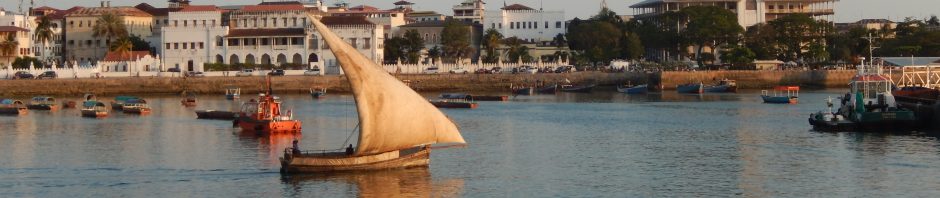
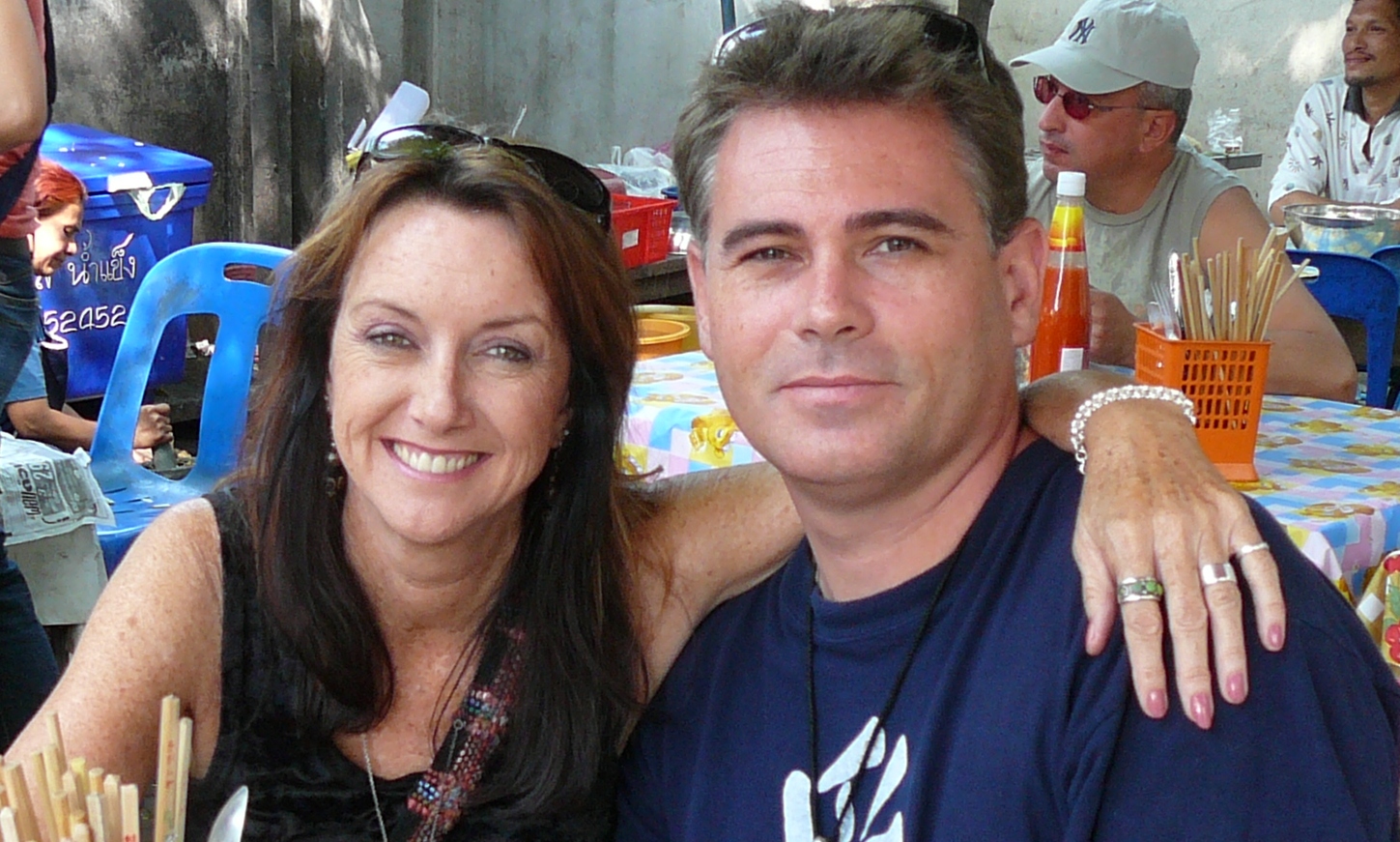
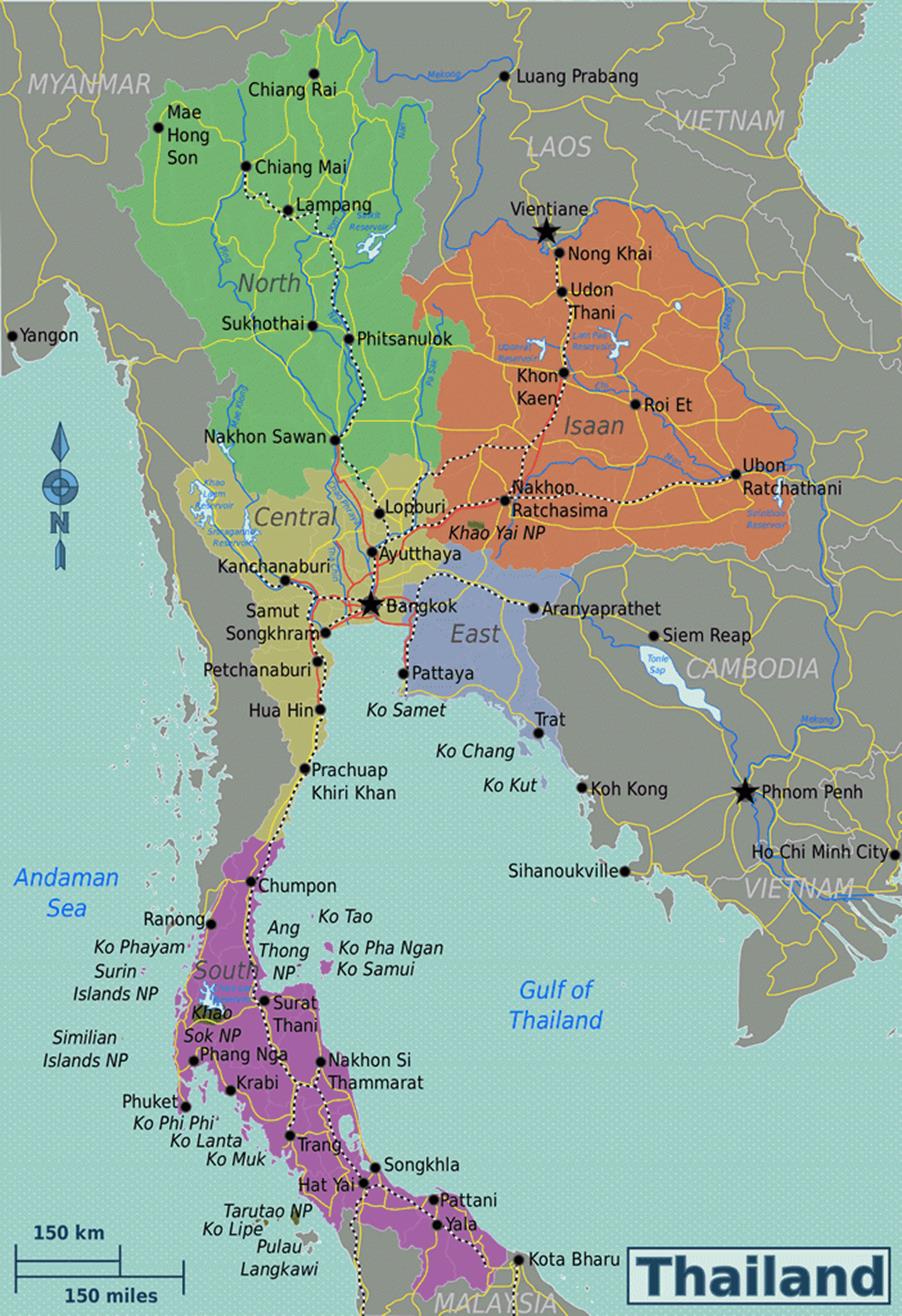
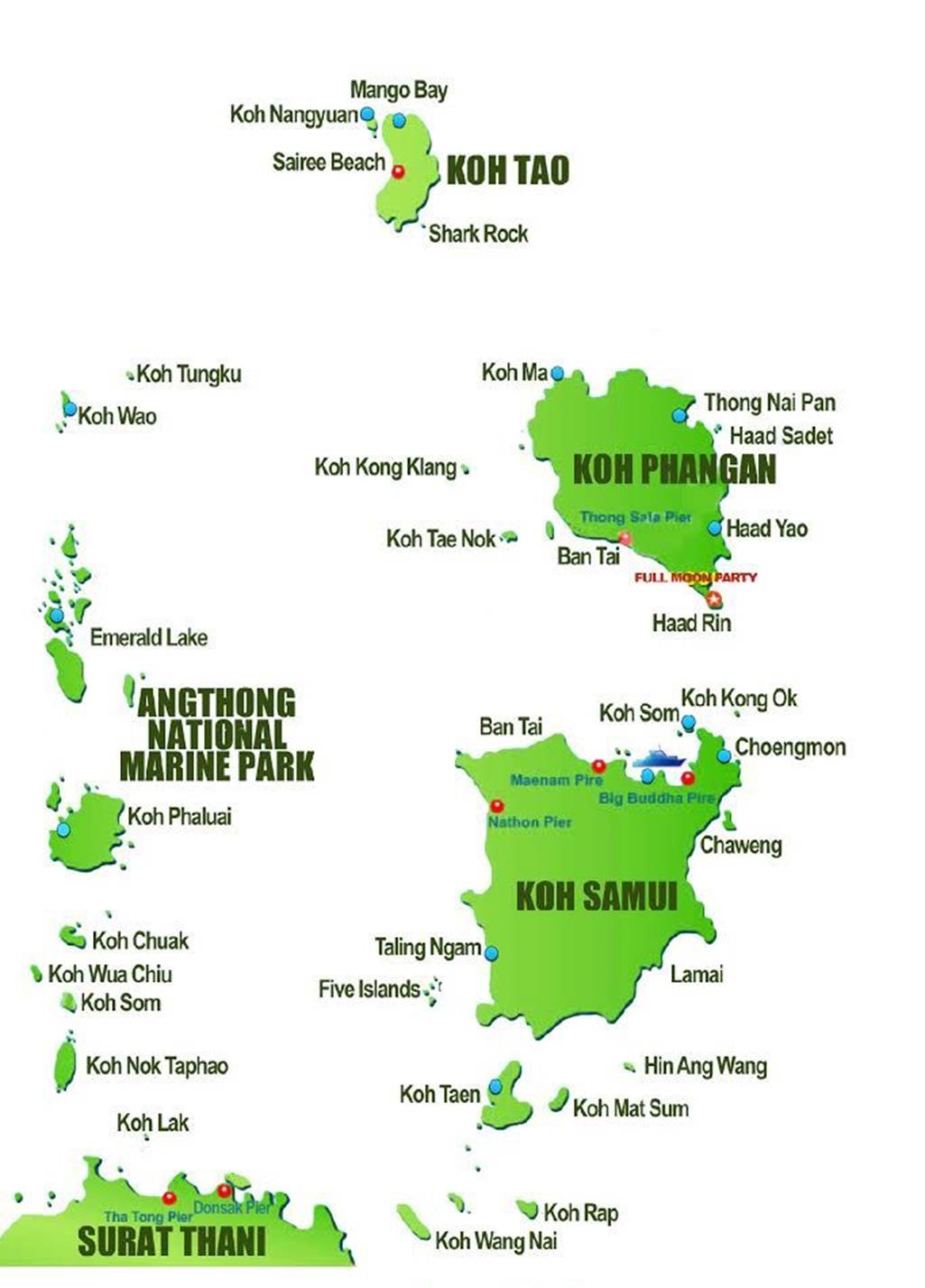
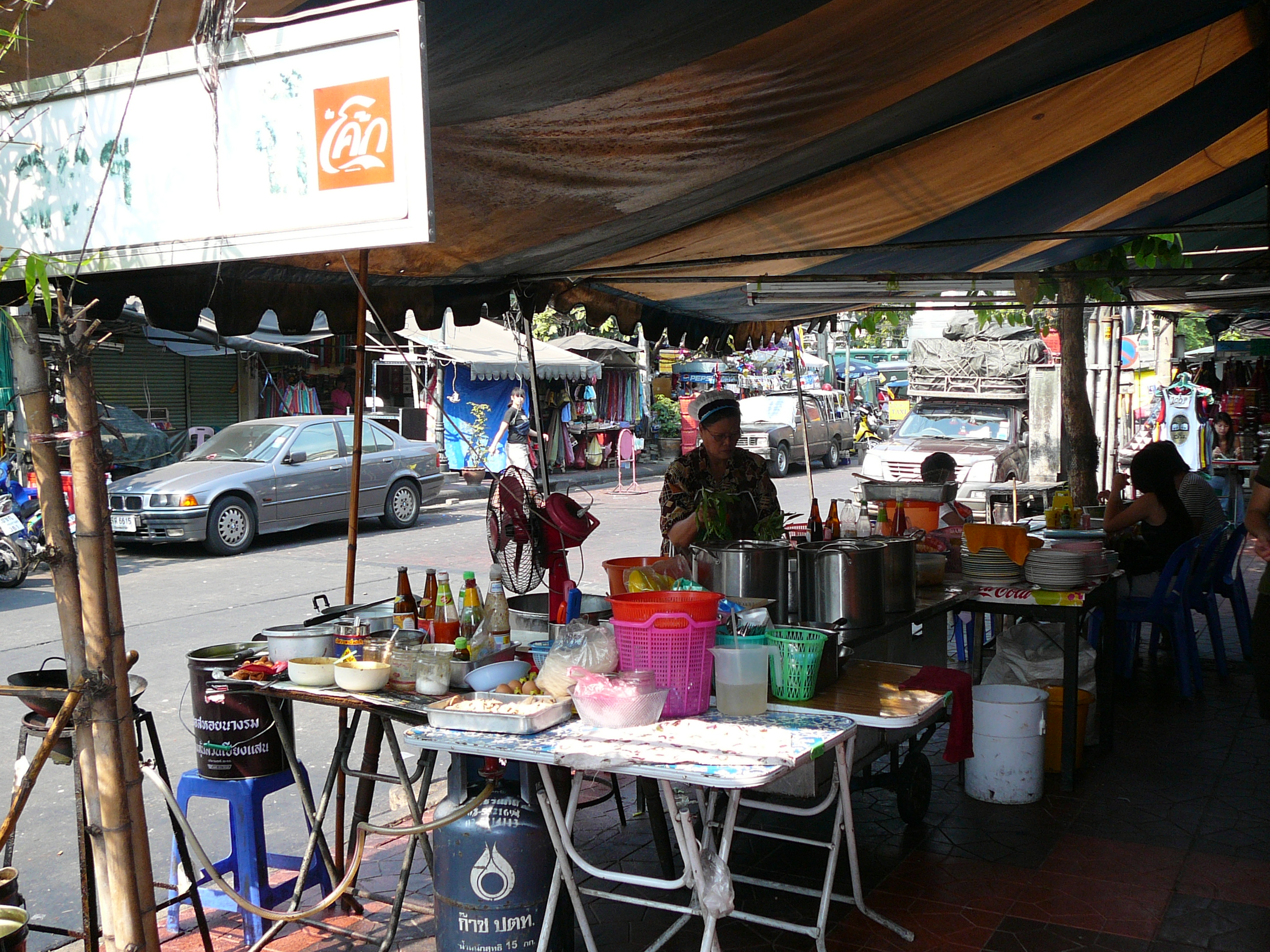
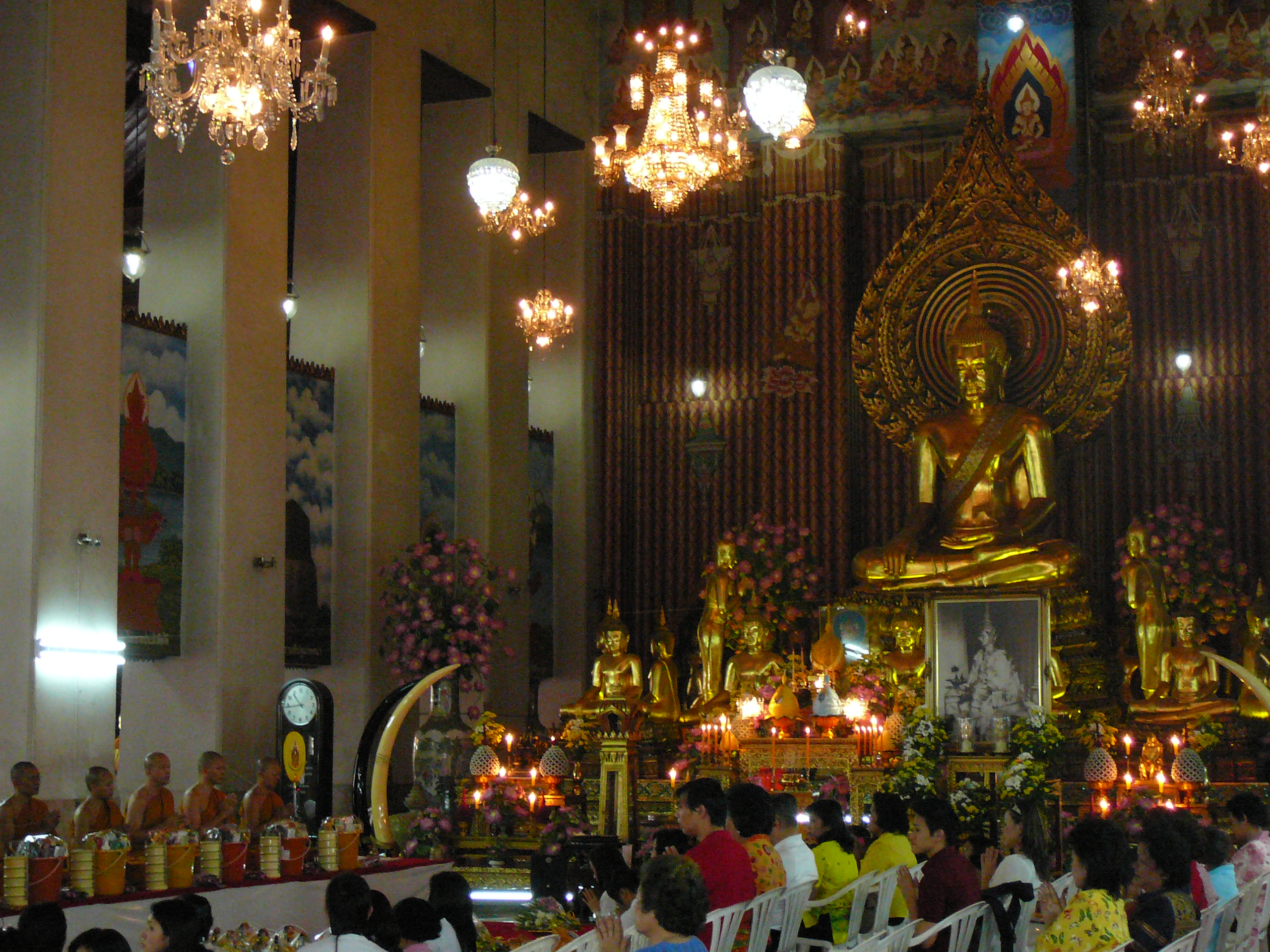
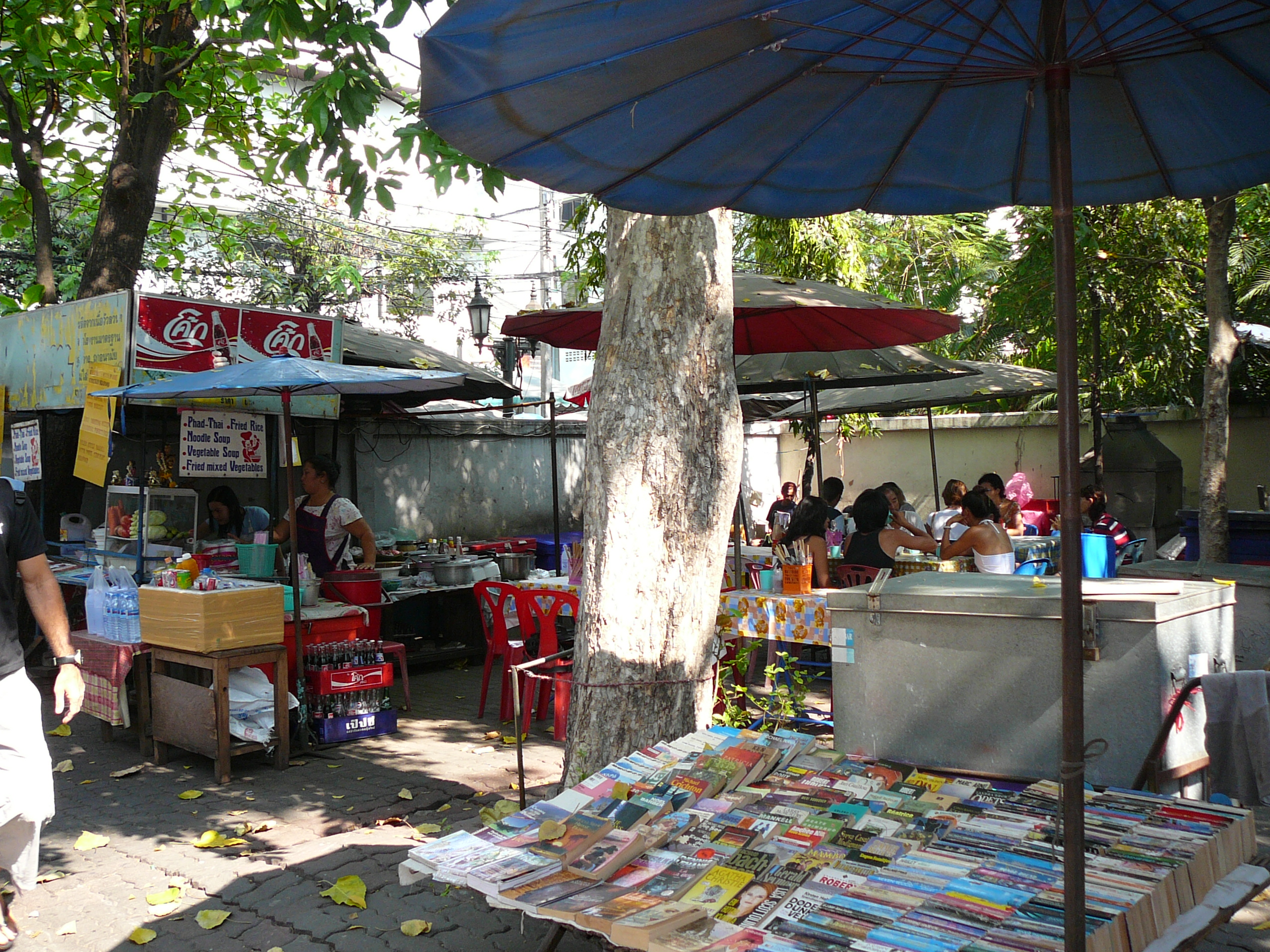
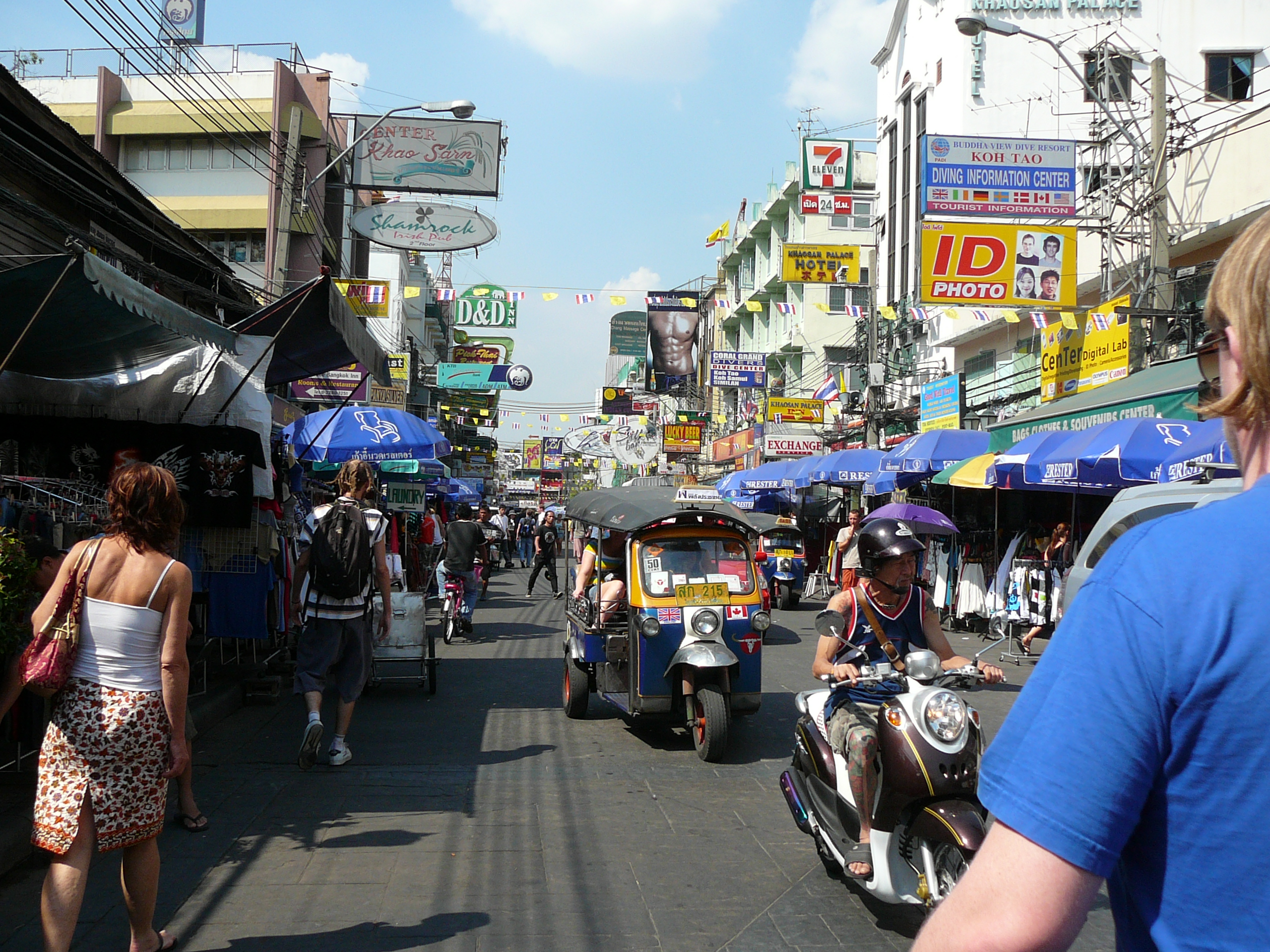
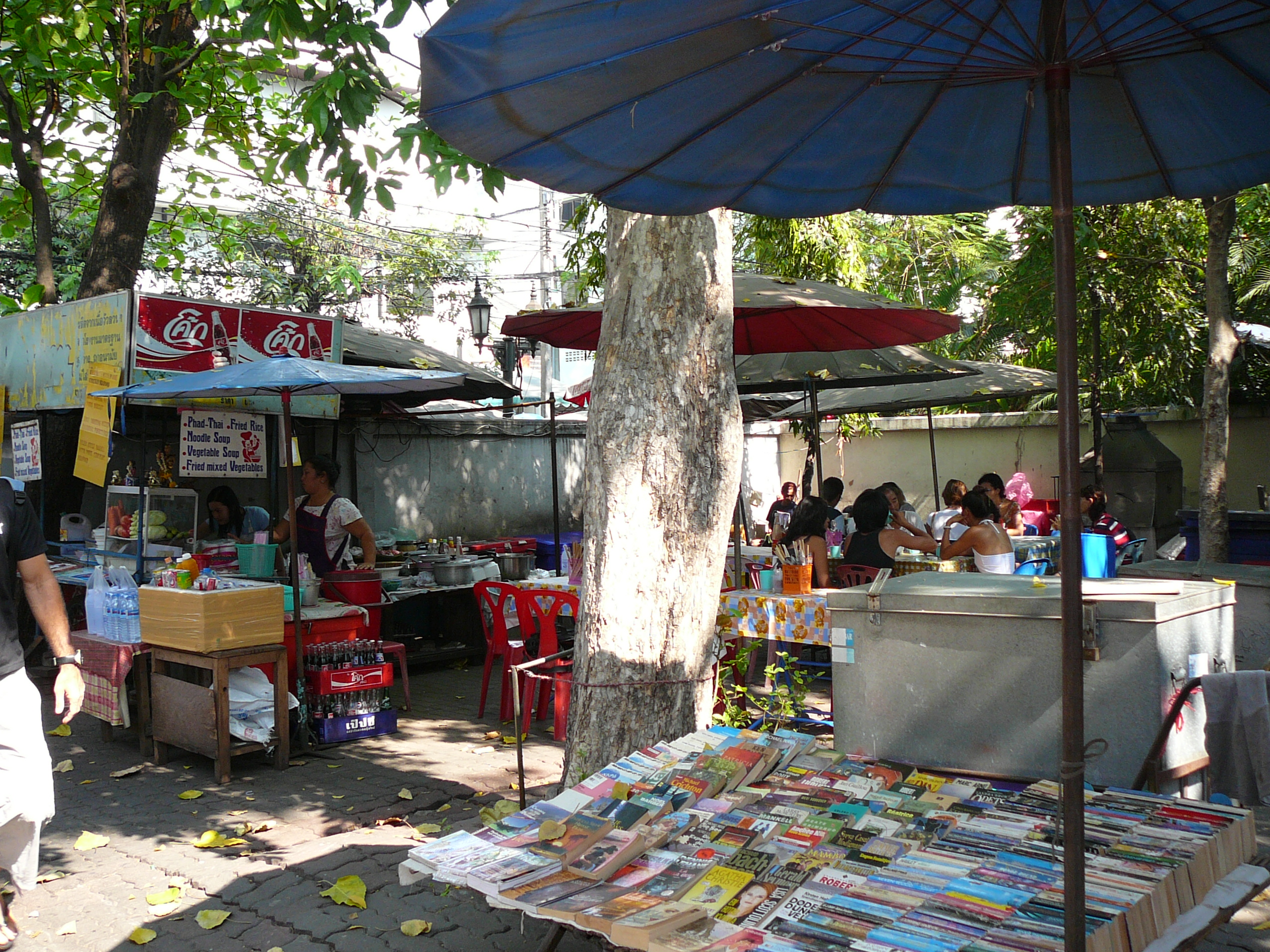


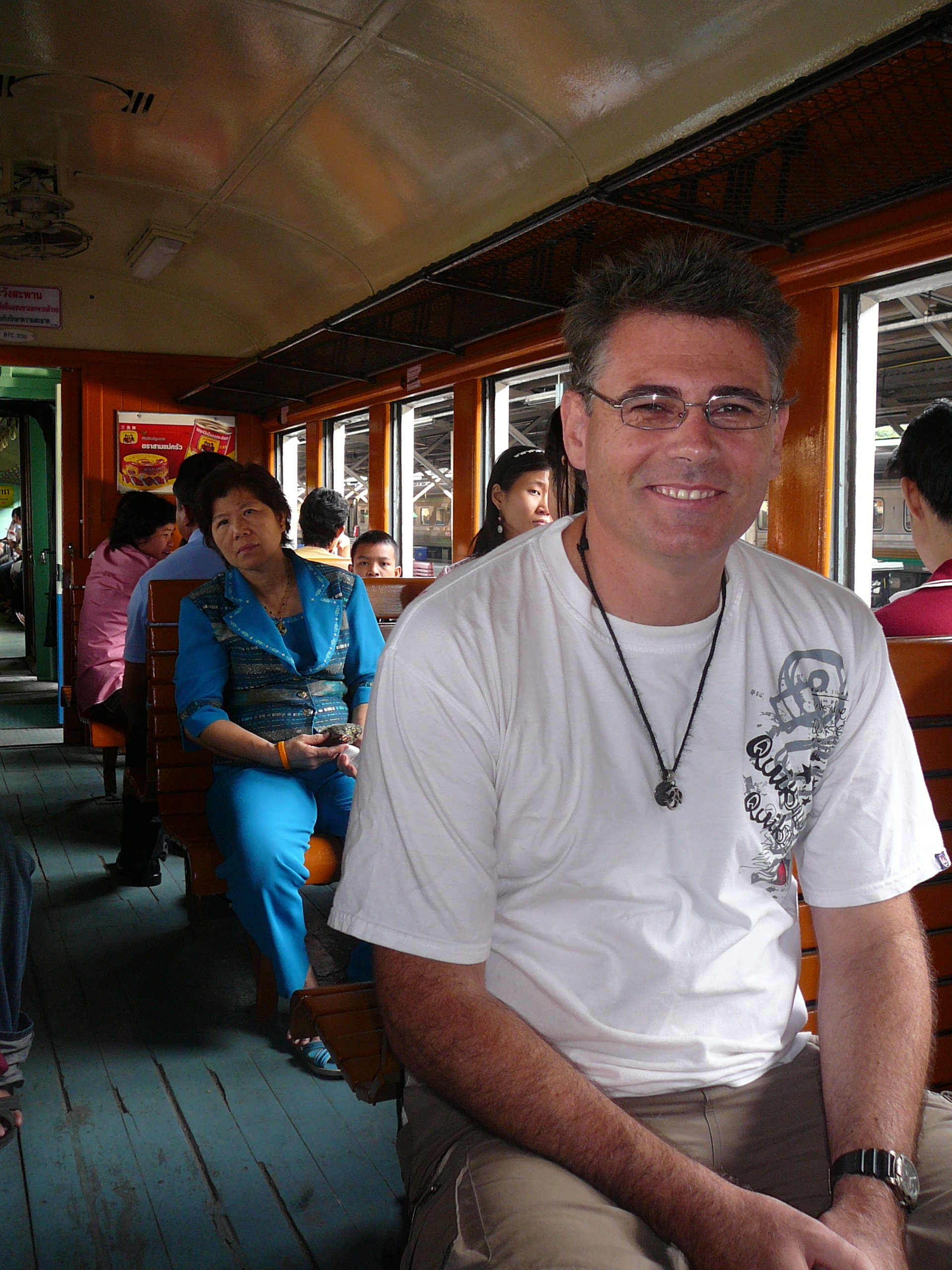
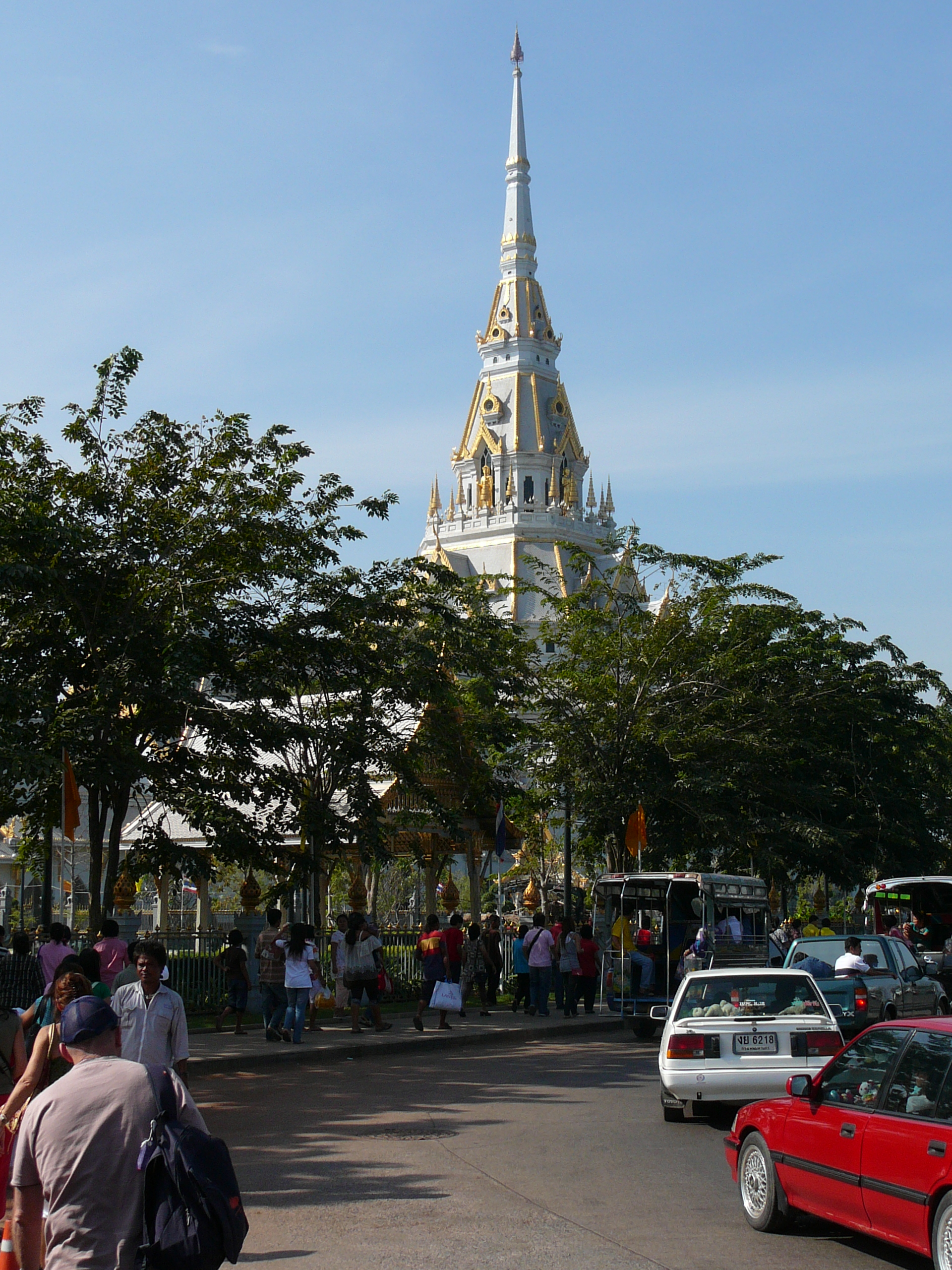

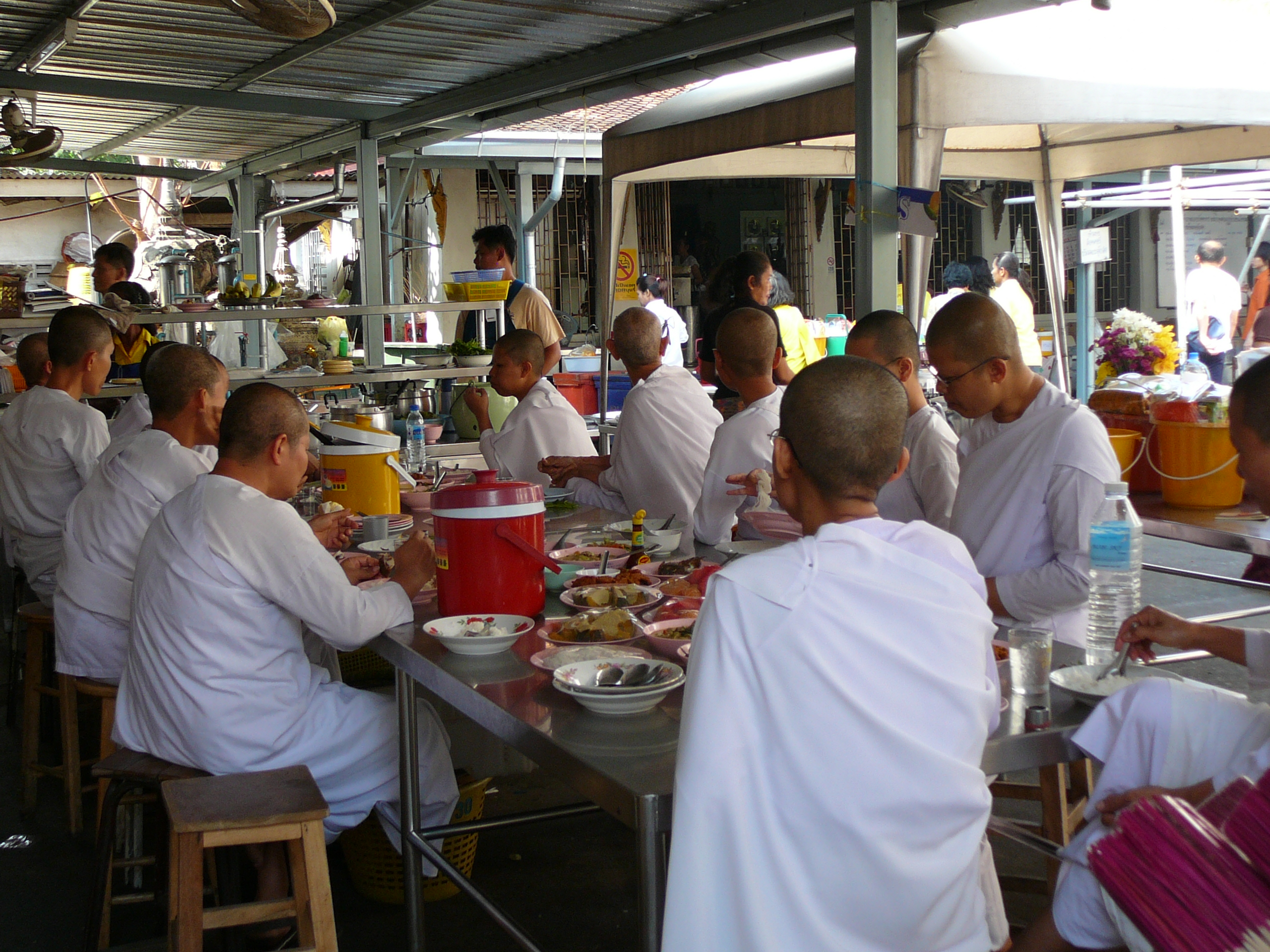
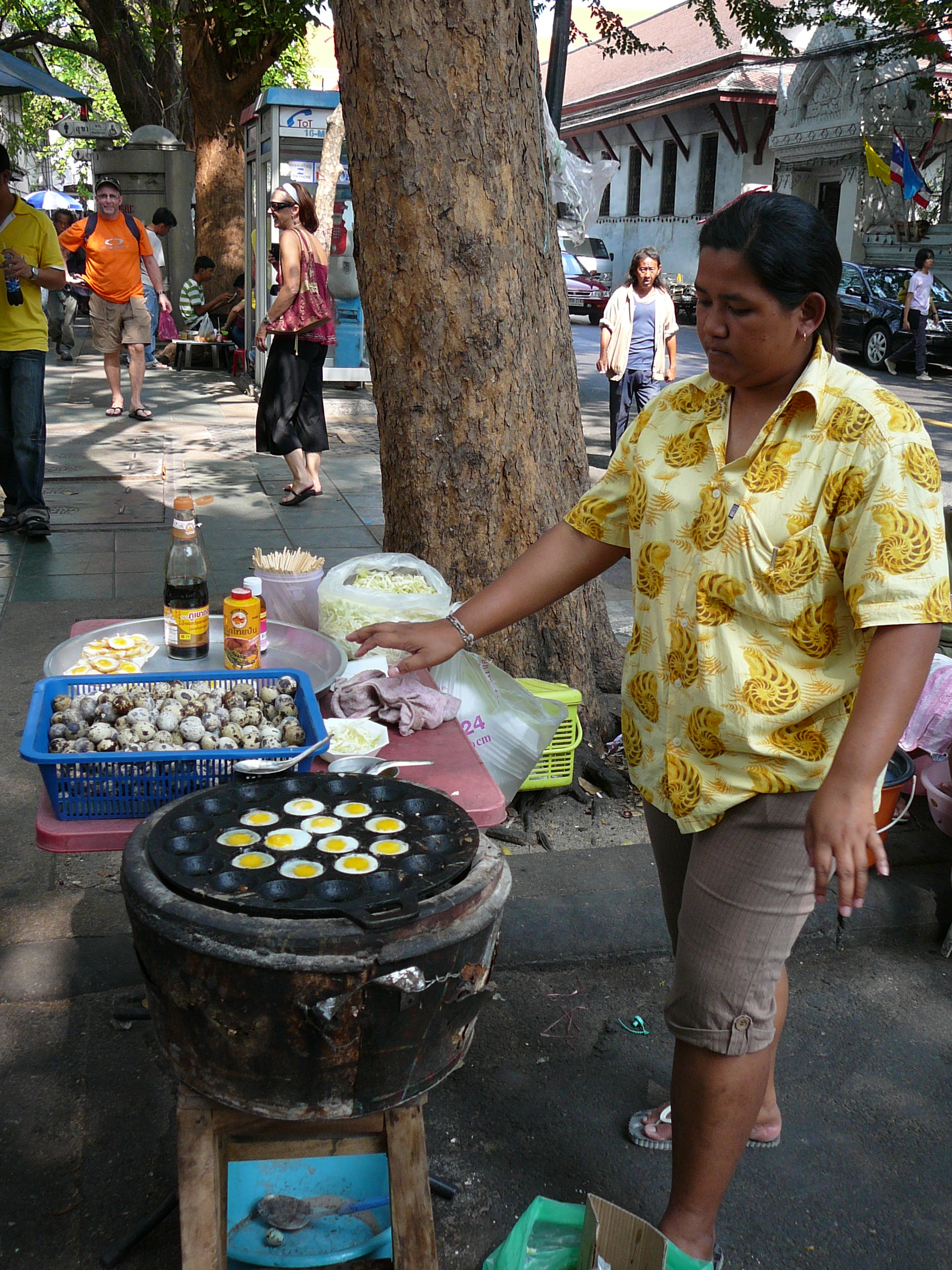
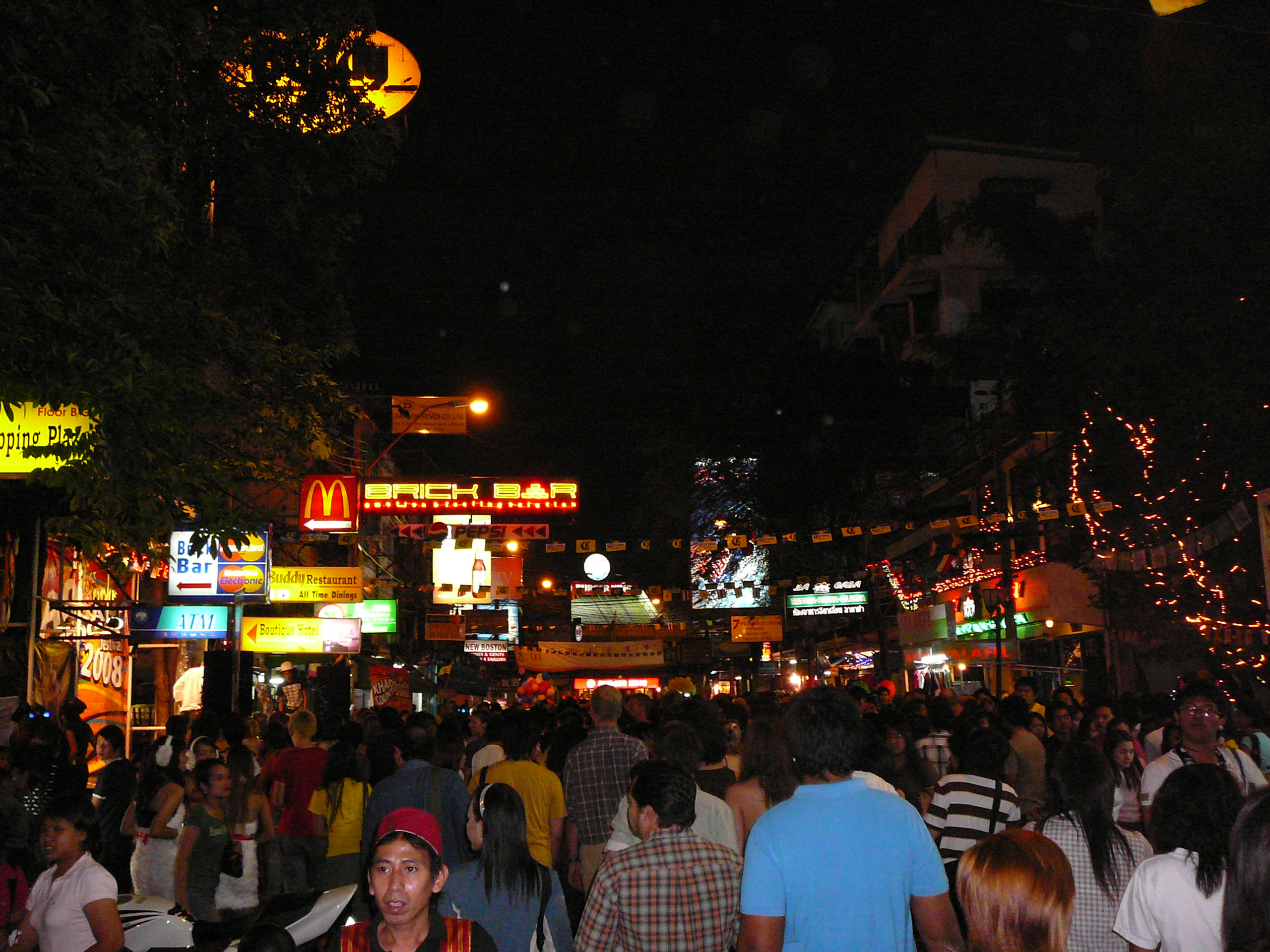

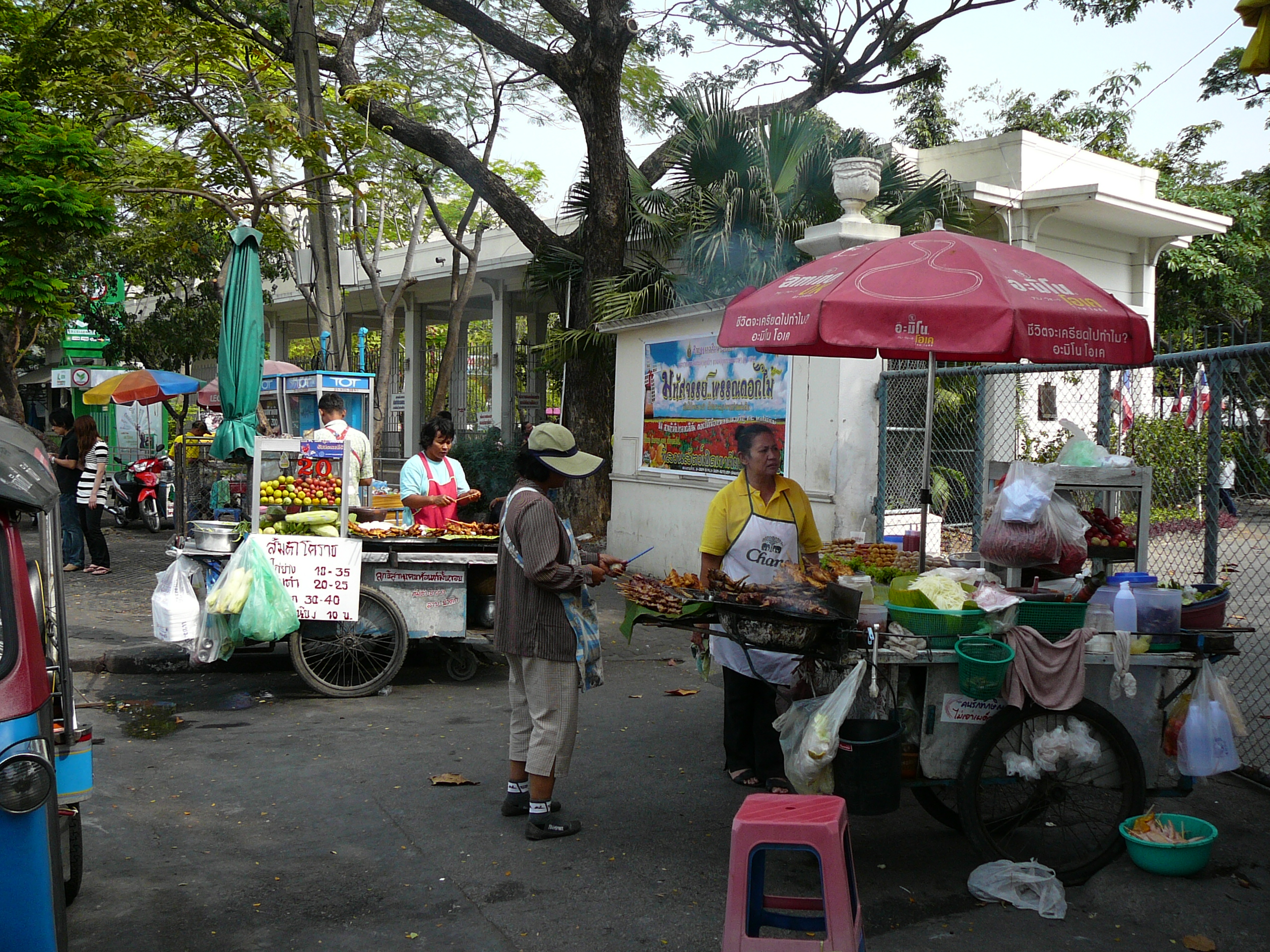
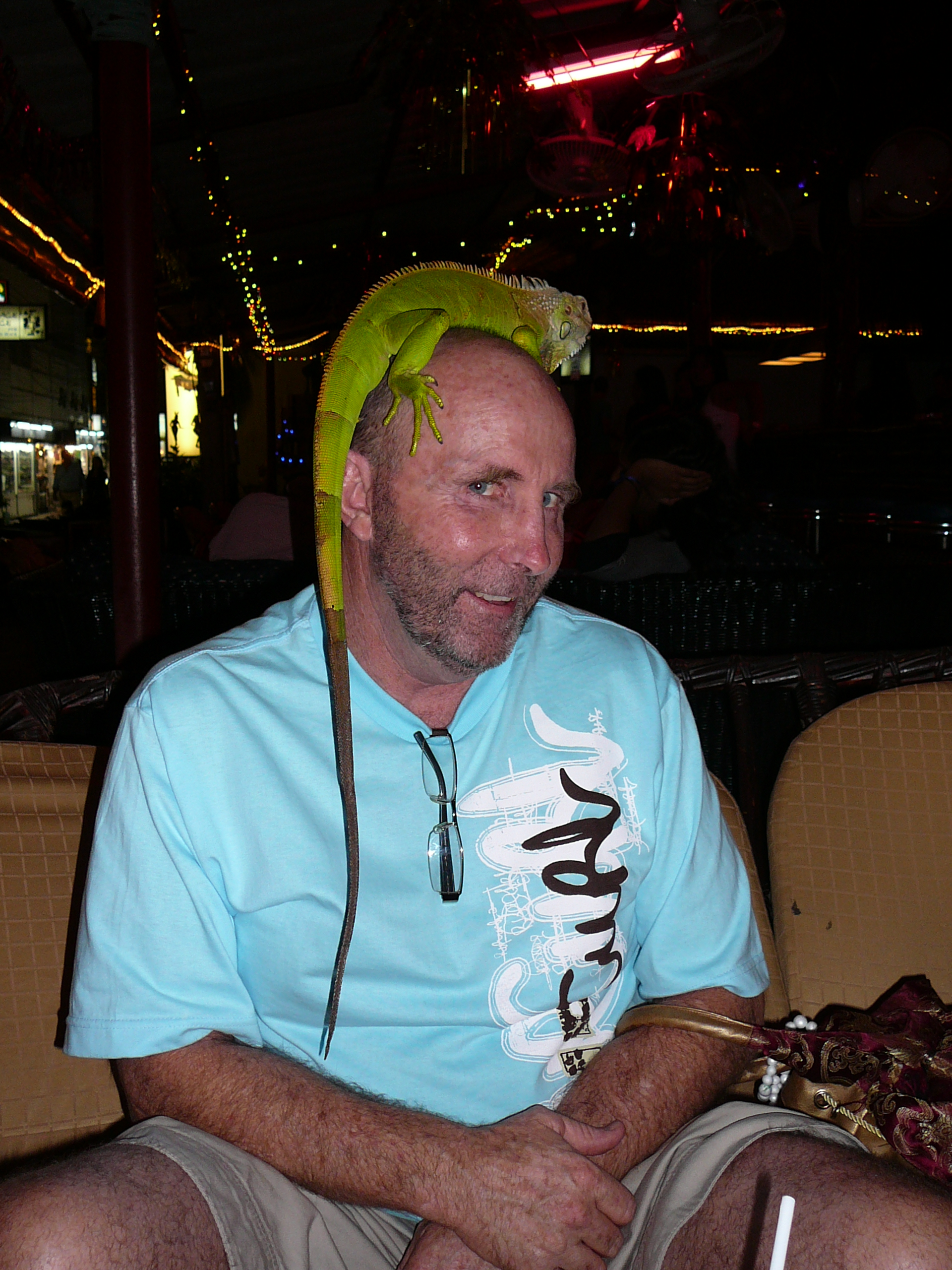
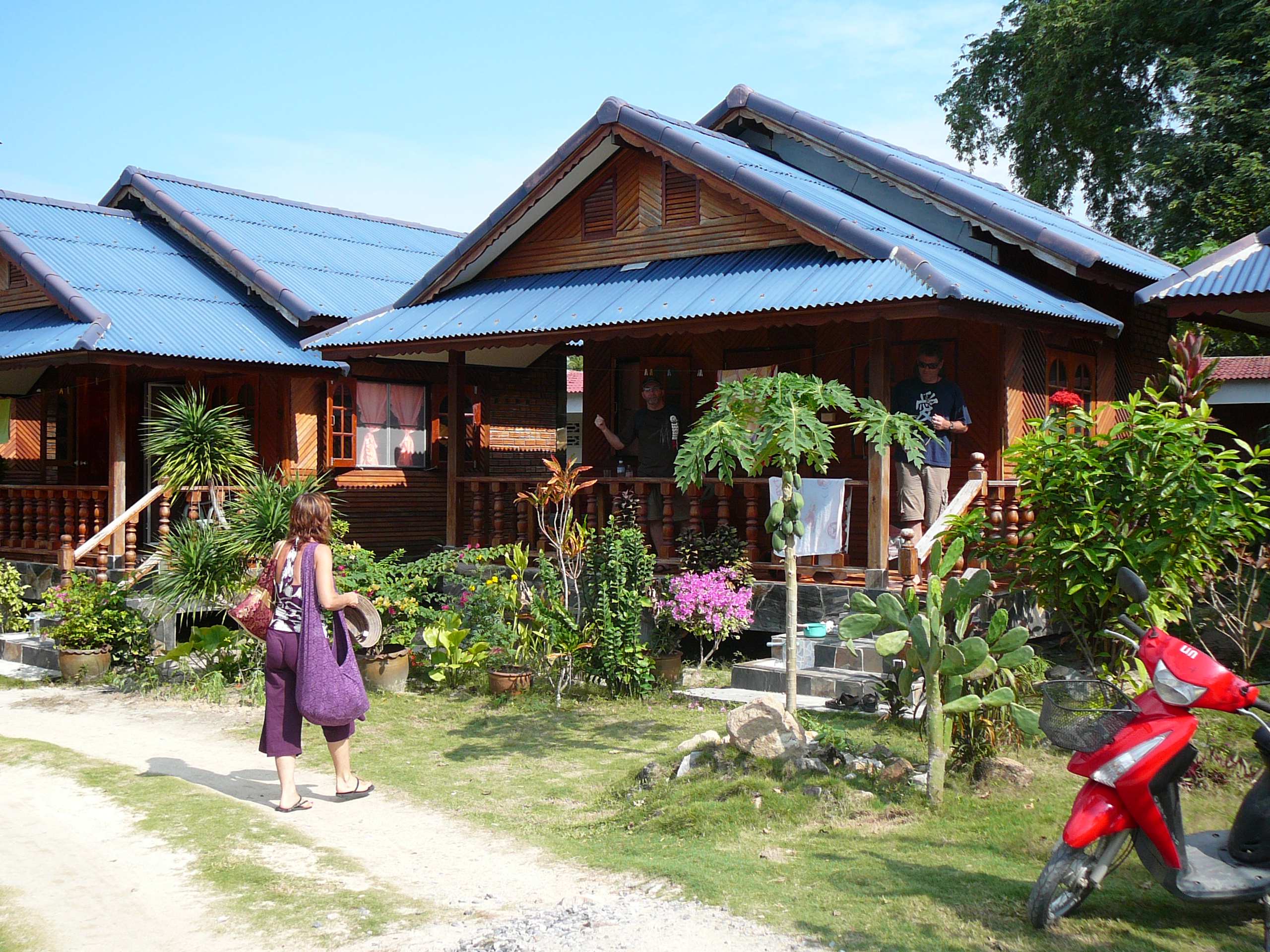

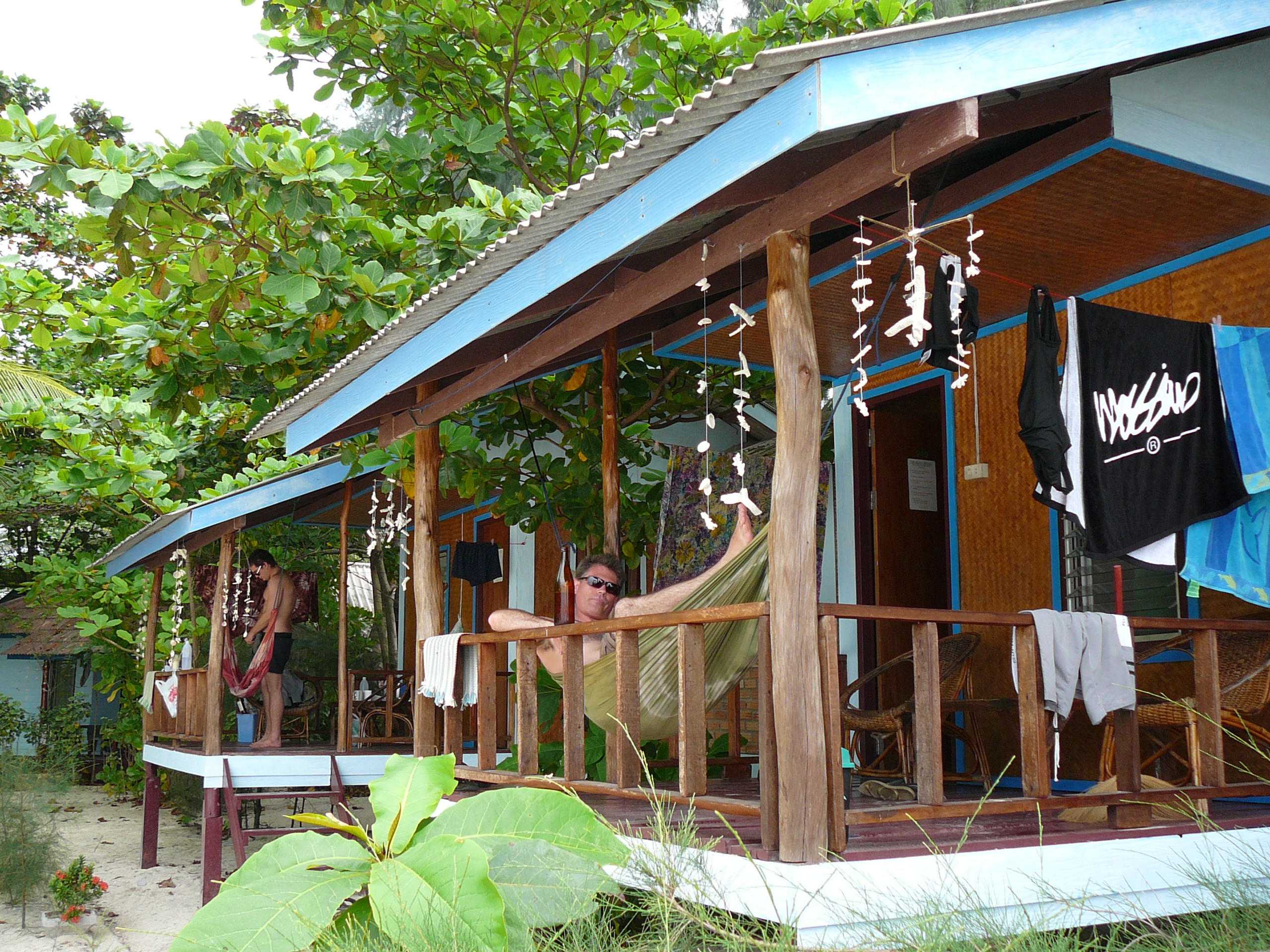

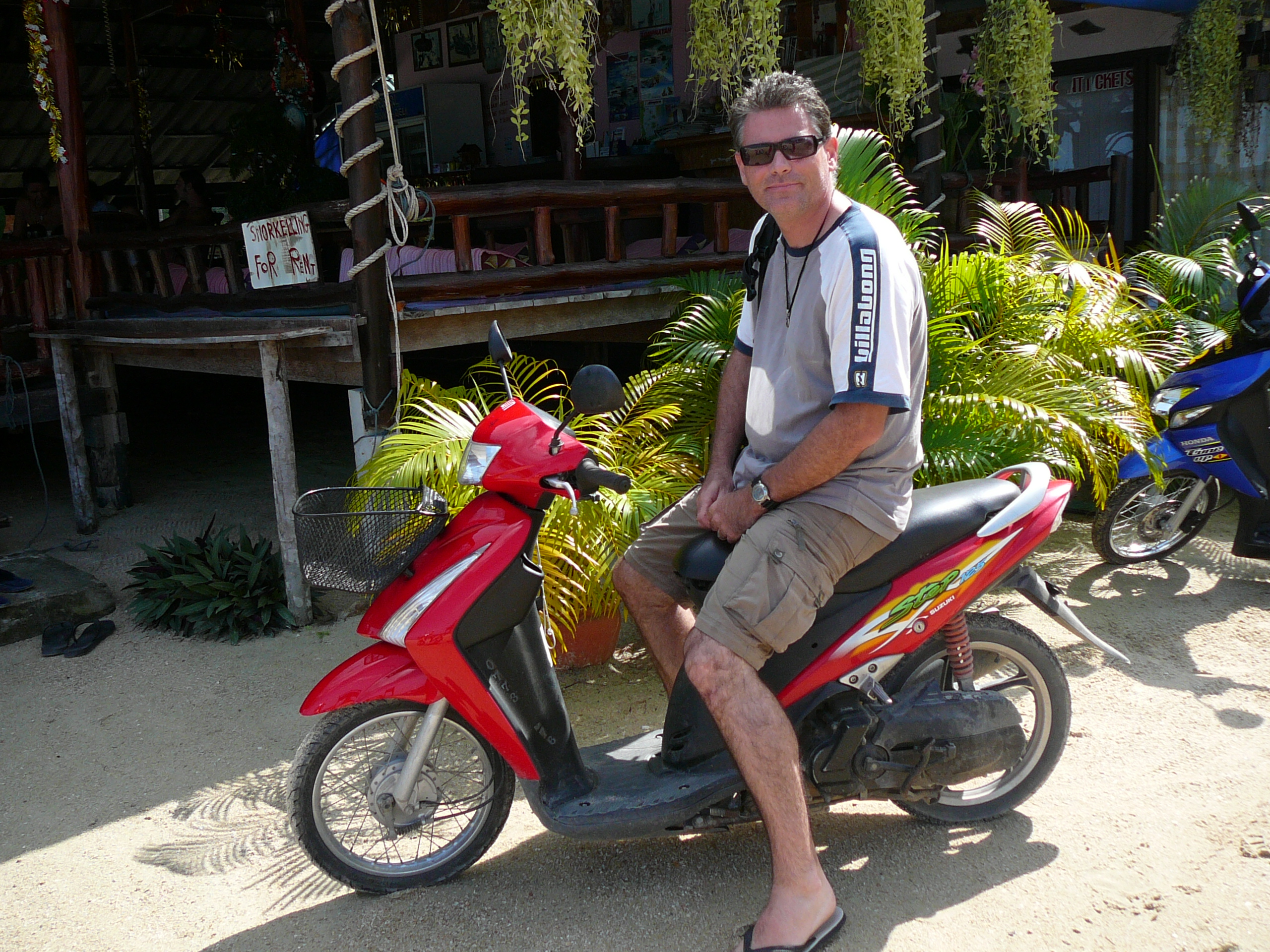
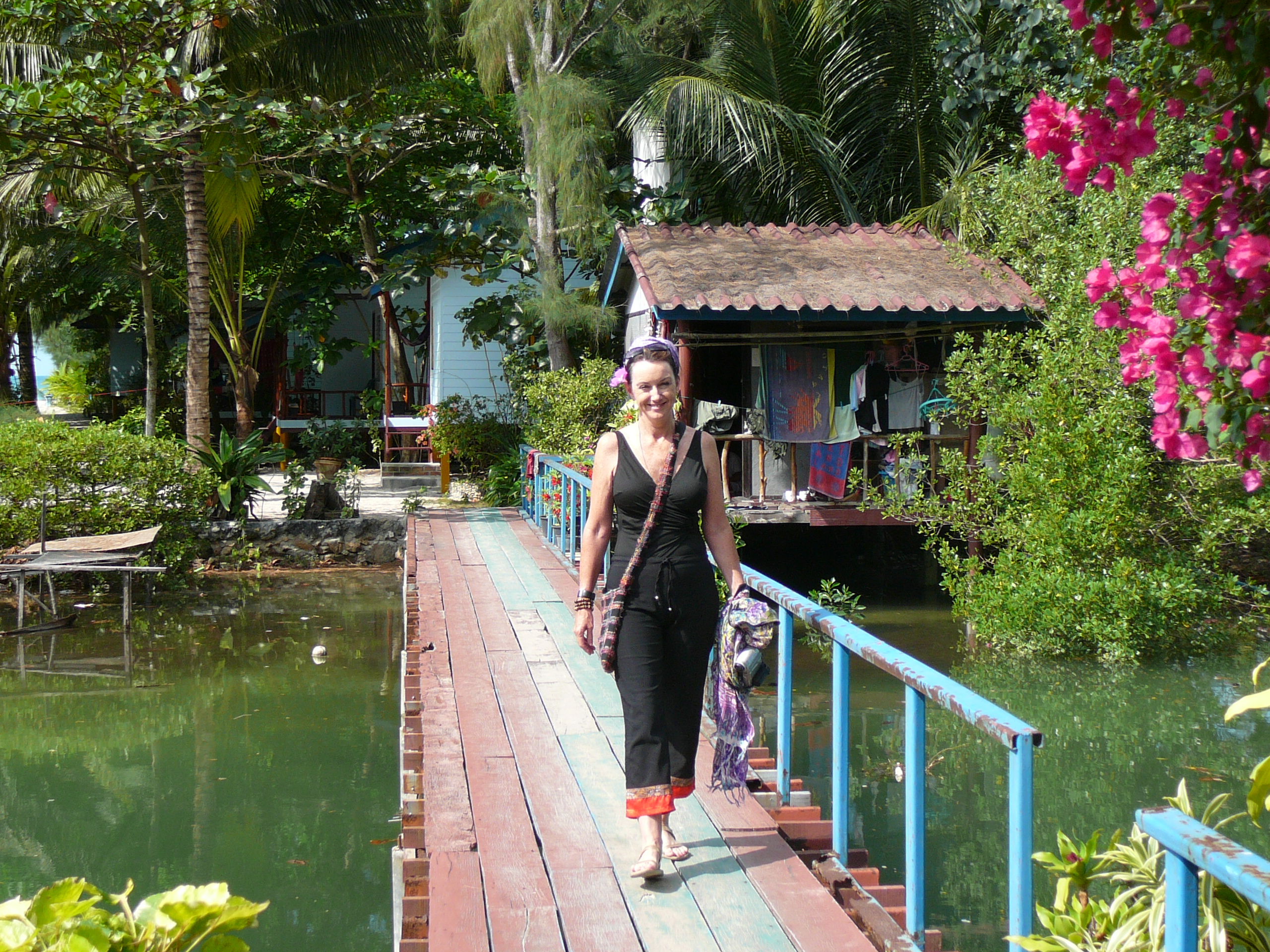
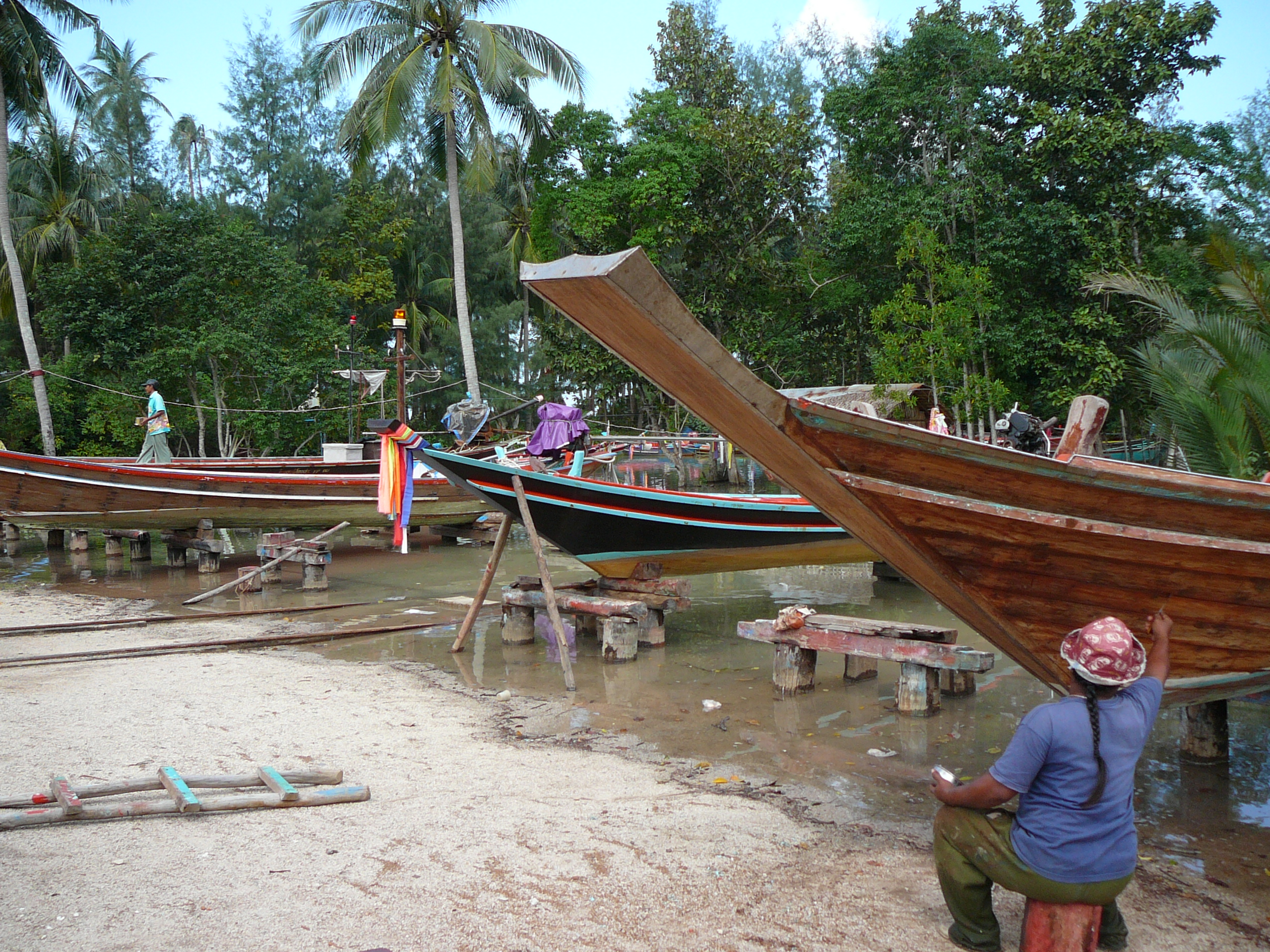
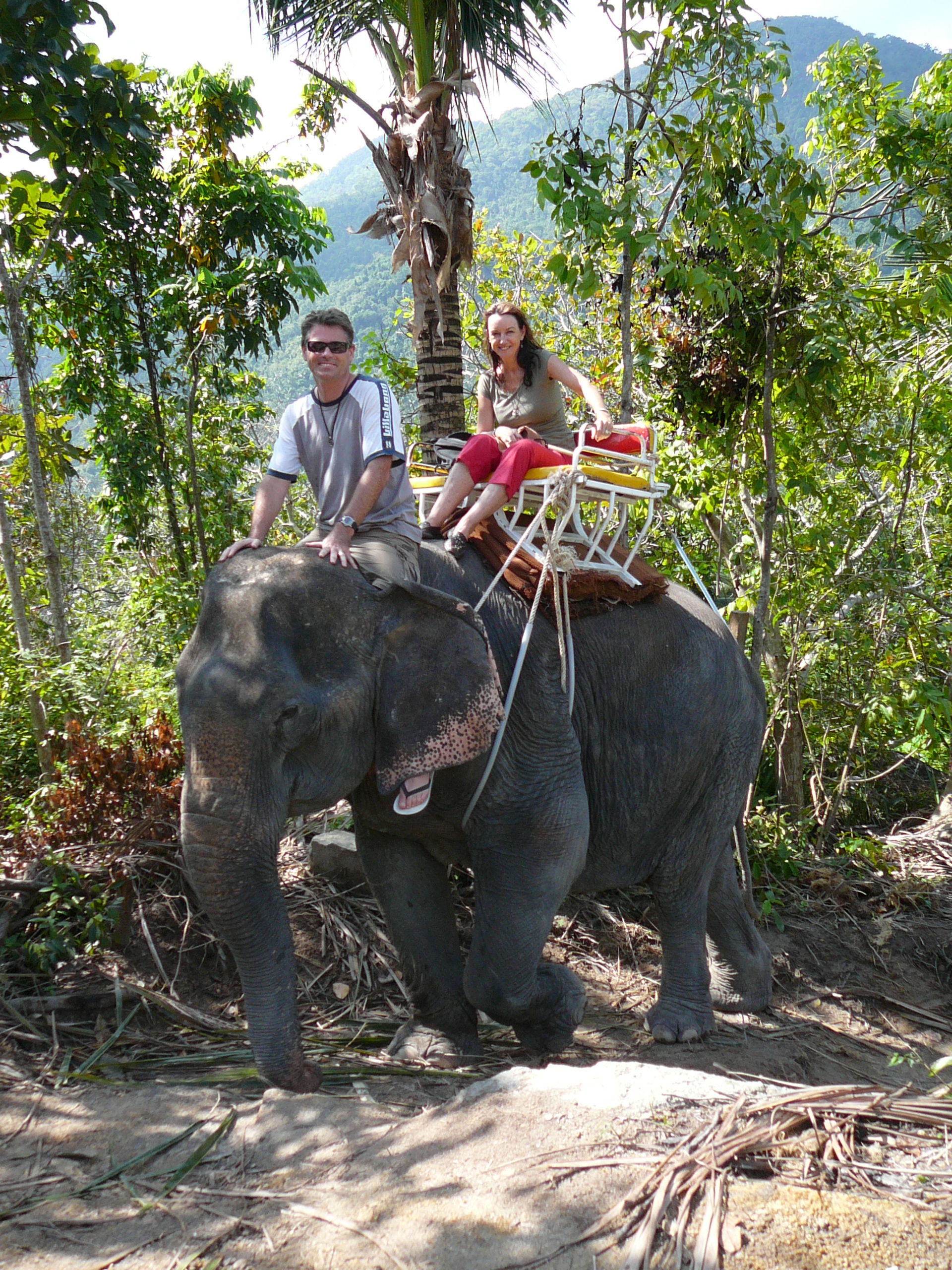
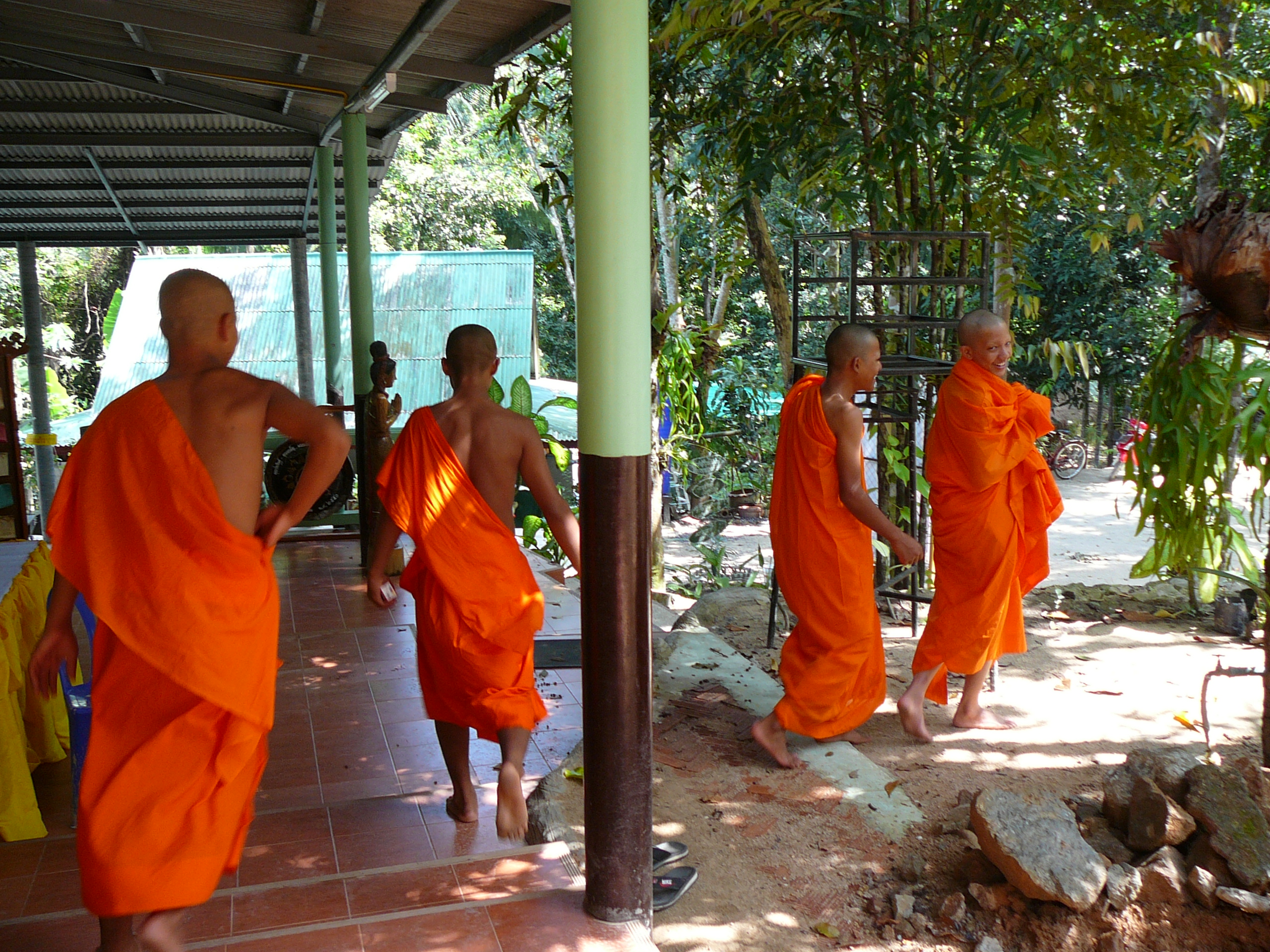
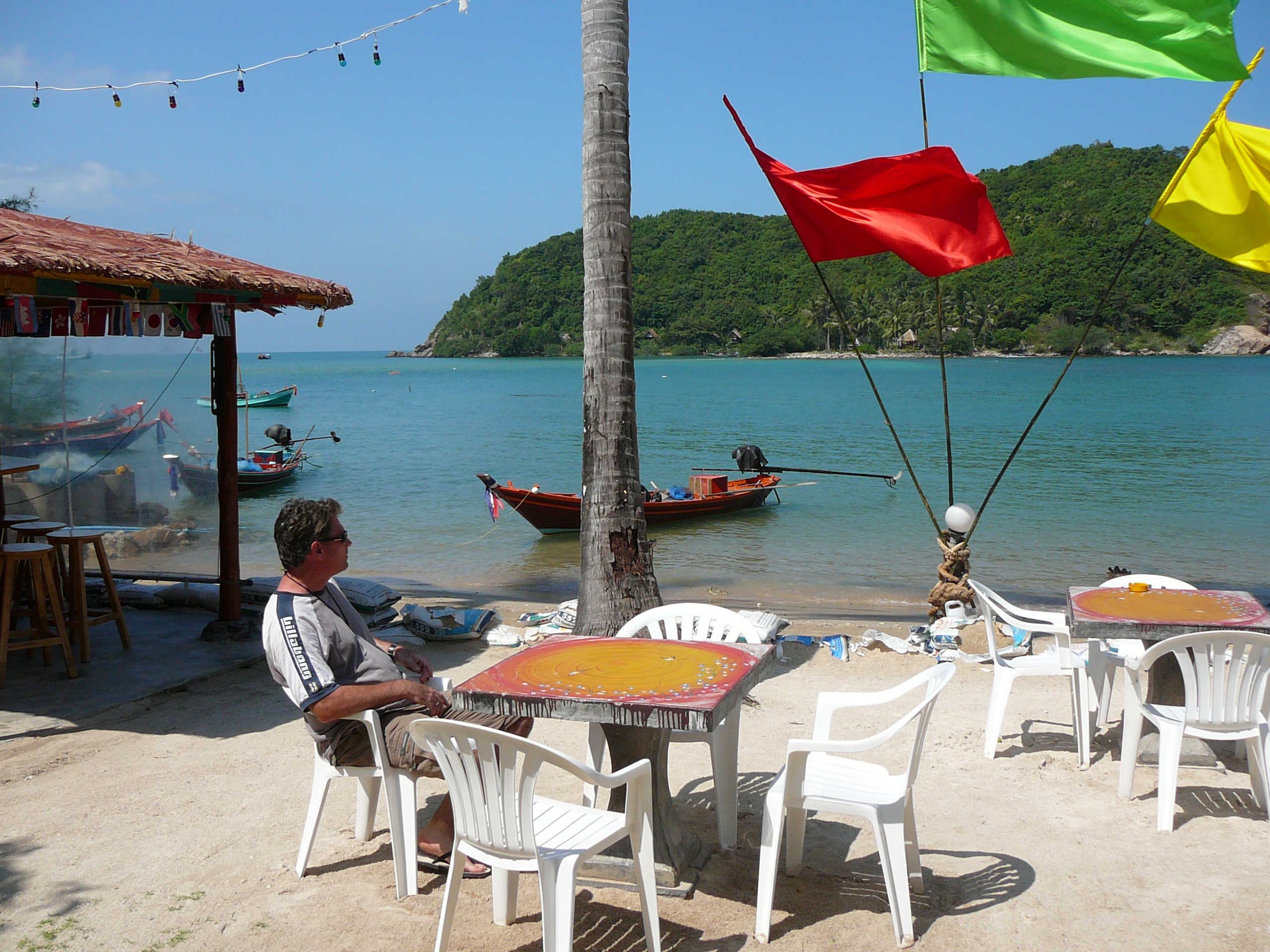

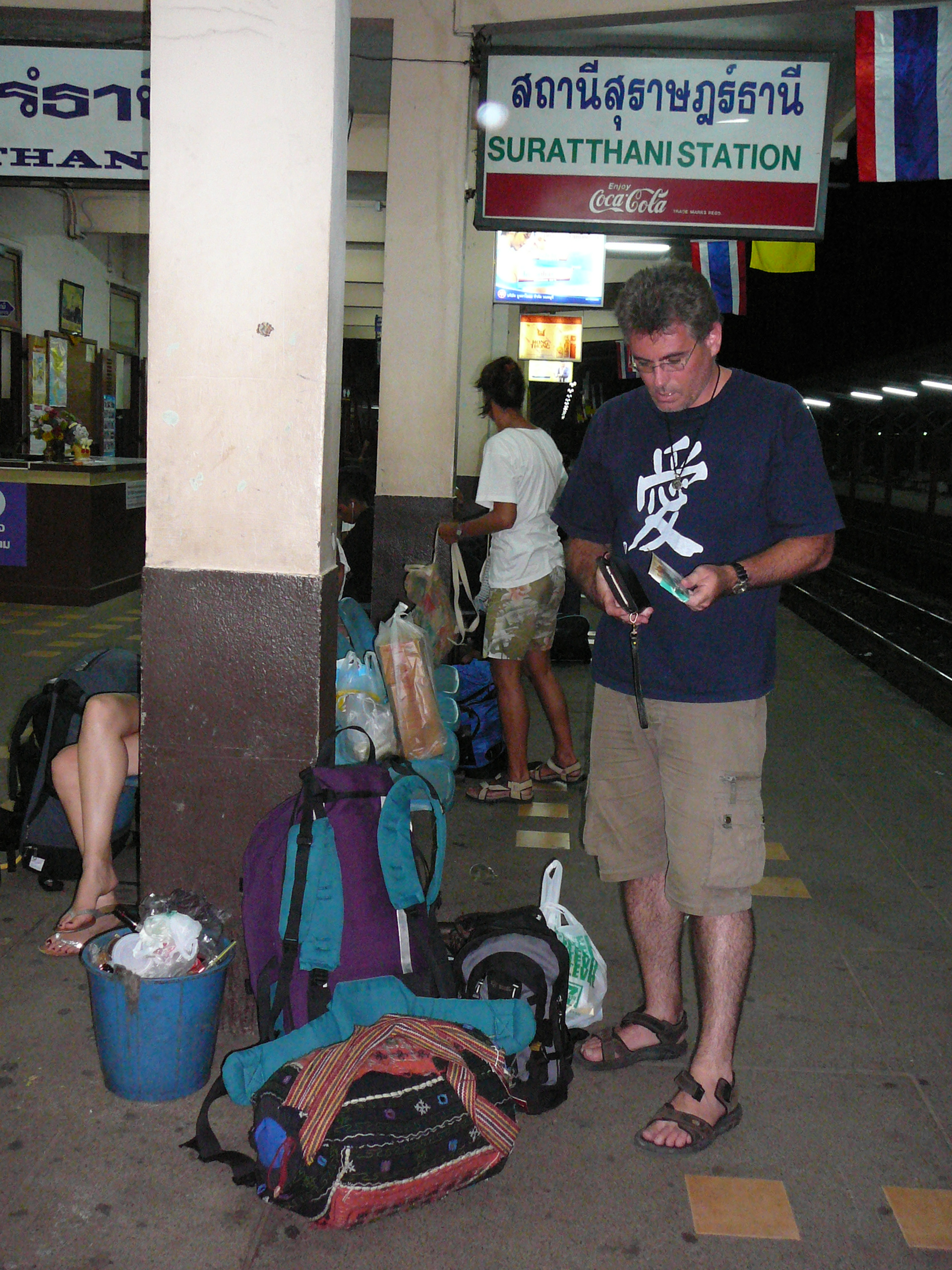
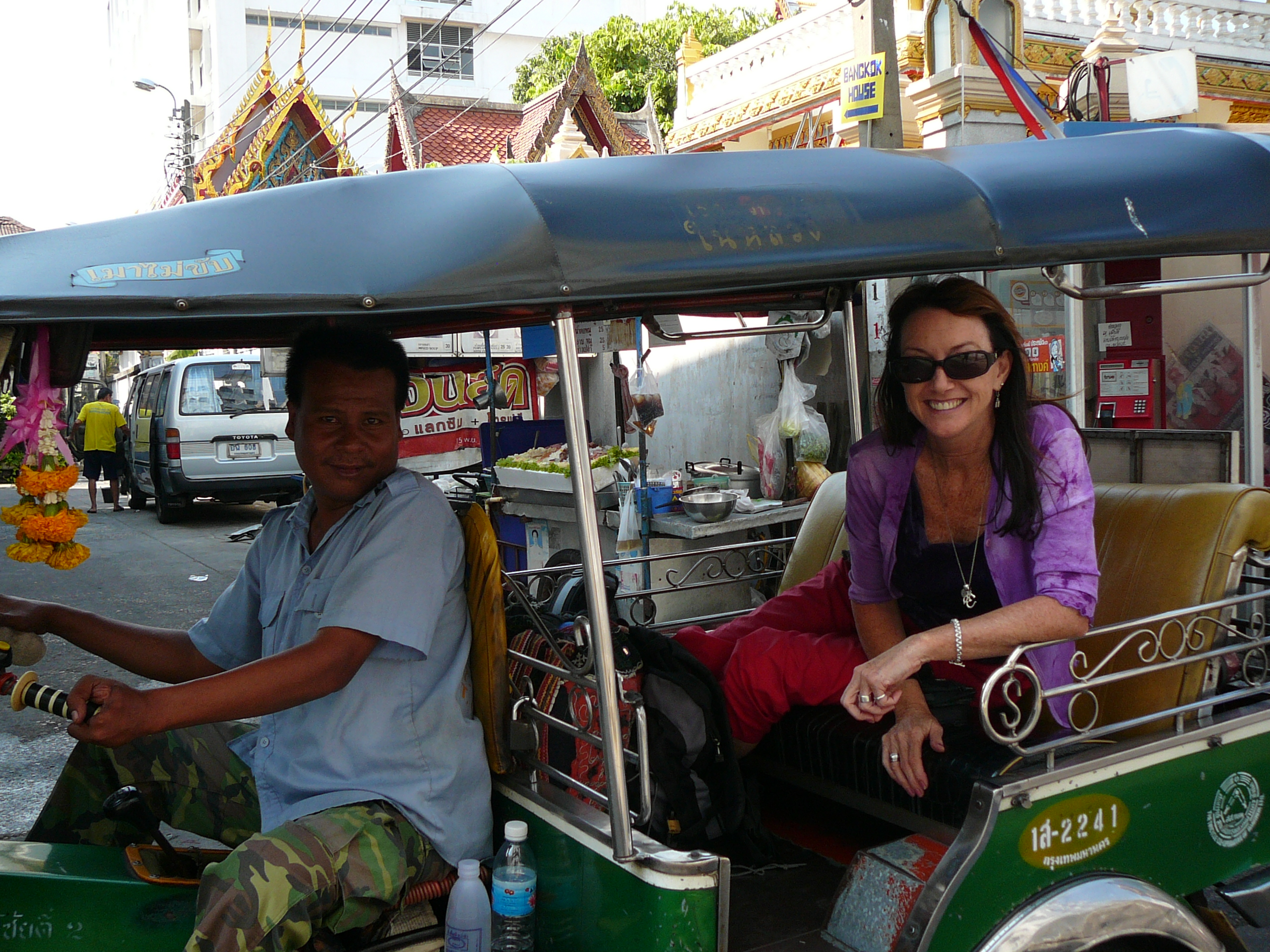


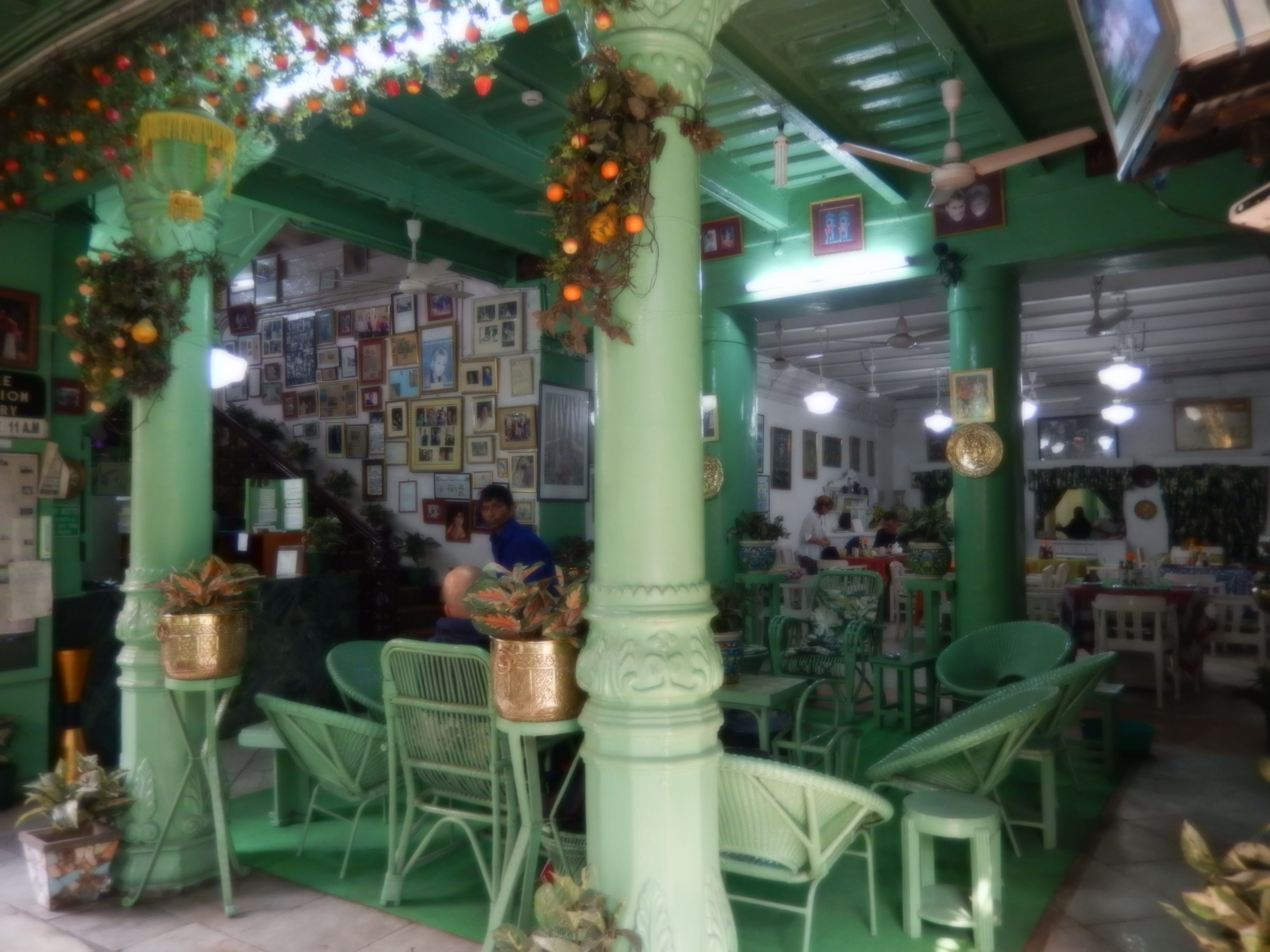
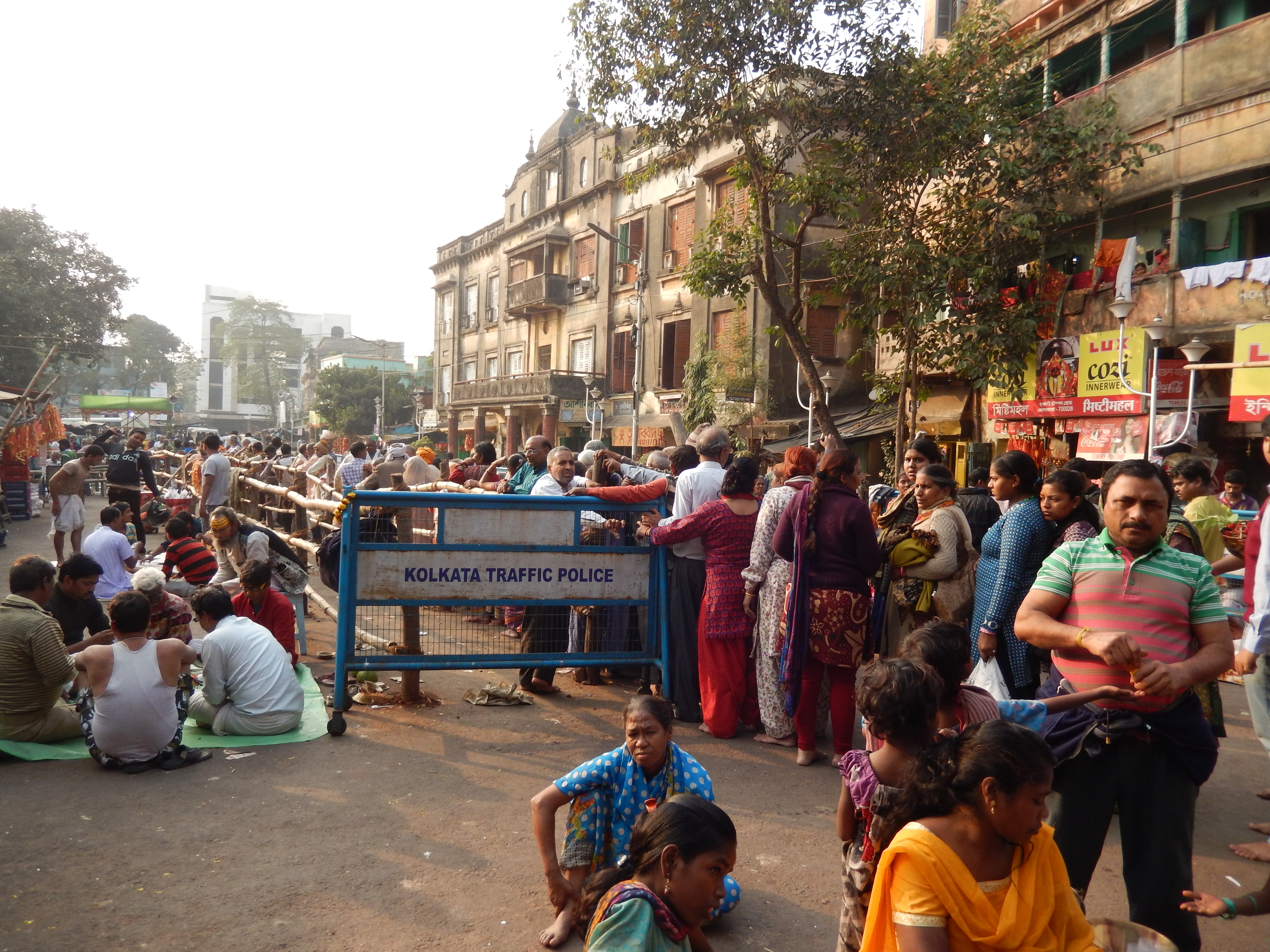
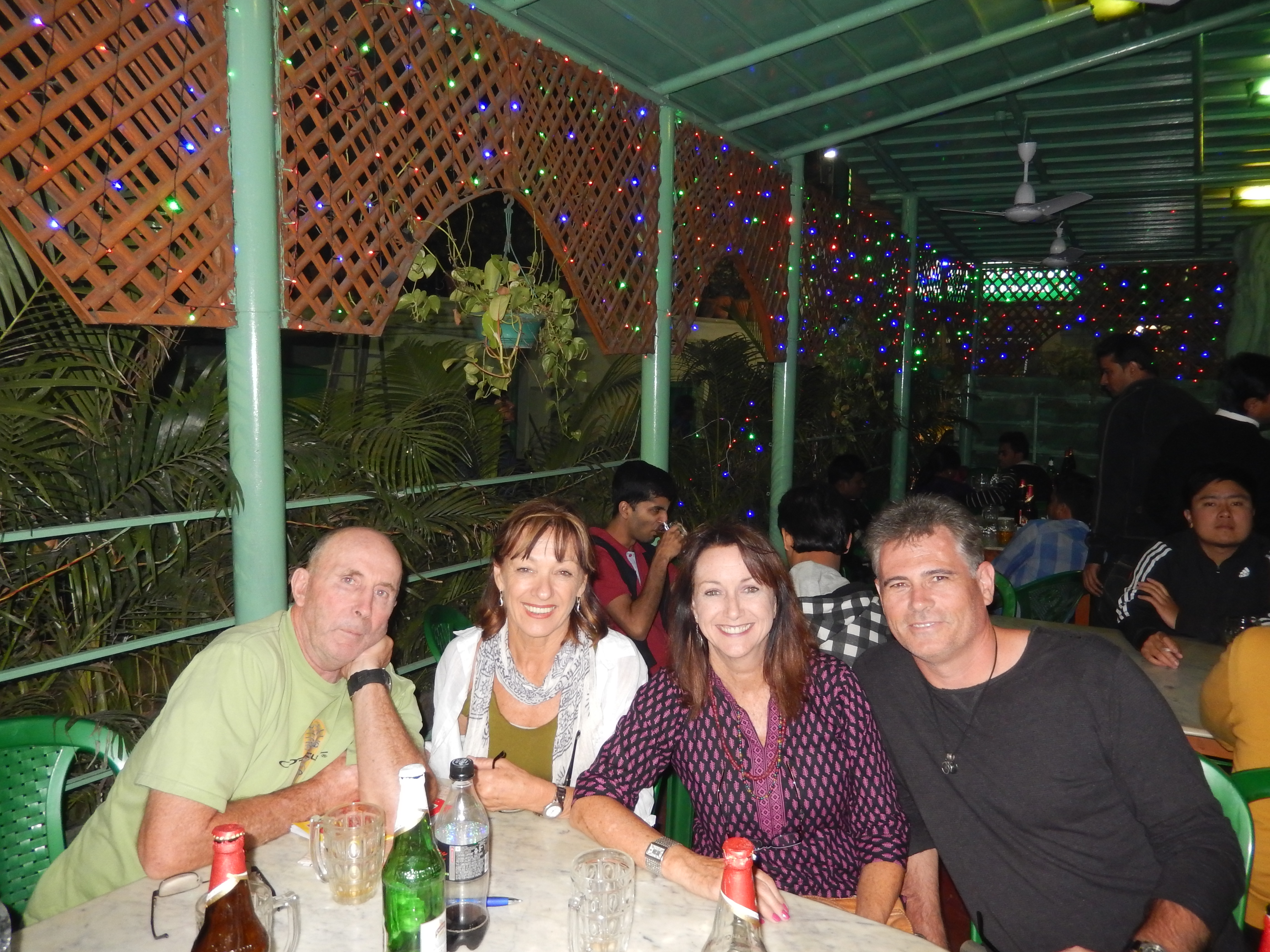

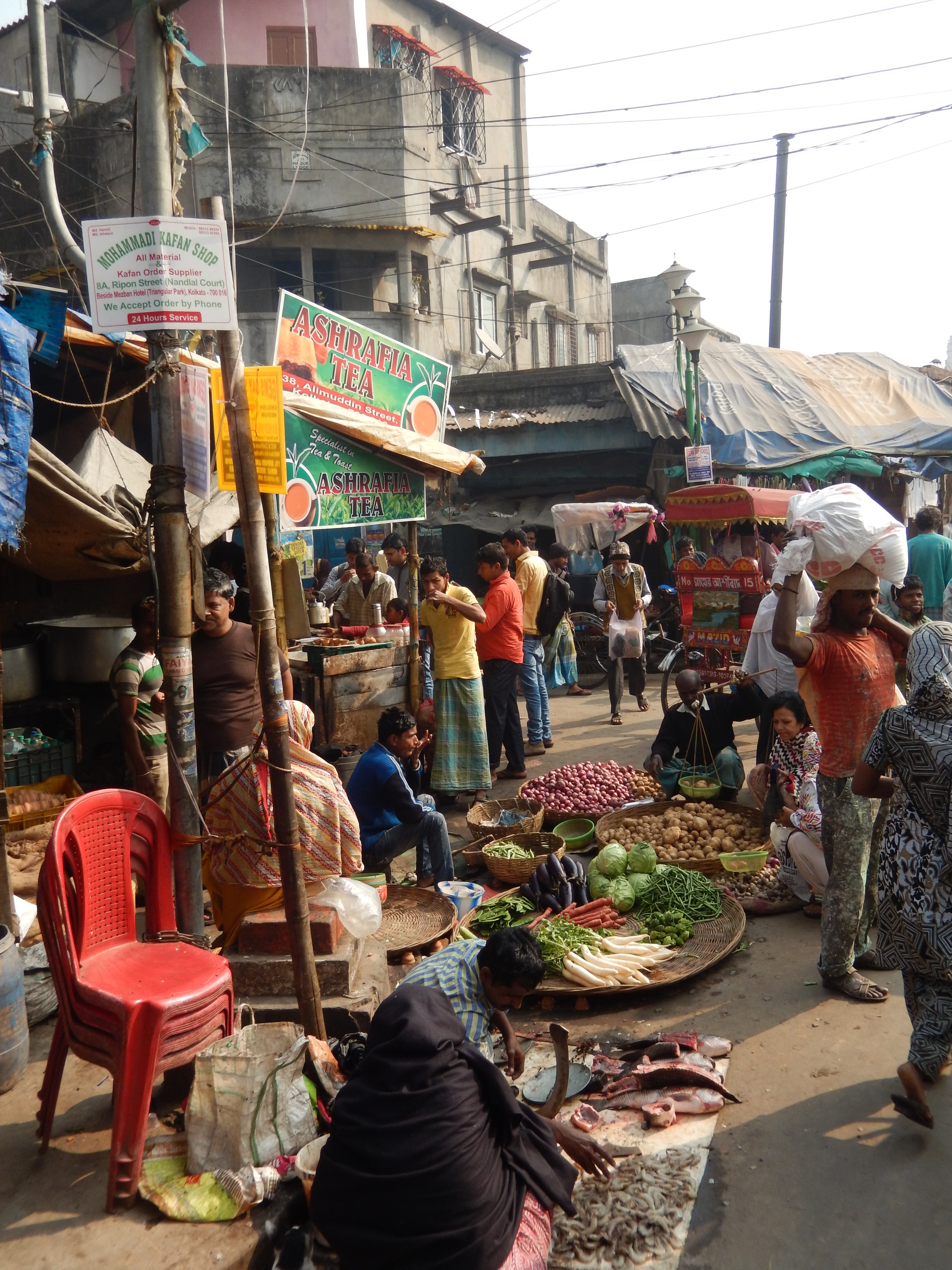
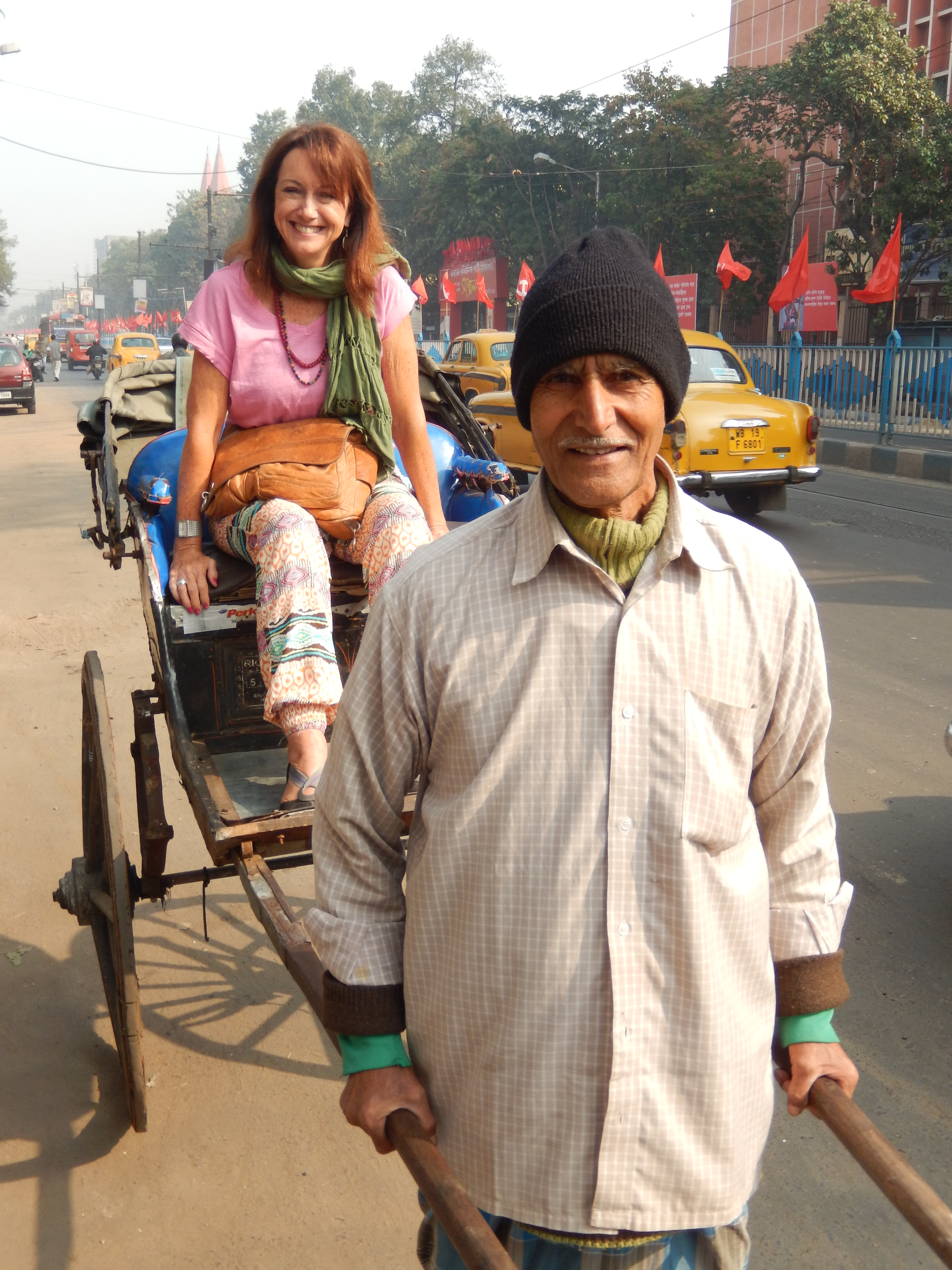
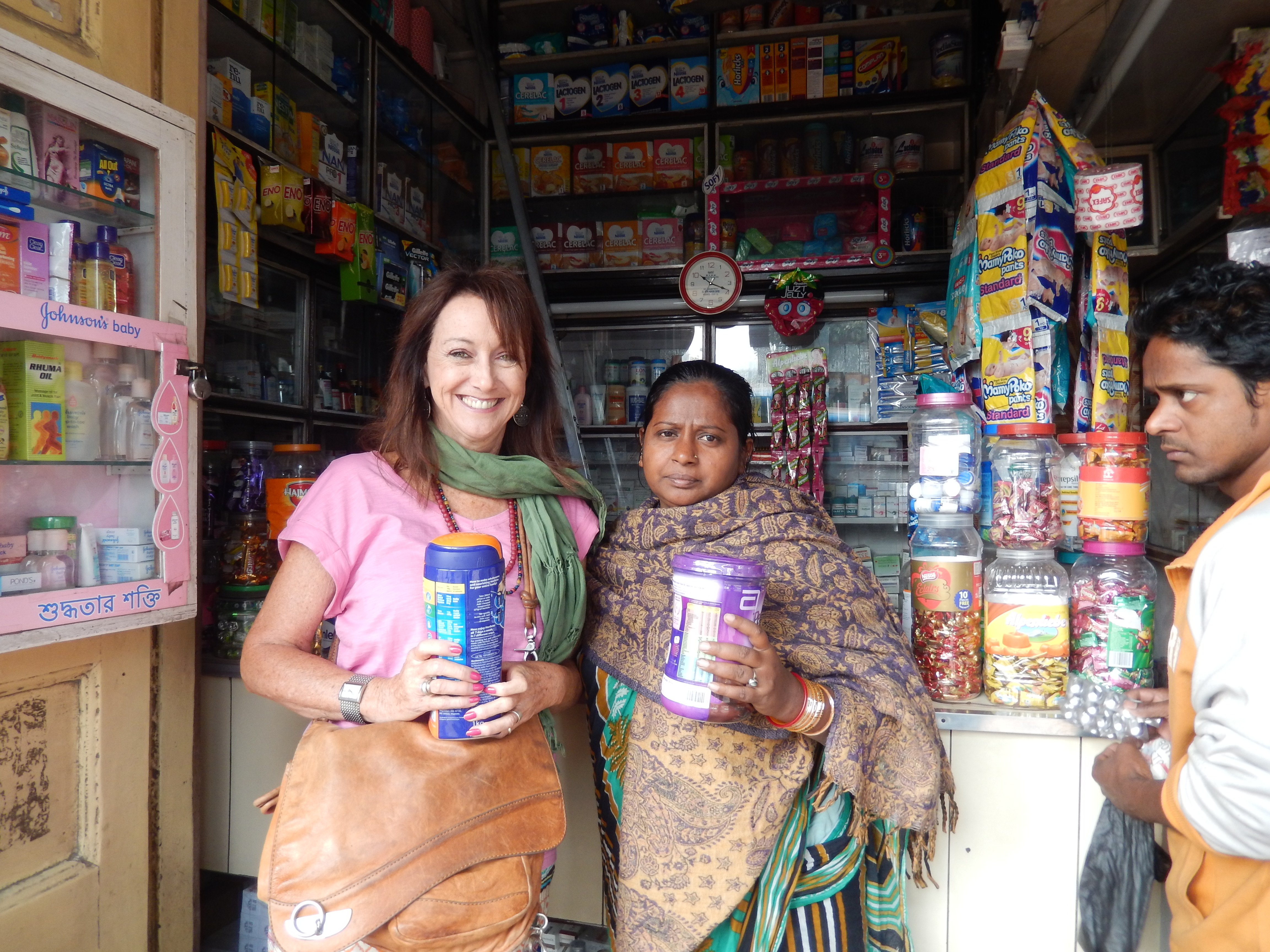


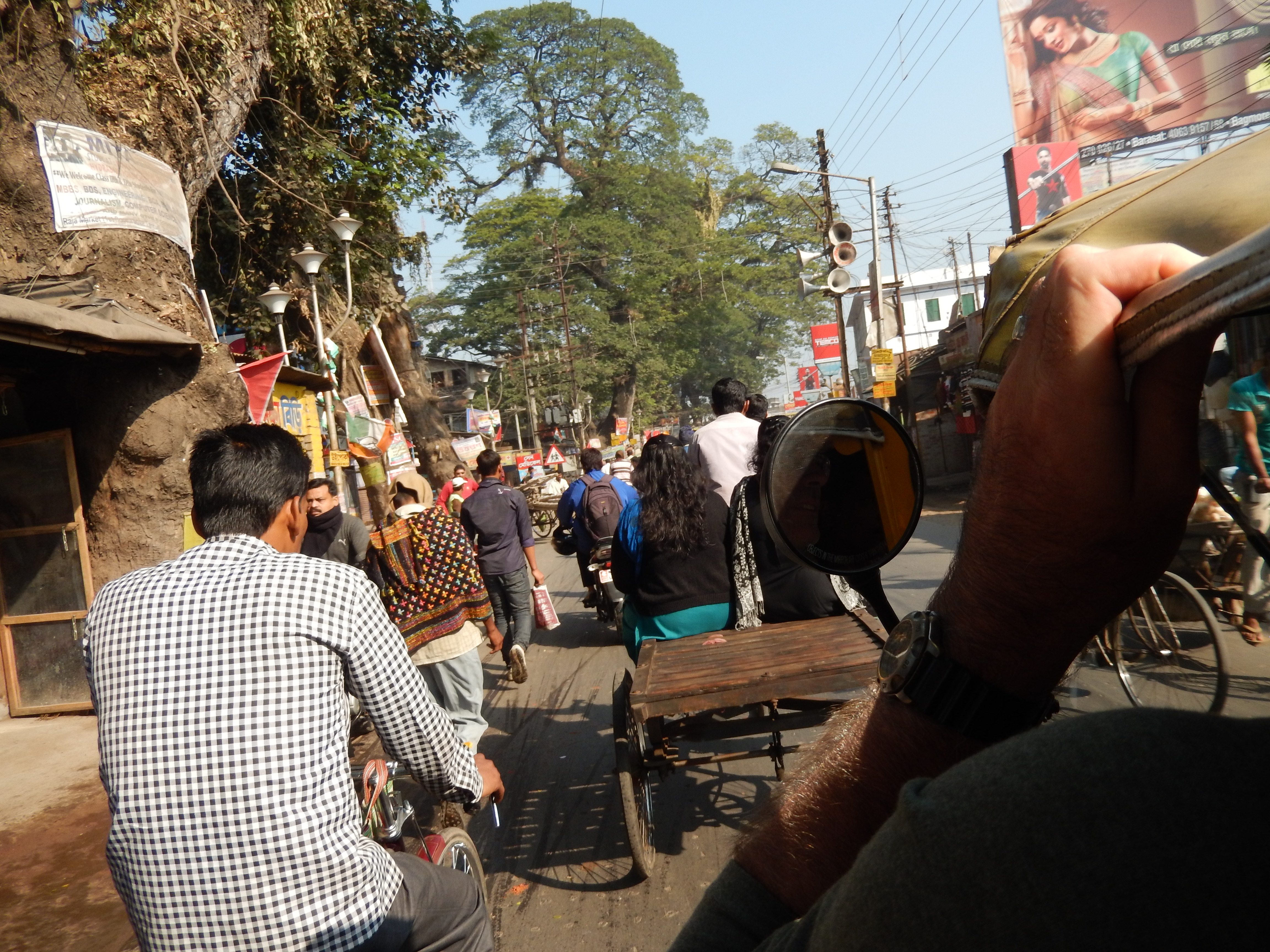


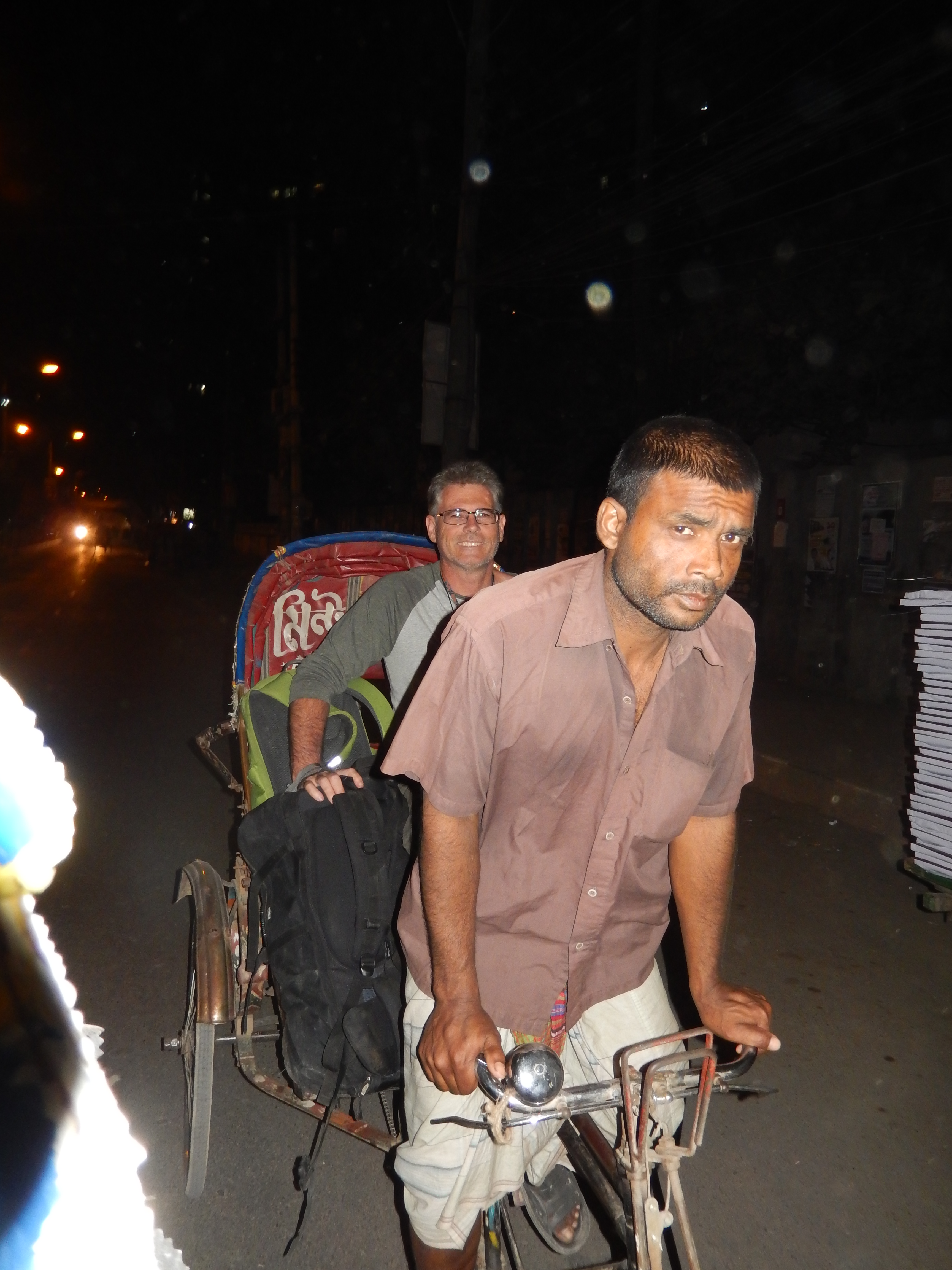
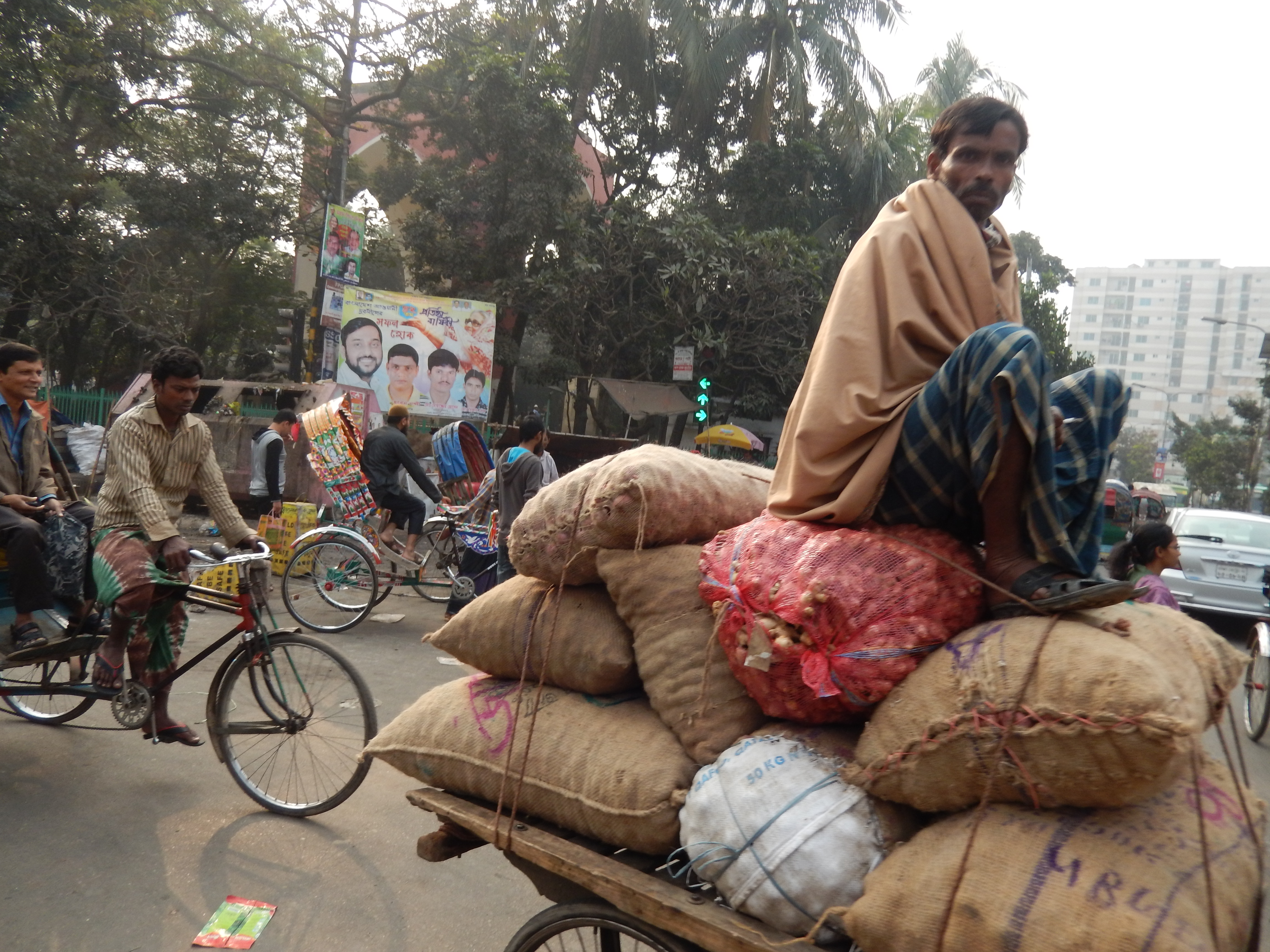
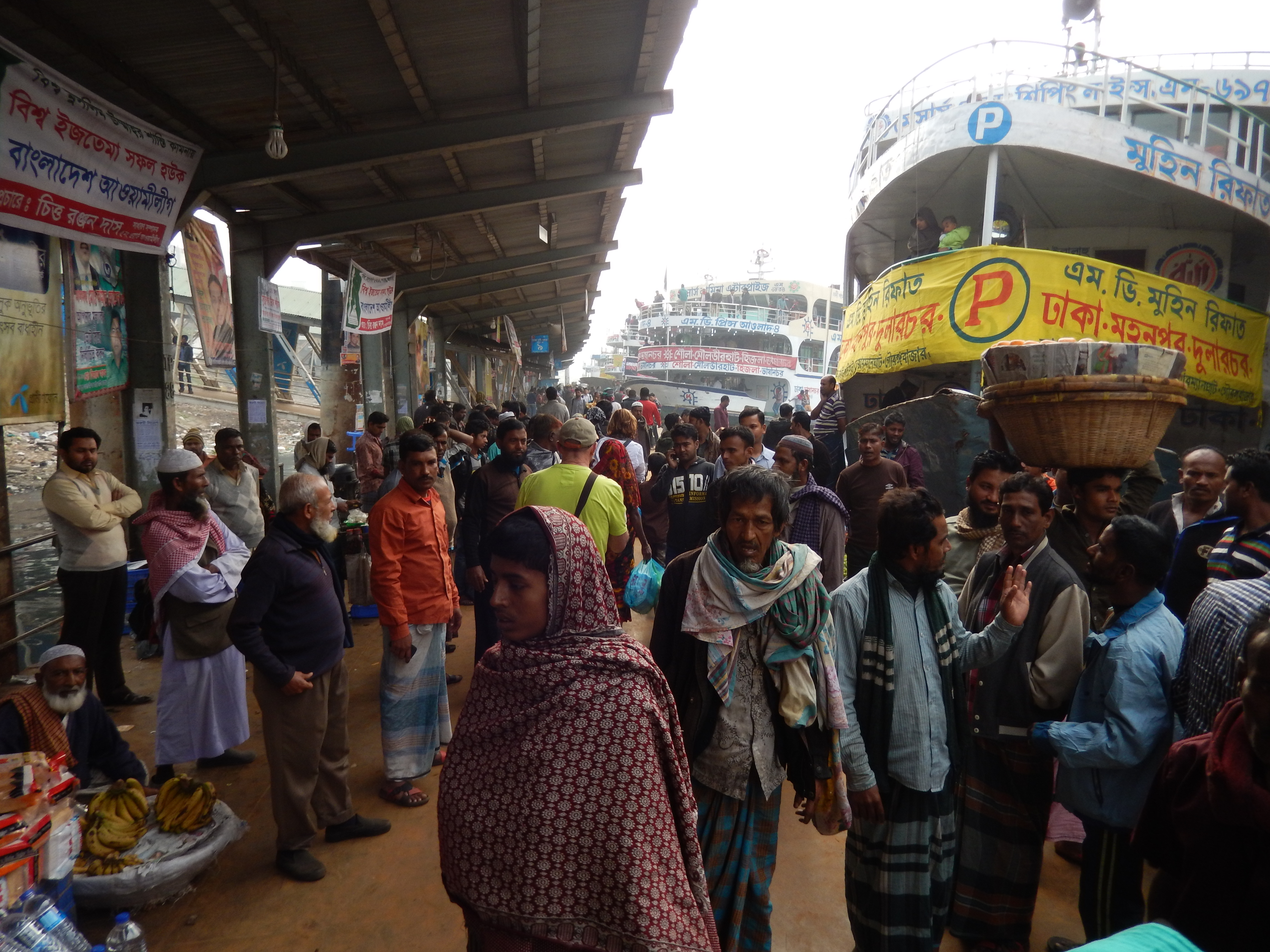


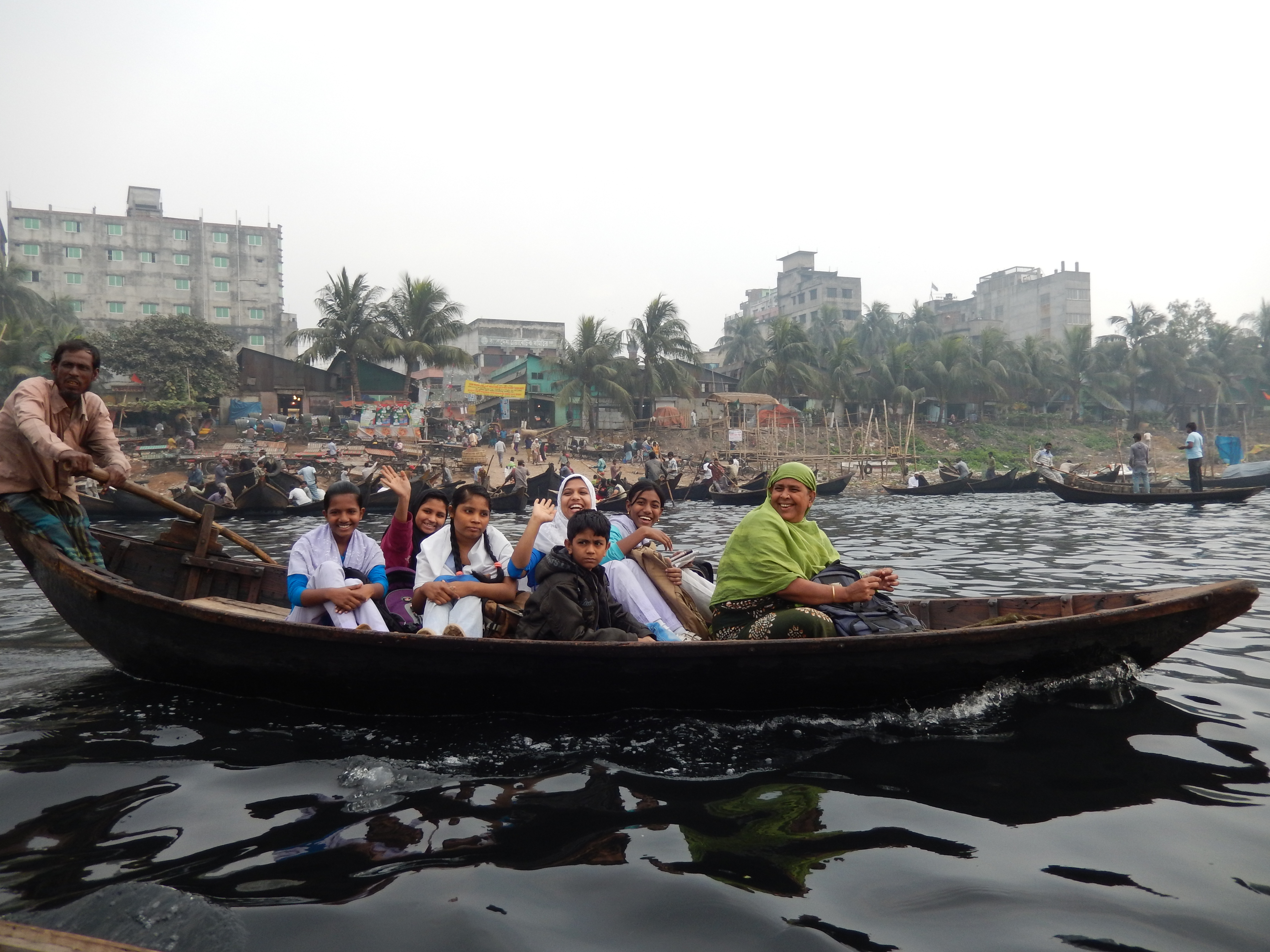
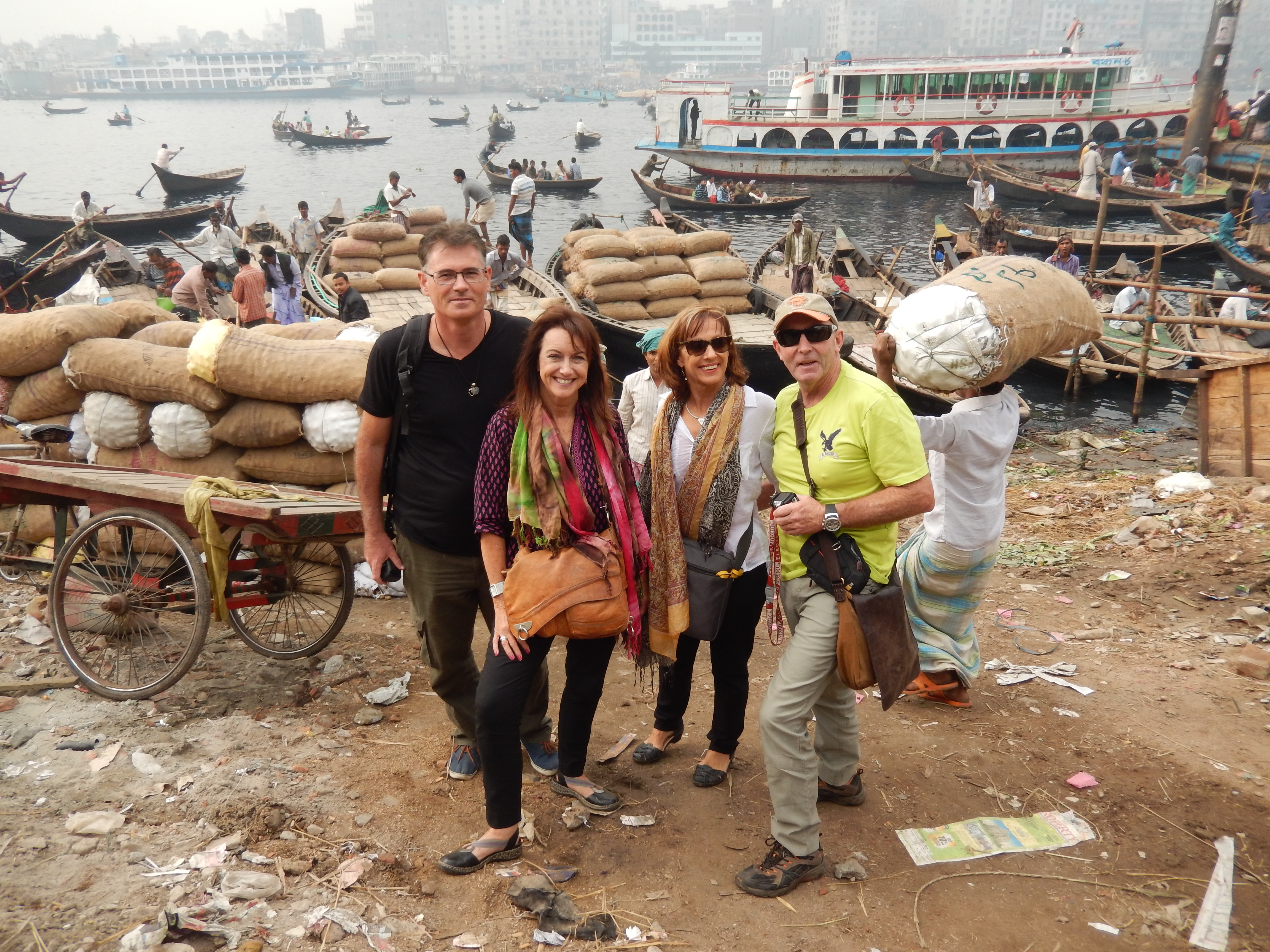


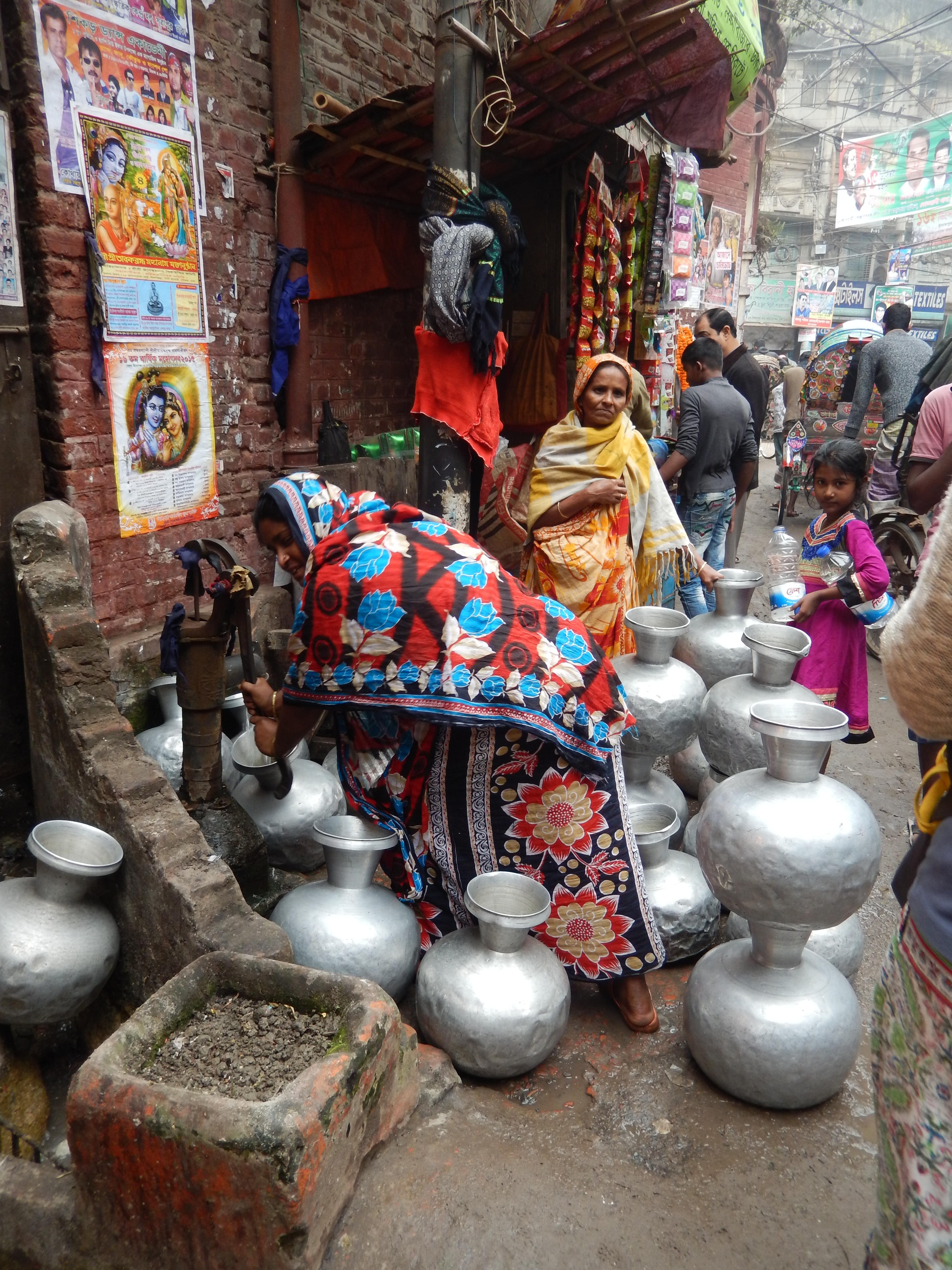

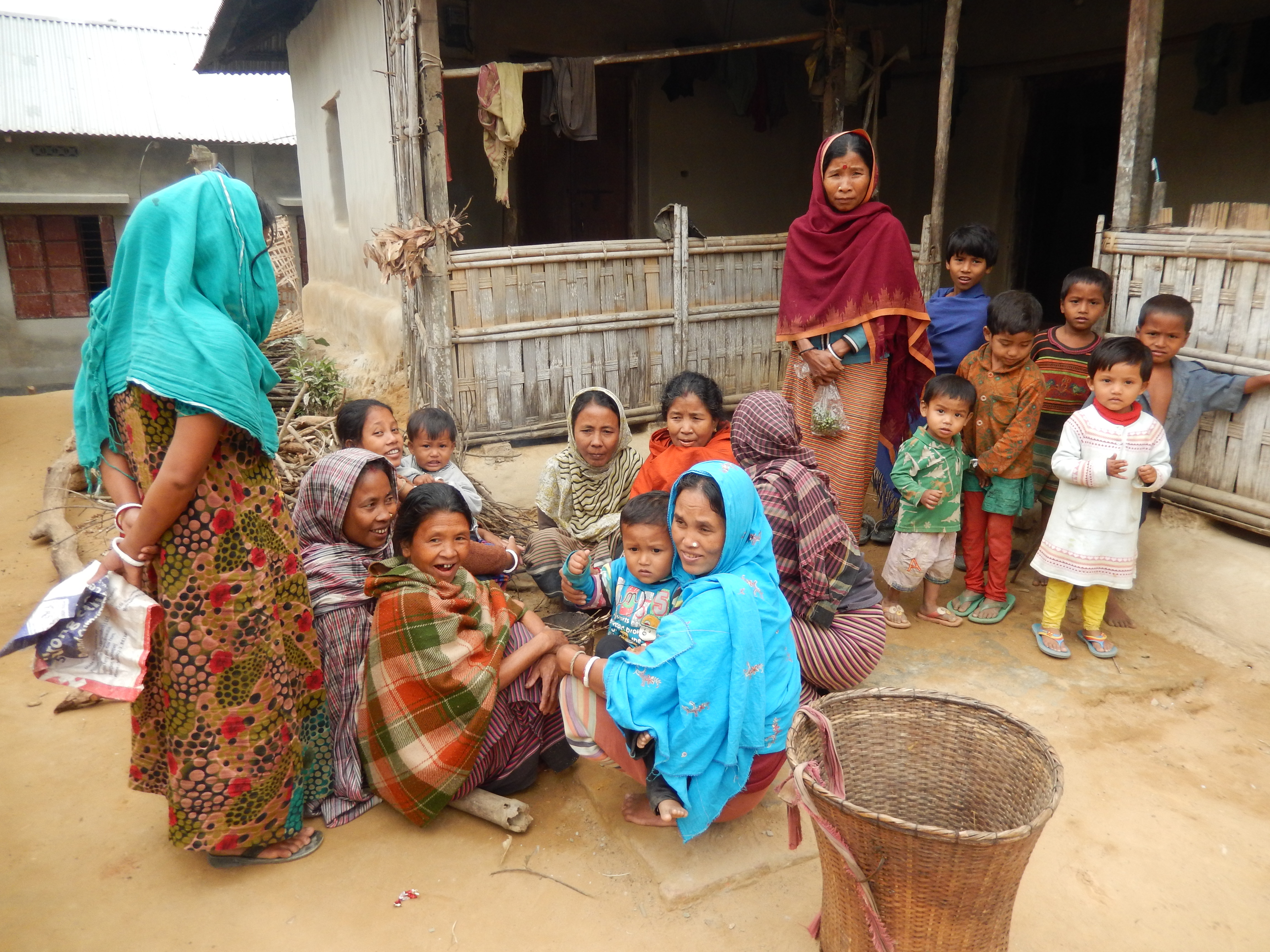

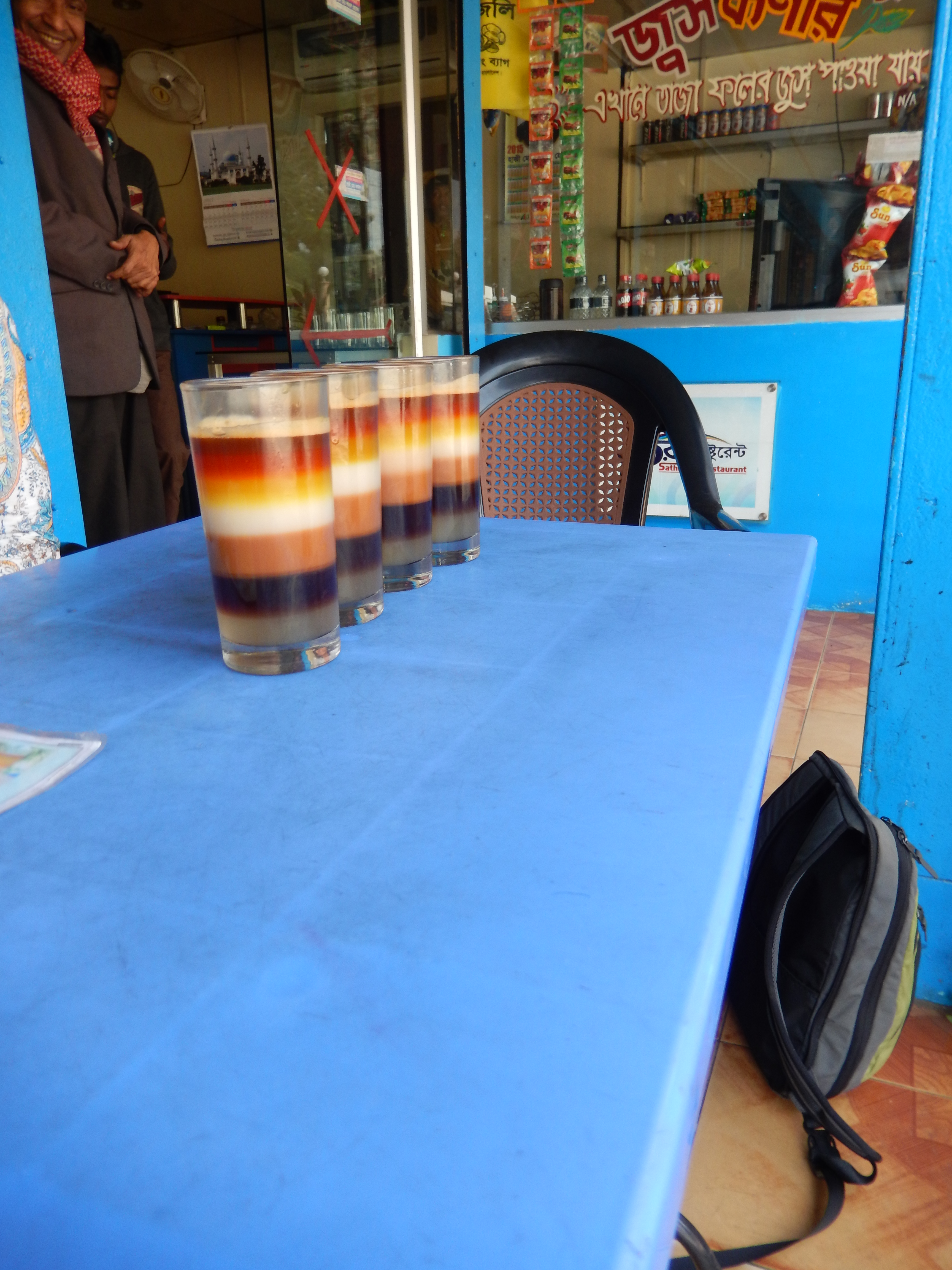

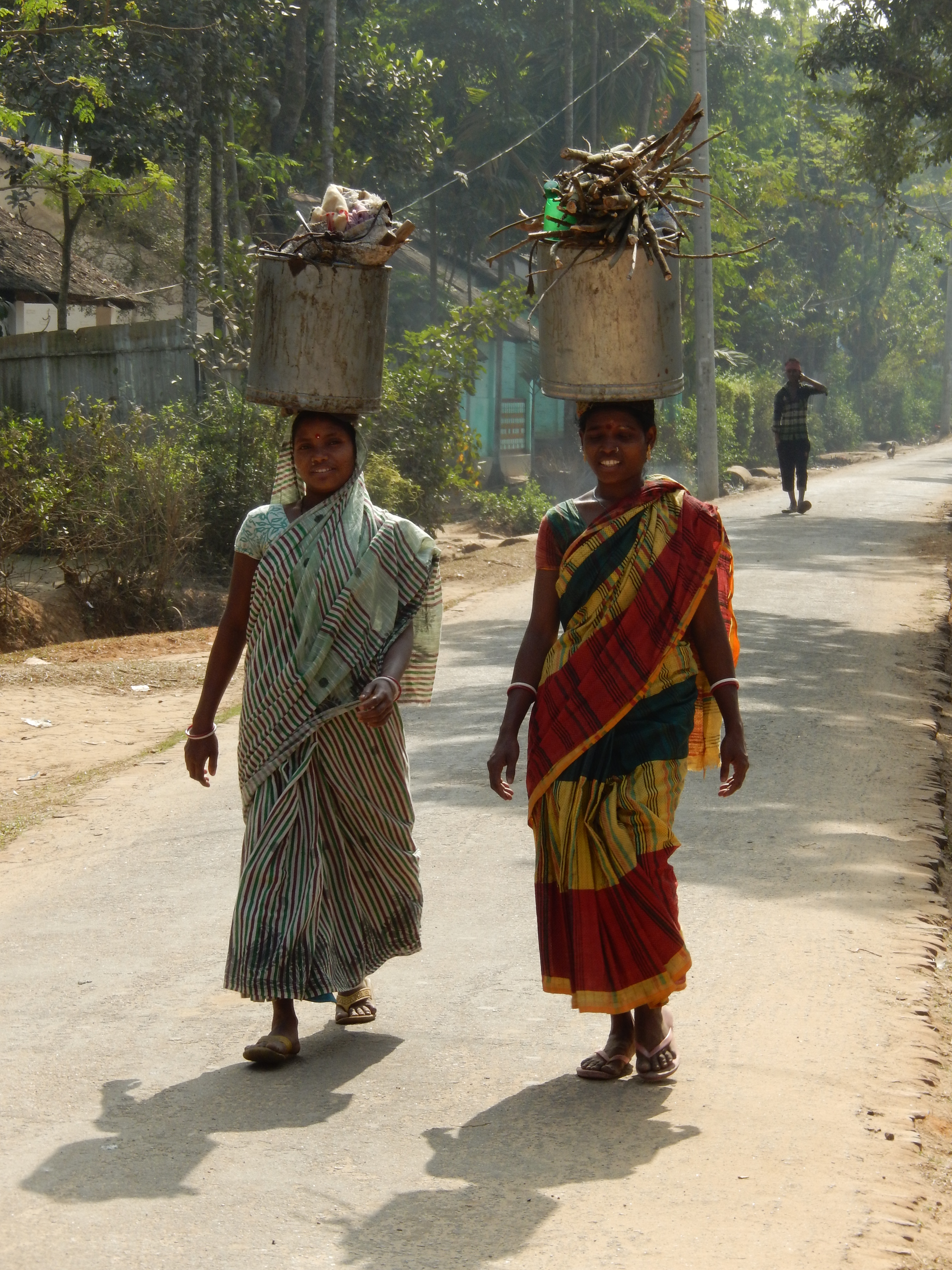
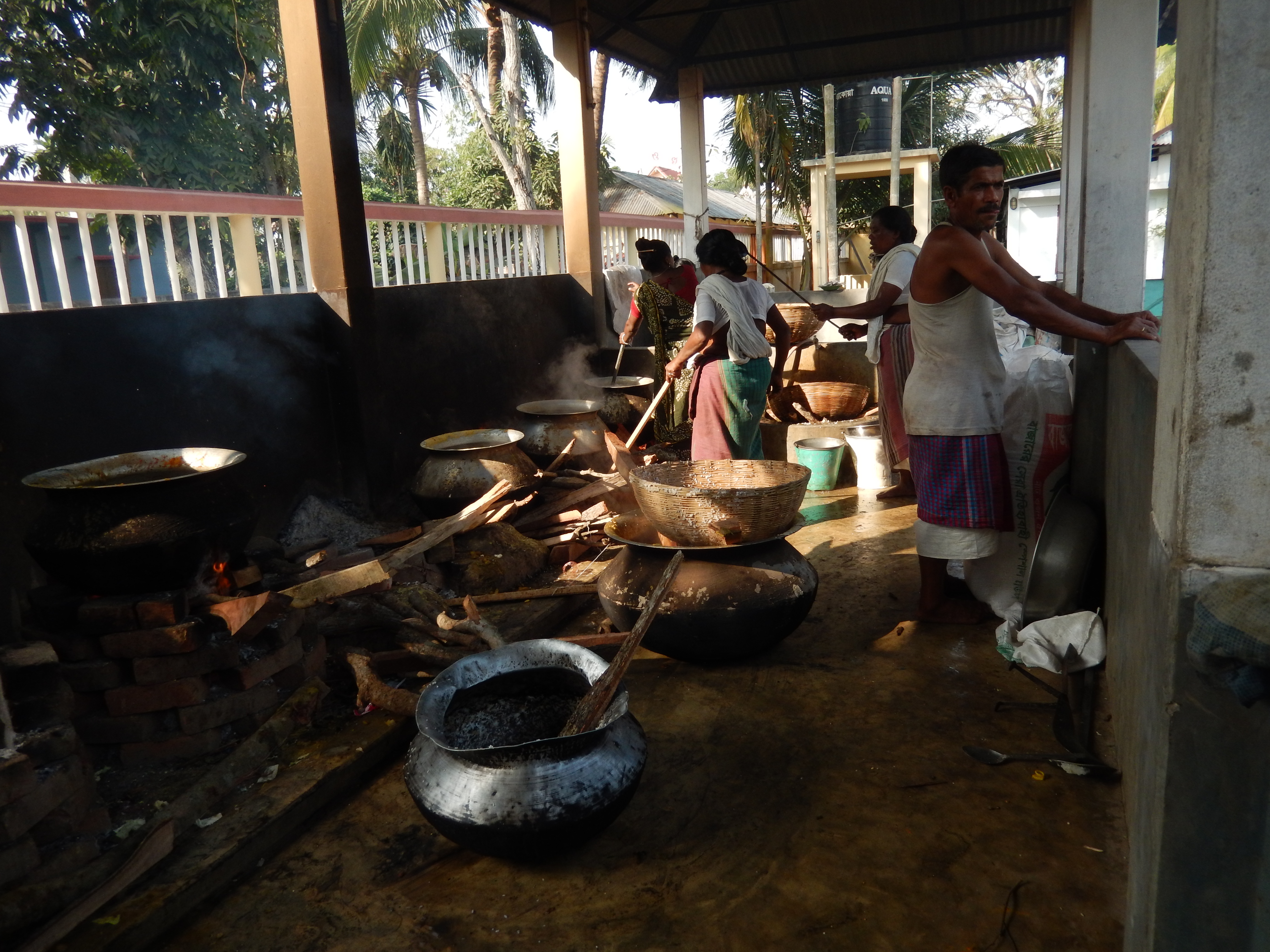

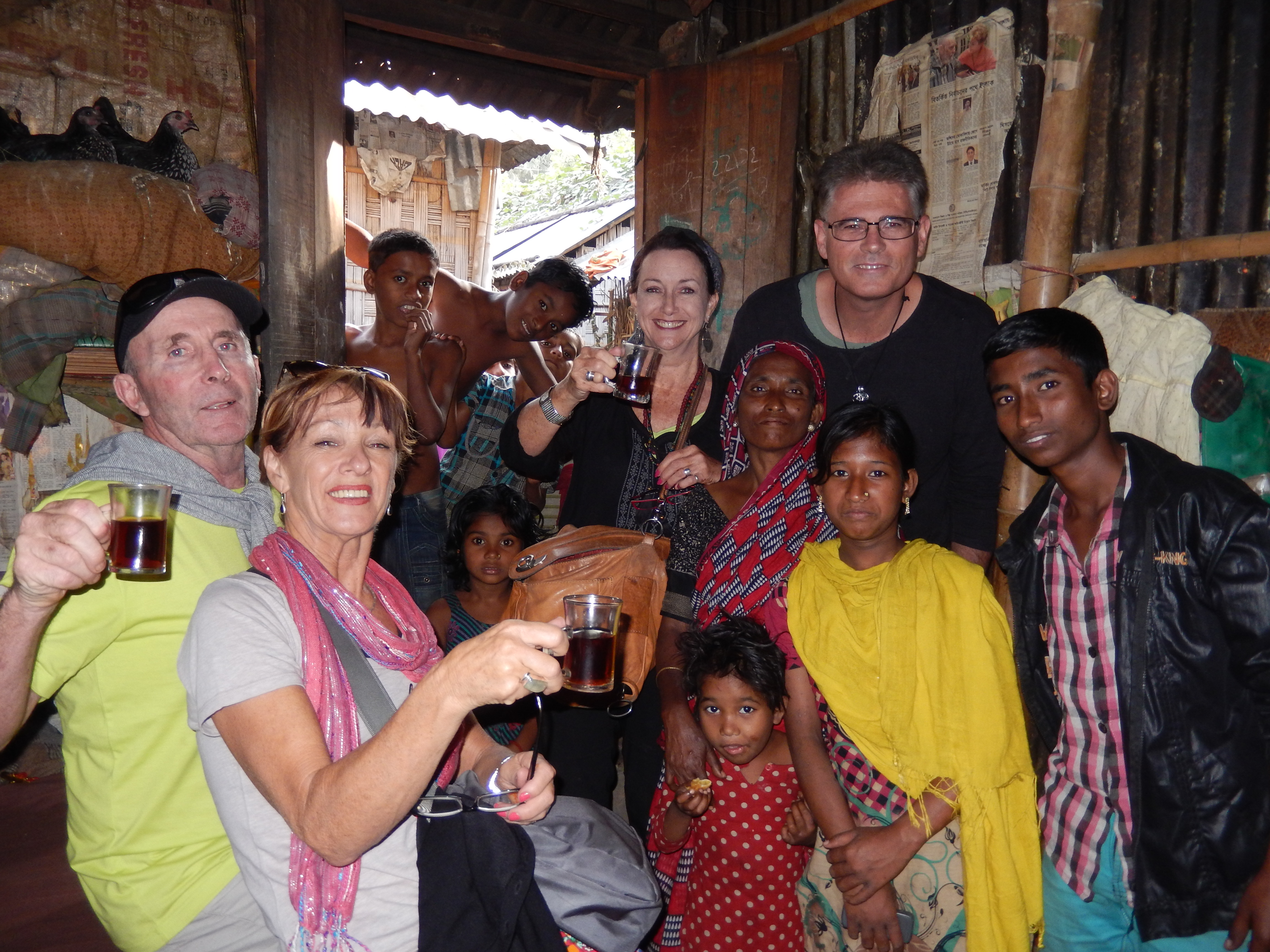


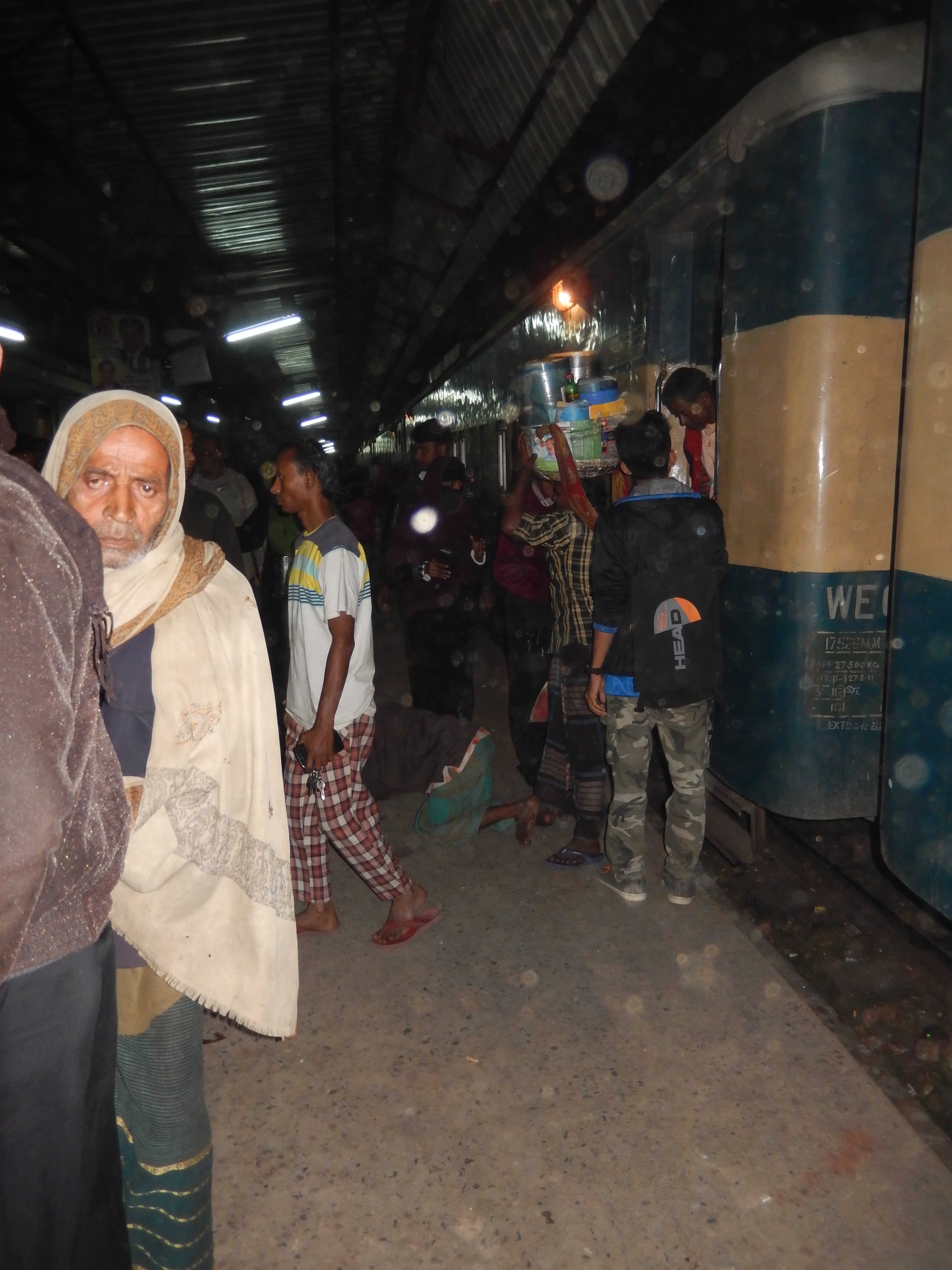


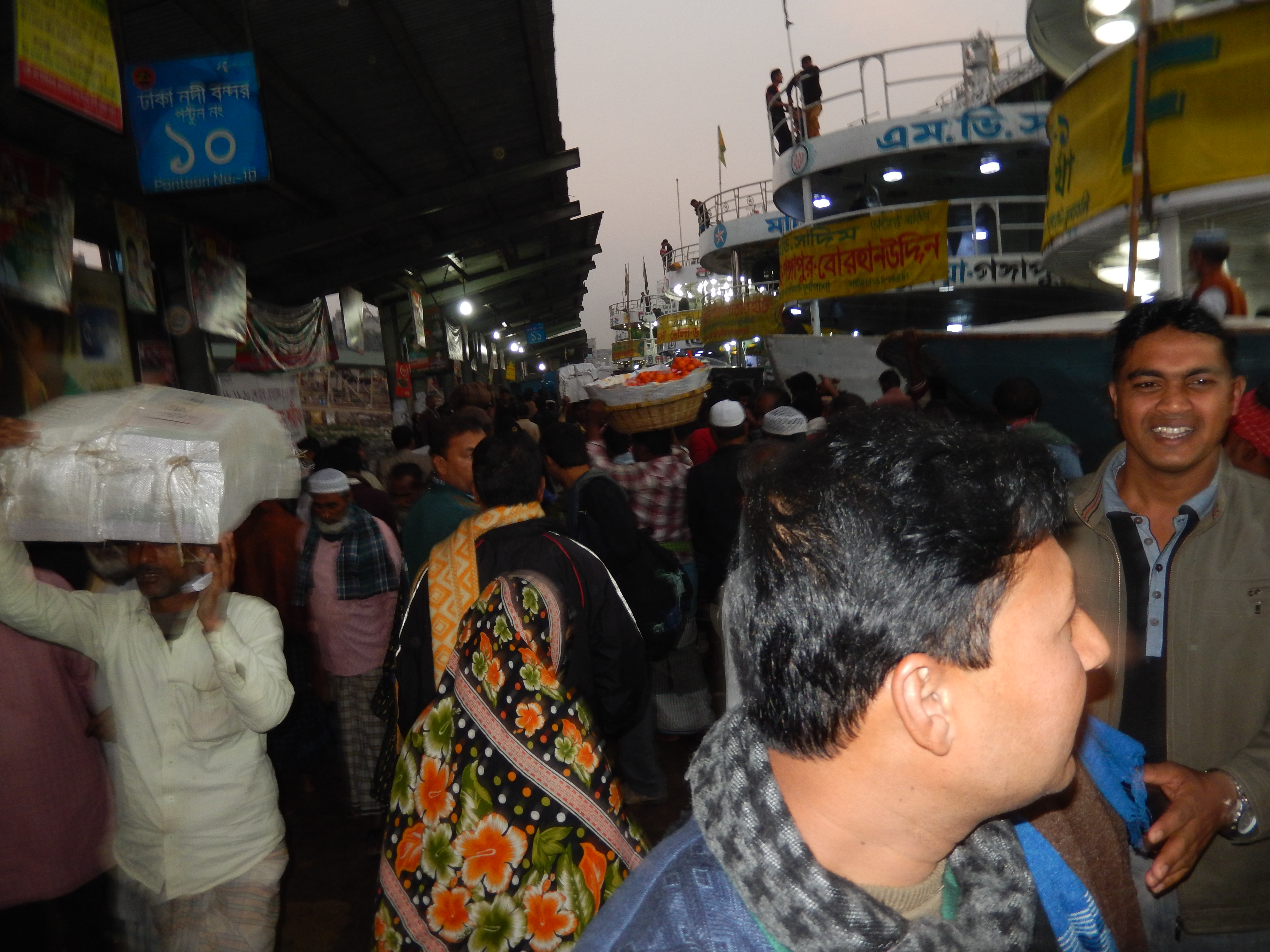
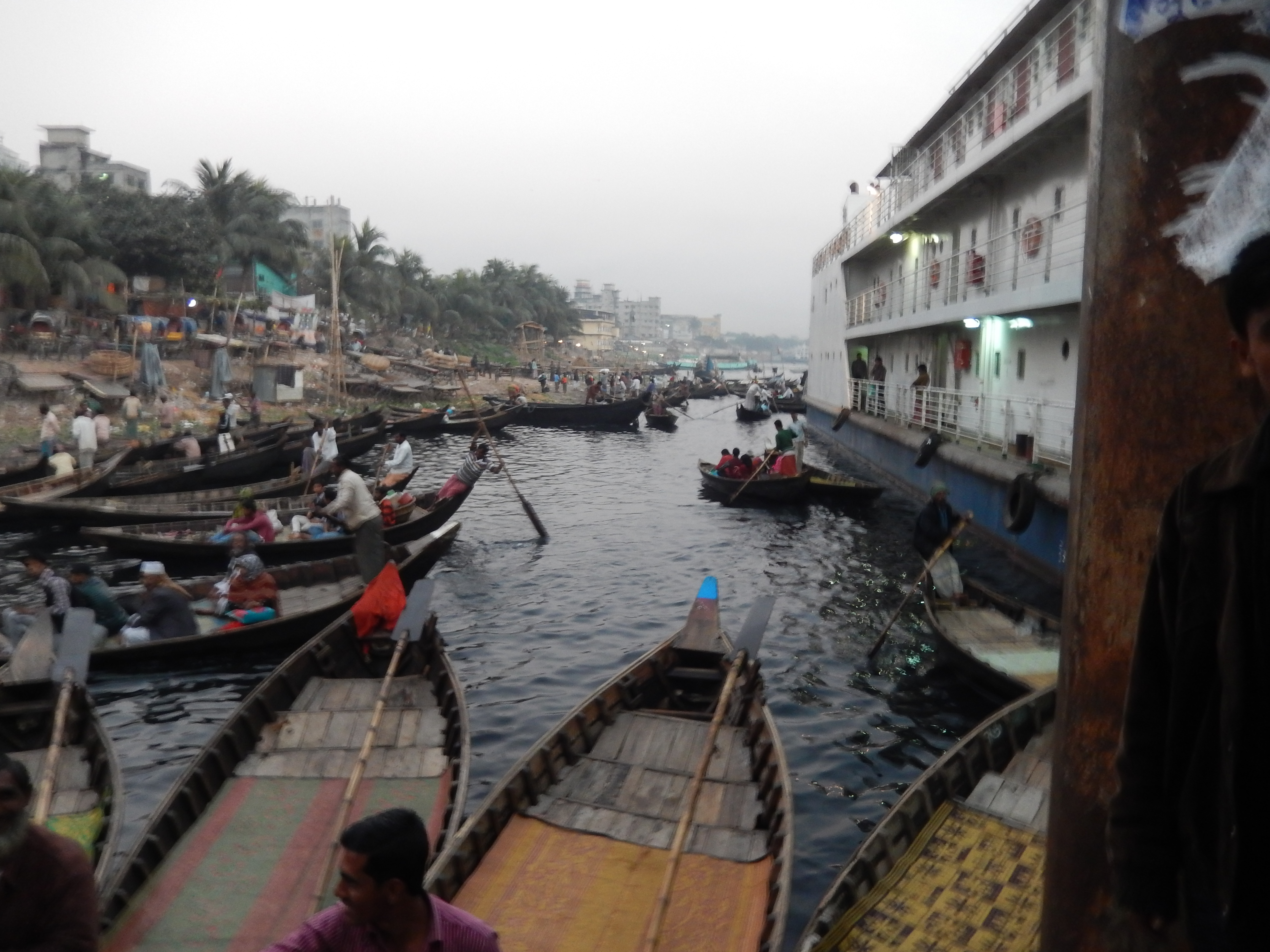
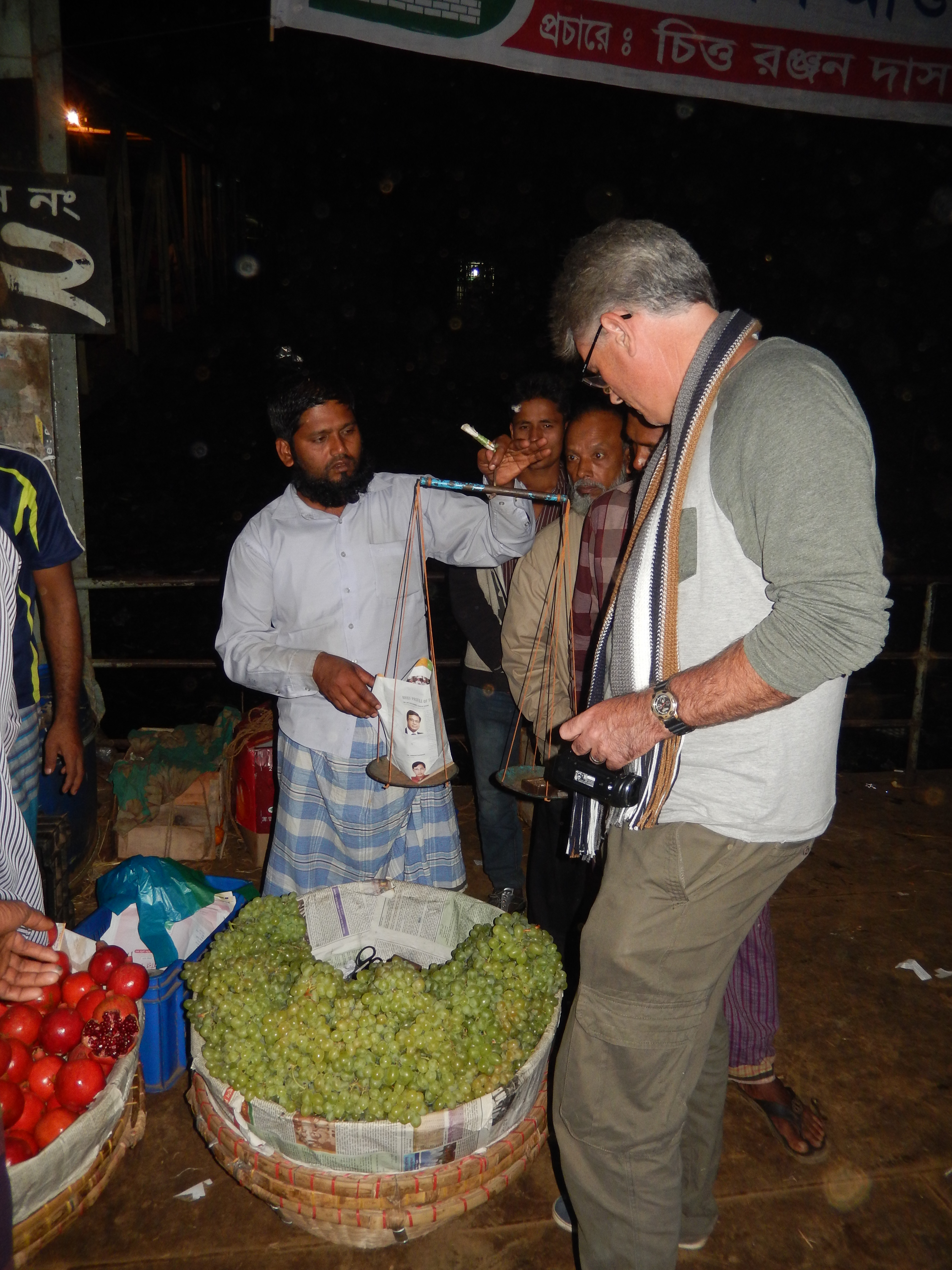
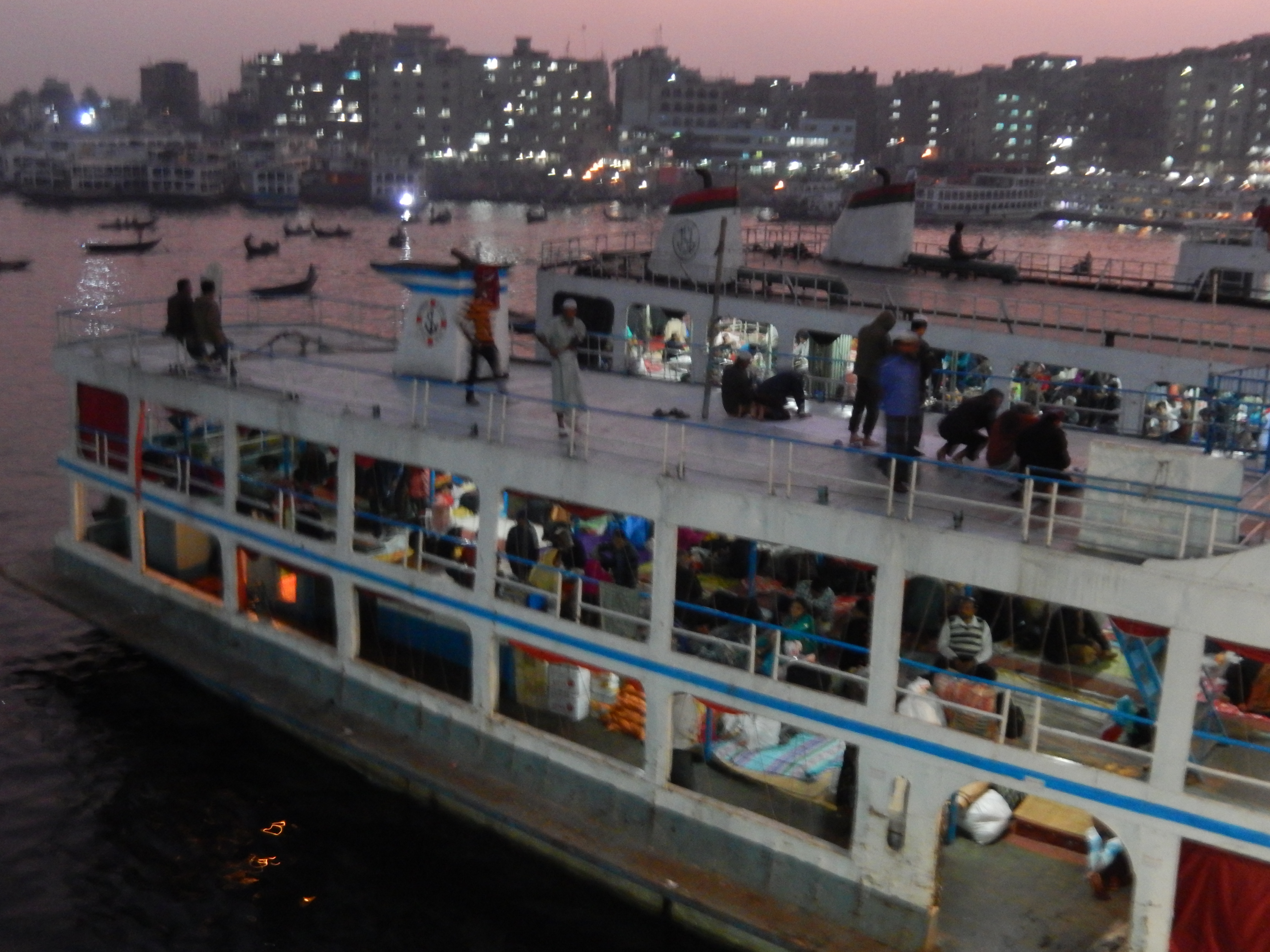
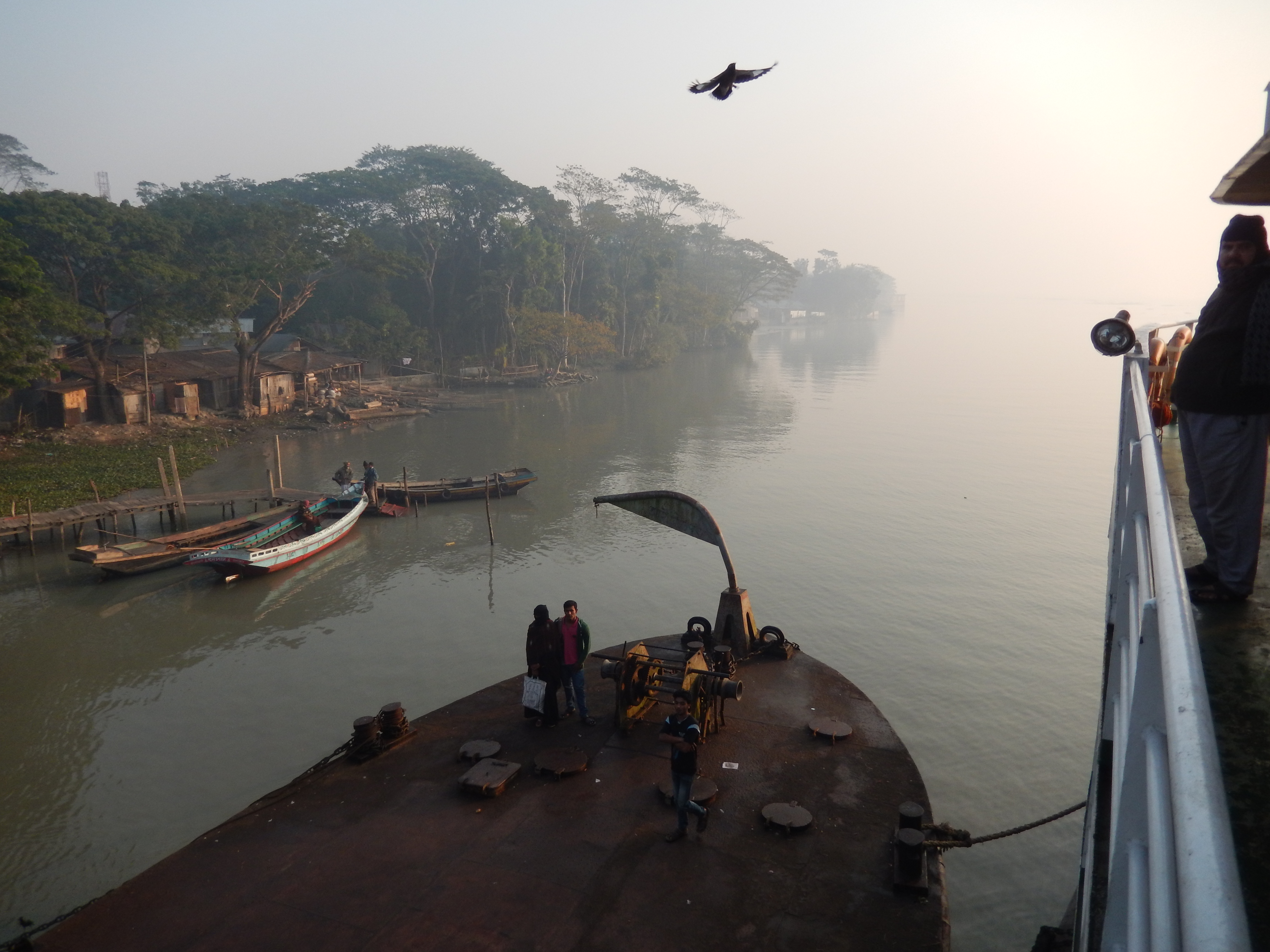
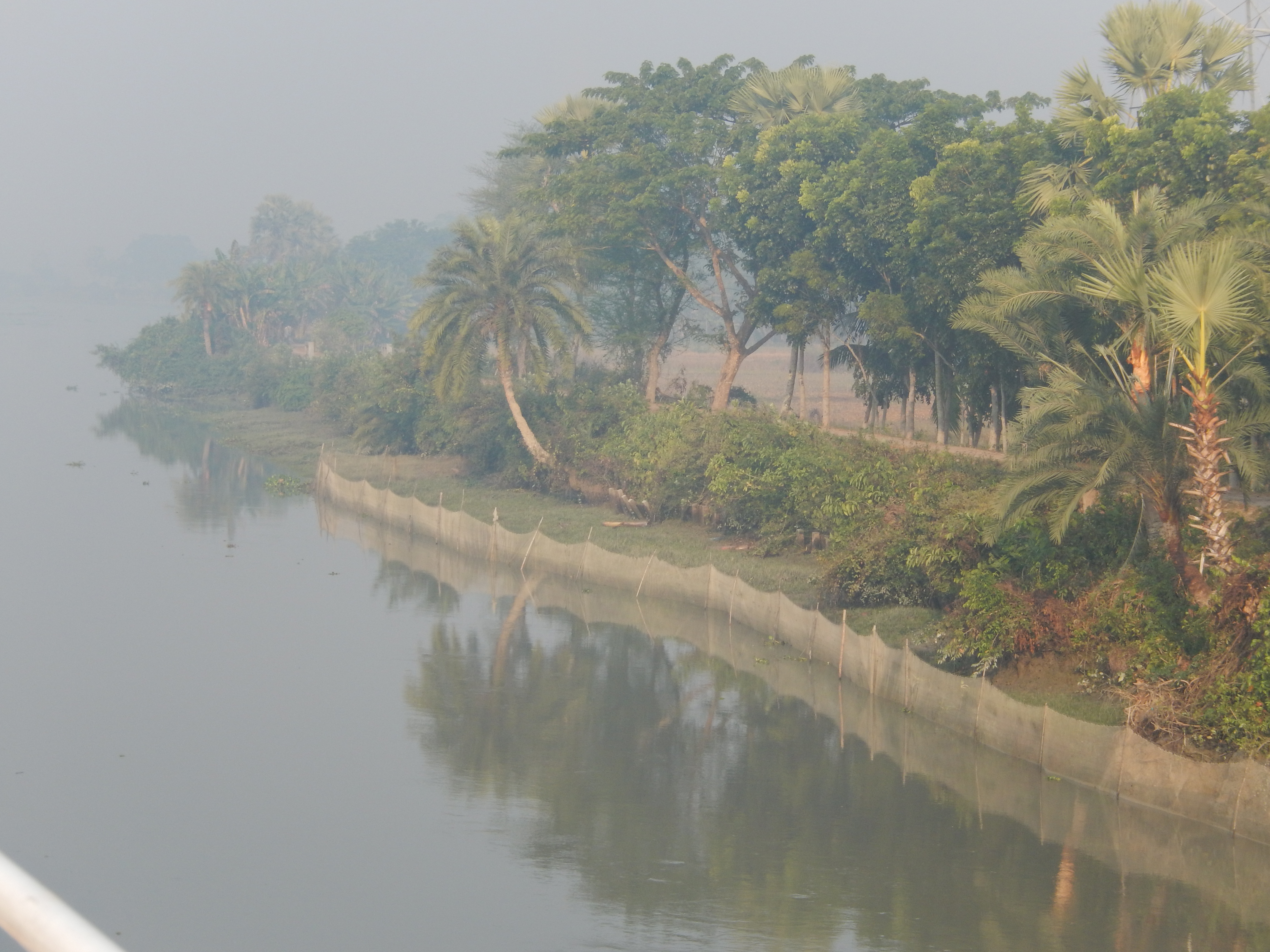
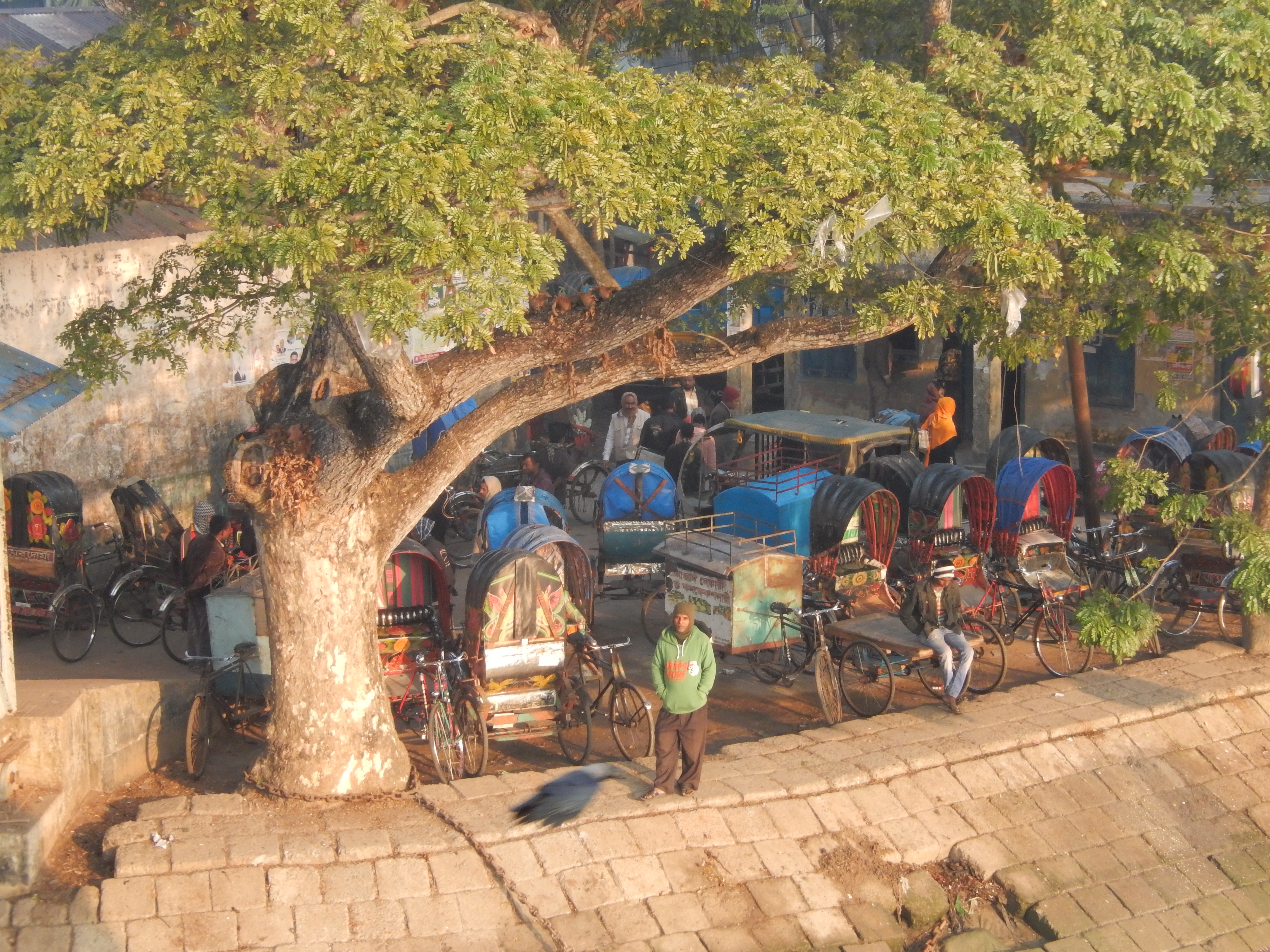

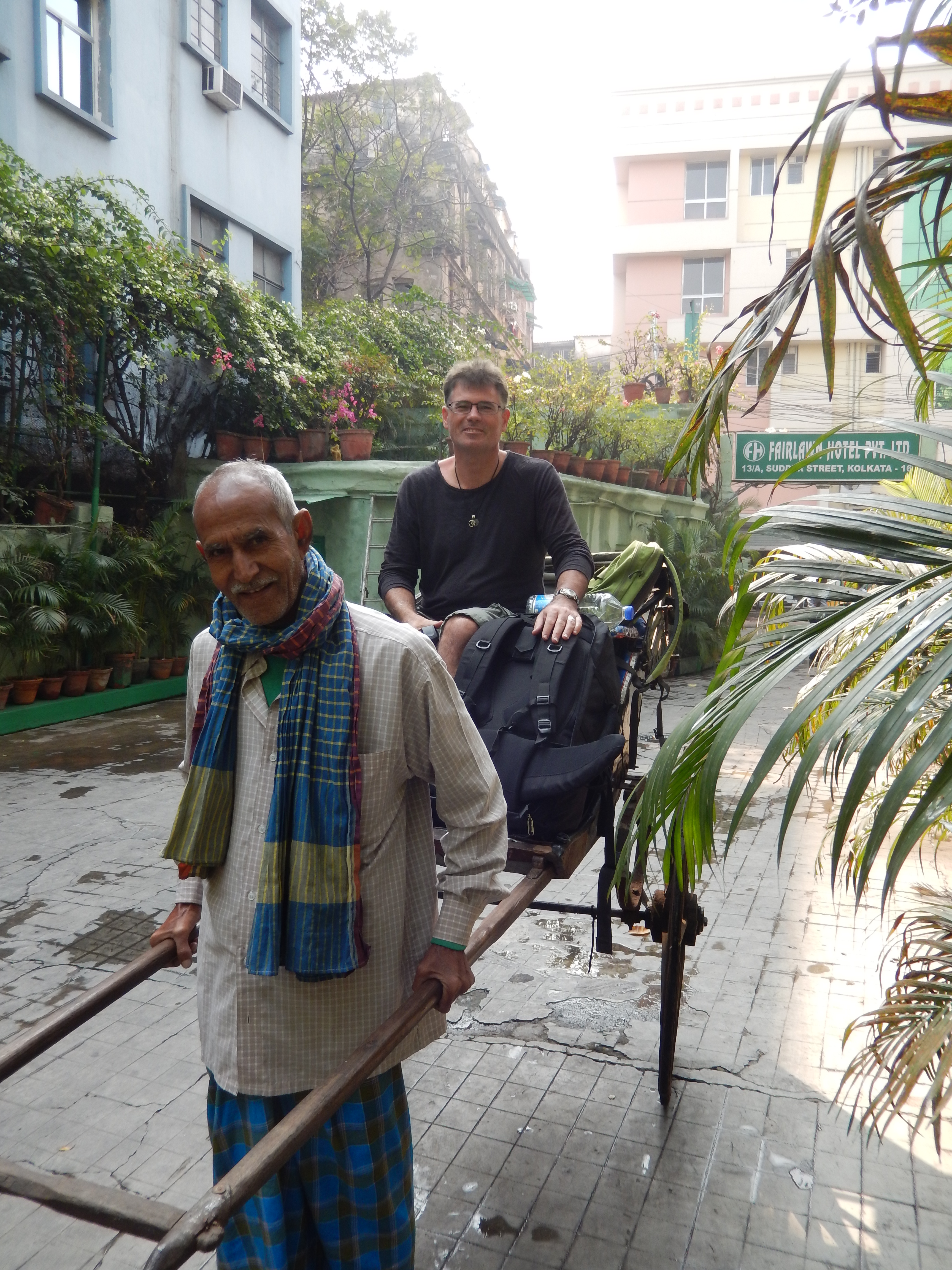


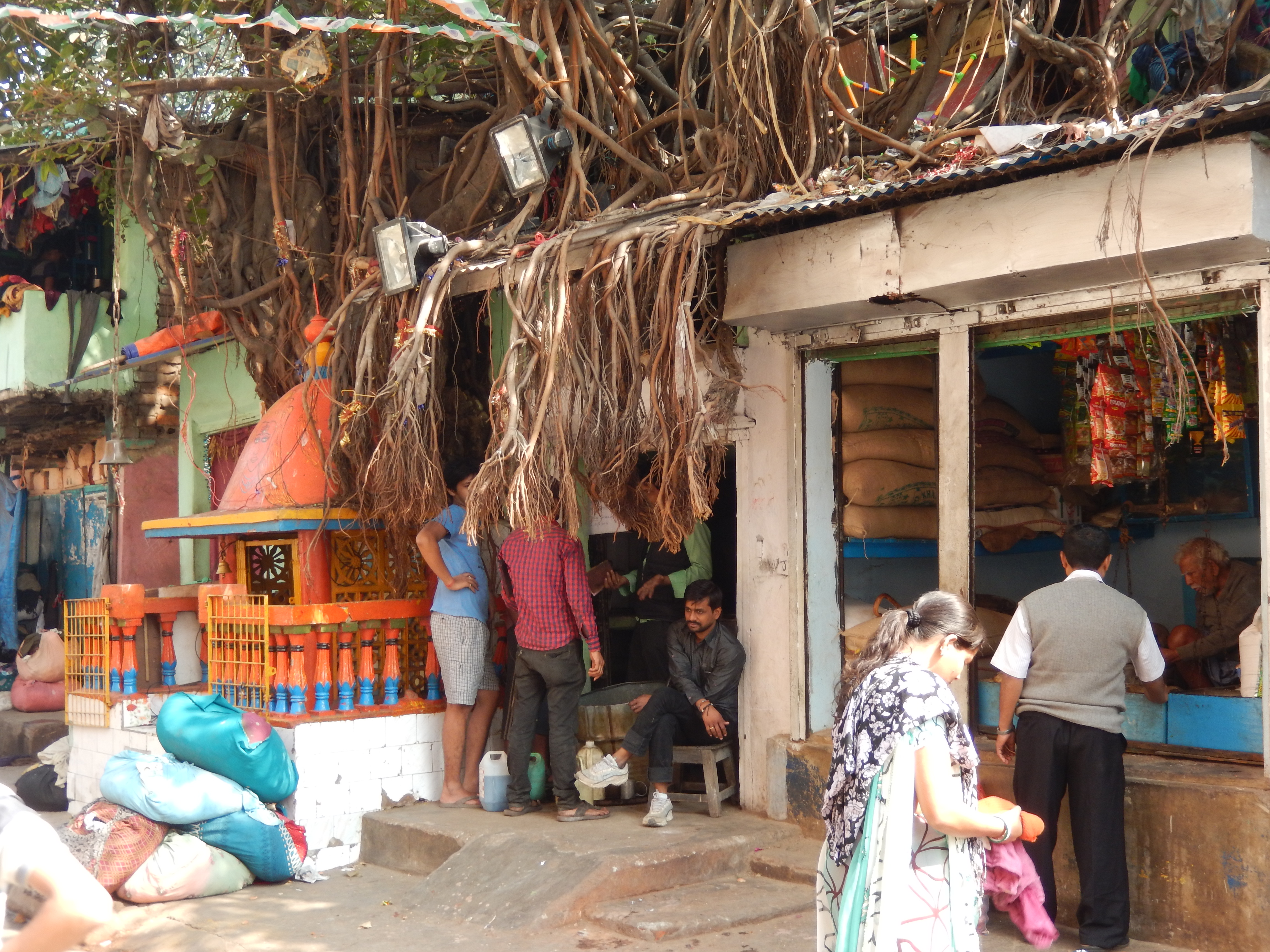


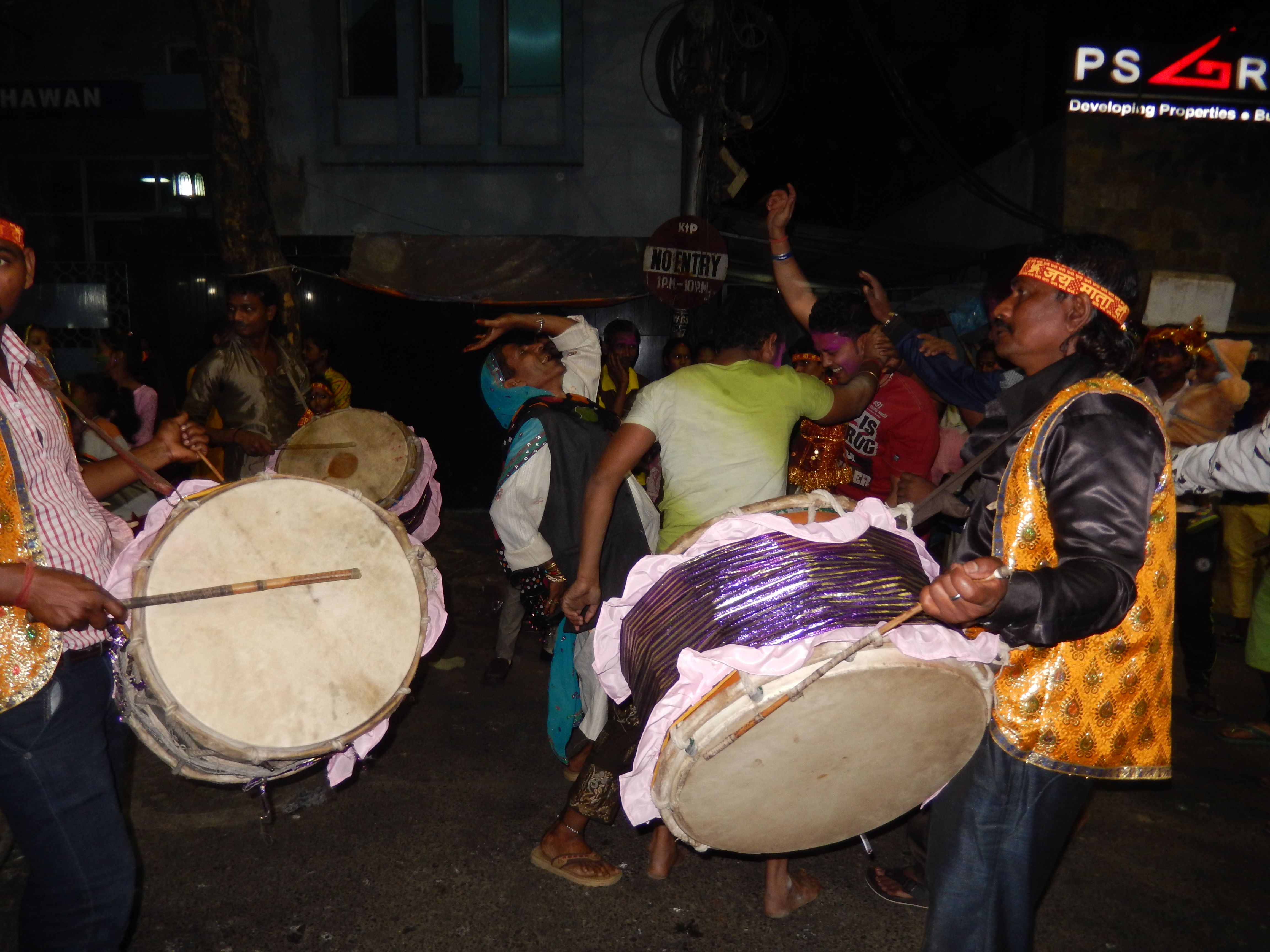
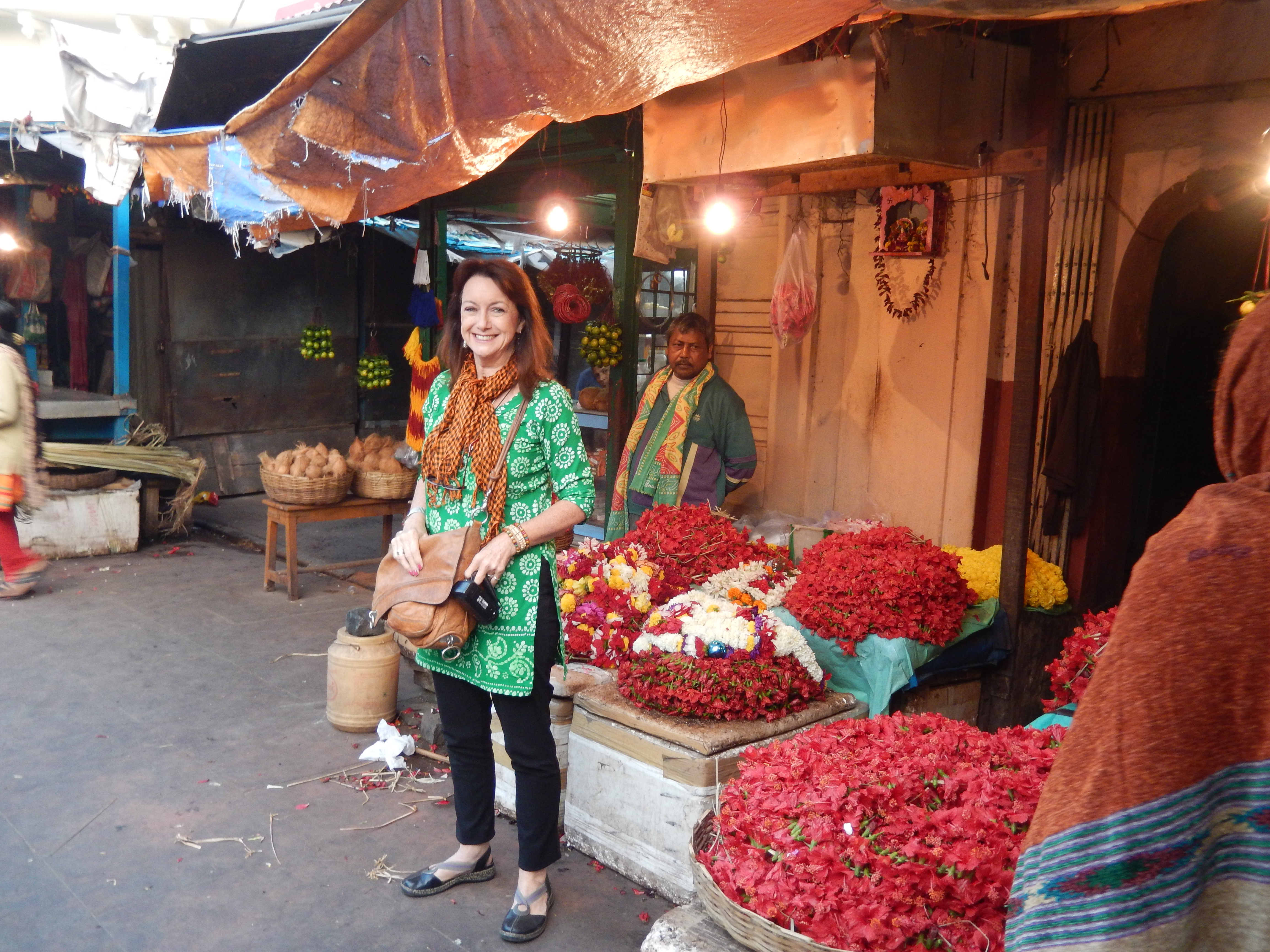
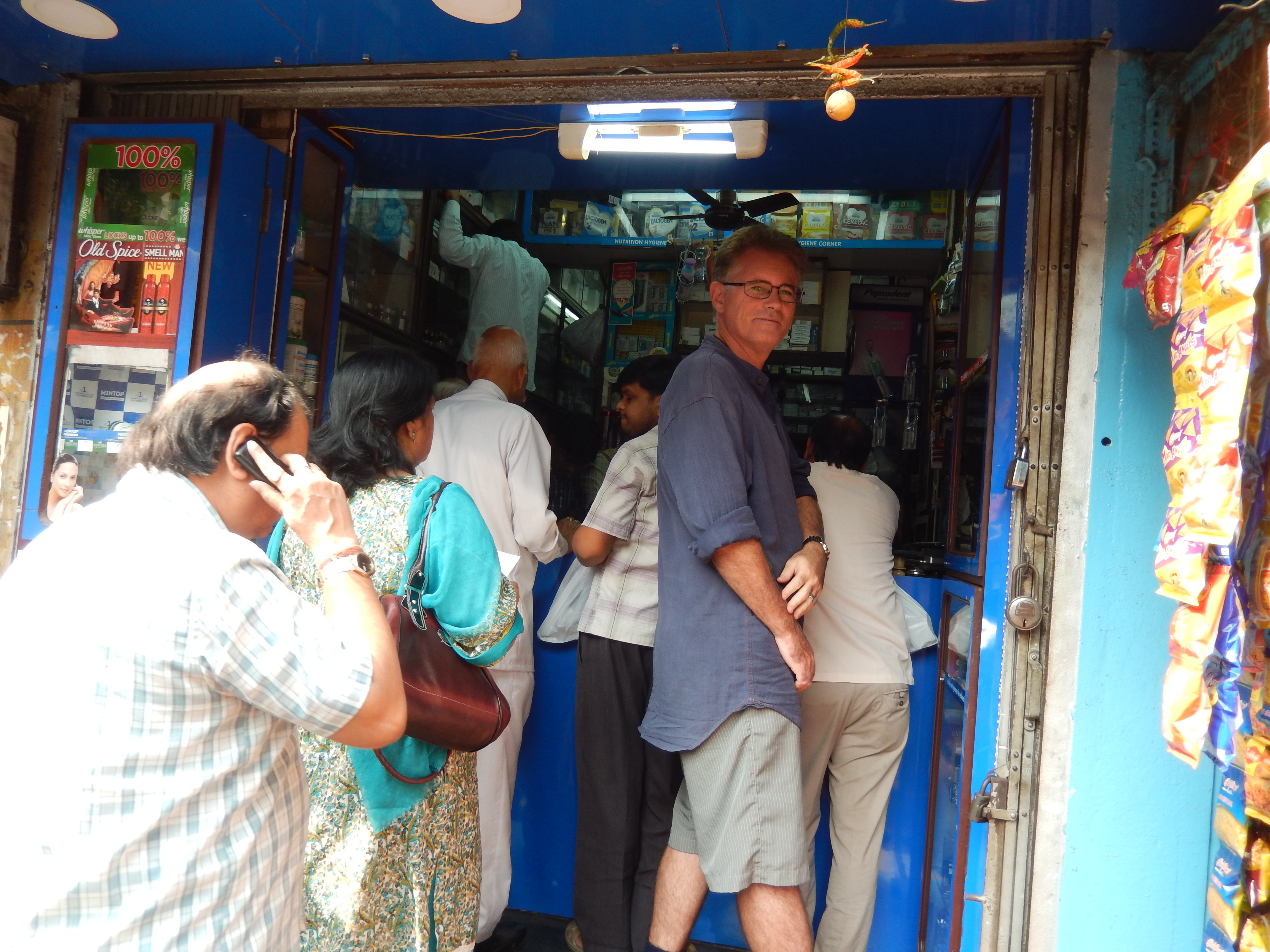


 Very Big Adventures