Samoa 2005

                            OLYMPUS DIGITAL CAMERA    Our Itinerary

*Saturday 6th August, 2005.      Sydney (2.45pm Polynesian       Airlines 6 hours) to Apia (‘Upolu Island)

*Saturday 6th August, 2005.        Apia (‘Upolu Island)

*Sunday 7th August, 2005            Apia (‘Upolu Island)

*Monday 8th August, 2005.                 Apia (by bus 2hours) to    Lalomanu (‘Upolu Island)

*Tuesday 9th August, 2005.          Lalomanu (‘Upolu Island)        

*Wednesday 10th August, 2005.   Lalomanu (by bus 2 hours) to Apia (by launch 0.5 hours) to Manono Island

*Thursday 11th August, 2005.       Manono Island (by launch)                                                   to ‘Upolu (by car ferry 1 hour) to Savai’i Island (by bus 1 hour)                                              Manase

* Friday 12th August, 2005.            Manase (Savai’i Island)

*Saturday 13th August, 2005.        Manase (by bus 1 hour) to

*Sunday 14th August, 2005.           Safua (Savai’i Island)

*Monday 15th August, 2005.          Safua (by air 10 minutes) to

                                                          ‘Upolu Island

*Tuesday 16th August, 2005.        Samoa (by Polynesian   

                                                Airlines 6 hours) to Sydney

Saturday 6th August, 2005.                          

Sydney to Apia (‘Upolu Island)

Yesterday we caught the 3.40pm train from Hamilton to Central Station in Sydney. After booking into the Royal Exhibition Hotel in Surry Hills, we had dinner and a few drinks then bed by 8pm.

Now this morning we wake at 9am and after a quick pack, catch the 10am train to the airport. The weather is clear and sunny so we sit out in the open-air courtyard off the bar for a drink. Passing through immigration we buy perfume, alcohol and an underwater camera then have a baileys and milk before boarding Polynesian Airlines at 2.45pm – an hour and a quarter late.

OLYMPUS DIGITAL CAMERAThe passengers are a colourful lot. There’s some daggy families and a few tourists already dressed in flowered shirts and flouro holiday clothes. Hopefully they’ll be heading for the resorts and we’ll never have to see them again. The rest of the plane is taken up with very excited Samoans returning home after competing in the mini South Pacific Games. We sit next to a friendly young girl called Christine who competed in the outrigging event.

The plane is a 737 so it’s only three seats on either side of the aisle and, being totally full, feels very claustrophobic. And with no personal TV screens, it feels a long cramped three and a half hours to Tonga where we stop to refuel. Because we’re running late we have to stay on board but everyone stands up and the Samoan passengers are having a great time. Mark and I talk to an Australian couple behind us who’ve been to Samoa eleven times – get a life! For the next one and a half hours to Apia, all we can hear is laughing and singing coming from the Samoans. I love the atmosphere as the air hostess says ‘God Bless’ over the speaker and beautiful Samoan music is playing as we make our descent. As we land someone gives a loud ‘whoop’ which sets them all off into hysterics again.

We’re landing on the island of ‘Upolu where Samoa’s international airport is not far from the capital, Apia. We plan to spend some time here but we also want to get to the other main island of Savai’i and the very small Manono Island that lies in between.

ven though we left on Saturday afternoon we’ve gone backwards in time so far that we arrive yesterday – Friday night at 11.30pm. The airport is lively even at this time of night. A small band welcomes us with ukuleles, guitars and beautiful happy singing and a huge crowd is here to meet relatives and friends. We can’t help but like it already. The night air is warm and humid and it definitely feels like we’re on a tropical island. Outside the terminal, we find a taxi to take us into Apia. It’s a forty minute drive along the coastline and passing through small villages each with their own imposing church. I don’t know how many we pass but it’s a weird slight. Most of the people seem to live in open sided thatched structures called fales (pronounced ‘fah-lays’) although quite a few live in simple homes. Even in the dark we can see that it’s very tropical and picturesque.

We ask our driver to stop at a roadside shop to buy water and a couple of bottles of coke to mix with our duty free Bacardi. Our driver is obviously in a hurry out on the open road but he slows down to the 35kph speed limit as we come to each village. As we reach the outskirts of Apia all is quiet except for a tarty looking transvestite standing on the side of the road. We pull up at the Outrigger Hotel where we hope to get a room after reading about it in the Lonely Planet. We haven’t booked any accommodation at all which is out favourite way to travel even though we might miss out sometimes. Mark races in to see if they have a room but it’s booked out so off we go again. Our driver takes us to the other side of town to the Tatiana which is a few simple wooden buildings painted white and set back off the road. A man is sitting on the verandah and shows us to a tiny plain room with no windows, a ceiling fan and two single beds. It’s a strange place with no frills and for 50ST we like it. After throwing our gear onto the beds, we sit out on the verandah to have a drink even though it’s almost 2am by now. A few more taxis arrive and Mark realises that Tatiana is probably a brothel.

In bed at last, we sleep well with earplugs in but I wake some time later to find myself being guided back to our room by a nice Samoan man. I’d been wandering around in the dining room and the next corridor in my see-through lacy undies and a singlet top – think I must have been looking for the loo.

Saturday 6th August, 2005.                 

 Apia (‘Upolu Island)

Breakfast comes with the cost of the room. It’s in the dining/television room which is big and airy with a lino floor, a couple of plastic covered battered lounges and a few tables. We make our own toast and cornflakes, eat coconut from the shell but don’t bother with the over-ripe bananas. The room is bright with warmth and sunshine so we can’t wait to get moving.

OLYMPUS DIGITAL CAMERA

We decide to walk to Maketi Fou which is only a few hundred metres away towards the water. I think we’ll be able to walk anywhere in Apia because it’s more like a group of small villages than a capital city. Outside the sun is scorching in a deep blue sky and the hills behind the town are a brilliant green. The road is busy and becomes even busier as we get closer to the market. Lots of people are milling around and everyone is wearing floral – the men wear lavalavas which are a Samoan type of sarong and the women wear a long skirt and tunic called a puletasi.

OLYMPUS DIGITAL CAMERAMaketi Fou is the main central market next to the bus station and sells all kinds of fruit and vegetables and even a few tacky souvenirs. It’s a huge open-air place with rows and rows of green bananas and coconuts – very Samoan. Fat smiling ladies are sitting at low tables covered with potatoes, tomatoes, egg plant, bok choy, bread fruit and herbs. Some sell sea slugs in old soft drink bottles and almost every stall sells clumps of hairy stuff that they use to squeeze the milk from the coconut. Everything is carried around in baskets made from freshly woven palm leaves and music is coming from all directions. What a lovely, happy place.

In one corner of the market, about a dozen men are sitting around a massive table drinking ava from a bowl in the centre. Ava is a very narcotic local drink made from the root of the pepper plant but Mark and I settle for water and a Pluto pup looking thing. The ‘take-away’ food area seems to be selling really fatty greasy food but it’s probably no worse than what we sell at home. Mark actually manages to find two t-shirts to fit him and I buy a pair of coconut earrings. The souvenirs, though, are really too awful to buy – straw bags, hats, shells covering mirrors, jewellery, etc and everything with ‘Welcome to Samoa’ stuck on it.

OLYMPUS DIGITAL CAMERAFrom here we walk to the more commercial part of town and then to the water along Main Beach Road. Big colorful buses fly past us with funny names painted on their side like Princess Nora and Queen Maggie. Past the Clock Tower we stop for a coke at Sails Restaurant. This is set upstairs in a ‘slightly disheveled but charming 140 year old colonial building that was the first Samoan home of Robert Louis Stevenson’ as quoted by Lonely Planet. From its wooden balcony we look out over the harbour and get some relief from the heat from the soft breeze coming in off the water.

OLYMPUS DIGITAL CAMERAFrom Sails we walk to Aggie Grey’s Hotel further around the waters edge. Aggie’s is classed as one of the ‘Most Famous Hotels in the World’ and named after the daughter of an English immigrant and a Samoan woman. She started the hotel in the 1940’s and it’s now an upmarket, high class place where we can’t afford to stay but where we’ll definitely come for Happy Hour cocktails some time in the next few days. Crossing the bridge over the Vaisigano River, we find the Pasefika Inn which I fall in love with and where we decide to stay tonight.

OLYMPUS DIGITAL CAMERAIt’s a three storey place with louvered shutters and doors, hanging plants, a verandah on the second floor and four multi-paned hexagonal bay windows on the top floor. Inside is cool and we like its understated tropical feel. This is no tourist hotel and the only guests are locals.

After booking a room we find a taxi outside and ask to be taken to Seipepa. Hopefully this is where we’ll stay tomorrow night – being terribly organized today. Seipepa is described as a travel home and it’s probably one of the best places to stay we’ve ever seen. Off the road, a narrow dirt track leads past a few village houses and fales to an overgrown gateway which is the entrance. Chickens are running around and there’s the usual dogs and cats lying about. About ten cute fales are scattered among the shrubs and palms and luckily we can book in for tomorrow. We choose one built on stilts which might be a bit more private and looks more fun anyway.

From Seipepa we head back to Tatiana, pack, book out and find another taxi out on the main road to take us back to Pasefika Inn. Ben is our driver and we strike up a friendship with him from the start. We decide to have lunch and then get him to take us out to Papasee’a at one o’clock. After checking in, we walk around to the Internet Café to send off some emails, then make the long trek in the sun to the pizza cafe near Sails. This is a casual wooden place with lots of atmosphere and interesting customers. The only trouble is the usual unhurried service and we end up having to get our pizza take away.

Outside we hail down one of the many taxis going past. These are wonderful – all old, white and decrepit with windows that don’t work and fat, happy drivers. The fares are also incredibly cheap and the taxis definitely not in short supply. At Pasefika, Ben is waiting at the door. He’d asked the girl on the desk to ring our room because she told him we were still there. When we didn’t answer they decided that we were having ‘jiggy jiggy’. We grab our swimmers then speed off with Ben to Papasee’a Sliding Rock.

OLYMPUS DIGITAL CAMERAThis is only fifteen minutes out of Apia through pretty villages and green, green countryside. Ben happily continues on with the jiggy jiggy thing and tells us how his wife only ever wants to make love in the morning. All this is described with raucous laughter so it’s a fun trip to the Rock. The last couple of kilometres is a steady climb to a small house and carpark where Ben says he’ll have a sleep while he waits for us. The two hundred steps down to the waterfall are steep and a bit slippery and I’m not looking forward to the walk back up. The foliage on either side of the path is dense and very lovely and we can soon hear the sounds of water splashing and kids squealing. At last at the bottom, we find rock pools and a few local teenagers having turns of sliding down the main rock.

OLYMPUS DIGITAL CAMERAThis is a five metre slide from the top of a waterfall into a small deep pool at the bottom. The kids show us the best way to slide – it looks scary so Mark has the first turn. He climbs to the top of the falls then sits on the edge where the water isn’t running as fast. He pushes off for the almost vertical fall into the rock pool below. Now my turn and I love it except that I manage to get a head full of water when I shoot feet first into the pool.

Three lower pools also have slides where a couple of teenagers are sliding down standing up – think we’ll give that one a miss. Besides the kids and us, there are only a few young travelers so it feels very peaceful. Ben has walked down to watch and is having a wonderful time perving on the young girls.

The walk back up is as hard as I expected and we take a while so I can have lots of rests. From Papasee’a we head back to Apia and the Pasefika where we sleep till six o’clock after a drink on the verandah. Before dinner we set off for Aggie Grey’s for Happy Hour cocktails. The hotel is beautifully restored inside but the gardens and pool areas are the best. After a wander around Mark orders us strawberry daiquiris at the Kionasina Bar which is open to the gardens on two sides. We really love these old hotels in the tropics with their overhead fans and palms. Another strawberry daiquiri each and we head off on foot for Sails Restaurant.

Tonight we order the very expensive seafood platter while we sit on the balcony again overlooking the port. The air is still and warm as we eat by candlelight – very romantic. Afterwards, though, Mark is feeling overly tired – jetlagged or too much sun, we don’t know, but we decide to catch a taxi back to the hotel so he can sleep. I have a couple of drinks on the verandah before crashing out myself after a fabulous first day in Samoa.

Sunday 7th August, 2005.                                  

Apia (‘Upolu Island)

At 6.30am we wake to another gorgeous day. From our bed we can see the sun rising above the palm trees through the glass slats of our window. Smoke is hanging in the still air as people prepare for their Sunday umu. This is a way of cooking that involves hours of preparation and hours of cooking. It’s actually a Polynesian earth oven where the food is cooked over hot rocks covered in mountains of dried palm leaves. This is a Samoan tradition that still remains endemic across the islands.

Mark and I want to have our own umu so we jump out of bed to find a taxi to take us to the fish market. As we walk around to Beach Road we pass a family who’s selling fresh fish suspended on strings while the ladies wave fans to keep the flies off. A taxi soon arrives even though they seem very scarce this morning probably because it’s Sunday. Apparently nearly everything is closed today.

OLYMPUS DIGITAL CAMERAAt the market we wander around looking at all the beautiful coloured fish – all shades of deep turquoise, some with orange stripes and some with spots. A friendly man asks us where we come from and tells us about his travels in Australia – he’s seen more than us which is usually the way. Mark picks two big schnapper for our lunch then in the market outside, we buy tiny tomatoes, shallots, rocket and lemons for a salad. Another taxi now back to Pasefika where we have breakfast of bananas, papaya(yuk), toast and tea on the second floor. The view is so lovely – banana and palm trees, the bend of the river and the mountains beyond. People are walking along tracks to their houses with bags of fresh food for lunch while soft smoke from hundreds of village houses rests over it all.

At 9.30 we walk to the Presbyterian Church near Aggie Grey’s. It’s a real cutie with a white picket fence and coconut palms, gables and a spire. Inside is packed with locals who all look like they’re trapped in another century. Most of the ladies are in white and they all wear straw hats and fan themselves with woven hand fans. Even the minister is dressed in a white suit and a red tie. He’s a big enthusiastic man with stacks of charisma as he delivers his sermon more like a friendly chat. He talks about family and flowers with not a hint of anything less than positive. The best part, though, is the choir – sung in the Samoan language, the songs are incredibly beautiful. The congregation sings too and it feels very special to be sitting here with the doors and all the windows open to the tropical gardens outside.

Back at Pasefika we pack our gear and get a taxi to Seipepa. Our driver waits while we throw our packs in our fale and get changed into our swimmers. This morning we’re off to Palalo Deep Marine Reserve to do some snorkeling. The reserve is right off the point in Apia so we’re there in minutes. We’re dropped off at a small shack on the beach where we pay an entrance fee to the family who own the land. They also have snorkeling gear for hire which all looks a bit dodgy but it’ll have to do. The small beach has a pretty area of trees and vines where tiny shelters have been built out of tree trunks and bits of corrugated iron. Quite a few travelers are baking themselves red raw (must be Pommies) on the white sand but we can’t wait to get into the water. It’s a painful walk to the shore as the beach is covered with broken shells and coral.

OLYMPUS DIGITAL CAMERAWe swim out across the shallows of the reef till the bottom drops away into a deep blue hole filled with fish and purple and orange coral. We see schools of fish in the most amazing colours like luminous yellow and electric blue. On the reef we even see a bright blue starfish the size of a dinner plate. Mark teaches me to dive deep with my snorkel and I just love it. After half an hour we lie around near the shore and just float in the warm shallows.

Again because it’s Sunday we have to walk almost all the way back to Aggie Grey’s before we see a taxi and we’re hotter than ever by now. At Seipepa we have time to take in just how magic it is here. Our fale is on stilts so that we feel like we’re living in a beautiful tree house. The fale has a pitched thatched roof with rough wooden stairs and bamboo mats on the floor. A thin mattress, a mosquito net and a mosquito coil make up the furnishings. We’re surrounded by thick gardens and below us are two graves with large headstones. Apparently the Samoans bury their dead family members as close to them as possible to keep them part of the family.

OLYMPUS DIGITAL CAMERAAs well as the fales, Seipepa consists of two small wooden houses, a few toilets and showers and an open-air sitting area. All this is squashed into a small family yard so it has a very intimate, friendly feel. Quite a few backpackers are staying here but as usual we’re the oldest. Mark goes for a walk along the dirt track to pick banana leaves for our lunch. He finds the kitchen in the back of the house where he starts scaling the fish. He soon has an audience – a baby cat (Skinny Minny) and Skinny Minny’s Mother. They have a feed of fish guts while the lady who owns the house takes the fish heads to make a fish soup. At the moment she’s happily making a coconut jam.

Mark shows me how to prepare the banana leaves by moving them over a hot flame. This releases the oils and makes them easy to fold so they won’t split. He covers the fish with sliced lemon pieces then wraps it all in the banana leaves. The fish are about half way cooked when the gas bottle runs out. ‘No problem, it will come soon’ we’re promised but since it’s Sunday and things will run on ‘Samoan time’ anyway, we know there’ll be a long wait.

To pass the time we walk back along the main road where we saw a shop this morning. It’s a long hot walk with no shade. The shop seems to be shut but then someone inside the house attached to it, sees us and opens up for us. Both of them are males but one is a fa’afafine. Fa’afafines are like transvestites as they wear women’s clothes and behave very effeminately. Apparently they’re  a common site in Samoa. They’re widely accepted and seen as a valuable part of the family and society. Walking back toward Seipepa we meet a couple of young men who’ve obviously had a few too many avas. They introduce themselves as Bard and En and Bard is happy to tell us that his parents own Seipepa.

The gas still hasn’t arrived when we get back so we hang out with the young people. A friendly Australian surfer called Stace tells us about a great place to stay at Lalomanu in the Aleipata District where we’ll be heading tomorrow. He has a fale at Tafua already booked but now can’t get there for some reason. The word is that it’s usually booked out so he rings them to cancel and rebook it in our name. He’s one of those ‘people people’ and now comes out with a tray of breadfruit and taro for everyone to share. By now I’ve had more than my share of Bacardis and head for our fale for a sleep. At five o’clock the gas bottle arrives so finally we can finish cooking our fish. Mark makes up a big salad and we have our umu on the floor of our fale. Skinny Minny and Skinny Minny’s Mother end up with another huge feed – probably more food than they’d get in a month.

I’m ready for bed by now but Mark sits up drinking Valima beer with Baird. We both sleep with earplugs in but the noise of the roosters still comes through loud and clear. There must be hundreds of the bloody things. Besides the roosters, we have barking dogs, some noisy neighbours and geckos.

Monday 8th August, 2005.                                 

Apia to Lalomanu (‘Upolu Island)

Another gorgeous morning and the roosters are still crowing. After cold showers we have breakfast in the grandparent’s house. It’s wonderful with the sun filtering in through the slatted glass windows and through the plants outside. The windows are decorated with red and white Hawaiian print curtains and the floor has mats of woven grass.

OLYMPUS DIGITAL CAMERAThe floor is even decorated with fresh flowers. It’s all very basic and very lovely. Grass place mats are set up on the floor all around the outside of the room. We sit cross legged with a few other travelers for a breakfast of bread, hard boiled eggs, coconut, pawpaw, tomato and a slice of cheese. The best bit is drinking hot tea out of coconut shells.

At 9.30am, after packing and paying the bill, we call a taxi to take us to the bus station near the Flea Market. It’s Monday today so everything is back to normal and town is busy this morning. The bus station is just a spot where the buses hang out next to the water. There’s five of them parked here now and all painted in the brightest of colours. We ask someone which is the bus to Lalomanu. The one that’s here is apparently the two o’clock bus and the ten o’clock bus will come later (?). I realise that I left my sunglasses in the taxi so while Mark stays with the bags I race over to the market to buy a new pair. The selection is pretty limited and I end up with the ugliest ones imaginable. The souvenirs are just as horrible here but I do buy us a coconut necklace each.

The ten o’clock Lalomanu bus arrives but it flies straight past us. We’re told not to worry because it will do one more lap of the town and come back to get us. It already looks full to bursting so I don’t know why they’re looking for more people let alone be able to squeeze us in as well. Finally here it comes in all its bright yellow and pink glory with music blaring and overflowing with passengers. As we squash ourselves and our backpacks into the bus, the other passengers do a quick shuffle around and make two seats available for us. As the bus continues to take on more people everyone just happily nurses someone else and some men have to sit on the floor when there’s no spare laps available.

OLYMPUS DIGITAL CAMERAAmazingly, at ten o’clock the ten o’clock bus leaves Apia headed for the other side of the island to the village of Lalomanu. All the buses in Samoa are actually owned by the villages so there’s no definite service and you can’t get to all parts of the island by bus. The Lalomanu village bus goes back and forward between Apia and Lalomanu only twice a day so naturally it’s packed to the rafters. We head east out of town but stop at a shop on the outskirts for everyone to pick up supplies. Mark gets off to buy a coke, waters and big pink ice creams in cones. Off again, the Main East Coast Road hugs the north coast so we see blue water on one side and pretty villages on the other. At the village of Falefa we turn right onto Le Mafa Pass Road and head towards the mountainous interior. There aren’t any villages up here but the scenery is quite spectacular.

This really is a lovely experience with the breeze coming in through all the open windows. The buses are made completely of wood with a curved roof which is painted on the outside but polished on the inside. I love the Samoan music which is lucky because it’s pumping. We must look so funny flying past – like a psychedelic bubble of sound. I also love how the Samoan women wear fresh flowers in their hair and I’m going to do the same. All of them have long hair but wear it either tied back or twisted up in a bun which is a shame really.

Within an hour or so we can see the waters off the south side of the island. At Lotafaga village we turn left to follow the shoreline along the Main South Coast Road. Now and again we pass a few fale homestays till we finally arrive at Tafua Fales on the edge of Lalomanu village. We’re met by Tai and Sili, a husband and wife team who own Tafua. They’re both larger than life in dimensions and personality. They give us the rundown on meals and snorkeling then show us to our fale which is two along from the café. It’s actually right on the sand facing the water – a million dollar view of calm blue water, white sand and palm trees. The fale is made of rough tree trunks and a thatched roof with two wooden steps leading up from the sand. A dish of water sits on the top step to wash the sand off our feet before walking on the floor – can’t possibly have a dirty fale.

OLYMPUS DIGITAL CAMERAAcross the road behind us is the toilet and shower (cold) block. This is a pretty area with a verdant cliff behind the few village houses. The biggest one is owned by Tai’s family. Her grandfather is the matai or village leader of Lalomanu and spends his day sitting in a huge chair like the chief that he is. At ninety three years old, he’s also blind and nearly deaf so he plays music at full throttle all day.

OLYMPUS DIGITAL CAMERALunch is in the open air café. It’s also built on the sand facing the beach. I suppose it’s just a bigger replica of the fales but with a verandah built out the front. Lunch is fresh fish, chips and salad – all good. We’re served by a fa’afafine wearing earrings and a woman’s hairdo – parted on the side and boofed out over both ears. Lonely Planet writes that sometimes the fa’afafines are sort of ‘created’ when families without daughters raise the last son as a girl so there’s someone to do the woman’s work around the house.

After lunch we hire snorkeling gear which isn’t any better than what we’d hired at Palolo. Most of the reef right in front of Tafua was partly destroyed in a cyclone that hit the island in1990. There’s still lots to see, though, and once again I’m amazed at how lovely it is below the surface. The fish are so pretty – bright blue ones and flat yellow ones that look like they have a light inside them. We come across schools of cheeky fish who challenge us by turning around to face us when we come near them. Later we have a late afternoon nap – kept cool by the soft sea breeze. Before dinner we go for a walk along the road where we see a fat mother pig with her cute baby that runs away from us when we try to catch it. A little boy is sitting in a fale with his grandmother. He calls out ‘hello’ but when we start to walk over to him he starts screaming.

After cold showers we sit on the café verandah for drinks. We watch the local boys playing football on the beach while the sun sets in a purple and mauve sky. Dinner is at a long communal table decorated with fresh flowers. Samoan music is playing which is nice except it’s the same CD over and over – maybe they only have one. The food comes out and we help ourselves from big plates of chops in gravy, fish, rice, papaya, and coleslaw. A middle aged New Zealand couple called Penny and Clyde sit next to us with Lucy and Miles from New Zealand opposite. Penny and Clyde have skin like leather after too many years in the sun and they’re sunburnt again today. Two women, more New Zealanders,  (lesbians, actually) arrive in a van about ten o’clock – they look like fun. At ten thirty we’re ready for bed and after weewees down on the water’s edge we settle in under our mosquito net. We go to sleep to the sound of the surf out on the reef and the tiniest of waves on the shore.

Tuesday 9th August, 2005.                          

Lalomanu (‘Upolu Island)

This morning I don’t stir till 8.30am. Mark is already swimming out the front and girls are sunbaking. Breakfast is at nine o’clock at the communal table where we sit with Penny and Clyde again and a lovely old German couple and the lesbians. There’s more food than we can eat – scrambled eggs, toast, spaghetti jaffles, pancakes, jam, pawpaw and coconut. Tea and coffee is free all day.

OLYMPUS DIGITAL CAMERAWe spend the morning snorkeling again then make a phonecall home from Tai’s office. We can see rain coming across the water so Mark pulls down the tarps around our fale. We spend a lazy time reading and sleeping till lunch at two o’clock. Lunch is buy-your-own so we choose chicken/chips and sausages/chips to have on the verandah of the café. The rain has stopped by now so we sit here reading and diary writing for a couple of hours.

OLYMPUS DIGITAL CAMERAAt four o’clock we decide to walk around the point to Lalomanu village. The people are friendly but seem very shy. This part of the village consists of lots of pigs running all over the place, a big church, two tiny shops and the village houses. Past the school we walk up the hill towards the hospital. In front of us are a group of ladies carrying scythes and straw brooms.

OLYMPUS DIGITAL CAMERAWe follow them to the hospital where they sweep the mown grass. It’s a communal thing that everyone helps out with. They spend most of the time giggling and posing for our photos. It’s very pretty up here looking back towards the village through coconut palms to the ocean beyond. On our way back to Tafua the rain starts coming down hard and we have to shelter under the awning of one of the shops.

OLYMPUS DIGITAL CAMERAAt six o’clock we wander over to the café for drinks and sit with the German couple (Helga and Bernie) and the lesbians (Pat and Dee). We give Penny a wide berth tonight – she’s becoming a bit of a pain – thinks she owns the place and loves sucking up to Tai and Sili. Tonight dinner is magnificent – corn on the cob, salads, whole fish, calamari, lobster and rice. After a couple of nightcaps we pay up our bill and get ready for an early start in the morning.

Wednesday 10th August, 2005.

Lalomanu to Apia to Manono Island

Today we’re leaving Lalomanu so we’re awake at 6.30am to catch the seven o’clock bus to Apia. It’s still raining so it’s good that we’re on the move. We wait out on the road and we’re soon on the bus picking up kids at the far end of the village then turn around to go the other way and pass Tafua Fales once again. No-one bothers with bus-stops. The bus pulls up in front of each house and the kids wander out – nobody is in a hurry and nobody else seems to mind. Now we drive up to the hospital and do a u-ey before heading back into the village. From Lalomanu we head up the north-west coast stopping at the villages of Ulutogia and Satitoa where the bus is finally full to the roof.

OLYMPUS DIGITAL CAMERAI sit on Mark’s knee and most people are nursing someone else. There’s a definite protocol when it comes to who sits where. The back is always packed with young men while the older ladies get the seats at the front but they’re usually given a child to nurse. People just grab a child as a family gets on. Each time we stop, the conductor gets off to help people get up the stairs. The front of the inside of the bus is decorated with plastic flowers and tiny Chinese lanterns while the driver is playing his favourite CD’s at full blast. The Samoan music is great but he also plays some awful English stuff. It seems so funny to be flying through the Samoan countryside with a bus full of very traditional people listening to ‘If I said you had a beautiful body would you hold it against me’.

At Samusu village we turn left away from the coast along Richardson Road. The rain is heavy by now so we all have to pull up the perspex windows. A lady with a chubby baby girl is sitting next to us. The baby stares at us the whole way until she finally falls asleep. After two hours the sun is out and we’re back in Apia. We get off at the Traveller’s Café where we order hamburgers and hot tea while we use the internet and confirm our flight back to Sydney. We also ring Leota at Sunset View Fales on Manono Island. A young Israeli guy at Tafua gave us the number. Leota is a bit hard to understand but he tells us that he’ll send a boat to pick us up – I think.

Outside we meet a taxi driver called Bati who takes us to Maketi Fou to pick up some food. Now we go to Polynesian Airlines to book a flight from Savai’i back to ‘Upolu on Monday morning. It takes a while but it’s interesting people watching. Afterwards, Bati drives us to the ferry wharf at the west end of the island. On the way I ask him a million questions. He tells us about community land that’s owned by families and can never be sold and about freehold land that foreigners can buy but luckily it’s in short supply. This should stop too much development but the problem is that, although community land can’t be sold, it can be leased to foreigners to build hotels or fales.

OLYMPUS DIGITAL CAMERAThe ferry wharf for Manono Island is a rough wooden building painted red and white. A fat local men wearing a colourful lavalava and no shirt talks to Bati while we grab our packs. A couple of young men are hanging around and help us onto the boat that Leota has sent over for us.

OLYMPUS DIGITAL CAMERAThe boat is actually a small launch and we have a driver, the driver’s friend and another man. As usual, they’re all wearing bright flowered print shirts and lavalavas. The weather is perfect now and not a cloud in the sky. The water is a brilliant aqua blue and very calm. It can’t get much better than this. We pass the tiniest island that even has a couple of coconut palms on it. After half an hour we pull into shore to drop off our passenger then head for Sunset View Fales around the south western side of the island.

OLYMPUS DIGITAL CAMERAFrom the water we can see Leota waiting for us at the end of the jetty. He’s a big smiling man with graying hair and kind eyes. He’s wearing a bright blue shirt covered in palm tress and a brown lavalava. Behind him is a yellow and blue painted fale with tiny thatched fales on either side. He helps us off the boat then takes us to sit in his fale. This has an enclosed kitchen at the back with the front open-sided room doubling as a bedroom/dining room. By the look of Leota, we think he probably spends most of his day on the bed.

OLYMPUS DIGITAL CAMERAWe sit around chatting and not really knowing what we’re supposed to be doing. We’re the only guests so apparently there’s no rush but after a while he shows us to our fale. We love it – so cute. We have a verandah right over the water and inside, a bed that Leota has made, a mosquito net, straw mats on the floor, slatted windows and curtains made by Leota’s wife from scraps of material. Leota sets up chairs under the trees behind us where I notice great holes all over the ground – the crabs must be the size of cats. Soon he brings us out a tray with two cold glasses, a two litre bottle of coke and a plate of biscuity cakes. He asks us if we’d like to go snorkeling so we arrange to leave at three o’clock.

After a read on the bed we meet Leota at the boat. His brother-in-law is coming too. The boat is very basic and the snorkeling gear consists of one snorkel and goggles, one pair of swimming goggles and one pair of flippers that don’t fit either of us. We set off for the eastern side of Manono Island where we can see the small volcanic Apolima Island and the large island of Savai’i in the distance behind it.

OLYMPUS DIGITAL CAMERALeota steers us towards the reef then makes anchor for us to climb overboard. The reef is nice but Mark swims out past it to the deeper water. I’m not brave enough to go with him – feel a bit out-in-the-middle-of-nowhere. As we head back and turn the point, we see that it’s raining heavily on ‘Upolu Island and a beautiful rainbow ends on the tiny island. Of all times, we didn’t bring a camera. Storm clouds, that look a dark blue from here, are gathering over Manono and, by the time we get back to Sunset Fales, it’s starting to sprinkle. Now we can’t see ‘Upolu at all.

OLYMPUS DIGITAL CAMERABefore dinner, we have cold showers in the little wooden shack out the back. Leota, who now wants us to call him Sili for some reason, comes to get us and we follow him back to his house for drinks. He introduces us to his wife Sau who looks exactly what we’d expected Sili’s wife to look like. They have five children who live in Apia with Sau’s parents so they can go to school. Sili and Sau have to live here because he’s the matai of his ‘aiga or extended family and is duty bound to look after them. He tells us that he doesn’t want the responsibility but doesn’t have a choice. Now Mark walks around to the shop in the village to buy some beer. It’s dark by now and still raining and he has a long wet walk tripping over plant roots. Meanwhile Sau and her sister are cooking in the kitchen. I ask if I can help but they scream laughing at the thought of it. Their niece called Misella shows me some kittens behind the kitchen and we spend ages trying to catch them in the dark till I trip on a piece of coral and cut the top of my foot.

Meanwhile Sili has brought out his guitar and a ukulele made from a tin can and a piece of wood. He sings sweet Samoan songs which we clap after he finishes each one. Sau now brings out dinner on trays. First is a chicken soup then spinach noodles and vegetables, two pork sausages, chop suey, rice and bananas. It’s a filling homemade meal. Drinks after dinner while Sili sings a few more songs and tells us of Samoan life. He gets the government to improve things on the island and he’s trying to get visitors to come to Sunset View Fales so we promise to tell Lonely Planet about it. Mark gives him a few pointers about marketing. They get on really well and Mark sits up late with him when I go to bed.

Thursday 11th August, 2005.                          

 Manono Island to Manase (Savai’i Island)

Manono Island has no dogs or vehicles of any kind (not even bicycles) so the only sound we can hear is the soft lapping of the water almost beneath us. This means that we have one of the best sleeps ever – Mark didn’t wear earplugs for once. At 7.30am, Sau makes us breakfast of toast, two fried eggs, pawpaw and tea. We eat with Sili who tells us we should walk around the edge of the island. With a total area of three square kilometers, it should only take us a couple of hours.

There’s been a bit of rain during the night so Sili makes us take umbrellas even though the sun is out by now. We set off at eight o’clock going clockwise around the island. We see family graves, churches, beautiful white sandy coves and picture perfect fales that everyone here lives in. The island is apparently semi-subsistence and probably as close as you could get to  basic Polynesian life.

OLYMPUS DIGITAL CAMERAWe meet a young fa’afafine wearing a gold spangled scarf and later three cheeky little boys about five years old.  In one village we see one of the long boats that holds forty two rowers. Later a tiny blonde haired girl follows us along the track until her older brother comes to fetch her.

OLYMPUS DIGITAL CAMERAThe track around the island is only for foot traffic and is edged with flowering plants. In fact even the roads in Samoa are all lined with shrubs planted by the village people.

OLYMPUS DIGITAL CAMERAThe only other accommodation on Manono is Vaotu’ua Fales which is around this side of the island. It’s looks nice but it’s too windy around here. By now we’re dying of thirst as we’ve forgotten to bring any water.

OLYMPUS DIGITAL CAMERAA tiny shop looks promising but doesn’t sell drinks of any kind. Soon, though, we find a bigger shop and buy two litres of water which we down on the spot.

OLYMPUS DIGITAL CAMERABack at Sunset View, we pack then give Sili 200ST instead of the 180ST that he’s asked for. It’s only about $10 AUD and worth it for the lovely t ime he’s given us. We board the launch to take us back to ‘Upolu. Sau is coming with us as she needs to do some shopping in Apia and she can see her kids as well. We also take the household rubbish. The crossing today is a bit rough but neither of us feel sick and actually it’s lots of fun.

OLYMPUS DIGITAL CAMERAAt the wharf, Sau puts us in her waiting van then goes off to buy us bottles of coke and banana chips – such a sweetie. She now drives us the short distance to the main wharf where the car ferry to Savai’i is boarding. After hugs and ‘thank you’s, we wave goodbye to Sau and buy our tickets. We climb to the passenger section at the top of the boat where I immediately stretch out and fall asleep. Mark amuses himself by taking photos of my ugly sleep-induced hangdog face but is then punished by feeling sea sick. After an hour, he wakes me as we make our approach to Savai’i Island.

At the ferry terminal, a line of village buses are parked outside the entrance and we easily find the bus to Manase. For a change it’s only half full and we soon take off for the market at Salelologa. This is the only real town on Savai’i Island and can barely be called a town itself. It’s a straggly ugly place with a few shops and small businesses. We pull into the market where a few more people get on and then for some reason we go back to the ferry wharf, sit for a while then head back to the market.

Finally we’re off and flying up the west coast road. We pass through lots of villages and pick school children up and drop them off along the way. A young fat girl opens a large bottle of Fanta with her teeth and proceeds to drink it all. We see so many people drinking large bottles of soft drink and is probably one reason that obesity is a huge problem here in Samoa.

As usual the bus has loud reggae-style Samoan music and with all the windows open, it’s a lovely hour long drive to Manase village on the north coast. Here we jump out at Tanu Fales which we’ve picked out of the Lonely Planet. We’re given a fale on the beach but all the ones facing the water are already taken.

OLYMPUS DIGITAL CAMERAAbout thirty fales are spread out around a bare sandy area with a couple of toilet/shower blocks and a big communal eating area. Our fale has a thatched roof with bamboo screens to pull down for privacy or shelter. We have the usual mattress and mosquito met and after Mark goes for a swim, we settle down for a read and a nap.

OLYMPUS DIGITAL CAMERAWe can hear a tap-tapping noise behind us and Mark says it’s probably a tattooist at work – how he knows these things I’ll never know. I go out to investigate and of course he’s right. I’m really excited because this is something I really hoped to see in Samoa. Traditional Samoan tattoos are famous for their simplistic beauty and the area of the body that they cover. I find the tattooist working in the next fale where a group of people are watching a young guy getting an armband tattoo. The tattoo artist, or tufuga, is Samoa’s best. His name is about a foot long but he’s called Suluape for short. He has an apprentice, actually his son, who stretches the ‘victim’s’ skin to keep the lines straight. Meanwhile, Suluape dips a metal comb with needle-sharp teeth and a pig’s tusk in a bowl of ink then taps it into the skin. Apparently he’s been here at Tanu for two days tattooing a continual stream of locals. Most are just getting armbands or ankle bands unlike the traditional Samoan tattoos that start at the upper torso and end at the knees. Some of the older men have them here. We’re told it’s part of the Samoan identity and a mark of bravery – not surprising because it looks damned painful.

Back at our fale we have a visitor. It’s Stace, the young Australian guy we met at Seipepa in Apia. He’s picked up with a Dutch girl called Nina and we plan to sit with them at dinner. About five o’clock, Mark and I walk down the road to the petrol station where Mark rings Andrew, I ring Mum and Dad then email at a small place next door run by a German guy. We buy ice creams and fresh muffins at the shop then check out a few other places across the road – Regina’s Fales, Vacation’s Fales and Jane’s Fales. We decide to move to Jane’s tomorrow as we can get a lovely fale facing the beach.

At Tanu, we have cold showers and I meet a pretty young Samoan girl running cold water over her new armband tattoo to try and ease the pain. Her arm is swollen and red but the tattoo looks great. At seven o’clock we walk over to the eating area where we sit with Stace and Nina. The tables are set out in a u-shape with a big open area in the middle. Food is brought out on trays by an endless team of ladies. We have chicken, fish, potatoes, cabbage, taro and vegetable soup. Afterwards hot lemon tea is brought around. By now it’s very dark and very lovely with a soft breeze coming in off the water to keep us cool.

OLYMPUS DIGITAL CAMERANina tells us that the family who owns Tanu is putting on the traditional fiafia dance for us tonight. Apparently one of the young girls is leaving tomorrow to go to school in New Zealand and this is part of her farewell. Seeing a fiafia dance is another fabulous bonus and another thing we wanted to see. Suddenly the power goes out so everyone is running around climbing poles to fix the wires and lighting candles which of course blow out as soon as they light them. Finally the power returns, applause and the dance begins. The fiafia is a mixture of joyous dancing and singing accompanied by traditional instruments. The dancers oil their bodies and we can see that most of them have bruised, newly tattooed arms and ankles.

The loveliest part of the fiafia is the slow sensual siva dance performed by the women – beautiful hand movements and slow shuffling feet. The whole group does the sasa dance while wonderful Samoan music engulfs us all. The finale is a ten year old boy performing the fire dance – unreal! The whole thing takes about an hour and we love every minute. It’s all so magical – I could feel my heart almost burst.  

After the dance, the music keeps playing and we watch them dancing with each other. One especially cool guy is one of those rare people who move so amazingly that you can’t take your eyes off him.

Bed at last after a fabulous day.

Friday 12th August, 2005.                      

 Manase (Savai’i Island)

We wake at 7.30am to another gorgeous sunny day. Breakfast is at eight o’clock at the communal table with Stace and Nina. This morning we have yoghurt, toast, jam, coconut jam and tea. While we’re eating, a ute slowly does a couple of laps of the yard. Inside are the matai and his wife in the front seat waving like royalty, and the girl who is leaving and her family in the back. Friends and family follow the truck then wave goodbye but she’s so upset she can’t lift her head.

After breakfast we go back to our fale for a read on the mattress then Stace comes over to say goodbye. He and Nina are off to Salelologa on the bus and he knows we’re moving down to Jane’s Fales this morning. Mark and I pack then pay our bill of 100ST for accommodation, two meals, beers and the fiafia dance.

OLYMPUS DIGITAL CAMERAWe walk along the beach with our packs on till we come to Jane’s Fales. This is a much nicer spot, green and shaded by coconut palms and a very elaborate fale.  We still have the thatched roof but we also have a bed, wooden walls to waist high with bamboo screens above and a big verandah out front, we even have a table and chairs on the verandah to relax and look at the beach – love it!

At midday we walk down to Vacations for lunch in the open air café on the beach – beers, hamburgers, fish and chips. We spend the  afternoon reading and sleeping then have cold showers at 6.30pm ready for dinner.

OLYMPUS DIGITAL CAMERAWe wander over to the kitchen which is a simple hut with chickens, baby chicks and cats running around outside. Dinner is in the café next to the water. The only other people here are two German couples who speak German to each other and basically ignore us – good, have no problem keeping to our selves. The food is only just okay- fish, chicken, coleslaw, potatoes and rice. We all feed the poor starving cats – breaks my heart!

Afterwards we decide to sit out in the warm night air on our verandah. Mark spends ten minutes looking for the light switch which is up in the rafters for some unknown reason. No need for earplugs tonight.

Saturday 13th August, 2005.                      

 Manase to Safua (Savai’i Island)

Once again today is clear blue skies and warm and humid even at 7.30am. At eight we have breakfast with the Germans. This morning we have pancakes, pawpaw, tomatoes, crackers and cheese – a bit strange but nice.

OLYMPUS DIGITAL CAMERAAfter packing and paying up we wait out on the road for the bus to take us back along the coast. We’ve been told that there’s a nine o’clock bus and a ten o’clock bus but the nine o’clock bus will come between nine and nine thirty (or something like that). We sit with a young local girl from Janes. She’s off to Salelologa and picks a flower to put in her hair. A fa’afafine comes out to sit with us too and have a chat.
The Tanu Beach bus comes at 9.30 but flies past us down to Vacations then turns around to pick us up. We seem to be going in the wrong direction but we’ll probably go up the road a bit and turn back. Now with music on full volume we head along the top main East Coast Road. We drive for twenty minutes through villages picking people up till we’re full once again. As usual all the women have fresh flowers in their hair and, like the other day, Mark has a baby girl stare at him for the whole trip.

We finally do a u-turn and end up back at Manase at 10.15am. As we roar past Tanu Fales we realise that the nine o’clock bus and the ten o’clock bus are one and the same. Couldn’t someone have told us? No matter, we’ve had an extra tour of the island. Half an hour later we come to the village of Fago where we jump off with our packs to find Silufaga Beach Resort. They only have expensive rooms left and we don’t like the look of it anyway. Back out on the road we soon see a taxi that takes us along the water’s edge till we come to Lalomalava village. We jump out again and easily find the lovely Safua Hotel.

OLYMPUS DIGITAL CAMERAIt’s on the opposite side of the road to the beach and set in lush flowering gardens with chickens running around. A friendly thirtyish guy meets us. His name is Chris and is the son of Moelagi Jackson who owns the hotel. He introduces a pretty young girl called Sisi who will look after us. While we sit in the open sided communal room, she brings us the usual large bottle of coke and two glasses. Everything is at a relaxed pace and it’s hard to get used to. Finally she takes us to our fale – a bungalow really, though the same oval shape. We have a big bed draped with a mosquito net, a table and chairs, our own bathroom (cold water, still) and a verandah surrounded by a low picket fence to keep the chickens out.

At lunch we meet Warren Jopling. He’s seventy five, Australian and has lived here at Safua for the last thirteen years. Once a geologist, he’s worked and lived all over the world and hasn’t lived in Sydney since 1952. He tells us that he’ll take us on an island tour tomorrow – excellent! Lunch is very basic – vegetable soup and thick tuna and cucumber sandwiches with lemon water.

Afterwards Mark and I walk down to the main road with Chris to catch a bus to Salelologa. Warren passes us going back to Safua. He’s just picked up a woman from the hospital who had a baby last night and he’s dropping her back home.

His van is the only one in the village. Moelagi had one once but she lent it to her grandson against Warren’s warning and sure enough he crashed it and that was the end of that. He’s full of these funny stories – his motto is ‘Every day is a new day in Samoa’.

OLYMPUS DIGITAL CAMERAHe stops and says he’ll take us to Salelologa if we wait a few minutes. He drives us into town where Mark and I get dropped off at the market. We wander around for a while looking at all the local fruit and vegetables and try to find somewhere to buy a CD of Samoan music. No luck here so we walk over to the ‘mall’ – nothing. Mark tries to get money out of an ATM but naturally it’s broken.

OLYMPUS DIGITAL CAMERAWe soon jump back on the Safua bus which goes down to the ferry wharf then ends up back at the market. We always seem to be going backwards in this country – symbolic? The bus is full to bursting with everyone nursing someone else. In fifteen minutes we’re ‘home’ and jump out at the Safua Hotel gate. Inside, we buy beers from Sisi to take back to our room then read, sleep, etc.

Later we use Moelagi’s internet which is slow as the rest of the pace around here. Dinner is with Warren and Moelagi and we learn a lot about both of them. Moelagi is the apparent ‘queen of Savai’i’ and has been married twice and most of her children are studying overseas. She  does lots of campaigning for her people and has recently returned from Europe where she attended the Small Islands conference. Strangely she has a six inch thumbnail.

Back in our fale we can hear choir practice for tomorrow’s service coming from the church next door.

Sunday 14th August, 2005.                        

 Safua (Savai’i Island)

This morning we wake early as today is Sunday and ‘umu’ day. Mark goes off to look for Chris who was apparently getting up at 5am to start the umu. At eight o’clock we find him outside at the back of the kitchen near a rundown shack. While he’s working he explains everything he’s doing and what it all means. He’s already grated the coconuts by hand and is now peeling he skin off taro with the lid from a tin can He’s also placed four thick pieces of bamboo in a square of about two feet wide. In the middle are river rocks which will be heated up to cook the umu. He covers the rocks with coconut husks and dry leaves from coconut palms and sets it alight. Meanwhile he squeezes the milk from the gated coconut with matted coconut fibre. He saves the milk then throws the rest on the ground for the chickens and the pigs.

OLYMPUS DIGITAL CAMERAHe then goes off to climb trees to collect banana leaves and leaves from the breadfruit tree. By now he’s really built up a sweat and takes off his shirt to reveal the full Samoan tattoo – very impressive but I think he’s a bit of a poser. Mark helps to prepare all the leaves for the next step. Making a sort of cup with four sago leaves, Chris pours in some of the coconut milk to which he’s added chopped onion and sugar. He wraps this with a banana leaf then the whole thing with a breadfruit leaf to make a little parcel. At this stage a young girl from the kitchen brings us out cups of hot tea then Chris and a handsome young boy chop up a huge leg of pork ready to go on the umu.

When the stones are hot, Chris takes away the bamboo frame and spreads the rocks out evenly. On top goes the taro, the coconut milk packages, the pork, fish, other vegetables, more hot stones then a three foot high mass of dried banana and coconut leaves. It will only take half and hour so Mark and I go back to our fale to get ready for our trip with Warren.

Lunch is supposed to be at 10.30am but not surprisingly ends up at 11.30am -Samoan time – so we chat with Warren. Warren often arranges lunches for visitors before they head off on one of his excursions. He says that even though the kitchen staff know well ahead of time, something always goes wrong. ‘Warren, we have no eggs’, ‘Warren we have no bread’, etc, etc He’s one of those gruff, abrupt men with a kind and compassionate heart. I laugh to myself when I ask him if we should bring our swimmers – ‘no, do that in your own time’. We also suspect that this will be no tourist jaunt but a serious geological expedition. Lunch arrives at last and is a bit of a disappointment really considering all the work that went into it. Besides the umu food, there’s chicken and glass noodles, over ripe bananas and the dreaded pawpaw.

At twelve o’clock we jump into Warren’s van and pick up Hati next door. He’s a young local who Warren gets to help with his tours. Just out of Salelologa we stop at Hati’s parent’s house to give them a blasting for not being ready when Warren came to pick them up for church this morning. They’re always late so Warren just left them behind. Meanwhile Hati has curled up on the back seat. We pass the 1912 church which is the oldest in Samoa since most of the original ones have been destroyed by the continual small earthquakes. Past the airport we stop to pick up Samisari on the road. He’s another of Warren’s protégés and like Hati immediately falls asleep – don’t think they’re going to be much help.

Every now and again we stop for Warren to show us different geological features. We see a fresh water pool surrounded by rocks on the edge of the ocean. It’s caused when rain falling on the mountains seeps into the earth quicker than it can run off because the volcanic rock is so porous. This also means that the salt water from the sea seeps sideways and because the fresh water is not as dense as the sea water, it floats on the top and seeps out into the beaches.

OLYMPUS DIGITAL CAMERAAt Puleia village we stop to see a river that flows straight into the ocean over a wide waterfall called Mu Pagoa. All the features Warren shows us have been caused by lava flows from the many volcanic eruptions. To get to the waterfall we have to pass through land owned by a family who Warren knows well and he has even sponsored one of the sons to go to school overseas.

OLYMPUS DIGITAL CAMERAHe takes us to the family house which is little more that a series of very rundown fales. The ‘kitchen’ has a black sand/dirt floor with an open fire. The mother is sitting crosslegged nearby threading hibiscus flowers onto metal stems for the church while four snotty nosed kids want their photos taken and are so happy when we give them a little toy koala each.

Further on Warren shows us how much of the rainforest is being overtaken by a vine which really took hold after the 1990 cyclone. It covers everything like a motley green blanket. It’s quite pretty but destroys the smaller trees which means it’s difficult for the rainforest to regenerate itself. He also points out the shady tropical almond tree and the noni tree. The noni buds are used to make a medicinal drink high in antioxidants and so supposedly stops the ageing process. Warren has it twice a day – he says he was seventy six last year and now he’s only seventy five.

He tells us that there are hundreds of volcanic cones all over the island and explains techtonic plates etc which Mark understands from his uni studies but it’s a bit too much for me – interesting though. He takes us to Alafaaga Blowholes which is Savai’i’s big tourist attraction – sad but true. Here Hati and Samisari are finally coaxed out of the van to carry a bag of coconut husks across the black lava-made rocks to the blowholes. They throw them in just as they’re about to blow and the husks shoot thirty feet up into the air.OLYMPUS DIGITAL CAMERA

Further up the west coast we pass lots of people coming and going to church. There are ninety two villages on Savai’i and all of them have at least one, usually two, churches. The main religions are Congregational, then the Catholics then the Methodists and some Mormons. Everyone is carrying a bible and decked out in their Sunday best – all-white usually and the women must wear hats. Warren hates how the church keeps the people poor. Donations are read out so that people would rather give money that they can’t afford than to lose face. The churches are ridiculously huge and so much grander than any house in the village.OLYMPUS DIGITAL CAMERA

We drive up the coast as far as Lovers Leap at Fagafau where we stop for an afternoon tea of arrowroot biscuits and, what else, coke. On the way back we drop Samasari at his house then get back to Safua at 4.30pm. Before going to our room, we try to confirm tomorrow’s flight to ‘Upolo with Polynesian Airlines. When we finally get to talk to someone (the cleaner, we think) we’re told that the airline person ‘has gone to church’. We lie around till seven o’clock then have another nice dinner with Warren and Moelagi. Tonight is a banquet even though we’re still the only guests. We have lobster, vegetable soup, bananas, pawpaw, rice noodles with pork, chicken curry, taro, pumpkin and potato.OLYMPUS DIGITAL CAMERA

After dinner, Moelagi has organized for her brother and four young men to sing and play music for us. They have two guitars, spoons, a piece of wood hit with a rock, a wooden pole with a long string attached to it and the bongos. They’re wonderful but we feel a bit embarrassed sitting up there in big chairs in front of them like royalty. Moelagi sits in the middle like a queen.OLYMPUS DIGITAL CAMERA

Finally bed at 9.30pm – an amazing day.    

Monday 15th August, 2005.                    

 Safua (Savai’i Island) to ‘Upolu Island

Another glorious day greets us. By six thirty we’re up and packed. Warren is driving us to the airport so he’s waiting for us near the office. We need to pay the bill but Moelagi locked the keys inside last night so Warren goes off to find Chris who turns up with a hammer to break the lock – apparently there’s no spare key. Now there’s no pen in the office so Warren lends it to Chris – says he loses three a week this way. He says the office has no system whatsoever. Moelagi couldn’t let us pay last night because she doesn’t know how to use ‘the card’. Warren says that they’ve hired a girl to run the office but she can’t speak a word of English which isn’t a great idea when she’ll be  dealing with tourists every day. The fax machine beeps and Warren is very impressed but then says ‘I hope it’s not more than one page long’ because there’s only one sheet in the fax.

At last we’ve paid and off to the airport. Warren has to go there anyway to pick up a couple who are coming in on the plane from ‘Upolu. Moelagi arranged this yesterday and we can see that Warren is already suspicious. Of course they’re not on the plane. He shrugs, says ‘c’est la vie’ and waves us goodbye.

OLYMPUS DIGITAL CAMERAOur plane is a baby with no aisle, just ten seats, and the captain is a tall handsome man with a beaming smile. Before we head towards ‘Upolu, he flies us over Savai’i like we’re on a little tour. Between the two islands we pass over the extinct volcanic island of Apolima that is still the shape of a perfect crater. Passing over Manono Island we can see Sunset View Fales then the airstrip on ‘Upolu up ahead. Coming in to land is a scream – we must look like a mosquito.

From the airport, we grab a taxi to take us to the very new Aggie Grey’s Resort just ten minutes away. We hate it on sight. Because it’s so new there’s hardly any grass and the trees are no bigger than shrubs. It has none of the lushness than most island resorts have – not that we’ve been to any – but we’ve seen pictures. Anyway, it’s somewhere to have breakfast while we wait for our one o’clock flight to Sydney. The buffet-style breakfast is in a nice big open-sided room and we stuff ourselves stupid – as you do. Afterwards we have a look around and I dance with joy that we’re not staying here.

Back at the airport we buy a Samoan CD from a fa’afafine then take off in the rain at one o’clock. In Tonga we disembark for forty minutes. Mark and I spend the time  in the gift shop  where Mark finds two more t-shirts that fit him. The flight back to Sydney is not too bad as we have three seats and I stretch out. Another fa’afafine is sitting in front of us and we both put on our makeup as we come into Sydney. Although we left on Monday at 1pm, after a six hour flight we land in Sydney at 5.30pm on Tuesday.

Tuesday 16th August, 2005.                        

Sydney                                    

We decide to hire a car instead of catching the train home. Stop in to see Mum and Dad but Mum in a bad way. Will sort things out now that I’m home.


Save

Posted in Travel | Tagged , , , , , , , , , , | Leave a comment

India 1999

 Scan10065

Sunday 21st November, 1999    Sydney to Singapore to Delhi

The alarm is set for 4am and we wake Angie and Lauren to say goodbye. We all have breakfast together and then give the girls big hugs and leave at 4.45am in our hired car for Sydney.  We arrive at Sydney International Airport at 6.30am and check in our backpacks. We’re early but still too late to get window seats. At the bookstore we buy a travel novel and magazines then eat at McDonalds. Getting stressed about not seeing Lauren and her friends who are leaving for Bali an hour after our flight. Just about to go through immigration when they finally arrive. After giving Lauren cuddles we say goodbye then pass through immigration and buy cigarettes, Bacardi rum and Jim Beam duty free.

We board the plane and take off at 9.10am on Singapore Airlines – never lose the excitement of taking off. Love the roar of the engines as we face the runway and start the take-off and get faster and faster till we lift off. The eight-hour flight is good; watch a movie called ‘Sixth Sense’ and bits of other movies and video games on Kris World – exclusive to Singapore Airlines. Also manage to have a few naps. We have a spare seat next to us which is great as we can stretch out and even lay down. Arrive at Singapore’s Changi Airport at 2pm their time and 8 hours after leaving Sydney.

The airport is huge and modern with lots of plants and flowers. We arrange for a free city tour after a bit of confusion. The bus takes us into the city past lots of high-rise housing. Singapore is very tropical but, unlike most other Asian cities, it’s very clean and pristine and just doesn’t have the same feel or appeal for us. A river runs through the city and we take a boat cruise to see the sights. Here old British and Muslim housing and shops are intermingled with modern skyscrapers. The bus takes us back to the airport and we buy expensive food and beer. We change $50AUS into Rupee and ring Mum and Dad.  Lauren has arrived safely in Bali and Angie has been out to see them and is happy – can finally relax after weeks of unbearable stress. Can’t find Stene and Phoebe as we had arranged through Lara and finally have to go to the boarding area. They arrive just as we go through but the officials let us go back out to see them and we talk for about twenty minutes. So great to see them as we really hit it off together. Think they’re as happy to be going home as we are to be leaving it.  Finally say goodbye and we board the plane and take off a bit late at 7.15pm Singapore time.

The five-hour flight to Delhi seems to take days as we’re both very, very tired. Mark is too uncomfortable to sleep but I can’t keep awake. I sit next to a young Indian man who’s been studying in the States and is coming home after a year away. As we approach Delhi Airport he’s as excited as we are. It takes ages to get through immigration because of the bureaucratic confusion that we’ve been warned about. The airport is grubby to say the least. Going through customs, a man approaches us and asks if we’re ‘Virginia’ then takes us out to meet our driver. So glad we’ve arranged transfers to the hotel as it’s total confusion outside the airport. Literally hundreds of men waiting to pick up travelers as two other planes have arrived just after us.

It’s now about 11pm and the air is warm and hazy, we think with pollution. Our driver finally arrives and we’re excited to see that it’s an old white Ambassador car that they still make in India.  Notice lots of people sitting around open fires near the airport and our driver tells us that for entertainment they come out to the airport to watch planes taking off and landing – pretty humbling really. No seatbelts, of course, and it’s a death defying ride into Delhi. The road is busy with huge trucks which fly past at top speed as they’re not allowed to use the road during the day. The trip is an experience in itself with crazy drivers, choking pollution and no seatbelts but we finally reach the Karol Bargh area and the Arpit Palace. This is a narrow five-story hotel situated in a side-street and all lit up like a Christmas tree. The only resemblance to a palace is a grubby, crooked chandelier on a stand in the foyer – just love it. Our room is grubby and in totally bad taste but has everything we need – bathroom, western toilet, television, fridge and phone. The bed is clean and after a shower we both sleep well.

Monday, 22nd November, 1999  Delhi

I wake at five o’clock although it’s still dark outside. Mark is still sleeping but I can’t, either from excitement or jetlag. As it becomes lighter, I stand at the window which has pink glass for some reason. Our hotel overlooks a sort of roundabout with a small park in the centre and surrounded by dirty buildings all in need of paint. The sky is blue above but a thick band of smog hangs over the city. I watch a truck delivering some boxes to a shed down below. Men line up outside and buy bags of white powder and pay the man inside the door – looks like some sort of drug deal but could be anything.

Mark is still asleep so I walk downstairs to the foyer to write in the diary and read the English newspapers. Some of the staff who showed us to our rooms last night are trying to sleep sitting up with towels over their shoulders to keep warm. Traffic noise penetrates from outside – horns blowing, of course. The air is filled with incense smoke and Mr Baboo and Mr Seboo are behind the desk. Two uniformed staff members are ringing all the guests at 6am to ask if they want room-service breakfast. They insist that I have some Indian tea so I say ‘yes’ but it doesn’t appear so I go back up to the room. Unfortunately, it arrives a few minutes later but it’s so sweet that I can’t drink it despite promising myself to try new things this trip.

Mark is up by now and we dress to go out and find somewhere for breakfast. We walk down some dirty lanes and into a wider street that is just as bad and even has open toilets. Rickshaw drivers constantly hassle us for transport and a little girl follows us begging for money. It takes forever to find somewhere to eat. We’ve picked out some cafes in the Lonely Planet and some on the map that Intrepid have given us, but we can’t find any of them. Finally have to eat pizza for breakfast. We walk around for a while but feel very disillusioned. This is not what I’d expected. I thought it would be more like Bali or Khao San Road in Bangkok that cater for tourists. No tourists here so no travellers’ cafes. Back at the hotel, we pick up our daypack and set off at 9.30 for our first day in Delhi.

Outside we look for an auto-rickshaw which is a two-stroke three-wheeler like the tuktuks in Thailand. We walk down a few streets till we come to a busy wide road. Finally we manage to hail down an auto-rickshaw to take us to Thomas Cook to change $200 US. This is a strange place with a guy wearing a uniform and standing at attention at the top of the stairs. He’s also carrying a rifle. On the landing below is a family squatting on the floor cooking a meal. So many contradictions here.

We ask our driver to take us to the Chandi Chowk markets in Old Delhi but he tells us they’re closed but he can take us to some other markets that are open now. Of course, there are no markets but a wholesale shop that probably belongs to his cousin or else where he will get a commission. We don’t buy anything and tell him to please take us to Old Delhi but he takes us down some side streets full of cows to arrive at yet another wholesale shop. We tell him again to take us to Old Delhi so he kicks us out! We have no idea where we are and no other drivers want to go into Old Delhi either.

A sweet little man is finally convinced to take us and off we go. The traffic is busy but not too bad at first. So much to see, so much noise mainly from everyone blowing their horns and so much pollution. The traffic becomes so congested that we have to inch our way through buses, rickshaws, cars and carts. The traffic fumes are unbelievable and make our eyes sting and I have to cover my mouth with tissues to be able to breathe without coughing. So much to take in all at once – pollution, noise, smells and everything we see a violation of our senses, a violation of what we’re accustomed to seeing – strange transport, camels, cows, incredible poverty and unrelenting noise. Definitely an overload of our senses! Chaos and poverty is everywhere with people actually living on the footpaths and washing is hanging out to dry on every conceivable position – trees, fences, monuments and even on the fences dividing the road lanes.

After half an hour of this chaos our driver, for some unknown reason, takes us to the railway station. We finally make him understand that we want to go to Chandi Chowk so we turn around and go back into the dreaded traffic. We can’t tell where we are as Old Delhi looks the same as New Delhi but the Red Fort is close by so we know we’re in the right area. Soon we’re stopped by two policemen who tell us that we can’t go any further. There’s some parade happening so we have to get out and walk, except in which direction we have no idea. Thousands of people fill the streets and brass bands are making untold noise.

We walk for ages looking for Chandi Chowk but finally give up only to find out the next day that we were actually here all the time. Although we’re hungry, there’s only street food here and some grotty cafes so we decide to wait. Our video camera brings lots of attention and we seem to be the only westerners here. The people are so friendly. Someone puts a garland of fresh orange flowers around my neck and we take photos of a group of uniformed brass band members – everyone wants their photo taken. It seems strange that there aren’t other tourists around despite this being some sort of festival. I suppose the cultural diversity of India means that there’s always a festival happening somewhere close by. India doesn’t need to set up cultural centres for tourists as other countries have had to do because it’s there already out on the streets. India is real and too busy existing to put on fronts for tourists. This is great as far as assimilating into their culture but it makes it so hard to get around and to find somewhere to eat.

Eventually we can’t take any more of the noise and so we jump into another auto-rickshaw to take us back to the hotel in Karol Bagh. Another hour or more of traffic jams, pollution and noise, more streets blocked off and more excuses of why we have to pay more. Everywhere looks the same – crowded, dirty and noisy but we’re getting used to it by now. We’ve been told that no matter how many books we read or how prepared we think we are for the shock of India we’ll still be blown away. Our travels in Asia have been easy compared to this. India is mind-blowing! Mark is handling it better than I am. I’m tired, irritable and have a filthy headache. This place is draining our emotions – one minute we love it and the next we hate it.

Finally our driver drops us off somewhere in Karol Bagh but unfortunately not near our hotel. Off again on foot but we have no idea where to go and we ask some people directions which they give but are naturally wrong. The guide books warn that Indian people will give you directions even if they have no idea because they’d lose face if they said they didn’t know. We show another auto-rickshaw driver our map and he finally finds our hotel. Never thought we’d be so glad to see the Arpit.

This is not at all the day I’d planned for so long. It’s taken us all day to get to Old Delhi and back which was supposed to only take  half a day but we’ve seen so much just getting around that we don’t feel we’ve missed out on anything – very, very tired though!

It’s almost 3 o’clock and we’re starving so we head straight for the market area and find a cool, quiet restaurant. We have vegetarian South Indian food – Rasa Vadai and Uttappam. The stuff here is so horrible that we don’t buy anything. Everything is for the Indian market with the clothes so out of date that it looks like a giant second-hand store. We change some travelers’ cheques and then walk back to the hotel for a sleep. We decide not to use the elevator as there’d been three power cuts this morning before we even left.

We sleep till 6 pm when Alex rings to tell us to meet him and the others on the roof. We’re surprised to find that the nights are a bit cool as we’d always imagined India to be stinking hot all the time. It’s still so nice up here in the dark, though, and we all order Kaliani beers and introduce ourselves. All Australians – Margaret and her daughter Margo, Ashley and his sister Brooke and Brooke’s friend Suzy all from Melbourne. Also Jim, Nula and a lovely girl called Liz from Cairns. Alex will be a really nice leader – really well traveled and so friendly.

He leads us down the road to a South Indian restaurant where we all order ‘maharajah thali’. This consists of a variety of little silver bowls with rice, curries, dahl and breads all served on a big silver platter. You empty everything onto the platter and eat with your fingers. I love the food to my huge surprise considering I’m the most unadventurous eater. Mark, of course, loves everything. We also share masala dosa, puris and pappadams. The drinks are freshly squeezed lemon and lime juice in soda water which become our favourite drinks in India and we’re to have them with every meal.

We all get on so well for our first night together and we can tell it’s going to be a great trip. We’re feeling really jet-lagged by now so we’re in bed by 9pm. There’s loud noises outside all night – sound like gunshots, but they must be fireworks. We’re told later that there’s a ‘Moon Festival’ being celebrated and the fireworks continue all night till eight o’clock in the morning.  At 5am we hear a brass band playing somewhere in the street below – what a place! I’d already woken at 3am, had a shower, watched our video and written in the diary. Hope to get back into normal sleep routines soon. Mark has finally gone back to sleep wearing earplugs and an eye-shade – very attractive!

Tuesday 23rd November, 1999            Delhi

The fireworks are still happening but I manage another hour sleep.  I take a video of the ‘drug deal’ going on again this morning down in the street below. We have breakfast on the roof with Jim then meet the rest of the group in the foyer. There’s two new girls (Chinese-Australians) called Patty and Min. Both are doctors although they only look about twelve years old.

Alex, Mark and I share an auto-rickshaw and off we go to Old Delhi at nine o’clock. The streets are busy but nothing like yesterday  – some sort of public holiday today. It only takes us about twenty minutes to get to the Red Fort where its red sandstone walls extend for two kilometres. It was built by Shah Jahan in 1638 at the peak of the Mughal power and was to be the site of his new capital. It never happened as he was imprisoned by his son before he could move the capital from Agra. There’s so much happening in the square outside the main Lahore Gate – hawkers, rickshaws, snake charmers.  Alex finds a local guide who takes us through the massive fort which is so peaceful away from the chaos outside. We see white marble pavilions stripped of their jewels centuries ago but still so spectacular and surrounded by gardens, pools and fountains. Our guide is nice but hard to understand and definitely too much information. We leave through the dark vaulted arcade called the Chatta Chowk or Covered Bazaar, which once sold silk, gold and jewels to the royal household but now sells crappy souvenirs to tourists. Despite this, there’s a great atmosphere still. Back in the huge square outside we do touristy things like buying fake beards (look so real), watch the snake-charmers again and Mark has a python wrapped around his neck.

To escape the hawkers we all jump into cycle-rickshaws and enter the tiny overcrowded streets of Old Delhi. An incredible amount of trade is going on here with the streets and alleyways lined with tiny shops and the streets full of people and carts and rickshaws. This is exactly what we’d imagined India to be but wondered if it still really existed. Our rickshaws pull up in front of the Jama Masjid which is the biggest mosque in India. Huge wide stairs lead up to the entrance where we take off our shoes and have them watched for a price – people here have to earn their living somehow. Inside the thick walls is a massive courtyard capable of holding twenty-five thousand (men only) for prayer. Mark and I decide to climb the southern minaret or tower for a better view of the city. The narrow winding staircase is pitch dark and I’m too scared to keep going especially as Lonely Planet warns that many women have been molested on the staircase. I couldn’t believe it, when suddenly a man in robes (definitely not Mark) grabs my boobs! I push him away and tell Mark when we get to the lower roof outside. He (Mark, my hero) wants to go after him (the boob squeezer) but maybe that’s not a good idea here. I’m definitely not emotionally scarred and it’s a good laugh really. We hang around the mosque a while longer as it’s so peaceful here watching the bedlam in the streets below.

We have to get back into it, though, and we all walk through the tiny back alleyways of Old Delhi. So many things to take in and the atmosphere is what travel to these wonderful exotic places is all about. We see strange foodstuffs being cooked and sold from filthy carts and tiny staircases that lead to tiny carved doorways and unknown dark places. It’s so ancient here it feels almost unreal.

We finally come back out on to Chandi Chowk and enter the Sikh Temple. As respect, we take off our shoes and wear bright orange cloths to cover our hair. A sweet bearded man givens us a talk about Sikhism – sounds good to us. We follow him back out into the street and up the crowded steps to the temple itself. Inside it’s beautiful with people praying in their brightly coloured clothes, incense burning, candles, coloured lights and three men in purple and white robes chanting and playing instruments. A smiling Sikh man shows us the kitchen where they cook in huge metal pots and woks and serve free meals to the poor people of Delhi three times a day. In another room, women are sitting on the floor rolling out dough and cooking bread and chappatis.

Next, we’re taken to a huge room where hundreds of local people are sitting on the floor waiting to go into the eating hall. We’re ushered in first because we’re white or tourists, I don’t know – a contradiction of their faith that we’re all equal, we think. Or perhaps it’s because they know we’ll leave monetary donations which is how they provide the food in the first place. In the food area hundreds of people are sitting in rows on the floor and we sit down with them. We’re all given metal plates that are filled with food ladled from metal buckets. We eat with our fingers and scoop up the rest with chappatis. It’s a fantastic experience as we talk with some of the Sikh people on the way out. Outside it feels cooler and the air is filled with music and chanting from loud speakers. We follow others through shallow pools of water in our bare feet to go back into the temple. Many people are walking down a narrow staircase and filing past a body covered in flowers and tinsel. This doesn’t seem like a sad occasion, though.

Afterwards we all walk the short distance to the spice markets. Here narrow streets are jammed with people and cycle-rickshaws and are lined with shops and stalls that display coloured spices in cone-shaped piles. Narrow covered alleyways, dimly lit and full of barrows with huge bundles of spices and so fragrant it literally takes our breath away. We have lots of fun here talking with some local kids and some men who are totally amazed at seeing themselves in the screen of our video camera. So many photographs to take here so we buy another film. Mark leaves the box the film came in with the shop owner, as there’s no garbage bins out in the street. No problem, the guy just walks out the shop and chucks it on the ground. No wonder Indian streets look like rubbish dumps. There doesn’t seem to be any westerners here at all and we have three little boys and a pretty girl follow us everywhere. We ask them to say ‘Namaste, Angie and Lauren’ as a message for our girls on the video camera. They wait for us when we meet the others in a café for a drink – really hot here today – and even chase us down the street as we leave in auto rickshaws.

From Old Delhi we’re driven to Pahar Ganj, the backpacker area, to buy warm clothes for the camel safari.  We love it here and it reminds us of Khao San Road in Bangkok but grottier and trendier. It’s packed with markets, rickshaws, cows, cafes and the very coolest of travelers – definitely not us although we do try to make a sad attempt to look the part. Mark and I buy a woolen shawl each for 120R ($6AUS) and Mark buys a hippie shirt. To appease my obsession with cushion covers, we buy ten.

By now we’re hot again so we jump in another auto-rickshaw to take us back to the hotel. We head straight for the roof where we have club sandwiches and lime-juice with Alex. The rest of the afternoon we spend in the room and make a silly video with Mark wearing a towel as a turban and the fake beard we’d bought at the Red Fort – we think it’s hilarious, anyway! After a rest, Mark, Alex and I walk down to the local Karol Bargh markets to get something to eat. Alex shows us a little café he knows with great food and vanilla shakes. We really like this place and have a good time with Alex making us laugh. At 9.30pm we’re all tired so it’s back to the hotel. We crash out after packing for an early start in the morning.

Wednesday 24th November, 1999      Delhi to Agra

 The alarm wakes us at 4.30am and we meet the crew in the foyer half an hour later. We’re excited to be setting off on our travels today. Mark, Alex and I share a taxi (an old white Ambassador car) to the busy Delhi Railway Station. It’s still dark but outside is busy with cars, auto-rickshaws and people. Inside the station and on the platform, people are laying all over the ground waiting for trains. We find our carriage and set off in the Shatibah Express for Agra. This is supposedly the luxury train of our trip so it’ll be interesting to see the others. The windows are so filthy we can’t see through them and there’s no paper in the toilets. At seven o’clock we’re given an inedible Indian breakfast and arrive in Agra about 8am.

The station here is an old colonial building but just as busy as Delhi and we’re instantly surrounded by touts. We all pile into auto-rickshaws and drive through the streets at top speed to our hotel. Funny when you come to a roundabout in India – no going around if you want to turn right, you just go to the right and nobody gives a shit – ‘no problem’, as they say! The dirt and poverty are just the same in Agra as Delhi but it’s much less crowded. We can’t believe that our hotel, called Sheila Hotel, is about fifty metres from the gates to the Taj Mahal! We didn’t expect the village to be so close and we love it.

Since it’s already 8.30am by now, we dump our bags and head straight for the Taj. The entry fee is only fifteen rupees which is unbelievably cheap to see one of the wonders of the world. We pass through the massive main gates and enter gardens surrounded by columned pavilions and then pass through another set of massive gates and suddenly there it is before us – the Taj Mahal. Fantastic to see it this way and more beautiful than we’d imagined. Always expect really famous tourist attractions to be over-rated but definitely not this. It looks almost unreal, like a painting framed by a blue sky with a slight mist rising from the river behind it. It seems to be suspended in the air as it sits on its raised marble platform with white minarets in each corner and red sandstone mosques on either side. Mark and I walk down the pathways beside long narrow ponds and take off our shoes to walk up to the main central structure. Inside we see the tomb of Mumtaz, the beloved wife of Shah Jahan, who built the Taj in memory of his love for her. The workmanship of semi-precious stones set into all the walls inside and out is amazing, but we really fall in love with the view from the back which overlooks a bend on the Yamuna River. Only fields and some palm trees on the other side and everything bathed in a thin mist making the whole scene surreal.

By 9.30am hundreds of Indian tourists have poured in so we decide to walk back to the hotel to unpack. Our room is basic but clean and the bathroom is basic and probably not clean. Each bathroom backs on to another with only a grid across the top of the adjoining wall so that all bathroom noises are shared loud and clear. Out in the garden it’s so  peaceful and pretty with lush flowering vines and colourful cycle-rickshaws parked along the driveway. We all meet here in the sun for hot chocolate and make plans with Alex for the rest of the day. This is one of those times when I feel totally happy – with Mark and on the holiday of my dreams. To make this even better, the owners of the hotel put garlands of fragrant roses and marigolds around our necks and red paste on our foreheads as a sign of welcome.

As if we haven’t seen enough to blow us away at the Taj Mahal, our next stop is the Red Fort which was also built by that busy guy, Shah Jahan. Mark and I share a cycle-rickshaw and we all set off through the narrow streets, past the Taj Mahal and the markets and about ten minutes ride to the Red Fort. This place is huge and definitely red. So many people here again and we have to push our way in to get to the ticket window. Here there’s the usual Indian ticket-buying mess with one tiny window set into one of the walls of the huge ancient archway of the entrance and hundreds of people squashing their way in. Finally Ash buys all the tickets and we set off up the paved walkway across the moat and try to avoid the Indian guides who all want to take us around the fort. We’ve decided to forgo a guide and do it alone. That is until we see Mr. Singh. He is seventy-three years old and so sweet and looks exactly like Mahatma Ghandi! Brooke, Suzy and Ash can’t resist him either and we all tag along after him. He’s such a sweet man and has been a guide here for forty-eight years. The fort is so huge and only one third is open to the public and yet he shows us sixteen palaces, gardens, pools, elephant enclosures, pits where the lions fought for sport and the tower where Shah Jahan was kept imprisoned for seven years by his son. It’s easy to imagine how it once looked as he explains it all so well. From the high sandstone walls on the river side we can see the Taj Mahal on the banks of the river bend only about a kilometre away. Our walking boots are a nuisance as we have to take them off so many times when we’re told we’re entering a religious building. It’s hard to know what’s religious and what isn’t. We’re so impressed by this place that we could have spent a whole day here if we had the time. As we leave we all give Mr. Singh fifty Rupees each ($2 AUS) and he can’t believe it. We feel so bad that he’s so grateful and says ‘all for me?’.

Outside the fort we all walk up the hill and meet our cycle-rickshaw drivers. Our driver is a tiny man called Papoo and he lets Mark ride for a while although huge orange tinsel-covered trucks are flying past us. We leave the main road and Papoo cycles us through a village where women are making cow dung patties amid bullocks, cows, pigs, donkeys and camels. We love it here. Alex meets us all at the Priya restaurant where we sit in a cool, dark room for an Indian meal of butter chicken, rice and nan bread. We’re all starting to get to know each other now and we really like everyone. It seems that the two Asian girls, Patty and Min, will keep to themselves but they’re friendly when they’re with us and it’s their choice. We talk mainly with Margo who’s thirty-seven, a doctor, extremely intelligent, voluptuous in size and personality and is very posh. She is travelling with her mother, Margaret, who is seventy-three but seems much younger. She’s such a lady, intelligent and sweet with a great attitude and also very posh. We love Brooke and Suzy – both about twenty-two – they’re always happy and giggle so much they were in trouble with Alex at the hotel this morning for making too much noise. Ashe is about thirty, sweet and really smart – a lawyer. Jim is quiet and shy but right now seems to be missing a girl he met on his Intrepid China trip, which he’s just left. Liz is about thirty five, looks like Princess Diana, is originally from England but now lives in Cairns. She’s easy going and I think she and Margo will be good friends. We feel that Alex is the best leader we could have – firm but friendly and like one of the group himself. If he tells us to meet at a certain time and we’re not there he goes without us – fair enough. Patty and Min were late in Delhi and we went to the railway station without them. Luckily they arrived in time to catch the train. Mark and I can tell that we’re going to have a ball with this group.

After lunch we all get cycle-rickshaws again to a village where carpets are made. The village is primitive with wide, tree-lined streets, cows and camels, donkeys carrying loads of dirt and kids playing some game with sticks under the trees.  We’re shown how the carpets are hand-woven in the local villages and then brought here to be cut and washed. It’s such a long process and all done by hand. The owner takes us all inside for Indian tea and to show us the finished products. There must be something in the tea as we unexpectedly buy two beautiful rugs. They’re both deep red and black – one a prayer mat and a smaller one of a peacock which is the Indian national bird. We pay only $500 AUS for both and to have them mailed home.

Nearby we watch marble inlay craftsmen at work. This may be interesting but it’s hideous and expensive so we leave in a hurry. Back in Papoo’s cycle-rickshaw, Mark and I decide to go back to the hotel. So lucky as we pass a Hindi wedding procession on the way. They’re such a happy crowd with women all dressed in red or orange saris and carrying terracotta pots on their heads while the groom, who doesn’t look happy, is dressed in white and rides in a cycle-rickshaw. They’re all waving and laughing as we take photos of them from our own rickshaw.

At dusk we all walk through the village to a hill inside the Taj View Hotel to watch the Taj Mahal at sunset. We’re the only ones here and it’s very peaceful. The beers are hot and taste awful but everything else is just right especially as the sky turns pink at sunset. Later Mark and I have some of our duty-free Bacardi and Jim Beam outside our room. More cycle-rickshaws then take us through the village to have dinner at a local restaurant. Villages at night are wonderful with food being cooked in the streets and people sitting outside their homes. At dinner we listen to three Indian musicians playing traditional music and Mark and Margo have fun with some frozen desserts. Not touristy here as the rest of the diners are all Indian. Back through the dark streets it takes about twenty minutes to get to the hotel. What a fantastic day – how can this ever be beaten?

Thursday 25th, November, 1999                   Agra to Bharatpur

 We wake about 5.30am and decide to walk over to the Taj again, this time for sunrise. The village outside is coming alive and already hundreds of people are inside the grounds. More photos but mainly we just sit and look at the Taj. It’s a bit cold this morning but another perfect day ahead according to the clear sky. Back at the hotel, Mark and I sit out in the garden for a breakfast of hot chocolate, toast and an omelet before we all set off in auto-rickshaws for the Agra bus station. It takes about twenty minutes and we pass groups of school children looking immaculate in their blue and white uniforms. The bus is an old rust-bucket and crowded already so Mark, Alex, Jim and I climb onto the roof. Riding on top of a bus in India has to be one of the thrills of life.

The drive through Agra is exciting with bird’s eye views of the street life. We inch our way through traffic jams and pass a sea of people down every side street. This must be the centre of town and not at all as appealing as our little village near the Taj Mahal. As we leave Agra and pick up speed it’s so cold that we can’t keep warm even with our blankets wrapped around us as the wind just blows up under them. The drive is amazing despite this. We see camels, horse-drawn carts, buffalo and even big black dancing bears. Apparently poor farmers sit with these bears along the roadside and hope passing travellers will throw them money. We pass through small villages and see women in beautiful coloured saris sitting on the edge of a lake and bashing wet clothes on the rocks. Other women by another riverbank carry large brass water pots on their heads. In this part of India anyway, all women wear saris even if they’re working in the fields.

Finally we rattle our way into the village of Fatehpur Sikri which is incredibly dirty and alive with people and animals. There are camels here again pulling cartloads of cauliflowers and other vegetables to what must be a market place for the area. So much food here being sold and cooked in the open. Climbing down off the roof, it’s good to get warm again. We put our bags in storage at a grubby little café and order hot tea which is surprisingly good. We follow a guide up the dirt track to the massive walled deserted city of Fatehpur Sikri. Here, small white rendered houses are built on the side of the hill and we pass donkeys laden with bags of dirt – so primitive. Outside the walls are markets and hawkers selling silver jewellery. It’s quite hot here now and even hotter as we climb the wide staircase to the arched gateway. We speak to some friendly Indian tourists who want to have photos and videos taken with them.

Inside, our guide tells us how Emperor Akbar built the city in 1585 but had to abandon it fourteen years later due to the poor water supply. We see well-preserved pavilions all intricately carved and the palaces of the Emperor’s three wives. Through holes in a latticed marble wall, we tie ribbons for luck and watch Muslim school children sitting in rows along one of the verandahs learning the Koran. A different guide takes us to the deserted city but he’s so bossy everyone ignores him and we walk back down the hill to the café. It has a tiny rooftop with tables and chairs and overlooks the village. After lunch we take our packs from the storeroom and walk back to the bus terminal.

The bus is full of locals already. Mark and Alex climb back onto the roof but I try to squash inside with the girls. I have to stand in the aisle with barely room for my feet because the floor is stacked with our packs and sacks of food. More and more people are cramming in and climbing over seats and just when it seems full to bursting, another three squeeze in. The driver is going crazy and shoves his way past everyone screaming for Jim and me to get to the back but we can’t move an inch. He screams at some Indian men to get out of their seats and climb out of the window so we can sit down – strange but funny, too. The trip is squashed but good – lots to see outside and nice and cool with the windows open – feel very calm for some reason. When we arrive at Bharatpur, Mark is nearly left on the roof as he’s still throwing backpacks down when the driver takes off. We have to bang on the sides of the bus so he’ll stop – God only knows where my baby would have ended up.  Met by the usual throng of rickshaw drivers but we decide to walk to the hotel.

Bharatpur is a typical dusty Rajasthan town with camels and cows and streets lined with rubbish and old women sweeping their little patch of dirt with straw brooms. It only takes us about ten minutes to get to the hotel which is a nice surprise – a pink two-storey cement building with a flat roof – typical of most Indian buildings. It’s surrounded by a tall cement fence with men in uniform guarding the entrance. Inside the foyer is cool and dark and we lounge around while Alex arranges our rooms. He’s so good to us and Mark and I have a really nice room on the second floor with a television and a balcony overlooking the garden and the road beyond. I ring Angie and she sounds well and looking after Benny and Layla. Lauren is in Bali and I can’t contact her till she gets home.

Afterwards we spend a pleasant hour out on the terrace drinking beer with some of the gang. Then, with two to a cycle-rickshaw, we set off for the Keoladeo Bird Sanctuary. I’m with Margaret and Mark rides with Min. It’s fun at first but it is so far to get there and then it is so slow going through the park and, most of all, it is so boring. Margaret and I have a sweet little driver who is an expert on bird-life. He’s so proud of the sanctuary and keeps stopping the rickshaw to excitedly point out a brown speckled Indian something or other. I swear this is two hours out of our lives. It’s so bad that it’s funny. We all have a good afternoon in the end and make jokes about bird sanctuaries for the rest of the trip – like ‘I hear there’s a really good bird sanctuary nearby’.

It’s the biggest relief to get back to the hotel about 5.30pm as it’s starting to get cool. I have a hot shower and accidentally use all the hot water but my darling isn’t angry – so spoilt. At 7pm we all meet downstairs for a beer and an Indian dinner. It’s buffet style and everyone has seconds but I’m so tired I can’t eat much. They only serve the horrible Kingfisher beer which is always flat, warm and cloudy, smells funny and tastes like shit. One of the biggest problems is getting cold beer and we think that the Indian definition of cold is to run it under a tap. We drag ourselves off to bed after dinner and sleep well. We do wake at 4.30am, however, and both of us have sore throats from riding on top of the bus, I suppose. No problem, that’s one thing we’ll never regret or forget.

Friday 26th November, 1999      Bharatpur to Jaipur

 It’s now 3 o’clock in the afternoon and we’ve just arrived in Jaipur after a long bus ride. After breakfast we all piled into auto-rickshaws for the drive to the bus station. The bus wasn’t too crowded but it was old, rusty and dirty inside with windows so filthy we couldn’t see out. So pleasant otherwise as we passed through endless villages and open countryside dotted with planted fields and working camels. We prefer these old rattlers to air-conditioned buses, anyway, as it’s better to be able to watch the world go by through an open window. It’s also great when the bus stops to be able to get a good look at the local market which is usually at the bus stop and be able to buy food through the window instead of having to risk losing our seats.  One of the best memories of India is the hot roasted peanuts sold on carts to bus travellers and accounts for why the floors of all the buses are ankle deep in peanut shells.

At the Jaipur bus station, Mark, Alex and I squashed into an auto-rickshaw to get to the hotel. Jaipur is big but dirty and crowded as usual. It didn’t take us long to reach our street – a market at the entrance with lots of cows scavenging the rotting vegetables and pigs scavenging the cow shit and anything else the cows don’t eat – a very efficient recycling system actually. We’re staying just outside the gates of the Old City which as usual looks exactly like the ‘new’ city. It is called the Hotel Bisseu Palace which was the Summer Palace of one of the maharajas of Rajasthan and is, as Alex describes it, ‘the best hotel in India in the filthiest street’. It was such a great surprise when we walked up the winding driveway to the entrance. It felt like stepping back to the time of the Raj with its cane furniture, overhead fans, real tiger heads mounted on the walls, old lounges, a library, armour and antiques. It’s a place I’d only dreamt of staying in India and here we are with good old Intrepid Tours.

Mark and I walked around the grounds; peaceful with lots of trees, flowers, an old tennis court and a swimming pool. Then, while Alex sorted out our rooms, we all sat inside the old lounge area and ordered drinks. Mark and I have a lovely room on the top floor (only two floors high) with a big balcony overlooking the gardens. This is where I’m lucky enough to be now catching up on my diary writing. Our bathroom is big and clean and we even have a bathtub. The overhead fans are on and it’s so lovely and cool in here – it’s become very hot today. We have lunch with Margo and Margaret on the cane lounges next to the fountain in the foyer. The food is good and we both have vegetable curries and lemon sodas.

After lunch we walk down through the market and through the huge gates into the walled Old City. The walls surrounding the old area and all the buildings inside are painted a soft pink which gives Jaipur the name ‘The Pink City’. Inside are lots of different bazaars and, naturally, absolute chaos. The streets are lined with all sorts of food markets and camels, cows and people. We try to find the Post Office, which is on the map, but have no luck. We walk aimlessly for ages and I bargain on the pavement for ten Rajasthan glass bangles. An old man squatting next to a pair of old-fashioned scales is fascinated by our video camera. We ask a young Indian guy called Krishna to take us to the Post Office. Unbelievably, we follow him up a filthy set of cement stairs that look like they haven’t been used for centuries, onto the awnings of the shops beneath and then bend down to get through a tiny door in the wall with no sign on it! Again it feels like we’ve stepped back in time in this dingy little room with men sitting on high stools at tall wooden desks. We manage to buy stamps and leave two postcards to be sent home – who knows what will happen to them.

Krishna then shows us where we can get some films developed and then we’re obliged to look at his shop which he promises is ‘just on the next corner’. This ‘next corner’ happens to be three corners down, along an alleyway and two more corners. His shop is a tiny space that only sells a few postcards so we buy a few packets for 80R each even though they’re so blurred and ragged we can’t use them.

We catch a cycle-rickshaw back to the hotel and try, for a while, to escape the chaos that is India. After a shower, I write in the diary while Mark washes our clothes. We prefer not to use the laundry service as once in Thailand all our clothes came back covered in brown streaks. The trouble is, not only do we have no hot water, we don’t have any water – only a dribble comes out of the tap. So much for being excited about having a bathtub – can’t have everything I guess.

About 6 o’clock, we meet Alex, his girlfriend Deanne, and some of the group in the courtyard and all pile into auto-rickshaws for the cinema. It’s supposed to be a special experience to see a Hindi movie and there’s already hundreds lined up outside – one line for women and one for men. We queue up for half an hour but don’t move at all. So many people here and the Indian women are pressing right up against me so I’m sandwiched between two fat bodies. I suppose personal space isn’t a luxury in India. We speak to some young men who tell us they’ve traveled a hundred kilometres to see this movie – must be a ‘Bollywood’ blockbuster.

We give up and walk to a café around the corner for an Indian meal. It’s clean here and we have an interesting meal, especially Mark’s bread, which for some reason consists of two pieces the size of footballs. Next door we all have ice creams in a real ice-cream parlour then decide to try to get into the nine o’clock session of the movie. Now there’s even more people and things are really hotting up outside. Unbelievably, policemen with sticks are hitting people who try to break through the barriers – must be some fantastic movie or maybe this is just normal! We make our way across the traffic jammed street and get into an auto-rickshaw. I nearly die with fright when a poor, ragged Indian women shoves her baby in my face while I’m sitting in the rickshaw.

Mark and I jump out at the gates of the Old City so we can pick up photos. Another cycle-rickshaw and a nice ride back to the Bisseu Palace in the cool of the night. Too early for bed, so we decide to have a drink with Alex in the old lounge. Such a lovely old-world atmosphere in here and best of all it’s the real thing. We take our drinks into the library and sit on tapestry lounges surrounded by antiques – this place is like a museum! Always entertained by Alex but getting tired and go to bed about 9.30pm.

Saturday 27th November, 1999 Jaipur to Amber to Jaipur

 At 4.30 am we’re woken by the local Moslems praying to Mecca. Mark puts earplugs in so he can go back to sleep but I don’t have as much trouble and we wake again at seven o’clock. Breakfast is in the old dining room downstairs – lovely omelets and cornflakes and toast. All of us except Patty and Min (who insist that Alex takes them on a local bus) squash into a jeep and drive through the Old City to the famous Hawa Mahal or The Palace of the Winds. This is a pink, five-storey building built in 1799 and dotted with honeycombed sandstone windows. Outside snake charmers are doing their thing but are pissed off when we take photos of them and then don’t give them any money – can’t pay for everything we photograph. Back in the jeep again we stop beside a lake to see the Jal Mahal or the Water Palace. So peaceful here in the early morning and completely calm so the lake is like glass and the palace looks as if it’s floating on the water. Snake charmers are here as well and are still great to watch even though they’re becoming a common sight to us by now.

The drive to Amber is fun as we’re really getting to know each other well and everyone is really relaxed. Brooke and Suzy are always laughing and bagging each other and Ash. We’re well out of town by now and in a very green area. We pass under old stone archways and drive around the sides of hills till we finally see Amber Fort looming above us. It’s so huge and magnificent and perched on a cliff above the town itself with the river running along the bottom of the hill. A wide stone path winds its way from the town to the fort and we can see elephants making their way up and down. This is really it – why we’ve come to India. I can’t believe we’re actually seeing all this.

We park the jeep and walk down to the town and wait for our turn to get on an elephant. Mark, Ash, Jim and I climb on and I swap cameras with Margo so we can take photos of each other having this once-in-a-lifetime experience. To my horror Margaret and Margo’s elephant takes off up the hill before I can get any photos. I know it’s not my fault they have the fastest elephant in India, but I feel so bad and so stressed about it all that Mark is almost ready to throw me over the side by the time we get to the top. Despite the photo stuff-up the elephant ride is fantastic – not comfortable but fantastic. It’s a still, warm day with a cloudless sky just as it’s been every day since we got here. The views as we ride up the hill are spectacular with steep hills surrounding the town and an ancient stone wall etching its way over the hills. Monkeys fill the trees overhanging the path and play on the walls beside it and we pass under wide sandstone archways along the way. We have fun, too, with some Indian guy who’d taken our photo and now wants us to buy it. He won’t leave us alone so we ‘promise’ to buy it when we meet him later in ‘the big white bus’ in the square below.

At the top we enter the massive courtyard enclosed by sandstone walls topped with dome-shaped towers. As usual, it takes ages to buy tickets to get into the fort. There’s only one tiny window for hundreds of people and behind the window are four men all very importantly writing on each ticket, stamping it, transferring information and folding it. There is also no attempt to do this with any sort of haste but we’re finally presented with our ticket.  This is almost foolscap size and covered with tiny holes so that bits are ripped off as we enter different areas. This is despite the fact that the only way to get in is either through this entrance or by parachute – giving people jobs we suppose. Mark and I only spend about half an hour inside and prefer to sit in the courtyard to look at the views and watch the monkeys. They’re pinching the marigold offerings and running away to eat them. We’re thirsty so we walk back down the hill. So hot by now and we stop at a little sandstone shop along the way for a drink and end up getting hassled to buy anything and everything. Still don’t like anything we see – where is all the classic Indian gear we see in Australia?

We eventually arrive back in the square where the elephants are returning to pick up other tourists. Crowds of people here but it’s still nice with straw piled up against the walls and a sign that reads ‘Complaints about Elephants Here’. The village is interesting and small but no chance of buying a cold drink as the power is off all over town. The main part of the village seems to be situated around a central square lined with beautiful but dilapidated old buildings. We look for things to buy but too expensive as a lot of rich tourists come here by the air-conditioned coachload from Jaipur and Delhi. It’s been touristier here than anywhere else we’ve been but the geography and the historical value of Amber make up for it.

Jeeping it back to Jaipur, we’re all dropped off at a restaurant in the Old City to have lunch. Mark and I aren’t fussed on the atmosphere so we walk back through the markets to have lunch at the Bisseu Palace. After fifteen minutes walking, we come to a huge roundabout with rickshaws parked in one corner. We agree on a price and cycle through town to our dirty little street. Mark has seen some street barbers here earlier and decides to have a shave now while we have the time. This is one of the things Mark wanted to do in India

This becomes much more of an experience that he’d expected. The tiny barber’s shop is almost cupboard size with a piece of material hanging down one open side to keep the sun out. There’s three chairs, two barbers and a few guys just sitting around watching. I stand outside in the street as there’s nowhere to sit. It’s hot and millions of flies are crawling all over some green muck in the gutter under my feet which also stinks so much I have to breathe through my mouth. Nearby, what appears to be the local rubbish tip is keeping a lot of pigs happy. Besides the pigs there are cows and bicycles and trucks covered in tinsel and all the women are dressed in brightly coloured saris – this is definitely a country of opposites. It sounds so awful but really it’s wonderful and keeps me amused while Mark has the longest shave in history. This involves a lather and a shave followed by another lather and a shave then on with the aftershave, an unexpected water spray, tiger balm which nearly takes his skin off, another water spray, a rub with a rock called alum, another type of cream and a massage! All this a bargain at 20 rupees (about 80 cents).

We’re both starving by now, which is not good for Mark because of his diabetes, so we head straight for our hotel. Chairs are set up under trees on the front lawn so we order food from here and play with the cute little chipmunk creatures we’ve seen everywhere – glaries they’re apparently called. I spend the rest of the afternoon diary and postcard writing under the fan in our room and on the verandah. Mark goes off with some Indian guy on a motorbike to pick up photos and to find some tailor shops but no luck. Dinner and drinks are at six o’clock with Suzie, Brooke and Ash in the open foyer. Liz shows us a silver ‘ohm’ she’s just bought so we go to the same little shop in the hotel grounds and buy one each – we love them already. I also buy some silver filigree earrings and some handmade paper books. So tired after another great day so we’re all in bed by 9.30pm.

Sunday 28th November, 1999    Jaipur to Jhunjhunu

 At 6am we pack then meet the others in the dining room for breakfast as we have an early bus ride to Jhunjhunu. It takes so long to order and then everything comes out late and wrong anyway. Still shoving food in our mouths as we pile into two waiting jeeps. Alex gives precise instructions to the two drivers on how to get to the bus station. They both move their heads from side to side as is the Indian way of saying ‘yes’ or ‘OK’. The problem is that they obviously didn’t understand a word he said and Alex watches in disbelief as one jeep takes off on the road to the railway station. We pass him again a few minutes later going in the opposite direction. I don’t know how, but we eventually all manage to get to the bus station on time to catch the 7.45 bus which actually leaves at 7.45. So far we haven’t had any bus or train delays like we expected.

The trip to Jhunjhunu takes only four and a half hours and the bus isn’t too crowded. We are, however, three to a seat for part of the way but we aren’t too squashed. The buses have bench seats which we prefer. They seem roomier and less claustrophobic, too, as the seats in front aren’t the high-backed bucket seat types. While we don’t have many creature comforts, we do have music. There seems to be an unwritten law that all buses must belt out loud Indian music. There’s another unwritten law that says all Indian bus drivers must blast their horns at least once every twenty seconds. All this adds up to a very exciting trip as we tear through the desert in our disco rust bucket from hell.

The country becomes drier and drier as we travel further into the Shekhawati area. Pulling into Jhunjhunu we’re disappointed with its dry dusty streets but we’re too tired to really care. We find jeeps at the bus station to take us to the Hotel Shiv Shekhawati which is on the eastern side of town in a less populated area. The hotel is basic but very Indian looking and the rooms are big and clean. We have a TV and a covered-in balcony overlooking the noisy street – lots of traffic and loud Indian music coming from the stalls across the road. We wander over for a look but they only sell  a few sweets and basic toiletries. After settling in, we all walk the kilometre to the so-called Jamuna Resort where we’re told we can have a swim. We can’t wait as it’s so hot especially after a long walk along a dusty road. Naturally there’s only about an inch of water in the bottom but they promise they’ll fill it while we’re having lunch – oh sure!  We’re greeted at the gate by some Rajasthan musicians playing traditional Indian music while a tiny girl in traditional dress dances for us. We eat in an interesting octagonal outdoor room with cushions and benches all around the inside walls, a tent ceiling and the walls decorated with tiny mirrored pieces – getting a bit of a Rajasthan overload happening here. The same musicians and little dancer entertain us yet again while we eat our disgusting lunch. Things get even worse when a group of American tourists arrive. After spying a rat in the rafters, Mark and I decide to forget the pool and walk back to our hotel.

Again it’s a long, dusty walk in the hot sun. We’re both feeling so tired and both have head colds – not a good day really. After cold showers it’s great to get into our clean bed. The movie ‘Seven’ is on television which we are really enjoying until right at the most crucial moment in the movie, the power goes out. So typical of India and so funny really. We sleep for an hour then look for some of the crew. No arrangements made for tonight so we can do what we want. A few are sick so we decide to give the resort another chance and have dinner there.

We set off with Margo, Margaret, Liz, Ash and Jim. It’s more pleasant now that it’s dark and cooler although there’s still a lot of dust in the air from passing traffic. At a Hindu temple we can hear music and singing but can’t find our way in. The resort is so different tonight without the dreaded tourists. We sit at long tables set out in the candle-lit garden and listen to a group of local people playing traditional music. So lovely sitting here in the still night air. Even the beer is good – Kingfisher again but the premium variety so it’s heaps better. The food also makes up for the horrible lunch. We have curried chicken, mixed vegetables and stuffed paratha which is a soft Indian bread with potato inside. We talk about television shows that we all love and it seems we’re all fans of ‘The Bill’ – just love these people! After dinner we walk together back to the hotel and have an early night at 8.30pm.

Monday 29th November, 1999   Jhunjhunu to Mandawa to Jhunjhunu

 The beds are comfortable and we have a good sleep. Downstairs at 7.30am to ring home. Angie sounds good and she’s spoken to Lauren, too. Only cost $10AUS for three and a half minutes. Mark and I meet the others in the dining room for a fixed breakfast of 75Rp which is good value – cornflakes, juice, tea, coffee, toast, eggs and an omelet. Other travellers are sitting at the big communal table with us and we meet the most interesting man called Salvan. He and his travel companion are French-Canadian. Her name is Marie-Helen and she is about fifty, short and stocky and probably bossy. Salvan is an amazing looking gay man – tall and gawky with a long angular face and speaks with a wonderful French accent and waving hands. We swap travel stories and find that we’re heading for some of the same towns. Today, though, they’re hiring a car and setting off for Bikaner while we’re heading for Mandawa.

We’re missing a couple of the crew as they’ve been sick in the night. I still have a head cold but Mark is much better today. We all meet outside in the sun and then drive in white Ambassador cars through the desert to Mandawa about half an hour away. We see lots of working camels again today obviously as they’re so suited to this dry environment. We love travelling in these old cars – so comfortable and roomy but a bit dusty as the land here is so dry and sandy. Mandawa itself is interesting and famous for its painted havelis. These are ancient multi-storied mansions designed around a central courtyard so that women in purdah could live and do their daily chores without being seen by the outside world. The havelis here are colourfully painted all over with drawings of camels and elephants and even people bonking. We spend some time with a guide in one that’s occupied by an old lady who we watch cooking a meal on a tiny gas burner. We visit two others and each time we’re shown where the old women sleep and eat. Outside we all bargain for beautiful material and Mark and I buy two Rajasthan dolls at only 50Rp for Angie and Lauren.

Back in the old cars we drive through the market area and then back into the desert to Jhunjhunu. In town we walk up to a deserted palace called the Khetri Mahal which is situated on the only hill for miles – so flat out here. Mark needs to eat so we leave the others and walk back down to the market and find an auto-rickshaw to take us back to the hotel. Of course, we have a crowd hanging off the back but this is India. We grab our swimmers and head off to the resort in another auto-rickshaw – too hot and hungry to walk. Today there’s water and after a swim and a sunbake we sit at the tables on the lawn and order food. The others arrive and we all eat lunch under the trees. Mark and I are tired so we decide to go back to the hotel for a sleep. We set off walking down the road but are picked up by some men in an ancient tractor with a huge bale of something on the back. This is so kind and such fun for us – they even refuse payment when they drop us off near our hotel.

We sleep for a few hours and then walk back to Jamuna Resort for dinner at 7pm – unbelievably nowhere else in town to eat. The walk is a bit scary as it’s so dark and the road so busy. The rest of the group is already here and we all eat by candlelight again – quite warm tonight. After dinner we pile into a van with the owner of the resort who drives us to the Rani Sati Temple. Margo found it this afternoon and wants the rest of us to see it.  The huge temple is dedicated to the local women who had committed sati which is to burn themselves alive on their dead husbands funeral pyre. This was once compulsory for Indian women but is now banned. However, one young wife still did this voluntarily in this area in the 1980’s. Tiny shrines all lit with candles are set into the walls within one of the courtyards. Inside our friend from the hotel takes us to where people are walking in a clockwise direction up to 500 times around a huge bell. Apparently it’s a meditation that clears the mind and brings you into the present. We’re told that it’s also good for the body as it opens the veins to let the blood flow. This place has so much atmosphere. Outside, we have fun with some men in robes who want to be in our video. We’re so tired by now that we all head straight back to bed.

Tuesday 30th November, 1999  Jhunjhunu to Bikaner

 We wake at 7am and quickly pack then meet a few of the group in the breakfast room. Good breakfast again and we try to eat as much as we can as we have a long bus trip ahead of us today. The morning is beautiful again – blue skies and a bit cool but will inevitably become hot. The bus seems quite good but I think we’re just getting accustomed to the dirt. The five hour trip to Bikaner passes quickly but we’re squashed for four hours as we have three to a seat – us and a fat-bummed Indian lady and another fat bum just about sitting on my pack which is on my lap – no problem.  With a metal bar running along the glass at eye level, it’s hard to see out of the window. It’s an interesting drive, though, as a constant stream of desert women get on and off the bus all wearing predominantly red and yellow saris and lots of silver jewelry – toe rings on their bare feet, chains around their foreheads, arm bracelets and huge earrings and nose-rings joined by chains. They’re so beautiful with their olive skin and long black hair – makes us Westerners look a colourless lot. We’re in the Thar Desert now – lots of sand and a few sad looking trees and shrubs. We can see people eking out an existence in the dry ground. It’s amazing to see the women working in the fields wearing their beautiful coloured saris making such a contrast to the brown landscape. We pass through a few small dusty towns and are able to get out and stretch our legs when we stop for a train in the middle of nowhere. We wait about fifteen minutes before the train even comes. We could have been miles away – India!! For the last hour the bus is packed and it’s so stuffy and hard to breathe with so many people crammed in together. I’m feeling very claustrophobic and have to squat in my seat to get myself up as high as I can.

At last we pull into Bikaner which is smaller than Jaipur and probably the size of Agra. We walk from the drop-off point to our hotel called Hotel Harasar Haveli. It’s quite new and owned by Bubbles, a young friendly and very good-looking Indian man with good English. We dump our backpacks in the foyer and sit in a shaded courtyard for welcome drinks of limka while Alex organises our accommodation. Our room is impressive and on the second floor with a big bedroom, bathroom and balcony. The furniture is new and, as the huge sign outside says, ‘beautiful and lavish bathrooms containing bathtub’ and ‘splindid views from the roof’.

After unpacking, Mark and I have lunch in the courtyard where we meet an auto-rickshaw driver called Prakesh. He tells he can show us the sights of Bikaner so we set off for the massive Junagen Fort. We walk around the outer buildings and the handicrafts shop but can’t be bothered going into the fort itself – 50 Rup each to get in, extra for camera, extra for video and compulsory extra for guide. We’ve seen so many forts in the last few days and we really want to see the town and the markets. Prakesh drives us into the fantastic old city packed with narrow alleyways full of carved havelis and markets. I talk to a couple of tiny school children who are so sweet. We stop to wander around the spice markets crowded around a small square and where most of the buildings are painted bright pink. So colourful here with all the spices and fruit and vegetables. We drive through the Muslim section and stop in another small square where a group of men are playing a game under a tree. They immediately invite Mark over. We sit on hessian mats and I watch while Mark and the men play a game like pool on a big board. Apparently it’s called cannonball and you use your fingers instead of pool sticks. It’s great fun and they all cheer Mark. What a great experience to meet the local people in a real situation – when no-one wants anything but friendship.

Our next stop is the Jain Temple where a rosy-cheeked man proudly shows us around. Jainism is a mix of Hinduism and Buddhism and the Jain temples are notoriously elaborately painted and carved. Our jolly guide takes us up to the roof where we have ‘splindid views’ of Bikaner. The area is completely flat with flat roofed cement buildings all painted in pastel colours. From this viewpoint the town looks surreal especially in the golden light of the late afternoon.  Back out into the streets and back into the reality of dirt and rubbish again. We’re running late as we have to get back to the hotel for a special night that Alex has planned. The traffic is awful and we don’t have enough time for a shower and are just in time to jump into the back of a jeep with the others.

We drive for about forty minutes out into the desert. It’s dark by now and we pull over to the side of the road and climb onto three camel carts. Our camel is crazy and is scaring Margo and the other girls on the cart in front. The camels take us up a narrow dusty track while a group of kids walk beside us. We finally stop at a house in the middle of nowhere with a grassy area surrounded by gardens at the side. People are sitting on the grass playing Indian music on traditional instruments while some Indian ladies are doing some kind of wild dance. It’s like a little oasis in the middle of the desert. We all sit around under the stars and are served beer and even spirits! Mark and I talk to a young Danish couple called Dennis and Stina who’ve spent a lot of time here. They’re friends of the family of the house and who are also the parents of Bubbles, our hotel owner.  The father is so sweet and friendly and thinks it’s hilarious when we called him Big Bubbles. Mark and Dennis drink heaps of tequila and dance most of the night. We all try to copy the Indian dancers but it’s a pretty poor effort. A tiny Indian girl is also dancing until she drops her panties and then does a ‘number two’ in the middle of the grass. Her parents are among the poor musicians and they’re horrified as apparently it will make them lose face. Poor little thing – I hope she’s not in trouble. They pile some sand on top and make a fire. This is good as it gets cold at night out here in the desert.

We’re having dinner soon but Mark has to eat, like now, so Big Bubbles arranges for him to eat early. He’s so kind and when he sees that I’m tired, he insists that I have a sleep on a bed inside! I don’t want to go to sleep and I feel so left out lying in here while everyone else, including Mark, is outside having a good time. I don’t want to offend him so I stay for a while and then sneak back out.

It’s late when we all cram into two jeeps to take us back to Bikaner. Of course, we have extra people hanging off the sides and the back which now seems quite normal. It’s a hairy ride back into town with the driver not only driving like a maniac but continuously flashing our headlights at all the oncoming traffic – so annoying and so glad to get out of there. Finally get to bed about 11.30pm but Mark is sick from all the alcohol – coming out of both ends, poor baby.

Wednesday 1st December, 1999                  Bikaner

Mark is still sick when we wake at 7am but we dress and head downstairs for breakfast. Two jeeps are waiting to take us to the Karni Mata Temple thirty kilometres away. This is also called the Rat Temple as it’s inhabited by thousands of so-called holy rats that are supposed to be the reincarnated souls of future bards of the area. The road there is flat and straight but we still have to stop for Mark to be sick on the side of the road. We’re squashed in the back and it’s very cramped. We also can’t see much as all the usual freeloaders are hanging off the back. They finally put Mark up the front so he can see the road – good move.

As soon as we stop at the temple, he heads straight for the toilets – so sick but definitely self-inflicted. He only gets to the door of the temple as the smell even from here make him feel violently ill and he spends the rest of the time lying in the jeep. No shoes can be worn inside the temple but we all keep our socks on. It’s incredible with hundreds of huge rats running everywhere. There are small holes all around the bottom of the walls where rats are coming and going – like your worst nightmare really. They’re drinking from big metal bowls of milk and eating offerings left by the local   people. There’s a small shrine inside a tiny compartment in the centre of one room which must be the main place to pray as most worshippers are waiting to go in there. Our group doesn’t manage to stay long inside as the smell is so bad and the whole thing disgusting if not totally amazing. Outside in the sunshine there’s lots of activity including the inevitable cows and a small market.

It’s another hair-raising forty minutes drive back to our hotel in Bikaner where Mark heads straight for bed. Outside I find Prakesh who drives me in his auto-rickshaw to an emporium called Krishna House not far away. The shop is up a side street and very dark inside. I’m the only customer with three men serving so I’m glad to have Prakesh come in with me. I’m asked to sit down and given the very sweet Indian tea. Everything is done at a relaxed pace here. I buy silk pillowcases (50Rp each), two embroidered pillowcases (80Rp each) and two welcome signs (200Rp each). I pick out other things to buy but don’t have enough money so I promise to come back later. Prakesh then drives me to a silver shop but I’m not sure if I’m getting a good deal and don’t have any money anyway. Back at the hotel Mark is still tired and sick so I go downstairs to the courtyard to write postcards while I eat lunch. I haven’t had a shower or bath for two days because the water is always off or cold – so much for having ‘splindid bathrooms’. I try to have a bath but only manage to get about an inch of water in the bottom. It’s enough to get clean anyway. We hang around the room for a while and Mark is finally able to get enough bath water for a good wash.

At 4 o’clock we all find auto-rickshaws to take us to the camel breeding farm just out of town. We love these noisy little machines which are great for tearing around the towns but are very slow for a longer trip. It takes us half an hour to go the eight kilometres to the farm but it’s an interesting trip past the fort and out into the desert. Mark and I are with our friend, Prakesh, again and we stop on the way at an auto-rickshaw petrol station – so funny to see them all lined up. The camel farm is a breeding station for camels for the Indian army. Camels are still used as so much of India is inaccessible to motorised transport. No cameras are allowed as it’s all very top secret – like, who cares! We have a half-hour tour, watch the females being milked and try camel milk straight from the udder – very warm and sweet.

Back in the auto-rickshaw, Prakesh drives us back towards town. We stop on the way to watch women making mounds of cow dung which is used for fuel and building houses. He takes us back to Krishna House where we buy two beautiful Rajasthan wall hangings (2,200 Rp each).  We stop at a small roadside shop on the way back to the hotel so that Mark can pick up some tissues. I wait with Prakesh who asks me how old I am (47) and how old Mark is (32). When I tell him he replies quite innocently “yes, I can see that you are old” – wonderful for the ego, I must say. In town we see a wedding going past which is loud and colourful as Hindi weddings are.

Meet Alex at the hotel as arranged and then straight back into Prakesh’s auto-rickshaw to go to a wedding of our own. We have been invited by Big Bubbles who is there to meet us and looking very handsome in his bright yellow turban. It’s dark by now and the reception is held in a series of huge coloured marquis decorated with flashing lights. At first we’re taken to a small room crammed with Indian women wearing gorgeous saris all colours of the rainbow and shimmering with silver thread and sequins. In another smaller room are more women sitting on the floor and the bride and groom are kneeling before a shrine performing some sort of religious rituals. Indian brides are always dressed in red and the grooms in white. They pass then into the first room we’ve already seen and sit on cushions beneath a yellow and white-fringed canopy. We watch as they perform more rituals with small brass bowls and flowers. We just can’t believe we’re allowed to be there.

It’s become so hot and stuffy with so many people jammed in together so Mark and I go outside to talk to Big Bubbles. He makes us feel so welcome, smiling all the while with his front teeth missing. He takes us into another huge marquis which is full of men and tells us to eat what we want from the long buffet tables. This is real Indian food and we try a tiny bit of everything. It’s incredibly spicy so we can’t eat much. We’re tired by now and decide to go back to the hotel. It takes us a while to find an auto-rickshaw driver and eventually only find one down the end of a dark road – feeling a bit vulnerable out here on our own. Glad to get back to the hotel and we go straight to the rooftop café to order food with Brooke and Suzy. After an hour and a half I go in search of our meal. No-one knows anything about it so we re-order and wait in our room. Mark is feeling sick again so more pills and bed. An early start again tomorrow.

Thursday 2nd December, 1999   Bikaner to Jaisalmer

The alarm wakes us at 4.45am and we pack quickly. Amazingly, the breakfast we’d ordered last night actually appears. Ashe and some of the others aren’t as lucky and they’re still eating as we set off on foot for the bus stop at 5.30am. It’s still very dark and deserted which is an unusual feeling. Alex has changed our tickets for the deluxe bus as it’s a long drive to Jaisalmer. The seats are comfortable and we can even see out of the windows which is an unexpected luxury. It’s dark till 7am when the sun comes up across the desert landscape. We watch as the landscape becomes drier and drier as we head further into the desert towards the Pakistan border. No towns out here, only the occasional truck stop. After a few hours we stop at one of these for a toilet break. The loo is actually a couple of scraggy bushes behind the shop which is actually a few pieces of tin thrown together. There are a lot of interesting men hanging around; some cooking in huge woks in the open air, some lying around on makeshift cots (also in the open air) and some just interested in our video camera. Plenty of tinsel decorated trucks pull up here, too, and we really enjoy this place in the middle of nowhere.

Back on the bus it’s very hot and so crowded we’re getting that awful claustrophobia again. We finally reach Jaisalmer about 12.30pm – such a spectacle – a giant sandcastle – a vision straight out of The Arabian Nights. It’s a huge sandstone fortress rising out of the flat desert and exactly like all the pictures we’ve seen of it – magic! I never thought places like this still existed.

We pack our gear into a couple of jeeps and are driven to the gates of the fort. No traffic is allowed inside so we carry our gear up the steep pathway passing women in beautiful saris leading donkeys and stalls selling all those wonderful things we were hoping to find in India. Here at last is all the mirrorwork, silverware and embroidery we’ve been looking for. Rajasthan women in glorious saris and dripping in silver jewelry try to sell us rings and necklaces but we’re too tired and just want to get to the hotel. Here is another surprise – the Hotel Paradise is situated in a narrow alleyway closed in by yellow sandstone walls. It’s made of sandstone itself and built around a cool green garden. The rooms all face the garden and some, like ours, actually sit on the wall of the fort itself. Our room is wonderful. The inside walls and floor are sandstone and it’s big, sunny and airy with an overhead fan and a tiny balcony jutting out from the outside wall. We have spectacular views of the lower part of the town and then nothing but miles and miles of flat desert. We can see the fort walls wind themselves around on both sides and Margo and I blow kisses to each other from our little balconies.

We can’t believe we’re here at this most magical place and set off to explore the fort on our own. We run into Liz and together we barter for silver necklaces and bracelets for Lauren and Angie. We buy lots of mirrored keyrings for presents in the laneway outside our hotel. The fort is so huge and a maze of narrow alleyways, palaces and Jain temples and all made of the same beautiful golden sandstone.

The only dark spot in this great day is when I realise I’ve left behind a book by Margaret Drabble that Margaret had lent me in Bikaner. It’s a library book which makes it even worse. I’m devastated and just can’t tell her. Mark goes to heaps of trouble to ring Bubbles at the hotel in Bikaner. Bubbles says some other travellers are leaving for Jaisalmer tomorrow and will bring the book to our hotel – I’m so relieved.

At sunset Mark and I have drinks on the roof of our hotel with Alex and listen to a group of three Rajasthan musicians. They’re impressive in their turbans and make us laugh. We dance to their music and I give them cigarettes and, of course, a tip – always have to tip everyone in India. Afterwards we meet all the others at the 8th of July Café for dinner. We have the best aspect – sitting on the verandah overlooking a square surrounded by stalls, people cooking and naturally cows wandering around. We all have pizza for dinner – a free day from Indian food. We have an early night after a very tiring day.

Friday      3rd December, 1999             Jaisalmer then camel safari

 Except for barking dogs in the village below, we sleep well and pack early for the camel safari. Breakfast is on the roof of our hotel – the food is disgusting but the view is worth it. We meet the others and walk down through the fort into the town. It’s not as atmospheric here (not quite true – everywhere in India is atmospheric) as it is in the fort but much nicer than anywhere else we’ve visited in India so far. Much cleaner and no rubbish in the streets and we watch women washing pathways and doorways with pails of water. We visit two magnificent havelis, which aren’t painted like those in Mandawa but even more spectacular in their carvings. Here there are stone masons at work and Indian students sketching the havelis. We walk through more alleyways to a silver shop where we all climb some very steep and narrow stairs and squash into a tiny room. We sit on the floor and given cha (Indian tea). Then the floor is piled high with silver jewelry and trinkets just like Aladdin’s cave. There’s so many beautiful things but Mark knows the guy is ripping us off as he wants 20 Rupee to the gram but we know we can get as low as 12 Rupee to the gram. We leave.

Walking back up to the fort I hear Salvan screaming out my name from a flying auto-rickshaw. We try to find him and Marie-Helen where they told us they’d be staying but we run out of time. We just have enough time to buy clothes for the camel safari. I buy a pair of green cotton pants and a dark brown Indian shirt and Mark buys a cream Indian shirt. We change in a storage room at the Paradise Hotel then decide to go back to the 8th of July Café for lunch. Patty, Min, Brooke, Suzie and Ashe are already here and we watch a wedding going past in the square below. The bride and groom are on foot and they’re followed by family, musicians and people carrying a sort of generator for the loud speakers and flashing lights – very tasteful! Pizza again for lunch and even some ice-cream.

After gathering at the hotel we jump into two jeeps to take us out of town and into the desert. We stop about five kilometres north of Jaisalmer to visit the Bada Bagh Cenotaphs. These are beautiful domed structures sitting in the middle of the desert. We climb all over them and take a few group photos then drive on further to a Jain temple at Amar Sagar. Back in the jeeps again, we set off for the camels. It seems to take ages to get there but maybe only an hour.

We meet our camel wallahs then climb aboard the smelly beasts (the camels, that is). Boarding is not what we’d expected as the camel stands up on its back legs first and you feel as if you’ll end up arse-over-tit, as they say. We set off and fall into line with no-one leading my camel (I’d requested a camel wallah) and Mark having his camel led by a camel wallah (he’d requested not to have one) – India!!


It’s pure agony  – my legs are spread so far apart I’m sure I’ll be ripped in two – don’t know if my saddle is packed with too much gear or this is just how it is. We stop at a well for the camels to drink and everyone is limping and rubbing their arses. But it’s so interesting here and we watch the men pull water up in buckets from the well and pour them into troughs so the camels can drink. Nearby is another well where village women have come to collect water for their homes. This is the most incredible sight as they fill polished brass pots and then carry them on their heads as they walk gracefully back along the track to their village. They’re all wearing beautiful saris with matching coloured veils. This is a sacred event and we’re not supposed to take photos but I take some video anyway. Karma will get me no doubt.


Now we’re back on the camels for another agonising hour to reach our campsite just on dusk. We all sit together on the sand dunes to watch the sun go down over the desert. We even have beers and see the dreaded dung beetles – not scary at all as Alex has said.

After sunset we head back to the campsite but it takes us a while to find it – do not want to get lost out here! Finally discover our desert friends cooking around open campfires. We sit on rugs in a circle while they cook us dinner. Everything is done from scratch – even the chappatis. We have dahl and a vegetable curry, some tube-like breads and a super sweet dessert.

These guys are the real thing. They spend all their time in the desert mainly taking tourists like us on camel safaris. They’re so friendly and don’t seem to have a care in the world. Mark asks one man to show him how to tie the turban he’d bought in Jaisalmer. He’s so fast and then Mark has a go and it looks great for which he gets a big applause. Another man of a different religion shows him how they tie it a different way – so much to learn.

The men then build a separate campfire for us and we sit around it and play clapping games that Alex has taught us – great fun and Patty wins. Matthew, an Australian guy we’ve sort of adopted on our travels, reads a funny story from an Indian folklore book he found somewhere. It’s so good and we decide to try to find one. Then one of the camel wallahs sings us some Indian love songs – he’s so cool and very spunky. All the other men sing Waltzing Matilda which makes us laugh. At about 9.30pm we all climb into our campbeds which have been made up for us. Four blankets each are so heavy that we can hardly move but they keep us warm. It’s become freezing by now  but we’re so cosy in our beds. Lovely to lie here in the absolute quiet and look at the millions of stars above us. A perfect night’s sleep!

Saturday 4th December, 1999. Camel safari  

I wake about 6am but Mark is still sleeping. I walk as far as I can to go to the loo without being seen. Everyone is still asleep when I get back to camp after an uneventful toilet visit so I sit up on a sand dune to watch the sun rise. The camel drivers have started a fire and begun to cook breakfast. Everyone else is stirring by now and Mark comes up to sit with me. It’s a wonderful sight looking at the campsite with all the camels laying around the outside. Crows are sitting on the camels and dogs and puppies are running around. The dogs are wild and we watch two tiny puppies almost fighting to the death.

We’re brought breakfast on the sand dunes – rice porridge, a hard-boiled egg, chappatis and some sad looking oranges. We’re not hungry and we feed most to the crows. The camel drivers are getting the camels saddled up for the day’s ride and we go down to watch them. It’s beautiful here in the quiet and in the soft golden light of early morning. We take some video footage but then it just stops and that’s it for the rest of the trip – knew I shouldn’t have photographed the women at the well yesterday – karma got us after all!


The second day’s ride begins much better and at first I’m not as sore as yesterday. We pass by a village which is not at all picturesque but typical of most Indian villages – square cement boxes with flat roofs. Herds of black goats wander around and children come out to wave to us. Later we pass a huge marquis erected for the making of a Hindi movie to be set here in the desert. Heading back out into the desert I’m starting to hurt again. My camel is called Botty and he’s definitely giving me a sore one. Camels aren’t the romantic animals I’d imagined. They’re disgusting arrogant-looking creatures that do nothing but wee and fart. They walk with a rolling gait so it’s a rocky ride – I’m sure I’m doing it all wrong though. After a while we stop for a break and Mark and I swap camels – glad to be finally rid of Botty! Not long after, some loud smart-arsed Americans come tearing past on their camels so my camel decides it’ll take off too. I swear I nearly fill my pants. I’m sure I’ll fall and then my bag launches itself off the saddle and crashes to the ground with the video camera inside. I’m so pissed off and totally over camel riding – I know that later I’ll be glad I’ve done it but not today. We’re now in some scrubby area where the camel drivers stop to collect dry twigs for firewood. It’s so hot and all I want is to get off this horrid creature. Most of the others are far ahead and to catch up we have to trot. My poor arse is in total agony by now and I hate my new camel even more than my old one. I try sitting sidesaddle like Brooke but it doesn’t help. I ask one of the camel wallahs if I can walk for a while (meaning like ten minutes) but my camel is led off up to the others miles ahead and I never see it again! It’s so hot and I feel sick and dizzy. Mark is up with the others and doesn’t give a rat’s arse about me – horrible, horrible day!

We finally arrive at a campsite where we have lunch and where Margo and Margaret are waiting for us. They’d opted out of today’s ride and have had a lovely time in some village – smart girls! Lunch is cooked over an open fire, then the metal dishes are ‘washed’ by rubbing them with sand – totally practical. Jeeps arrive to take us back to Jaisalmer- did not say goodbye to Botty!

It’s so great to get back to our beautiful room at Hotel Paradise and after cold showers and a rest we meet Alex on the rooftop at five o’clock for sunset. Our favourite Rajasthan band is there again – great fun! Mark and I meet an American backpacker called Nora and we ask her to come out with us for dinner. The three of us walk out of the fort to go to the Trio Restaurant in the village. Still so many people out in the streets and the usual wonderful nighttime smells and sights of cooking and eating in the streets.

The Trio is a rooftop café up a steep set of cement stairs and partly covered by a coloured, striped canvas canopy. The food is great and we share our meals. I have mutton for the first time while Mark and Nora order a spicy dish each. The best part of Trio, though, is the million-dollar view. We’re under the fort which is lit up from the bottom of its massive walls – almost too spectacular to describe (no exaggeration)! India is packed with breathtaking sights and we’ve been blown away almost every day so far.

Must get back to bed for an early night but so excited to be staying here in Jaisalmer for another whole day. The itinerary had us all going on an eleven-hour bus trip tomorrow to see a Jain temple in Mount Abu and then a seven-hour bus trip to Jodphur. This doesn’t sound at all appealing so Mark and I have decided to go straight to Jodphur from here and meet the others in two days time. Alex thinks it’s a great idea too so he puts it to the others who all have to agree to it. If anyone wants to go to Mount Abu he can’t change the itinerary. Glad to say that everyone loves the idea and we’ve decided to have one extra day here and another extra day in Udaipur.

Sunday  5th December, 1999                         Jaisalmer

We have the luxury of sleeping in till seven o’clock when we wake to another beautiful warm day with the sun streaming into our room. We dress quickly then walk down into the village to ring home. We find a place to make international calls in a tiny cobbled laneway and it’s so weird to talk to Angie from this different world. Lauren isn’t there but Angie seemed OK. It’s so good to hear her voice as I miss them so much – so disappointed that we’ve missed Lauren and hope to speak to her from Jodphur.

For breakfast we climb steep stone stairs to another rooftop café. Margo and Margaret are here before us and we all have the best breakfast yet – eggs, cheese and baked beans on toast. Mark and I decide to go shopping and we spend ages with some young sleazy Indian who’s trying to sell us bedspreads. He hassles us every time we walk out the gate of our hotel so we finally decide to look at his shop. It’s close by and he gives us the usual complimentary cha, this time with ginger in it. His shop is full of wonderful bedspreads but he’s so pushy and we say we’ll come back later – not!

My back and bum are so sore from the camel safari so I book in for a massage this afternoon at a tiny place down the laneway from the hotel – ‘women only’ so Mark has to miss out. We decide to go into the village and we walk down from the fort into cobbled alleyways with the usual wandering cows. It’s so interesting here especially the fruit and vegetable market. We find our way to a ‘posh’ hotel that Margo has found but it’s too quiet at this time of day. Instead, we walk back to the main village square and find an interesting café for a drink stop – lemon and lime sodas are the best drinks in the world! Here we can see all the activity in the square below us and directly behind us is the fort. It’s nice but we decide to go back to Trio for lunch to get that really spectacular view. The food is good again and especially the banana lassis – the thick yoghurt drinks sold everywhere in India.

Out into the streets again we stop to price bedspreads and promise to come back at three o’clock after I’ve had my massage. We climb up into the fort again. I want to buy something to wear over my singlet top as bare shoulders are considered rude in India. I find a piece of soft mauve material which a tailor in a tiny shop makes into a shawl. We climb a narrow ladder to get to his little hidey-hole of a shop which is open to the street. From here it’s only a short walk to the ‘Women’s Beauty Parlour’ where we’re met by two lovely sisters who do the massages. They’re both elegantly tall and so slim – one in a red sari and the other in yellow – so spectacular, I feel such a frump! I’m shown into a big cement-walled room painted bright blue and lay on a bed covered with a pink spread. The massage is just back and legs and I wish it could go on forever. It’s only 100 Rup ($4) for half an hour and much nicer than the gymnastic-style Thai massages.

Back down in the village we go again to the bedspread shop as we’d promised. The young salesman tells us that he has a better selection at his home on the other side of the village. Here we have fun and jokes with his family and buy three beautiful embroidered bedspreads covered in mirrorwork, six black embroidered pillowcases and six cushions for $280 AUS. Mark barters hard and the guy laughs when Mark brings out his gold visa card. Our pillowcases have to be made up and they promise to deliver them to our hotel tonight.

On the way back to the fort, I spend a heavenly hour in a jewellery shop and buy two unusual silver bracelets for $12 AUS each. It’s late afternoon by now so we catch an auto rickshaw back to the square near the hotel. We ask at the desk if any books have been dropped off. So excited when they say someone has left one for us only to be devastated a second later when they hand us a novel written in German! Where is poor Margaret Drabble? Lost somewhere in India and never to be seen again! I just can’t tell Margaret and keep changing the subject. She asks me how the book is going and I lie and say ‘great’ – what a coward! It’s pretty funny really but I’ll have to tell her eventually – maybe Mark will do it – good idea!

To drown my sorrows we have our usual sunset drinks on the roof and then we all follow Alex through a different part of the fort to yet another rooftop restaurant. The stone stairs are unusual – no handrail or lower supports – just seems to be stuck onto the side of the building. The restaurant has a very ‘Indian’ atmosphere and we all sit on cushions on rugs on the floor and eat from low tables. Mark and I don’t stay long as we have lots of packing to do. We’ve bought so much here but Mark is the best packer and he easily squeezes it all into our two backpacks.

Monday  6th December, 1999              Jaisalmer to Jodhpur

I’m writing this diary now on Tuesday as yesterday was a bit of a loss what with travelling and being ill. On Monday morning we left Jaisalmer at 7.45am in jeeps for the bus station. It was a beautiful morning and we were up early enough to watch a spectacular red sunrise over the desert. At the bus station we watched goat herders and talked to some young boys who brought over some baby black goats for us to pat.

The bus left at 8.30am and the first couple of hours passed quickly. There was a lot of army presence around as we were still close to the Pakistan border. We saw tanks in the distance firing their guns – not at us. We had an interesting stop at a ramshackle shop on the side of the road but besides that the rest of the trip was horrid. The bus was packed and the driver let people sit on the roof to get extra fares inside but then kept stopping to pull them off when we came up to police checkpoints and then stopping to put them back on afterwards. After six and a half-hours we were glad to be getting into the outskirts of Jodhpur and my stomach was telling me that it needed a toilet real soon. Then the driver stopped at a petrol station and I was starting to panic. He was also telling the people he’d pulled off the roof that they had to pay a fine. When we stopped he and Alex had an argument while auto-rickshaw drivers were harassing the rest of us and I was getting frantic for a toilet. The driver was waving around a piece of paper that he said was a fine from the police so Alex got one of the auto-rickshaw drivers to translate it and apparently it had nothing to do with police or fines at all. Alex said ‘piss off’ and at last we took off for the hotel.

I just made it to a toilet in the foyer and spent the rest of the afternoon between the bed and the bathroom. Mark went out with the gang for dinner at the Fort View Café and got back about 8.30pm. I was having stomach cramps by then which lasted all night. Now Mark was starting to feel sick as well.

Tuesday  7th December, 1999             Jodhpur

Back to diary writing again today. The stomach cramps have gone this morning but I’m still sick. Mark’s toilet visits aren’t what you’d call normal but he doesn’t feel sick. I’m not going to miss out on today if I can help it so we head down to breakfast in the garden. It’s so nice down here in the shade of some huge trees. We love the hotel and it’s different, again, to any we’ve stayed in before. It has two floors and made of sandstone and is attached to a school. We can hear little voices singing and reciting. The hotel is owned by a man called Fatty Singh – not sure if that’s his name or if it refers to his waistline.

We pile into jeeps at nine o’clock and drive through town. It’s horribly crowded and seems extra dirty and polluted especially after being in Jaisalmer. The best thing about Jodhpur is the huge Meherangarh Fort that looms over it and this is where we’re headed. The jeeps take us up the long winding road to the gates of the fort. From here the city is far below us and is all painted pale blue giving Jodhpur the name ‘The Blue City’. Inside the fort we walk up a very steep wide path to the palace where a guide shows us around. It’s interesting here but I feel so sick I can’t get into it. I stop for a while with Margaret and we have pineapple lassis while Mark and the others climb to the top to see the canons and other buildings. I need to go to the bathroom and have to pay as usual. The little toilet attendant is so helpful and runs up to me with a toilet roll and asks if I want some. I’ve brought paper from the hotel but it’s scarce in India so I say yes. With a huge smile he proudly rips off two sheets and hands them to me.

Feeling a bit better now, so Mark, Ashe and I decide to walk back down the steep narrow path into town as we all need to go to the bank. We walk through a maze of winding, smelly, filthy alleyways using the clocktower as our point of destination. Children continually call out ‘hello’ and ‘what country” but we’re not in the mood today. At last we arrive at the market square which is full of stalls selling everything from fruit and vegetables to household goods. From here the long wide street ahead is a depressing sight – a sea of heads as far as we can see. Everyone has to walk on the road as the footpaths are clogged with motorbikes – no logic. I’m feeling horrible again and it takes us ages to find the Arun Hotel where, according to Lonely Planet, the Bank of Baroda has a branch on the bottom floor. Since Jodhpur is a city of two million people it seems reasonable to expect something quite big or even something that at least looks like a bank. As it happens, the Bank of Baroda is situated behind a half pulled down roller door in a grotty side street with dirt, rubble and motorbikes almost barring the entrance. Inside it’s even more bizarre. In a hot, stuffy room, men are sitting behind old-fashioned cages – a definite time-warp thing happening here. We’re directed upstairs where Mark and I have to wait while Ashe sits down at a desk with a man for ten minutes. Our turn next, but we have to wait for telephone interruptions and people interruptions – it happens all the time here. The people serving just ignore you when someone else pushes in – maybe it’s a survival thing, I don’t know. Finally we’re down to business. We fill in carbon copied forms and then this information is transferred onto another set of forms and then into some little books. Then we’re given a small brass token with a carbon-copied form and ushered downstairs to the cashier. Again we have to wait ages till our number is called when we finally get our money.

Outside, Mark shoves me into an auto-rickshaw to go back to the hotel as I’ve got the ‘Indias’ again – our revised version of ‘Bali Belly’. It feels strange to be flying through the streets on my own. I throw up in the bathroom and feel better after a sleep. Poor Mark is somewhere trying to find airline offices to confirm flights to Varanasi and Nepal. He finally finds Air India but not Jet Airways. He has to eat as soon as he gets back to the hotel then has a memorable toilet experience of his own. He has an uncontrollable urge to ‘go’ but, as I can’t possibly get off the loo in our room, he has to use the one in the courtyard. Unfortunately, Alex and Jim are sitting outside having a beer and Alex later gives a great imitation of Mark’s explosive experience. Since then, he always calls us Mr and Mrs Fartypants.

When we’ve both recovered we set off in auto-rickshaws with Alex, Brooke, Suzie and Jim to the Fort View Café for dinner. The fort is actually nowhere to be seen but hidden by a cloud of pollution. This really is not our favourite city! Margo and Margaret are off dining at a palace somewhere and I wish we could go with them but too sick to be bothered finding them. Matt turns up a bit late with Liz a few minutes behind him so we make jokes about them ‘shagging’ (as Alex says). We watch the sun go down behind the pollution and then have a nice Indian meal. Mark and Jim and I share an auto-rickshaw back to the hotel. This town looks much better at night and it’s exhilarating driving through the streets now lined with lantern-lit food carts and people cooking on the sidewalks. We’re relieved to get back to our loo as Mark is feeling worse and he spends a sleepless night getting up and down to the toilet.

Wednesday  8th December, 1999                 Jodhpur to Udaipur

The alarm wakes us at 6.30am so we pack and are down in the courtyard for breakfast at seven o’clock. We’d ordered it last night for it to be ready at seven o’clock but it doesn’t come till 7.30 while the people who’d ordered their breakfast for 7.15 are served before us – Indian service! Today is the second time we change the itinerary. We’re supposed to catch an eight hour bus to Udaipur but with both of us needing frequent toilet stops, Mark tells Alex that we’re going to hire a car and driver instead. Alex loves the idea and tells the others who also love the idea so we end up with three cars between us for the same price as our bus tickets. Brooke is sick today as well and Ashe is on the way so it’s a good move.

We leave Jodhpur at 8.15am in three old white Ambassador cars.  Mark and I share with Margo and Margaret. Mark sits in front with the driver while I sit next to Margo. She’s so entertaining and the first two hours fly. She tells us about the plans for her upcoming wedding. Her wedding dress is deep crimson satin with a revealing front – so Margo and so perfect! She’s lived in London and travelled all over the world and so I make her tell us about some of her adventures. I really could listen to Margo all day – she truly is one of my most favourite people. Margaret is so different to Margo but she’s just as wonderful in her own very special way – she is also one of my most favourite people. She does, however, ask me about Margaret Drabble and I mumble something incoherently and change the subject.

At first we drive through green crop-planted plains along roads lined with big shady trees – glad to leave the desert behind at last. The villages are more appealing as well and the streets seem to be clear of rubbish. We stop in one village for drinks and chocolates and to stretch our legs. Walking along with Alex, he casually announces ‘something just came out of my bum’ – just love these people!!!!

Back in the cars we drive through more villages and pass flocks of cute black-faced cream goats being herded on the sides of the road. We stop later at a restaurant attached to a house that belongs to Fatty Singh’s brother – surprise, surprise! It’s some way off the road and surrounded by trees. The setting is pleasant and remote but what on earth are we doing here? Margaret and Patty decide to stay here and rest in the shade while the rest of us pile back into the cars and head back out onto the road to visit the Ranakpur Temple only a few kilometres down the road. This is a magnificent Jain temple complex set amongst gardens, bougainvillea and trees. It’s free to go in but we have to pay 30Rup for the camera, take shoes off, no cigarettes, no leather, no menstruating women, no photos to be taken of holy men, etc etc. So many rules but we’re finally deemed suitable visitors only to get find ourselves in trouble inside for taking pictures of ourselves! Also find later that one of our photos has a holy man in the background – will surely go to hell now!

The temple is worth it, though. All made of white marble and held up by hundreds of carved columns each one totally different. Outside under the trees we watch a group of big monkeys playing while battered old buses pull up delivering Indian pilgrims for overnight stays. The cars then take us back to ‘Fatty Singh’s brother’s restaurant’ but Mark isn’t feeling well again so he doesn’t eat much. The food is awful anyway. We don’t hang around here long and soon take off for Udaipur.

Now I’m sitting in the front while Mark is sandwiched between Margo and Margaret. Margo will surely take Mark’s mind off being sick. He has a great time and there’s lots of laughing. Meanwhile, I try to talk to the driver and offer him lollies but he doesn’t seem to want to be friendly and is only interested in blowing the horn – obsessed is the word! So far the roads have been on flat ground but now we’re climbing up and over hills and around continual bends. At every corner he blows the horn full blast – not only deafening but usually unnecessary and definitely annoying. As well as the noise there are no guardrails and I’m not too sure how good the brakes are on this old car so I keep a close eye on the road. But besides the horn and the scary road it’s a beautiful drive. The scenery varies from the vibrant green of irrigated crops to the brown of arid earth around the next bend. The villages are small and a change from the bigger towns we’ve seen so far on the bus routes. The traffic is so light along this entire stretch so maybe it’s a kind of short-cut. Incredible to us, we see bullocks turning wooden water wheels as well as camel carts, people ‘eking out an existence’ and fields of flowering yellow mutton growing for miles.

We continue through this lovely valley surrounded by steep dry hills for hours then finally enter the outskirts of Udaipur. We like it immediately – lots of stalls, cafes and backpackers. After eight hours with our horn-happy driver we can’t wait to get out of the car. Our hotel is the Rattan Palace – most hotels and guesthouses in India are ‘palaces’ or ‘castles’ even if they’re dumps. The Rattan Palace is definitely not a ‘palace’ but excellent anyway. Despite the entrance being in a narrow dirt laneway full of cows and cow shit it does overlook beautiful Lake Pichola and the even more beautiful Lake Palace with the even more beautiful City Palace looming behind us. So many ‘beautifuls’ but this place really is.

Our room is down an outer staircase and we have a courtyard with some garden furniture and a few sad looking plants. We can’t be bothered unpacking so we dump our gear and have drinks on the roof to watch the sunset. This place is even lovelier at night with the lights coming from the Lake Palace and the palace on Jagmandir Island on the water and the lights from the City Palace up on the hill. At six o’clock Alex takes us to a nearby hotel where we climb six flights of stairs to another rooftop café. The views are even better from here and we sit against the railing overlooking the lake. It’s very dark and we eat by candlelight. The food is great here too – chicken and corn soup, hokkein noodles and chicken sizzler. We talk for ages and laugh at more ‘Alex’ stories – could listen to him all day.

Mark and I are back to having lots of toilet visits during the night but then we know that Jim and Ashe in the next room are having similar problems. The layout of the hotel is rather unfortunate. All bathrooms have an open vent above the loo that backs on to a central shaft which unbelievably opens out on the rooftop café. This means that all toilet noises are shared equally not only with the people eating on the roof, but with all the surrounding rooms as well. So there are no secrets between us, Jim and Ashe behind us and Liz and Alex in the two rooms above us. Now our main topic of conversation is our latest toilet experiences. There seems nothing strange in this – all suffering together I suppose.

Thursday  9th December, 1999            Udaipur

We sleep well considering the ‘runs’ – pooing water now!! It’s another perfect day and we meet some of the group for breakfast on the roof. Alex arranges for us to meet again at 9.30am and we all follow him up the hill and into the City Palace grounds and then down the other side to the water. Onboard a flat-bottomed boat with a colourful canvas roof, we set off for a tour of the lake. It’s so calm out on the water with a slight mist coming off the surface in the distance and the sun shining above us. We pass by the dhobi ghats where women wash clothes on the edge of the lake by bashing them against rocks. The boat passes the magnificent Lake Palace and pulls up at Jamandin Island. We’re the only people here on this tiny island and we spend ages exploring the lovely temple and gardens. We take stupid pictures of each other hanging out of windows and Margo and I trying to look mysterious in our veils. Back on the boat we pass close by the City Palace which looks like a postcard from here.

We all walk together back to town and then split up to do our own thing. Mark and I walk down the hill to where the silver shops are congregated in one little dusty street. We spend ages buying silver bracelets and a wide silver bangle as well as six pairs of earrings. For lunch we find a café recommended by Lonely Planet called Mayur Café. It’s dark inside so we sit out in a tiny, sunny courtyard surrounded by high walls covered in vines – a quiet oasis in the middle of the town. The food the best and we have lime sodas and a dish called Rajasthan pizza. This is more like a pastie filled with meat and vegetables and probably the best thing I’ve ever tasted. Afterwards we climb the stairs to the Jain temple and give money to old women begging on the stairs and to Sadhus sitting near the entrance.

More shopping now and Mark buys a pair of maharaja shoes with the toes curled up and haggles with some guy over some black pants that cost about $3. That’s until Mark says he’ll probably only wear them once and the guy realises that we’re going to the Lake Palace for dinner. ‘You bargain for one dollar and you can afford to go to Lake Palace’ – we feel so bad and just buy them – so easy to get things out of perspective. The heat finally gets to us so we race back to the Rattan Palace for a beer on the roof before getting ready for our date at the palace.

Just as we arrive back in our room, there’s a knock at the door and there stands Margaret. She wants her library book back and she’s looking mean. I tell her the dreaded news that Margaret Drabble is gone forever and beg her forgiveness. She just laughs and the whole thing is a total anti-climax. I hand over a Rajasthan travel book I’d bought her as a peace offering but I have a definite suspicion that she and Margo aren’t likely to let me off lightly.

Thank God that’s over, so now we dress in our poshest travel clothes and set off for the Lake Palace. We walk through the City Palace again and down to the very glamorous boarding dock to catch the palace’s private ferry. The Palace is built on a tiny island in the middle of Lake Picchola. It’s built right to the edge of the island so that the palace appears as if it’s floating on the water. The entire building is painted white so it gleams day and night. It was also a setting for an old James Bond movie called Octapussy so it’s obviously spectacular.

Arriving in minutes at the palace, we climb out of the boat and into another world. We enter through vast and beautifully decorated lounges and find our way to the bar. Men in immaculate white tunics with loose pants and coloured turbans serve us cocktails while Indian musicians and fire dancers entertain us. Margo and Margaret meet us in the bar and we order more cocktails and sit around for an hour pretending we’re rich and famous. Getting hungry now, so we move to the outdoor lilypond courtyard surrounded by columns, vines and flowers and lit by blue fairy lights. It’s a magical setting with the tables set amongst the shrubs and ponds. The buffet is setup through a vine-clad archway and we all pile our plates with Indian dishes and overly-sweet desserts. A band is playing Western music and Mark secretly requests  that they sing ‘I Will Always Love You’ – my God, it’s so romantic and I nearly cry! And Margo and Margaret nearly cry! The best end to a lovely night. The Lake Palace is somewhere I’ve read about but never imagined we’d be lucky enough to go there. It’s too expensive to stay overnight, though, and we all board our little ferry to take us back to our own palace.

Friday  10th December, 1999                         Udaipur

On the roof this morning for another great breakfast with some of the others, then Mark and I decide to go walk. We wander around the surrounding alleyways and then down to the river to watch the women washing clothes at the dhobi ghats. We have lunch again at Mayur Café – Rajasthan pizza, green salad, corn and chicken soup and fresh lime sodas. Dessert is at another rooftop café of the Hotel Natural – pancakes and ice cream. Lots of travellers here and so it’s good to leave.

We meet Alex outside the hotel and he takes us to a cheap silver shop which is owned by the brother of the guy who owns the shop we’d bought all our stuff from. This shop charges the same eleven Rupees per gram so we know we hadn’t been ripped off yesterday. We buy more earrings and then on the way back to the hotel we buy some Indian bags covered in mirrors to use for our pillows – finally have to chuck our old faithful. We meet the others at the hotel at 3pm as arranged and walk up to the City Palace for afternoon tea.

The Palace is just as incredibly beautiful inside as it is outside. Huge chandeliers, portraits of maharajas and antique English furnishings decorate the massive hall next to the enclosed verandah where afternoon tea is served. We overlook the Lake Pichola and there’s the Lake Place gleaming on the water before us. We sit on embroidered chairs next to the open windows and tea is served on beautiful fine china and silverware on white linen tablecloths –  extremely posh but so cheap. We all have tuna sandwiches, cakes and scones with cream and jam all served by men in traditional Indian costumes.

We all enjoy our afternoon tea so much then split up again to do our own thing. A short walk down the hill brings us back amongst the temples and markets and cafes. We dodge cows and cow dung, pass an elephant coming out of an archway and see donkeys being led past with loads of dirt on their backs. There’s colour everywhere and smells and music. God, what an incredible place is India. At a tiny old shop we bargain for three saris and pants for Mark, then race back to the hotel to get ready for our very special Indian fancy-dress night. We’ve all decided to make our last night special as we’ve had such a great time together. It’s extra special as this is Alex’s last trip with Intrepid after eight years as a leader and it’s Margo’s doe show as well. So typical for Margo to have her doe show in India unlike us ordinary people – am determined to be like her.

Margo and Liz had gone in the afternoon to pick up some clothes they’d made by a tailor near the hotel. Margo thinks it’s hilarious when he tells Liz that she can have buttons up the front of her top but that Margo will need a zipper because ‘you are fat’. Don’t know whether it’s worse to be told you’re ‘old’ or ‘fat’.

For the dinner Margaret, Margo and I wear the saris I bought this afternoon. We all look gorgeous – would love to wear them all the time – they’re so feminine. Margo’s sari is deep purple and maroon, Margaret’s is deep green and maroon and mine is bright yellow and pink. Mark looks fantastic in black loose pants, a white Indian shirt, curly-toed maharaja shoes and turban. Alex and Ashe wear turbans too and the girls all wear Indian clothes they’ve just bought. We’re so excited walking through the streets dressed like this. Up the stairs to our favourite rooftop café, we have lots of photos taken and a fabulous meal. We’ve all chipped in for a present for Alex as he’s been so great. We give him lots of money and Mark gives him a bottle of Jim Beam which he’d bought duty free. Bourbon is so expensive and hard to get in India so Alex is stoked and says he’ll save it for New Years Eve.

Back then to our room for the inevitable endless toilet visits which are now a major part of everyone’s day.

Saturday 11th December, 1999           Udaipur

We actually sleep in then up to the roof for breakfast about 9.30am. Everyone seems to be lazy today and we all sit around talking till 10.30 then Mark and I go down to pack. We’re leaving this afternoon so we store our packs in the day room then back to the roof to hang out for a while. Mark is feeling sick this morning and we both still have gastric in a major way so we can’t stray far from the hotel.

We walk around to the One Stop Shop to ring home and are so happy to finally get Lauren. She sounds good and tells us that everyone is fine – so hard to know if that’s true. We buy our usual junk food for the train then back to the hotel for lime sodas on the roof. I go out for a walk while Mark rests on a couch on the roof. I wander around the tiny alleyways and watch some men tie-dying in their little shop.

At 3 o’clock we all walk back up to the City Palace for another afternoon tea. So glad we came back again today. We eat too much, though, and feel a bit sick afterwards. Back at the hotel it’s time to go and we say our good-byes to Brooke, Suzie, Ashe and Jim. Can’t believe we’ve only known them for three weeks. We’ve had such a great time with these people and it’s sad to split up. Alex is staying, too, but he comes with us to the station.

In auto-rickshaws again, we drive through this lovely town to the railway station. Alex finds our carriage and talks some Indian people next to us into swapping so we can have two adjoining cubicles. Good idea but a bad move in the end as we’re to find out later. We’re all so annoyed with Patty and Min, who haven’t wanted a bar of us for the whole trip and now won’t get out of our carriage because they’re afraid to be alone. Margo finally gets rid of them by telling them exactly that.

Now we’re just Margo, Margaret, Liz, Mark and me – wonderful! We get ourselves settled in and pull out of the station at 6pm. On Indian trains the sleeper compartments are very, very basic. They have no door and not even a wall between our seats and the aisle running down one side of the train. But we do have a window and long bench seats facing each other. The seats are surprisingly roomy and we’re really comfortable. Mark goes to talk to Patty and Min for a while because he’s nice and then he chats to a couple of Indian businessmen on their way to Jaipur. They’re very interested in our marriage (we lied) and very impressed that Mark has taken in a poor woman (me) and her two daughters! It appears that I should be most grateful.

Margo and I give each other foot massages using a scented Indian kind of vaseline – so nice! We all order dinner from a ragged little man and aren’t surprised when we each receive three aluminium-covered packages; two containing mush and one with cardboard chappatis. The dahl is slopping all over the floor and the rice is inedible, so we do the unthinkable and throw them all out the window one by one. We can’t leave them in the carriage – who knows what vermine they’ll attract in the night. We all roar laughing each time one of us throws one out and we all have a turn just to see what it feels like. Margaret can’t bring herself to do it but she finally decides she should have the experience and we all cheer her as the last chappati disappears out the window.

After we dispose of our meal all we have to eat is the junk food we’ve brought with us. We share chocolates and potato chips – it’s like a kids’ slumber party. We tell stories about ourselves and find out some interesting ‘secrets’ from Liz. The people who’d originally had the compartment next door now want it back and are arguing with Patty and Min. Then Margo starts to feel sick and has to lie down, then Mark feels sick and climbs onto the top bunk and then I feel sick and lie on the bottom bunk. It’s freezing during the night and Indian trains don’t provide pillows or blankets like the overnight trains in Thailand. Mark and I are lucky to have our pillows that we carry everywhere and the blankets we’d bought in Pahar Ganj in Delhi. Do manage to get some sleep but keep waking with the cold and to keep an eye on our bags even though we’ve chained them to the seats. Even feel sorry for Patty and Min. All night we can hear them throwing people out of their cubicle. Indian people without sleepers come from the other carriages and try to sneak onto empty beds. Fair enough but it’s impossible to know if it’s just someone wanting to sleep or someone trying to pinch our stuff. I wake once to find a man getting into our bottom bunk – scares the shit out of me. The train stops at endless stations during the night and we constantly wake to the cries of tea sellers on the platforms yelling ‘cha, cha’. An eventful night.

Sunday    12th December,1999.                       Delhi

It’s finally light about seven o’clock but still freezing. We dismantle the bunks and spend the next few hours eating chips, chocolate and looking at the fabulous scenery. It warms up and I spend hours standing at the open doorway to get a better view. Lots of cultivation and villages along the way. This train journey has turned out to be such a great experience and not the long dreaded trip we’d expected. Twenty hours on a train sounded like forever but we’re loving it. We start to get out when the train pulls up at a station as we usually have about ten minutes to buy a drink or food or just people and cow watch. The last couple of hours become more hectic as more and more passengers get on and even  beggars who stand next to us holding out their hand. We pass through kilometres of shantytowns along the tracks as we come into Delhi. So hard to believe that people live like this. Some families are just living on the side of the tracks with no shelter at all.

We finally arrive at New Delhi station which is packed with people and cows as is usual. We find auto-rickshaws to take us to the Arpit Hotel – newly named the ‘Armpit’ by our group. Of course, the drivers have no idea where it is but finally we arrive. And what luxury! Our grubby little room looks like a palace to us now. Mark and I go up to the roof and order club sandwiches, corn and chicken soup and beers. The food is great and we have fun talking to the waiters.

There’s still so much of Delhi to see so we decide to go exploring for a few hours and hail down an auto-rickshaw outside. The driver is a Moslem and looks very impressive in his white turban. He speaks English and takes us on a tour of Connaught Place. We get out and walk through the park in the centre. As it’s Sunday there’s lots of local people laying around and groups of men playing cards on the grass. We drive then along tree-lined avenues with large buildings on both sides till we come to the wide open avenue of Rajpath or Kingsway with India Gate at one end. This looks like a mini Arc de Triomphe but is actually a memorial to Indian soldiers who died for their country. There’s so many Indian tourists here so we leave and drive to the opposite end of Rajpath to Rashtrapati or the President’s palace. Large stone buildings are set back off the road behind wrought iron fences and the whole area is very impressive. The open expanse of Rajpath is so different to any part of Delhi we’ve seen before. We like it here but it’s cooling down now so we head back to the Armpit for hot showers.

We meet Margo, Liz and Margaret down in the foyer at 6.45pm and walk to the South Indian restaurant around the corner. We each order thali but our food comes all together in lots of tiny chrome bowls and no-one knows who owns what or what they are – what a mess. No problem, it’s all good and we have a great time. The best is the banana split dessert. Back at the hotel we give goodbye hugs and kisses to Margo and Margaret as they’re on a late flight home to Melbourne tonight. We kiss Liz goodbye, too, as she’ll be leaving during the night to fly to England. I can’t say how much meeting these people has made our trip so much better than we ever imagined.

We feel a bit lonely when they leave but now we’re on to the second part of our trip. It feels like a totally new adventure and, although we’ll miss our mates, it’s exciting to be setting off on our own. Up to our room, we pack for our early start tomorrow and sleep well in our so comfortable bed.

Monday     13th December, 1999.         Delhi to Varanasi (Benares)

The alarm wakes us at 6.30am and we eat the breakfast we’d ordered last night. At eight o’clock we throw our gear into a taxi and head off for Indira Ghandi Airport. It’s a quick drive and we take our last look of Delhi. Try to take in as much as I can as I always wonder when we leave a place if we’ll ever see it again. Delhi has been so much more than we’d expected and there’s so much we didn’t see.

The domestic airport is smaller and more attractive than the international airport. After checking in our bags we wander around then sit in a dining area and order hot chocolate. Mark reads the paper and I read ‘The Beach’ by Alex Garland – a trendy travellers book all the trendiest travellers are reading. I hated it at first but now I can’t put it down now. I finish it here at last and I’m looking forward to reading the Dalai Lama’s ‘Freedom In Exile’ that I’ve just bought in the bookshop downstairs – seems so appropriate now that we’re heading to Sarnath in India and to Nepal where Buddhism all began.

It’s strange going through immigration as we’re both body searched – me by a female. We read our books in the very impressive boarding lounge and people-watch. Love watching other passengers and wondering where they come from. A voice over the speaker asks passengers to identify their luggage before it’s put on the plane – another new airport experience. Mark has to go outside and see if our bags are on the trolley – so amazing. We board our Jet Airways plane on the tarmac. The plane is immaculate with stunning airhostesses. This is not at all the horror experience we’ve been led to believe about Indian planes. We’re served a meal and given lime juice but it’s salted and sweetened as the Indian people like it. We take off at ten o’clock for a one-hour flight to Varanasi. After a short time, the captain announces ‘ladies and gentleman, if you look to the left you will see the beautiful Himalayan Mountains rising up out of the clouds’. My God, there they are; snow-capped mountains gleaming in the sun! This really is an amazing country – we see something incredible every day. We follow the mountains most of the way and arrive in Varanasi about eleven o’clock. The flight has been great but the last ten minutes of circling the airport is scaring me to death – like, why the hell are we doing this? Won’t the wheels come down? So glad to land safely and good to see how green it is below.

The airport is tiny and a long way from the city. It’s so pretty around here and we see so much village life from the airport bus that we catch into town. People are working in fields and dehusking grain by throwing it into the air from big, shallow baskets. It’s rotten luck that our video camera has died – there’s so much to try to remember and it’s impossible to take photos of everything. The colours in India are what I think we’ll remember the most. It’s so green here and such a change to the desert we’ve become accustomed to. The bus stops after half an hour but we still have a long way to go to get to the river. The bus stop is chaotic as usual with touts crowding the door which makes it almost impossible to get out. They’re all shouting at us to try to get us into their auto-rickshaws. It’s hard to barter with them and we definitely get ripped off. The next half hour is headache material as we enter the city. More chaos and traffic fumes and jammed with people.

Finally we arrive at our hotel, impressively named Hotel Temple on Ganges. It’s situated down a side street and adjacent to Asi Ghat. This is the last ghat of about a hundred along the Ganges in Varanasi. Ghats are wide cement steps that run down to the river and where people wash clothes (dhobi ghats), wash themselves, come to pray or to cremate bodies. Varanasi is an incredibly special place for Hindus because it’s situated on the holy Ganges which means it’s a sacred place to die and then to be cremated on the banks and have your ashes spread on the river.

Our room at the Hotel Temple on Ganges is big and clean and we have a view overlooking the river looking up towards the main ghats. We have lunch on the roof and watch the village life below. We can see people cooking outside, praying, and tending bullocks down near the river. Our room also overlooks a small family home and we watch a holy man performing some sort of Hindu ritual with them outside their door. Can’t believe we’re here staying next to the Ganges and we’ve decided to try and stay on as many famous rivers as we can.

At Asi Ghat we watch women selling flowers and boatmen and outdoor barbers. We walk alongside the river to look at the next few ghats but decide to backtrack and take a boat-ride to the old city. A gentle old man says he’ll take us for 80 Rup and he leads us down to the river to his boat. It’s almost not a boat and is definitely the oldest and smallest that we can see. It looks more like a piece of old wood floating in the water. There’s water in the bottom of it but we love it. It’s beautiful along the river – very calm with lots to see along its banks. Varanasi sits on a bend of the Ganges but only on one side. The opposite bank is flat, barren sand as far as we see. Mark rows for half the way and we stop once to pick up the boatman’s son. We pass the burning ghat and see three bodies being burnt on the river’s edge – are we really seeing this?

It takes us half an hour to reach Dasaswamedh Ghat which is one of the main ghats. There’s lots of people here praying or selling souvenirs and lots of backpackers. A young girl sells us small dishes filled with flowers and a lighted candle that we send off into the river for luck. We walk up the wide steps and into the packed old city. It’s the same as all the old city areas of the major cities – packed with people, cows and markets and very smelly. Women are sitting on the ground selling vegetables and weighing them out on ancient scales. Cycle-rickshaws wind their way through tiny dark alleyways already crammed with people.

Getting overwhelmed again so we decide to look for some guesthouses we’ve read about in the Lonely Planet. We do find a couple along the Ganges but they look dirty and damp so we decide to stay another night at the Temple – not as trendy but definitely cleaner and quieter. At the Shanty Guesthouse we have a drink on the roof. The guesthouse is set high above the river at the top of a set of very steep steps. We keep walking along the riverbank and stop again at another café – so hot walking. It’s almost dark by now and lovely along the ghats with Indian music playing in the distance.

There’s so many incredible things that we see on this walk. At Harishchandra Ghat (the burning ghat) we stop and watch two cremations down near the river. The bodies are laid out on stretchers and covered in gold cloth, then carried through the streets down to the river – the holy Ganges. Here they’re dunked in the sacred waters and then covered with wood and burned on the shore. The amount of wood that’s placed on the body is as much as the family can afford. It seems not real at all until the cover partly slips off one of the stretchers and we can see that it’s a young girl. So sad and makes me think how lucky I am to have my two beautiful, healthy girls at home.

Farther along the bank we hear music and chanting coming from a doorway high up the steep bank. We climb up and enter another world. It’s a temple of some kind and I’m not sure if we’re supposed to be here. Inside the air is thick with incense and burning oils. On raised cement platforms at each side of an aisle, men are sitting cross-legged around open fires, and ahead is a shrine. Hundreds of chanting people are walking clockwise around it and others are ringing huge brass bells. I walk around with the others and then race outside as my eyes are stinging so much.

We keep walking towards Asi Ghat and towards the music we can hear ahead in the distance. We pass monkeys and their babies playing on the steps of the next ghat. We come to Asi Ghat but walk further, now along dirt tracks. Inside a small courtyard we find a tiny temple where men are sitting on the verandah surrounding it. They’re playing instruments and loudly chanting the same words over and over in the same tune. They’re saying something like ‘dasi amor’ and take turns singing it. We stand and watch and then can’t believe it when we’re invited to take off our shoes and sit with them. Inside the temple a holy man with long grey hair and a beard is giving small plates to people from the doorway. One of the musicians points to us and we’re also given two dishes made of leaves with some sort of seeds and two balls of doughy-looking stuff inside. We think we’re supposed to eat them but the holy man doesn’t look like he’s had a bath for a few centuries, so after thanking them, we unceremoniously ditch them on the walk home.

Dinner is at a very trendy café on the river. Lots of ‘cool’ backpackers here – pains in the arse most of them but some the real thing. We have a nice pizza and lemon sodas – can’t seem to get beers here in Varanasi. Back to the ‘Temple’, then, and into bed early after another mind-blowing day in India.

Tuesday  14th December, 1999.   Varanasi to Sarnath to Varanasi

We’d booked a boat yesterday to take us up the Ganges for sunrise and to watch all the early morning activity along the river. We’re to be met downstairs at 5.45am. It’s dark inside the foyer but we see that there’s someone sleeping on the table and then we realise it’s Philip, the owner of the hotel.

A man arrives soon and we’re taken down to the river to meet our boatman who is surprisingly the same little man we had yesterday. It’s just getting light and very misty and still on the river. We pass the burning ghat again where yet another body is being cremated – goes on all day and all night. We pass Dasaswamedh Ghat and on to Manikarnika Ghat, the main burning ghat. No photos allowed here as it’s a sacred place. It’s so huge and almost majestic but incredibly depressing with massive piles of wood stacked everywhere waiting for the bodies to come – horrible.

We row back to Dasaswamedh Ghat where there’s so much activity as people wash themselves and pray in the water. Further down people are washing clothes and laying them to dry on the steps and some on bare dirt. We see sadhus with their long beards praying cross-legged on the steps and half-naked men standing in the river pouring water from metal urns and praying at the same time. Sunrise comes at last with the sun a brilliant red, spreading its beams along the water towards us. The whole experience is mystical and magical as we look through the fine mist at the dramatic ghats in the distance. Varanasi is a place that seems lost in time – like things have been the same here for centuries and will remain so. It’s spirituality seeps into your psyche so that you couldn’t forget it even if you wanted.

The poor little boatman has to row so hard now against the current. We could get out and walk back but he has to go there himself anyway. He must do this every day of his life – we’re so spoilt. Finally at Asi Ghat, we give him more than he asks then go straight to the roof for breakfast. Next we have a forty-five minute acupressure session each. We lay on a sort of cot on the roof and the massage man presses points in our feet to treat problems in other parts of the body. He’s actually spot on as he says that I have problems in my forehead (sinus) and gut (gastric) and Mark also has gut problems (gastric again) – maybe no prizes for guessing that every foreigner in India will have gut problems. The acupressure is very relaxing despite some pain and the incessant chanting still happening down below. The chanting continues till ten o’clock.

Next we decide to explore the area, so firstly we walk around some of the streets near our hotel. Every step of the way is amazing as usual and there’s big trees for shade. As we wander further from the river, the streets become busier and we decide to take a cycle-rickshaw and look for a café we’ve read about in Lonely Planet.  It’s not far and we have lovely soups, fried rice and Indian style pizza. Another cycle-rickshaw takes us back to the hotel to book a car to take us to Sarnath.

Sarnath is a centre for buddhism and so it’s a bit of a novelty in predominantly Hindu India. It’s a sacred pilgrimage destination as  it was here that Buddha gave his first sermon. At two o’clock the car arrives with the driver and a friend, of course. The traffic chokes the roads all the way out of the city and we arrive at Sarnath about forty minutes after leaving Varanasi. The streets are lined with trees and banners are strung high across the road welcoming the Dalai Lama who’ll be visiting soon. Monks in maroon robes and shaved heads wander the streets – incredibly calming. Our driver drops us off at the Mulgandhu Kiti Vihar which is a buddhist temple with a golden statue of Buddha at one end and decorated with painted frescoes of his life. We hire a guide who shows us around. He’s such a nice man and so passionate about his religion. He shows us a bo tree that’s an offspring of the original bo tree that Buddha sat under to find enlightenment. We follow him then to the deer park where he tells us the lovely story behind it. Next we visit the most impressive monument in Sarnath. This is the huge stupa which marks the spot of Buddha’s first sermon to his disciples.

After our tour, we buy some buddha images and stoneware from a sweet old man. There’s shady trees nearby and we drink cokes while we wait for our driver. He picks us up at four o’clock and we leave Sarnath to head back to Varanasi. The next hour is through almost the worst traffic chaos we’ve been in yet. It’s incredible that the traffic keeps flowing even though the roads are choked with people, bikes, rickshaws, cars, trucks and animals. There’s too much to see and take in – it’s mind numbing and I’ve got a headache again.

As we walk back into the gateway of the hotel, an old man follows us with his hand out saying that his wife is sick. We’ve become so accustomed to not giving money to everyone and there seems to be so many beggars especially here in Varanasi. I just keep walking, but as we climb the stairs to our room, I keep hearing his words. Maybe his wife really is sick and what does it matter if he just said that. I feel the lowest person on earth and I look for him from our balcony but he’s gone. My God, what a bad person I am to ignore a poor old man who’s so desperate that he has to ask me for money. What if my dad had to do that for mum? I’ll never forget how I feel today and I don’t want to forget. India has been so magnificent but we’ve taken from it what we could for ourselves – great experiences, great photos and great memories. We can try to make excuses and say that we almost have to accept the poverty if we’re to come here at all. But that just can’t be right. We’ve seen so much poverty and felt sad many times, but this one little man has touched my heart and my conscious like nothing else. It’s unforgiveable what I’ve done and I feel spoilt and selfish and humble.

In our room, we rest and read till we head out again after dark. It’s so nice walking around at night. Most of the sidewalk stalls are only lit by kerosene lamps and people are sitting around fires down near the river. We bargain for fabric lampshades covered in tiny mirrors and fringed at the bottom. Dinner is at the same café we ate at last night. We’re served by a gentle man and the food is good – we even have apple pie. No beers, though. The café is next to the river and as we eat another funeral goes past. Strange that we’re getting used to this already. The body is covered with a golden cloth and carried on a stretcher on the shoulders of four men. A small procession follows which appears to be only men. The body is taken down to the Ganges and put on a boat. We suppose they’re headed for one of the burning ghats – unbelievable.

After dinner we walk along the street running away from the river and look at the food stalls. An ancient lady sells us some fresh roasted peanuts and we eat them on the verandah outside our room overlooking the Ganges – how lucky we are. This is another time when we almost have to pinch ourselves to believe we’re actually here.

Wednesday  15th December, 1999.                Varanasi to Nepal

Our last day in India. We’d set the alarm for 6.15am but we’re already awake mainly due to the chanting Muslims who start about 4am. Yesterday we’d arranged to start today with yoga on the roof with the massage man – very versatile. Although Mark is more flexible than me, we’re both pathetic but it’s fun. After a short meditation, we race back to bed to read and eat chocolates and potato chips – very spiritual.

At eight o’clock we walk down to our favourite café as we were told last night that they open for breakfast at seven. It’s now eight o’clock and the cook hasn’t arrived so we go back to the room to pack. Back to the café again at nine o’clock. The cook is here which is unfortunate as we’re given cardboard cornflakes and a stale brown bun. The hot chocolate is good, though, and so is the sun and the scenery around us. We watch all the local activity – women threading marigolds for Hindu offerings, peanut sellers, boys selling boat rides, street barbers and street stalls selling cigarettes and sweets.

After breakfast, we change some money, buy a black silk shawl for Mum and pay our hotel bill. Philip is there to wave us off and to give me a red flower. He’s a gentle, sweet man. We set off on the last leg of our India journey. At the airport we undergo more body searching and Mark has to load the bags twice from one trolley to another. There always seems to be some sort of senseless protocol but this is India and it wouldn’t be the same otherwise. We’re flying Indian Airways and again we’re pleasantly surprised. That’s just it about India – always something to surprise you or just blow you away.

We take our last look as we fly towards Nepal. We’ve had the most amazing time in a most amazing country. We’ve visited fabulous forts and palaces, ridden on camels and elephants and experienced an incredible people who, despite desperate poverty and hardship, are more dignified and spiritually advanced than we can ever hope to be. We’ve loved it and we’ve hated it, but that’s what life is. India is all life. It’s changed us forever – it can’t not.

Goodbye Varanasi. Goodbye Mother Ganges. Goodbye India.


Posted in Travel | Tagged , , , , , , , , , , , , , , , , , | Leave a comment

Fiji 2015

P1030596

Our Itinerary

7th July, 2015 Friday Sydney 8.55am to Nadi 2.55pm
18th July, 2015 Saturday Denarau 8.30am boat to Yasawas 11.30am
19th July, 2015 Sunday Yasawas
20th July, 2015 Monday Yasawas 2.45pm to Denarau 5.45pm
21st July, 2015 Tuesday Nadi to Suva
22nd July, 2015 Wednesday Suva to Nadi
23rd July, 2015 Thursday Nadi to Mana Island, Mamanucas
24th July, 2015 Friday Mana Island, Mamanucas
25th July, 2015 Saturday Mana Island, Mamanucas
26th July, 2015 Sunday Mana Island, Mamanucas to Nadi
17th July, 2015 Monday Nadi 3.50pm to Sydney 6.50pm


1 Australian Dollar = 1.56 Fijian Dollar

What It Cost

Flights                                                   $978


Accommodation

Sydney – The Royal Exhibition Hotel     $99

Nadi – Bamboo Backpackers                 $48

Nadi – Horizons Backpackers                 $35

Suva – The South Seas Private Hotel     $34

Nadi – Horizons Backpackers                 $70

Package Deals

Barefoot Manta Island 2 nights                $775

Food, drinks, snorkeling                       $200

Ratu Kini Backpackers 2 nights               $532

Food, drinks                                       $84

Hot Springs                                             $90

TOTAL                                                     $2,945


Thursday 16th July, 2015

 Newcastle to Sydney

Mark and Lauren are at work today and Abi has been vomiting in the night so she’s having a day off preschool. The weather is cool but sunny so the dollies and I spend a lot of time up on the top verandah in the sun. Josh picks them up at 3.30pm then Lauren drives us to Hamilton Station.

We watch a movie called ‘Taken’ – shit! – on Mark’s laptop to pass the time then pull into Central Station at seven o’clock. We always stay with Jillian the night before our flights but she’s in France at the moment so we’ve booked into an old favourite in Surry Hills, the Royal Exhibition. We’ve spent many nights here in the past but it’s been years – since Jillian moved to Sydney really.

Outside is dark and really cold so I think we’ll just eat at the pub and have an early night. Our room is huge and so is the bathroom plus we have a television and air-conditioning – only $99 for the night and super-cheap for Sydney city.

After schnitzels and a couple of drinks downstairs we’re in bed by 9pm.

Friday 17th July, 2015

Sydney to Nadi

With a 10am flight we set the alarm for five o’clock, shower, last minute pack and walk to Central half an hour later. The pavements are wet but it’s not raining at the moment. The airport train has just pulled in which means we don’t have to hang out on the cold platform.

At the airport we book our bags in quickly and proceed straight through immigration where Australian Border Security is filming. The usually nice terminal is a mess with extensive renovations underway. We do manage to find McDonalds though and have our usual pre-flight breakfast where we Facetime the girls – oh, this is hard!

Because we’re flying cheapskate with Jetstar, the boarding lounge is in a downstairs mangy bit. We’re crammed in with hundreds of passengers most of them sitting on the floor. After a while I decide to go back upstairs to buy more food but apparently the lift is broken and there aren’t any stairs. And there’s only one escalator and that’s coming down, not up – is this a fire hazard?

Anyway I see a couple of young girls run up the escalator stairs and I decide to take it on as well. This would probably be one of the most stupid things I’ve ever done in my life. Let me say that going up a downward escalator throws all perspective out the window and I’m coming back down faster than I’m going up. I trip and hurt my knees but I’ve committed and too embarrassed to go back anyway. I finally make it to the top where an airport guy is looking at me in disbelief. He casually leans down to press a button which makes the escalator go the opposite way. Why didn’t he do that earlier?

So after buying a couple of muffins, we’re called to board which is a complete shemozzle and we all run for the bus in the pouring rain. The plane finally takes off at ten o’clock – one hour late with a window seat for Mark and me in the middle. Because it’s only a four hour flight we’re not bothered with trying to wangle a spare seat in between.

We watch a few episodes of Canada’s Amazing Race on Mark’s laptop which makes the flight go faster as well as drowning out the screaming kids just near us. Below us is cloud most of the way across the Pacific till we make our descent to sunny Fiji on the west coast of Viti Levu which is the largest of the country’s two major islands, Viti Levu and Vanua Levu. At 4.15 we land at Nadi International Airport, the principal port of entry for international flights despite being on the opposite side of the island from the capital, Suva.

It’s also the gateway to the Mamanucas and Yasawa island groups as well as having the best weather throughout Fiji. We do have some plans but mainly we’ll be winging it as usual.

Walking across the tarmac into the terminal, where we’re greeted by a band playing joyful island music. A poor local man collapses in the immigration line but he seems okay after a while. Mark buys a pie and an ice-cream while we wait for the Bamboo Backpackers car to pick us up. We’d decided to reserve ahead as it’s often full and we don’t want to miss out. It sounds exactly what we like.

Of course the car doesn’t turn up so I give them a call. ‘You get a taxi’ the happy lady says on the end of the phone – ‘we will give you the money’.

Leaving the airport we’re slowed down by roadwork but then it’s open country the rest of the way. Pineapple fields, coconut palms and distant mountains – a lovely first impression.

And we like the look of Bamboo as well. It sits on the sandy stretch of Wailoaloa Beach within a cluster of other backpacker hostels and cheap hotels – this is Nadi’s backpacker area so we made a good choice.

The ladies on the desk are Selena and Eleanor – ‘welcome to Bamboo. You have been up-graded’. Wow, this is excellent! ‘Please follow the driver.’ What? Yes, our ‘up-grade’ means that we’re not staying in a cute bure on the beach, but in a shithole hotel further up the hill. Eleanor comes with us and I finally get it out of her that they’d double booked. She’s really sweet so we don’t complain.

The Jetset Hotel is not only ugly but it’s run by Indians. It was also probably built by Indians with the weirdest layout. toilet window opens onto the foyer which means we can hear the staff and they can probably hear us. It does bring back memories of similar situations on our India travels.

Anyway, we quickly change then hightail back to Bamboo with Eleanor. The bar/restaurant is right on the beach so we sit on the sand drinking beer and cocktails while the sun sets in a pretty pink sky. Bamboo is obviously popular with the young backpacker set so it’s a good atmosphere and good people watching. The bar staff are very watchable as well – handsome Fijians, including a very flamboyant gay, wearing colourful flowery shirts, sulus and a red hibiscus behind one ear.

Like everyone else around here they all say ‘bula’ which sort of means ‘hello’ or ‘welcome’. It’s Fiji’s national greeting – a nice all-purpose, well-meaning word that you can just roll out on any occasion really so we say ‘bula’ back to you, lovely people.

P1030231

Under a thatched roof a few locals and travellers are sitting on the floor in a circle having a kava ceremony. We had a kava experience in Vanuatu where we became totally trashed – legless and lots of vomiting. A Fijian guy grinds up the kava root which he strains with water in to a large wooden communal bowl. They all take a sip which, we know from experience, tastes like shit. They’ll all end up with a numb mouth and tongue but with a nice chilled-out feeling. We’ll have a go later in the trip – too hungry just now.

Dinner is excellent – a chicken quesadilla for me and a Fijian spicy fish curry for Mark. We can hear music coming from the Aquarius Hotel next door so I wander over to the fence for a look. Polynesian dancers are performing around the pool so we make a quick dash in case they’re about to finish. It reminds us of some of the dances we saw in Samoa years ago and I get up with about ten other people.

The island music is so beautiful and I love every minute of the dancing. Fire twirlers are also part of the act – very talented with a five year old boy the star.

The walk back to the hotel is peaceful under a clear, starry sky in the warm night air. The houses are typical of a lot of island homes with glass louvers for windows to allow the breeze through and thick gardens of flowering hibiscus, heavily scented frangipani, climbing bougainvillea and pandanas palms – lovely!.

Our hotel room is another story, though. It turns out to be even worse than we first thought, with the toilet seat crashing to the floor, the television useless and the guys on the desk talking and laughing all night. Lucky we’re leaving in the morning.

Saturday 18th July, 2015

Nadi to Yasawas

By six o’clock we’ve packed and showered and heading down to Bamboo in the taxi that they amazingly remembered to send us. We’ve booked a ferry for the Yasawas this morning which will leave from Denarau Island on the other side of Nadi. To get we’ll catch the bus that does a circuit of all the backpacker hostels to pick up passengers for the ferry terminal.

But first we have time for a very non-Fijian breakfast of bacon, eggs, tea and coffee. It’s good to see clear blue skies and not a breath of wind. We wander down to the water where dragon boats are pulled up on shore and a guy rides past on a horse. ‘Bula, bula, enjoy your morning’, he says.

Back at Bamboo we greeted with more ‘bula, bulas’ as a police van drives past with the guys locked up in the back calling out and waving to us, obviously after a very big night.

P1030260 - Copy

We wait with a group of other people on the footpath and chat to an interesting lady from Finland – she says Fiji feels like paradise. Some couples have little ones and we wish Lauren and our dollies were with us. The bus is on time and we’re soon heading for Nadi.

The scenery is rural with more pineapple fields and groves of coconut palms until we reach Viseisei village then the town’s centre which isn’t very big at all. With its large Indo-Fijian population, Nadi is a centre for Hinduism and Islam in Fiji. The downtown area is defined by the Nadi River on the west side, and the Sri Siva Subramaniya Temple on the east.

About five kilometres after the temple we turn right along a straight tree-lined road to Denarau Island. This is a small private island less that tree square kilometers but fringed with upmarket hotels and resorts with an 18-hole golf course as its centrepiece. Crossing a short causeway which links the island to Viti Levu, the rest of the island is obviously where the wealthy ex-pats live in double-storey homes all surrounded by tall fences. It seems very shut off from the real Fiji and we hate it – can just imagine the fuckwits who live here.

At Port Denarau we do like the Marina which is hot and sunny, bustling with locals and colourful holiday makers waiting for ferries to the outlying islands. Three men play guitars and sing island songs on the pier as we book in our big packs for Barefoot Manta Island Resort. While I race off for a kabumbah, Mark lines up at the ticket office. We’ve already booked but everyone still has to go through the process.

At the counter he’s told that we’ll be on the Ocean Dreaming ferry instead of the Yasawa Flyer which is down for some reason. They’re exactly the same really so it doesn’t matter. But he’s also told that our 2-Coconut room has been down-graded to a 1-Coconut dorm – yes, they’ve overbooked! Whatever – we don’t care and they say we’ll get a refund anyway.

So far, this booking ahead thing, which we never usually do, has been a waste of time. Two bookings and two ‘sorry, double–booked’. Anyway we booked this Barefoot Manta package because we really, really want to swim with the manta rays. It’s not cheap, though. For the ferry there and back, two nights in a dorm and our meals it’s costing us $775 – fucking hell, but that’s the cheapest available anywhere on these islands!

P1030263 - Copy

The ferry leaves at 8.30am so we have half an hour to wander around the cafes and restaurants. This must be where all the tourists hang out instead of going into Nadi except as a day-trip in an air-conditioned coach. Not our thing but good for families I suppose.

We sit at a table right on the water and chat with two Aussie couples from Melbourne – they’re all a wrinkly dark brown and having a ball.

Boarding on time, we pull out of sunny Danarau aboard the huge white catamaran. I can’t help thinking how lucky we are. We find seats with a table inside the air-conditioned cabin – will sit outside later. Mark buys cups of tea while I check out the passengers. It’s a mixed group of locals, young groups of teenagers, honeymooners and families.

After half an hour the boat stops off the shore of South Sea Island, the first of the Mamanucas chain of twenty small islands. About ten people jump onto a waiting launch which takes them to the island itself. This is the protocol for all the islands – Bounty, Treasure, Beachcomber and Vomo – all tiny with only room for one resort. They look amazing, little round dots of palm trees fringed with white sand in a bright blue ocean.

Climbing to the top of the boat we watch passengers disembarking for these little specs of paradise. In every direction more islands jut out of the water which is especially calm today – just how we like it. Mark had done this trip on his first honeymoon during a raging storm and everyone, including the blushing bride, spent most of the time throwing up – ha ha.

P1030269

Two hours after leaving Denarau we reach the Yasawa Islands. Actually, the first European to sight them was William Bligh in 1789, after the infamous mutiny on the HMS Bounty.

The first of the Yasawas is Kuata Island where, in the distance, a bare-chested guy in a grass skirt in dancing and waving a club above his head on a high rocky outcrop just off the island – is looks unreal!

An hour later, it’s time for us to get off for Barefoot Manta on Drawaqa Island. We climb on board a small boat with six other tourists and three locals while our luggage is loaded onto another boat. The ferry leaves heading north to more islands in the Yasawas while we hand over parcels to a family who’ve come out in a village boat. They all have smiles from ear to ear and wave as we speed away towards the northern end of the island.

P1030283

Our driver explains that because the resort is built on this northern tip, there is Sunrise Beach, Sunset Beach and Manta Beach which has a fast running channel between it and tiny Nanuya Balavu Island opposite. This is where the manta rays come to feed and the reason we’ve come all this way – to swim with manta rays!!

Anyway, pulling into Manta Beach we jump out into the shallow water and wade ashore while the guys carry our bags – this is a luxury we’re not used to. On the sand is a small band, all wearing white shorts and blue shirts. They play us a welcome song then Li, the singer, walks us around the resort.

‘Resort’ usually means an expensive, upmarket wank but we knew that wouldn’t be the case here. It’s appealingly simple with flashpacker bures amongst the trees and the cheaper dorms right on the sand. The superior bures are safari tent style with a full opening wall and deck toward the beach and an ensuite bathroom with outside shower.

Only a hundred metres separate Sunset from Sunrise Beach with a large communal thatched place in the centre. Dotted around the grounds are outdoor sinks, showers, toilets which we’ll be using since we’ve been down-graded to a dorm. White sandy paths wind between coconut trees and flowering gardens lined with coconut shells.

Our companions are Barbara from Italy and friends Nadya and Anna from Germany. We all sit on cane chairs outside the communal breakfast room while Li gives us the rundown. He tells us that the resort’s new owners are very committed to the environment. Their background is in diving and they’ve undertaken a lot of research and conservation work in Fiji and Australia. A marine biologist is here full-time as well as an experienced dive team, all studying the surrounding water most of which has been declared a Marine Reserve. I think we’ve found a very special place here.

P1030299

Our bures still aren’t ready after the talk so we follow him to the Sunset Café for lunch. All our meals are included in the price of the package and they’re all fixed. Lunch is fish cakes with a salad and garlic bread – simple but nice.

But what’s extra nice is the setting. The cafe is built on a tiny point on the northern end of the narrow bay of Sunset Beach. Just now the tide is out so the water is shallow and a pale turquoise with a few swimmers and people floating around on old tyres. The only surf is a small break out on the reef a hundred metres off-shore.

Back to meet Li, we’re given a bure right on the sand with hammocks hung between coconut trees. The hut has a tall roof with woven bamboo walls and little windows propped open with a stick. It’s cooler in here with the open windows letting the air flow through.

P1030297

We’re sharing with Barbara and Nadya while Anna has been put a few bures along – we don’t know why she can’t be with us but we’ll sort it out later. Mark has a single bed across the back of the hut while I take the bottom level of a double bunk. The girls take the other bunk and we all find spots for our backpacks – no problem at all.

Mark and I change into our swimmers then walk over to Sunrise Beach where it’s deeper for a swim. It’s amazing to be here in this beautiful hot weather while it’s cold and rainy at home.

P1030313

On the way back, we wash off the sand and salt in one of the outdoor showers then Mark ‘hangs’ out in the hammock reading one of the travel books we always bring with us. I can hear music coming from the communal hut and race over for a look. The whole staff is clapping and singing farewell songs to a couple of people who will be leaving on the two o’clock ferry. I stay for the whole thing.

P1030315

Later I wander over to the café where I join Li and a young Brazilian woman in a coconut jewellery making class. She’s working here as a volunteer and she tells me her interesting story as we make coconut bangles.

Now I’m tired so we both sleep for half an hour under mozzie nets then walk over to the dive shop for our three o’clock meeting. We’d asked earlier about the manta rays and, yes, there’s a good chance we can see them in the morning. They pass through nearly every day from May to October on the change of tide to feed on the plankton.

An English guy called Steve gives us the safety rules. He’s been here three times to study and photograph the rays. He stays for up to six months each time and his goal is take a picture of a baby manta being born. After getting fitted for flippers and masks, we sign a form to say we’ve had the safety talk and we’re done.

We buy ice-creams and coke then watch about thirty young USA volunteers having a language lesson from one of the local ladies. Later they play a very noisy game of beach volleyball and we hope they’re not going to be too noisy tonight.

So far, we haven’t been able to get phone coverage but we’ve been told to walk up to the rise near Manta Beach where we’re finally able to reach Lauren. She and Abi are good but little Elkie has a cold – oh, bubba.

P1030386

On sunset we sit on the sand with Barbara to watch the sun disappear in a golden sky which fades into a deep purple – gorgeous! The three of us have dinner together at the Sunset Café which is even better at night under the stars. The meal is coconut chicken, potatoes, spinach and carrots followed by chocolate cake, custard and fruit.

P1030394

A couple of locals play guitars and sing while we get to know Barbara. I soon have a girl crush and Mark is in love as well, I’m sure. She’s funny and interesting with a gentle nature and beautiful to look at – oh, and then there’s the Italian accent. Her only fault is that she doesn’t drink while Mark and I get slowly pissed on beer and Bacardi.

After dinner Barbara and I sit on the deck floor with a few others for a kava ceremony. Li seems to do everything around here and here he is preparing the kava. After filling the tanua bowl, he shows us the ritual – clap hands, say ‘bula, bula’, hold the tanua with two hands, drink the kava in one gritty swig then smile. It’s just as disgusting as I remember and everyone else pulls a face after their turn as well – lots of fun.

Toilet then to bed under mosquito nets listening to the soft lapping of the water. A great day and hopefully a better one tomorrow if the manta rays turn up.

Sunday 19th July, 2015

 Yasawas

Mark has woken early to see the sun come up at Sunrise Beach then wakes me for breakfast. A buffet table is set up in the communal hut with baked beans, scrambled eggs, toast, pancakes with maple syrup, watermelon, pineapple and tea and coffee. We eat it all sitting outside under a shady tree.

P1030378

Just before breakfast, we’d see Steve, the dive guy, heading out in a small boat to look for manta rays in the lagoon and now two staff guys are running through the resort beating drums and calling out ‘mantas, mantas’! This means we only have a few minutes to race back to our bure to change into our swimmers and grab our flippers and snorkels.

Mark helps me and Barbara into one of the two boats waiting to take about twenty of us around to Manta Beach. Barbara is scared of drowning so she wears a life vest. In charge is Sammy, a handsome Fijian man, while Bill is introduced as our driver. We head out of Sunset Beach’s small bay around the point to the channel where Steve is keeping his eyes on the mantas. They basically stay in the same area while they feed so there’s a good chance we’ll see them.

After cutting the engine we all get kitted up in our snorkeling gear while Sammy gives us the safety rules – hold our right arm straight if we see a ray, never swim below them and  wave if we want to get back on the boat.

SUNP0017

Jumping in we see a manta almost immediately – it’s huuuge!!. Sammy yells out that her name is Lady Grey because of her pale grey colour. She glides gracefully with her huge mouth open as she feeds on the plankton. It’s one of the most amazing things to see let alone be here in the water with her. The mantas don’t mind swimmers so we’re not doing anything unethical.

Soon we see two more together and I’m starting to tire as we need to swim against the tide to stay above them. I head back to the boat and ask for a life-jacket like Barbara. She’s been floundering around – definitely not a swimmer – but now has Sammy looking after her.

SUNP0029 - Copy

We stay for an hour watching the rays turn and glide below us then, back on the boat, we see two sailing past us right on the surface! This is a bucket-list adventure that we’ll never forget. Everyone else is just as pumped but, even better, I think Barbara and Sammy are in love!

SUNP0044

Back at Sunset, we shower then grab a couple of the giant sized tyres and float around near the shore. Later we snorkel out near the point where we see bright blue starfish and schools of huge round fish. Then to continue with the water sports theme, Mark hires a kayak which we paddle out to the reef. Mark tells me when to paddle hard and we actually surf the waves! I’ve never done anything like this in my life!

SUNP0037

Of course, it doesn’t take my arms long to start hurting so we head back for the beach where Mark swaps the double kayak for a single and goes back out for another half hour.

Meanwhile I wash my hair and my undies then we both actually have a thirty minute snooze – it’s not even midday! At lunchtime we meet up with Barbara who’s been posing on the beach having her photo taken. Today they serve chicken and mushroom curry with rice and salad plus pineapple juice.

P1030483

For the next few hours – it’s so hot now – we just lie around in hammocks reading and sleeping then ring Lauren again from Mantaray Point – Elkie is better!

Meanwhile, the volunteers – they’ve been here all day since it’s Sunday and their day off – are playing volleyball and other team-building games – been screaming for hours. Last night, though, we didn’t hear a sound.

Back at our bure Nadya is moving in with Anna so now it’s only us and Barbara. All of us watch sunset together then Mark and I walk over to the restaurant for drinks before dinner. Barbara turns up for pea soup, bread rolls, an Indian beef curry with rice and papadams then a fruit salad in a mango sauce.

P1030398

Li sits with us after the meal and says that there are a lot of men here whose name starts with M – Mark, Mike, Matt. Apparently, no Fijian names start with M. Li says he’ll just call them all Mr. M. so Mark says, ‘okay Mr. L’.  He likes that.

Later we all sit on the stairs while Sammy shows us slides while he talks about coral and preserving the reefs. Barbara is here and they’re definitely flirting. Mark and I stay for another drink while she and Sammy go for a ‘walk’.

Before going back to our bure we do wee-wees on the sand then have a noisy bonk against a coconut tree – ha ha.

Barbara sneaks in about two o’clock – a very long ‘walk’!

Monday 20th July, 2015

 Yasawas to Nadi

Anna comes in to wake us all at six o’clock to watch sunrise at Sunrise Beach – nice but not as spectacular as the sunsets. At seven o’clock we head straight for breakfast – same as yesterday and all good.

It’s quieter today with the volunteers off to another island to do whatever they do. We see a boat coming in with the dive guys then the drums start beating and ‘manta ray’ is being called throughout the camp. Anna races off to get her gear but Nadya is too scared to go for some reason.

The girls had walked up to the viewpoint yesterday so Mark and I decide to go this morning before it becomes too hot. At 8am we set off along a shady track with small roughly built houses set amongst the trees. This must be where the staff live – it’s nice.

The trees soon disappear as we start a steady climb to the top of the island. It’s very hot with barely any shade at all – just scrubby shrubs and dry grasses. These western islands receive very little rain which means less greenery but almost constant sunshine.

Herds of wild goats roam the island and we see them darting along the track and into the bushes making those funny little ‘baa’ noises. The first view-point looks out to another small island and five luxury cruisers are anchored in a calm bay way below us. This is where the ferries drop and pick up and where we’ll be again this afternoon. The climb to the second viewpoint is much harder but at least there are trees up here for shade.

P1030467

All we want to do now, though, is get into the water so we head back to camp and grab our snorkeling gear. The first thing we see is a giant clam then much the same as yesterday. The best snorkelling would be out at the reef but it’s too far out so we walk over to Sunrise Beach where the reef is only about twenty metres off the shore. We see nimos, schools of coloured fish and weird coral formations. Mark holds my hand because the water is a bit choppy – my darling.

We don’t stay long and get back to our calm Sunset Beach as quick as we can. Mark wants to kayak out on the reef but there’s no swell today. Dumping our snorkeling stuff we have a shower together again then hang out with Barbara and the girls. They’re all leaving this morning for further Yasawa islands. Anna and Nadya have only a few days but Barbara is staying at another place for a week.

We stay with them for the farewell song in the communal hut then have big cuddles with Barbara – she even has a tear in her eye. As Li plays another song, wave them off on the beach as the launch takes them to meet the ferry. We’ve only know them for less than two days but we’ve become friends already. I’ll miss Barbara especially and keep her as one of my lovely travel memories.

At breakfast Li had announced that he’ll be giving a sulu tying demonstration at eleven o’clock but he doesn’t turn up – ‘Fiji time’.

Then after unsuccessfully trying to get into the hammock together – too hot – I write up my diary in the shade near the main bure before we wander over to Sunset Café for lunch. Today is vegetable lasagna, garlic bread and salad. Mark is given seconds for free.

P1030485

We’re leaving on the 3.30pm ferry which means we need to be packed and have our bags at the pick-up point by two o’clock. To fill in the time we upload photos onto Facebook and see pictures of the dollies at the Reptile Park.

At 2.30 the staff sings us the goodbye song then the ladies give us big cuddles. They do this twice a day, every day but it still feels heartfelt – lovely people. Now we follow the boat guys over to Manta Beach where about eight of us hop into the launch. Again Li sings from the shore as we all wave goodbye. This little place has been unexpectedly special and we’re truly sorry to leave.

Off-shore the South Seas ferry is waiting and we’re soon aboard and heading back to Nadi. I try to sleep on a raised thing at the front but without much success. We watch another lovely sunset then it’s dark by the time we reach Denarau at 6.30pm.

The taxi back to Wailoaloa Beach is a hefty $25FJ but we want to stay in the same little backpacker area where we’ll find the cheapest hotels. We hope to get accommodation at Horizons and they luckily have a good room for $48FJ.

As we unpack Mark realizes he’s lost his mobile phone. We search outside where we were dropped off and the lady on the travel desk rings the marina to see if it was left on the boat. No way are we going to get it back – so, bad luck.

For dinner we walk down to Bamboo which is packed tonight. Mark has fish and chips while I order a burger. I start to feel sick with a swollen gland in my neck and an ear ache – hopefully I’ll be better in the morning. Bed at 9pm.

Tuesday 21st July, 2015

Nadi to Suva

Our plan today is to catch a local bus to Navua about half way across the island. From here we hope to go upriver to the Navua River Lodge but last night the travel lady tried to call them and couldn’t get sense out of anyone. They only speak Fijian so we’d have no hope. Anyway we’ll give it another try today. If it doesn’t happen we’ll just continue on to Suva.

We want to catch an early bus so we’re up at 6.30am. The sun is just peeping above the palm trees through our louvred glass windows and it looks like another perfect day ahead.

After a snuggle and showers, we have breakfast which is served around the pool – fruit, juice, toast with jam and tea and coffee. As we pay our bill at the reception desk the lady asks, ‘where you going?’ When we tell her Suva she looks skeptical and says ‘good luck with the weather’. Oh fuck, what is she saying!

We wait outside Horizons for the bus into Nadi which is actually just a beat up van which we like better anyway. Open windows keep us cool for the half hour drive. We’re dropped off at the bus station which is busy with loads of school kids arriving in buses playing loud island music. Mark buys the tickets to Navua – $25FJ for the two of us – and I seek out a toilet – more kabumbahs.

P1030513

It’s nice waiting in the sun watching the local people coming and going. Our bus arrives half an hour later and we set off along the Queens Road. The highway circling the island is actually divided into two sections: Queens Road, which covers the southern coast, and Kings Road which covers the northern coast. We plan to do this circle-island thing as there are a couple of places at the top of the island that we want to visit.

The scenery along this southern coastal road is nice – cows, wild horses, sugar cane plantations, pine tree plantations and small villages – but the clouds have come over already and a few sprinkles splash the windows.

In this weather the beaches along the Coral Coast look very unappealing and we hate the whole place really. Horrible resorts line the coast and we thank God we’re not staying here.

The weather looks even worse by now with heavy dark clouds in every direction. One thing, though, is that the countryside is very green. Apparently, the island lies in the path of the prevailing trade winds, bringing heavy rain over the windward slopes of the east, and leaving the countryside to the west generally sun-drenched and dry. This means that Nadi is hot and dry while Suva is cold and wet – awesome!!

After a couple of hours we pull into Sigatoka. Despite its attractive location on the winding Sigatoka River just before it meets the sea, the town is a bustling hub of ugly shops and traffic. The market looks interesting, though, but we’re not staying here long enough for a visit.

Later we cross lots of creeks and see tall orange-flowered trees shading roadside stalls selling hot corn on the cob. More roadside stalls sell pineapples, bananas, pumpkins, cabbages and all sorts of other vegetables.

Reaching Navua at 11.30am is good timing because Mark is having a hypo. We quickly buy potato chips, coke and an ice cream and he feels a lot better. It usually takes a lot out of him, though. The shops around here are all run by Indians who, for some reason, aren’t very friendly.

From the bus station, we catch a taxi to the Tourist Centre. ‘Hellooo, anyone there?’ The gate is locked – wtf? – but our driver, Sunil, finally calls someone to let us in – Fiji time? Anyway, the guy is really nice and introduces himself as Scott. He tries to call the Navua River Lodge but they tell him ‘we come yesterday. Not come today’.

Okay, let’s forget it and just go straight to Suva. We could catch a bus but decide to take the taxi for the half hour drive. On the way in we see Christian churches, Hindu and Sikh temples, Muslim mosques and even an abandoned Jewish cemetery. The capital is a true melting pot of Fijians, Indians, Chinese, Tongans, Samoans, Solomon Islanders, Micronesians, Europeans and `fruit salad’ as they’re locally called—those of mixed race.

The city is built on a hilly peninsula between Laucala Bay and Suva Harbour. In a good day it probably looks pretty but today all is grey and bland. It’s said that its biggest drawback is the weather because the mountains north and west catch the southeast trade winds, producing moist conditions year round. The lady at Horizons wasn’t wrong!

The city centre is a mix of modern ugliness and colonial grandeur which we plan to check out this afternoon. But first we hope to find a room at the South Seas Hotel on the other side of town. From the photos on Tripadvisor, it’s every Pacific romantic’s dream. The exterior is a blinding white with blue canvas sun blinds at the windows and over the entrance. I wait in the car while Mark runs in to see about a room. He comes out smiling – yes, so lucky!

P1030521

Inside we pay only $50FJ for a double with shared bathroom. The happy lady on the desk shows us our room which is sparse but very clean. The sweeping interior verandah, though, is full of character. Almost like being on a 1920’s ocean liner clad in a sea of polished timber with floral retro-chairs, potted plants and louvred windows. I sit for a while but my head is aching and my throat is thick so I take a few pills and sleep while Mark reads.

I wake at three feeling a bit better and go in search of the toilets. The hallways are wide enough to sail through with polished boards, ship-lapped timber walls painted white and super high ceilings. The ladies loo is a big bare room with showers as well but I’ll wait till later. We want to get into town.

Before leaving we find the funny old lounge room with its stuffed, faded armchairs, pictures of the Queen on the walls and an old tellie. It would be nice to spend a few days here and just hang out but I think the weather is going to drive us out of here real fast.

Heading downhill to the water we walk along Victoria Parade dotted with lovely old colonial buildings – the Law Court, government buildings and Carnegie Library. There’s also some interesting restaurants but they aren’t open yet. We’re starving so we can’t be ashamed of having chips and milkshakes at McDonalds.

To make up for it we spend time wandering around the fruit and vegetable market then the craft market with lots of woven hats and carry bags made from Pandanas leaves. From here we follow a sign pointing upwards – ‘Grog Upstairs’. This isn’t grog as we know it – it’s all kava! Kava in all shapes, sizes and in various packaging styles – some very elaborate as you’d give as a gift, like sticking a rosette on a bottle of champagne at home. A friendly young woman explains about the kava then tells us about her home on another island.

P1030529

Back on the main street, I buy a bottle of shampoo with the funny subtitle ‘Stop Hair Falling Out’. Now we catch a taxi to the Grand Pacific Hotel which has been an icon of the South Pacific for over a century. Known as ‘the grand old lady’ of the Pacific, it was built in 1914 then underwent a gradual decline in the 1980’s finally closing its doors in 1992. Fortunately restoration started four years ago and reopened in May 2014 on the hundredth anniversary of its original opening.

P1030540

Royalty and movie starts have even stayed here – King Edward VIII, King George VI, Sir Donald Bradman, James A. Michener and Burt Lancaster to name just a few.

We’ve managed to seek out these old colonial hotels wherever we travel. We can’t afford a room but we always have a happy hour drink.

Pulling up at the grand entrance, the whole hotel is painted a dazzling white with arches, columns, louvred shutters, deep verandahs, white wicker furniture and potted palms.

P1030551

The foyer has a double storey vaulted ceiling and flanked by more archways leading to dining and function rooms. A bridal party is having photos taken on the upper floor but we head straight for the bar. Mark orders a fancy beer while I have to have a Fiji Colada. Really good but I’m starting to feel really bad by now so we take a taxi back to the hotel.

While I head straight for bed, Mark walks into town for Chinese take-away. Later we chat with another guest called Eppy who lives on Ovalau Island which is where we plan to go tomorrow. He says it could be wet there as it’s on this rainy side of Vitu Levu so we’ll see what the weather looks like in the morning. I start taking anti-biotics that we’ve brought with us then have an early night in our hard bed.

Wednesday 22nd July, 2015

Suva to Nadi

Waking at 7.30am the sky is still overcast, the wind is up and it’s cold – let’s get the hell out of here!! We ask the lady on the desk about bus times to Nadi and call a taxi. Even though we haven’t been here long, it’s been a good experience especially having found this funny little hotel – a real “South Pacific” atmosphere, which someone has described as being ‘reminiscent of the days when travel meant adventure rather than a package tour.’ I love that!

At the bus station, Mark buys pies, sausage rolls and chips for breakfast – nothing else available – then we grab the front seat for the best views on the 220km trip to Nadi. The latest ‘Batman’ movie is playing on a tele above us but I’d rather watch the scenery. At Navua we drop off and pick up local passengers then have a fifteen minute stop in Sigatoka which means we have time to walk through the local market.

This whole area is called the ‘Salad Bowl of Fiji’ so the market is vibrant and alive with local vendors selling their fresh fruit and veggies. An Indian man soon latches onto us, ‘I show you kava at my friend’s shop’ he gushes. Mark has to use the toilet so I jump back on the bus to escape the Indian guy.

P1030555

It’s good to see the weather improve the closer we get to the west coast. We pass trucks laden with logs and sugarcane plus a poor dead horse on the side of the road. As we near Nadi we call Horizons Backpackers to see if we can get a room for tonight. They only have one left – much more expensive than we paid two days ago at $120FJ but my head cold is becoming worse so we say we’ll take is.

At Nadi’s little bus station we catch a taxi to Horizons where they kindly give us a discount to $100FJ. The room is much bigger with our own deck and private bathroom. But all I want to do is get into bed.

While I sleep for five hours, Mark works through his emails, has a long walk on the beach and watches Game of Thrones on our hard-drive. At seven o’clock I’m feeling a bit better totally dosed up on medications – don’t want to miss going out.

Next door is Smugglers Cove which is packed with people having dinner and drinking. We share a seafood pizza each while Mark drinks Fiji Gold and me, my usual Bacardi.

P1030566


A Samoan dance show starts with six men and three women then we head home at nine o’clock. I’m asleep in minutes while Mark watches more Game of Thrones – he’s obsessed!

Thursday 23rd July, 2015

Nadi to Mana Island, Mamanucas

Guess what? I’m feeling heaps better – the antibiotics must have kicked in already! Having breakfast by the pool we decide to get to the Mamanuca Islands some time today. At the tourist desk we book three days at Ratu Kini Dive Resort on Mana Island but we only have half an hour before the van leaves. We throw everything into our bags and are downstairs in fifteen minutes ready to go. I call the Marina about Mark’s lost phone but no luck even getting someone to know what the hell we’re talking about.

Mark books a room here for Sunday night when we return from Mana then has enough time to race up to the supermarket to stock up on potato chips and water. Meanwhile I chat with a very old lady called Beverly who’s off to Mana Island as well but staying at a different backpacker place – might see her there anyway.

The van arrives with eight other people already jammed inside. After fifteen minutes we veer off onto the sand taking a short-cut along the beach and end up back on another road till we reach a canal. Fijian guys are loading supplies onto a small boat which it seems is our transport to the island – it’s obviously not too far away.

While we wait we chat with Joy, a Slovenian woman, and a young Swiss girl called Sylvana. The others are three Fijians, an English couple and four Chinese lesbians who giggle and cuddle the whole way. We drop the English guys off at Treasure Island then pass the tiny party islands of Bounty and Beachcomber – all looking everyone’s idea of paradise.

P1030582

Despite a very bumpy ride, the Fijians are all dozing then, after an hour, the driver points out Mana just ahead. At 11am we pull into shore to jump out into the water. There does happen to be a wharf just a bit further along the beach but it’s obviously only for the resort guests – rather do this anyway.

As usual we have a welcoming party of guitars, singing and dancing then we’re all handed a welcome drink. Patrick introduces himself then tells us about the island. Mana is sheltered from the prevailing winds with an enclosed lagoon and is small enough to walk around in 3 hours – forget that.

There are two luxury resorts, two backpacker resorts – including Ratu Kini – a school and a church. The school and the church belong to the village which owns Ratu Kini and is just behind the huts. This is exactly what we’d hoped for!

All sounds good till Patrick also tells us that we can’t snorkel out front because of the village boats coming and going, we can’t snorkel on North Beach or South Beach because they belong to the posh resorts so if we want go to Dream Beach they’ll have to take us in a boat because it’s private land – what!?

Anyway we’ll sort that out later. Right now we check in at the desk which takes half an hour – Fiji time. The two ladies behind the counter seem to be in slow-motion. We can see that this is village-run resort is going to be very different to Barefoot Manta – god love them!

Booking in, it seems that Sylvana is staying in a twelve person dorm but Joy can afford her own bungalow. Mark and I have opted for a five person dorm after our good experience at Barefoot. It’s a yellow coloured bure with a roomy bedroom, a bathroom and another room attached with nothing in it. A funny lady called Arko is still cleaning the bedroom so we hang out on the beach which is only a few metres away. She calls out when she’s done then Mark pushes two beds together. No-one else has turned up so far but a boat could come in at any time.

P1030585

We like the look of Ratu Kini already – lots of little buildings painted bright yellow or blue and shaded by trees and coconut palms. White sand paths link all the buildings which are built along the water with most of the bures just behind. A group of village ladies have set up a little market with hand-made bracelets, necklaces, paintings and lots of other awful things that I don’t want but will be buying for sure. They’re so lovely and I say ‘we’ll come back later’.

A massage hut is next to the market but at $60FJ we’ll have to think twice about it – still getting our head around why things are so expensive on these Pacific Islands.

We’d planned to meet Sylvana and Joy in the restaurant at twelve as Patrick told us to be exactly on time for meals but, of course, we don’t get served till 12.30pm – must be Fiji time again – getting accustomed to this by now.

Later we head back to our bure passing the market ladies and pay $70 for a handful of junk that we’d probably pay $5 for in Asia but then Andi steals my heart. She’s a pretty young woman with a shy smile. She has a cute baby girl and a ten year old son called Si who’s helping her now – he’ll make a good salesman one day. The funny thing, though, is that the ladies don’t try the hard sell at all. They just sit quietly waiting for people to come to them but then they’re too hard to resist and people buy anyway.

P1030605

The wind has come up a bit so the rest of the afternoon is very lazy – sleeping, reading and watching shows on the laptop. By dinner time we’re still the only ones here so it looks like we’ll be on our own tonight at least.

At six o’clock we meet Joy and Sylvana for dinner – chicken, octopus, fish, salad, spinach and sago. It’s the same deal here with fixed meals as part of the package. It’s a lot cheaper than Barefoot at $532 for three nights but then we still have to add our drinks which always come to a lot – drunks!

After dinner two local men wearing sulus and floral shirts play guitars and sing while we really get to know the girls. Joy had worked in a high-powered job in Europe but threw it in to travel the world for a year. It must have been a highly paid job as well as she seems to have lots of money. She’s very confident – a strong, independent woman – I like her despite it – ha ha.

Sylvana is a young uni student who’s also traveling on her own and very independent for a twenty year old. They both have lots of good travel stories and we want to hear more in the next couple of days.

Friday 24th July, 2015

 Mana Island, Mamanucas

Wake to a warm sunny day with no breeze at all so we start with a walk along the white sand. Next is breakfast with the girls – tea, coffee, toast, pineapple, watermelon, bananas and cake.

Outside, two tiny boys are practicing fire twirling with sticks from the trees. Mark takes a video then plays it back to them – huge white smiles. Lots of little ones from the village are playing on the sand and they look so cute with their fuzzy mops of hair.

Earlier Mark had seen a sign for $30FJ massages at Mana Lagoon Backpackers which is only a hundred metres along the beach so we wander down for a look. Can’t believe it but we find Nadya and Anna from Barefoot Island and then old Beverly from Horizons. This backpackers is nowhere near as nice at Ratu Kini which is far from being a palace but this place looks seriously grotty.

P1030595

We hang out with Beverly for a while – she tells us that for fifty years she’d traveled the world with her sister who died a few years ago. Now she travels the world with her sister’s ashes!

Mark asks a young village woman about the massages and we both have a full body oil one lying on raised wooden beds in an open-air thatched hut on the sand. This is paradise – looking out over the blue still waters to other small islands on this hot sunny day – very lucky.

P1030613

Joy and Sylvana meet us again for lunch, this time for hamburgers and chips, then Mark and I grab our snorkeling gear. We ask the sleepy lady on the desk if we can be taken to Dream Beach but, of course, Patrick can’t be found so we decide to go anyway.

She tells us to walk through the village where we’ll find a path that leads up over the hill behind. Naturally we can’t find it so we ask a young girl who shows us the way. We give her a box of textas as a thank you. We’ve brought lots of pencils, pens and paper to donate to the school but it’s shut today because of a staff meeting. We’ll give it to the kids this afternoon instead. We really like the look of the village and plan to check it out later.

We find the track over the hill which is hot and dry at the top but with great views. We crawl through a fence that says Private Property and climb down the other side which is a sea of green palms and coconut trees. On the flat we walk through a canopy of trees till we reach Dream Beach. We’re the only ones here!

P1030623

It’s a small bay of pure white sand and soft blue water near the shore then a deep turquoise out past the reef. Mark snorkels first then we both swim out together. Even though it’s supposed to be some idyllic dream to have a tropical beach all to ourselves, I find it a bit creepy and I’m scared someone will jump out of the bushes and hack us to death. A bit dramatic but I want to leave.

P1030632

On the way back we run into Joy and Sylvana who stay for the whole afternoon – no crazed murderers around apparently.

We now have our regular afternoon nap then on dusk we walk through the village. Three little boys are pushing each other around on a home-made dinky while fires are being lit for the evening meals. The smell of wood smoke is lovely and goats wander around free. We give toy koalas to the kids, all barefoot like everyone else here.

P1030642

Dinner is good again tonight and we sit up for ages with the girls as the local band serenades us once more.

Saturday 25th July, 2015

 Mana Island, Mamanucas

Another perfect day with no wind again. At breakfast Joy talks the rest of us into booking lunch at Cloud 9 which is a restaurant out in the middle of the ocean – wow!! Mark thinks he might also find out about Cloudbreak which has been voted one of the ten best surf breaks in the world. He asks a guy who’s just come back if it’s okay today. ‘Yes, barreling this high’ as he holds his hands way above his head. That’s the end of that idea!

At 10.30am we all wade out to a small motor-boat for the half hour ride to Cloud 9 at Ro Ro Reef. We pass lovely little islands then pull up next to the amazing floating restaurant. A few people are lounging around on the top deck and others are sitting up at the bar. The water is a bright pale blue over the reef and will be a great spot to snorkel. But then someone calls out, ‘not today – already booked’!

P1030658

Back we go to Mana to tell the idiots on the desk we want our money back – couldn’t they have checked? Too busy, I guess – Fiji time, remember. Anyway we had a really nice ride in the boat.

I go in search of Andi because she told us earlier that she can do massages too. Apparently the word is out that I had one at the other backpacker place yesterday. I follow her to a shady spot under palm trees right on the water where she’s already set up her massage gear. Mark goes off to read while I’m spoilt for the next hour.

Beverly comes over from Mana Lagoon Backpackers to have lunch with us then Mark and I wander over to the Seventh Day Adventist Church where we can hear people singing. I sneak in for a look then a lady down the front beckons me to sit with her. The preacher talks about how we should all treat each other then the men and boys stand up to sing a heartfelt hymn.

P1030670

Back near our bure we watch a couple of guys practising fire twirling in preparation for tonight’s performance they tell us. Apparently there will be a special ‘Fijian Night’ on the beach after dinner – good timing for our last night on Mana Island.

Our meal is fish, beans, tomato and mashed potato and lots of drinks. It’s been decided to hold the dancing inside as it’s a bit breezy on the beach at the moment. They kick off with lovely Samoan dancing then fire twirling then more fire twirling outside. Joy and Sylvana head off to bed while I join in the communal dancing back inside – I’m an expert this time.

P1030677

Mark and I are the last ones to go to bed – drunks again!

Sunday 26th July, 2015

Mana Island, Mamanucas to Nadi

Today we’re leaving for the mainland but we still have time for a few things this morning. After a stroll along the beach we have our last breakfast with the girls. Joy is coming back to Nadi with us but Sylvana is staying another couple of days. She’s booked a dive and suits up straight after breakfast. We wave her off as she won’t be back before we leave.

P1030662

At 8.30am I have another massage with Andi. The sun is directly in my eyes so her sister, Tima, holds up a towel to block it out. I keep telling them it doesn’t matter but they insist. I give them extra money at the end. I also give Andi half my clothes plus shoes and sunglasses. She’s especially thrilled with a pair of floral pants which she’s keeping for best when she goes over to town – humbling.

As well as the clothes, Mark gives her the rest of the coloured pencils and textas to share with the other ladies but they’re quickly squirrelled away to her little house.

P1030725

Now I wash off the oil in the shower and wash my hair. We pack and leave our bags near the desk then walk down to the posh resort. It’s pretty but not a patch on places we’ve seen in Bali.

P1030731

The boat arrives at eleven o’clock and we’re soon speeding towards the mainland. Joy is with us as well as the lesbians, a Chinese family and a Japanese family. At Bounty Island we wait ages for people who never turn up so it’s midday by the time we get back.

We hug Joy goodbye then squash into a van with the others. We find a room at Horizons again then walk over to Smugglers for lunch. A lazy afternoon then up on dark for drinks at the Tropic of Capricorn next door. We call Lauren and talk to the dollies – one more sleep.

P1030740

Bamboo has the best food around here so have an excellent dinner of fish and chips for me and a sizzle steak for Mark. We celebrate our last drinks in the cute little dining room at Horizons.

Monday 27th July, 2015

Nadi to Sydney

After breakfast next to the pool, we ask about transport to the Sabeto Hot Springs. It’ll be a perfect way to spend the morning before our flight home later this afternoon. For $100 FJ, we’ll be taken to the springs, back here to pick up our bags then dropped at the airport.

After packing and grabbing our swimmers, our driver, Ram, meets us at 10.30am.  The springs are halfway between Nadi and Lautoka in the lush Sabeto Valley so after turning off the highway onto a dirt road we pass fields of sugar cane, tobacco and sorghum as well as plantations of paw paw and coconuts. A few kilometers later Ram points, ‘look, Beverly!’. And here she is limping along the road in the hot sun all by herself. Ram stops and helps her into the car. She’d caught the bus to the turnoff and cut her leg as she was getting out. Ram wants to drive her back to Horizons but she’s on her way to the Gardens of the Sleeping Giant and she won’t be talked out of it.

We drop her off at the entrance then a few kilometers later we pull up at the Sabeto Hot Springs and Mud Baths nestled at the base of the Sabeto Mountains. Ram parks under a tree and settles in for an hour or two while we pay the $18FJ entrance fee. The springs are run by a local village so it’s a friendly, rustic little place set amongst gardens with the mountains as a backdrop.

A friendly lady called Maria shows us where to change into our swimmers then grabs our camera and video camera to take photos of us through the whole process. First a big local man smears us from head to toe with black gooey mud which we leave on till it dries.

P1030758

While we wait we walk around a little market then when our skin is stiff and tight Maria tells us to climb down into a deep pool thick with warm muddy water. It’s all a bit whiffy because the springs come from a volcanic source with the unmistakable smell of sulphur which is supposed to have some sort of healing properties.

A few other Aussie families are in here as well, having a riotous time. It’s the weirdest feeling with the water so thick with mud that it feels like walking through a forest of seaweed.

Now we cross to the first of three clear water thermal springs which vary in temperature from really hot to warm.

Back in the van we come across Beverly again and this time she accepts a lift. She comes to the airport with us before heading back to Horizons with Ram.

After eating in the Domestic Terminal we change into our plane clothes before checking in our bags. We have the best seats right at the front of the plane with lots of leg room and a spare seat in between us. A woman across the aisle is having a tantrum about her seat for some reason then demands to sit in our middle seat. Fuck off, weirdo!

Land about 8pm then hire a car instead of catching the train. Home to our girls!!

Save

Posted in Travel | Tagged , , , , , , , , , , , , , | Leave a comment

England and Guernsey 2004

Scan10017Saturday          29th May,2004                Sydney to Singapore to London

Well here we go again. We’re off to Sydney by train and then out to the International Airport for our trip to Europe. Despite major sucking up to the booking-in lady, we don’t get upgraded to Business Class but do get our two preferred seats at the back of the plane. We take off on British Airways at 3.30pm after finding that a whole row in the middle is empty. I jump across even before the plane takes off and have four seats for the whole flight to Singapore. After a couple of wines and a sleeping pill, I sleep most of the way while Mark watches movies. At Singapore we have one hour to walk around the airport before getting back on the plane where we’ve lost our four seats in the middle. No problem as we both pop more pills and sleep for most of the eleven hour trip to England. Amazingly, we manage to get our double membership as well.

Sunday    30th May,2004                        London to Chelmsford

Despite being a twenty three hour flight we’ve travelled back in time and arrive at Heathrow at 5am on the 30th. I’m not sure if it’s the sleeping pills or jet lag but I can barely remember meeting Bridget at the gate and driving the one and a half hours to her house in Chelmsford. It’s only eight in the morning when we get here and manage to sleep for a couple of hours. I’m feeling much better now and Mark doesn’t seem to be jet-lagged at all.

Bridget and Andy’s house looks like so many we’ve seen in episodes of The Bill. It’s in a row of semi-detached houses all two stories with a glassed-in porch at the front and a small garden at the back. Inside is small and immaculate and our bedroom decorated in Asian style. Bridget has a quiche and a ham salad ready for lunch then she drives us to her old home village of Stock. It’s only about ten minutes away but we seem to be deep in the English countryside already.

On the way we stop to see where she and Andy had their wedding reception last September. It’s an old mansion with a barn at the back converted for parties and weddings. Just before coming into Stock we stop again to see where they spent their first night. This is very old-world and beautiful but getting quite a wedding theme happening here. We sit in the lovely sitting room downstairs then even have to go up to the top floor to look at the door to their actual room – seriously! Now we have to admire the gardens so Bridget can point out the window of their room. She’s really got to get over this wedding.

Scan10019Now we drive on to Warley Park to watch Andy play golf. After a couple of holes I’ve definitely had enough so Mark and I sit outside the clubhouse for a drink while Bridget keeps going. She’s back in half an hour and we head for Stock. Bridget’s mum, Judy, has invited us for tea but before we get there we have to stop to see the church where the dreaded wedding took place. It really is a picture with an old graveyard and we even get to meet the vicar.

Judy’s address is ‘Fairlight’, Birch Lane in Stock and is every bit as cute and old-English as it sounds. Bridget grew up in this lovely two storied house set in a quiet laneway with a pretty garden in front and a green lawn at the back looking over even greener pastures and trees. Inside is comfortable and we’re introduced to Judy, Bridget’s sister Sally and Sally’s husband, Eric, and Brambles the dog. Soon Carolyn, Bridget’s other sister, arrives and we all decide to go for a walk before dinner. It’s eight thirty but still very light outside. We walk through the neighbouring lanes and along a greenway next to an overgrown field. We come across the local common which looks exactly what we’d expect a common to be. Men in long whites are playing cricket and are now just coming off for tea. Other locals are out walking their dogs and everyone is rugged up against the cool night air. Having Brambles with us we feel like we’re part of the village.

Back at the house we have a baked dinner with dessert then we all wash up before heading back to Chelmsford.

Monday  31st May,2004                    Chelmsford to Aldeburgh                               

 The light coming in through the window is so bright that we’re wide awake at 5.30am. Breakfast is in the sunny dining room downstairs then I ring Dad for his birthday.

This morning we’re off to Judy’s cottage in Aldeburgh. It’s a warm sunny day and after packing the car we set off at 11am. Driving along the A12 we soon turn off to visit the village of Dedham. This is in the Stour Valley in Essex and home of nineteenth century artist John Constable which is why it’s called ‘Constable Country’, stupid. Passing through the pretty High Street we park near the river and walk to the old mill.

We see a row of heads floating past as canoers row along a tiny canal then stop at a lock. Next to the mill a green field, cows and even stiles make the whole thing picture perfect. Walking back to the village we go into the cathedral and visit a few of the local shops. All the houses in the village have thatched roofs and all the houses and shops in the High Street are tiny with baby sized doorways that even I have to duck to get through. Mark looks like a giant next to them.

Scan10026Now the pub is beckoning so we find a cosy sitting room with old lounges and a huge fireplace. The ceiling is low with dark wooden beams and all the windows and doorways are at weird angles showing just how very old this place is. Mark and Andy have beers while Bridget and I have half lager shandies.

From here we drive to Flatford with Bridget and I in the back and Bridget being the queen of back seat drivers until Andy tells her to ‘shut it’. She doesn’t – go girl! Flatford is also in Constable Country and is even more typical of his paintings than Dedham. We stop the car in a field above the river and walk down past wheat fields and an old Scan10025thatched cottage.

This place is like a postcard and so very ‘British’ – ducks, cows, a mill pond, an arched wooden bridge, rowing boats, picnicers and walkers. The Poms seem to love walking and they’re out in force here.

Bridget has brought a lovely picnic lunch so we set ourselves up on rugs next to the stream – sandwiches, green grapes (my favourite), plums and pears. Packing up after lunch, we walk past the mill pond then head back to the car.

Driving north we pass Ipswich then turn off the motorway towards the coast. Aldeburgh is a quaint seaside town with a busy High Street where Judy’s cottage is set in a row of old terrace houses. It’s called Rose Cottage and is painted white with pale aqua trim. Inside is unbelievably tiny with a front room right on the street, a kitchen and bathroom behind and two bedrooms upstairs. Mark and I have the big bedroom with a tiny lace curtained window that overlooks the High Street.

Scan10028After settling in, we sit in the sun in the miniscule front courtyard and have a cup of tea. The cottage is in the most wonderful position with a pub two doors down and the best fish and chip shop in England on the next corner.

Copy of Scan10032Bridget and Andy take us for a walk around town and down to the sea where we see our first pebble beach. They decide to go off shopping while Mark and I have a drink at the White Hart near the cottage. This has a busy holiday atmosphere with the sun pouring in through the high windows.

We’re ready for more English adventures so we line up at the chippy and take our cod and chips down to the beach. The pebbles are quite hard to walk on and the wind is chilly but we love it all. Seagulls are swooping around and everyone is eating fish and chips.

At Rose Cottage we sleep till seven o’clock then get ready for a night out at The Regatta. This is an expensive restaurant just across the street from the cottage and we have seafood and two bottles of wine. Bridget is feeling very tipsy which makes her even funnier than ever. It’s dark by now and quite cold even though this is their summer. At the Mill Inn we have a lovely time having more wine and beer and then head back along the sea wall to the Cross Keys for more drinks. A fun night.                        

Tuesday 1ST June, 2004                                    Aldeburgh to Chelmsford

Sleeping wasn’t a problem in our big comfy bed and we don’t wake till 8am. This morning is cool and a bit cloudy but we’re cosy and snug in our little cottage. Downstairs we set up a table in the front room in front of the fireplace while Andy and Bridget cook up a real English breakfast – sausages, baked beans, bacon, eggs, tomatoes, mushrooms and toast with orange juice. Mark and I wash up then make us all a ‘cuppa’ – would love to spend a few days here doing just this.

But no way will Bridget and Andy let us relax and we’re soon rugged up and off on yet another brisk walk. They know how I hate it which is why they make us do it. We set off through the marshes on the edge of town then along the river to the sea which apparently is slowly encroaching on the town.

Walking back along the sea wall we pass old wooden fishing cottages and watch the Poms doing their holiday thing. It’s like being transported back fifty years – even an old couple sitting on deck chairs on the pebble beach facing the water and him with a handkerchief tied on his head. As well as this, there’s a raised pond where children are sailing toy boats while their parents sit around the outside eating ice creams in cones. The sun is out by now so Bridget and I buy cones as well before we all walk back to the High Street and up the old Town Steps to get a view of this very traditional English seaside town.

Back at the cottage, we all jump in the car and drive to the village of Thorpeness a mile or so up the coast. It’s another holiday town but smaller than Aldeburgh and not as quaint. We buy bird food and watch people rowing around the lake while we feed the ducks. After an hour we’re back at the cottage and Bridget and I clean while Mark and Andy line up to buy fish and chips. At three o’clock we pack the car and head south towards home. About half way we turn off the motorway to drive through some of the beautiful Suffolk villages – Hadleigh, Kernsley and Lavenham.

It amazes us that as soon as we leave the motorway we’re in these tiny back laneways barely wide enough for two cars. The hedges are so high that we can’t see the countryside except for the odd two storey farmhouse and the steeples of churches. Hadleigh and Kernsley are much alike and very predictably English and pretty.

Lavenham is different. It’s a wool town dating back to medieval times with timber framed houses that look like they’re about to fall into the street. Almost the whole town is on a lean so you feel like you must have vertigo or else you’re going to get it. Apparently the shrinking of the timber frames over the centuries has created this weird effect.

We walk to the Market Square which is surrounded by some very odd looking buildings especially the guild hall built in the sixteenth century. It’s starting to rain so at the bottom of the hill in the High Street we find a cute pub also on a slant and stop in for a few lagers.

Arrive back home in Chelmsford about 6.30pm then Mark and Bridget make spaghetti and salad while I have a sleep (promise to wash up). Watch a soccer game at 8.30 then because the rain has stopped we sit out in the garden having a few bacardis. And then I wash up!

Wednesday   2nd June, 2004                         Chelmsford to Cambridge to Chelmsford

 Today we’re off to Cambridge with Bridget. Andy has to go back to work so the three of us set off about nine thirty. With a cloudless blue sky above we drive north up the A12. After an hour we pull into the Park/Drive centre on the outskirts of the city. Park/Drives are apparently all over England and keep the major cities clear of traffic. We leave our car in the huge parking lot and catch a bus into the centre of Cambridge. Bridget and I sit in the front seat at the top of the red double-decker and have panoramic views of the countryside and then Cambridge itself. We’re dropped in the centre of town and it’s only a short walk to the very picturesque Mill Pond on the River Cam. Here groups of students are sitting around on the grass drinking beer to celebrate the end of their exams.

The Anchor Pub is old and atmospheric and where the three of us find a cosy window seat and table overlooking the water. Mark has a beer while Bridget and I have our usual half lager shandies. We order lunch while watching the punts and ducks out on the incredibly beautiful pond. Weeping willows overhang the water on one bank with ancient stone buildings on the opposite side. After lasagna, curries and salad we hire a wooden punt for fifteen English pounds to explore the Backs of the river. The Backs is a very scenic part of the Cam that winds its way behind the colleges and beneath the old stone bridges that link them together.

Mark loves any sort of activity so punting is really his thing. Bridget and I sloth in the bottom of the punt while Mark steers us towards the willow trees and through a very green area to a larger pond surrounded by cafes. After ‘chucking a U-ey’ as Bridget says in her very posh voice we head towards the Backs and glide our way under the Mathematical Bridge and the very elaborate Bridge of Sighs.

Other punters are passing by and most are hopeless but having a great time. Kings College has wide grassy lawns right down to the water and Trinity College looks wonderful from a bend in the river. We see ducks all along the Backs and a family of them has followed us all the way from the Mill Pond.

Scan10033Mark’s legs are getting sore so after an hour we drop off the punt to walk around the town and the colleges. Apparently exams are on so most of the colleges are closed to the public.

We do get to see Queens College and the smaller but more beautiful Clare College and then buy tickets for Kings College Chapel. This is spectacular to say the least – incredibly huge and ornate. Through a side door we manage to sneak into the college forecourt.

From here we wander around the tiny cobbled back streets where students are riding bicycles with baskets on the front. It’s a relaxed, unhurried town and no-one even bothers to chain up their bikes. At an outdoor market we buy a bag of green grapes even though they cost a mint. They’re so perfect they look too good to be real and taste better than any at home.

By mid afternoon we’ve had enough and catch the bus back to the Park/Drive then head for home. Not far from Chelmsford, Bridget stops for us to see Highlands House. I think she’s deliberately taken us the long way so we can have another brisk walk. We seem to walk for miles across pastures covered in yellow buttercups and along the longest driveway I’ve ever seen. The house is huge and looks so much like the White House that it’s soon to be used in an American movie.

In Chelmsford we stop at Tescos Supermarket so Mark and I can buy the groceries and more green grapes for the rest of the week. Mark cooks up a storm for dinner which as usual is the best. The rest of us do the dishes and then we all watch ‘Love Actually’.

Thursday     3rd June, 2004                      Chelmsford to London to Chelmsford

Today we’re off to London to see the Queen. Wake at seven and watch Eastenders while  emailing home and eating breakfast. Andy has to work again so Bridget drives Mark and I to Shenfield where we leave the car at Andy’s parent’s house and walk to the station. It’s less than half an hour to the centre of London where we jump out at Liverpool Street Station and catch our first Underground train to St James Park Station. Up in the sunshine it’s only a short walk to Buckingham Palace – can’t believe it’s right here in the middle of the city. Thousands of people already crowd the pavements and every other vantage point in the area.

Changing of the GuardThe Palace was built in 1803 and is the official residence of Queen Elizabeth II. The flag is flying which means she’s at home today. The palace sits at the end of The Mall while the huge roundabout in front is dominated by the Queen Victoria monument which at the moment has about a million people draped all over it trying to catch a better glimpse of the Changing of the Guard. This happens every day when the Foot Guards of the Household Regiment change shifts in the forecourt of the palace. The guards and the band are dressed in the traditional red uniforms and tall bearskin hats – all very serious carrying out this time-honoured tradition but the whole thing seems to lose its dignity when the band strikes up with a medley of James Bond themes.

From here we walk to St James Park which runs next to the Mall and is a quiet haven from the chaos of London’s streets. We sit in deckchairs to enjoy the flower beds and the duck pond until it looks like we’re going to be asked to pay for our chairs. The Mall looks wonderful, lined with huge leafy trees and English flags with Buckingham Palace at one end and the Admiralty Arch at the other. Through the arch we can see Trafalgar Square and Nelsons Column both of which sit at a busy intersection of red double decker buses and black English cabs. The square has a fountain in the middle and surrounded by the National Gallery and the National Portrait Gallery.

Scan10004From Trafalgar Square we head down to Whitehall to find somewhere to eat. Bridget knows a famous pub where people like Tony Blair often come for lunch. Vaulted, ornate ceilings, tall arched windows and lots of polished wood are the real thing while soft lighting adds to the atmosphere. Nearby we stop to watch the Queens Guards where one of the horses unceremoniously spreads its back legs and urinates like a fire hose all over the footpath. Just a few metres away is Number Ten Downing Street but it’s blocked off in case someone decides to chuck a bomb at old Tony for being George Bush’s partner in crime in the Iraqi war – good idea.

And just a few more metres down Whitehall are the Houses of Parliament. These are made up of the House of Commons and the House of Lords both built in 1840 in neogothic style – I just read this.  Big Ben is still the most famous of its features and we hear it strike eleven o’clock. Across the road is Westminster Abbey – so many things in walking distance of each other. A long line of people are buying tickets but we can’t be bothered waiting so we just check out the exterior.

Now we cross the Thames at Westminster Bridge and pass the London Aquarium to the British Airways London Eye – a huge ferris wheel holding thirty two capsules or ‘gondolas’ that takes thirty minutes to do a complete rotation and gives views for up to twenty five miles away. I can’t decide if I like it or I hate it but it definitely looks out of place opposite the Houses of Parliament and Westminster Abbey – I suppose ‘that’s progress’ as they say. We line up for half an hour and pay twelve pounds each for the ride.

We decide we’ve had enough of sights and head for a pub in Soho – back across the Thames at the Sovereign Bridge, past Trafalgar Square, up to Leicester Square, through Chinatown and into Soho. This is an interesting sleazy area of strip joints, pubs and open air fruit and vegetable markets. At a very dodgy looking pub we stop for a drink. It’s gothic and probably gay but we talk to a group of ‘lads’ who definitely aren’t gay. Ready for home we walk to Charing Cross station to catch the Underground to Liverpool Street station and another train back to Shenfield.

At six o’clock we’re back in the car with Andy driving and heading for the small village of Margareting Tyne. A soft misty rain makes the countryside look soft and green. At the village we pull into an old English pub called The White Hart where Judy is meeting us for dinner. It’s lovely sitting at a table near the window watching the rain falling outside. Dinner is beef and ale pie and sausages and mash – very English. Judy is great company and it’s a good night all round.

Friday   4th June, 2004                    Chelmsford to London to Chelmsford  

 Our second day in London. Andy is working again today so the three of us catch the train from Shenfield to Liverpool Street station. From here we catch our first black London cab to Jamie Oliver’s restaurant ‘Fifteen’ in the East End.

It’s at the end of an uneventful alley and Jamie is nowhere to be seen but it thrills me anyway. Inside we soak up the atmosphere and order drinks which is all we can afford. We then lunch at a picturesque old pub nearby called the Three Crowns which we can afford.

Scan10008Back in another cab we pass the Bank of England and the London Stock Exchange then stop at the Monument in Pudding Lane. It’s over sixty metres high and was designed by Christopher Wren to mark the spot where the Great Fire of London began in 1666.

Scan10009Onward now to the Tower of London. Mark and I use our fake student cards to get in for 9.5EP then take a tour with a beefeater. He’s an excellent guide and makes the whole experience very real. We see where Anne Boleyn was beheaded then sit in the chapel to hear more of the Tower’s gory history. After the tour we visit the castle where the Crown Jewels are kept then do our own tour of the White Tower.

Back out on the banks of the Thames is the beautiful Tower Bridge. It was built in 1894 and, as you’d expect, has a tower at either end. We’re just in time to see it open to let through a magnificent, pristine white passenger liner. There’s a carnival atmosphere here with cafes and food stalls and lots of people. Walking along the Embankment next to the Thames we come across a very modern and trendy bar with big windows overlooking the river. It’s so good to sit down and we sprawl out on tan leather lounges drinking Pims and beers. A television is on and Bridget’s hero Tim Henman is playing in the French Open. Lots of people dressed in business clothes here so we get our first look at upmarket London for a change.

Close by is St Paul’s Cathedral which was also designed by Christopher Wren in 1675. Unfortunately it’s being renovated so the whole thing, except for the great dome itself, is encased in a plastic bag. Can’t be bothered going in and anyway we want to get to a television in a pub so Bridget can see her darling Tim Henman finish his match. We’ve planned to meet Andy at Covent Garden so we jump in a cab and head for there now.

Covent Garden used to be London’s famous fruit and vegetable market but now it’s a tourist trap selling expensively horrible things to expensively horrible tourists. The domed structure itself is very graceful but now its colourful history can only be left to the imagination. While Bridget goes off to do some shopping Mark and I watch a cockney busker performing in a courtyard next to the dome. We sit on the pavement with hundreds of tourists then see Bridget and Andy across from us.

Scan10011We decide to have dinner here in Covent Garden and choose a cute Italian restaurant set beneath the pavement. After pizzas, pasta and wine, which cost an arm and a leg, we all walk to St Martin’s Theatre in the West End. We’re here to see Agatha Christie’s play ‘The Mousetrap’ and a sign in the foyer tells us that this is performance 21,471. It’s been running for an unbelievable fifty three years! I’ve read all of her books as well as her autobiography so seeing this play will be the ultimate for me. The theatre itself is small, old and beautiful with a tiny upstairs bar where we order drinks for half time. Bridget had bought the tickets months ago ($90AUD each) so we have good seats in the upstairs balcony. Everything is opulent with lots of red velvet, soft lighting and fabulous carved ceilings. The play is typical Agatha Christie – a whodunit with a dead body, lots of red herrings and everyone a suspect. At half time we drink wine in the bar then back inside for the finale. After the cast bows to a great applause we’re asked to keep the murderer a secret. In honour of my darling Agatha my lips are sealed forever.

In the taxi to the station we drive along the embankment next to the Thames – very beautiful at night as all cities are. On the way back to Shenfield Bridget keeps us laughing as usual.

Saturday    5th June, 2004               Chelmsford to London

 This morning we have a leisurely breakfast, watch the wedding video and get on the internet to book a room at a hostel for our last night in London. Luckily we manage to get a double room at the  Holland Park Youth Hostel. Andy has already left for work so Bridget drives us to Chelmsford Station.

It’s sad to say goodbye to Bridget but at the same time I feel for the first time on this trip a sense of excitement and expectation. We’re alone to make our own plans and do things our way. Love the feeling of not knowing what’s around the corner.

At Liverpool Street Station we catch the Underground to Holland Park Station then walk through the park to look for the hostel. It’s so lovely in here – like being a thousand miles from anywhere with squirrels scurrying around under a canopy of trees. The hostel is gorgeous – an old gothic mansion and we have a room in the original house. Actually it’s more like a cupboard than a room but we do have it to ourselves.

Wasting no time we head for Earl’s Court where we stop for sausages and mash and drinks at the Builder’s Arms. Back through Holland Park we end up at Kensington Gardens and Kensington Palace which was the home of Diana, the Princess of Wales. I remember watching her funeral on television and seeing her coffin come out of these very gates.

Kensington Gardens merges with Hyde Park and contains the Albert Memorial which itself sits in front of the huge domed roof of the Royal Albert Hall. Here Mark feeds a tiny squirrel with a chocolate chip muesli bar.

We lay on the grass near the Serpentine to get our bearings as we want to visit London’s most famous department store, Harrods. It’s in Knightsbridge which is only a fifteen minute walk away. The store is jammed with tourists so we have a quick wander around the food hall, buy a Harrods tea caddy and get the hell out of here. Outside we catch a black cab to Nottinghill Gate (no more walking thanks) and get dropped off at Portobello Road. The Portobello Road Markets are one of London’s oldest and most famous markets especially for antiques and second hand clothes and knick knacks. The market seems to run forever and we walk through it and up the hill back towards Nottinghill Gate. We stop at a few stalls but not in a shopping mood.

This whole area is packed with locals and tourists and even all the pubs are full. At a trendy pub on a corner of Pembridge Road we squeeze in at a table then find a quieter pub further from the markets called the Old Swan. We order chips with cheese and bacon and have a few drinks till it’s time to meet Bryan and Turid at five o’clock.

Scan10016Since meeting them in Vietnam in 2001 we’ve kept up regular emails and because they just happen to be here in England to see their kids at exactly the same week that we’re here we decided to meet. At 5pm we’re to see them outside the Bank of Scotland and here they are. They both look fantastic but I think I’m prejudiced.

They show us the flat they own in Notting Hill that they rent out for a fortune which allows them to live in Cyprus without having to work. From here we walk down to their old local and sit at a table outside for drinks and lots of catching up. For dinner we go back up to the main street and just manage to nab a table at the packed to the rafters Churchill Hotel. This is a fabulous local with a typical old world atmosphere and pictures of Winston Churchill on the walls. At 9.30 we say goodbye but know we’ll see them again one day.

It’s been fantastic to see Bryan and Turid but again we have that feeling of freedom when saying goodbye as we walk back towards our hostel. We get lost for a while but eventually find Holland Park which is so beautiful and peaceful in the fading light. An opera is being held in a marquis next to the hostel and the park is filled with the strains of an orchestra and sopranos. We’re more than a little drunk as we mime the opera outside the marquis. After collecting our Bacardi from the room we sit in the hostel garden. Too many drinks later we fall into our bunks fully clothed.

Sunday   6th June, 2004                  London to Guernsey

Last night was probably not a good time to over indulge in the Bacardi and I definitely deserve my hangover this morning. Thankfully Mark is feeling okay. We wake at six, check out and walk through the park to find a cab to take us to Victoria Station. We whiz past Buckingham Palace but we’re too tired to care. At Victoria we catch the Gatwick Express for 11EP each for the half hour ride out to Gatwick Airport. It’s packed even this early and we have to walk a mile to get to our gate. Boarding our Flybe plane we take off at 8.30am for the forty minute trip to Guernsey. The weather is beautiful today with clear blue skies and we soon see Guernsey as an emerald green patch on the blue waters of the English Channel.

Julie is here to meet us at the tiny airport and she looks suntanned and healthy. She drives us through the prettiest laneways and countryside we’ve ever seen. Most of the cottages are made from local stone and all have flowering gardens and hedges bordering the road. Apparently the streets are two way but are so narrow that if we meet another car one of us has to pull up onto the footpath to let the other one pass.

We soon arrive at a grey stone cottage with a field opposite and the channel beyond. This is Julie’s son’s house and she’s minding it while Nick and his wife are whale watching in Alaska. She gives Mark and me the main bedroom on the top floor. It’s a tiny attic room with one window looking over the field and the other up the laneway. After a quick shower we’re off to explore the island. It’s only eight miles by twelve miles so we can see most of it today. I’ve been feeling a bit better but sitting in the back seat and driving through these twisting laneways isn’t doing my stomach much good at all.

We stop at a few beaches and to get our bearings at a lookout. Guernsey isn’t part of England but one of the Channel Islands and even has its own currency. And because it’s closer to France than England all the street names are in French and most of the cafes and hotels have French names.

We have a drink at Hotel Bon Port on a cliff overlooking the water then have hamburgers and chips at a beach café further around the island.

After lunch we head back to the cottage to get ready for a barbeque at friends of Julie’s over near St Peter Port, the capital. This is Chris and Wimple’s house and they’ve invited six other couples over to meet us. Have a nice night with these very friendly people.

Monday  7th June,2004                 Guernsey

Our second day in Guernsey and the weather is perfect again – hot and sunny. Julie has to work today so we’re free to make our own plans. We spend a lazy morning emailing, playing with Flint, reading and diary writing in the sun in the back garden. At ten o’clock we pack our day packs and decide to walk down to the seaside.

Stone cottages everywhere

We walk through pretty laneways and notice that lots of houses have little wooden boxes filled with vegetables, fruit, books or flowers in their front gardens. You just take what you want and leave the money in a cash box. The rest of the walk is lovely – hedges, fields and pretty cottages.

Stone Wall at Vazon Beach

At Vazon Beach we buy ice creams and water at the kiosk then sit on the beach in our swimmers. So nice to be in the sun again. Most of the beach is sand and a few surfers are out catching waves further down.

The water is too cold for a swim so we walk along the sea wall stopping to look at some of the old battlements.

Save0006

At the Vazon Hotel we sit out in the garden courtyard for a beer then follow the Green Way past the golf course to a lovely old pub further up the hill. After another beer in the sitting room overlooking the garden we walk up through another Green Way back to the cottage. On the way Mark buys tomatoes and a lettuce from one of the little wooden boxes to make us a salad for lunch.

After a short siesta we run down the hill to catch a local bus into St Peter Port. It’s a half hour drive through small villages and we even see a few Guernsey cows in the fields over the hedges. St Peter Port is a good sized town and most of the island’s 65,000 population work here. In town we walk around the cobbled streets then visit Julie in her little ticket box down at the harbour. She works here four days a week selling tickets for boats to the outer islands and ferries to France and England. Today she’s booked us on a cruise at six o’clock so while we wait we stop in at The Sailors Arms overlooking the water.

At a quarter to six we line up with a group of about sixty tourists and board our boat for the Puffin Patrol. This is a two hour cruise around the islands off Guernsey and runs every night during the summer months. As we pull out of the harbour we pass the very impressive fort that stands at the entrance then head out to Herme Island.

Puffin Patrol

Binoculars are handed out to everyone so we can all do a spot of bird watching, darling. A guide tells us about the sea birds that live around here and we all become experts on recognizing terns, shags and gulls. We pass smaller islands which are owned by millionaires and one even has a castle. At last we spot the puffins – the cutest little sea birds that look like tiny toys. Mark and I soon realize that we’re in the company of some serious twitchers. We almost get bowled over when someone spies a particularly good specimen of something or other and        people are hanging off the roof to get the best view. The best part for us is just cruising around at this lovely time of day.

Julie meets us at the dock then she drives us to the other side of the island to watch the sun set over the water. We sit at an outdoor table of a popular pub and order food and wine till the sun slides below the horizon at about nine thirty. Home by ten then all watch television.

Tuesday 8th June,2004                 Guernsey

Julie is working again today and since the weather is a bit cloudy we decide to just hang around the house. It’s a good chance to get ready for Italy so we do a few loads of washing and catch up on some sleep. At lunch time we buy tomatoes from one of the little boxes down the laneway and Mark makes us another healthy salad.

When Julie comes home we all drive to another part of the island to see the Little Chapel. It’s a replica of a cathedral somewhere but this is made from local pebbles, shells and thousands of tiny bits of broken tiles. It’s set in a flowering overgrown garden and just big enough to walk inside – beautiful.

After showers back at the cottage we make our way to St Peters Port to visit Julie’s friends Jane and Ian. They live in the narrowest of streets where the houses are so small they all look like dolls houses. We sit in their tiny back garden drinking wine then walk to a fancy French restaurant for dinner. Afterwards we all sit at the bar for drinks then it’s home to bed for our last night in Guernsey.

Wednesday 9th June,2004            Guernsey to London

Our plane leaves at 7am so we’re up at 5.30 and leave at six o’clock for the short drive to the airport. We’ve left Julie a present and some money on the kitchen table as she wouldn’t let us pay for anything. The flight to London is only an hour and we soon see the English coastline and the green countryside below us before we land at Gatwick at eight o’clock. Our Rome flight leaves from Heathrow so we catch an airport bus at 18EP each for the one and a half hour drive from Gatwick.

At Heathrow’s incredibly busy Terminal 1 we book in at 10am, eat  then sleep on a row of seats before our plane takes off at 1.15pm. The plane is squashed, packed and the food is horrible – goodbye England!

Posted in Travel | Tagged , , , , , , , | Leave a comment

Philippines 2010

P1030891

Our Itinerary

Friday 8th October, 2010                         Newcastle to Forresters Beach

Saturday 9th October, 2010                       Sydney to Manila

Sunday 10th October, 2010                       Manila to Banaue

Monday 11th October, 2010                      Banaue

Tuesday   12th October, 2010                   Banaue to Sagada

Wednesday 13th October, 2010             Sagada to Banaue

Thursday 14th October, 2010                  Manila to Boracay

Friday 15th October, 2010                        Boracay

Saturday 16th October, 2010                    Boracay

Sunday 17th October, 2010                       Boracay

Monday 18th October, 2010                      Boracay

Tuesday 19th October, 2010                     Boracay

Wednesday 20th October, 2010              Boracay

Thursday 21st October, 2010                  Boracay to Manila

Friday 22nd October, 2010                       Sydney

Saturday 8th October, 2010

Lauren and Josh – Forresters Beach

This afternoon we catch the 4.30pm train from Newcastle to Tuggerah where Lauren picks us up. Back at Lauren and Josh’s we have a lovely night with drinks and a home-cooked Mexican dinner on their verandah. I go to bed early but Mark stays up till eleven o’clock.

Saturday 9th October, 2010    Sydney to Manila

At 7.30am we wake to find Lauren cooking us a big breakfast – very spoilt. She’s only got five weeks left before she has our baby and we can’t wait. Still can’t believe that we’ll have a granddaughter in just a few weeks time. It doesn’t seem real. This is a good time for us to go away – surely she won’t come early.

At eight o’clock she and Josh, and Taxi of course, drive us to Gosford where we catch the 8.50am train to Sydney. Arrive at Central Station at 10.10am then catch the underground train to the airport. We check in with Qantas then eat horrible Red Rooster before buying our duty free cigarettes and gin. I always take Bacardi away with us but after drinking gin with Josh last night I decide to have a change.

We take off at 2.30pm. For a triumphant moment I think I’ve scored three empty seats in the middle but some last minute idiots turn up and I’m sent scurrying back to my own seat. Not too bad anyway as we have a window seat and an aisle seat.  Because it’s a 767 (2,3,2), we don’t have individual tv screens so I don’t bother watching anything on the little screen above and just try to get as much sleep as I can. Mark manages to stay awake and watches Toy Story III and some movie about Tony Blair. I eat M&M’s and have a few short naps after taking off half an hour late. The food is horrible as usual and there’s a bit of turbulence over the Pacific.

Nine hours later, it’s very exciting to be flying in over the lights of the huge city of Manila. We land at 7.15pm (10.15pm home time) at the Ninoy Aquino International Airport which is only seven kilometres south of the city. Immigration and customs are the quickest we’ve ever experienced and we’re literally through in just over fifteen minutes. Mark gets cash out of an ATM – 1AUD to 40 PHP (Philippine Pesos). Outside is dark, hot, humid and, best of all, no rain which is what we’d expected.

The 400PHP taxi ride through the city is frantic and thrilling as always in these busy Asian capitals. Cars drive on the right hand side of the road thanks to the Americans who were here for forty eight years from 1898 when they chucked out the Spaniards who’d themselves ruled the Philippines for over three hundred years. A lot of Spanish architecture is still evident and there seems to be a lot of churches – Christianity another thing left behind by colonialism – apparently over 90% of Filipinos are Christian.

What we especially love about Manila are the jeepneys. They’re the most popular type of public transport throughout the Philippines and here they just seem to flow by, one after the other. They’re cheap with open windows and always packed to the rafters so we can’t wait to catch one. Apparently they don’t have a special place to stop – you just bang on the roof when you want to get out or flag one down if it’s going your way.

So what’s a jeepney anyway? They’re actually old jeeps that were left here by the Americans at the end of World War II – tens of thousands of them. No longer army grey, they’re now colourful, souped up and tacky (the tackier the better) with strange names like Axl Rose, Yogi, Godfrey and Night Cap.

Besides the jeepneys we also like the coloured lights that line both sides of the road all the way to Malate/Ermita. This is the ‘backpacker area’ but we know it won’t be anything like Khao San Road in Bangkok. And since our expectations are pretty low, we’re actually quite impressed – people everywhere, cafes, bars, jeepneys, tricycles (a motor bike with a tiny cabin on the side) and even pedicabs (rickshaws).

We haven’t booked anywhere but we hope to stay at Malate Pensionne mainly because of its recommendation in the Lonely Planet but also because of the funny rap on their website – ‘it can boast of thousands of satisfied guests because it captures the hearts of all its visitors’ – adorable.

We ask our driver to wait while Mark runs in to see if they have a room. Yes, they do! Excellent! The pensionne is set back off the road behind Starbucks (hideous) but the foyer looks cute – lots of warm wood with old carpet and faded couches. And it smells like Asia. We follow a young man up three flights of narrow stairs to room 309.  I must say it doesn’t look exactly like the website describes – ‘Its first class accommodations and amenities exude an ambience of rustic charm’ – just a little white lie except for the ‘rustic’ bit. Anyway we have a bed, a side table, a mirror, a fan and a window which we leave open because it’s stinking hot – no air-conditioning. The bathroom is shared and the toilet so small I have to sit on the throne with the door half open.

Of course, all this means that we’re totally happy and now can’t wait to get out into the streets and find a café for a drink. Just metres out onto the pavement, we’re abducted by a pretty young girl who wants us to visit the High Voltage Bar – a dark, smoky place on the corner with music so loud (hence the name) that we can’t hear each other speak. While we have a beer (San Miguel) and a gin and coke, we watch the band and the young crowd especially a group of teenage girls all giggling and singing. The staff is young as well and they all dance to the music while they’re working.

Across the road is Café Adriatica which looks a good place to have something to eat – it’s also in the Lonely Planet. Instead of sitting inside we find a table under a pagola right on the footpath where I can smoke and where we can watch all the action. We sit on cane chairs with fairy lights decorating the shrubs that give us a bit of privacy from the road. This is busy with pedicabs and tricycles and lots of young people out for the night. We spend a lovely hour drinking San Miguel and eating garlic prawns and a chef’s salad.

Directly opposite is Remedios Circle – a big circular park that acts as a sort of roundabout for the traffic. The whole park is paved in cobblestones painted bright colours with a statue of someone famous (Senor Remedios?) in the centre. There’s nowhere to sit as all the benches are taken by people already sleeping or setting up for the night. Whole families must live here out in the open. The kids seem happy playing with balloons but the poor little things must have a very bleak future ahead.

From here Mark studies the map to find Hobbit House about a kilometer through the busy streets. On the way we see an unbelievable amount of jeepneys! – probably three out of every four vehicles and always jam packed. We finally find Hobbit House where a couple of little people (dwarves) are standing guard out front.

Apparently it started up in 1973 to give little people a go at running their own business and has been a Manila institution ever since. The entire staff is made up of Filipino dwarves and the smallest is actually the bouncer – and he’s carrying a big gun!  Inside is a bar and lots of tables and chairs in front of a stage where a few acts of folk-style bands play cover songs.

After a couple of drinks, getting our photo taken with one of the staff and buying a t-shirt we head off back to our pensionne. We’re both feeling tired by now so we jump in a pedicab to weave our way through the congested streets. It should be fun but we see so much poverty it’s very depressing. Women and children are begging and literally sleeping on the pavement. I feel like crying to see these poor little babies. Manila has the worst poverty than anywhere we’ve seen since we were in northern India in ‘99.

Back to our room we both take ages to get to sleep because of the heat with not even a breath of air coming in through our window.

Sunday 10th October, 2010   Manila to Banaue

At a quarter to six I’m awake but Mark is sound asleep so I decide to go for a walk. First I have a quick shower and sit in the entry to do some diary writing. About six thirty, I wander over to Remedios Circle where a lot of people are waking after a night sleeping in the park. I like the look of the Spanish architecture around here making it very different to all the other Asian capitals we’ve been to.

Keen to be on the move, I walk back to the pensionne where Mark has already showered. We have breakfast at Café Adriatica then decide to look for somewhere else to stay tonight. This leads us to a poor area where lots of kids are out on the street and where most people live in squats.

P1030755Can’t find the hotel but, by now, we’ve decided to see as much of Manila as we can today and head up north tonight if we can get an overnight bus. With this is mind, we grab a taxi to take us to Intramuros. Our driver is a friendly man called Jess and he’s eager to show us lots of things on the way so we get a mini tour of this historical area of Manila.

Firstly he shows us the harbor where hundreds of people are parading along the one kilometer Bay Walk. Next he proudly points out the Manila Hotel which is ‘famous’ for having some politician or movie star stay there once. But he’s even more proud to show us Rizal Park named after Jose Rizal (more about him later) before arriving at the walled city of Intramuros.

Built by the Spanish in the sixteenth century, it was a fortress city surrounded by a moat. For hundreds of years, Intramuros was Manila: home to several thousand Spanish colonists, their families and their Filipino servants.

Today, it’s the only district of Manila where old Spanish influences have been barley touched by modernization. Here old walls, houses, statues, cannons and churches sit peacefully within pretty cobblestone streets.

P1030810Inside the wall, Jess drives straight to Fort Santiago and we plan to meet him back here in a couple of hours. At the gate to the fort we meet a man who calls himself Georgie Porgie. He’s a self-appointed tourist guide and he’s overly gushy but we like him anyway and agree to go with him on a tour of Intramros by kalesa. These kalesas are horse-drawn carriages used on the streets of Manila in the eighteenth century and should be a fun way to get around.

Our first stop is the old church of San Augustin which, being Sunday, is busy with worshippers. Afterwards we visit a weird cultural park where different types of traditional Filipino huts have been built. It’s a bit boring but Georgie insists on taking lots of photos of us posing in front of flowering shrubs.

Our next stop is an old nunnery where we have more daggy photos this time with Georgie Porgie while we’re all wearing General Macarthur hats. Georgie then belts out a song for us as he plays a piano – hilarious.

From here we climb to a pretty green area on top of the wall where we have photos taken sitting next to a statue of General Macarthur. Obviously he’s a pretty big deal in the Philippines so I’m going to put in some info about him so I can remember it in the future. Here it is – Douglas Macarthur became the Military Advisor to the Philippines in 1937 and was recalled to active duty in 1941 as commander of US  Pacific. Army Forces. After the invasion of the Philippines by the Japanese, MacArthur’s forces withdrew and he escaped to Australia, where he became Supreme Commander, Southwest Pacific Area.

After more than two years of fighting in the Pacific, he fulfilled a promise to return to the Philippines. He officially accepted Japan’s surrender on 2 September 1945, and oversaw the occupation of Japan from 1945 to 1951. History lesson over.

For the next hour we clip clop around past traditional houses and old shops. Georgie Porgie never shuts up but he gives us lots of info about how life here once was.

Back at Fort Santiago we leave the kalesa to walk through the park surrounding the moat then into the Fort itself. Georgie tells us that it was used by the Spanish as a military base and prison with terrible dungeons beneath where prisoners were tortured. The most famous prisoner by far was Jose Rizal. There’s no doubt that Rizal is the national hero of the Philippines. Only 35 years old when he was executed by the Spanish, he was an academic, artist, scientist and surgeon, above all else, a nationalist.

The Fort museum has a replica of his prison cell where during his final days he wrote his famous poem tragically called My Ultimate Goodbye – very sad. But, despite the gloomy history, the old Spanish building today is very beautiful, painted white with tall arched windows and doorways and made even lovelier by the thick tropical gardens around it.

Now the tour is finished so we pay Georgie the 1500 PHP we’d agreed on but, of course, the little shit also wants a tip – okay. Can’t see Jess and his taxi so we jump in another one to drop us in Chinatown. Within minutes we realize that Jess is behind us, horn blaring and headlights flashing to make us stop. He’s behaving like a total psycho so we pretend we can’t see him and tell our driver to ‘lose him’. We do a quick right down a side street, screaming along back alleyways but Jess is right on our tail. This is ridiculous.

The car chase charade continues till we get to Chinatown where we jump out, glad that it’s all over. But now Jess has leapt from his cab and is going nuts at us for not waiting for him. He’s driving us crazy and saying that it’s too dangerous here and that he can take us somewhere better. We’ve had enough but we don’t like the look of Chinatown anyway so we agree to go back with him to Malate where we’ll piss him off for good.

But the madness isn’t over yet. As we leave Chinatown, the other cab driver is having his own turn being a psycho. He’s driving alongside of us shaking his fist and abusing Jess who’s abusing him back. It’s funny and scary at the same time. Jess continues to be a pain the whole way back to Malate – telling us that he’s only looking after us because he has a sister who lives in Brisbane – so what, you mental case?!

P1030831Finally at Malate Pensionne we don’t tell him that we’re leaving tonight and ‘promise’ to ring him in the morning to drive us to the bus station – goodbye and fuck off!

By now we’re starving so we have lunch in a nearby basic café – fried chicken, noodles, pineapple juice and pineapple shake. Back at Malate Pensionne, we ask about night buses to Banaue. Apparently we can’t book, just turn up at the bus station about 8.30pm. It sounds a bit vague but we’ll give it a go. This means we’ve still got all afternoon to see more of Manila but first we have a quick nap in our room – jetlagged.

At 1pm we’re up and hungry again so we head to the Hap Chong Tea House that we’ve read about in the Lonely Planet. This is a lovely place and best of all it has air-conditioning – sweltering outside. We also have a great meal of salt and pepper squid followed by coconut ice cream.

P1030832Next we walk over to the San Andreas Market. It’s a typical local market selling fruit, vegetables and meat but I spend most of the time buying baby clothes for our little Abigail. Meanwhile Mark has made friends with a group of young boys and they’re having a great time performing for our video camera.

Nearby is a tiny hairdressing salon where I have a half hour foot massage with a pretty young woman called Joy. The massage is pathetic and I only get fifteen minutes but Joy is a sweetie so it doesn’t matter.

Walking towards the harbour, we pass a busy church where we can see parishioners singing through the open doors. Down on the water we’re interviewed by a group of very excited university students about Dr. Rizal – lucky we’d had a quick history lesson this morning otherwise we’d never have heard of him.

By now it’s getting late so we head back. On the way we pass a very posh colonial building with a brass plaque next to the entrance – ‘We Are Ladies and Gentlemen Serving Ladies and Gentlemen’ – like something out of Little Britain. At Malate we have beers and a coke at Rendezvous Café near the Pensionne. This is a simple place right on the street with chipped metal tables, plastic chairs and lots of dusty potted plants – love it.

Next, we send some emails home at an internet café before walking back over to Remedios Circle. The kids are playing with balloons again and I feel sad for a little boy whose trousers are too big and he has to hold on to them with one hand – probably the only ones he has.

P1030827On dark we go back to our room for a kabumbah and to pack for our bus trip. We’ve still got an hour to kill before leaving for the bus station so we head back to Rendezvous Café for French fries, beer and pineapple juice. A young woman is offering massages so I have the best twenty minute head and neck massage ever for only 50PHP. Her name is JN and she tells me she is descended from the original Filipino people. She comes from the north where we’re heading tonight but she has to work in Manila to earn money – I give her a 200PHP tip.

By now it’s time to leave so we grab our packs and jump in a taxi for the San Paulo Bus Station on the other side of the city. It’s busy, noisy and exciting – so many people here with buses leaving for all parts of Luzon.

No problem getting tickets but we’re half an hour early so we pay to sit in the ‘first class’ area. This consists of a couple of dodgy tables separated from the chaos by a latticed screen. At least we can sit down and have a drink. Oh, and I have to kabumbah again in a horrid public toilet so I swallow an Imodean.

On the bus at 9.30pm we buy a box of cream donuts from a hawker in case we get hungry overnight. Pulling out on time, we realize that the bus is only about a third full and we won’t be picking up any more passengers. This means we have two seats each so we should be able to get some sleep especially with the help of a sleeping pill.

P1030854All this is good news but the bus is FREEZING!! Thank God that I’d read some travellers’ blogs that warned about the below zero air-conditioning on the overnight buses so we’ve come well prepared with lots of warm clothes.

Monday 11th October, 2010   Banaue

The drive to Banaue is nine hours passing through Central Luzon ending in the province of Ifugao. We both sleep on and off all night although Mark is sitting up and probably manages to get less sleep than me. At 4.30am we stop somewhere in the mountains for a toilet break. I get out with a couple of other passengers and enjoy a cigarette in this dark, cold, misty place – I love it.

P1030868Half an hour later we’re both awake feeling unexpectedly relaxed. Outside appears surreal in the soft pre-dawn light – a world away from the bustle of Manila. Dawn breaks about 5.30am giving us lovely views of the Cordilleras – green mountains, mist filled valleys and small villages built right on the road. An hour later we reach the top of Banaue. The town is basically spread along a stretch of road, with little networks of streets that run up and down the mountain that it sits on. And being high in the mountains, it’s often shrouded in mist but today is perfectly sunny with a cloudless blue sky.

P1030871From the bus terminal, we jump into our first jeepney (called Pisces and painted blue, orange and red) to take us to the town proper. The narrow road winds downwards around hairpin bends to the main square. This is the only flat space in town and where all the tricycles and jeepneys congregate.

P1030870The square is overlooked by two and three story buildings – shops on the bottom floor and living space above. While the landscape is lovely the town itself really isn’t, with lots of rusted corrugated iron roofs and bare cement walls – we like it anyway.

Before we look for somewhere to stay we need to have breakfast – starving but can’t stomach the donuts which we deliberately left on the bus. We like the look of the People’s Café on the edge of the square and overlooking the town. Best of all is a sunny verandah where we have fantastic views of the famous Banaue rice terraces – the reason we’ve come all this way.

The Filipinos say the terraces are the “Eighth Wonder of the World” but we’re sure we’ve heard a few other places with this same claim to fame. They were carved into the mountains two thousand years ago by the Ifugao people and amazingly they’re still used today, still fed by the same ancient irrigation system from the rainforests above. We plan to get a closer look later this morning.

P1030962

Breakfast is good but interrupted by an annoying guy pestering us to go to Batad with him for 37,000PHP – get lost! We’ve read that Sanafe Lodge and Restaurant has the best and the biggest view deck, so while Mark stays with the packs, I set off to find it hoping we can get accommodation for tonight. We’re in luck and get a good room with bathroom and views of the rice terraces – all for 1,000PHP.P1030875

And besides the nice room, we love the warm, wood-lined lounge area that strangely has a Christmas tree and Christmas decorations with Christmas carols playing on a tape deck – it’s October! The staff is nice as well so we’re very happy with our find.

Back out in the sun-filled square, we organize with a guy to take us to the Viewpoint in his tricycle (200PHP). This is on the main road on the outskirts of the town, about four kilometres from the center. We zip our way uphill, squashed in the tiny cabin attached to his motor bike – lots of fun.P1030944

We find that there are actually three viewpoints, each giving a slightly different perspective. At the first one we meet some of the Ifugao people, the original inhabitants of the area. Once they were a fierce race of headhunters but now some of the old dears just dress up in their traditional loincloths or tapis so the tourists will give them a few pesos for a photo. One of the men is also playing a handmade flute-like instrument so we give them extra money. It’s all a bit sad really.

P1030891It’s still interesting, though, to see how they once dressed. Their clothes are embroidered and decorated with beads of all sizes with head-dresses of dyed feathers while the men wear g-strings sewn with coloured patterns of squares and lines.

We find more Ifugao people at the second viewpoint as well as a traditional house with a pointy thatched roof and decorated with lots of animal skulls to show how wealthy you are – amazing! And another special thing about this viewpoint is that the view is the same as the photo found on the 1000 peso bill – more amazement!

At the third viewpoint we find even more Ifugao people and have more photos taken and part with more money. They’re all so cute, beaming big toothless smiles from their weathered old faces. Here the view of the terraces is the best of all as we look back towards Banaue – green rice terraces as far as we can see in every direction.

P1030933At this viewpoint, we walk through a rice paddy before buying some souvenirs from a tiny shop. Nice here with chickens scratching around and brilliant sunshine. We couldn’t have asked for better weather today. There’s always a risk of the terraces being blocked out by fog so we’ve been very lucky. And it’s hot!

At Sanafe we have cold showers then drinks on the balcony that looks back up to the top of the valley we just left and, of course, the rice terraces. The pineapple juice and banana smoothie are excellent so we’ll probably have dinner here tonight.

Now we sleep till three o’clock to catch up on the hours we missed out on last night. It’s raining! How lucky that we went to the viewpoints this morning and not left it till now. It’s quite nice to hear the sound of rain on the roof and we spend a lovely time reading on the balcony and drinking more pineapple juice for me and a San Miguel beer for Mark. We order pasta and noodles but ‘sorry no hab’. Instead we order chicken but we can’t have it yet because the cook is having a bath! – hilarious. When the food finally comes it’s worth the wait – fried chicken, rice, beans and carrots.

P1030950By seven o’clock the rain has stopped so we cross the dark square to the Friends Country Music Bar and Restaurant. It’s on the top floor of a rickety old building with a basic shop at the bottom. Narrow wooden stairs lead up from the street and we’re loving this place already. Inside is even better – wooden tables and chairs, colored lights, the walls and the ceiling lined with bamboo and Ifugao weavings. This is the only place in town with a band and, as the sign says, they’re playing country music. ‘I’m Leaving on a Jet Plane’ seems to be very popular in the Philippines as we also heard it played at the Hobbit House in Manila as well as on the overnight bus. Our table overlooks the square and we have a lovely time getting tipsy on beer and gin. A local man called Kenneth sits with us for a while but he’s hard to understand. I’m also happy to find a cute kitten to cuddle.P1030956

Later we walk down the hill to the Las Vegas Café, another upstairs place with lots of character. I’m not hungry but Mark has vegetable and chicken soup. Home at 9.30pm for a good sleep.

Tuesday 12th October, 2010   Banaue to Sagada

Today we plan to get to the small town of Sagada further north in Mountain Province. This should be fairly easy with a two hour bus ride to Bontoc then a one hour jeepney ride to Sagada. We want an early start so we get up at 7am for showers and to pack. We ask a few people outside in the sunny square about buses to Bontoc but apparently the best way to get there is by jeepney. This suits us better but we have to wait until nine o’clock when the first one leaves.

P1030998For now we have a look at the market which is situated under cover in a large cement room. A strong smell of over-ripe fruit hits us but we enjoy wandering around the fruit, vegetables and fish for sale. We watch a lady chopping huge hunks of meat and buy tiny limes to have with our sodas later today.

P1030963Walking downwards through town, we pass children of all ages on their way to school and buying lollies from the little shops. Most of the girls wear maroon skirts and white shirts, while the boys wear white t-shirts and jeans. They’re all happy to have their photos taken and some of the boys play up for the camera wearing trailing plants on their heads like long wigs.

At Banaue Central School we watch other kids playing ball games before school begins. Apparently, most classes are taught in English because Philippine education is based on the American system – explains why Filipinos speak with an American accent.

P1030882We walk to the bottom of town where a rushing stream passes under a narrow bridge then climb back up to the top via a steep staircase rather than the road. Near the square we try to order breakfast at a café overlooking the town but ‘sorry, cook on vacation’ – doesn’t anyone around here want a job while she’s away? Instead we go back to Sanafe where we have lovely banana pancakes, bacon and eggs, tea and coffee in a rough timber lined room with a view of – guess what? – the rice terraces.

About 8.30am we pay our bill then carry our packs outside to sit in the sun while we wait for the jeepney. Fifteen minutes later we’re told to jump in as we’re ready to go. There are ten of us in all including a young American girl we’d seen on the overnight bus from Manila.

Leaving the town behind, we start crawling our way upwards. Banaue to Bontoc is a two hour ride along the Halsema Highway most of which, so we’ve read, ‘is an unmetalled road with treacherous stretches that can be prone to landslides and rock falls’. And yes, we see both, but the rocks and dirt have been cleared earlier this morning for us to pass. We can imagine how dangerous this route must be in bad weather.

The road actually reminds us of the Vang Vieng to Luang Prabang bus trip we did in Laos years ago. The same incredibly steep mountains with villages clinging to the ridges and glimpses of other tiny villages far below us. The temperature drops as we climb higher where we have panoramic views of distant mountains and deep, fertile river valleys.

As we descend towards Bontoc, the temperature warms up again. Set in a wide valley, we cross a shallow, bubbling river as we come into the busy town. It’s much larger than Banaue being a trading centre for the whole region – the biggest market, lots of jeepneys and motor tricycles and general buzz.

The jeepneys to Sagada leave from a side street just off the main road and this is where we’re all dropped off. The American girl wanders off into town leaving her backpack in the new jeepney as it’s not supposed to leave for another half an hour. It fills up in minutes, though, so the driver wants to leave now. I race up to the main street and luckily find her in time. She introduces herself as Jenny and is very thankful.

The trip to Sagada takes about forty five minutes over a rough, steep and winding road. We have fleeting views of a patchwork of rice terraces but they’re mainly obscured by the small windows and other passengers – getting a bit blasé about rice terraces by this time anyway.

Our first impression of Sagada is of a pretty mountain town (1500 meters above sea level) – flowers, pleasant architecture, lots of pine trees, dramatic limestone outcrops and nice views down the valley. And because of its high altitude, the air feels pleasantly fresh and clean.

P1040072Getting dropped off at the top of town, we check out a couple of places to stay finally booking a room at The Log Cabin. As the name suggests, our room is lined with wood and filled with wooden furniture – very Swiss chalet. It’s also a great room – big, sunny and with our own bathroom. There is a problem, though, as we realize that we don’t have any water after I’ve already kabumbahed in the loo. I ask a young woman downstairs about getting the water turned on but she tells me that ‘person in charge of water not here’ – wtf? Instead she gives me a bucket of water to pour down the toilet. I also tell her that the beds aren’t made up and there are wet towels on the bathroom floor. It seems that all will be fixed soon.

Meanwhile, we walk down the hill from the town centre to look for Yogurt House which we’ve heard is the best place in town to eat. The restaurant has two floors and the top floor has a narrow verandah where you can enjoy the view and eat at the same time. Jenny is here finishing lunch before setting off hiking somewhere in the hills. We plan to do some walking this afternoon as well but a lot less strenuous I’m sure. We order sandwiches, a tuna salad and lemon and pineapple shakes. I find a friendly cat called Chippy – he loves me so I feed him my tuna.

Before heading back to our little log cabin, we check out Grandma’s Yellow House directly across the road where we hope to stay tomorrow night. Back to our room for a rest (still no water or sheets) then up at three o’clock to walk down into town to register at the local Municipal building (a rule here in case anyone goes missing) as we plan to walk to Echo Valley. We’re given directions and head off past St Mary’s Episcopal Church. Guide book info tells us that this is an odd mix of traditional ritual beliefs and Christianity – unique in a country which is 85% Roman Catholic.

From here, a half hour walk takes us up through The Mission Compound Graveyard then to the top of a cliff where we can see some of the hanging coffins that Sagada is famous for and the main reason we wanted to come here. They’re on a towering rock face on the other side of Echo Valley. Before heading down for a closer look, we shout across the valley to hear our voices being ricocheted back – ‘Echo’ Valley, get it?

P1040081The trail to the bottom is very steep with tall trees and thick undergrowth on the valley floor. Mark easily finds the right track to the coffins and we find ourselves directly beneath them. This was a traditional way of burying people around here but the proviso was that you had to be married and have grandchildren. In this spot, seventeen weathered wooden coffins are tied to brackets attached to the cliff face and even a few old chairs are hanging up there as well – don’t have a clue what that’s all about though.

Making our way back up the steep trail to town, I feel very ‘intrepid’ but that’s enough ‘trekking’ for me, thank you very much. At the Log Cabin we still have wet towels, no beds made up and no water. We say ‘sorry but we’re not staying’ and pack our gear. As we leave we try to give them 200PHP but they say ‘sorry mam, that okay’ and won’t take it – sweet.

Hopefully we can get into Grandma’s Yellow House tonight so we make our way down the hill once again. Did I mention that the town is built on the side of a very steep hill and, unbelievably, there are no motor tricycles here at all. We heard someone say that this is a silent blessing but we think it’s bloody stupid. Of all the places NOT to have tricycles!

Anyway, we’re in luck at Grandma’s and we can have any room we want because, at the moment, we’re the only guests. We choose the biggest one facing the valley mainly because of the lovely multi-paned bay windows and because it opens onto a cozy lounge area. The bedroom is lined with dark polished wood and the windows are draped in thick red curtains – very homey. But while the bedroom is shabbily appealing, the shared bathroom is a horror with another non-flushing toilet. Looks like we’ll have to do the ‘pouring down the water’ thing again. Typically, for some reason we love it.

There is water in the shower, though, so after a cold one each (supposed to be hot) we head downstairs at six o’clock. The bottom floor of Grandma’s is part café, part gift shop selling local handicrafts and is as cute as the rest of the place. We get talking to a woman called Jurand who does massages and I arrange to have one with her in our room at seven o’clock. Right now we want to find somewhere for dinner.

This afternoon we’d seen a rustic café that looked interesting. It’s called the Persimmon Café overlooking the street half way down the hill. Inside, the walls are bare boards, some painted with brightly coloured murals and decorated with hundreds of old bottle caps. The tables and chairs are rough wood, adding to the laid-back atmosphere. And, of course, there’s the usual Bob Marley posters with Bob’s music playing as well. The food is good too – fried rice and chicken curry – but a song makes us sad and cry for Angie.

I don’t feel like a massage now but Mark says it might make me feel better. So while I meet Jurand at Grandma’s, Mark sits on the Yogurt House verandah having a few beers. Thankfully I’d only agreed to a half hour massage because Jurand is hopeless. She says she’s done a massage course in Hong Kong but it must have been a very short one. Anyway, she’s hilarious and by the end of thirty minutes, we’re best friends and swapping email addresses.

Afterwards, I meet Mark over at Yogurt House and we have a few drinks together next to a couple of very entertaining gay French guys. Chippy is being naughty.

One thing we knew not to expect in Sagada is a jumping nightlife, and there’s even a 9.00pm curfew. Apparently, this first happened when there was some armed conflict during the Marcos era, then when the trouble ended, the villagers decided to keep it anyway to control public drunkenness. This doesn’t mean we’re not allowed outside but nothing is open so there’s no point anyway.

To be honest, Sagada isn’t really what we’d expected. From travellers’ stories on the net, it sounded a lot more trendy, one of those out-of-the-way places that only the ‘coolest’ of  travellers manage to get to. We’re far from cool but we always like these places because there’s always a mixture of local culture as well as great places to eat and stay. Anyway, it’s a pretty place but we’ll probably only stay one night and head back to Banaue or Manila tomorrow.

P1040107Meanwhile, the curfew means that Yogurt House is shutting so we head back to Grandma’s to have a riotous time (we think so anyway) in our little sitting room – still no other guests so we have it to ourselves. We drink beer and gin lounging around on the couches and making stupid videos while I blow smoke out the window.

“Good night!”

Wednesday 13th October, 2010   Sagada to Banaue

Lovely waking to another brilliant day. We make the decision to do some exploring this morning then head back to Banaue. If we can get seats on the overnight bus to Manila we’ll try to get a flight to Boracay in the morning. It’s nice here in the mountains but we’re keen to get to the beach.

Today our horror of a bathroom has taken a turn for the worse. Still no hot water (so cold showers again) and still no water in the toilet (so more pouring in buckets of water). It takes ages to fill the bucket from the shower because the tap keeps crashing to the ground and, for some reason, after three bucketfuls, the poo is still there. Besides this, the curtain has fallen off the window. At least we’re still the only guests so it’s all ours.

Even though Yogurt House is just across the road, we want to find somewhere else for breakfast so we walk further down the hill to a part of town we haven’t seen yet. Bana’s Café has a pleasant verandah overlooking the valley so we have bacon and eggs sitting in the sun – I feed most of mine to a lovely dog.

From here we keep walking almost to the bottom of the hill where we veer off onto a narrow cement track that should lead us to Demang village. The whole area around Sagada is a farming community so we pass chickens, pigs, ducks, water buffalo, farmers working in flooded rice paddies, vegetable gardens and banana trees.

Demang itself isn’t terribly interesting and we hardly see a soul so we head back to the main road. According to our Lonely Planet map, we still need to walk a kilometer or two to our final destination, Lumiang Burial Cave.

On the way we see more hanging coffins on a cliff in the next valley and lots of strange looking rocky outcrops jutting out of the trees. We think we must be lost but eventually see a sign post pointing left down a steep and slippery trail through a wooded valley. Finally we come to the mouth of a big cave where hundreds of old wooden coffins are stacked one on top of the other. Another ancient custom unique to this area and something we really wanted to see.P1040128

Now we have to walk all the way back – I hate walking!  Need to be a bloody mountain goat to live here – everyone must have thighs of steel. At least we can have a rest at the Lemon House. This is owned and run by the Daoas family with Mumma Daoas doing all the cooking. According to their website their pies are ‘famous’ all over Sagada – big deal but we’d better check it out. And besides I have to kabumbah – and I very nice toilet it is, too.

The cafe is nice as well – a quaint, homey atmosphere, like being in someone’s lounge room. And of course, a visit to the Lemon Pie House would be pointless without trying one of their ‘famous’ lemon pies. We order lemon drinks as well, to get that extra lemony experience. Disappointingly the pie seems to be stale – is that possible? Anyway it’s horrible and we leave most of it.

The walk back up to Grandmas nearly kills me and I can’t wait to get away from this stupid town. A quick pack then up the rest of the hill to wait for the midday jeepney to take us to Bontoc. We buy ice creams while we wait and don’t like the look of the black clouds that are rolling in over the hills. We’d prefer it if the rain could hold off until we cross the scary mountain road between Bontoc and Banaue.

At twelve o’clock the jeepney is full – locals and travellers including a French couple with a cute little red headed baby called Denny. Only ten minutes out of Sagada the rain starts to teem so we stop to take all the packs off the roof and cram them inside – a very squashy trip.

By the time we reach Bontoc an hour later, the weather is hot and sunny again so now we won’t have to worry about mudslides on the mountain. Before looking for a jeepney to take us Banaue, Mark wanders off in search of an ATM while I mind the packs. It takes him ages but at last we’ve got money and splurge on another ice cream.

P1040133About 1.30pm the Banaue jeepney is ready to go even though there are only three passengers – us and a local girl. At least we’ll be able to stretch out for this leg of the trip and I lie down for most of the way.

As we make our way back up the rugged mountain ridges, the sky is low and heavy with clouds and the temperature falls as it did yesterday – was it only yesterday?

At the top we stop in a small village shrouded in mist. Mark gets out to stretch his legs but I try to stay warm inside the cabin. Our driver in the meantime has been chewing beetle nut the whole way and spitting red gunk into a cup on the dashboard every couple of minutes – interesting.

In the fading sunlight of late afternoon we pull into Banaue. Our first job is to get tickets for the overnight bus to Manila. For 400PHP each we will leave at 7pm from the same place that we were dropped off on Tuesday.

With hours to kill, we hang out on the balcony of Sanafe, reading, drinking and eating. I talk for ages to a Filipino man called Bernie who is patriotically proud of the rice terraces. He’s staying here for a few days so I leave him a novel I’ve just finished.

Time to go, so we carry our packs up the steep steps in the dark to the bus stop. We make ourselves comfortable towards the back and Mark puts the two big packs on top of one another in front of my seat so I can lie down and not worry about being thrown onto the floor – it’s almost like a bed and I’m very comfy and looking forward to a good sleep. And surprisingly, the air conditioning isn’t too cold so we shouldn’t freeze to death.

As usual, music is blaring through the bus and, as usual, there is always a song that makes us miss Angie. I cry for a long time – I just can’t stop.

I finally fall into a comfortable sleep but unfortunately this doesn’t last long as we have endless stops with people getting on and off – nothing like the express bus on the way up. This means that before long we have to sit up so other passengers can have a seat. I’m unlucky to score a drunk man who keeps talking to me even though I pretend to be sleeping.

The constant stopping also means that the trip is eleven hours instead of nine and we don’t reach the outskirts of Manila till 6am. Get us off this bus!

Thursday 14th October, 2010   Manila to Boracay

As soon as we reach the bus station, we grab a nearby taxi and head straight for the airport. After some confusion we realise that we’re at the wrong terminal and need to get another taxi to Terminal 3, about fifteen minutes away. This is where Cebu Pacific and most of the domestic airlines fly in and out. Getting tickets takes a while but we’re happy that we can get seats on the 8.30am plane this morning.

Boracay Island is part of the Visaya Archipelego three hundred kilometres south of Manila so the flight takes over an hour. We land on the shortest runway in the Philippines at Caticlan on the island of Panay. Caticlan is a small, pretty town on Panay’s north-west tip and is the main gateway to Boracay with hundreds of tourists coming and going every day. Walking off the plane we’re hit by the heat, humidity and sunshine – perfect weather again.

The little airport is surrounded by palm trees and very busy with touts waiting to take people to the boat wharf. In no time we’ve crammed our packs into a tricycle and reach the harbour in minutes.

All the boats to Boracay Island are small wooden outriggers or bangalas as they’re called here – very picturesque with our boat painted a vivid sky blue. We wear orange lifejackets although the water is almost mirror calm today and, anyway, Boracay is so close we could almost swim there. In a mere fifteen minutes we’re pulling into the small Cagban jetty port. Mark drags our big backpacks off the roof before we jump straight into another waiting tricycle.P1040156

We plan to stay at White Beach which is Boracay’s main tourist area. The beach is over four kilometers long with all the accommodation strung along the middle two kilometres. Apparently most westerners stay at the southern end so we want to check this out first. We don’t have far to go because the island is so small – only seven kilometers long and ten square kilometres in area. The short drive is through a very pretty village area, thick with tropical palms and plants. We’re dropped off at the end of a narrow road leading down to the water and have to walk along the beach path to look for somewhere to stay.

At first we like the look of The Treehouse with a rustic café built on different levels into a big tree. The rooms, though, are built behind with too many steps so we decide to keep looking – want to stay somewhere flat for a change.

Not far away we find exactly what we want – the Blue Coral run by Vicki, a pretty, friendly woman who seems to be very switched on. Our room is excellent with a big bathroom, a television, a fridge and the luxury of hot water and a flushing toilet. Not only this but we’re just a few metres from the sand and we even have a little verandah.

P1040239Now we have our first swim since last summer. This isn’t a surfing beach with big waves – just a few tiny ones lapping gently at the shore. The water is warm and the sand is soft and white – perfect!

Still wearing our swimmers, we order lunch at the Blue Mango Café next door to our guesthouse – blt and club sandwiches with fresh orange juice. Mark then breaks his travel rule by having a beer before twelve o’clock. This couldn’t be better as we sit on cane chairs on the sand with swaying coconut palms above us.

The afternoon is spent swimming, lying on beach lounges out front and having a nap in our room. I’m not feeling too great and actually throw up in our bathroom. It’s very unlike me except when I’m revoltingly drunk and have to stick my fingers down my throat. I also have a headache and a sore throat – I blame that freezing night on the first overnight bus but Mark says getting cold won’t make you get a cold. I don’t believe him and so why do they call it a ‘cold’ then? Eh?

Anyway Vicki takes pity on me and kindly brings me green tea with honey. I’m feeling too horrible to go out so Mark finds a nice place to eat a few doors down called Coco Canteen. It’s run by an English family and he talks for ages to Franco, the son. Home at ten o’clock.

Friday 15th October, 2010   Boracay

I’m still feeling a bit sick today but we haven’t got to be on the move so we can just hang around spoiling ourselves. For breakfast we walk up to The Treehouse which is a great setting but crappy food.

Nearby we watch fishermen sorting their catches out on the sand. They’re dragging huge disgusting octopuses (or is it octupii) from their boats and untangling their fishing nets.

P1040245Later we lie on sunbeds out the front of Blue Mango, reading and ordering food and drinks. We’re shaded by umbrellas made of bamboo and palm leaves – very tropical island.

After lunch we walk along the beach path which is lined with resorts, hotels, guesthouses, bars, restaurants and dive shops. The path is called the Beachfront Path and is pedestrian-only (plus a few rickshaws). It’s overhung with coconut palms with lots of tables and chairs set up beneath. Nets are strung high above to catch any falling coconuts. Wind breaks are also erected in front of lots of restaurants so I guess it wouldn’t be good to be here during the monsoon.

Almost at our doorstep we notice a woman looking after two young blind men who are masseurs. She’s set up a couple of wooden tables so we have a one hour massage each under the trees – 400PHP each.

After a sleep we get up at 6pm for a night bar/restaurant hopping. On dusk we watch sailboats making their way along the shore taking tourists on a sunset sail. Maybe we’ll do it one evening soon.

The rest of the night we move from one beach bar to another – some hanging out on beanbags on the sand and some sitting up at the bar. It’s all good. Dinner is at Coco Locos the restaurant/bar attached to our guesthouse – make the mistake of ordering hamburgers – should stick to local food.

Saturday 16th October, 2010   Boracay

Feeling a lot better today and looking forward to checking out the island. Breakfast is on the sand in front of Blue Mango – bacon and eggs, coffee and pineapple shakes. Good food here which is why we keep coming back.

At nine o’clock, we decide to go in search of baby clothes which means making our way to D’Mall. We walk up one of the paths that lead away from the Beachfront Path to Main Road which runs the length of the island. On this section it’s the main shopping area, busy with motor bikes and tricycles, locals and tourists.

After walking for a while we catch one of the tricycles to the local market – open fronted, roughly built stalls selling everything from fruit, vegetables, fish, chickens and meat to household goods. We always love these places – no tourists around, just the friendly, local people going about their daily lives.P1040187


From here we catch another tricycle down to D’Mall which is a collection of modern shops that zigzags between the main road and the beach path. It’s nice in here – much better than the high-rise monstrocity I was expecting. No baby clothes, though, but we do find some at Crafts Store which is the only thee storey place in town. We buy seven pretty dresses for 300PHP each and a baby beach bag back at D’Mall.P1040192

Now we tricycle back to the laneway near Boat Station 1 then walk along Beachfront Path towards home. On the way we stop at a dive shop to ask some guys about reef walking as the photos on the sign look bizarre. It’s also called “helmet diving” because you wear a giant-sized helmet with a hose connected to an oxygen tank on a boat, then walk around on the seabed. I’ve never heard of it but it looks hilarious so we book in.

They tell us that for 1000PHP each for the dive and a video we can go anytime. Since the sun is scorching and there’s no wind, we decide to go now. After a quick change into our swimmers at Blue Coral, we meet back at the dive shop.

P1040199Helmet diving is done at Bulabog Beach, directly across from where we’re staying at White Beach. There’s only a kilometer between on this narrowest section of the island.

So with a guy from the dive shop, we catch a tricycle through the congested, interesting laneways to Bulabog. This is a much quieter beach area – mainly bigger hotels and only a few restaurants – not the same vibe at all – boring to stay here, I imagine. After buying ice creams from a guy on the sand, we jump into a tiny motor boat to take us out to the dive site. Mark even gets to do the driving.

We soon pull up against the mooring which is a sort of floating platform with a roof. A young Asian couple is here as well so we’ll all be going together. First we get fitted with rubber booties then given instructions – go slowly down the ladder till the water reaches our shoulders then put the helmet on. Now keep going down very slowly while holding our nose blowing hard to pop our ears.

The Asians go first then it’s our turn – the helmets look ridiculous. I’m next and it takes a while to completely climb down the ladder but a diver coaches me all the way. I see Mark coming down after me and he looks just a silly as I do.

P1040202The helmet is heavy on our shoulders and it’s hard to move around. Everything seems to be in slow motion. Each step seems to take about ten seconds until we get the hang of it and learn to bounce around the bottom like astronauts. Mark does this funny moon walking thing and we’re having a ball. For some unknown reason, the Asians never move from the same spot while crouching the whole time – wtf?

Besides having fun laughing at each other and posing for the video camera, the reef is a bit of a disappointment and we don’t see much except for lots of really big starfish – literally the size of dinner plates. I think they’re fakes until Mark puts one on top of my helmet and the horrible thing latches on – get it offfffff!

Back at Blue Coral we have an afternoon sleep then head back out for another night drinking and eating at the beach bars. The night air is warm and still and the sky is bright with stars – very lucky. Mark is extra happy with a plate of oysters and then fresh fish while I love my king prawns all cooked on the beach barbeque.P1040210

Meanwhile we’re entertained by fire twirlers but with a difference – they’re all gay (or transvestites, not sure) and I catch them touching up their makeup in the ladies toilet. They do the usual fire twirling thing but with very effeminate wrist and body movements – not something you see every day.

Sunday 17th October, 2010   Boracay

I wake at five o’clock. Angie had come back to me. She looked beautiful – just like her photo. The first time that I’ve dreamt about her at the age she was when she died – before she’s always about ten years old. I don’t know what that means.

She was calm and gentle. She didn’t know that she’d died. When I told her she said that if she saw the old Angie she would hit her. I held her in my arms. One last time, till I woke up and she’s still gone. I know it was how she would have been without her illness. I can’t stop crying and take a tablet to make me sleep and find her again.

Angie

I don’t wake again till nine o’clock. Mark is already up and has had breakfast. I tell him about my dream and he’s lovely as always. I know I have to be busy today – very frightened of falling into the black hole.

The weather is beautiful yet again and I’m grateful for that. We lay on the beach chairs reading our trash novels then go for a few swims. The water is perfect – warm, shallow and a soft aqua blue. Lunch is blt at Blue Mango with the usual fresh pineapple juices – a very healthy holiday (except for the booze and ciggies – ha, ha).

P1040265Mark decides to have a diving lesson. It’s much cheaper here than at home – which probably also mean it’s as dangerous as hell. Anyway, it’s something he’s always wanted to do but my heart isn’t into doing it myself today. He has some lessons in a pool at the dive shop then comes back to see me, all kitted up in a full wetsuit with scuba tanks on his back. I think he looks gorgeous!

P1040274After a good luck kiss, I watch my ‘Sexy Bum’ have more lessons in the water right in front of me – about ten other learners with an instructor each. After a while they all climb onto a waiting outrigger then set off for a dive at Angol Point.

While I wait, I meet a lovely lady on the beach who is very happy when I agree to have a manicure and a pedicure. We talk the whole time and even though her life is pretty awful she laughs at everything. Her name is Candida and she lives in a tiny shack on Panay Island. She comes over here every day to try to earn some money from the tourists. She has no husband because he drank and beat her every day – ‘I go to police’, she laughs – till she eventually got rid of him. It’s up to her to support her four kids and try to get help for one poor little deformed son who has ‘no bum’, as she says  – he has to wear a colostomy bag. My God, this poor little lady. I give her extra money and ask if she’ll do my nails again on Thursday. She’s very happy because business is ‘no good’.

Now I do some emailing home then read in our room till my darling comes back at four o’clock – so relieved to see him safe. On dusk we both have a massage under the trees before a drunk night at Coco Locos – we like it here. Just a rough wooden bar and barstools with a thatched and bamboo roof with a sandy floor. The people are friendly and we talk to the lady owner.

I’m very sad today and go to bed early.

Monday 18th October, 2010   Boracay

After all the good weather we’ve had, we’re surprised to wake to a cloudy and very windy day. The water is choppy and all the boats from this side of the island have been taken around to Bulabog Beach which is more protected as it faces the opposite direction (eastwards).

P1040287We hear warnings on the television that explain the bad weather we’re having. Typhoon Juan is heading for Luzon and should reach the Cordilleras (where we’ve just come from) at midday. Trying to work out when or when not to come to the Philippines to dodge the typhoons (tropical cyclones) is a bit of a lost cause as it seems that they can hit anywhere at anytime. It all comes down to luck and we were very lucky to visit the rice terraces last week as now they’ll be totally cut off and for who knows how long. And we’ll just have to wait to see how badly Boracay will be affected. At any rate, it looks like the next couple of days at least will be horrible.

To fill in time we walk all along the Beachfront Path to D’Mall then stop for lunch and drinks at a restaurant on the way back. The rain has started as well and the wind is terrible. I’m seriously scared of being killed by a flying coconut (an embarrassing way to go, don’t you think) and can’t wait to get back to the safety of our room.

Luckily we’ve got plenty of books and the television has a fashion channel that keeps me amused and sport for Mark. News reports continually show the devastation the typhoon has caused in northern Luzon. Now it’s heading for Manila but will hopefully die out before it reaches this far south.

P1040289On dark we head back to Coco Locos and have another great night.

Tuesday 19th October, 2010   Boracay

All night we could hear the wind howling and this morning it’s just as bad. We sneak outside for a look to see what havoc Super Typhoon Juan has done overnight – apparently the newly-added ‘super’ bit is a technical term meaning ‘bloody big’. The beach is covered with coconuts and plants that have been washed up by the waves and the wind is still howling through the palms. We see on the television that the Cordilleras have suffered badly against winds of 225 kilometres an hour with at least ten people dead. Manila, itself, has experienced floods and extreme wind damage – those poor people living on the streets.

After breakfast at Blue Coral I spend the day in our room reading, sleeping and watching tv – there are worse ways to spend a day. And at least we’ve experienced a typhoon even if it’s only the fringe of it. Mark ventures out at lunchtime to bring back a pizza and we spend the night at Coco Locos again. Very cosy really, all locked in together.

Wednesday 20th October, 2010   Boracay

Sunshine at last! Typhoon Juan has gone off to continue his dirty deeds in southern China but now we have the monsoon winds blowing on our side of the island. The best thing to do is find another beach facing a different direction.P1040292

We’re up early not to miss out on the sun for our last full day on Boracay. Breakfast is at a little café up the path then Mark puts in a bag of clothes at a laundromat to be picked up in the morning. Now we find a guy in one of the laneways who says he’ll hire his bike to us for the day.P1040296

This is brilliant – nothing better than riding around on the back of a bike with Mark. Feeling happy today. Firstly we wind our way towards the main road passing little market stalls and family homes then down through the town. We head for Puka Beach on the northern tip of the island. It’s beautiful! – wish we’d found it earlier and we probably would have if Typhoon Juan hadn’t cost us two days.

P1040308The beach is much wider here than at White Beach but with the same soft white sand and fringed by coconut palms. There are a couple of basic cafes with the usual thatched roofs and sandy floors. We choose the Tom Tom Restaurant for its brightly coloured tablecloths and furniture. This is happiness – fresh fish, garlic prawns, salad and pineapple juice.

While we eat, we watch South Korean honeymooners modelling down by the water, each couple with a private photographer. They’re so into it, striking the daggiest poses imaginable like making heart shapes with their arms above their heads – God love them. And to top it off, each couple wear matching outfits! Must be the in thing in South Korea.P1040306

As we’re leaving, we meet a young guy called Daniel and arrange to go snorkeling with him this afternoon. He has a boat and we’ll meet him at Bulabog Beach at four o’clock.

Now we set off on the bike again to Mount Luh which is the highest spot on Boracay. We wind our way to the top then walk up a steep path overhung with thick gardens to the lookout at the top. Here we have a panoramic view of Boracay’s funny dog-bone shape as well as lots of islands beyond. The Philippines is actually made up of 7,107 islands, although I think some are only big enough for one palm tree.

Also from up here we look down onto a few large moorings busy with speed boats and jet skis coming and going. I guess these are more of the Korean honeymooners and we see even more of them riding around in convoys of trikes as we leave Mount Luh – great excitement and again all sporting matching beach clothes.P1040318

From here we drive down towards town. On the way we stop at a roadside market stall and buy a couple of singlet tops then head for D’Mall where we buy two expensive tops for Lauren. We go back to Crafts Store as well to buy some dresses for Aurelia.

We’ve still got plenty of time so we spend the next few hours exploring the southern part of the island. We drive down to the ferry wharf then through small villages, green areas and goats.

Later we take the bike back then find a tricycle to take us over to Bulabog. Here we meet Daniel and wade out to his blue and white outrigger. We head out of the bay then stop at a couple of different spots to snorkel. The water isn’t very clear but we enjoy it just the same. Daniel then suggests we go to another island to visit Crystal Cove Resort.

P1040357Getting off the boat onto the island isn’t easy as there are waves here and we wonder why we’re even bothering. The resort is a letdown with no visitors as far as we can see but we think it’s probably just where people come for the day. And it’s the ugliest place we’ve ever seen – walls, paths, buildings all made from little bits of local rough rock – like something out of a nightmare. We follow Daniel along walkways then down a winding staircase made of driftwood (also ugly) into a large cave. This at least is very impressive and would be a nice place for a swim if we had the time. Right now, though, we want to get the hell out of here because the wind is coming up and black clouds are hurtling our way.P1040376

Back down on the beach the waves are much bigger and it takes ages to get the boat off the beach with the wind continually forcing us back into shore. We need help from another boat and eventually we’re on our way. For the next hour we huddle together under a beach towel to keep off the worst of the rain and the wind. The sea and sky are the same dull grey – a weird colourless world after the vivid blues of an hour ago. It’s an exciting trip really but we’re glad when we finally reach the safety of Boracay.

The rain has gone by the time we pull into Bulabog Beach which for some reason is very busy with motorbikes and tricycles. Back to White Beach we enjoy our final night at Coco Locos.

Thursday 21st October, 2010   Boracay to Manila

Our last day, so we enjoy the morning swimming and hanging around on the beach. I try to find Candida as I promised that I’d see her today for a manicure and pedicure but the real reason is that we want to give her $100AUD. It might help to make her life easier for a little while at least. I can’t find her though – why is life so unfair for her?

When it’s time to leave we catch a tricycle over to east-facing Tambisaan Beach which is used as an alternative entry and exit point for the ferries to Panay when the wind is blowing on the western side of the island. The water is much rougher today but the wind has dropped by the time we reach Caticlan. Flying out at three o’clock we arrive in Manila an hour later and catch an airport bus to the international terminal. Leave at ten o’clock.

Friday 22nd October, 2010   Sydney

Arrive at seven am and catch the train home. Our darling Lauren will be waiting for us – just 4 weeks to go!! Hurry up, Abigail!
Facts About the Philippines

HISTORY
The history of the Philippines can be divided into four distinct phases: the pre-Spanish period (before 1521); the Spanish period (1521-1898); the American period (1898-1946); and the post-independence period (1946-present).

Post-Independence Period
The early years of independence were dominated by U.S.-assisted postwar reconstruction.

In 1972, President Ferdinand E. Marcos (1965-86) declared martial law, citing growing lawlessness and open rebellion by the communist rebels as his justification. Marcos governed from 1973 until mid-1981. He suppressed democratic institutions and restricted civil liberties during the martial law period.  corruption and cronyism contributed to a serious decline in economic growth and development.

The assassination of opposition leader Benigno (Ninoy) Aquino upon his return to the Philippines in 1983 after a long period of exile coalesced popular dissatisfaction with Marcos and set in motion a succession of events that culminated in a snap presidential election in February 1986. The opposition united under Aquino’s widow, Corazon Aquino and Marcos was forced to flee the Philippines in the face of a peaceful civilian-military uprising that ousted him and installed Corazon Aquino as president on February 25, 1986.

Under Aquino’s presidency, progress was made in revitalizing democratic institutions and civil liberties. However, the administration was also viewed by many as weak and fractious, and a return to full political stability and economic development was hampered by several attempted coups staged by disaffected members of the Philippine military.

Fidel Ramos was elected president in 1992. Early in his administration, Ramos declared “national reconciliation” his highest priority. He legalized the Communist Party and created the National Unification Commission (NUC) to lay the groundwork for talks with communist insurgents, Muslim separatists, and military rebels. In June 1994, President Ramos signed into law a general conditional amnesty covering all rebel groups, as well as Philippine military and police personnel accused of crimes committed while fighting the insurgents. In October 1995, the government signed an agreement bringing the military insurgency to an end. A peace agreement with one major Muslim insurgent group, the Moro National Liberation Front (MNLF), was signed in 1996, using the existing Autonomous Region in Muslim Mindanao (ARMM) as a vehicle for self-government.

Popular movie actor Joseph Ejercito Estrada’s election as president in May 1998 marked the Philippines’ third democratic succession since the ouster of Marcos. Estrada was elected with overwhelming mass support on a platform promising poverty alleviation and an anti-crime crackdown. During his first 2 years in office, President Estrada was plagued with allegations of corruption, resulting in impeachment proceedings. Estrada vacated his office in 2001. In 2007, an anti-graft court convicted Estrada of plunder charges. He received a presidential pardon soon after the conviction.

Gloria Macapagal-Arroyo, elected vice president in 1998, assumed the presidency in January 2001 after widespread demonstrations that followed the breakdown of Estrada’s impeachment trial. The Philippine Supreme Court subsequently endorsed unanimously the constitutionality of the transfer of power. National and local elections took place in May 2004. Under the constitution, Arroyo was eligible for another term as president for a full 6 years, and she won a hard-fought campaign against her primary challenger, movie actor Fernando Poe, Jr., in elections held May 10, 2004. Noli De Castro was elected vice president.

Impeachment charges were brought against Arroyo in June 2005 for allegedly tampering with the results of the 2004 elections, but Congress rejected the charges in September 2005. Similar charges were discussed and dismissed by Congress in later years.

In 2010 elections, Liberal Party Senator Benigno S. Aquino III (son of Ninoy and Corazon Aquino) ran for and won the presidency, campaigning against corruption and on a platform including job creation, provision of health care and education, and other domestic issues. Makati City Mayor Jejomar Binay, a member of the PDP-Laban party, won the vice presidency. The election was the first in the Philippines to feature nationwide use of automated ballot-scanners, and, despite uncertainty about the technical reliability of the machines in the run-up to the election, most opinion-shapers lauded the election process as among the best in the Philippines’ history, quickly producing results that were widely accepted as legitimate.

GOVERNMENT AND POLITICAL CONDITIONS
The Philippines has a representative democracy modeled on the U.S. system. The 1987 constitution, adopted during the Corazon Aquino administration, reestablished a presidential system of government with a bicameral legislature and an independent judiciary. The president is limited to one 6-year term. Provision also was made in the constitution for autonomous regions in Muslim areas of Mindanao and in the Cordillera region of northern Luzon, where many aboriginal tribes still live.

ECONOMY
Since the end of World War II, the Philippines has been on an unfortunate economic trajectory, going from one of the richest countries in Asia (following Japan) to one of the poorest. Growth after the war was rapid, but slowed as years of economic mismanagement and political volatility during the Marcos regime contributed to economic stagnation and resulted in macroeconomic instability. A severe recession from 1984 through 1985 saw the economy shrink by more than 10%, and political instability during the Corazon Aquino administration further dampened economic activity.

During the 1990s, the Philippine Government introduced a broad range of economic reforms designed to spur business growth and foreign investment. As a result, the Philippines saw a period of higher growth, although the Asian financial crisis in 1997 slowed Philippine economic development once again.

Despite occasional challenges to her presidency and resistance to pro-liberalization reforms by vested interests, President Arroyo made considerable progress in restoring macroeconomic stability with the help of a well-regarded economic team. Nonetheless, long-term economic growth remains threatened by inadequate infrastructure and education systems, and trade and investment barriers.

Save

Posted in Travel | Tagged , , , , , , , , , , , , | Leave a comment

Flores and Bali, Indonesia 2016

Copy of DSCN5239Our Itinerary

21st Jan Thur Sydney 12.30pm to Bangkok 3.40 pm (6 hrs flying Air Asia)
22nd Jan Fri Denpasar 6am to Ende, Flores 9am (2.5 hrs Garuda) to

Moni 2 hours)

23rd Jan Sat Moni to Ende (2 hrs) to Bajawa (4hrs)
24th Jan Sun Bajawa to Ruteng 5 hrs
25th Jan Mon Ruteng to Labuan Bajo  6 hrs
26th Jan Tues

Labuan Bajo  to Rinca Island to Kanawa Island

27th Jan Wed Kanawa Island to Labuan Bajo 1.05pm to Denpasar 2.25pm to Kuta, Bali
28th Jan Thur Kuta to Ubud
29th Jan Fri Ubud
30th Jan Sat Ubud
31st Jan Sun Bali 1am  to Sydney 10.30am

Exchange Rate

$1AUD = 10,000 Rp (Rupiah)

What it Cost

Air Fares

Sydney to Bali Return for two                                     $692

Bali to Ende for two                                                        $267

Labuan Bajo to Bali  for two                                        $147

Total                                                                                     $1,106

Boat

Labuan Bajo to Rica Island to Kanawa Island        $150

Accommodation

Jimbaran Bay, Bali – Villa Puri Royan                          $33

Moni – Arwanty Homestay                                               $35

Bajawa – Bintang Guesthouse                                         $35

Ruteng –                                                                                 $60

Labuan Bajo – Gardena Hotel                                         $22

Kanawa Island                                                                    $50

Kuta, Bali – Sorga Bungalows                                         $30

Ubud, Bali – Sania’s House 2 nights at $22                  $44

Kuta, Bali – Mimpy’s                                                          $30

Total                                                                                     $360

Final Total                                                                        $1,616.00

Wednesday 20th January, 2016      Newcastle to Sydney

A hot day – predicted to be 37° – at least as hot as expected in Flores. While Mark heads off to work, I spend an hour at the hairdresser’s before Lauren and I drive out to Jackie’s for lunch with the dollies. At four o’clock Lauren drops us at Hamilton Station but doesn’t stay to wave us off – can’t bear saying goodbye to our darlings on the platform and we don’t want to upset the bubbas anyway.

At Central we change trains to the City Circle line, jumping out at Martin Place. From here we walk up past the Lindt Café where two people had been killed in a terrorist attack last December – then through the hospital to the Domain where stages and marquis have been set up for upcoming Sydney Festival performances.  It’s a pretty, dusky time of day and we can’t wait to meet Jillian.

Soon we see her sitting on the steps of the Art Gallery of New South Wales which is where we planned to meet for the weekly Wednesday night Art After Dark lectures and music performances. We’re too late for the lecture but we can still check out the very cool band and, even better, cool people-watching. No way would we see these mad eccentrics in Newcastle – this is definitely a Sydney thing!

Mark and I store our backpacks at the entrance then we all wander around the vast foyer where a trendy jazz band is playing while super-stylish people are drinking wine and looking super-stylish. We’d love to stay longer but we want to dump our bags at Jillian’s and get to the pub – culture comes a poor second to getting pissed!

Anyway, we settle into Jillian’s apartment then the three of us order dinner at the East Sydney Hotel and have a great night catching up on news, gossip and getting drunk. Back home, I head for bed while Mark and Jillian stay up for a few more wines and talking lots of shit – ha ha.

Thursday 21st January, 2016      Sydney to Bali

At 7am we make breakfast then shower before waving Jillian off to work. Mark and I leave her apartment at 8.30am walking through Hyde Park to St James Station. It’s another hot summer’s day and we’re sweating already. The airport train arrives within minutes and we’re soon checking in our bags with only two people ahead of us. Immigration is super quick as well because of the new Smart Gates but inside is a mess with renovations still underway.

Instead of our usual McDonalds we order a Big Breakfast each at a nondescript café then buy Bacardi at duty free. I ring Jackie at work then our darling Lauren who is with Doug and the girls at Gary’s van at Fingal Bay. I don’t think Gary is coping too well after losing his beautiful Sharon in October.

Now, because we’re flying Air Asia – no food supplied except expensive, tasteless shit – I buy a fruit salad, a chicken pasta salad, muffins, kitkats and water as well as newspapers and a magazine. We board on time but sit for forty-five minutes on the tarmac. No worries as we have three seats each. As usual I sleep as much as I can while Mark watches movies on his laptop – a quick flight!

DSCN4816Just before we land the captain wishes two passengers a ‘happy birthday’ and we all hip-hip-hooray! As if this isn’t nice enough, he sings the Happy Birthday song right through with the whole plane singing along with him! He finishes the whole thing off with a hearty, ‘Welcome to Paradise!’ Bali has always been our own paradise, so my heart is full!

The only downside is the rain and we circle for ages before we can land – this means arriving an hour later than our schedule. This weather isn’t entirely unexpected, though, as we’re smack in the middle of the wet season.

At four o’clock, we land at Ngurah Rai, Bali’s new international airport which is very big and very impressive but just as hopelessly inefficient as the old airport ever was. Our bags are mislaid but we eventually find them sitting alone in the middle of the floor after everyone else has gone – wtf? Tourist visas had always been free until a couple of years ago but now we need to pay $54 US each – they must make a fortune these days!

Outside, the usual frantic mob of touts, taxi guys and hotel drivers are picking up package-deal tourists for their free airport transfers – probably one of the biggest travel scams anywhere – as if you can’t get a fucking cab from the airport yourself!

A couple of taxi drivers tell us that the fare to our Jimbaran Bay hotel is 2000,000 Rp (about AUD$20!!). Are you kidding! We can only bargain them down to 120,000Rp but we like a friendly driver called Nyoman, and it’s pouring rain by now so we just go with him. I suppose we’re still locked into the old Bali days when we could get a cab into Kuta for 50,000Rp.

We follow Nyoman to the car park which is now under shelter and much more upmarket but soulless compared to the original open-air car park surrounded by gardens and palm trees. Never mind, the main thing is that we’re here in Bali and at the start of another adventure.

The rain is really bucketing down as it only can in the tropics. Nyoman tells us ‘no rain for three weeks – just today – just now’ – ha ha. He stops for Mark to withdraw cash from an ATM (10,000Rp to 1AUD) as the machines at the airport wouldn’t work for our card. The time to reach Jimbaran is actually much longer than we expected but it’s still closer than Kuta or Legian.

The reason we wanted to stay near the airport is that we fly out to Flores at six tomorrow morning which means getting to the domestic terminal by about 3.30am. Since it’s five o’clock already there doesn’t seem to be any point in going all the way into Kuta as we plan to have an early night – have heard that one before but we definitely don’t want a hangover on the first real day of our trip.

I’ve already booked a cheap hotel called Villa Puri Royan that I found on Tripadvisor because last time we came to Bali in January we couldn’t get anywhere to stay. But Nyoman tells us that we’re now in the Low Season even though two weeks ago it was the Super High Season with so many tourists from Java that it took two hours to get from the airport into Kuta.

So it looks like we didn’t need to book accommodation after all but we’re very happy with our little cute hotel set in a dirt laneway running off the beach road. Mark checks in then we organise for a driver to pick us up at 4.15am in the morning. A few guests are hanging around the foyer that looks out onto a kidney-shaped pool surrounded by tropical trees and flowers. Our big room has a nice verandah only a few steps from the water and we even have a television and a bathroom – all for just $33!

After a quick change of clothes we head out for the beach in search of seafood and a drink. A lot of the smaller places aren’t open so we walk along the water’s edge where we can see tables and chairs set up on the sand further down. It starts to sprinkle so we make a run for the first place we find.

This has a nice, if touristy, atmosphere with a band of local musicians roving from table to table. The singer is very enthusiastic and beams a gorgeous smile from ear to ear through every song – he’s having a ball! There aren’t many tables left but we manage to grab one overlooking the beach. We order prawns and chips with a pineapple juice for me and a Bintang for Mark while I ask the band to play Country Roads – fortunately for everyone here, and especially Mark, I haven’t had anything to drink so I don’t get up to join in. Unfortunately the singer does drag me up but I don’t make a total fool of myself.

Mark only has one more beer so we’re surprised at the $60 bill although that does include free corn soup and spicy dips. Walking back to our hotel in the dark it begins to rain again – lovely, really, in the warm night air.


DSCN4844We can’t go to bed without a swim on our first night – more loveliness – oh, Bali!

Quick showers then Mark sets the alarm for 3.45am. Straight to sleep although I wake about three o’clock and think ‘I’ll get up in a minute’ but fall back into a dead sleep.

Friday 22nd January, 2016      Bali to Ende (Flores) to Moni

And guess what? The alarm doesn’t go off! Mark wakes at 4.30am, fifteen minutes after we’d booked transport and we haven’t even packed yet! It also means that I don’t have time to do my hair and makeup – an even bigger disaster! I race to the desk hoping our taxi guy hasn’t given up and left – but this is Asia, and of course, here he is waiting patiently with a beaming smile – oh yes, we do love Bali!

We tell him that we’re running very late, as if he hasn’t already guessed, so we fly towards the airport at top speed. I’m trying not to be stressed but I don’t want us to miss the Flores flight. In the cab I try to fix my hair and throw on some makeup in the dark – that’ll have to do. With barely a car on the road, and happily no rain, we’re soon pulling up at the Domestic Terminal. Surprisingly a lot of people are already here even this early but security is pretty lax and we check in our bags and pass through immigration quicker than we expected.

We even have time for a leisurely breakfast – so stop stressing, Virginia! Coffee, hot chocolate, a coconut muffin and a mushroom jaffle is a nice way to start the day. A bus ferries us out across the dark tarmac to our waiting plane – even though it has propellers it’s not so little and looks optimistically new. The morning is calm and warm and we feel very excited climbing the stairs into the roaring plane – only about thirty passengers so we have a window seat each. We take opposite sides so we won’t miss anything.

DSCN4857Take-off is just before sunrise and we fly into a soft pink sky. The one and a half hour flight passes over Nusa Lembongan and Nusa Penida then the bigger island of Lombok. In the last six months there’ve been lots of air cancellations to and from Bali because of Lombok’s Mount Ringani blowing its stack. Luckily it’s been quiet lately and I say to Mark, ‘Ringani must be just about directly below us’. ‘Look over there’ he says.

Oh, hello – there it is, massive and majestic on the left side of the plane and almost level with us – it’s huuuuge! The pilot flies as close as he can so we have amazing views of the crater that’s billowing out smoke and gases as we speak. This is brilliant!!

Sumbawa is the next island and even bigger than Lombok. Below we can see tiny remote villages surrounded by rice paddies and cultivated fields. The capital, Sipe, seems to be quite a big, sprawling town as we leave the east coast before we fly over Komodo where Mark says he just saw a dragon – not!! Now the lovely air hostesses hand out little lunch boxes of water, cakes and rolls with a cup of tea as well – very civilised!

This early morning flight is, without doubt, the loveliest we’ve ever experienced – blue sky, aquamarine water and lots of tiny tropical islands. On the descent to Flores we have a good view of the small town of Labuan Bajo where we’ll end up in about four days’ time.

Our plan is to fly to Ende on the eastern end of Flores then make our way back overland seeing sights on the way. Then, from here, we’ll visit some of the outer islands before flying back to Bali from Labuan Bajo on Thursday.

DSCN4891Coming in to land is between green hills where the runway weirdly seems to slope upwards. Mark and I wait on the plane while most people disembark and only eleven of us take off thirty minutes later. Once more we’re handed lunch boxes but can’t eat anything this time. It’s another hour to Ende but again we’re never bored with the scenery.

Instead of islands, though, we cross mountains and volcanoes, some obviously active with smoke wafting out the top. There seems to be volcanoes everywhere we look – impressively, fourteen are still active – it’s a wonder this whole island hasn’t already blown itself to smithereens!

Flores is actually situated right in the midst of the Pacific ‘ring of fire’ which mean it’s highly prone to volcanic eruptions, tsunamis and earthquakes. It was only in 1992 that an earthquake measuring 7.8 on the Richter Scale killed two and a half thousand people.

And from the air, it’s obvious that Flores is far more rugged and undeveloped than Java or Bali, with apparently only one road crossing the island from east to west. We can see it far below snaking around the endless mountains. Oh shit, it’s going to be a hell of a drive but I can’t wait – Mark will be dreading it, though!

We can make out the road’s path because the sun is glinting off the iron roofs of the houses that hug its edge. But besides a few small towns and some cultivation, it seems that most of the island is uninhabited.

We ask the air hostesses the name of a very pointy impressive volcano. ‘We not know. We ask captain’ – please forget it, just let him fly the plane! Don’t want to crash into the bloody thing!

From here we fly along the coast till we descend into Ende, Flores’ capital. It’s very spectacularly situated on a narrow peninsula surrounded by mountains and more volcanic peaks including the flat-topped Gunung Meja and the very active Gunung Ipi.

Ende is also the largest town on Flores with a small, busy port but apparently there’s little in town to attract tourists other than banks and ferries going to other islands. I’ve read that it does have a large, lively local market but we’ll check that out tomorrow on our way to Bajawa. Our goal today is to get to the village of Moni, a few hours north.

The airport is tiny with houses on either side of the little runway where we see people digging in their vegie gardens. With no immigration formalities, we grab our bags and organise a ride into the centre. Actually the airport is right in town anyway and we’re dropped at Hotel Merapi as Mark needs to use his emails for work.  According to the Lonely Planet, Merapi is the only hotel with wifi although it’s far from grand. We sit upstairs in a big, empty dining room to order breakfast where Mark plans to work.

As we probably should have expected, Mark can’t get internet coverage and I can’t even get phone coverage. Then whenever we order something from the menu, the waiter replies ‘no hab’. Finally they do have sweet and sour calamari but it comes out wrong anyway – whatever! Let’s get the fuck out of here!

Meanwhile, our driver, who’d been pestering us on the way from the airport to take us all the way to Moni, is still hanging around. We told him we were staying here so he’d go away but I don’t think he believed us and is now pretending to order breakfast – ‘I very hungry’, he fibs.  We do feel sorry for him but we want to catch a local bus to Moni and we’re not giving in. He finally leaves.

Now we decide to head into the main part of town to seek out the Visitor Information Centre to ask about buses and where we can find an internet that works. Setting off downhill, it’s a nice, if very hot and humid, walk past school kids, goats, lots of motor bikes and small local buses stopping to ask ‘where you go?’ We say ‘Visitor Information Centre’ but no-one can speak English so we just keep walking until we finally find it – shut, of course!

Dragging our packs, thank God for our backpacks on wheels, we eventually meet a young man who points us in the right direction for the internet. What’s been really nice is that everyone is stopping to help us – we just don’t know the right words.

At last we’re here – no signs of any kind so we’d never have found it. There are about six computers, all being used by young people playing games or on Facebook. When I ask ‘internet?’, the owner replies, ‘full’ – wtf? I’m just about to say ’kick one of these arseholes off’, when he does and at last Mark can do his work – ha ha.

The room is dark and shabby with the whole front open to the street. Sweat is pouring off both of us but poor Mark has to swelter inside for half an hour to reply to his emails. I hang around outside watching Muslim school kids across the road then talk to a guy about getting to the bus station.

He says he can take us on his motor bike and waves down another guy driving past. They place our big packs across the bike in front of them before we set off. Mark’s guy stops for petrol on the roadside from a tiny wooden stand holding petrol in old soft drink bottles. I ask my driver to stop because I don’t know why they aren’t behind us but they soon catch up.

DSCN4928We’re heading north out of Ende down a long, straight stretch of road lined with schools, houses and stores. Ahead is green countryside and mountains so we must reach the bus station soon. Turning left we slow almost to a standstill as we try to navigate our way through a busy market until we’re on the far edge of town.

Now the road starts climbing steeply and Mark and I are telling our guys to ‘stop’ – do they think we want them to take us all the way to Moni? But as we pull over, they signal us to wait, just as they flag down a little local bus – love it!

Mark helps a guy from the bus – the ‘conductor’ – to throw our bags on the roof then we’re inside and crawling towards Moni village. This should take about two hours and it feels like we’ve finally started our Flores adventure.

The bus has about twelve seats but there are only six of us including the conductor guy. Inside is old and worn, with open, rattley windows so it’s perfect! The only downside is that the conductor and two other men smoke the whole way but the scenery more than makes up for it – deep ravines, fast running streams, thickets of bamboo, terraced rice paddies and lots of landslides. In some places we see young women crouching on the ground sorting rocks into different sizes and grouping them into piles.

A bus going the other wat stops to say something to our driver, then the conductor climbs onto the roof to cover the luggage with plastic – there must be rain up ahead.

Later we pass ramshackle roadside shops selling locally grown vegetables and small villages each with a humungous church. Flores is mainly Christian so this shouldn’t be a surprise.

Here’s some interesting info – of all the Indonesian islands, only Flores and Timor are Christian, while Bali is Hindu and the rest Muslim. There still seems to be a fairly strong Muslim influence here in Flores as well, but Christianity is far dominant thanks to the Portuguese traders and missionaries who came here in the 16th century.

It was these guys who called the island Cabo das Flores (meaning Cape of Flowers) because of its thick green landscape. To continue with the history lesson, after the Portuguese took off, Flores became part of the Dutch East Indies in the middle of the nineteenth century then during World War II it was occupied by the Japanese. After the war it eventually became part of independent Indonesia – for better or for worse?

All these outside influences have left their footprints, leaving behind social and cultural diversity that makes Flores unique even as a part of Indonesia itself. History lesson over for now except to say that Flores had its own history long before the first traders or missionaries arrived and we’ll see traditional ways of living later in the week when we cross through the centre on our way to the west coast.

But back to our journey up the mountains. The road is still winding up and up crossing lots of bridges and with views of misty valleys way down below – Mark is never happy on these scary roads – ‘I only love you a little bit’, he says. I think tomorrow it will be ‘I hate you’ when he finds out how much travelling we’ll be doing – about seven hours over more mountains.

Then to make it extra scary, the rain starts bucketing down but doesn’t last long. Every village is surrounded by rice paddies, built spectacularly in terraces as we’ve seen many times before in Bali. Chickens cross the road and we dodge cows grazing on the grassy edges while water buffalo pull wooden ploughs in the flooded rice fields. The traffic has been scarce in both directions so we make good time.

Just outside Moni we stop at a straggly string of roughly built market stalls where everyone gets out to stock up on fruit and vegies. And ten minutes later we’re on the outskirts of the village.

Here I’d better say just why we’ve come all this way. Apparently Moni is the closest place to stay for visiting Mount Kelimutu which is where we’ll be heading tomorrow morning – that’s the plan anyway. And it’s nice to see that it’s no horrid tourist trap but still appears to be a traditional little town with some enterprising locals making extra money by building huts in their gardens for travellers.

The bus pulls over on the side of a hill and we guess this is where we get off. I’ve looked at a few places to stay in the Lonely Planet and on Tripadvisor but we love the look of Arwanty Home Stay just across the road. Attached to the family home is an open-sided restaurant with three thatched cottages built around a little pond. It looks gorgeous and we love it even more when we’re greeted by Angelique.

I ask her about a room and she’s very excited to show us one of the cute bungalows. It has a verandah with cane chairs and potted plants, bamboo walls, a cool, tiled floor and multi-paned windows. Inside has a big sitting room with bamboo chairs, a coffee table and a spare bed, a bedroom with a four poster bed and a large bathroom. Angelique explains that if we pay $35 AUD, she won’t let anyone else sleep on the spare bed – what? Of course, we agree and she’s thrilled.

DSCN4964About to use the loo, I realise there’s no toilet paper – ‘solly’, she says and sends her daughter off to find some. Anyway, the room isn’t made up yet so we decide to look for somewhere to eat lunch. Despite Arwanty having a restaurant, they send us off down the street to the C    Restaurant which I’d seen on the net. It’s only about fifty metres away but the rain has started pelting down and we’re drenched by the time we get there – fun really.

Up a narrow set of broken cement stairs we find the most basic of places with a few rough wooden tables and bench seats and the whole front looking down over the road and the valley beyond. This is dotted with a few small village homes as well as the ubiquitous imposing church which actually looks really lovely set amongst tall spreading trees.

People walk by balancing bundles of sticks or long grasses on their heads and two scrawny old ladies head towards the fields carrying bush-type knives. Another skinny old lady is squatting against the back wall of the restaurant playing a card game with a group of little ones. She must be the grandmother while the mum and dad run the kitchen.

The mum takes our order – lots more ‘solly, no hab’s’ – but we finally end up with fried rice and vegetable soup with pineapple juice – all for only $5. Meanwhile a strange old man wearing a hat and sunglasses turns up insisting we take his photo as he performs funny poses – the family pull faces behind his back to tell us that he’s crazy – all good fun!

The rain is still heavy and doesn’t look like it’s going to ease up any time soon so we make a run for it back to our homestay. We’re both glad really as it’s a good excuse to lie around and read and nap for a while. I also want a hot shower but we don’t even have water. Dum, Angelique’s husband, runs around doing something with the tank outside and it’s all good.

After a sleep Mark also wants to shower but no water again – now we need to wait till the tank fills up which could be hours – ‘solly’ – they’re so cute! The rain has gone by now and the sun is pouring into the little, bamboo-lined restaurant. Mark says ‘it’s beer o’clock’ so he hangs out with Dum while I chat with Angelique. A couple of their cute little ones are hanging around as well.

Mark talks to Dum about organising someone to drive us the eight hundred kilometres across the island. Dum says that his brother-in-law, Toga, will be able to take us after driving us to Kelimutu in the morning. So …..  the plan is to leave for the volcano at 4am, watch the sun rise over the lakes (more about that later), return to Moni for breakfast and to pack the van, drive back to Ende then on to Bajawa. The next day we’ll drive to Ruteng and the following day to Labuan Bajo on the west coast.

Toga will stop to show us all the sights on the way which we wouldn’t be able to do taking a public bus. It’ll be a lot more expensive at $400 AUD but worth it for the convenience and also because the bus timetables don’t match up with the current weather situation. It’s the wet season which, in Flores, means torrential rain every afternoon and possibly all afternoon.

The buses only leave early in the morning which means we’d be travelling in the sunshine then miss out on seeing the towns once we arrived because of the bad weather. This way we can visit the villages, hot springs and other sights when the weather is fine and travel in the afternoon rain – not that travelling on wet mountainous roads is very appealing but not much else we can do.

So now we’re all organized and we haven’t even left our guesthouse – so easy!

DSCN4977Soon Angelique’s sister, Rose, comes over for a chat. She lives in a wonky wooden house just across the narrow street where she sells weavings from her front verandah. I follow her over to check them out. The weavings are the traditional ikat made in lots of villages around here. Rose’s aunty has made most of these and we could visit her if we had the time. The biggest weavings are wedding blankets and ‘this one, wedding birthday’. ‘Do you mean anniversary?’ I ask. ‘Yes’, she laughs.

I love them all but don’t want to spend too much and end up with a scarf that I need like a hole in the head. Rose explains about the natural dyes – yellow from saffron, red from the skin of the mango tree and black from tamarind. She also explains the patterns – flowers and spiders – mostly representing good luck.

Meanwhile back at the restaurant, Angelique is buying fish from a guy who’s pulled up on his motorbike. They’re fresh from the sea near Maumere and Mark calls out that he’d like one too if they could cook it for our dinner tonight. It comes to the very exorbitant price of $4.

Mark and I spend the next couple of hours having a few drinks while watching Rose and Angelique prepare our fish. Angelique is peeling tiny brown onions, garlic and saffron (looks like ginger but yellow inside) into a wide, flat cane basket as Rose smashes macadamia nuts by wrapping them in a piece of cloth and bashing it on a large stone. Nearby a younger lady is sifting rice and picking out the husks by hand.

DSCN4998On dusk we see lots of villagers walking home from the fields carrying tools and sacks on their heads. The two very old ladies we’d seen earlier pass by balancing bundles of sticks and I ask Rose how old they are. She explains, ‘have to work – no-one can feed them’. Later all the local kids come around as we hand out the little toy koalas we’ve brought from home. Even the teenagers want one.

So, anyway, this fish thing is taking forever and we’re getting a bit pissed drinking on an empty stomach. At 6.30pm Angelique asks ‘you want vegetable – carrots, beans?’ and minutes later Rose runs across the road to her house to bring back a handful of snake beans.

At 7.30pm we’re still waiting and becoming a bit worse for wear. Up the hill we can hear what sounds like karaoke but lucky for them I stay where I am. A friendly, trendy couple from the Czech Republic turn up and tell us about their travels across the island – they actually rode motorbikes all the way from Labuan Bajo which they say was a nightmare. They had no idea how tough it would be.

Now it’s eight o’clock and where’s the bloody fish? At last! Is it worth the wait? I’d probably say ‘no’ but Mark loves seafood so he’s happy. The skin is piled with a coating of garlic, onion, macadamia nuts, chilis, salt and saffron which looks very impressive and does taste pretty good.

As well as the fish we’re given a plate of tasteless vegetables and another plate of tasteless rice. There’s so much that we can’t eat more than half so we share with our Czech friends and give the rest to the family.

An excellent night but ‘time to go to bed now’ for our 4am departure to Kelimutu. ‘Selamat malaam, Rose and Angelique’, see you tomorrow.DSCN5010

Showers then drift to sleep like the rest of this early-to-bed little town.

Saturday 23rd January, 2016      Moni to Ende to Bajawa

For some reason we both wake five minutes before the alarm goes off at 3.45am. Grabbing our day packs that we’d somehow prepared last night, we meet Toga outside. He’s rugged up in a woolen beanie, long pants and wrapped in an ikat blanket. Mark is only wearing shorts and a short-sleeved shirt but we’ve brought our warm jackets as we’ve read that it can be very cold high up on the mountain.

Driving back towards Ende for a kilometre or so we turn left, climbing continually for three quarters of an hour to reach the entrance – Welcome to Kelimutu National Park. A few other travellers are here as well paying the $15 fee and waiting for 4.30am when we’re all allowed to drive into the park.

Another fifteen minutes and we pull into a small car park and the beginning of the steps that lead up to a dirt track. Following Toga, it’s still very dark so we’re grateful for our head-torches and I try to direct mine so Toga can see where he’s going.

DSCN5024The half hour walk is fairly easy with lots of flat bits and only the last kilometer of steep stairs to the top. We can see small lights bobbing on the track way ahead of us and we even overtake an Asian family. A lady about my age is doing it tough and I’m glad there’s someone less fit than me.

Finally on the summit we find a square, pyramid-looking thing has been built for even better views so we climb to the top to look out towards the eastern sky which is turning a brilliant red as the sun makes its way up over the far mountains. Before us we can just make out two of the tri-crater lakes that Kelimutu Volcano is famous for. The third lake is directly behind us but too dark to see anything at all on that side just yet.

So what’s so special about the three lakes and why are they Flores’ main tourist attraction? Well, not only are they all different colours, but they constantly change colour! Scientists say that it could be because of variations in the mineral contents as the water eats through the rock. But, Kelimutu is also a sacred place for the local people so another mythical explanation is that the changing colors are caused by neglected ancestral souls. A bit creepy so I’ll stick with science thing.

We’re very lucky to have a cloudless sky as sunrise is supposedly the best time to view the lakes. And we’re not disappointed. As the sky lightens, the lakes appear before us – the closest one a pale blue/white separated only by a narrow crater wall to the adjacent lake which today is a deep turquoise. A slight mist still hangs over them but is quickly lifting from the warmth of the sun.

We’re told that we’ll need to wait till about 7.30am for the mist on the third lake to burn off. We had no intention of staying here very long but we figure that since we’ve made all this effort to get here we may as well experience the whole thing.

DSCN5066So to pass the time we buy hot tea from a lady called Margarite. She, like other local vendors, carry thermos flasks of boiling water and other supplies on their heads all the way up the mountain.

DSCN5055Meanwhile the Asian lady has turned up and I give her a little cuddle. Mark has made friends with a Japanese guy with a selfi-stick who asks Mark to take photos of him with the sunrise backdrop. We also chat to a gay couple from Byron Bay. One is a photographer with an obviously expensive camera. When I say that everyone’s photos of the lakes will have an annoying woman in them – she’s taking endless selfies of herself standing on the edge of the crater – he laughs and says that his thing is to take photos of people taking photos – brilliant! Now he shows me his ‘favourite photo of Moni’ – a picture of the Japanese guy with a mong look on his face posing in front of the lakes – I nearly piss myself laughing. Fucking hilarious! Cruel but hilarious!

Some people are drinking arak and I have a swig, too. I also see Toga getting his share and keep an eye on him – definitely don’t need a drunk driver! Another man is climbing the stairs with a large bundle on his head – ‘yes, bring more arak’ jokes the gay guy.

By now the sun is well above the mountains but the third lake is still shrouded in mist. Mark and I sit on the edge and chat to an Italian guy and his Argentine girlfriend called Virginia. The Asian lady calls out goodbye as they’ve decided to leave early then everyone cheers a little down-syndrome boy when he reaches the top with his dad.

Finally the sunlight reaches the misty lake and forms a perfectly shaped rainbow. As the mist lifts we can see that the water is black so the three lakes really are all different colours – very glad we stayed.

But now it’s time get going so we say goodbye to our new friends then start the long, but down-hill, walk back to the car. On the way we stop to climb up to another viewpoint for a closer look at the first lake then I’m very happy to find a toilet.

Seeing the track and the surrounding scenery in the daylight is much nicer than I expected – very green and lush up here. The sun is hot in the open sections so we start to peel off layers of clothes.

Back in the van, we retrace our way down the mountain with views of deep valleys still filled with thick fog. As we drive, I awkwardly change into my swimmers on the back seat. Then on the edge of Moni village, we ask Toga to drop us at the waterfall that we’ve read about on travellers’ blogs. We could walk back to Arwanty but he’s happy to wait – good because it’s hot!

From the road we head down a steep dirt path with the sound of the waterfall below. We pass a couple of ladies washing clothes in a fresh spring then cross a narrow, bamboo bridge at the bottom. With no handrails it’s a bit scary but it’s the only way to cross the stream. The falls look very pretty with a deep pool beneath and surrounded by hanging trees and vines. The only problem is getting down to them from the bridge and over the rocks to the edge – Mark struggles across and makes it to the pool but I think I’ll just swim in the creek on the other side. Mark floats around then stands under the falls for a free massage.DSCN5098

At Arwanty we’re just in time to wave off Dum and Angelique who are about to jump on a bus to Maumere. A lady we’ve never seen before and a toothless man in a kufi cap now take our breakfast order while we shower and pack. Toga has gone home to grab his gear for the next three days as well.

Banana pancakes are good then I give the young woman some of my clothes that I’ve already decided to dump. Rose walks over to say goodbye and we have to remind her that we haven’t yet paid the bill. She can’t decide what to charge us for the fish and asks ‘what you want to pay?’ – ha ha. We say 150,00RP which is pretty good for them and we’re all happy. We pay $70 for our room, drinks, dinner and breakfast.

Now it’s big cuddles and waves as we drive off – goodbye beautiful Rose. I’ll never forget you!DSCN5105

So, today we plan to drive back to Ende, visit the local market, drive to Blue Pebble Beach then five hours to Bajawa stopping on the way at a traditional village. Sounds excellent as long as the road isn’t too bad.

Leaving Moni behind, we only drive about fifteen minutes when Toga pulls over – he’s left his driver’s license behind. Instead of going back in the car he borrows a motor bike from a guy on the side of the road – we suppose it’ll be quicker. To pass the time we decide to take a walk but then a man beckons us to follow him across to a small shop where local people are sitting around outside and one lady is holding a tiny girl. They invite us to sit with them.

The baby’s name is Tiara and will fit some of the clothes we’ve brought with us. On all our trips we pack as many clothes as we can fit into our bags to give to people we meet. This time it’s all baby clothes. The mum and dad are truly happy when we give Tiara five little dresses and a cute hat – pretty humbling.

Toga is back in no time and we’re soon on our way down the mountain for the two hour trip to Ende. With brilliant sunshine, it’s a very different drive to the heavy rain of yesterday. We stop a couple of times to take photos of terraced rice paddies and green valleys. Near Ende we realize that we have phone coverage so we call Lauren. She’s been 4-wheel driving in her new car on Stockton Beach – supposedly with that fuckwit Gino.

Anyway, after withdrawing money from an ATM, we head down to the water where the market is spread out along the beach. It naturally sells a lot of fish so it’s very stinky. We’re the only tourists here and the people are really friendly – ‘hello missus’ and ‘hello mister’ – and want to be in all our photos. We wander down to the black sand beach – the scenery is beautiful but the beach is a mess with rubbish all over it.

Toga picks us up an hour later and drives us to the only restaurant in town. Amazingly they have wifi so we load up photos onto Facebook while Mark can answer his work emails. Lunch is good, too – satay chicken, mie goring seafood and roast chicken. Toga eats with us and when I tell the owner that we’ll pay for him as well, he says ‘no, he free’ – we guess because he brought us here.

It’s twelve o’clock by now and time to hit the road. On the outskirts of town Toga stops for petrol then bounces on the car for five whole minutes to get every drop. Now heading west along the south coast the clouds have closed in. A storm is raging out at sea and with an impressive lightning show – hope it misses us.

At first the road hugs the coastline with tall cliffs on our right and mountainous Ende Island on our left. Coconut palms, stands of bamboo, banana trees, colourful birds, ladies weaving on village verandahs and Muslim school kids in snowy white uniforms make for a lovey drive.

DSCN5134Later we stop at Blue Pebble Beach. And it really is blue! All along this stretch of road blue and green stones have been piled high by the locals, sorted by size and colour. Toga says they’re shipped to Java and Bali where they’re used as flooring for showers in villas and hotels. Mark and I walk down to the water where the stones make a rattling sound as the tide washes over them. Once wet the colours are even more brilliant. Toga also tells us that the stones originate in the mountains behind us and not from the sea as it seems. And we can see evidence of this in the tall blue-greenish cliffs running alongside the road.

Just as we jump back in the car, the rain begins pelting down and it’s also at this time that we leave the relatively straight coastal strip to head inland towards the mountains. To avoid car sickness we both watch the road as it twists and turns its way ever upwards. Mark is also very unhappy with the dizzying drops of hundreds of metres to the valleys far below so he lies down so he can’t see.

DSCN5174About four o’clock we pull into Wogo village inhabited by the indigenous Ngada people who still live the old ways and still believe in animism. Their villages maintain traditional houses, megalithic stones and totem poles. A young woman called Maria greets us and asks if we’d like to be shown around. She’s learnt to speak some English but most of the older generation can only speak the Ngada language and don’t even understand basic Bahasa Indonesian.

We really expected these villages to be ‘fake’ villages set up to show the tourists how the Ngada people once lived. But this is the real thing – this is where they really do live! The houses are all joined together and all built in a square around a central area the size of a football field.

DSCN5160Here are lots of small thatched structures. Maria explains that the square ones are women and the pointy ones are men. The nine sets represent the nine families who live here. She then takes us to her house – they’re all the same – with rough wooden steps leading up to a verandah then through a low doorway into a long dark room with a lino floor. On the back wall is another tiny doorway that leads to a raised ceremony room which has something to do with spirits – can’t really get the gist of it.

DSCN5155Behind this is the most basic of kitchens with a black earthen floor, an open fire burning in a pit dug into the dirt and ducks and chickens scratching around. Her four little ones are following us having fits of giggling and showing off. Her husband is away most of the time working in Borneo.

There seems to be lots of kids and lots of old people but Maria explains that the rest are off working in the fields. She’s actually just come back from planting coffee herself. A couple of very old ladies are engrossed in picking nits out of a little girl’s hair while at another house a lady is weaving something with straw.DSCN5143

Just now a truck turns up and we watch a group of young men unloading long lengths of bamboo. They become very excited when they see our cameras and show off for Mark pulling funny faces just like the little ones had done earlier.

I also ask Maria about the strange roof-lines that are extra tall and pointy. Apparently the Ngada people believe that good spirits live in high places which means they’ll want to come and hang out in the pointy bit – fair enough. Sacrificing pigs and cows is also part of their belief system and every house proudly displays skulls hanging from their verandahs.

Finally, after signing the visitor’s book and giving her a donation we ask Maria if she’d take some clothes for the children. We give her the two huge bags because these kids are seriously wearing rags.

From Wogo it’s another half an hour of lush slopes and striking volcanoes to Bajawa. This mountain town is the largest in the Ngada district and is said to be the spiritual heartland of Flores. It seems to sit quietly in a little hollow surrounded by green misty mountains and smoking volcanoes.

I ask Toga to take us to Eidelweiss Guesthouse in the centre of town but it’s covered in scaffolding and looks horrible anyway. He says he knows a better place which is off a little laneway and we like it immediately. The Bintang Guesthouse is only $35 for a big room and bathroom plus a verandah with a magical view of Gunung Inerie – just one of the many active volcanoes around here.

After a read on the bed we head off just on dark in search of somewhere to eat. Downhill through the small town centre we find Lucas Restaurant which is recommended by Lonely Planet. An outdoor staircase leads up to the restaurant looking very cosy lined with warm wood and lit by candles. There aren’t any lights on this side of the street at all. We’re told that different parts of town have turns of electricity so I don’t know how they’re going to cook our meal.

Anyway we start by ordering drinks – coke for my duty-free Bacardi and Bintangs for Mark – our usual. Dinner is pork satay skewers, so tough we can’t eat them, rice and chicken and chips. We chat with a man called Moses sitting at the next table with his wife, Seri, and teenage son and daughter. They’d all lived in Adelaide for two years and speak English with an Aussie accent. He’s passionate about Bajawa and tells us how he’s trying to change the Flores/Indonesian teaching system to the Australian method.

Walk home through the quiet streets to be in bed by nine o’clock.

Sunday 24th January, 2016      Bajawa to Ruteng

Mark has set the alarm for 6.30am but we’re awake already. Showers, packing then breakfast downstairs in the cute, sun-filled dining room. It’s bare except for a couple of tables and the owner’s little boy watching television at the far end. Mark pours tea and coffee from plastic urns while I order omelets and toast.

Toga is waiting outside so we set off at 7.30am under a clear blue sky. Just out of town we head towards a perfectly shaped volcano with clouds hiding its peak. Every village we pass through is lovely with lots of happy children, chickens, dogs, goats and people heading off to church. Thick stands of bamboo line the road as we wind our way down the mountain. We pass Bena village which we’ll be visiting later this morning.

Half an hour later we cross a small stream then pull over at the entrance to Malanage natural hot springs. Following Toga, we scramble down the small dirt track to a tiny hut where we change into our swimmers then head down to the water.

DSCN5216A young local woman and her elderly mother turn up, both wrapped in ikat sarongs. They probably do his bathing thing every day and spend ages rubbing and scrubbing their bodies in the warm part of the stream. This obviously takes experience because in one section we’re nearly boiled alive and in another section we almost freeze to death.

DSCN5223This is because the hot volcanic water flows into the river from one direction while the cold mountain water comes in from another direction finally mixing together to create a natural warm-water spring. We have to position ourselves to be in just the right spot where the cold and hot come together.  It’s like regulating the taps at home to get the bathwater just the right temperature.

Meanwhile Toga is downstream washing himself to within an inch of his life. He’s obviously been here many times before. After leaving a donation we set off for Bena village on our return trip to Bajawa.

DSCN5252More than any other area of Flores, the Ngada region has retained its traditions and rituals despite the veil of Catholicism. And Bena village is a great example of Ngada’s ancient culture. It’s amazingly picturesque compared to yesterday’s Wogo village. Surrounded by lush greenery and smoking volcanoes, this pristine settlement is like stepping back in time where ancient belief systems still exist.

Although Bena is supposedly popular with tourists, we’re the only ones here today. Like Wogo village, Bena houses regular people, doing everyday things. Some are weaving ikat, other old ladies are weaving baskets and others are shelling macadamia nuts. We buy some for us and some for Toga.  We watch another old lady sitting on the floor of her verandah playing a game with a long wooden plate with holes in it and wooden balls.

DSCN5239In the village centre are ngadhu shrines, with carved tree-trunk bases, and bhaga – miniature houses. The ngadhu and bhaga symbolise male and female tribal ancestors said to live inside them.

But what makes this society different from the rest of Flores is that this is a matrilineal culture whereby the Ngada people determine their heirlooms through their maternal lines – I like that!

Anyway, after half an hour we’ve had enough of culture and just want to get back on the road and reach Ruteng as quick as we can. Like yesterday, the drive will be about five hours, probably along mountainous, gut-stirring roads and probably most of it in torrential rain.

But for now we still have blue skies above as we head back towards Bajawa then set off westward towards Ruteng. Again today, the road is a constant series of curves and switchbacks which is making Mark nauseous especially as we follow a truck carrying a load of smelly fish for ages because there’s nowhere to overtake it. I’m okay with the nausea but I need to use the toilet, fast! I ask Toga to find somewhere asap!

As usual, road works repairing the constant landslides slow us down almost as much as the steep climbs. At one spot a landslide had uprooted a large tree that’s fallen across the road.  A group of enterprising young men have chopped off enough branches for the cars to pass and are happily accepting donations from the grateful drivers.

Both still feeling terrible – Mark about to vomit and me to poop my pants – it’s good to see that we’re heading back down to sea level and the village of Aimere where Toga says ‘toilet’. He pulls up across from a small restaurant letting the smelly fish truck sail off into the distance. I race for the loo out back near the kitchen and hope that the girls peeling vegetables on the ground outside can’t hear my pooey explosions – ah, the relief!!

DSCN5283It seems the entire population of Aimere is involved in making arak. Not far from the poo restaurant we pull into one of the distilling houses. It’s a humble place with a dirt floor and a thatched roof sheltering the simplest of distillation set-ups. Toga shows us how the arak is heated in barrels attached to six metre long bamboo poles with plastic bottles at the other end collecting the cooled arak.

The owner brings out samples for us to try. A shot of the 15% proof clear liquid is enough for me while Mark tastes the deadly 50%. No more thanks but Mark buys a bottle for Toga – that’ll be for tonight, not now!

Once again we head for the hills with still four hours to go till we reach Ruteng. We’ve changed our plans and decided that we want to catch the bus to Labuan Bajo in the morning which means dumping Toga in Ruteng. We ring Dum at Moni and negotiate the original price down to $330.

Within minutes of leaving the coast the rain begins. And up and around we go, there isn’t any relief from the stomach churning bends. Fortunately there’s a lot to keep us amused – women walking past with bundles of palms fronds on their heads, goats on the side of the road, rice paddies, corn fields and banana plantations.

The sun actually breaks out for a while but the clouds seem to be constantly hugging the volcanoes that are never far from view. As we climb higher, though, the skies really open up. Mark is feeling horrendous but at least we’re dry compared to the poor people riding on top of buses passing us in the opposite direction.

With the rain so heavy we can’t see anything out the windows and it feels almost hypnotic going round and round. I’d always thought hairpin bends were the worst but some of these are almost a full circle – fuck this!

It would be an understatement to say we’re relieved to reach Ruteng at three o’clock – still in the pissing rain. We let Toga take us wherever he thinks even though we hate it on sight – a modern trying-hard to look up-market place but we’re too brain dead to care. After checking in at $60 for our room (wtf?) – Toga drives us to a little travel agency to buy our bus tickets for tomorrow. For only $11 each they’ll pick us up at seven o’clock in the morning.

So, all organized, we wave goodbye to Toga who we’re glad to hear is staying in Ruteng tonight and returning to Moni early in the morning so he can make it back in one day.

Now we head straight for bed and sleep till 6pm. Mark isn’t feeling much better but we decide to have something to eat anyway. But after ordering dinner in the ‘posh’ dining room, Mark has to dash back to our room to throw up. Actually he doesn’t make it and leaves a vomit trail the whole way – I’m to find this out later.

Meanwhile, I stay for a club sandwich and to upload some photos then take a bowl of soup back to Mark. He can’t do it and we both have an early night.

Monday 25th January, 2016        Ruteng to Labuan Bajo

We’re awake at a quarter to six for a ‘snuggle’ – Mark is definitely feeling better! Today’s trip to Labuan Bajo is either four, five or six hours depending on who you ask but it probably depends on the transport. I think going in the minivan should be pretty quick as it’s direct so we won’t be stopping to drop off or pick up passengers. We’ll see anyway – you just never know in Asia.

After showers and packing we leave our bags at reception while we choose our breakfast from the buffet table. It’s all a bit strange and definitely targeted to Asian guests. Mark has a fried chicken leg and toast but I can’t stomach any of it. I ask if they can chop me fruit for a salad. It’s all a bit confusing but after lots of pointing and hand gestures, they finally understand what I mean.

At 7.10 the van arrives – a pleasant surprise to see that it’s not one of the horrible mini-buses we’ve been crammed into in lots of other countries. This is a lot bigger with plenty of leg-room and even some empty seats. And because we’re 1,200 metres above sea level the air is cool and fresh – no humidity here.

As we drive through town we have our first real glimpse of Ruteng. It seems to be a pretty place backed by a range of mountains and forested volcanic hills. For an hour after we leave, the land is relatively flat as we pass through green rice fields, coffee plantations and water buffaloes lying together in a muddy pool.

Small villages sell coconuts, vegetables and live ducks at roadside stalls covered in rusting corrugated iron while farmers in conical hats work in the flooded rice paddies. Some use wooden hand ploughs while others have water buffaloes to do the work for them.

DSCN5311Talking of rice paddies, Ruteng is best known for its spider-web rice fields. These have been made by the local Manggarai people. Different to the Ngada tribe, they speak their own language and live in conical houses arranged in concentric circles around a sacrificial arena. Even their rice paddies are round so that each clan gets a slice – like a pizza. Our kindly driver stops for Mark and I to jump out for a closer look – they really do look like spiders’ webs!

Later we stop at a police check-point, the first we’ve seen here on Flores but a familiar sight in most Asian countries. Of course, the only reason for it is to collect money from the poor drivers – police and political corruption is rife everywhere in Indonesia.

On a happier note, Mark is feeling fantastic! He’s sooo happy with our van with reclining seats and no cigarette smoke – he even lies down for a while on the empty back seat.

Soon, though, we’re back on the winding mountainous roads but the weather and the scenery is better today with long vistas of deep green valleys. I love looking out the windows watching the local life but I’m relieved to at last see the blue waters off the west coast far into the distance.

The road finally winds its way down to the busy port city of Labuan Bajo. We stop for petrol just outside and we all jump out to stretch our legs. After dropping two people at the airport we’re soon in the town centre with views of the cute little harbour – bright blue water, bobbing boats and tiny pointy islands just a stone’s throw away.

We both love it! A bit seedy and run down along the waterfront means that it has an instant appeal for us. There are cafes, guesthouses, dive shops and even a few massage places – oh, yes, we’re in heaven!

DSCN5353The van drops us at the bottom of the stairs that lead up to the Gardena Hotel which sounds good in the Lonely Planet. We drag our bags up through flower gardens to reach the reception then up through more flower gardens to our room.

For $22 we have a rustic bungalow with woven bamboo walls and carved wooden doors and windows. Our wide verandah gives us a perfect view of the water framed by overhanging trees and palms. Inside is a big bedroom and bathroom – no air-con but we prefer the overhead fan anyway.

DSCN5356Halfway back down the hill is a simple restaurant with the same lovely view so we stop for cold drinks. I have a lime soda and Mark a diet coke while we make plans for the next few days.

Labuan Bajo is the main jumping off point for trips to the Komodo National Park, and we want to get to Rinca Island tomorrow but we’ll talk to one of the little travel agents to see what sort of deal we can get.

We don’t have long to wait. At the bottom of our stairs a young guy approaches us ‘you want to see dragons?’ Yes, please, and within minutes we’ve booked a private boat to Rinca in the morning ($100), a two night stay on Kanawa Island ($50 a night), a three day snorkel hire ($30) and a packed lunch for the boat ($10). Apparently this is all very cheap compared to the high season prices.

We’re also told that Kanawa is ‘very nice’ with ‘many places to sit on beach’ – sounds perfect. I have read that the so-called resort is pretty basic but that’s fine with us. Just give me palm trees and Mark a hammock and we’re both happy.

Now we wander around town getting our bearings and looking for somewhere to have lunch. The dusty main street is about three kilometres long with the port about midway along. A mosque is blaring out the call-to-prayer and we notice that a lot more women are wearing hijab here compared to other towns on the island.

There also seems to be some obviously newly built restaurants which are surprisingly trendy in this basic little town. We like the look of an Italian restaurant with a big rooftop bar and comfy sitting areas. This wouldn’t look out of place in the middle of Sydney. Besides fresh, warm bread rolls in little hessian bags we’re also give a free entrée. It looks amazing with a long soft bread-stick sitting in a shot glass filled with a spicy tomato dip. The presentation is top class – well, by our standards anyway. Then we have the best seafood pizza ever with whole mussels and fresh calamari rings on top.

Later we walk around town then head back to our room for our usual afternoon sleep then up again on dusk. Our video camera seems to have packed it in and unbelievably the shutter on our camera isn’t working. We had this problem a year ago when it was still under warranty when we were able to have it fixed for nothing.

It seems that we have the same problem again so we’ll just have to use our phones to take pictures from now on. But the good news is that Mark has worked out that our video camera had just over-heated and is working again. But we’ve also run out of video footage so we need to buy more memory chips.

Dark by now, we wander up the street looking for somewhere that could possibly sell them – don’t hold out much hope. We finally ask a man in a small grocery store and he tells us that we need to get over to a place on the other side of town. We ask a couple of moto-drivers to take us although I doubt that it’ll be open at this time of day.

Driving through the dark streets is brilliant especially when a light rain starts to fall. And amazingly, the little camera shop is open and we come away with three video chips which are also a third of the price at home.

Back to the waterfront in the rain, we ask to be dropped at one of the seafood restaurants that only open at night. These are a string of roughly built open-sided shacks with fish being cooked over hot coals. Sitting amongst local families, we drink beer and coke bought from the store across the road. The food is simple and perfect – Mark is in his element!

From here we head back towards our guesthouse but stop for drinks at a new upmarket place right on the water. We don’t stay long as we’ve have a long boat ride in the morning and being hungover is not a good idea.

Tuesday 26th January, 2016      Labuan Bajo to Rinca Island to Kanawa Island

This morning the arrangements are to meet our boat guy at seven o’clock so we’re up at six to shower and pack. The weather is clear, calm, hot and sunny but the rain will surely come later – just hope we can see the dragons first.

We eat omelets and drink tea sitting under a little thatched pavilion overlooking the bay then drag our bags down to the travel agent. We follow him to the port where local people help us climb down onto the boat. It’s a simple wooden type with an open-sided cabin and bench seats at the front. We have a driver called Matthew and his young son, Israel.

The plan is to visit Rinca Island for a dragon-finding trek, visit another island for snorkeling then finish at Kanawa Island where we’re booked in for two nights. Matthew will return to Labuan Bajo and we’ll just catch another boat back here on Thursday morning before our flight to Bali.

DSCN5354Anyway, leaving the bay, it’s exciting to be heading for one of our bucket list destinations – Komodo National Park. It was founded in 1980 then listed as a UNESCO world heritage site in 1991 with the sole aim of protecting the highly endangered Komodo dragons – only a few thousand remain in the wild. The park itself is really the last resort for the dragons because they can only be found on Rinca and Komodo Island itself.

IMG_1125We decided on visiting Rinca because it’s only a two hour boat ride from Labuan Bajo compared to four hours to Komodo and anyway there’s supposedly a better chance of seeing them there.

IMG_1131Since we’re the only passengers we spread out on the seats and have turns of sitting at the pointy front bit – don’t know the nautical term. The water is mirror calm so it’s a smooth ride. We chug past endless small islands until we reach Rinca about two hours later.

At a tiny dock we jump out with our day packs and follow a guide to the ranger’s station about a kilometer inland. Our guide, Arif, gives us a rundown on the dragons. They’re the world’s largest and oldest living monitor lizards – adults can be three meters long. He tells us that they’re able to use their giant tails and sharp claws to bring down fully-grown buffalo or horses. At this point they get stuck in with their teeth and then the really disgusting part starts. The bacteria and anti coagulates in their saliva rots the wounded animal from the inside out as it bleeds to death over a couple of days.

This is probably the reason that all the buildings around here are built up off the ground. A few accommodation huts are available but I think we’d have nightmares so thanks but no thanks.

After Mark pays the entrance fee (40,000 rp/person) and government taxes (50,000 rp/person) Arif gives us the choice of three trails. We choose the one-hour medium trek because he tells us that most of it’s in the shade – stinking hot by now!

But before we leave we find six dragons lurking around the kitchen. No-one feeds them but they can smell the food and live in hope. Although a young one is on the move, the rest seem pretty docile but Arif warns us to ‘stay back’ – they might look sleepy but they can attack in a second.Copy of IMG_1146

Leaving the station, we follow Arif into the trees. He’s carrying a long forked stick which is all our protection from being attacked! But Mark isn’t worried – he says he doesn’t have to outrun the dragons, he just has to outrun me – nice!

Now we see a small komodo in the undergrowth, but that’s it! The track winds between nests that are empty at the moment. Apparently, the dragons live alone except during the mating season, of course. The eggs hatch after nine months and the small hatchlings head straight for the trees. They have to stay there for the next two years so the big ones won’t eat them!

Later we stop at a large tree which has the jaw bones of some of the unlucky victims hanging from its branches – animal, not human – then out into the sunshine across an exposed savannah studded with lontar palms. From here we have nice views across the island but are grateful to return to the riverbed for shade.

Back in the boat around eleven o’clock, the clouds suddenly blow in with a strong wind and driving rain. Matthew pulls down plastic sides to keep out the rain as well as the water bucketing into the boat as we dive into the waves. We tell him to forget the snorkeling stop and just head straight to Kanawa Island – he seems to be happy with that.

After two hours he points to a distant island – beautiful Kanawa! NOT!! Even from the boat we can see it’s a dump – an open stretch of sand on the edge of a scraggy island. Where are the swaying palms and coconut trees? Maybe it’ll be better close up.

A long wooden jetty leads us to the sand and, no, it’s even more horrible on shore. There aren’t many trees at all except for a few sad spindly things and the buildings are seriously rundown. We’re taken to our hut which isn’t too bad except for the barren surroundings. We have a little verandah with a dusty day-bed thing and an outdoor bathroom which is sort of cute except that the toilet seat falls off every time we sit on it and we have to pour a bucket of water into it to wash away the wee wees and poopedys. Oh, by the way, there is a hammock attached to a deserted hut behind us but it’s ripped right through!

Anyway, inside is okay with a double bed draped in a mosquito net but that’s it. No electricity till six o’clock so I sleep while Mark reads and drinks beers on the verandah.

At least the rain has stopped but we decide to get the hell out of here in the morning – luckily we didn’t pay for the two nights up front. Before sunset I join Mark on the verandah and we spend a funny half hour ripping the place off. On dark we wander over to the open-sided dining room for dinner. We seem to be the only foreigners here except for a gorgeous-looking young French couple with the rest of the tables taken up by local men.

Actually, things look much nicer at night and we move out to sit under the only real trees on the island which look quite lovely with big round lanterns hanging from the low branches. A few drinks but an early night – want to go snorkeling before the boat leaves for Labuan Bajo at eight o’clock in the morning.

Wednesday 27th January, 2016

Kanawa Island to Labuan Bajo to Bali

Up at six, I walk down to the water – not surprised to see that Kanawa doesn’t look any better today. I watch a teenage boy and girl making a half-hearted effort to sweep the sand then wake Mark.

The water is calm, which is good, but low tide, which is bad. But we still manage to swim out over the reef to see lots of colourful fish – always blown away at how beautiful it is under the surface. We’ve been snorkeling in the most amazing places and now we can add Flores to our list.

After packing and cold showers we order breakfast before checking out. The young woman on the desk can’t understand why we’re leaving – are you serious? We feel sorry for her and make up some shit about having to get back to Bali early. Actually, that really is our plan – we’ll try to change tomorrow’s plane tickets for a flight today.

In the meantime our boat has arrived so we board with the French couple (also escaping) and a local woman who’s already freaking out about the waves and a storm that we can see heading straight for us across the water.

One of the crew moves all our bags into the tiny wheel cabin so it looks like we’re going to get seriously wet.

IMG_4325About half an hour after leaving Kanawa the rain and wind hit, soaking the deck and sending us all running into the cabin to squash in behind the captain. The local woman is actually crying! The engines are cut to slow us down so we don’t ram into an island because we can’t see two feet in front of us. It’s all a bit scary but pretty funny when the captain hands over the wheel to another guy so he can stand out front looking for land.

Of course, we make it safely back to Labuan Bajo where we catch a little green truck to the Garuda office. While seats are available for this afternoon, we do have to pay an extra $100 because tomorrow’s seats had been through some sort of promotion and much cheaper. But Mark is keen to get back to Bali today so we buy the expensive tickets anyway.

We still have a few hours to kill so we head back into town where we’d seen a little barber shop – Mark is in dire need of a haircut. The tiny barber is very gay and very thrilled to be cutting Mark’s hair. He smiles from ear to ear, flirting with Mark the whole time. For $2 he does a great job.

Across from the barber shop we climb the stairs to a traditional warung to order a cheap lunch of chicken and fish. I watch the girls cook while Mark goes off to buy a hat.

Now it’s time to catch a taxi to the airport. It’s surprisingly big and new but as usual totally disorganized with not even anywhere to buy a bottle of water. But in no time we’re up in the air and on our way to beautiful Bali. Today is cloudy so we miss out on the lovely views we had on the way over – very lucky to have had great weather on that early morning flight last week.

Landing in Bali about two o’clock, we catch a taxi to Sorga Bungalows in Poppies I where we’ve stayed many times in the past. It’s perfectly located a few hundred metres off Poppies in a quiet laneway but within close walking distance of cafes, bars, markets, Kuta beach and massage places. And best of all, it’s cheap with a true Balinese style!

We book into a bottom floor room just off the pool then head out for food and drinks into our old favourite Poppies area. Not a lot has changed in the laneway since we were here two years ago and we head straight for The Secret Garden. Sitting up at the open-air bar on bamboo stools, we have a lovely time drinking Bintangs and margaritas under hanging paper lanterns.IMG_4317

Outside the rain is turning the laneway into a muddy mess but the warm night air and the fact that we’re back in our beloved Bali means that it’s all just part of the experience.

A couple of young girls are huddled under a shelter near the bar. They’re from the little beauty parlour next door and are still trying to pull in customers. We decide it’s definitely time for a massage so we make them very happy when we make a dash through the rain to their shop. What makes them even happier is when we also agree to a facial each as well as an ear waxing! Now that’s something we’ve never tried before and some horrible gunk comes out.

On the way back to Sorga we stop in at a couple of other bars before a very happy drunken walk home.

Thursday 28th January, 2016         Bali

Today we plan to head for Canggu not far up the east coast where we’ll spend our last few days in Bali. But first is a ‘snuggle’, a swim, showers and breakfast in Sorga’s little garden – scrambled eggs, fruit, tea and coffee.

I also want to have my hair washed and blow dried so we find a tiny place in one of the back laneways. The young girls can speak enough English for us to get by and I end up with a shampoo, ‘crem’ (chocolate flavoured) – whatever that is – and a conditioner. The water is cold but it’s warm outside already – another gorgeous, sunny day in paradise!

While the ‘crem’ is working Eva gives me a hand and head massage while Mark is pampered with a foot massage lounging back in the chair behind me. The ‘boss’ lady soon arrives and the girls proudly announce that she’s married to an Aussie.

Back at Sorga we organize for someone to take us to Canggu and at 10am we’re on our way out of Kuta with our friendly driver, Adit. Passing through the crowded streets of Legian, Seminyak and Kerobokan, we’re looking forward to the quiet, rural Canggu area.

But we don’t like it! There are the promised rice paddies but we hate all the modern villas and the young beachy people drinking organic shakes and eating bean sprouts and yogurt in shiny new cafes. Besides that, everything is very spread out with no real village centre at all.

Despite hating all this, we still decide to have a look at a couple of places to stay so we grab our packs and wave goodbye to Adit. At Echo Beach we don’t like the look of the guesthouses and the beach is horrible – black sand, windy and a rough surf! We’re leaving!

The Echo Beach Resort is a great place for lunch, though, and the food is excellent – prawn caesar salad for me and chicken in orange sauce for Mark – all washed down with lime sodas. While I watch the bags, Mark then heads off to find a driver to take us to Ubud which is where we’ve decided to stay instead. For 300,000Rp, a guy called Nyoman will take us there now.

Nyoman is friendly like all the Balinese but he’s trying a bit too hard. He points out interesting things on the way but always angling to take us somewhere else. No thanks, we just want to get to Ubud – the real Bali, as they say.

As we leave the coast, the more traditional way of life becomes apparent with endless rice paddies, little villages, temples and people going about their daily lives – this is the Bali we love and the Bali a lot of people don’t even know about because they don’t get their lazy arses out of Kuta – or Seminyak, darling!!

Coming into Ubud the traffic is much heavier and it’s true that it’s changed over the years. But driving down past the Sacred Monkey Forest, we feel the same thrill as always. Nyoman drops us at the market at the top of Monkey Forest Road just opposite the palace. Nearby is Sania’s House where we’ve stayed twice before and, really, it can’t be beaten for position, price and for being one of the most atmospheric places we’ve ever stayed anywhere. Through the busy market we pull our packs down the laneway which is now lined with stalls all the way. I guess this is a good sign that business is booming.

Through the traditional entrance gate we enter Sania’s peaceful garden surrounded by the family home. This is made up of different buildings – some for sleeping and some for ceremonies. Luck is on our side and we’re shown to a beautiful room on the second floor – amazingly the same room we shared with Lauren seven years ago.

IMG_1356For only $28 AUD, our room has intricately carved stonework around the windows and doors which are themselves made of intricately carved teak. The ceiling inside the room, as well as on the spacious balcony, soars to a high pitch down the centre and lined with thatch and wooden beams. All around are tropical orchids, frangipani and flowering bougainvillea.

After settling in, we wander through the market stalls in the laneway then out onto the main street looking for somewhere new to have a meal. We’ve been here so many times before and we want to try a different restaurant. Down a side road near the playing field we find a cute place with white wrought iron round the large verandah.

The food is good for the second time today – I have a salmon and olive salad while Mark has a chicken curry, both presented beautifully. We also entertain ourselves by eavesdropping on four women who chain-smoke and drink beer.

Back up past the soccer field where school kids are playing ball games, I try to find a massage place that Mark and Lauren and I had found. It was along a narrow alleyway that ran down to a small creek. No luck but we do find another lovely place so I stay for a foot massage while Mark walks back to the room to pick up the laptop. We want to find somewhere with wifi so we can use Facebook.

The massage place is called Nine Cloud and set in a quiet laneway opposite a lush garden shaded by palms and tall trees. I recline in a padded chair for my $7 massage listening to Balinese music – soooo lucky! Later another young girl brings me a cold glass of water then ginger tea sweetened with honey.

Mark hasn’t turned up so I decide to meet him halfway. I see him coming and hide in a shop till he walks past – ‘you want mathage?’.

Nearby we find a long narrow restaurant where the back section is sitting directly on the edge of a rice paddy. Where else would this happen? Setting ourselves up in over-sized cane chairs, we have a couple of drinks while we upload our photos and send messages home. Meanwhile the sun has set and candles have been lit on our table as well as in the two restaurants on either side that stretch further into the rice field – this is beautiful!

Later we cross to a big restaurant opposite. I have my usual Bacardi while Mark loves his happy hour caprinias. A band is playing songs we like but some are just too hard – my heart has been hurting today and the tears come easily tonight.

We escape the sad songs and walk up to the palace road to come across another really cool new place called Oops. Inside is packed out but the garden is even better. After a pizza and more caprinias, we wobble home through the market.

Friday 29th January, 2016    Bali

A sound sleep in our quiet, lovely room then up at 7.30am for a ‘snuggle’ and showers. While Mark dresses I order breakfast at the little office which they set up on our balcony – fruits, banana pancakes, tea and coffee. The setting makes my heart full – flowering orchids and bougainvillea and traditional Balinese architecture.

We ring home and talk to Abi who spent yesterday at her new school for an introduction day. Lauren said she was amazing and happy to get the teacher they wanted. Abi says ‘I did awesome, Ma and Pa’ and Elkie says ‘Pa, Pa poo’. We ring Jackie, as well, to hear her good news that baby Lila has just started smiling.

Packing our day bags we head off for Monkey Forest Road where we make a young man very happy when we hire his motor bike for two days ($20AUD including insurance).

As much as I love Sania’s House I’ve seen another gorgeous place on the net called Gusti’s and I want to have a look. It’s situated on the opposite side of the palace halfway up a long narrow laneway lined with restaurants, shops and other guesthouses. In through a traditional gate it’s a similar setup to Sania’s but with the bungalows built down the side of a steep slope with a bubbling stream at the bottom. A little stone path winds through the garden which is tropically thick and green as usual. The only room they have left, though, is almost at the bottom and we don’t fancy the steep climb back to the top every time we want to go out. So, as lovely as it is, we’ll stay at Sania’s again tonight but keep Gusti’s in mind for next time.

So, now we have the rest of today and tomorrow to do as we please. We head off up the hill not knowing where it leads but that’s our plan really – just get lost and see where we end up. On our many other stays here in Ubud we’ve visited all the main surrounding sites – Goa Gajah, Gunung Kawi, Yeh Pulu and Tirttaganga – so today we just want to ride around the villages and rice fields.

Where the laneway ends, a small steep track winds upwards through thick vegetation until we reach flooded rice paddies at the top. Farmers are working up to their thighs in water and losmens are dotted every now and again on the opposite side of the track. We have no idea where it will lead but it eventually runs out so we head back the same way into town.

IMG_1423At the market we watch a stream of local ladies giving offerings inside the Melanting temple. The temple is always busy with merchants praying for good fortune. They all wear batik sarongs and a temple sash as they place small freshly woven baskets full of flowers and burning incense at the base of the shrines.

IMG_1425This is one of the very endearing traditions that we see everywhere in Bali – nothing to do with tourism, all about everyday life and how it’s governed by their religion. Balinese Hinduism has the same basic concepts as Indian Hinduism but the Balinese version has also been influenced by Buddhism making it even more appealing.

IMG_1427Actually we’re also here to buy offerings for a special little ceremony that we’ve been doing here in Ubud since we lost Angie seven and a half years ago. Six months after she died in 2008, Mark and Lauren and I visited the Sacred Monkey Forest to place an offering for her near the Holy Spring. A month earlier, a friend of Lauren and Angie, Ineke, lost her sister as well so we always do the same for Alicia.

The Monkey Forest isn’t far from the market but, because we need to find a petrol station, we actually get lost. Mark finally stops at a small shop where we buy ice blocks to cool us down and to ask directions to Monkey Forest Road. This road is lovely with a string of shops and restaurants on the right-hand side with the forest on the left.

IMG_1458Leaving the bike in a shelter across the road, we pay the tiny entrance fee then buy a bunch of bananas. As usual the monkeys are hanging around the ticket office, ready to steal anything they can get their hands on – food, sunglasses, cameras and anything else that isn’t safely locked away. They even try to undo the zips on our bags – very cute.

The Holy Spring is at the bottom of a long stone staircase lined with monkey statues and real monkeys as well. The pool is the home to large orange goldfish and surrounded by moss-covered statues of ganesh and shiva. Soaring trees with long tendrils shade the whole place and ferns grow out of every crack in the rocks.

Sadly the place that we’ve always put the offerings is too hard to reach due to the building of a walkway but we still find a pretty spot above the stream.

IMG_1439Mark places them at the foot of a giant komodo dragon and lights the incense while trying to fight off a naughty monkey who’s trying to steal the flowers. It sort of lightens the mood which is lost anyway with all the tourists. We’ve never seen this many so next time we’ll come early in the morning. Back up the top we stop to watch more naughty monkeys while Mark takes a funny video of me being attacked by a little one trying to pinch my necklace. All good fun and we love it despite the crowds.

IMG_4370It’s a relief, though, to get back on the bike and we head straight for a pretty restaurant we’d seen earlier in the main street. Next it’s time for a massage at Nine Cloud. Mark isn’t wearing undies so he has to wear a paper pair – ha, ha – I try to take a photo. We have a one hour oil massage each then shower together afterwards.

Before going back to our room we decide to buy a few presents for home at the market. It’s all the same, same shit but we still manage to buy eight sarongs at $2 each and two shirts for Mark at $6 each.

IMG_1495After a swim, it’s time for our usual nap but we end up watching Australia’s Next Top Model on Mark’s laptop – tragic but run out of things to watch on our hard-drive. On dark we dress up for our last night in Ubud and our last proper night in Bali – we fly out late tomorrow night – oh, no!!

IMG_1476We move from one gorgeous restaurant to another – happy hour cocktails all the way. At the first place we order two daiquiris and two caprinias while we eat chicken broth soup and Asian tasters.

At another place the band makes me cry so we move on again. We pass a little girl asleep alone in a shop doorway so I put $10 under her arm – oh, God!.

We’re about to go home but I don’t want to go to bed feeling this sad so we check out another place where a band is pumping out sixties music. The bar is open to the street, packed and great people watching. As we leave I go back to find the little girl and I’m happy to see her mother is with her. I wrap my shawl around her shoulders and feel a bitch for not doing more.

Saturday 30th January, 2016      Bali

Our last day and we’re going to make the most of every minute. Up at 7.30am, swim – paradise! – then ride to Penestenan village where we watch farmers planting rice is green, green paddies surrounded by thatched roofed homes. Seriously, you’d have to be fucking idiot not to love Bali!

Nearby we pass a temple with an elaborately decorated gate and do a quick u-turn. We’ve been to Bali enough times to know what’s probably going on inside and we aren’t disappointed. We’re welcomed in to watch all the village ladies preparing for a festival which will take place tomorrow night.

IMG_1509They all wear a brightly coloured top, a sarong, a temple sash around the waist and rubber thongs. Some are weaving baskets and other decorations with long grasses while others are forming intricate flowers and fan shaped patterns from a playdoh looking paste.

IMG_1529More women are cooking in huge pots in a makeshift outdoor kitchen as others are chopping vegetables and herbs. The ladies are lots of fun and pose for photos especially one very old dear.

IMG_1527In another section of the temple, we watch the men sitting on the ground weaving long cream strips of grass for the very tall decorations that we always see but don’t know their significance.

IMG_4367Now we head for Champuhan and Murni’s Warung which has been an old favourite since we first discovered it with Angie and Lauren in 1998. It‘s actually been an Ubud institution since Murni opened it in 1974 as the area’s first real restaurant. It has four open-air levels that step down the steep hillside overlooking the river and the greenery on the cliff face opposite. Inside is dark teak everything – walls, roof and furniture. Murni’s own artwork is on display as well as expensive work from local artisans.

IMG_1542Breakfast is first rate as well and a lot more expensive than anywhere else we’ve been so far. Murni herself is having her photo taken with an old European guy. ‘I stand like this – make me look skinny’ she laughs posing side-on.

IMG_1537Outside I watch a local lady going through the offerings ritual at a shrine just outside the front door. We walk across the wooden pedestrian bridge which looks out to a jungle of overgrown vines and trees and we can see children playing in the river way down below.

Riding back to Sania’s we leave the bike to head back into the market. Now we buy more sarongs, ikat, and matching shirts for Mark and the dollies. In the laneway Mark buys penis gifts for trivia – hideous. After a quick pack, Mark returns the bike while I arrange with a guy outside the gate to take us back to Kuta.

About halfway, we stop in the village of Celuk to watch silver jewellery making and where I buy a pair of silver earrings. The traffic is heavy as we reach Jalan Legian but there’s so much to see we don’t care. We’re dropped off near the beach at Poppies I and walk to Sorga Gang to look for a cheap place to book into for the afternoon.

Our flight doesn’t leave till 12.30 in the morning so we won’t have to leave for the airport until ten o’clock. Mimpy’s Bungalows looks perfect, a short walk from the markets and only 300,000Rp. Like most Balinese hotels it’s lush and green with a pretty swimming pool and huts dotted through the gardens. The owner, Made, and his wife are really sweet and introduce us to their little grand-daughter. Mark points to Made and says ‘opah?’ which makes her giggle.

Our room is simple to say the least but will do for a half-day stay. After dumping our bags, we set off to the Havana Club for lunch just opposite Suzy Q. We promise the girls that we’ll have a massage after lunch. The food is excellent – a tuna wrap for Mark and a Mexican chicken wrap for me washed down with fresh lime sodas.

As promised, we both have a one hour massage with the Suzy Q girls  – only $5 each! – then have a swim back at Mimpy’s. After a quick nap, we’re up at 5.30pm to set off for the beach in search of Nicky and Sexy Hotdog. We met them nearly twenty years ago when Angie and Lauren were with us. At one stage Hotdog had changed her name to Crazy Hotdog then she became Sexy Hotdog. Last trip she told me she was going to change it to Sexy Hotdog Big Pussy – hilarious.

IMG_1581Walking along the sand, the beach is packed as it is every day as both tourists and locals come down for sunset. It’s a happy family atmosphere even though beach bars are set up under the trees almost the whole length of the beach. I suppose ‘beach bar’ is an overstatement because they’re really just some Balo guy with an esky and a few plastic chairs. Our favourite is Bob’s Bar down towards Tuban which is where we start looking for the girls. Bob is actually Nicky’s husband and where we find Nicky we’re sure to find Hotdog.

IMG_4374I see Nicky first and she calls out ‘Hotdog’ at the top of her voice. And here she is, the same as ever – gorgeous with her gap toothed smile. I think she’s beautiful but she always says ‘I ugly –  look like monkey’. Bob brings over chairs and drinks and we have heaps of fun with the ladies as the sun gradually sets. While I have a neck and shoulder massage plus a manicure – all pathetic, ha ha – Nicky makes me buy bracelets and necklaces that I don’t want and Hotdog makes Mark buy t-shirts that he doesn’t want. So funny and worth being fleeced. Every time we see a plane landing, Hotdog says, ‘more suckers to rip off’ – the best laugh we’ve had for ages.

Back to Poppies I after dark, Mark walks back to Mimpy’s to charge his phone while I have a pedicure and a hair wash at Smile Spa. I emerge with smeared toenails and stick straight hair. The young hairdresser is a sweetheart, though, and tells me that she has to bring her two year old boy here everyday. At the moment he’s sleeping on a makeshift bed on the floor. Her husband sells handbags in the market stall opposite so I guess it’s not too bad.

I meet Mark in a bar nearby and have hamburgers before heading back to our room to pack. We had Made order us a van earlier so at ten o’clock we’re on our way to the airport. Poppies II is blocked so it takes ages to get out of Kuta but we still make it to the terminal by 10.30pm.

The airport is packed with three lots of ticket checking – why??? Anyway we board on time with three seats between us and manage an amazing five hours sleep each.

Sunday 31st January, 2016      Bali to Sydney

Land in Sydney at 10.30am with thousands of people all trying to get through immigration and customs. We sail through immigration with our new passports but our bags take half an hour to come out. Luckily we’re directed straight through customs so after catching the airport train to Central we manage to catch the 12.15pm train home to Newcastle.

Another great trip!!

Posted in Travel | Tagged , , , , , , , , , , , , , | 1 Comment

Egypt, Bahrain and Thailand 2003

M & V 31Friday 7th March, 2003                  Sydney to Bangkok, Thailand

A warm, sunny day and Angie arrives to drive us to Broadmeadow Station for the train to Sydney. Angie and Benny are staying in our house while we’re away to look after our three babies; Sally, Layla and Cleo.

We’re actually going to Egypt despite the USA, Britain and Australia threatening to declare war on Iraq. For the last few weeks it’s all we’ve heard about and it’s been up in the air whether our trip would be cancelled or that Australia would put out warnings on the Middle East. Mark and I aren’t worried at all although so many people think we’re crazy for going.

The train leaves at 10.45 am and poor Mark just about collapses from exhaustion. We’d planned to leave tomorrow but two days ago I talked him into leaving early so we can see Lauren in Bangkok. This has meant him having to stay at work till ten o’clock last night to get the annual budget done.

We arrive at Central Station at 1.15pm then down to platform 23 for the train to the International Airport. We’re nice to the check-in lady and ask if Mark can get a seat with extra legroom because he’s so tall. This is a new tip that we were given a few weeks ago and it works. She gives us a window seat and an aisle seat and no-one in the middle so we can even lie down if we want to. This is a great start to our trip. We buy McDonalds, which may be disgusting, but it’s one of our airport rituals. A drink at the beer garden bar is a better ritual as well as spending ages in the bookshop. Mark buys a double John Grisham novel and I buy ‘Swahili for the Broken Hearted’ by Peter Moore. Through immigration, we buy duty free bottles of Jim Beam and Bacardi, change some cash into Thai baht and buy duty free cigarettes for Lauren.

Our British Airways flight leaves half an hour late at 5:30pm. We love our seats and make ourselves incredibly comfortable. Unbelievably, we join the Mile High Club! We sleep on and off the whole way and arrive feeling great at Don Muang Airport in Bangkok at 10:30 pm. Outside is hot, humid and noisy and there’s the usual traffic chaos. Also as usual we catch the airport bus into town and this time meet a Canadian guy called David. He wants to stay at the Merry V Guesthouse which is where Lauren has booked a room for Mark and I already. We’re so excited about meeting her there tonight. Can’t believe it, then, when she’s waiting for us at the bus stop near Khao San Road. She’s crying but I realise they’re not tears of joy. I guess they are in a way as she’s so relieved to see us. What’s happened is that her travel friend, Sian, hates it here and is going home tomorrow. How the hell can you hate somewhere in two days and, anyhow, how the hell can you hate Bangkok??? Sian is an absolute yobbo and this really confirms it. They have a whole month planned in Thailand and Lauren is afraid to go on alone. This is the first time she’s backpacked and I can’t blame her. We all sit in the Sawasdee Guesthouse which is right at the bus stop and she calms down. Poor David had gone to sit on his own but we ask him to come over and we all encourage Lauren to continue with her plans. We’re so proud of her when she decides to go it alone. Mark and I are drinking beer and by the time we walk down to the Merry V it’s two o’clock and we’re very tipsy. David can’t get a room and wanders off to find something else. After settling in, I talk with Lauren on the verandah and eventually get to bed about three o’clock.

Saturday  8th March, 2003                      Bangkok, Thailand

I wake at six with a slight hangover and feeling very tired but still can’t sleep. Mark is out to it with earplugs in but I can hear Sian on the verandah making arrangements to go home on her mobile phone. I could kill her for what she’s doing to Lauren but there’s no point trying to talk her out of it. In one way Lauren knows she’ll be better off without her. During the whole week they spent in Bali, Sian hadn’t been off the goddamn phone to her meathead, loser boyfriend and Lauren spent the whole time trying to cheer her up. Fuck that and fuck off!!

I get Lauren from her room and we go out into Soi Rambutri. I love early mornings in Asia. Roosters are crowing inside the temple complex over the fence and monks are walking around on their alms rounds. The temperature is about twenty degrees and a great relief from the heat and humidity which will soon follow. The streets are almost empty and we see people setting up their carts for today’s trading and some already cooking for people wanting an early breakfast. The Thai people seem to eat ‘fast food’ all day from these roadside noodle stalls where everything is fresh and healthy – a nice change from the cholesterol burgers and chips that we call fast food.

In Khao San Road we sit down in a café ready to order breakfast but then realise that neither of us has any money. We head back to the guesthouse where Mark is still sleeping despite the sun pouring in our window and onto the bed. Although the windows are open, it’ll be like a sauna in here before long. Lauren and I both have a cold shower which is all that’s available but which we need anyway as it’s hot already. Back to Khao San Road for a continental breakfast and then a wander through the temple. We leave our shoes at the door and look at all the wonderful buddha statues and candles. The windows are open and local people are threading fresh flowers that they’ll sell later to the worshippers. These wats make me feel so wonderful that my heart could almost burst. The grounds are just as wonderful. Tall trees shade the walkways and overhang the monks’ quarters and a huge tree with a massive base is wrapped with multi-coloured ribbons. The back entrance brings us out in the soi almost in front of the Merry V.

After Mark gets up we all go down into the street where Sian will pick up a taxi for the airport. Any notions that we had about her being culture shocked or nervous soon vapourise when she sticks her head in a taxi window to ask the price to the airport, says ‘sweet’, flicks her cigarette on the ground and butts it out with the toe of her boot. Hard as nails, as they say. Goodbye and good riddance! She says she’ll never leave Australia again and a good thing for the rest of the world, I would think.

Now Mark, Lauren and I walk to Thanon Rambutri and sit at a table on the footpath while Mark orders noodles. The street is so much more alive than an hour ago and there are wonderful smells coming from woks all along the road. The weather is perfect – hot with clear blue skies. After breakfast we walk up to the Viengtai Hotel which is where Intrepid have their Bangkok office. We’ve brought a full bag of warm baby clothes with us which Intrepid will distribute to the street children in North Vietnam. Around in Khao San Road, Lauren and Mark change money and then we find a taxi to Sri Ayutthaya to try to reorganise Lauren’s train trip. It takes half an hour but it’s interesting because this is a part of Bangkok that we haven’t seen before. The travel agency is down an alleyway off a busy road and hard to find. We’re served by a young girl who luckily speaks good English and Lauren changes her Chiang Mai train tickets from tonight to tomorrow night. This means we can have a whole extra day with her.

Another taxi back to Thanon Rambutri where we buy three silk wall hangings from a deaf man. We check out of the Merry V. It’s a likeable dump but we decide to stay somewhere else tonight to give Lauren a different experience. We look at a few guesthouses along Thanon Rambutri but end up at the Seven Holder Guesthouse where Mark and I stayed a couple of years ago. It’s in a dog-legged tiny alleyway in between Thanon Rambutri and Thanon Khao San.  This is a great spot and only 350 baht ($14AUD). We get two big rooms with bathrooms and fans but it’s as hot as hell so we have cold showers before going back outside.

Mama’s Guesthouse isn’t far from here down another alleyway off Thanon Rambutri and we head off to see if we can all get a massage.  Mark and I found Mama’s last year when we were on our way to Cambodia and we can’t wait to get back there. Mark thinks they’re the best masseurs in South East Asia and we love the laid-back atmosphere as well. I’m not sure if Lauren will like the Thai massages as she’s used to the softer, oily ones you get in Bali. But she loves it all. She loves Mama’s which hasn’t changed except that the massage room is air-conditioned which is probably a good move. It’s so hot by now and we need half an hour in the cool. Mama’s is owned by Sharlo and her husband and they’re sitting around on the verandah with a group of young people some of which are their kids. They also have a gorgeous baby called Puchai and he’s grown so much this last year – almost walking now.

We don’t have to wait and the three of us lay lined up on the raised mattresses inside. Lauren is in the middle and squeals laughing every time they touch her bum. So glad that she loves it here as much as we do. The last few minutes are always the funniest when we’re being twisted into the weirdest poses – more hysterics and she can’t wait till we come back again later. Half an hour only costs 200 baht or $8AUD so we can afford two a day.

Back out into Thanon Rambutri, we jump in a tuktuk to take us to Wat Po. Mark and I show her the Grand Palace and Wat Mahatat on the way. It takes us so long to find the entrance that we have to sit in the shade and buy cokes and ice-creams to cool down. We wander around the fantastic grounds that are filled with stupas and temples and then visit the temple of the huge Reclining Buddha. This is so amazing even though Mark and I have seen it many times before. From Wat Po we cross the street to show Lauren the old shophouses that are still in use. Around here they mainly sell herbal medicines and dried fish. In one of the dried fish shops we stop to visit      who we met last year. He welcomes us into his shop and then takes us out the back where he lives. His wife brings us a type of sponge cake that’s still warm from the oven. He shows us photos of his family which Mark and I have seen before. He painfully explains every person in every photo till our eyes are watering with boredom and we know his whole extended family off by heart. He asks Lauren to copy his address on an envelope and wants us to send him copies of the photos we’ve taken when we get home. It takes forever to get away but he’s been so kind that we can’t just rush off. As we leave, he hands us a huge bottle of cold water.

Now we walk past the dried fish market at the entrance to the Wat Po pier and catch a ferry back up to Banglamphu. In Khao San Road, Lauren takes us to an Italian restaurant that we’ve never seen before. It’s open to the street like all the cafés around here and has a wonderful and unusual Asian/Italian atmosphere. Unlike a lot of places in Asia when we’ve tried to order foreign food, this actually tastes like the real thing. From here we get fake ISC’S (International Student Cards) made up on the street as we’ve been told that we can get into all the sites in Egypt for half price if we have one. Back around in Thanon Rambutri we find a tailor shop where Mark has a zipper replaced in his travel pants and I have the hem taken up on a skirt I’ve brought with me.

Tonight we’ve decided to go out to Lumphini Stadium to watch a Thai boxing match so we grab a taxi for the long trip out there. Mark sits in the front while Lauren and I spend the whole time rolling around laughing in the back seat. Our driver seriously looks about ten years old. I point to the driver’s id photo on the dashboard. It’s a picture of a man about forty and when I whisper ‘Daddy’, Lauren nearly wets herself. Poor Mark is in the front trying not to laugh which makes us laugh even more.

At last at the Stadium, a group of people selling tickets are waiting for us to get out of the taxi. Problem is, only the expensive seats are left and we’re not prepared to pay that much. We wander around for a while to see if we can get in some other way but there’s no chance. This place is packed and apparently like it every night. Thai boxing is Thailand’s number one sport and I think the only way to get cheap seats is to book through a travel agent. Something to remember next time and also to go to Ratchadamnoen Stadium which is heaps closer to the backpacker area.

Another taxi takes us back to Thanon Rambutri where Lauren and I have the best pedicure in the world. It’s in a tiny beauty parlour and costs a mere 180baht. Mark then heads straight for bed while Lauren and I sit outside and talk for a while. An early night at 9pm as we plan to get out to Lumphini Park before seven o’clock tomorrow morning. Apparently wonderful things happen there early in the morning – tai chi, people selling snake’s blood, etc etc.

Sunday      9th March, 2003             Bangkok to Abu Dhabi (United Arab Emirates) to Bahrain

The Seven Holder Guesthouse may be quiet during the day but we can hear music vibrating through our room all night. We must back onto one of the travellers’ cafes in Khao San Road. I’m awake at 5.15am and can’t get back to sleep. Mark is dead to the world so I get up to get ready for our trip out to Lumphini. After dressing and putting on the full makeup because I’m bored, I realise that the dull noise I’ve been hearing for the last half an hour is rain. This can’t be happening – we’ve never seen it rain in Bangkok before. It’s really teeming so that’s the end of this morning’s plans. Best to go back to bed and decide what to do later.

Lauren wakes us at 8.30am and we all head around to Khao San Road for breakfast. This is our last day with Lauren and we’ll have to leave her this afternoon. If I had my way, I’d forget Egypt and stay with her but that’s not fair to Mark and anyway I know it wouldn’t be the right thing to do for her in the end. She’ll learn so much by herself but I can barely stand to think of it. We all try to be happy and positive and I have so much admiration for her. Lauren never complains and always tries to keep her sad thoughts to herself. I know how worried she is but she won’t show it as she doesn’t want to upset me. This is such a mess and I feel so angry with Sian. Lauren has planned and saved for this trip for a year and it’s been ruined by a selfish, racist, small-minded moron.

The rain has stopped by now and it’s hot again and, of course, incredibly humid. We sit in a café near a pond and a fountain which at least gives us the illusion of being cool. Mark has an omelet while Lauren and I have ‘jappas’. Now we confirm our plane tickets at one of the many little travel agents around here then decide to go on a klong tour.

We walk down through the temple and around past the Merry V to the Chao Praya River. This is at a different pier to the public ferry as we’re after a private boat to take around the klongs of Thonburi. Miraculously, a tour is leaving right now and we’re the only passengers. I think a tour leaves whenever anyone turns up which won’t be many today as the rain is starting to come down again. We barter down to 350 baht each for one hour which may be too much but we’re happy. Our boat is one of the traditional, picturesque longtails with a canvas roof for rain and sun protection. At the moment it’s not working and we’re getting drenched as we bounce our way to the other side of the wide river.

Thonburi sits opposite the main part of Bangkok which is on    Ratanakosin Island even though it’s not an island anymore. Thonburi is largely a residential area where most people live on the edge of the many klongs that zigzag their way through it. We love it here. The smaller canals are the loveliest especially the ones overgrown with lush vegetation. The teak houses all have verandahs over the river and all have potted bougainvillea and other flowering plants that give them a warm, homey feel. Although it’s absolutely pouring, it’s still hot and we’re loving it. Our driver gives us a tattered umbrella which helps a bit. At a loch we have to wait for about fifteen minutes while the huge gate opens and luckily we find shelter under a bridge. Two ladies in a tiny boat float up beside us. One of them pulls back a canvas cover to reveal a tiny stove and all sorts of vegetables, noodles and spices. Our driver orders a bowl of pad thai which she makes in a few minutes in her little floating kitchen. It smells so good we order some as well. This is the best experience and wouldn’t have happened if it hadn’t been raining – something good always comes out of something bad, as Mark says.

When we can pass through the lock we set off for the floating market. This looks great but apparently we can’t stop as we’ve only paid for an hour. So it’s our fault we had to wait for the locks? We can’t be bothered arguing and speed on to stop at Fish Temple. Here are the massive catfish-looking creatures that Mark and I saw the first time we came to Thailand but in a different spot. We pull up under a tree about two metres from the shore. A bucket is attached to a sort of homemade pulley system hanging from the tree and we’re sent out bread from a lady on the shore and then we put money in the bucket to be returned to her. Lauren and I break up the bread and feed the literally thousands of fish next to the boat. They look like a slithering mass and the water is alive with them.

The rest of the trip is so enjoyable and it’s still hot despite the rain. By the time we make our way back to the pier, the skies are blue again. We walk back to Soi Rambutri and take another shortcut through the temple. Just inside the back gate is a small market and a few tables and chairs under the trees. Next to a food cart, a lady is cooking something in a wok that smells too good to pass by so we decide to eat here. Besides, this is so much better than a café. After ordering a different dish each, I buy a heap of silk pillowcases for 500baht or $4AUD each. Our meals come one at a time as there’s only one wok so, in the meantime, Mark tries to teach Lauren how to use chopsticks.

After lunch we see monks getting out of a taxi and then we go into the temple again. Lauren buys incense and candles to give as offerings. She copies how the Thai people do it by placing them in front of Buddha. Outside near the gate of the wat we pay 100baht to a couple of ladies who are selling bamboo cages of tiny birds. The idea is to set them free and this will bring you luck. Lauren needs all she can get so she releases a cageful.

In Khao San Road we look for a Discman for Lauren to use for the rest of her trip so she won’t feel so lonely. An English guy stops us just as we’re about to buy one and tells us they’re all fakes. We’re running out of time but we jump in a taxi to take us to Siam Square where the big shopping centres are. Again it takes forever to get there and we race up into the huge MBK store. Inside is like a massive market and we don’t imagine that the Discmans here will be anymore authentic than those in Khao San Road. Luckily we see a ‘real’ electrical store and she definitely does get the real thing (2000baht). Another taxi now back to the Seven Holder where Mark and I change clothes for the plane. Lauren and I go off to E-mail while Mark packs. Crying now that it will be soon that I’ll have to leave my baby all alone. She’s so brave but I know she’s upset. She walks us to the end of the street where we have a taxi waiting and we have huge hugs and kisses before she waves us off. When I look back she’s walking away with her head down and I know she’s crying. I feel totally empty and cry all the way to the airport. I don’t care less about our trip, but I have to tell myself that it will be good for her and she’s so sensible that she’ll be okay. Please God, let her be safe and let her be happy.

At Don Muang Airport I spend ages on the internet so I can pass the time without freaking out about leaving Lauren alone. She will be getting on the train to Chiang Mai at six o’clock and I imagine her at the station and in her sleeper carriage. Our Gulf Airlines flight leaves on time at 6.40pm for Abu Dhabi. The plane is grubby and old but we have excellent seats again due to major sucking up to the check-in lady. This time we have the seats next to the exit door so we can stretch our legs out as far as we want. I can’t eat as I feel sick from worry and all we want to do is sleep. We take our Stillnox sleeping pills that we thought we’d try out for the first time. They don’t work – yes they do, and we both sleep for hours.

We land in Abu Dhabi in the United Arab Emirates at 10.30pm their time and seven hours after leaving Bangkok. We’re right in the Gulf now but don’t feel in any danger at all. The terminal is amazing and looks like a squadron of flying saucers has landed. Inside is shaped in a half sphere with two levels around a space-aged structure in the middle. The whole interior, including the ceiling, floor and walls, has been mosaiced in green and blue tiles. Very few westerners here and we see lots of robes and turbans – very exciting. We buy perfume so that we have a souvenir of Abu Dhabi and only have to wait an hour or so before boarding another plane to Bahrain.

I’m asleep on Mark’s shoulder the minute we sit down and it’s the first take-off I’ve ever missed. It’s a short hour and a half flight to Bahrain and I sleep most of the way. The airport formalities are quick as only a few of us get off the plane. We’re outside in no time but it’s 12.45pm and so quiet. Fortunately, a couple of taxis have arrived to meet the plane and we’re soon speeding off to Manama. Bahrainis are Arabs and Islam is the predominant religion so our driver is wearing the traditional Arab dress that’s worn everywhere in the Gulf – long white robes and headdress. Of course, this is thrilling for us especially as we’ve never been to a Moslem country let alone one in the Gulf.

Manama is the capital of Bahrain and only twenty minutes from the airport. Despite being less of an oil-rich country in the last few years due to a dwindling supply, Bahrain still has an excellent road system and the motorway from the airport is wide and modern with barely any traffic. We ask our driver to take us to the Capital Hotel which we’ve picked out of the Lonely Planet. We’d decided not to book ahead but take our chances when we arrive. Much prefer to take things as they come as much as we can. Our driver does the usual charade of not knowing where it is, ‘have you a booking’, etc, etc. He drives us straight there but then leads us to another nearby hotel that’s obviously heaps more expensive and where he’ll probably get a better commission. We insist on going to the Capital so he reluctantly unloads our packs from the boot.

The Capital is an old, shabby hotel which we like because of it’s atmosphere or rather lack of it. It’s the real thing and fortunately we can have a double room. We have hot water and an air-conditioner but neither works. This isn’t a big problem but what we’re not happy about is that the door at the bottom of the fire-stairs in locked. When we tell the guy on the desk that we want it kept open he waves us away saying ‘okay, okay’ and obviously intends doing nothing about it. The beds are comfortable but other guests are talking at the top of their voices for hours in the corridor outside our room. We’ll definitely be finding another hotel tomorrow because at $60AUD it’s not even a bargain.

Monday  10th March, 2003                               Bahrai

The alarm wakes us at seven thirty but for a while we think it’s still the middle of the night as the room is pitch black. Our window looks directly at a brick wall and there’s some sort of roof between the two buildings so that no light is coming through at all. By eight o’clock we’re dressed and out into the streets. The Capital Hotel is right on the edge of the souq which is why we chose to stay here. Most stalls aren’t open yet as we’re too early but we stumble upon a mosque in a back street that’s pumping out loud Arabic music and a man on a microphone is shouting through a loud speaker. Hundreds of prayer mats are laid on the ground outside the mosque and robed Arabs are milling around drinking Turkish coffee. An area opposite the mosque has a model of a dismembered body and all the signs and flags have dripping blood painted on them. Mark thinks it might be an anti-Western demonstration because of the impending USA war on Iraq so we get out of here fast.

In the middle of the souq we come across an ahwa or a traditional coffee-house. This is magic!! All the men are wearing  floor-length white robes called ‘thobes’ (like you’re saying ‘robes’ with a lisp) and red checkered head scarves called ‘gutra’. They’re all sitting around talking, smoking sheeshas, eating dahl and drinking tea and coffee. The coffeehouse consists of a kitchen on one corner of a covered alleyway with long wooden bench seats and low tables spread along the alley in three directions. We’re not sure whether we’re welcome and we’ve actually been feeling a bit on edge after the mosque experience. We should have known better.

M & V 33

We’ve always found that no matter how different people look, we’re all the same underneath and people are friendly everywhere if you give them a go. Sure enough, the men immediately invite us to sit down. They’re all smiling and help us to order breakfast. We have the same as them – tea, coffee dahl, Turkish bread and raw onions – so good! Another man is eating a plateful of large broad-beans and he orders some for us as well. Meanwhile, we’ve been befriended by an elderly man called Hassaan who wants to pay for our meal which comes to 600 fils or about $2.80 AUD. We ask him if he knows of another hotel nearby so he tells us to meet him in half an hour in the souq.

While we’re waiting for Hassaan we wander around looking at the stalls which are now all open. It’s so amazing to see the Bahraini women wearing their black all-covering cloaks and veils. Most don’t even have slits for their eyes, but black gauze that covers their entire face. A few men wear western clothes but most wear the thobes and gutras. When Hassan arrives we follow him to the Sahara Hotel on the opposite side of the souq. This looks worse than the Capital from the outside but the rooms are better and everything works. It still has that shabby air about it and the foyer is so, so Middle Eastern. It’s dark and bare with murals painted on the walls. The lady at the desk is friendly so even though it’s still a dump, it’s a much nicer dump.

Hassaan bargains our room down to $60AUD a night and then walks with us back to the Capital Hotel. We arrange to meet him at the Sahara in half an hour after we’ve packed. We check out of the Capital and check in to the Sahara. One whole wall of our new room has windows which look out over the centre of old Manama and we have a television, hot shower and an overhead fan. The hotel faces a square filled with trees and benches and which also seems to be where taxis and buses congregate. Men are hanging out under the trees smoking and chatting. We wander around here while we wait for Hassaan then come across the only internet place in Manama. It’s down at the moment but at least we know it’s close to our hotel and we’ll use it later.

Hassaan arrives on time and tells us that a taxi for the day will be too expensive and he’ll find us a private car. From reading the Lonely Planet, we know he’s right about taxis being really over-priced. We follow him though winding back alleyways to meet some of his friends. They’re all wearing brilliant white thobes and red-checkered gutras and are so friendly. There’s lots of good humoured arguments going on until we’re finally introduced to Mohammed who will be our driver. He speaks excellent English so we’ll be able to tell him exactly what we want to see. We take off in his battered, old car with no seatbelts and windows that won’t open. Mohammed insists that Mark sits in the front with him and keeps wanting to put his hand on his leg – nothing creepy just a cultural thing. Because it is a cultural thing I don’t get all feminist about it and enjoy lounging around on the red, velvet back seat.

Our first destination is Muharraq Island which is joined to the mainland by the Sheikh Hamad Causeway. The old and the new worlds collide in Bahrain and we pass ultra-contemporary architecture, like the famous Pearl Monument, and then visit the back alleys of antiquated souqs that the modern world seems to have passed by.  We visit the Dhow Building Yard where we see old dhows being repaired and new ones being built. Next stop is the Arad Fort which was built in the fifteenth century. Besides us, the only other people here are two groups of young school children. They’re all boys and look so cute all holding hands. We climb all over the fort and see old canons pointing out towards the water. Mohammed now suggests we go to see the shipyards and the steelworks which sounds unappealing to say the least. He looks hurt and stunned that we wouldn’t be interested so off we go. It looks just like industrial areas everywhere – flat, barren and ugly. The only interesting thing about it is that we pass through lots of suburbs to get there and see how many Bahrainis live. Most of the houses around here are newly built and are all expensive double-storey, cement-rendered Arab-looking buildings. There’s very little vegetation because of the dry climate and the whole thing is rather horrid.

Muharraq Souq is our next stop and we leave Mohammed to find a café for lunch. We find a tiny cafeteria which has no menu and a definite language problem. We finally work out that we can have chicken curry or fish curry. The men serving are so nice and we have photos taken with them after we get our wonderful meals. This also includes two big pieces of soft Lebanese bread, papadams, two plates of salad and two glasses of water all for one dinar five hundred fils ($6 AUD). We love the atmosphere in here – a basic local cafe.

Back in the car with Mohammed, we return to the main island and the old Portuguese fort of Qala’at al-Bahrain. This is an archaeological site dating back to 2800 BC and is undergoing constant restoration. Mohammed drops us at the fort and races off to the closest village to get some lunch. We’re totally alone here. We haven’t seen another westerner since we’ve arrived in Bahrain. Not sure if this is how it always is or it’s because of the war on Iraq which is about to happen any day. This means that we get to see Bahrain as it really is and don’t have to dodge other backpackers and tourists. We spend almost an hour here finding towers, staircases and underground passageways.

M & V 21

Mohammed is waiting in the car and he takes us to a nearby village where he says westerners shouldn’t go. We don’t get out. I’ve studied the Lonely Planet and I keep asking him to take us to see such and such or such and such. His reply is always an enthusiastic, ‘yes, I show you all Bahrain’ and then merrily speeds off somewhere else. I give up and just go with the flow. One minute we’re on the freeway to Saudi Arabia, then suddenly we backtrack to the village of Ali in the middle of Bahrain. This is one place we want to go. Ali is known as the pottery village and we spend an enjoyable hour at an old factory. No-one else here and the people are again so friendly. They invite Mark to try turning a pot. He has to sit in a hole in the ground and uses a foot pedal to spin the wheel. His vase is at least as good as the ones already made. One man takes us to look at the old brick kilns that they still use and we wander around the ‘showroom’ which is actually an old wooden shed. The pottery is hideous and I’m worried that we’ll be pressured into buying something but no-one even tries.

M & V 20

Ali is also famous for it’s burial mounds which are up to fifteen metres high and forty-five metres across. There is a huge one near the pottery workshop but we drive on to the actual fields themselves. These are about as interesting as a vacant block of land with a few piles of dirt here and there and covered in garbage, which is exactly what it looks like. I’m so tired now that I just want to get back to the hotel for a sleep – still jetlagged. I ask Mohammed to take us back to town as I have a headache. Now I’ve offended him again and he can’t believe we don’t want to see more, more, more of his beloved Bahrain. I lie down on the backseat and close my eyes. The sun is pouring in and it’s so hot. I can hear Mohammed talking quietly to Mark and I know he’s trying to talk him into seeing ‘just one more’ Bahraini sight. He actually manages two and off we fly in the other direction. The first attraction is a drive around the sheikhs’ houses. This is like a tour of the stars’ homes in Beverly Hills – ‘this one, Sheikh …, this one, Sheikh … etc, etc’. The second sight is Bahrain’s oldest mosque which is a nondescript shell that we can’t go inside of anyway. Meanwhile we’re speeding past magnificent mosques that we’d much rather see. Too tired to care and at last we arrive back in Manama and the Sahara Hotel.

Before having a rest we must go to the internet shop to send off a few messages home. We also want a souvenir of Bahrain to take home so we go into the souq. Everything is so expensive and we end up only buying a belly dancing CD. The exchange rate is one dinar to four Australian dollars which doesn’t favour us for a change. We’re in bed by five o’clock and sleep till eight thirty. After a quick shower we go down into the souq and watch a noisy parade moving through the narrow back-streets. The parade consists entirely of men while the  women can only watch from behind their black veils. Before going back to the hotel, we buy Dad a red and white checkered gutra or ‘teatowel’ as he calls them. He’s so gorgeous but typically racist so this is the perfect present.

Back at the Sahara we sit at a table in the ‘coffeeshop’. Mind you, this looks nothing like a coffeeshop. It’s very dark with a pool table and a bar and loud Arabic music playing. It looks more like a brothel as the women in here are wearing tight pants and tops and are definitely not from Bahrain. They’re very pretty but have the biggest arses we’ve ever seen. They look more African than Middle Eastern and Mark says they must belong to the ‘big-arse tribe’ who store supplies in their bums (the human equivalent to a camel) – I think he’s actually serious. I take some video footage because it’s so interesting in here but one of the girls fetches the security guard who tells me to put it away. A few old towel-heads are chatting up some of the young girls in dark corners and some are playing pool with them. Yes, definitely a brothel. It’s not a problem for us and we order beer and hot chips. The beers come wrapped in a tissue folded into a peak – like little veils as Mark says. We’d like to stay but we’ve spent all our money. Two beers, one pepsi and a small plate of chips has cost five dinar or $20 AUD.

Upstairs at nine o’clock to our very comfy beds and looking forward to a full night’s sleep. Forget it – till 5am there’s a loud party or some sort of celebration going on in the square below our window. All male voices, of course, and all making continuous noise – a very different culture.

Tuesday   11th March, 2003                            Bahrain to Cairo

An early start at six o’clock to shower, pack and for me to wash my hair. By 7.15am we’re down in the square to grab one of the waiting taxis. Our driver is a heavy-set man in a white thobe and, for some reason, he sits almost sideways in his seat. Mark sits in the front again as requested. The traffic on the way to the airport is constant but not chaotic. It’s so amazing to pull up next to cars driven by women in their veils and men in gutras. Bahrain has definitely been so different from anywhere else we’ve been before. I must admit, it’s not a terribly appealing culture for me but it’s been great to experience it. We’re so in love with Asian cultures but we decided after our last trip there last year that we’d see another part of the world before coming back. Of course, having a two day stopover in Bangkok on the way over and on the way back almost makes up for missing out this year.

Today is beautiful with clear blue skies and heating up already. We have a one-hour delay at the airport and because we’re three hours early anyway, we have a long wait. In the meantime, I write in the diary while Mark reads the Egypt Lonely Planet and we wander around the terminal. We buy tea and a cake at a café and do lots of people watching. We see our first westerners here and a middle-aged European couple are chain smoking at the next table. They must demolish ten cigarettes each in half an hour. In fact everyone in the café is smoking as this is the only place it’s allowed in the whole terminal – unusual logic. We take off on Gulf Air at 11.15am and again we have great seats. Being nice to the check-in lady has got us seats at the front of the plane with plenty of legroom. We have a television screen right in front of us but as everything is in Arabic it’s not much use.

As we take off we get a bird’s eye view of Bahrain and see how very, very small it is. We cross the Gulf and then the vast deserts of Saudi Arabia and Egypt. Cairo airport is chaotic with screaming children and endless holdups at the immigration counter. We stay calm and finally we’re through by about 2.30pm. A man wearing a suit and an ‘Official’ badge pinned to his coat approaches us. He’ll help us to get a hotel and transport into the city. Taxi touts are everywhere and are all asking too much so we go with our ‘official’ little man. We’re pretty sure his badge is as real as our International Student Cards but we’ll give him a go anyway. We tell him we want to stay at Pension Roma and he makes a phonecall for us. Thrilled that we can get a room at such short notice. Now there’s confusion about getting a taxi and our new friend is obviously trying to rip us off. We run away when he’s not looking and race outside to find a cheaper way of getting to Downtown.

We bargain a price with a taxi driver and get him down to 40EP which is about $13AUD and about what the Lonely Planet suggests we pay. We follow our driver with our packs across the carpark to an old, blue van which apparently is our taxi. We jump inside and can’t see a thing due to the heavy curtains pulled across all the windows. There seems to be an argument going on between our driver and two other men. There’s lots of yelling and arm waving but at last it’s settled and off we go with a new driver.

His name is Emil. He’s a friendly, crazy driver but by the look of the traffic, he probably needs to be. We weave our way in and out of traffic jams along a three-lane road. No one sticks to the lanes, though, and we’re often six abreast. We pass through Heliopolis and then Islamic Cairo before entering Downtown. This is a high-rise conglomeration of crowded streets where every car and taxi is blasting their horn at every other car and taxi. It’s a brown, grubby area but surprisingly modern. I guess I had an expectation of Cairo as being like Delhi but there’s really no comparison. Cairo hasn’t the garbage-lined streets but it also lacks the colour of India. Don’t get me wrong, we both like it and appreciate it for what it is.

M & V 16

Emil drops us on Mohammed Farid Street in front of a tall, old building where Pension Roma is situated on the fourth floor. We grab our packs and walk down a side alleyway to the entrance. There’s a sign for Pension Roma above the doorway but inside is a dark, grimy foyer that looks like no-one has entered it for about a hundred years. There’s a gorgeous black wrought-iron lift but it also looks like it hasn’t been used for a century or two. We drag our packs up the stairs which wind their way up around the lift shaft. They get darker and filthier by the second. On each level huge, ornate doors on either side of the landing lead to vacant floors. Finally as we near the fourth floor we can see lights and here it is – the Pension Roma guesthouse.

It looks wonderfully French with an elegant, old-world shabbiness. We book in and are shown to Room 19 through a pair of towering doors. They’re made of wood with frosted glass panels and decorated with black wrought iron. They lead to a wide, gloomily lit foyer with old lounge chairs in the centre and tall French doors leading off into the rooms. Our room is so big. We have a double bed, two wardrobes, a chest of drawers, two chairs, a table, a writing table and a curtained-off washbasin. After we unpack we check out the rest of the guesthouse which has a comfortable sitting room and dining room for the guests. The bathrooms are shared but this doesn’t bother us at all. We adore Pension Roma and at 58 EP ($20 AUD) a night, it’s a bargain as well.

We’re told that the lift is working and the ride down is an adventure in itself. The interior is panelled in polished wood and all the fittings are brass – magic. Out in the street for the first time, we take on the heavy traffic to cross the road in search of the internet shop. It doesn’t seem to be where the man at Pension Roma told us but a young guy must see that we’re lost and runs across the road to help us. He shows us that it’s upstairs in a building further down. Hany Internet in on the first floor of another gorgeous old place let run down by a poor economy. It’s a small room with five terminals and a big, worn leather couch and a wide, open window overlooking the busy street. It is so atmospheric and I love E-mailing home from here.

Now we’re hungry and easily find a café recommended by the Lonely Planet. This is a kushari café and is one of hundreds, probably thousands, all around Egypt. Kushari is one of the staple foods and consists of a mixture of noodles, rice, black lentils, fried onions and tomato sauce. Huge pots of steaming noodles and rice are in the front window and we make our way up to the first floor so we can overlook the street while we eat. Kushari is the only thing on the menu so we just wait for it to arrive.

From here we go in search of the Windsor Hotel. On the way we meet a friendly man call Abdul who walks with us to the hotel. This is a big disappointment from the outside and looks like all the other dirty buildings around here. The Windsor is where Michael Palin stayed when he made ‘Around the World in Eighty Days’ and, before 1952, it was a British Officers’ Club. We find the entrance in a pleasant backstreet shaded by trees and with a busy ahwa and mosque opposite. I’m in love with this place the second I see the doorway. It’s the original and fortunately hasn’t been renovated or even restored. A uniformed doorman welcomes us into the lovely old foyer. Here’s another caged lift but we decide to take the stairs. The bar is on the first floor and it’s another ‘stepping back in time’ experience. There are windows on three sides with lace and velvet curtains keeping the room dark and moody. Faded, old lounges and chairs are set up in intimate areas and a dining room can be seen through glass doors. We sit at the bar and within minutes we’re best friends with the two barman, Marcos and Tamil. We take a video of them and then they want to see it played back. Marcos gives us free bowls of very salty peanuts and termis to eat with our Stella beers. Termis are soft yellow beans whose insides we squeeze into our mouths and then the outer coating is thrown away. I also have a cocktail which Marcos puts on a great show of making.

At seven o’clock we walk back to our room and go straight to bed. Outside is noisy till quite late but we still manage to fall asleep.

Wednesday`      12th March, 2003                  Cairo to Dashur to Saqqara to Cairo

Awake at three o’clock, keep ourselves amused for a while and then back to sleep till six thirty. After showers we get our daypack ready for our planned visit to Khan al-Khalili bazaar and Islamic Cairo. We have our free breakfast in the dining room which has a wonderful atmosphere this morning with sunshine pouring in through the lace curtains. Breakfast consists of inedibly dry rolls, apricot jam and tea. No problem, we’ll get something at the bazaar.

Outside we’re approached by a taxi driver who wants to know where we’re going. He tells us that it’s too early to go to Khan al-Khalili and that we should go out to Saqqara today. He’s very persuasive and I think he’s right anyway. His name is Ahmed and we soon agree on a price of 100EP ($30AUD) for the day. The plan is to go to Daschur to see the Bent Pyramid and the Red Pyramid, to the village of Memphis and to Saqqara to see the Step Pyramid.

Ahmed takes off up the street with us following. Like all taxis in Cairo, his is black and white and very homey inside. There are plastic flowers along the back and thick covers over the seats. Another car has parked us in but we just ram it forward with a nearby policeman giving us a smile and a wave. Off we roar through the streets of Cairo. We must be doing 120kph in some parts – it’s hilarious. Ahmed is the best driver we’ve ever seen. He’s aggressive and so assertive but we like him already. As we cross the Nile he stops for us to take photos before speeding towards the Western Desert. Suddenly through the tall buildings we see the Pyramids looming in the distance. Mark asks Ahmed, ‘what are those pointy things?’. They look so close and it’s amazing to see them like this. We’ll be visiting them as part of the Intrepid trip on Sunday so we’ll wait till then. We fly past and are soon in the flat, rural areas of the lush Nile Valley.

Ahmed soon stops at a village shop and we jump out to buy water and sweet date rolls. These are still warm from the oven and it’s so ‘Egyptian’ to be eating dates on our way to the desert. The village is interesting with horses and ponies pulling wooden carts loaded with vegetables. This is exactly what we’d imagined this part of Egypt to be like. Driving on we pass through lots of similar small villages and then into Memphis. This is slightly larger but still has that village feel with unpaved rutted roads and people lining up in the street to buy fresh pitta bread from the bakeries. Egyptian pitta bread is called a’aish and we’ve seen it being cycled through the streets of Cairo on wide pallets on top of the rider’s head to be sold in shops or on the pavement.

Not far from Memphis is Daschur. Although we’re only thirty-five kilometres south of Cairo, this is real desert – flat barren land as far as we can see. At a check-point we stop to pay for the entrance fee and to answer questions about our nationality. A policeman, with a huge gun under his coat on one side and ammunition on the other, gets in the front seat next to Ahmed. He’s our personal guard for Daschur. The security in Egypt is so strong since the massacre of a busload of German tourists about six years ago at Queen Hatchepsut’s temple in Luxor. I guess we’re supposed to feel safe but it takes a bit of getting used to.

We drive to the Red Pyramid which is quite beautiful. It’s the oldest true pyramid in the world and next in size to the two largest at Giza. We climb the outer stairs that have been hewn out of one side and reach an entrance about half way up. Inside is a steep, sixty-three metre-long passageway that leads down to the centre of the pyramid. It’s only about a metre wide and only high enough to squat. It’s so bad for Mark’s knees but I handle it much better – no old sport injuries for me since I’m the laziest person alive. We duck-walk our way to the bottom where it’s so hot and stuffy but at least we can stand up. We crawl into other chambers and up a set of tall wooden stairs. Although there’s nothing terribly interesting to see there’s definitely the thrill of being in the absolute belly of a pyramid. So wonderful that we’re also the only ones here. Apparently, not many tourists bother to come out this far and just opt to go to Giza.

Outside in the fresh air, the day has turned cold and grey. Ahmed drives us now to the very strange looking Bent Pyramid. This was an experimental pyramid which changes its angle halfway up. Here’s another armed policeman, this time on a camel. He looks so impressive with the desert backdrop all around. It’s begins to rain but it stops before we drop our policeman back at the checkpoint. Now we surge on to Saqqara.

This is ten kilometres back towards Cairo and we drive again through the village of Memphis. At Saqqara we stop at another checkpoint and tell our nationality to more armed police. We use our fake student cards here and pay only 10EP instead of 20EP. For the third time today we run into Ahmed’s taxi-driver friend. He’d abducted a French couple from our hotel at the same time this morning that Ahmed abducted us. The friend is a harmless casanova. ‘Madam, where have I seen you before?’ he says as he kisses my hand. I say ‘at Daschur an hour ago’ and he says’ ‘but no, it was in my dreams’. He continues, ‘Madam, how many sugars do you have in your tea?’. ‘None’ I say. ‘Ah, that is because you are sweet enough’. Egyptians are renowned women chasers but he must be getting desperate now – no other females around I guess. Anyway, I know that he knows that I know ……. that he’s joking.

On we drive to the site where our first stop is to be the Tomb of Titi. It’s a long walk from where we have to leave the car and we decide to take a camel instead. How very romantic to be riding together on a camel in the Western Desert. The camel wallah’s name is Abdul and he’s a real comedian. As he leads us to the tomb he grabs our camera and takes untold photos of us. I get to ‘drive’ the camel which is much more comfortable than the ones we rode in India a few years ago.

M & V 6At the Tomb of Titi we’re approached by a man who wants to show us around. We’ve been warned that these men who hang around the tourist sites want baksheesh for just about everything. The best thing is to say a definite ‘la shokran’ (no thank-you) and don’t make eye contact. The tomb is interesting with a huge stone sarcophagus and we take photos and videos inside.

From here Mark ‘drives’ our camel to another tomb where we climb around through tunnels with sandy floors and see another sarcophagus and hieroglyphics which still have their original colours. We leave Abdul here and drive on with Ahmed to the Pyramid of Titi. This means descending another long steep tunnel. Inside is a large basalt sarcophagus in good condition and more hieroglyphics. Now to the main site of Saqqara which is the Step Pyramid of Zoser built around 2650BC. The hypostyle hall next to the pyramid is really impressive with forty large pillars but there are lots of tourists here so we don’t stay long.

M & V 18

Before heading back to Cairo we ask Ahmed to take us to a carpet making school. A sleazy, smooth-talking salesman shows us all the stages of carpet making and tells us that the children at the looms only work three hours a day after school to help out with the family income. It’s all bullshit and I can see one young girl cursing him under her breath. She’s so pretty in her black headscarf as she shows us how to tie the knots at the screen she’s working on. On cue, she ties a coloured string around my wrist but she looks so unhappy. It’s all a staged production and we hate the salesman with a passion.

Upstairs we’re given tea and shown all the different types of carpets. The only one we like and want is a 12″ by 24″ silk carpet of the Tree of Life. He’s asking 2600 EP so we offer him 600 EP. He can’t believe we’d offer such a low price and goes off to get ‘the boss’. Apparently, we’re ‘very lucky’ as he keeps stressing that ‘he’s only here today’ whatever that’s supposed to mean. The ‘boss’ proudly shows us his card which is obviously meant to impress us – ‘Big Daddy Hassan’. We nearly laugh in his face. Now Big Daddy and the slimy one keep telling us what ‘good quality’ the carpet is and ‘one million knots per square inch’ or something like that. They show us how it can be twisted like a sausage though why we’d want to do that we don’t know. They tell us that the money is ‘for the children’ – liars! The great thing is, we don’t even care if we get it. When they ask ‘Madam, what is your best price’, I say ‘700EP’. This sets them both off into fits of laughter and they both lean forward and slap their knees – what a performance. Mark and I are getting bored, though, and get up to leave. We’ve wasted enough time here and just want to get back to Cairo. As we walk out the door they call out after us ‘Okay, 700 EP’ – gotcha! Ahmed gives us the thumbs up as he’s been listening to the whole thing. He tells us that we got a great price.

Back in Cairo, he drops us at Hany Internet. After sending off E-mails home we share a burger and chips at Kentucky Chicken – wouldn’t touch it at home but want it now for some reason. We go back to Pension Roma for a sleep but I can’t relax – feel like we must be missing out on something out there. We get up at 4.30 and put in some films to be developed at the Kodak shop around the corner. We also find that we can use the ATM’s and won’t have to worry about finding money changers or banks. The exchange rate is about $1AUD to 3EP which is a much better deal for us than it was in Bahrain. Hungry again, so we eat in a local crowded café in one of the back-streets. The menus are in Arabic but the young waiter is so patient with us. We agree on an ‘omelet’ and ‘soup’ but somehow we end up with a table full of different dishes – two types of dips, six pitta breads, soup, omelet, eggplant, potatoes and salad plus a bowl of pink vegetables. There’s so much food but including a bottle of water it all costs less than one hamburger and chips at KFC.

It’s almost dark by now and we decide to go back to the Windsor for a drink. On the way, I buy an orange neckscarf from a guy with his stuff laid out on the footpath. Cairo streets come alive at night and the pavements are set up with stalls that sell everything imaginable. There are so many more people around as well and it’s an exciting atmosphere.  Near the Windsor Hotel we stop at an ahwa to have our first attempt at smoking a sheesha. The local boys all think we’re funny and keep coming outside to look at us. We sit on plastic chairs on the footpath and drink Lipton tea. The sheesha is apple flavoured and so sweet. It’s a bit sickly and makes us both cough. Mark is unshaven tonight and, wearing the new scarf, he looks more like a local than a tourist.

At the Windsor, we’re welcomed by Marcos and drink Stella beers, of course, and eat the very salty peanuts. We sit on one of the comfortable old lounges and read and add to the diary while we drink. Outside we take a while to find a taxi driver who can speak English. We want to go to the Citadel to watch the Sufi dancers and it’s only a 5EP ride from Downtown. As we enter the Islamic area of Cairo we can see the Citadel perched high up on the hill overlooking the city. It’s lit up at night and looks wonderful. Our driver drops us off at the bottom of the long stone driveway that leads to the main gate. Inside the massive walls of the Citadel, we walk along the dark passageway to a lovely old room where the Sufis will dance. The sandstone room has an arched roof like a church and seats only about fifty people. There’s no entrance fee and we get good seats near the front. The performance is magnificent. Musicians and dancers perform first and then the whirling dervisher. He’s mesmerizing and we watch him spin for forty minutes. There’s never a moment when we get bored and we stay spellbound for the entire performance.

Back outside there are taxis waiting in the carpark but the price has gone up threefold but who can argue when they’re the only way we can get back to the hotel. So glad to get to bed at 10pm – a big day.

Thursday 13th March, 2003          Cairo to Birqash to Alexandria

We’re up at 7am to dress, pack and leave a couple of bags in storage.  We’re off to Alexandria tonight but we’ll be back tomorrow afternoon and want to stay here again at Pension Roma. There’s no time for breakfast as we’ve arranged to meet Ahmed downstairs at 7.45am. There he is waiting at the bottom of the lift and he’s brought along his gorgeous eight year old daughter, Omaya. She’s a chubby sweetheart with a shy smile. She sits in the front with ‘baba’, as she calls him, and off we fly through the busy streets. Today is warm and sunny with clear blue skies and the Nile looks so beautiful as we drive alongside its banks.

The drive to Birqash is an interesting hour or so and we see the Pyramids in the distance before heading west. There are groves of date palms, crops, goats, horse-drawn carts and picturesque tiny villages. We stop to talk to some goat herders and they give me a baby goat to cuddle. It’s so wonderful to be out of Cairo again today and into the fresh, crisp air of the countryside. After losing our way a couple of times, we finally pull into the Birqash Camel Market about nine o’clock.

Birqash is Egypt’s largest camel market and hundreds of camels are sold here every day. They’re walked up from the Sudan and by the time they get here they’re in pretty poor shape. The camel drivers are all Sudanese and have jet black skin and wear long white robes. They’re gorgeous to look at and are wonderfully friendly. From the minute we step out of the car, they’re all calling out to say hello and everyone wants their photo taken. There are no other westerners here so thankfully this is no tourist attraction.

M & V 17We wander around talking and taking videos and photos and then we’re invited into the teahouse. Like most of the buildings here, this is a small rundown shack made of odd bits of wood and corrugated iron. It’s about the size of an average bathroom and has a type of ‘kitchen’ in one corner and a couple of wooden benches on three sides. The kitchen consists of an open fire over which a smiling man in a white robe and turban is boiling water for tea. Some men are smoking sheeshas and clowning around getting each other in headlocks and then pretending to have a fight. They beckon us to sit next to them and we’re brought tea in clear glasses with metal lids. This is such an amazing experience and we’re ecstatic.

M & V 25

Outside we wander around for another hour and both get to feed the sick camels with a type of lucerne that we’ve seen being grown all along the Nile. The sick camels don’t want to eat so we have to shove the food into the corners of their mouths. We even see baby camels (bubbas) and lots of enclosures full of camels for sale. As we walk around, Omaya holds my hand – dear little girl. It’s time to go and we do lots of hand shaking and smiling before we’re waved off in Ahmed’s taxi.

The trip back seems so fast, both literally (Ahmed the Terrible strikes again) and because we’re on the biggest high and can’t stop smiling. Omaya shares her homemade bread rolls and cheese with us which is so sweet. As we already have our packs with us, Ahmed drives us straight to Ramses Station in the heart of Cairo. This is a huge, attractive colonial building and is Egypt’s largest railway station. Ahmed illegally parks the taxi and then gets into an argument with a uniformed policeman. As usual he talks his way out of moving it. He insists on carrying our bags inside and buying our tickets for us. These are EP25 ($8AUS) each for the Espani train to Alexandria leaving at noon. We arrange to meet him outside Pension Roma at eight o’clock on Friday morning and then he and Omaya give us hugs and kisses on both cheeks before waving us goodbye. We feel like we’re almost part of the family. We still have twenty minutes before the train leaves so we head out of the station to look for food.

It’s chaos out here! In a small side street, cars and taxis are all trying to get through to the station and all of them are blasting their horns. The footpaths are packed with food carts and a fruit and vegetable market and everyone seems to be yelling at the top of their lungs. Yelling and arm waving seems to be the done thing here in the Middle East. At first we thought people were really agro and always arguing, but apparently it’s the normal way to communicate.  Here, yelling people fill the cafes that line the street and which mainly sell kushari and felafel. We sit in an open café with sawdust all over the floor and eat sausages on bread. These are long thin pink savaloys that taste so spicy we’ll be belching them up for the next two days. We also buy oranges from a man sitting on the pavement and then head back to the station. Here we buy some interesting junk food for the train – ‘Ramses’ chocolate biscuits, pineapple juice, lemon and chilli chips and a ‘choco pasto’ each.

M & V 7

The train leaves on time and our second class seats are comfortable and roomy. We spend the time eating, reading and diary writing. The scenery is the same the whole way. The Nile Delta is green with cultivation and the many villages all have that identical cement-block look. We stop at the towns of Benha, Tanta and Damanhur although the signs at the stations are only in Arabic. We know when we arrive at Alexandria. It has that mixed Mediterranean/Arabic/French look. Most people get out at Sidi Gader Station but we go to the end of the line at the very impressively colonial Masr Station.

Outside the sun is shining in a clear blue sky. We’ve chosen a hotel from the Lonely Planet but a taxi driver talks us out of it because he says the lift is broken. He takes us instead to the Capri Hotel and I wait in the taxi while he takes Mark up to have a look. They take ages but Mark says it’s okay. The terrazzo foyer on the bottom floor is covered in sand for some reason and the elevator is one of the black wrought-iron cages like the one at Pension Roma. The room is big with three sets of windows with green, louvred shutters all overlooking the Mediterranean – always wanted to stay in a Mediterranean hotel with green shutters. We’re also happy with the room until we try to flush the toilet and test the hot water. Neither works although the man at the desk says he’s fixed them.  We decide to look for our original hotel.

This turns out to be in an even better position right next door to the beautiful old Cecil Hotel and overlooking the Corniche. Because the lift is supposed to be out of order, we drag our packs up the winding staircase to the New Hotel Welcome Hotel on the fifth floor. The foyer is worn-out and French and very appealing. We ask for a room overlooking the water and amazingly there’s one left. This is also worn-out, French and very appealing. Double French doors with long lace curtains lead out onto a balcony and there is the beautiful blue Mediterranean spread out before us. Our hotel is in the centre of the corniche that runs alongside the bay which is almost in the shape of a circle. One downside is that the bathroom only has a toilet and washbasin so we have to share a shower down the hallway. The other downside is that the beds are like slabs of concrete and the pillows are so heavy we can barely lift them.  For $8 AUD a night, though, we’ve got an amazing bargain.

In the foyer the hotel owners are lying around on old floral lounges. One is a huge, fat, monster of a man and we christen him Igor. He’s a real pussycat, though, and he shows us that the lift really does go down. This is another wrought-iron cage and I just can’t help feeling that we’re in some old, French movie. We’re on our way out to see as much of Alexandria as we can today. Although it looks quite modern, it’s an ancient city. It was founded in 332BC by Alexander the Great and is now Egypt’s second largest city. We won’t be able to see much but luckily most of the main attractions are in this area.

Outside we walk along the Corniche past the Old Windsor Hotel then stop to talk to a man called Ali who wants to take us for a ride in his horse and carriage. His carriage is beautiful – black leather and brass fittings – so we decide to meet him in the morning at eight o’clock and see most of the main sights then. Now we just want to wander around and go to the souq. We’re feeling hungry but it takes ages to find anywhere to eat. All along the corniche are plenty of awahs but no cafes. We walk through the souq but it’s mainly clothing so we head off into the main street and eventually find a busy café.

Most cafes in Egypt seem to be divided into two parts – a busy takeaway section and then the sit-down part on the other side. A man sitting at a cash register is usually perched on a small platform between them. We sit in the quieter, but still busy, sit-down bit which has loads of atmosphere. The waiter tries to explain the menu and I think I’m ordering a chicken kebab but I end up with beef kebabs and a whole chicken. Mark also ends up with a couple of dishes so besides the endless plates of mezze we have a table full of food. Everything tastes good although the chicken looks like it’s been run over by a bus. It comes cut in half and flattened from being cooked in a grate. It’s massive and is hanging over the sides of the plate like a huge t-bone. There’s so much meat I don’t think we’ll need to eat for a week.

From here we get money out of a teller machine and then I try on lots of clothes but buy nothing. Everything is cheap quality and very conservative. In an alleyway near our hotel we spend ages buying lots of papyrus which is something everybody just has to bring back from Egypt. Now it’s time for drinks so we head for the beautiful old Hotel Cecil on the corner of Midan Saad Zaghoul. The hotel is Moorish-style and was built in 1929. Besides supposedly being on the site where Cleopatra committed suicide, the hotel itself has been frequented by the rich and famous including Winston Churchill and Noel Coward. It was also the setting for part of Lawrence Durrell’s Alexandria Quartet so it’s obviously the place to go. The entrance and foyer are beautiful but we go straight to the bar on the first floor. Full-length French windows look out onto the midan and the Mediterranean. We order Stella beers and peanuts and spend a lovely hour talking about our day. It’s still only early but we’re so tired and not at all hungry after our feast a few hours ago. We decide to go back to the room but dread the long walk up the stairs. Our bums and legs are killing us from going down inside the Red Pyramid and from so much walking generally.

We’re so relieved then when we get to the stairs and a young guy tells us the lift in now working. Previously we’d been told that the lift only ‘goes down, not come up’ – not too sure how it manages to get up to come back down again. Anyway, on the way up it shudders and scrapes the walls so we’re just waiting for it to go hurtling to the bottom – think we’ll walk next time. In the little sitting room which is the hotels’ foyer, we get extra blankets from Igor then settle into our granite beds. Igor has the television going all night so we both have to wear earplugs. I also keep waking to the smell of smoke. Someone must be fagging in the sitting room but I keep thinking that the building is on fire and how the hell will we escape from up here. Despite all this we manage to get heaps of sleep.

Friday 14th March, 2003                          Alexandria to Cairo

At six-thirty we ask Igor to turn on the heater so we can have a shower in the shared bathroom. I get lukewarm water for about twenty seconds and then I have to wash my hair in freezing water. Mark is next and freezes as well. Igor says ‘good?’ with a big smile and we don’t have the heart to tell him he just about killed us – we say ‘good’, too, and he’s happy.

M & V 19

Getting dressed with the French doors open onto the balcony, our million-dollar view and a beautiful warm day ahead, we feel exceptionally lucky. Downstairs we meet Ali with his horse and carriage and set off along the Corniche. Our first stop is the Church of St Katherine where we’re shown around by an old man who we think is speaking Italian. The church is lovely anyway. From here we clipclop our way through the quiet streets to Pompeii’s Pillar. It took a while to understand where Ali wanted to take us and at first we thought we were off to see Bombay’s Biller. This apparently famous pillar is set on a mound behind a stone wall. Tall gates at the entrance stop would-be gatecrashers and we have to pay to get in and then they want $50 AUD to take in our video camera. It’s a stone collumn, for God sake, and you can see it from the street anyway. We take some pictures inside and wonder what all the fuss is about. Apparently it’s one of the only things left standing from ancient times as most of the monuments and buildings were either dismantled and used for something else or destroyed by earthquakes.

Ali is feeding his horse with a handful of green lucerne when we meet him outside. He takes us now to the Catacombs of Kom ash-Shuqqafa. These are three levels of underground Roman burial chambers that were discovered in 1900 when a donkey fell into them through a hole in the street above. They’re reached by a stone spiral staircase that winds its way down around a deep well. It’s amazing down here with little chambers leading off in all directions and even a banquet hall where relatives of the dead could come for a picnic. Most bodies were put in pigeonhole type chambers dug into the rock and then sealed up with plaster slabs. We’re alone most of the time and are able to take lots of video footage even though we didn’t pay for a ticket. We’ve also been able to use our student cards at each place so we’re saving a fortune.

It’s now around ten o’clock and the streets are busy again. This horse-and-carriage way to get around Alexandria is perfect as we really get to see things at a slower pace and people are waving and calling out ‘welcome’. We pass through a busy fruit and vegetable market and then into a more residential area. Lots of people are sitting outside their old apartments, which all have green or yellow louvred shutters. We’re on our way to Pastroudis – one of the old period cafes that Alexandria is famous for.

From the 1800’s to the 1950’s Alexandria was the haunt of writers like E. M. Forster and Lawrence Durrell and was the ‘in’ place to hang out. Now Michael Palin describes its faded glory as ‘Cannes with acne’ but some of the old cafes still hang in there. Pastroudis is one of them. It has tables and chairs set up on the pavement and inside is dimly lit with an atmosphere that only comes from the original surroundings of a bygone era. Lunch won’t be served for a while so we head off in search of another café. Nothing seems to be open yet although it’s almost lunchtime. Things seem to work on a different time schedule here and we have to get used to eating and shopping at later hours.

While we’re clopping around looking for open cafes, we stop to look at Fort Qaitbey and the Mosque of Abu Abbas. All very beautiful and interesting but we’re starving so we tell Ali that the tour is over and to take us back to our hotel. We’ve been with Ali for three hours and it’s still only eleven o’clock. We check out of the New Hotel Welcome Hotel and leave our bags in storage with Igor. The lounge/foyer is full of sunshine this morning and the television is blaring out old French cartoons.

We’re so hungry by now as we haven’t eaten all day. We look for another period café not far from the Corniche but come across McDonalds. It’s a crime but we have a quick hamburger to tide us over. Glad to see that any of these western fast-food places are nearly always empty so that they won’t be taking over from Egypt’s own favourites of felafel, kushari and kebabs. There’s an internet place down a nearby alleyway so we do some E-mailing while the call-to-prayer bellows at us from outside. We’re thrilled that Lauren is still continuing her plans to go to Southern Thailand and Angie’s E-mails have us laughing again.

Back towards the Corniche we come across the Trianon which is the old café that we’d been looking for and must have walked straight past. This is even more wonderful than Pastroudis and has huge ceilings with massive chandeliers and dark wooden panelling on the walls – very French, very sepia. We drink tea and coffee and the creamiest slice of cake we can find. Before we leave Alexandria we want to have a drink at the Windsor Palace Hotel which is right on the Corniche next door to our hotel. We’re shown to the salon which is decorated in the style of the Palace of Versailles. A gorgeous, waif-like French waitress takes our order of a glass of French wine each. This comes to 48 EP which is twice the cost of our room last night but we just have to do it. We’re the only ones here and feel soooo rich and famous sitting on Louis XIV-style lounges looking out at the Mediterranean. The wine is so relaxing but we have to get moving to catch the two o’clock train back to Cairo.

We collect our bags and find another horse and carriage to take us to the station. At two o’clock we’re aboard the Turbini train and soon speeding towards Cairo. The train is old but comfy with green curtains and little venetians at every window. We’re served tea and cake and feel very pampered. It’s an enjoyable two hours to Ramses Station but the taxi ride to Pension Roma is painstakingly slow through the afternoon traffic jams. We’re given the same room as before and we’re out again in minutes and on our way to Giza.

Each evening there’s a sound and light show at the Pyramids and we’ve decided to make our way out there via the Metro. This is Cairo’s underground railway system and we find an entrance about a twenty-minute walk from the hotel. Downtown at 5.30pm is incredibly busy and the railway station is the same. Mark buys our tickets to Giza at the ticket window where the ticket sellers are ‘being crazy’, as they tell us, and having a good laugh with each other. We travel one station to Sadat then get off and walk down to the next level to catch another train to Giza. The Cairo train system is impressively fast and efficient. We’re the only westerners in our carriage and are stared at for the entire trip. It must be obvious where we’re headed and a nice man tells us to get off at El Giza and not Giza which will be too far out of our way. He also chases after us and points us in the right direction when we get off the train – very kind and no baksheesh. The taxi to Giza is a tiresome twenty minutes through crowded streets then along the endlessly straight Pyramids Road. Finally we see the magnificent huge shapes of the Pyramids looming up above the buildings in the twilight.

Our driver thinks we’re nuts and keeps trying to tell us that they’re closed as it’s almost dark. As we pull into a village, though, there is the open ticket office right in front of the Sphinx. The Pyramids are further away than they look but their hugeness makes them seem so close. With our ISC cards we’re lucky get in for 33EP each instead of 44EP but not so lucky when we try to sneak in our video camera. We pay 30EP to take it in, which is probably a waste of money as it’ll be too dark to see anything through it. We’re ushered to a platformed area set up with tables and chairs with waiters hovering around to take drink and food orders – how very civilised. After our eyes adjust to the dark we can see that there are rows of empty seats much closer to the show so we move down there. The show begins and ends with dramatic music and voice-overs telling us the history of Egypt. There seems to be a lot of emphasis on the touristy heroes like Cleopatra and Tutankharmen both of which weren’t really the superstars of Egypt. A barking dog throughout the whole show also deflects from the dramatic atmosphere and the whole thing is a bit of a comedy. It’s hollywood and tacky but we’re glad we’ve come anyway. After all, it’s a calm, starry night and there are the Pyramids of Giza right before us.

Outside we push through the crowds of tourists lined up for the French version which is coming up next. We decide to eat at one of the local cafés across the road instead of going back Downtown just yet. We’re ready to sit down when the waiter asks us if we want to sit upstairs. We follow him up a steep staircase to a rooftop restaurant with bird’s eye views of the whole thing we’ve just seen. My God, we could have come here for nothing. There’s only one other group of people here and we sit at a table right on the balcony. Now we watch the whole performance again in French while eating pizza and drinking beer. We think it’s hilarious especially after a few drinks each and we laugh all the way back to Pension Roma. Bed at 10.30pm – a great day.

Saturday   15th March, 2003                                      Cairo

We’re up early at 6.30am to pack, dress and have breakfast in the sunny old dining room before we have to meet Ahmed downstairs. Mark stores our gear in the boot and we drive to the Carlton Hotel which is where we’re booked into tonight with Intrepid. It’s only about a kilometre away and situated down a narrow sidestreet off the very busy 26th July Street. The Carlton is another time-warp hotel and just as lovely as the Windsor. The foyer is dim because of the heavy curtains at the windows and the wood-panelled walls. It has a combined colonial/Egyptian look with plush furniture and brass light fittings. We feel sorry for the staff who look bored  standing around in suits and ties. Although it’s early, our room is ready and we take our bags up in the tiny lift to the seventh floor while Ahmed makes himself at home in the foyer. We love our room which is big and airy with a wide, open window that lets the sun pour inside. It’s a bit sparse and hasn’t that magical feel of Pension Roma but it’s clean and we have our own bathroom. We leave the unpacking to later and meet Ahmed within minutes.

Now we’re off to the Citadel and the Mosque of Mohammed Ali. The Citadel looks just as impressive during the day and it can be seen from most parts of the city. We visit the mosque first and I’m asked to wear a long, green gown over my clothes. Good views of the city can be seen from two sides of the mosque and we take lots of photos.

M & V 5It’s a warm, sunny day and the best weather we’ve had so far. Also inside the Citadel is the Military Museum which sounds very dull but we may as well have a look while we’re here. Actually, it’s quite interesting but the best part about it is that it’s situated in an old palace. This was once Mohammed Ali’s Harem Palace and is massive and gorgeous. Everything is huge as a palace should be – rooms, ceilings, staircases, and chandeliers.

From the Citadel, Ahmed drives us down the hill and into Islamic Cairo. We stop at the Mosque of Sultan Hassan where a guide latches onto us. Apparently, he’s speaking English but we can’t understand a word and then he wants baksheesh afterwards. From here we drive to another mosque which is supposedly very important but we have no idea where we are. Before we go in, we wander up the street which is lined with tiny shops and street carts. From one of the food carts we watch fuul being prepared and we buy a plateful each. Fuul is mashed fava beans which is mixed with oils and humus and other things spooned in from jars lined up on the cart. We’re given soft flat pieces of shammy bread to scoop it up with as well as a plate of sliced tomatoes covered with lemon juice. It’s the best taste and the people all around here are so nice.

Inside the mosque we have to tie booties over our shoes instead of taking them off. They look weird and make us walk funny. The mosque is under renovation so it’s not too appealing but we decide to climb the minaret behind. The top is reached by a winding staircase that wraps itself around the tower. We’re so high up and get more good views of the city and especially Islamic Cairo.

Our next stop is Coptic Cairo which is on the other side of the city. On the way, Ahmed stops at a juice stand and buys us all fresh orange juice. At Coptic Cairo he parks the car while we walk into the area which is behind high stone walls that enclose Cairo’s Christian community. We don’t have too much time to spend here so we go straight to the Convent of St George. Here we have heavy chains wrapped around our bodies as a kind of blessing and I light candles and stick them in a pile of sand. Have no idea what I’m doing but just copy everyone else. We also look into tiny chapels that have been carved out of the side of the hill that the convent is built against. The main chapel is majorly beautiful and makes me appreciate Christian places of worship for a change.

It’s so hot now but we still want to go to Khan al-Khalili. This is Cairo’s huge oriental bazaar and is situated back over in the Islamic area. It was built in 1382 and still has an ancient feel. Ahmed drops us off near one of the entrances and arranges to pick us up in a couple of hours. We let ourselves get lost in the maze of alleyways all protected from the sun with canvas shelters. The shops are tiny and sell exotic spices and perfumes. We spend ages with a nice man buying ten beautiful glass perfume bottles and lotus perfume, all for $60 AUD. As is the custom, he orders mint tea for us to drink with him while we make the deal. At another stall we haggle for a brass and green glass sheesha ($35 AUD), a galabaya for Mark ($14 AUD) and a black and gold beaded headdress for me ($3 AUD). The bazaar is very Middle Eastern and, like the whole of Islamic Cairo, just how we imagined Egypt to be.

M & V 13

We meet Ahmed as arranged and he drives us back to the Carlton. It’s probably the last time we’ll see him as we’re with Intrepid tomorrow and we leave for Aswan tomorrow night. We thank him for being a fabulous guide and friend. We dump our purchases in our room and then head back out into the street. In the backstreets near the hotel is a fruit and vegetable market and we buy a big bag of strawberries and then ‘potatoes’ (hot chips) and falafel from a tiny shop. Back at the Carlton I spend an hour on the internet while Mark goes out to get some money. We rest in our room till six o’clock when we meet the Intrepid group in the dining room downstairs.

Our leader is Jo. A big red-headed Aussie girl with lots of confidence. Claude is an Indian-looking New Zealand girl who’s coming on the trip so that she can learn to lead later tours. The group is us, Jenny from England, Ian from New Zealand, Steve from England, and the rest are Australians – Donna, Carolyn and Jim (a couple) and Ross and Cheryl (another couple). The bad news is that if the United States invades Iraq and if Australia puts out a warning on Egypt because of it, then Intrepid will be forced to cancel the trip. Apparently they won’t be covered by insurance and so they’d have no option. After Jo gives us the trip rundown we all walk around to a local café for dinner. This is rather upmarket and a bit of a disappointment considering all the wonderful smaller atmospheric cafés all around here. The company is good though and so is the food. We all have an early night to pack for tomorrow’s check-out at seven in the morning.

Sunday      16th March, 2003                            Cairo to Aswan

At six o’clock we shower and pack as we all have to be in two dayrooms by seven o’clock. Mark and I have breakfast in the dining room with Jo and Claude. There’s so much food – rolls, cakes, eggs, tea, coffee …. By 7.45 am we’re all ready to set off for the Pyramids. Claude is dressed in a mauve Indian outfit and is loving herself to death – this trip is going to be interesting. Now we’re introduced to a beautiful woman called Soha who is to be our Egyptian guide for the day. Jo leads us to the Metro at Nasser Station and makes a huge deal about the whole train-catching thing. Since Mark and I have already used the Metro we start to get suspicious about Jo being an ego-maniac especially when she puts her hand up in the air every time she wants us to stop.

What we didn’t know is that the first two carriages are for women only, so we get separated from the men. I sit with Soha and we get along like old friends. She is wearing the headscarf like all the other women on the train but it’s like talking to a friend at home. It just goes to show that we’re all the same no matter what our religion or culture. Meeting real local people is the best part of travelling. I mean, it’s great to see fabulous tourist attractions but to interact with the people is something you can only get from actually being there. Soha tells me that the segregated carriages have only been happening for the last ten years. The women wanted it themselves and when it first happened they were so happy that they would dance and sing because they could be themselves away from the men.

She also tells me that although she’s covered from head to toe, it’s what the women agree with anyway and at home they wear what they want. Only the face and hands can be showing so they all wear the headscarf and long loose clothes in public. She has a law degree but hated law and decided to be an English-speaking tour guide instead.

We change trains like we did two nights ago at Sadat Station and then continue on for six more stops to Giza. Soha takes us in a different direction when we get off the train. To get the taxis from here we have to cross a busy freeway. Jo says ‘how are we going to get across that?’ but Soha says ‘it’s easy’ and runs out into the middle of the road, sideways and crouched like a spider, and with her hands up in a ‘stop’ position. This is a three-lane freeway but no problem. Everyone stops while we run across and no-one seems to mind. In four taxis we head along Pyramid Road until we can see the Pyramids in the distance. Soha comes with me and Mark and screams laughing when she sees herself played back in the video. ‘I don’t look like that!’ she keeps saying – we women are all the same.

The taxis drop us at a carpark only a hundred metres from the Great Pyramid. This is Khufu’s pyramid and is the biggest in the world. Of course this means that it’s the largest of the three here at Giza which are all over four and a half thousand years old. Their once smooth and glowing outer coating of white limestone has been either pinched or weathered away to leave exposed the massive blocks that were precisely fitted together to give them their shape. It’s only when we get up close do we realise how huge each one is. The Great Pyramid is said to be made up of almost two and a half million limestone blocks all weighing two and a half tonnes each.

M & V 11We’re too late to get tickets to go inside Khufu’s Pyramid as they only allow one hundred and fifty people to enter the pyramid in the morning and another one hundred and fifty in the afternoon. Mark and I aren’t bothered as we’ve already had the experience at the Red Pyramid at Daschur. Instead we spend some time outside and listen to Soha giving us the tourist guide rundown.

From here we head for the hill far behind all the pyramids where we can get panoramic views of the whole area. Jenny and I decide to go by camel and we set off with a camel wallah each. They’re both young and friendly and don’t hassle for more than the 10EP that we agree on. We have an enjoyable, if painful, time on the long walk to the meet Mark and the others.

M & V 28While Cairo has encroached to almost the foot of the Pyramids on one side, the other is completely desert. Looking back at them from the hill, the city has almost disappeared in its own smog. Ironically this creates a mystical scene especially with camels being led across in front of us with the giant tombs behind them. There’s lots of photo opportunities from here and the hawkers are making the most of the crowds of tourists.

Now we all walk down to the smallest of the Giza pyramids –  the Pyramid of Menkaure. Most of us decide to go down inside. The entrance is again half way up one side and leads to a long tunnel that descends to a number of hot and stuffy antechambers and then to the main tomb chamber. So glad to get back out into the fresh cool air. Walking down to the Sphinx past the Pyramid of Khafre, we see a young girl on a runaway horse. She’s screaming her head off and a policeman has grabbed the horse’s tail and is being dragged along the ground with the horse tearing away at top speed. Hundreds of tourists stand open-mouthed in disbelief as he flies past. He looks like a stunt rider in an old western. He isn’t hurt and I think Mark and I are the only ones who think it’s funny. It’s the most fantastic thing we’ve ever seen.

Compared to the Pyramids, the Sphinx had looked quite small from a distance but up close it’s very impressive. With the face of a king and the body of a lion, it was sculptured from the natural rock to stand guard before the Pyramid of Khafre. Why its nose is missing is not definitely known but apparently Napolean shot it off – hilarious. The beard allegedly fell off (Napoleon again?) and was pinched by the British and now sits in the museum in London. Despite losing its extremities, it’s still very beautiful.

To get up close, we must pass through the Valley Temple of Khafre which sits below and in front of the statue. After Soha explains its history the others wander off and we have some real girl-talk. She asks me, ‘how old is your husband?’. I say ‘thirty-five’, then ‘how old are you?’, I say ‘fifty’, to which she replies ‘yes, I was feeling it’. Now she says, ‘I loved a man five years younger than me but his parents wouldn’t let us marry. I say, go home to your mother. How did you get him to love you – tell  me your story?’ It’s so great to talk to Soha and I wish Mark and I were on our own so we could arrange to see her again. I love hearing about her life because it’s so different from mine on the surface but deep down it’s just the same. This is what we love about travel. No matter what we look like or what we wear, believe, eat, speak, we’re all emotional beings who love and hate, are happy, sad, lonely, insecure, passionate and who want the best life we can have. We all love our parents and our children and will do anything to keep them safe and healthy. It’s so easy for us to criticise when we live so far away and be so isolated from other cultures but it’s just plain ignorance. I dare any racist to hate if they came face to face with a real person. How could anyone think Soha is a threat? She’s a vibrant, intelligent, funny woman who loves life. Our time with her has been more stimulating and inspiring than the Pyramids themselves.

Jo announces that she will go back to town in the public bus with those who don’t want to wait till one o’clock to go inside the Great Pyramid, while Soha will wait with those who do. This is obviously a surprise to Soha who thought she’s be coming back on the bus with us. Mark and I suspect that it’s a case of Jo being too lazy to stay rather than any previous arrangements. We say a reluctant goodbye to Soha and walk down to the village where a bus is waiting already.

The trip into Downtown takes an hour and we’re starving by the time we get there. We get off at Midan Tahrir and, with Jenny, Donna and Ian, quickly find a café for lunch. This is called Ali Baba’s and must be in the Lonely Planet on account of the few westerners lounging around. This includes a couple of young guys who are obviously and embarrassingly Australian. One is wearing an Akubra hat and thinks he’s okay ‘mate’. The food is good and we start to get to know each other. They all seem nice but Donna is definitely our favourite. She’s only in her early twenties but we seem to be on the same wavelength. After working in England for a couple of years, she’s travelling for a year before going back to Melbourne to live. Jenny was born in Hong Kong but now lives with her family in England. She’s the tiniest person but has a huge personality. Ian is a New Zealander and is always laughing. He seems to talk about his father and his web-site a lot which could be a problem.

Lunch over, we all walk back towards the Carlton but stop on the way at an internet café. It takes ages to find it and again it’s upstairs in an unsignposted room. The building is beautiful but, like so many in Egypt, is rundown and mostly empty. The internet room looks out onto the street and tall trees shade the window. Mark goes back out to buy us all ice-creams while Donna and Jenny and I start emailing. I finish first, so Mark and I head back to the hotel. We drink beers in the foyer and soon everyone joins us. We pass a couple of pleasant hours here before showering and packing. Our overnight train to Aswan doesn’t leave till ten o’clock tonight so we’ve got quite a few hours to fill in.

Some people wander off to do their own thing while Mark and I take Steve, Jenny, Ian and Donna around to a café area we’ve seen before. One alleyway is full of life with ahwas and cafes on both sides. We all sit at a long table outside one of the cafes and order huge amounts of food. These people eat so much! Mark and I are finished first so Mark goes into a barber shop opposite while I video him. The barber only speaks Arabic but there’s no real communication problem. He jokes around the whole time and flirts with Jenny and Donna still sitting at the table outside. Other men are being shaved while they smoke cigarettes and all are having a great time. The shave is another marathon experience with a cut-throat razor but not as long as Mark’s shave in India a few years ago. What’s different about this shave, though, is the last few minutes when the barber holds a piece of string between his fingers and his teeth and uses it to pull out the fine hairs on Mark’s cheeks.

Before going back to the Carlton, we all stop at a street market and buy cakes for the train. At 9pm we meet in the lobby and walk to the metro to catch a train to Ramses Station. On the platform everyone buys water and food for the long overnight trip to Aswan. Even at this hour, the station is packed but we have booked seats so we don’t have to worry. The train pulls out on time at ten o’clock and we settle down in our roomy comfortable seats.

Monday  17th March, 2003                               Aswan

Most of us manage to sleep on and off all night thanks to our seats that lay almost right back. Mark and I also have brought our pillows which have saved us from sleepless nights on lots of trips before. From 6am nearly everyone is awake and we spend the next four and a half hours reading, sharing food and snoozing. Jenny and Ian are sitting directly behind us and there’s lots of giggling going on as well as some serious flirting. This is so cute. Ian is a loveable nerd and obviously thinks Jenny is his dream come true. We’ll cross our fingers for an Intrepid romance.

The scenery from the windows is wonderful with lush, green vegetation on the irrigated strip along the Nile and bare desert beyond. The train line follows the river for most of the way and we pass lots of dry, cement-clad villages alongside the tracks. This is Egypt as we’d expected it to be.

At ten thirty we pull into Aswan.  Being Egypt’s southern most city, it’s as far as the trainline goes. The town sits on the east bank of the Nile and just north of the First Cataract. Between the east and the west bank sit two beautiful islands – Elephantine Island and Kitchener’s Island. Both are covered with palms and greenery with a backdrop of barren hills and sand on the desolate and intriguing west bank. We see all this after cramming ourselves and all our gear into a van owned by the very colourful Jay Jay. He’s a sort of Nubian Rastfarian with dreadlocks, an orange and green embroidered skullcap and long white robes. The Nubian people originated from an area between Upper Egypt south of Aswan and the Sudan. They’re a taller, darker skinned people and very attractive compared to the not-so-attractive Egyptians. By the way, Upper Egypt is the southern half of the country and Lower Egypt is the northern bit, not the other way round as everyone expects.

Jay Jay drops us at our hotel which is situated in a rutted alley and just metres from the road that runs along the Corniche. We’re staying at the Orchida Hotel which is disappointingly ‘un-Egyptian’ and very uninspiring except for its position near the bazaar. While our bags are unloaded from the van, the owners bring out welcome drinks of pink hibiscus tea. Jo then very importantly hands out the keys and dazzles us with her knowledge of Aswan (all of which we’ve already read in the guidebook). She’s nice but her confidence definitely outweighs her competence, as they say. Apparently the rest of the day is free but she doesn’t make any plans for people who are on their own. Whenever we’d have free time on other Intrepid trips the leader would say something like, ‘I’ll be going to such and such for lunch or for a drink this afternoon, so anyone who wants to come, meet here at …….’. Anyway, maybe things will get better.

As soon as we can escape, Mark and I dump our bags in our room while the others are all wasting precious time unpacking and showering. I really don’t think we’re on the same wavelength as this group. We head down to the river and walk south till we find the Egypt Air office as we want to make sure we get seats on the plane to Abu Simbel tomorrow. The other option is to leave at three thirty in the morning on a three-hour bus trip and then three hours back – no way. The bus is heaps cheaper than the $133 AUD each air tickets but we’ll pay the difference. Now we drop films off at AGFA Photos then walk along the corniche towards the Cataract Hotel. We’ll be back for drinks here tomorrow but right now we’re headed for the Nubian House Restaurant for lunch. According to Lonely Planet, it’s just behind the Basma Hotel. The problem is that it’s way, way behind the Basma Hotel – like a half-hour walk. We walk up hills and through a village and then up another hill till we think we must have missed it. We find it at last and it’s definitely been worth the effort.

Nubian House is perched on a cliff top that overlooks the Nile and Elephantine Island. It’s picture perfect with white sails of the feluccas on the bright blue waters on the river and the desert beyond. The restaurant is very Nubian with an outdoor area covered by a straw roof and sand on the floor. There are areas in the sun with floor-cushions and low tables but it’s too hot today so we sit on cane chairs in the shade. The waiters are wearing the long robes,  Nubian music is playing while a few men are lounging around smoking sheeshas – great atmosphere. The food is fantastic as well – fish, chicken and salads with beer – while the service is at the usual laid-back Egyptian pace.

Because this area is so out of the way, there’s no passing transport to hail down, so it’s another long walk back to town in the heat. Nearly at the bottom, we find a taxi to drive us the rest of the way as we’re really wasting too much time walking. We’ve only got today and half of tomorrow to see Aswan so we want to get moving. The taxi drops us down at the river where we hire a boat for only $10 AUD an hour to take us to the islands. There’s not enough wind to go by felucca so we end up on a lovely motor boat with Jimmy ‘King of the Nile’.

M & V 30Jimmy is gorgeous and looks like a young Eddy Murphy. He’s wearing a snow-white galabaya and his boat is just as white and immaculate. We’re the only passengers and we lounge around on purple cushions beneath plastic flowers hanging from the roof as we chug our way around Elephantine Island. From here we can see the Tombs of the Nobles and the Mausoleum of the Aga Khan which sits alone in a barren landscape on the west bank of the Nile opposite Aswan. The Mausoleum of the Aga Khan was built by his wife, the Bagum, after his death in nineteen fifty-seven. The story goes that she placed a red rose on his sarcophagus every day until her own death in two thousand.

Behind Elephantine Island is the smaller Kitchener’s Island. It was named after Horatio Kitchener who was given the island in eighteen-ninety as a reward for leading the Egyptian army to victory in the Sudan. The island is a shrine to his love of exotic plants that he had imported from all over the world. It’s now a lush haven of coconut and date palms and thousands of colourful birds. Even from the boat we can see how beautiful it is. The vegetation is so green and dense and is a stark contrast to the dry bare desert on the opposite shore of the Nile.

M & V 15

We pull into a small pier that’s overhanging with flowering plants. One step off the boat and I’ve bought two necklaces made from some sort of dried nuts and a wooden stringed instrument that will surely break before we get it home. I love my necklaces and wear them straight away. We can hear music and find a group of school children clapping and singing on the opposite side of the island. We wander around for a while and stop to buy ice-creams before meeting Jimmy at the other end of the island. Our boat is one of several tied up to the wharf and the whole scene looks almost too perfect to be real.

From Kitchener’s Island we now make our way to Elephantine Island. Jimmy pulls into a pier at a Nubian village which occupies one end of the island. As we walk up the stairs from the pier, we’re met by a tall, thin man wearing an afro hairdo and a long white galabaya. He introduces himself as Mohammed, the chief of the village. He offers to show us around and if we like the tour we can give him a small donation. Sounds fair and, anyway, how bloody exciting!

His house is nearby. Like all Nubian houses, it has walls about a foot thick and is made from mud and animal dung. Each room is about ten-foot by six and all have straight walls for about six feet up and then angle inward to a point at the top. This design apparently keeps them cool in the summer and warm in the winter. He shows us the colourful living room that has two raised mattresses to sit on and a blaring television set. The kitchen is very basic but we don’t get a good look as his wife is standing in the doorway and doesn’t look at all happy to see us. A set of rugged cement stairs leads to a rooftop area that has million-dollar views over the Nile and Aswan on the other side.

Mohammed walks us through the narrow alleyways between the village houses which all look much the same. It’s like nothing we’ve ever seen before. The inside of the mosque is out of bounds but he shows us the vegetable gardens that supply the whole village. There’s no transport at all here on the island, so it’s a quiet oasis in a world of its own. Some ladies are sitting on the steps of their house and we stop to take pictures of their kids.

M & V 29These people are so beautiful with gorgeous dark skin and big white smiles. We pass six little ones about five years old, all holding hands on their way to the shop. Back at Mohammed’s house, his pissed off wife has made us tea which we drink in the living room. Mohammed shows us some of the jewellery that the village women make and I feel obliged to buy a beaded necklace as well as giving him 25EP baksheesh for showing us around. $8AUD is a pittance to pay for such a great experience and even better because it was unexpected and we were on our own.

On the boat again, Jimmy takes us back to the corniche. Mark is feeling tired so while he has a rest I do some emailing in the bazaar. This is the first time I’ve been walking around without him and it’s also the first time I’ve felt really hassled. Not a great feeling so I don’t stay long. After a rest we get dressed for a night planned by Intrepid. At 6.30 we all meet in the foyer then walk down to the river. Another picturesque motor boat is waiting and we set off south along the Nile where we’ll be visiting another Nubian village. It’s dark by now, the air is warm and still and the sky is full of stars. There’s a full moon just rising and giving out enough light to see that the desert sands come right up to the water. The half-hour trip is made even better with beers all round.

M & V 31

As we pull into the small wharf at the village, some of the local people come down to meet us. They take us to a big Nubian house where a large extended family lives in separate areas with a communal room in the middle. The room is open to the sky and all the walls and seating areas are either whitewashed or blue painted mudbrick. Here’s where we all sit and meet some of the family including two cute little girls. Mark and Donna play with them and then they practice hairdressing with me and Donna as the victims. I have the tiniest one who’s only about three years old and she just about scalps me.

M & V 35

In a glass lidless box next to us are two live baby crocodiles. We get to meet the new baby and I talk to the lovely blind grandmother. Jay Jay is here and shows us the house and then we all sit on the floor for a wonderful Nubian meal cooked by the family. After dinner Mark and I sit outside and watch some of the local kids having a jam session with drums and tambourines. More people arrive and we all dance while they play and sing. It’s more like Rastafarian music than Egyptian and sounds pretty cool.

By ten o’clock we’re all tired and, since the others (except Jo and Claude, of course) have to get up at three am to go to Abu Simbel, we set off back down the Nile to Aswan.

Tuesday 18th March, 2003            Aswan to Abu Simbel to Aswan

Since everyone else has taken the bus to Abu Simbel, Mark and I are the only ones having breakfast. At eight o’clock we find a taxi down on the Corniche to take us to the airport. It’s an interesting twenty minute drive out of town past the Old Aswan Dam and finally to the airport sitting in the middle of the desert. Lots of airport security and the plane is large and full of middle aged French tourists. The women are all in short shorts and singlet tops and look like they’re off to a day at the beach rather than a sacred, religious site. The flight there is only half an hour and we see flat, sandy desert the whole way until we reach the vast, blue waters of Lake Nasser.

Lake Nasser is the artificial lake created after the damming of the Nile during the middle of the last century. The rising water level meant that many sacred monuments would be lost forever. To save them, a UNESCO-led effort moved ten of these temple complexes during the 1960’s. The main operation was here at Abu Simbel where the Temple of Hathor and the Great Temple of Ramses II were moved 210 metres above the waters at a cost of $40 million US. It’s why we’re here and why hundreds of other tourists come every day.

Outside the airport we attach ourselves to the French tour group and scab a free ride in their bus. The monuments are only a short drive through the ugly, sprawling village of Abu Simbel. The bus drops us at a touristy carpark with cultivated gardens and new-looking souvenir shops. After being constantly shoved aside by the arrogant French tourists (yes, it’s true, they are), we finally have our tickets. Again we use our ISC cards to get a half price discount of 19 EP each. Now we’re on our way around the man-made mountain. I must say, we think it looks distinctly man-made but maybe it’s just because we know it is. Around the bend and there’s Lake Nasser with the two massive temples of Abu Simbel facing the waters.

They really are fabulous but … oh God … we’re not feeling as overwhelmed as we’re supposed to. People say they’re heart stopping, and so they should be, so what’s wrong with us? I guess it’s another case of expectations being too high. Anyway, what is fabulous, is that all the other people, including the French beach babes, are sitting around with their tour leaders getting long-winded history lessons outside in the sun. There must be some sort of standard spiel as they all last for about thirty minutes. This means that Mark and I have the two temples entirely to ourselves.

M & V 2

The biggest and most impressive is the Great Temple of Ramses II. Carved out of the mountain around 1200BC, its façade consists of four giant statues of Ramses himself. This was supposedly to scare the pants off anyone coming up this way from the Sudan. Inside is a large hall held up by eight huge columns and decorated with war scenes won by Ramses, apparently almost single-handedly. Cut even further into the mountain is a sacred sanctuary that holds four statues of the gods of the Great Temple. The interior is cool after the heat outside and it’s so peaceful to be here on our own.

We also have the Temple of Hathor to ourselves while the French crew are still being bored to death outside – serve them right, we say. The frontage of the temple has six ten-metre high statues cut into the rockface. Four are of Ramses  (obviously an egomaniac) and two of his wife, Nefertari. The inner hypostle hall has small antechambers leading off it and again all decorated with pictures of Ramses doing more heroic deeds. Just as we leave we see all the tour groups heading for the Great Temple.

To pass the time while we wait for the airport bus, we walk around the lake and sit with some of the guards under the trees. They’ve all got machine guns but most of them are climbing trees – must be bored. Further around we sit with another guard who tells us about his family. He must be bored as well as he’s been passing the time stripping branches off the tree. From here we wander around the souvenir shops and drink tea sitting on the grass. Near the ticket gate is an exhibition hall where we watch a film showing how the UNESCO team moved the two temples. It’s amazing stuff.

At last the buses arrive and we’re back on the plane heading towards Aswan. The plane is packed and half full of a group of people wearing all-white clothes. When I ask one woman about it she says ‘why not?’ – smart-arsed, Yankee, religious dickheads!! The flight back is good until the last ten minutes when we’re rocked all over the place with turbulence. No-one is talking and there’s white knuckles all round. Maybe the religious nuts will come in handy and they’re praying their heads off. As we land, the whole plane applaudes! The Egyptian guy next to me shrugs and says ‘Egyptian flying’ then laughs – hilarious!

So glad to get the hell out of there and soon we’re speeding back to town and straight to the Old Cataract Hotel. After that plane ride we need a drink, fast. The Old Cataract Hotel is where Agatha Christie wrote ‘Death on the Nile’ and, being her biggest fan, it holds a special attraction for me. The setting is magical with its old-world charm and wonderful views of the Nile and Elephantine Island.

M & V 34Through tall gates, a path leads us through the gardens in front to enter the wonderful atmosphere of the foyer. The hotel is Moorish style and its original state is beautifully retained. We’ve been in beautiful old hotels in heaps of countries but this is incomparably the best.

M & V 14Out on the wide terrace the mood is just as perfect. We’re lucky to get a table right on the edge of the balcony on the corner closest to the Nile. It’s the best seat in the house with a view of the river that no postcard could beat. This is where Agatha Christie would have sat because she used the terrace as one of the main scenes of her book – I’m so excited I could bust. Mark does and lets one loose in this scared place – disgusting. Afternoon tea is chicken tandoori and salmon with cold Stellar beers – a perfect afternoon except for the fart.

After a rest in our room, we meet Ian and Steve downstairs in the dining room for a beer before joining the others on the roof. Tonight we’re having an Egyptian banquet and being entertained by local dancers. First is the belly dancer. She’s got the belly but that’s about it. She’s so bad we think she must be the hotel owner’s daughter. Mark gets up to dance with her and he looks very authentic in his galabaya. Next is a whirling dervisher and some men inside a fake horse. Last are a bunch of Nubian musicians who sound the same as the guys from last night. We all get up again and do the walking in a circle/clapping thing. Definitely have had enough but they’re so passionate we don’t have the heart to sit one out. The food is good with lots of salads, kofta (spicy ground meat on skewers), chicken and soup but it’s all too touristy and we’re glad to get to bed at 10.30.

Wednesday  19th March, 2003          Aswan to Feluccas on the Nile

Today we’re leaving Aswan on a felucca, one of the traditional, Egyptian boats with canvas sails that we’ve seen in all the travel brochures. Bigger and very luxurious boats do the same trip but this way is much more adventurous and we’ll get a better feel for the river. We’ll spend three glorious days sailing up the Nile to Luxor stopping at different monuments on the way and sleeping on the boat at night. There’s no news about the USA attacking Iraq yet so hopefully once we’re on the boat we’ll get in a few more days even if Intrepid do have to cancel the tour. The felucca trip is the main reason for choosing this particular tour in the first place so at least we’ll have had this great experience.

Mark and I are up early to have breakfast in the hotel dining room and then off to Thomas Cook to change traveller’s cheques. In the bazaar we buy a few belly dancing scarves and drink tea with the owner of the stall. It’s still early and most stalls are just opening. Through an open doorway we watch breadmakers cooking a’aish until they see us and invite us inside. There’s lots of joking and laughing and as we leave they’re stuffing warm bread inside Mark’s backpack. It’s covered in flour which means that the backpack is as well. At a nearby shop that’s blaring out Egyptian music, Mark barters hard and gets three cotton shirts incredibly cheap. We end up donating our bread to the owner.

We’re running late and race back to the hotel to shower and pack. All of us meet in the foyer and walk down to the river. Jay Jay is there to meet us and introduce us to our Nubian boatmen – Dari and Mohammed. They’re both gorgeous and so sweet. Our boat has a flat deck about ten feet square with a place about two foot high underneath for our bags. Thick mattresses covered in a colourful cloth cover the whole deck and pillows are lined up all around the sides. There’s plenty of room for us all to lie down and Mark and I pick good spots right up the front of the boat. We’re very comfortable and it’s heaven to lie here with a cloudless blue sky above. Yesterday, Jo had taken orders for water and beer for the three days so a few of us start drinking Stellas now – feeling relaxed already.

As we pull out at 10.30 we watch beautiful Aswan slide by and then it’s date palms, tiny houses and donkeys for the rest of the day. The boat tacks continually against the oncoming breeze so that it takes ages to get very far at all. All day we pass the huge cruise boats heading towards Aswan and feel glad that we’re here on our little felucca. We pull in a few times for toilet stops which are always an adventure as we all try to find some privacy. No matter where you go you’re always sure that someone, somewhere is getting an eyeful of your bare arse. At one place we decide to find firewood for tonight. Mark and the other guys have a wonderful time doing the male thing of dragging dead branches off trees and even dismantling an old shed. Lunch happens on the go and Dari sails while Mohammed gets the food ready. They spread out an old plastic cloth and put the dishes in the centre while we all help ourselves. It’s one of my favourite meals – tuna, pocket bread, tomato and fetta cheese followed by fruit and tea.

All afternoon we float slowly down the Nile while we listen to old Bob Marley tapes – so fitting and so perfect. It seems universal that the coolest places on earth still play Bob Marley. His music recalls nights in dark bars in Kathmandu, at beach bars in Bali and now a felucca cruise on the Nile. Meanwhile, the Jenny/Ian romance is coming along nicely. They lie next to each other and have whispered conversations under the blanket.

As dark falls about six o’clock, Mark has a turn on the rudder. He looks wonderful with a gorgeous sunset over the water behind him. He loves this and it lets Dari and Mohammed get the food ready for tea. Dinner is a stewy thing of chopped sausages, tomatoes and onions with bread and is just as good as lunch. Afterwards Mark helps put the canvas roof and sides on the boat and we all put the toilet together on the bank. This involves digging a deep hole and putting up a canvas screen all around. Every time we get back on board, we have to wash our hands in disinfectant whether we’ve been to the loo or not. Glad to see very strict cleanliness rules on the boat and the guys keep it immaculate at all times.

After dinner we all start drinking. It’s quite cool as the sun goes down but we feel very snug inside our canvas shelter. Some sit around the fire on the bank and some of us just lay around inside. We’re incredibly cosy and warm under a mountain of blankets and all sleep surprisingly well.

Thursday   20th March, 2003                  The Nile (on feluccas)

Mark and I wake before the others at seven o’clock, and after toilet visits and cleaning our teeth, we sit on the bank of the river. I make myself more presentable with a bit of makeup and combed hair. No need to look glamorous but also no need to look like a hag. Gradually the rest of the crew wakes and Mohammed and Dari take down the sides before starting breakfast. This morning we have pancakes, bananas, rolls, jam and cheese. Jo has received a call to give us the bad, but not unexpected, news that the Americans have bombed Baghdad during the night. What this will mean for our trip, only time will tell. What it means for the Iraqi people, we hate to think.

Jo and Claude are really starting to piss us off doing the mobile phone crouch – you know, forever hunched over their phones – I mean, who the fuck are they talking to or text-messaging or whatever else you do with the goddam things? I feel like chucking them overboard – the women first.

Anyway, glad to set sail early. It’s warmer on the river today and we spend a few pleasant hours making our way north. Later we stop on the east bank where a jeep is waiting to take us to Daraw and the local camel market. At Daraw village we get out at the busy outdoor marketplace. This is thriving and reminds us of India. We dodge donkey-drawn carts laden with vegetables and people riding bareback on donkeys. Mark and I buy a big bag of strawberries to share while we pick up lots of other fresh vegies for the boat. I get the best buy of the trip from a pretty young girl who sells me a brown and cream rug for 22EP. A further ten minutes drive takes us to the camel market. Although there’s still lots of camels in pens, the selling is over for the day. It’s a real fizzer after our awesome experience at Birqash which we’re secretly smug about.

Instead of driving back to the felucca, we drive for about an hour north to the town of Kom Ombo. Here we’ll pick up the boat after visiting the famous Temple of Kom Ombo. The temple sits impressively on a bend on the east bank of the Nile where it looks out over the waters. It has an interesting hypostyle hall and some mummified crocodiles.

M & V 1Mark and I aren’t impressed when Jo takes over as guide. The etiquette in Egypt is to use Egyptian guides only  – Intrepid would know this and so would she. Even when she gets chatted about it she pretends not to care and just ignores them. She’s such an embarrassment so we keep away from her and do our own thing. Outside we all walk along the river to where the felucca is moored up to a grassy bank about a kilometre away. Mark and I stop at two cafes to use the toilets but they’re unbelievably filthy. None of them flush but have obviously still been used for more than just number ones, if you get the picture. Think we’ll hold on.

While we wait for everyone to get back to the boat, some kids wade out to try to sell us the inevitable beaded necklaces and bracelets. Incredible how cheap they’ll go down to when you don’t want them. The sun is hot by now so it’s good to get back out into the middle of the river where we can catch the breeze. Lunch today is spaghetti, a tomato and onion dish, pita bread and oranges. Later we pull into shore for a toilet stop and for Jo and Claude to go for a swim. They’re such show-ponies. All the guidebooks recommend not even putting your big toe in the Nile for fear of getting the dreaded Bilharzia disease. This is carried by tiny worms that dig their way into the skin and grab onto your bladder and bowels and make you extremely sick – we can only hope.

There’s untold donkeys around here and one is going ape-shit try to rape all the girl donkeys. A guy is chasing it with a stick and screaming his head off while the donkey is running in circles and screaming it’s head off – hilarious. The rest of the afternoon is spent reading and snoozing as we sail on towards Luxor. On dusk we stop to collect firewood then sail for an hour after the sun has set. This is incredibly beautiful and peaceful and my favourite part of the boat trip so far.

Setting up for the night is quicker today as Mark and the other guys help Dari tie up the sails and put the roof and sides on. The toilet is erected on the bank while Mohammed cooks dinner – vegetable soup, vegetable stew, bread and more oranges. Tonight we drink lots of alcohol and lie around telling conundrums for hours. A really good day rounded off with a great evening. Another warm, comfortable night on board.

Friday     21st March, 2003            Nile to Edfu to Luxor

Like yesterday, Mark and I are the first to arise and we enjoy a peaceful hour sitting on the bank. Lots of agriculture around here and, of course, lots of donkeys. Mark says ‘there’s a line-up at the dunny’ and there’s three of them checking it out.

M & V 4

Mohammed has lathered up for a wash on the grass and he’s covered in white suds from head to toe. Dari is cleaning the boat as usual and by eight o’clock everyone is up and ready to go. Breakfast is cooked while we slowly tack to the opposite bank. Mark takes the rudder and, I know, would love to be there all day. I think he’s had enough relaxing and we both can’t wait to get to Luxor this afternoon. This morning we have pancakes again with eggs, bread, bananas and oranges. Every meal has been just right.

Today is warm and not much breeze so it’s nice out on the river. After a couple of hours, we pull into the west bank where we say a final goodbye to Dari and Mohammed and our felucca. It’s been a memorable few days and we’re so glad we opted to travel down the Nile this traditional way. As we pack up, Mark and I find that we’ve lost our pillow bag that we’d bought in India – must have gone overboard.

We’ve stopped at the edge of a small village and a van is waiting to take us to Edfu. A nearby open-air ahwa looks wonderful and the men are smiling and all want their photos taken – no baksheesh either. I like it here and wish we could stay. That’s the limitations of being on a tour.

M & V 36For the next hour an a half we drive through lush, palm-filled villages along the Nile then scorched, barren land further inland. We love it all. At Edfu we drive straight to the wonderfully preserved  Temple of Horus. Outside is a tourist bazaar but we don’t have time to hang out here as we have to leave in a convoy at 11.30am. Again we use our student cards to get in for only 10EP. The temple was built over a period of two hundred years and finally completed in 57BC by Cleopatra’s father, Ptolemy XII. The entrance though the thirty-six metre high pylons is especially impressive and inside are two hypostyle halls, an offering chamber and the great court. We feel dwarfed by the massive collumns in the hypostyle halls which I think are the most stunning parts of all the Egyptian temples.

It’s time to go and we set off in a convoy of about half a dozen buses and vans. For security reasons, tourists aren’t allowed to go wandering around out here on their own so police escorts lead convoys across the desert each day. It’s another interesting hour and a half to the town of Luxor which sits on the East Bank of the Nile. Once the ancient city of Thebes, Luxor today is a mixture of modern and old and is one of Egypt’s most popular tourist destinations. Guidebooks describe it as the world’s biggest open-air museum and we’ll spend the next two days discovering it all.

Our hotel is The Little Garden Hotel and is a big improvement on the Orchida in Aswan. The rooms are clean and modern with private courtyards and big bathrooms but where’s the atmosphere, we say? Another pitfall of being on a tour – you don’t get to pick where you stay and we would have found something more ‘Egyptian’ if we were on our own. No big deal though. After Jo gives us the rundown on our plans for today and tomorrow, we have a quick shower and we’re out in the street. The hotel is in a back alleyway and we walk down to Sharia Televizyon where we find a cute café for lunch and for e-mailing home. It’s so good to be by ourselves and do our own thing for the afternoon.

One of the main attractions of Luxor is the temples in the village of Karnak a few kilometres north. The best way to get there is by hantour (a horse and carriage) and we stop one in the street outside the café. Our driver is Mohammed, a handsome Arab who plays loud Egyptian music from a tape deck along the way – adds to the atmosphere and we sing along. The trip to Karnak is so pleasant as we clipclop our way through the warm afternoon sunshine.

As we draw closer, we can see untold buses and thousands of tourists. This is the most we’ve seen anywhere in Egypt so far. The temple complex is huge, though, and after we all walk through the avenue of sphinxes everyone spreads out to explore the one and a half kilometre site. Inside is the main Temple of Amun which has it’s own Sacred Lake.

M & V 8 Everything is on a grand scale here and so huge that it’s almost impossible to get photos that can take it all in. We do get wonderful pictures inside the hypostyle hall of some of the one hundred and thirty four soaring stone pillars. This is the most spectacular of sights especially at this late time of day as the sun slants through the collumns to create an almost surreal spectacle. Despite the large number of tourists, Karnak is a magical experience.

M & V 26

Mohammed meets us in the hantour ‘parking lot’ and off we go again along the corniche back to Luxor. The music is especially groovy now and Mark and I sing and chairdance our way back to town. This is a wonderful afternoon. Mohammed drops us off at the Luxor Temple which is near the Old Winter Palace Hotel and our real destination. A bit ‘monumented’ out today so we’ll maybe see the temple tomorrow. Now we’re after a drink and something to eat. Apparently the thing to do is to sit on the terrace of the Winter Palace and watch the sun setting over the Nile. Can’t think of anything nicer.

M & V 32

Firstly we walk through the hotel which is a romantic, Victorian beauty on the bank of the river. Inside is palace-like and so serene we feel we have to whisper and tiptoe around. We check out the huge and elaborate sitting room that has views of the gardens and I use the gorgeous old loo. A nice man in uniform tells us that we can’t drink in the bar as Mark is wearing thongs so we go back to the terrace. A lady sitting at a table nearby comes to talk to us and asks if we’re French – we wish! She must have missed the thongs. Nice to think we must look a bit sophisticated anyway. We drink beers and eat peanuts while we watch the sun setting across the Nile.

Dark now, we walk away from the river to Television Street to look for the Lonely Planet recommended Mish Mish Café. The food is good which we eat while a television gives continual coverage of the war in Iraq. We’re totally against it but feel guilty anyway. We don’t stay long and wander around some backstreets instead. At an interesting ahwa we stop for teas and a sheesha all for 5EP or $1.60 AUD. We forget to order a molasses sheesha and end up with tobacco which gives us both headspins.

Back at the Little Garden, we decide to have drinks on the rooftop café. We’re the only ones here and we love it – it’s a great find – very Egyptian and we lay around on floor cushions smoking grape sheeshas and drinking our duty free Bacardi and Jim Beam. Bob Marley music is playing from behind the bar so we’re extra, extra happy. A great day and looking forward to an even better day tomorrow in the Valley of the Kings.

Saturday 22nd March, 2003           Luxor to The Valley of the Kings to Luxor

It’s not a good idea to drink too much when you’ve got a big day ahead. Luckily we haven’t got hangovers but last night in our drunken stupor, we forgot to set the alarm so we didn’t wake till 6.45am. We’ve only got fifteen minutes to get ready and meet the others outside at 7am. Breakfast is the quickest ever then we all walk down to the Corniche. Here we meet Ahmed who is to be our guide for today. One of the small, attractive motorboats, funnily called ‘lunches’, is waiting to take us across the Nile to the West Bank. Today is glorious – clear blue skies, calm waters and high temperatures. As we cross the river the difference in the two sides is glaringly obvious. On the East Bank is Luxor itself which looks superb with Luxor Temple extending along the shoreline and cruise ships lined up alongside. The West Bank is starkly different with parched, desolate mountains behind colourful villages and greenery along the river.

On shore, we’re taken to a dusty patch of ground where the donkeys are waiting. The owners choose a donkey for each of us each, I think according to how fat each person is. They all take off one by one while Mark is still sitting there on his own. His donkey is either lazy or just hates Mark. Donkeys have the shortest legs and it’s the funniest sight as we all bob our way through the village. Ross is even taller than Mark and both of them are almost scraping the ground with their feet. The donkeys have a pecking order and they gradually sort themselves out in the line. Poor Mark has the slowest donkey and he spends the whole time at the back of the pack. We’re on a busy road now and, I swear, Carolyn comes within inches of being hit by a car when her crazy donkey decides to overtake. She’s so spooked and isn’t at all happy.

I’m suddenly horrified to be getting the dreaded runs and have no idea where there could possibly be a loo around here. So relieved (a good pun) to arrive at the Colossi of Memnon and find a mobile toilet nearby. We ‘park’ our donkeys under the trees and check out the statues. These eighteen metre high monuments stand alone in a flat field although they were once part of a huge funery temple that’s all but disappeared. Across the road is a small market where I buy a white hat for the long, hot ride ahead of us. While we’re standing around waiting to leave, one of the donkeys goes beserk, tearing around the carpark like a crazed lunatic until one of the Egyptian guys whacks it to its senses. This is the second time we’ve seen a donkey do this in about three days – not sure if they’re all nuts or just oversexed. It also doesn’t instill a lot of confidence in us virgin riders

From here we ride around the outskirts of a village then start to make our way up one of the old trails that lead over the barren mountains to the Valley of the Kings. This is absolutely thrilling and nerve-wracking at the same time. As we climb higher and higher we’re on narrow trails that have sheer, terrifying drops only metres away. Mark has no confidence in his donkey and gets off and leads it along the scariest parts. M & V 9

‘Claude, of course, is at the front and looking every bit ‘the Indian princess’ she calls herself and believes she is – no exaggeration. It’s a hot ride over the mountains but breathtakingly beautiful and one of those magical experiences that can never be taken away. When my use-by date is almost up and I’m lying bored and useless in an old people’s home, I’ll know I’ll have these fantastic memories to keep me from going totally mad.

Coming down into the Valley of the Kings is amazing. We catch our first glimpse of it as we make our way along the top ridge. It’s like a deep canyon surrounded by dry, rocky mountains – its emptiness is awesome. About halfway down, the path becomes too steep for the donkeys so we leave them here and walk the rest of the way. We meet Ahmed and Jo at the bottom. She’d had some lame excuse for opting out of the ride – lazy cow, Mark says again. At least here Ahmed is our guide and we don’t have to listen to her big-noting herself.

I must say that while Jo has been pissing us off at times, she’s basically okay and no-one has a real problem with her. On the other hand, Claude is a major tosser. She’s definitely got a huge ego problem and even though she’ll talk to you all day it’s always about herself. She brags incessantly about everything she’s ever done and has a self-confidence the size of Texas. Good on her, I should be thinking – but don’t. What bugs everyone is that she’s been in Egypt for less time that the rest of us but she’s still acting the expert and even taking over from Jo. ‘Once a leader, always a leader’ she announces making us all want to throw up. Her best asset is that we all can’t stand her so we’ve become much closer as a group in our loathing of her – yes, loathing. We now have a common enemy to bind us together. Donna hates her the most so she is our ‘best-est’ friend – childish but fun!

Ahmed leads us to the first tomb and gives us a short history lesson while we try to find some shade. Inside is a long passageway that leads to inner chambers all covered in paintings amazingly well preserved. The next tomb (can’t remember the names of any of them) is a short, hot walk through a steep-sided canyon. This valley is so incredibly dry and beautiful and so different to anything we’ve ever seen. We climb a steep ladder to the entrance to the tomb which is halfway up the side of the hill. We have to wait our turn going down inside as we’ve struck a large tour group. The tomb is hot and stuffy but magnificent. The third tomb is much the same but we’re glad we don’t have to see all sixty-two here in the Valley of the Kings.

What we do want to see, and what we’ve paid the extra 40EP entrance fee for, is the Tomb of Tutankhamun. This is famous as the only tomb to be discovered with all its treasures still intact. It wasn’t one of the biggest or the richest but all the others had been stripped by robbers over the centuries. In 1922 an English Egyptologist called Howard Carter discovered Tutankharmun’s tomb still unopened. After six years of searching in the wrong place, it was finally found when water from a jug disappeared so quickly into the earth that he knew there must be a hollow chamber beneath. The tomb contained three rooms crammed with priceless treasures including two golden sarcophagi and a solid gold death mask. Everything was packed up and sent off to the Egyptian Museum in Cairo which we’ll see when we get back there next week. All that’s left is the outer, wooden coffin with Tutankharmun’s mummified body inside. It’s not too moving or spectacular but I’ve always wanted to see it for myself.

Now we can either get back on the donkeys or catch a kiddie train to get out of this part of the Valley. Carolyn is still having donkey nightmares, Donna’s donkeyed-out after doing the same thing here last year and Mark and I are just plain cowards. With Jo and Ahmed, we catch a truck, with colourful pictures painted all over it, to another area of the Valley of the Kings, called Deir Al-Bahri. We’re here to see the Tomb of Queen Hatchepsut and it’s another spectacular sight that awaits us. The temple sits at the base of a limestone cliff hundreds of metres high and is partly carved out of the mountain itself. There’s a small market at the entrance and we buy a green scarf and talk to the stall owners while we wait for the others to come over the mountain. We soon see them as tiny specks way above us. It really looks amazing.

When we’re all together we follow Ahmed up to the temple where he explains all the reliefs and statues inside. Hatchepsut’s father was a king of ancient Egypt and she became regent when he and her older half-brother, who she’d married, both died – very complicated. She’s usually portrayed wearing a false beard so she probably had a hard time of it being a female pharaoh. Excavation work is still being carried out here to uncover the innermost chambers but the terraces, ramps, colonnades and chapels are fabulous enough.

From here we all pile into the truck and drive to the nearby village to visit an alabaster factory. The alabaster is mined about eighty kilometres north of here and everything is made by hand. After watching different stages of the process we check out the work for sale and buy a green vase for 100EP after some fierce bargaining. It’s very fragile so we’ll have to pack it carefully.

M & V 3

By now it’s time to eat so it’s back in the truck and on to Ahmed’s house for lunch. This is in another village close to the river. His house is down a pot-holed, dirt laneway where lots of kids are playing. The house is a big cement block with two floors and painted bright blue. It’s attractive and, at last, very ‘Egyptian’. Ahmed lives here with his wife, his mother, his brother and sister-in-law and their six children. Inside is a big bare open room with blue cement walls and tiny windows, probably to keep out the heat. This means that fluorescent lights are needed even in the middle of the day. On one side of the room are three wooden benches with straight backs and on the other side is a big low wooden table with floor cushions all around. After leaving our shoes outside and washing our hands we all sit on the floor at the table and wait for the feast.

This really is a feast and for the next half an hour the family brings out more and more food. There’s eggplant, a’aish, lentil soup, chicken, rice, a potato and tomato dish, fried potato pancakes, hibiscus tea and a sweet Egyptian dessert. We round it off by drinking tea while sitting on the wooden lounges. Ahmed shows us silver cartouches made by his friends, so we order one for each of us and one each for the girls with our names spelt out in hieroglyphics.

Outside we have photos taken with some of the kids before leaving Ahmed and his family. We now head back to the river to pick up the boat to take us back to the east bank.

M & V 27From here we all walk to the bazaar then split up to do some shopping. The vendors in Luxor have a reputation as being especially aggressive and this is no overstatement. Most of them are total arseholes and become nasty if we don’t look inside their shop. We haggle one guy down to get two rugs extremely cheap and he isn’t at all happy. Glad to escape from here and we head back towards the corniche. Here we come across the Luxor Hotel – a great find and so very ‘Egyptian’ – we would have definitely stayed here if we’d been on our own. The garden in front is overgrown and partly shaded with bamboo shelters  and big trees. We sit at a cane table and chairs and drink beers while soaking up the laid-back atmosphere.

Before going back to the hotel we call in at a small supermarket to buy food for the long bus trip to Hurghada tomorrow. At the Little Garden we bathe and have a nap before meeting Jo at seven o’clock to go out for dinner. We decide instead to go back upstairs on our own. Just the two of us – food, sheeshas, Bob Marley, bourbon and Bacardi.

Sunday      23rd   March, 2003                 Luxor to Hurghada

We don’t wake till 8am after ten hours sleep. A less exciting day ahead of us today as we’ll be spending six hours on a bus to the town of Hurghada on the Red Sea. Everyone has a leisurely breakfast in the courtyard before cramming ourselves and our gear into a minivan to take us to the bus stop. We hang around outside after grabbing the front seats. A beautiful clear blue sky this morning and lovely and hot in the sun.

The bus pulls out at ten thirty and within no time we’re out of Luxor and into the desert. Our front seats give us great views especially as the driver’s seat is way down below us. Other than that our seats don’t turn out to be much of a bonus as the driver and his mate smoke the whole way and play loud Arabic music. They also show a couple of B-grade movies like ‘The Merchant of Death’ which is so bad it’s good. A couple of times we pull over to the side of the road while a few Egyptian passengers as well as the driver and the conductor, get out to pick sugarcane. They proceed to strip it and chew on it for ages – must have teeth like camels.

One of the things I always like about long bus trips in the desert is the truck and bus stops out in the middle of nowhere. We stop twice on the way to Hurghada for toilet and tea breaks at a couple of lonely cafes. Here Jo and Claude stuff as many cigarettes as they can into their lungs and just throw them on the ground when they’re finished. I swear, we’re leaving a trail of butts all over Egypt.

At four thirty we can see the water and arrive in Hurghada soon after. What a dump! It’s an ugly touristy town straggling along the Red Sea coast and we’re glad we’re only here for the night. We’re actually staying at Ad Dahar which is a bit further north but just as unappealing. The Queen Hotel is also a dump. Our room is big but the curtains are literally in shreds and the bathroom looks totally suspect. Besides this an annoying Belgium tourist is hanging around the owners like a bad smell. At first we think he works here but then we all realise he’s just a pain-in-the-arse.

After dumping our bags, Mark and I walk around town and eat pizza before having a lie down. We meet Jo and the others at six thirty in the foyer and we all walk down to the main street for dinner. This is at the Red Sea Restaurant – food is expensive but worth it. Afterwards some of us have drinks at Pappas Bar a few streets away. This is the most touristy, westernised place we’ve seen anywhere in Egypt so far. It’s a good atmosphere anyway but we don’t stay long and we’re back in bed by ten thirty. We’ve an early start in the morning to catch the ferry but those bitches (Jo and Claude – who else) are partying with the owners in the foyer all night. Can’t wait to dob them in when we give Intrepid our feedback. Good to know that we’re not the only ones getting pissed off as the others are ready to spit the dummy as well.

Monday     24th March, 2003          Hurghada to Nuweiba

Up at 4am and into a minivan to catch the five-thirty ferry. For some reason the annoying Belgium comes for the ride to the wharf – ‘get a life’, we all say. The ferry is big, modern and comfortable and is not at all the horror ride it had been for the group last week. The sea had been so rough that they’d all been seasick. Today it’s calm as a millpond and we sleep the one and a half-hours to Sharm el-Sheikh. This is a treeless town on the southern coast of the Gulf of Aqaba which is famous for it’s beautiful undersea world. Again we pile into a minivan and head north towards Nuweiba. This two and a half-hour drive is not at all boring like I thought it might be. Spectacular bare mountains the whole way and glimpses of Bedouin camps. Bedouin means ‘desert dwellers’ and many of these people still live a nomadic lifestyle breeding sheep, goats and camels. We stop at a Bedouin tent along the roadside where a sick camel is standing nearby. We sit in the shade of the goatskin tent which is very ‘Bedouin’ – colourful floor cushions to lay on, sheeshas and tassles hanging from the roof. After drinking tea we buy a couple of crystalline rocks collected from around here as keepsakes. Except for the poor camel, this is another of those really great travel experiences.

We surge on now to Nuweiba which is about two hundred kilometres north of Sharm el-Sheikh and still on the coast of the Gulf of Aqaba in the Red Sea. It’s also popular for its diving and snorkelling and once attracted a young hippie crowd mainly from Israel. Now, because of the travel warnings for Israelis over the last few years, this place is like a ghost-town. For several kilometres along the coastline of the curved bay are backpacker ‘resorts’ which would have been wonderful a few years ago but are now completely deserted. That is except for Sababa Camp which is where, for some unknown reason, Intrepid has decided to stay.

The camp consists of a big communal area with small thatched huts spread out around a grassless yard. We like the look of the communal bit with its low tables and floor cushions. It also has a thatched roof and is open to the beach. We’re given a hut each which is basic to say the least – a mattress on the floor, a mosquito net and a key. The resort in only metres from the shoreline where you can ‘chill out’ on hammocks and mattresses and Saudi Arabia is just a stone’s throw across the water – thrilling.

Despite the weather being cool and now windy, Mark and I decide to go for a walk. Although we’re the only tourists staying within cooee of the place, the market stalls are still open – forever hopeful, I guess. We stop to look at Bedouin rugs and have fun bartering with three local guys. For some reason, I’ve been doing all the bartering here. Mark has always been best at it before but I think because all the stall-owners in Egypt are men, it’s easier to get around them if you’re female. The guys here love us when we buy a rug, two blankets and two pillowcases for 250EP. After wandering around for an hour we head back for lunch. This is amazingly good considering how remote we are and that we’re the only people staying here. A handsome guy called Salama is our host and he lives here at Sababa Camp. Even though he only gets the Intrepid groups coming through, he stays open because, as he says, ‘there’s nowhere else to go’. No-one will buy these places so they’re all still open. Lauren said it’s the same in Bali. After the bombing of the Sari Club last October, the tourists are staying away in droves but nothing has closed. I don’t know how long either place can hang on, though.

Lunch is African chicken, tuna salad and spaghetti bolognese then we sleep in our hut till three thirty. About five, we walk back down to the market – much nicer now the wind has gone. This time we buy two long bedouin poncho sort of things, a brass vase and teapot (220EP). Such lovely people here – no hassling and lots of laughing.

Back to camp to sit around the fire with the others. Our ponchos keep us warm and we feel very ‘Bedouin’. Dinner is pizza, fish, and beer and then we all share a sheesha. Bed at ten o’clock but kept awake for ages by a tiny mouse doing laps around the inside of our hut.

Tuesday    25th March, 2003                                      Nuweiba

This morning is beautifully sunny with no wind. With Ian and Donna, we eat breakfast of spanish omelets laying on cushions next to the water. Salama lets me email home from his hut while Mark confirms our flights home with Gulf Air. We find that the times have changed as well as our flights. Because of the war in Iraq, we can’t fly into Bahrain and will now have to go to Muscat in Oman. This is no problem with us and we find it exciting instead. The rest of the morning we lie around reading and talking till we jump in a van at eleven o’clock to take us to our camel safari. This is a half-hour drive north along the coast and then we turn inland to stop at the entrance to a canyon. We each have a camel and a camel wallah to lead us. This is a much more comfortable ride than our Indian camel experience but it’s still painful. Camels are such disgusting creatures. Mine keeps blowing it’s tongue up about the size of a football and hanging it out the side of it’s mouth and making loud bubbling noises – revolting. Poor Mark has a slow camel and gets stuck up the back of the line again. He has the worst luck with animals.

M & V 12As we make our way through the canyon, the sight of the camels and the camel wallahs walking before us in their long robes is, quite frankly, beautiful. I can’t believe that we’re here, riding camels in the Sinai – not your everyday occurrence. The wind is so strong in parts but we’re protected in other areas. The scenery is spectacular – so barren and remote. In some narrow sections we have to get off and lead the camels through which at least gives our bums a rest. We stop for a break in the sun which is so hot when we’re out of the wind. After a couple of hours we have lunch that the camel guys make over open fires. While they’re getting it ready some of us go for a walk to an oasis about twenty minutes away. Lunch could truly be the best meal I’ve ever had. They make a vegetable and bean stew from scratch plus a tuna salad and cook a’aish over the coals and finish with tea.The noonday sun has passed by now and because we’re in a canyon the sun disappears quickly behind the cliffs. It’s so cold so it’s back on the camels for another two hours to reach the van. Frozen by the time we make it back to Sababa Camp but warm up around the fire. Tonight Salama makes hot sahlab over the open fire. This is a warm custardy drink/dessert with sultanas and nuts on the top. It is the best thing I’ve ever tasted – again. Dinner is garlic calamari and tuna salad – getting obsessed with the tuna salads here. We have a sheesha again after dinner and lots of beers. I go to bed because I’ve had enough of Claude’s bragging but Mark stays up till midnight. Our pet mouse is running around the room again all night and this time dragging a chocolate wrapper just to be extra noisy.

Wednesday        26th March, 2003         Nuweiba to Catherine

Wake at 8am to a sunny, still day and have breakfast on the cushions near the water. Mark, Carolyn and Steve have decided to go snorkeling but it’s too cold for the rest of us. Mark and I walk along the beach to the dive shop for him to pick up his snorkeling gear. I make a snap decision and get fitted for flippers, a mask and snorkel, as well. This is probably the only time I’ll get to swim in the Red Sea, so lets go!

The four of us get into a jeep with the maddest driver ever. Don’t know if he’s stupid or drunk but he’s literally driving all over the road and I keep screaming at him to move over. It’s a terrifying ride and he blames the car’s steering when we stop. I tell the driver of the other jeep to get a new jeep and a new driver to take us back. We’ve driven ten kilometres to Devils Cove which is a rocky beach lined with deserted grass huts. A few Bedouin women and children come to sell us jewellery and I feel so sorry for them that I buy two necklaces and a bangle that I don’t even want.

Now it’s time to get into the wet-suits. Mark is stuffing me into mine while I can’t stop laughing. It takes ages but finally I’m in. I feel like a fat seal. It’s the first time I’ve ever been in a wet-suit and I’m amazed how warm I am. We swim out to the edge of the reef and I see the most wonderful sight I’ve ever seen – like being in a giant fishbowl. The water is so clear and deep blue with fish of the brightest colours swimming past us. We hold hands the whole time and this is the most romantic of all things. I cannot believe this experience and to think I was going to miss out because I was cold. So many learning experiences come out of travelling. I know I’m getting braver as I get older and want to experience everything.

Back at Sababa Camp we shower and pack then have lunch with Salama at the big cane table. This place has been great but Mark and I are always glad to be moving on. At 12.30 we leave for Catherine and it’s another enjoyable two-hour drive through the Sinai. At Catherine we stop at Moonlands which is where we’ll stay tonight. It’s characterless but then so is the whole town which exists only because of its proximity to Mt Sinai and St Catherine’s Monastery.

Within minutes we’re all back in the van for the short drive to St Catherine’s. Ever since I saw a photo of the monastery in a travel magazine a few years ago I’ve wanted to see it and it’s one of the main reasons for wanting to come to the Sinai. The other is to see sunset at the top of Mt Sinai which is what we’re about to do.

Mount Sinai is most famous as the place where God apparently gave Moses the Ten Commandments at the top of the mountain. Since we’re not Christians, it doesn’t have a special significance for us but it’ll be a great experience anyway. The van drops all of us a few hundred metres from the monastery which is obviously a major tourist attraction going on the amount of people here. We walk on past and start the long climb up the mountain.

Unfortunately, Jo had her foot jammed in the door of a jeep at Nuweiba and so Claude has been put in charge of us children. Like, she’s never been here before either but who would know it? Off she strides with us tagging along. She’s a sight to behold, now like an Egyptian princess, maybe. She’s also wearing high-heels and smoking the whole way – such a great example, I must say.

Anyway, forget her. We let her get far ahead, mainly because I’m so slow. After walking for an hour I decide to hitch a lift with a camel for the remainder of the camel path. This is the most comfortable of camels and the ride is so fantastic. I have a camel wallah who stops to talk to his friends coming down from the top with other camels. We’re so high up and the scenery just keeps on getting better and better. Mark and Donna are coming up behind but a long way down. The path zigzags its way up the red granite mountain and I can see Saint Catherine’s as a tiny speck below. The temperature is gradually dropping as we climb higher and it’s really cold by the time we reach the end of the path. The camels can only go about two-thirds of the way to the top as the rest of the path is too steep and dangerous – great news.

M & V 10

I love the camel stop.  It sits on the side of the mountain and is just big enough for a couple of ramshackle huts selling tea and water. Inside is a warm and cosy area where Mark helps me rug up for the cold walk ahead. After cups of tea to warm us up, Mark and I set off with Donna. We take it slow and enjoy the spectacular views. There’s snow in all the rock crevices just to remind us how much colder it will be at the top. Right now we’re not too cold what with all the energy we’re using to climb the steep path. It’s not really a path at all but hundreds of stone steps laid into the rocks. I love the little teahouses along the way some of which have mattresses that you can sleep on overnight. After a very slow climb we three make it to the top – two thousand, two hundred and eighty five feet at the summit. And it’s sunny and just gorgeous – all golden and shiny!

On one side, out of the wind, we find the rest of the crew sitting on the edge in the last rays of sunshine. The view is intensely beautiful and we realise just how high up we really are. Unfortunately Mark and I don’t feel moved religiously but definitely moved by the marvel of nature – maybe it’s the same thing. To celebrate we sit in a tearoom shack at the top and buy hot tea and a Snickers bar – very biblical. Before heading back down, we look at the tiny Greek Orthodox Church perched right at the summit. Donna, Mark and I decide not to hang around for sunset as we want to get back onto the camel path before dark. The stairs are just too dangerous especially with ice around.

M & V 24


The walk down is even more amazing as it’s easier going and we have time to appreciate the views. The sun is setting in a golden sky and the air is so sharp and clean, we can see forever. The fading sunlight creates long shadows of the hundreds of peaks that rise up one behind the other as far as we can see. We also have a great time ripping Claude off after hearing more of her crap at the summit. Apparently she knows all about God, Moses, the Bible, everything …….

We do make it to the camel path by dark and the rest of the walk is easier. It’s pitch black and the path isn’t lit or marked so we still have to keep our wits about us even though we have a torch each. The hour walk to the bottom is fun and the three of us feel totally hyped up. This has been the most incredible day – from snorkelling in the Red Sea to riding camels to drinking tea on the top of Mount Sinai.

Near the monastery we can just make out the van which is waiting in the darkness to take us all back to Moonlands. Half an hour to unpack and then back in the van to go to Catherine village for dinner. It’s the ugliest, saddest excuse for a village you could imagine. No-one’s around but that’s probably because it’s freezing. Despite all this we really like it and we feel true travellers in our bedouin capes which also keep us comfortably warm. We also love the café which is basic but wonderful. The food just keeps on coming – soup, warm pitta bread, chicken, rice, tahini dip, salads and cinnamon tea – so good and so cheap!

Back to Moonlands for an early night. Our room is huge and we have four single beds. Mark pushes two of them together and we have a good sleep under a pile of blankets.

Thursday   27th March, 2003                  Catherine to Cairo 

At eight o’clock we’re up, showered and out in the sun for breakfast in the courtyard. There’s a lovely fat, ginger cat here who I christen Benny. At 9.15 we’re all ready and off in the van to St Catherine’s Monastery. Like yesterday, there’s heaps of tourists and it’s quite hot in the morning sunshine. Outside is the usual touristy things like souvenir stalls, cafes and toilets. The monastery itself in enclosed in a high stone wall more like a fortress. This, with its remote, arid setting, creates a magical and mysterious sight.

St Catherine’s was built in 527AD supposedly on the spot where Moses saw the burning bush. It’s a Greek Orthodox monastery and twenty-two monks still live here. The monastery is named after Catherine, a Christian saint from Alexandria. She was beheaded after being tortured on a spiked wheel which rolled out of control and killed her torturers. It’s where the name Catherine Wheel came into being – hideous but true. Inside the walls are many buildings which we aren’t allowed to enter since this is still a working monastery. We can, however, see the descendent of the burning bush (really and truly, it is) and inside the impossibly beautiful Basilica of the Transfiguration.

Outside the walls, Mark and I enjoy a cup of tea in the sun, then buy junk food for the nine-hour trip back to Cairo. We drive for three hours through the seemingly unchangeable landscape but which keeps me fascinated every minute. Now we stop at a very interesting and Arabian looking café for lunch. This is a big thatched building with lots of wooden seating, Arabic music and made even more pleasant with yellow sunlight filtering through the straw ceiling. At four o’clock we literally see a ship in the desert – not the camel kind but the real thing. It’s huge and is slowly making its way south along the Suez Canal. The landscape is a flat expanse to the horizon so that the canal itself is invisible from here. This is the weirdest of sights. Soon we arrive in the town of Suez itself to see the canal up close. More huge ships are sailing past but no photos are allowed for security reasons apparently. The town is quite pleasant and the taxis here are blue vans instead of the black and white cars in Cairo and the yellow and black cars in Alexandria.

The rest of the trip back to Cairo is fun. Mark and I sit up the back with Jo and talk to Cheryl sitting in the seat in front. She’s so funny and it’s a shame that we’re all getting on so well when the trip is almost over. Driving through the desert at sunset is beautiful but it’s been a long day and we’re all glad to reach the outskirts of Cairo. It still takes ages to get through the choked roads but at last we pull in at the Carlton at 7pm. It’s been a long nine hours with thirteen of us squashed into such a small space.

Mark and I have prepared a plan of attack which is for me to go inside and order two beers each while Mark gets the backpacks from the van’s roof. We just have time to skull the beers and throw our stuff in our new room before meeting Steve, Ian, Donna, Cheryl, Ross and Jenny downstairs. We’re all off to Café Riche for dinner. This is an old period café about a twenty-minute walk from the hotel. The waiters and friendly, the food is good and we all drink too many beers.

Friday        28th March, 2003                                      Cairo

We sleep in till eight o’clock and Mark does some washing which we hang out on our big balcony. Our new room is much better and we have French doors that we can open up to let in the warm morning sunshine. The call to prayer is blasting from the rooftops outside and it feels good to be back in Cairo. We decide to have a walk after breakfast so we wander around the streets for half and hour, then meet the crew in the foyer at 9.30am. We all walk down to Nasser Metro Station and take the train to the next stop which brings us up near the Egyptian Museum.

There’s so much security around here. Things have really changed since we left two weeks ago because of the Iraqi war. Soldiers with guns and barricades are set up around the museum but we don’t feel at all worried at the moment. The museum is situated in Central Cairo near Midan Tahrir and only a stone’s throw from the American University which is the reason for the tight security. To make matters worse, today is Friday which is the Islamic prayer day so if there’s to be any backlash against westerners, and especially against American westerners, it will be today.

M & V 22

But our main concern is to see the Egyptian Museum which is supposed to be one of the best in the world. It’s an attractive, dusty-pink coloured building with flowering gardens and ponds behind a tall wrought iron fence. Inside we meet our guide and spend the next two hours touring the main areas including the Tutankhamun Galleries. The treasures found in his tomb in the Valley of the Kings in Luxor were so abundant that they’re spread out through most of the First Floor of the museum. The big attraction is Room 3 which contains the famous solid gold death mask and the two golden sarcophagi. The whole exhibition is truly amazing but our favourite is the Royal Mummy Room.

This costs extra to go in but again we use our fake ISC cards. The room is air-conditioned to keep the bodies at a low temperature so it’s nice and cool in here. It’s also gloomily lit which gives it a creepy atmosphere and talking above a whisper is not allowed. There are eleven pharaohs and queens in here including Ramses II. They’re incredibly well preserved, some even with hair.

Back out in the sunshine we decide to go for lunch with Jenny, Ian and Donna at a café on Midan Tahrir. Once outside, though we soon change our minds. Now the streets are deathly quiet and each road and sidestreet leading into the midan is blocked off with soldiers in riot gear. They’re protecting this area with guns, helmets and riot shields and we feel totally spooked. It’s unnerving to see this normally traffic-choked area so empty and soundless. We decide to get the hell out of here. All of us look to Mark to take control and he leads us straight to the underground station which is also strangely quiet. We get the train back to Nasser Station and everything seems as normal back up in 24th July Street.

Now the five of us decide to go somewhere where we’ll feel safe, which for us is the Windsor Hotel. Walking through the streets seems different today. There are lots of men praying on mats in alleyways and in the mall. Loud speakers are screaming out ‘death to all westerners’ or that’s what we imagine, anyway. Definitely feeling paranoid and so glad to reach the Windsor. None of the others have been here before and it’s also our first time in the daylight. It’s still a wonderful atmosphere – peaceful, with soft light coming in through the windows in the old dining room with its tasteful period furniture. Lunch is Egyptian pizzas served by the happiest of ladies.

Around into 24th July Street, we split up from the others who go back to the hotel. Suddenly a man runs across the street towards us demanding to know if we’re American or British. ‘No, we’re from New Zealand’ we lie. ‘Do you like Bush?’ he yells; ‘no, we hate Bush!’; ‘do you like Blair?’; ‘no, we hate Blair!’; ‘if I had a gun I would kill them!’. He demonstrates – oh shit!! Thankfully, he now turns to the people watching to happily tell them that we’re from New Zealand. After handshakes all round and lots of smiling, we hightail it back to the Carlton and lock ourselves inside for the rest of the afternoon.

The plan was to go to Khan al-Khalili this afternoon with Intrepid but we’ve been told not to go being prayer day and we definitely agree after our little experience outside. This isn’t a problem as we can go there in the morning and we can spend this afternoon lying around together reading and eating chocolates with the sun pouring in through the open French doors.

At six o’clock we get dressed and venture back out into the streets which are surprisingly normal again. We wander around the mall area, pick up photos, buy an Egyptian CD, a Nubian CD and a shawl for Mum from a guy on the street. I get chatted up by a funny man calling me Cleopatra. I have to sit next to him and he pretends to kiss my hand. These people are so much fun.

At seven o’clock we meet the Intrepid crew in the foyer of the Carlton and head off on foot to the Felfela Restaurant for our farewell dinner. It’s about a twenty-minute walk along the crowded  pavements – night-time is  definitely the best time of day in Egypt. The restaurant is beautiful  and quite upmarket – caged birds, fish tanks, tortoises, dim lighting, cane furniture, stone walls and woodwork. The food is also good but we’re definitely getting bored with some of these people and just want to be alone together. To do the right thing, though, we agree to go to the Windsor for final drinks. Jo is quite pissed by now and good fun. Outside we get stuck with Claude who pretends to know the way even though Mark keeps saying she’s wrong. We eventually let her keep strutting ahead and go the other way. Silly cow arrives long after us but no way will she admit she was lost. At the Windsor, Mark and I drink too many Stellas and don’t leave till 12.30am. Say ‘sad’ goodbyes to those we won’t see again but, except for Donna, we’re not sorry to be leaving any of these people.

Saturday             29th March, 2003                  Cairo to Abu Dhabi to Muscat (Oman) to Bangkok

At 8am, we shower, have a quick breakfast downstairs before meeting Donna, Steve, Ian and Jenny in the foyer. They’re coming with us to Khan al-Khalili so we hail down two taxis outside. Ian comes with us and we arrange to meet the others at the mosque. Our taxi is so dodgey and our driver is a scream. When we break down on the way, he happily announces ‘end of journey’ – then he and Mark get out to push. Off we go again and finally make it to the bazaar.

Steve and the girls are there to meet us. Inside, we split up and plan to meet at Fishawi’s Coffeehouse in an hour. Mark and I buy two camel-leather poofs, a brass light which weighs a ton, two brass candelabras, a brass clock, four lanterns, two sheeshas for our girls and other knickknacks. So much to get home but Mark is an incredible packer – had lots of practice as well.

M & V 23At Fishawis we all order tea and food. This old coffeehouse has supposedly stayed open for two hundred years and it has a wonderful Middle Eastern feel. Huge ornate mirrors line the walls inside but it’s more interesting to sit at small tables in the alleyway. Some men are smoking sheeshas but we haven’t got time today. We say goodbye to the others and hope to see our lovely Donna again one day. The trip has been so much better for her being there.

Mark and I now taxi it back to the Carlton and spend the next three hours packing. At three o’clock, the doorman finds us a taxi for our trip out to the airport. We’re so overloaded but Mark puts a couple of bags on the roof and off we roar in our last Egyptian taxi. Our driver has no idea where to take us and we end up at Terminal 1 – wrong!!! This isn’t good as we now have to drag our bags across a carpark and get another taxi to Terminal 2 which is where Gulf Airlines leaves from. There’s also some confusion with our tickets which still have us going to Bahrain a couple of hours ago. This re-routing thing looks like it may cause quite a few problems. Finally sorted out but then we have to pay $300 AUD for extra baggage (82kg). All this mucking around means that we don’t have long to wait. On board at 5.30pm and I sit next to a lovely young Iraqi girl called Lubna. We talked non-stop for three hours while Mark reads his book. She’s only twenty-nine but we have so much in common. We love the same books and movies and have the same values and beliefs – amazing and we exchange email addresses. She’s on her way to Abu Dhabi to visit her family and we feel best friends already. She’s so excited and I’m so happy for her.

At Abu Dhabi we have a one hour wait on the plane which is now almost empty. Mark and I talk to two ladies sitting behind us. They’re both from Oman and on their way home to Muscat. One is wearing the full veil and robes but is so ‘normal’. She’s complaining about her husband and how he’s sick of minding the kids and how all her plants will probably be dead because he’s too stingy to water them. What a scream! I ask them about the war but they’re too upset to talk about it. The other lady asks the cleaner to mop up a stain on the floor and the veiled lady gets them to bring the four of us tea and coffee. They’re so bossy and self-confident – we’ve seen little evidence of Muslim women being repressed which is the popular western assumption. When it’s announced that we have to change planes because of some sort of mechanical problem, the lady in the veils invites us to stay at her home if we miss our transfer to Bangkok. How’s that?

We all pile out of the plane, onto an airport bus and herded through the space-aged terminal to a downstairs departure lounge already packed with about two hundred Pakistani men. This is people watching at its best. They all look like they just walked off the desert – long white or pale blue robes and white turbans and every last one of them with a full-length beard. Fortunately they board an earlier plane as it would be a very smelly flight to Oman. Only about fifty of us get on our ‘new’ plane. Our two lady friends from Oman joke that we’ve been put back on the same plane and we soon realise that it really is – there’s the same headrest on the same seat and there’s the stain on the floor. Muscat is only an hour away and we’re told that the toilets aren’t working which probably means that it is the same plane after all and when they couldn’t fix the loos they just shoved us back on.

At Muscat we say goodbye to our friends who are rushing off to the toilets to have a quick fag before they meet their husbands – go girls! Mark and I search out the Departures Lounge but we seem to be the only ones in transit. So relieved to find that there actually is a plane coming in from London and bound for Bangkok. We take off at God knows what hour – with all the holdups and time changes we think it might be about 2am. There’s only about forty passengers and we lie down along five seats each with heaps of pillows and blankets – five solid hours of sleep. Arrive in Bangkok at 11am.

Sunday      30th March, 2003                            Bangkok, Thailand

Bangkok – blue skies, hot, sunny and humid, humid, humid! We leave most of our luggage in storage and head into town on the airport bus. We decide to stay a bit away from Khao San Road for a change and we walk three blocks north and over a small bridge to Soi 1. This is a quiet residential area but only a few metres from all the action. There’s quite a few guesthouses around but we like the look of the Bamboo Guesthouse. This is a fantastic find. It’s an old teak house and run by a family. We’re shown to Room 308 – a large, airy corner room on the second floor with big windows across two walls, two beds, a fan and wooden floors. The shared bathrooms are clean and there’s plenty of them. Downstairs is a communal area open on three sides and surrounded by gardens. You can order food and there’s books and magazines to borrow.

It’s so hot we’re literally pouring water from our water bottles all over us to try and cool down. The humidity is the worst we’ve experienced. Around in Khao San Road for food and then I get measured up for a maroon woollen skirt and jacket and check wool pants while Mark orders a long fawn wool coat. We but a few ‘Café Del Mar’ CD’s then have a massage at Mammas. Mark has a one-hour Thai massage and I have a one-hour oil massage – heaven! It’s so good to get back to Thailand!! We head back to the Bamboo Guesthouse and wander around the nearby sois. A busy street that leads down to the river is lined with restaurants and food stalls. At the river, a lovely park is packed with families and young people doing all sorts of things – fire twirlers, tai chi, other martial arts and lots of music. The most amazing sight is a hundred or so people doing aerobics right on the water’s edge. We watch for a while – all hopeless but having a great time. In another area we find my massage lady sitting on the grass listening to a group of people playing traditional Thai music – very beautiful. Her son is only ten years old and is playing a stringed instrument like a professional. We sit with her for a while and take photos which we promise to send back.

Across the road we eat at a table on the pavement then further on we sit inside a small trendy restaurant. Only Thai people in here  – order beers and more food. Love moving around having small bits to eat at different places. Back towards the guesthouse, we sit at a tiny table on the pavement and choose ten king prawns which are cooked over hot coals on the street. Mark buys us beers at a Seven Eleven nearby and we have the best time. It’s so full of life here but a great change from Khao San Road and Thanon Rambutri where we usually hang out.

It’s still only early so before going back to the guesthouse, I decide to have a manicure and pedicure at one of the many beauty parlours in Thanon Rambutri. Mark hangs around but then disappears and I eventually find him having a facial in the next room! Good on you, baby!

Monday     31st   March, 2003                 Bangkok to Sydney

Wake early because it’s so hot, have cold showers and then downstairs for breakfast. Our first ‘American breakfast’ of our trip. A four year old German girl keeps us entertained. She speaks fluent German and English and lives in South Africa – so worldly. We wander back to Thanon Rambutri and then have a banana shake and noodles in Khao San Road. Another oil leg massage for us both at Mammas, then buy three bedspreads and ten pillow cases. Back to the guesthouse to pack then to pick up our clothes at the tailors. We have to wait and need a quick taxi to get us to the airport. There’s traffic jams everywhere and our driver keeps backtracking and tearing off on other roads which are just as blocked. Forget Ahmed the Terrible – this guy is a legend driver but we’re nearly shitting ourselves in the back seat. We’re doing 150kph and passing on the inside. We’re terrified and tell him to slow down. At the airport we repack our bags and take most of the heavy stuff as hand luggage. No excess baggage to pay this flight. A good trip home with a spare seat next to us.

Tuesday              1st April, 2003              Sydney

Home by hire car.
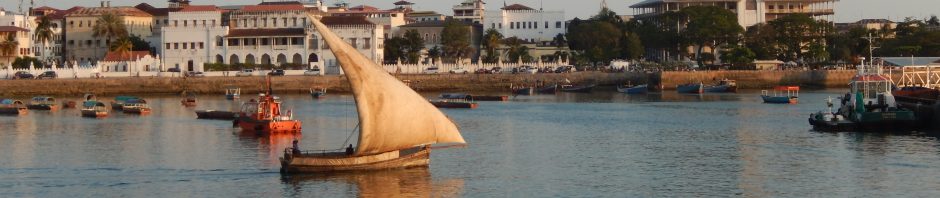


Posted in Travel | Tagged , , , , , , , , , , , , , , | Leave a comment

South Africa, Swaziland and Mozambique 2007


Our Itinerary

22/8/07 Wed Newcastle 3.33pm to Sydney 6.09  train
23/8/07 Thurs Sydney 10am to Jo’burg 4.10pm  14 hr flight Qantas
24/8/07 Fri Johannesburg (day trip to Soweto)
25/8/07 Sat Johannesburg to Kruger National Park (Orpen Gate)
26/8/07 Sun Kruger National Park
27/8/07 Mon Kruger National Park
28/8/07 Tues Kruger to Nelsprit
29/8/07 Wed Nelsprit to Swaziland
30/8/07 Thurs Swaziland
31/8/07 Fri Swaziland to Maputo, Mozambique
1/9/2007 Sat Maputo
2/9/2007 Sun Maputo to Swaziland
3/9/2007 Mon Swaziland
4/9/2007 Tues Swaziland
5/9/2007 Wed Swaziland
6/9/2007 Thurs Swaziland to Jo’burg (fly 1hr) Jo’burg 6.10pm to
7/9/2007 Fri Sydney 2pm  12 hr flight Qantas

Wednesday 22nd August, 2007                                              

 Newcastle to Sydney

Lauren picks us up from home and waves us off at Hamilton Station at 4.30pm. We arrive at Central at seven o’clock and walk up to the Royal Exhibition Hotel. We stayed here lots of times many years ago so we’re shocked at the change in it – been ‘done up’, all very tasteful but lost its soul. We have a few drinks downstairs, I have an emotional meltdown, then we go to bed – poor Mark is so kind to me.

Thursday 23rd August, 2007                                                 

 Sydney to Johannesburg

Up at 5.30am, pack, walk to station and catch train to airport. We book in at 7am, have McDonalds, then buy perfume and Bacardi when we go through immigration. Our Qantas flight leaves a bit late at 10.40am for the 14 hours to Johannesburg. We share three seats – I get about four hours sleep while Mark gets ten minutes. The best part of the flight is when we see ice floating in the sea below us as we fly way down south towards Antarctica.

As soon as we land in Johannesburg at 4.30pm South Africa time, I ring Mum and Dad even though it’s just after midnight at home. Making our way through the airport we notice that it’s only black South Africans doing the menial jobs – a taste of things to come.

After getting through immigration we sit on a seat to read the Lonely Planet to look up somewhere to stay. In seconds we’re approached by a scruffy looking woman called Stella who runs Eastgate Backpackers – we say ‘why not?’ and off we go in her battered old car. The guesthouse is only fifteen minutes from the airport and Stella never draws breath as she keeps up a running commentary on the safety situation, why she lives here (she’s a Pommie) and what we can see in Johannesburg. She’s definitely a freak (could be on speed) and we think one of her eyes is glass because it doesn’t move.

It’s a surreal ride really – what with Stella as well as seeing the sky scrapers of downtown Johannesburg in the distance and ironically looking quite peaceful and lovely at this dusky time of day. Then we’re here. Like all the places we’ve noticed on the drive in, Eastgate Backpackers is surrounded by high walls with rows of electrified wires strung for a few feet above. Unlocking the padlocked gates we pull into the yard – a bit shabby but we like it. The inside is much the same but we like it too.

Now we meet Mike, Stella’s business partner or husband, we’re not sure, but he’s also a freak. I don’t like him. For a start his eyes are too close together and has a face like a bum, as Mum would say. Besides that he’s lazy and lets Stella run around doing all the work while he sits on his fat arse – probably stoned.

If Mike pales into significance next to Stella, her pets don’t. First there’s Tommy the cat – a huge tom who’s so fat he looks like he’s about to explode. Then there’s the cutest of puppies called Two Toes who we steal away to our room whenever Stella isn’t looking. And lastly is Squawker, the parrot, who at the moment is banished to his cage for chasing a screaming Japanese backpacker around the outside of the pool.

Anyway before all this happens Stella is still being hyper and in ten minutes has booked us a day trip to Soweto tomorrow, a four day trip to Kruger the day after and given us our room – a bit threadbare but big and a huge bathroom with a spa!

Even though Stella has told us that central Jo’burg (notice that – a local already) is pretty dangerous, it’s okay to walk around here. She gives us directions for some cafes which are a fifteen minute walk in the dark along a busy road. Not at all interesting here – very suburban except for the weird security. Even the café area is in a sort of gated complex with armed guards at the entrance – who’d live here? What we do like, though, is that we find a bar where we order calamari, chicken and Castle beers – and you can smoke! Walk home and bed by 8pm.

Friday 24th August, 2007                                               

 Johannesburg to Soweto to Johannesburg

We wake at two o’clock, then three o’clock then fall back to sleep till seven – internal time clocks totally out of whack. We’re getting picked up at nine o’clock for our Soweto tour so we’ve got a few hours to have a spa, play with Two Toes and walk down to Eastgate Shopping Mall to find some breakfast – apparently Stella doesn’t cook. Again we’re amazed at the way people live here – every house and business has tall electrified fences topped with razor wire and the Chubb Security signs say ‘Armed Response’. Besides that there aren’t any white people walking the streets at all – except us. Apparently they drive out of their gated home to a gated school, gated work place or gated shopping centre – horrible.

We really don’t want to have breakfast in a shopping centre but there isn’t anything else around here and we’re running late. We have eggs benedict in a posh restaurant – all the staff are black except for the young white couple on the till (I suppose black people can’t be trusted with money – what the?). Strangely the white couple light up a cigarette each! Looks like you can smoke anywhere in South Africa.

We scoff down breakfast because we’re running late then make a dash back to our room to get our day pack ready. At 9.15am the minivan arrives with a fat, jolly black man called Jabu as our guide – very knowledgeable and enthusiastic and lots of jokes. The rest of the gang is a nice Indian family and Japanese girl who doesn’t say a word all day.

Driving first through downtown Jo’burg we can see just what a stagnant, scary place it really is. Even though it’s all black, Jabu says even he wouldn’t walk around here. I heard someone once describe it as ‘dirty, dangerous and dilapidated’ which really does sum it up. The buildings are broken, rundown and vacant. What happened was that after apartheid, the crime rate was so high that businesses just left – moved out to Sandton, Rosebank and Benoni. The financialheart of the city virtually disappeared so no-one needs to come here except the poor blacks running a few businesses and squatting in the empty buildings.

From here we drive about ten kilometres south west to Soweto (South Western Townships – get it?). This isn’t a whole lot better. The poverty in some areas is incredible and it’s not hard to see why Johannesburg has one of the highest crime rates in the world – such a huge difference between the rich whites and the poor blacks.

Even though there are some relatively well-off areas with nice houses and tree-lined streets, a lot of Soweto is barren and very poor. We visit a settlement of shacks made of corrugated iron sheets and with only one tap to do a whole street. It’s strange but despite the poverty we like the feel of it here. All the homes are neat with little dry gardens and the people are friendly. There seems to be a sense of pride here compared to the despair of the city.

Jabu takes us to visit a dignified lady called Muriel – she has the tiniest tin shack but it’s so clean and homey. Further on up the laneway we visit a day care centre. All the little ones come out to see us and then sing us a song – incredibly cute. We also see the fattest woman we’ve ever seen.

In Old Diepkloof we see the “matchbox houses” which were the original homes built for the first black migrants to the city. The migrants had been attracted by work in the gold mines in the late 1890’s and because the whites didn’t want them in the city they created these black-only townships which were later to be called Soweto.

Jabu also takes us to Regina Mundi, Soweto’s largest Catholic Church. Before going inside we talk to some ladies selling handicrafts. I buy a tiled mosaic spelling out “SOWETO” – beautiful. Inside Jabu gives us a tour and explains its importance to black South Africans. It still bears the bullet-hole scars from the Soweto student uprisings on June 16 1976, when police stormed through its doors, firing live ammunition at students trying to escape. The protest started as a peaceful demonstration against the imposition of the Afrikaan language as the method of teaching in schools. I guess it was the final insult because Afrikaans was introduced by Dutch settlers who’d imposed apartheid over black South Africans in the first place.

On that day in 1976 twelve year old Hector Pieterson was shot dead by police during the student protests which quickly spread throughout the country and changed the course of history for South Africa. The famous picture of his lifeless body being carried by his grieving friends has come to symbolise the 1976 Uprisings and the hundreds of other children who gave their lives for freedom. We spend an hour in the Hector Pieterson Museum reading about this amazing historical time.

Outside the museum we wander along the street looking at colourful market stalls and buy ice-creams in the local shop. Even here the black shopkeepers are kept safe from thieves and you have to stick your hand through iron bars to give them your money.

For us the highlight of coming to Soweto is to visit Nelson Mandela’s house – everyone’s hero. Amazingly, two of the most famous anti-apartheid activists and Nobel Peace Prize winners lived in the same street. Nelson Mandela and Archbishop Desmond Tutu both lived just a stone’s throw from each other in Vilakazi Street.

We stop outside Nelson Mandela’s house which is now a museum and obviously very popular with the tourists. This was his first house where he lived with Winnie before he was sent to jail in 1961 for 27 years. It’s a tiny house in a small yard with a spreading tree shading the front. It’s a happy atmosphere outside with people milling around and a busker doing contortionist things with his body. We have a short tour led by a proud black lady called Jane then back in the van to look at Desmond Tutu’s house and later where Winnie Mandela’s lives.

At 2 o’clock the tour is over so we hightail it back to Eastgate and I’m so tired I go straight to bed. We’re both also starving so Mark walks down to the shopping centre to buy food and drinks – also comes back with a couple of t-shirts.


I get up at six o’clock and we sit in the comfy big lounge room with Stella and Mike and the other backpackers. Mark makes up a platter of cheese and salamis to share while we have a few drinks. Bed at 8.30pm because we still have jetlag as well as having an early start for our four day trip to Kruger National Park.

Saturday 25th August, 2007                                                  

Johannesburg to Kruger National Park

We’re getting picked up at 6.30am so we wake at six o’clock for a bath and a last minute pack. Our minibus is waiting at the side gate where we’re met by our guide, Douglas, a trendy black guy with dreadlocks. We also have two black drivers (they take turns on the long trip) and five passengers. These include a sour-faced German woman and her black husband, two nice Chinese girls called Xian and Catherine and a strange looking French woman who’s huddled up in a corner on the back seat.

After quick introductions we drive to the Airport Backpackers and pick up a young American guy called Brian and a middle aged man from Estonia. Fifty kilometres north we arrive in the pretty town of Pretoria which is the actual administrative capital of South Africa – not Johannesburg or even Cape Town as most people think (I did anyway). Here we pick up a nerdy little Eastern European man who’s been to an Applied Mathematics conference in Durban – fascinating, mate. A mixed group as usual.

An hour later we stop for breakfast in a service station then drive another four hours to Nelspruit – a long, boring drive with nothing much to look at until we come to the outskirts of town. Nelspruit is the trading centre for the surrounding fruit growing area of Mpumalanga so we see lots of orchards and market gardens on the way in – citrus and tropical fruits like mangos, bananas, avocados as well as macadamia and pecan nuts.

Nelspruit is also a major stopover point for tourists going to Swaziland and Mozambique and particularly Kruger National Park and the Blyde River Canyon where we’re heading today. Hopefully the scenery should really improve from here.

Before setting off for the Canyon, we stop at Nelspruit Backpackers to pick up Anna, an Italian/American girl who chews gum. She seems nice. We also like the look of the Backpackers and plan to get dropped off here in a few days time and head for Swaziland instead of going back to Jo’burg.

So from Nelspruit we drive upwards to the small timber town of Graskop which we’re told means grassy peak in Afrikaans (a bit of useless information). The weather is cold and very misty but this creates an unexpectedly interesting atmosphere. We all pile into a café to warm up and order lunch. Mark and I pick typically South African food –  Boerewors (a sausage made with a combination of pork and beef) and vetkoek (a deep-fried bread shaped like a bun) – don’t think we’ll rush out to eat it again.

From Graskop we stop at God’s Window for “a breathtaking view from the escarpment of the Lowveld below” – except that it’s so foggy we can’t see a bloody thing and keep driving. Another thirty five kilometers later, though, we visit Bourke’s Luck Potholes. These are a fifteen minute walk (they’d better be good) from the car park. Actually they’re really cool. They actually mark the beginning of the Blyde River Canyon and consist of three very deep cylindrical potholes in the bedrock that have been ground out by swirling sand and rocks over millions of years (guide book info).

Before the steep drive down to the Lower Veld we make one more stop at the Klein Drakensberg escarpment on the edge of the Blyde River Canyon. Lookouts usually bore us to tears but this is really spectacular. More guide book info is that it’s the third largest canyon in the world so it’s huuuuge and from here we can see deep green canyons, the spectacular Three Rondavels and the Swadini Dam far in the distance.

Now we’re all tired of sightseeing and just want to get to the village where we’re staying tonight. But we still have a few hours to go – firstly winding down down down and then across the Lowerveld. It’s dark by the time we arrive. Douglas gave us all a choice of staying in a traditional village or in a lodge nearby. Only the Germans are staying in the lodge so we chuck them out first then stop at the village gates just down the road. The traditional village is actually a Cultural Village (in other words a fake village) but it looks fun anyway. Our group is the only one staying here which makes it even better. The village is surrounded by a fence made from tall thin tree trunks strapped together to keep out the wild animals – what the ?!!

For some reason we’re two hours late arriving, so the poor village people who act out the cultural thing are tired and obviously just want to get it over and go home. As we jump out of the van we get a speeded up version of a dance by a group of young men and boys wearing animal skins and feathers then we’re quickly shown to our huts. Mark and I have our own – actually the ‘inferior wife’s hut’ – a huge rondavel (a round hut) with a ten metre thatched roof coming to a point in the middle. The floor is a mixture of beaten earth and dung and the only furnishings are two thin foam mattresses – excellent. The ‘door’ is just a bunch of sticks tied together and you just pick it up and move it aside when you want to go in or out.

After dumping our gear, we all meet outside where we have another fast forward version of weaving and grain crushing and sorting. Next is dinner in a communal rondavel – Mark and I can’t stop laughing for some reason. We spoon out blobs of something from a circular pottery bowl then get a couple of dishes of maize, cabbage, onions, tomato and some tiny chicken wings – all eaten with our fingers.

Next is the dance around the fire near the tree-trunk fence. While beautiful young boys dance for us, fat ladies sing, clap and sway to the rhythm. We join in then they dress Mark in the feathers and skins (he’s the chief, apparently) and he dances like the boys.

Now it’s time for bed and we’re having so much fun sleeping in our own rondavel. During the night, though, I wake for a toilet visit and get a heart-stopping scare when I venture outside into the dark yard. With very little moonlight I can see huge shapes moving around in the darkness – horses of all things! The villagers must put them in here at night to be safe from the wild animals. I’m relieved but I don’t even like horses and I’m scared one will bite me. I make the quickest dash to the loo and back.

Sunday 26th August, 2007                                                   

 Kruger

After a good night’s sleep, except for the horse scare, we’re up at 5.30am. Mark has a cold shower – not me – then jump into the van with the rest of the crew. The Estonian man actually gives me the chat for sitting in the seat he was in yesterday. The thing is we were never given allocated seats and it’s not a great seat anyway – so fuck off weirdo.

From the village we drive next door to pick up the horrible Germans then head straight for Kruger. According to the guide book, ‘Kruger National Park was established in 1898 to protect the wildlife of the South African Lowveld. At over two million hectares, it’s the biggest national park in the world and home to some of the world’s most amazing animals.’ So now you know. It also has the world’s largest three animals – the African elephant first, the white rhino second and the hippopotamus third.

Kruger is actually only a couple of kilometres away so we’re there in minutes. A long row of cars and jeeps are lined up at the gate for the 6am opening. This is Orpen Gate, one of two gates in the western region of the central area of the Kruger and leads straight to Satara camp inside the Park. In all, eleven gates lead into Kruger and this is one of the best for seeing the predators.

Inside the gate all the vehicles have to pull into a pretty area surrounded by a shop and offices with lots of flowering trees. Like all visitors to the Park, Douglas has to register our names before we go in. Then tonight we’ll have to check out again – just in case someone gets eaten, I suppose. Meanwhile the rest of us wander around the shop buying wild animal postcards and junk food for our ‘safari’.

Now it’s time to enter the park which looks very beautiful with the sun just starting to peep above the horizon. Immediately we see impala and wildebeest. We’re all very excited to see our first real African animals in the wild. Douglas tells us that we’ll see thousands of these over the next couple of days but what we really want to get to see is the Big Five – lion, leopard, elephant, buffalo and rhino. Mark and I are determined that we’re going to see them all. Douglas says that seeing a leopard will be the hardest because there aren’t many of them left.

Two kilometres inside the gate we pull into Orpen Camp where we’ll be staying for the next two nights. It’s surrounded by a tall man-eating-animal-proof fence and we’re staying in tents. After chucking our gear, we all congregate in the big communal eating tent where we make ourselves a quick breakfast of cornflakes and tea.

Now we all jump into a couple of open-sided trucks (yes, I said open-sided) with a canvas roof and room for eight of us. The seats are higher at the back so everyone gets a good view no matter where you sit. Douglas is in the front seat with our driver – both very experienced guides who can spot an animal long before anyone else does. Douglas tells us we must never get out of the truck – no arguments there – and then lots of interesting info about the Park and its animals. We drive out of the camp about seven o’clock.

Bumping along dirt tracks we drive past more impala and wildebeest then see the first of The Big Five – buffalo. Very ugly and scary looking but not too interesting. But then we come across a group of zebra – so beautiful in the early morning light and so amazing to see them here in the wild.

Around a sharp bend there are three giraffe on the road just in front of us and more in the trees – you can’t hide when you’re a giraffe – more amazement – just spectacular.

And then, of course, there are the elephants – heaps of them – families, bubbas and an angry one stamping its feet and flapping its ears. Later as we drive alongside a river, Douglas quickly spies a lioness lying in the grass on the opposite bank. I wish she was closer but maybe we’ll see more later. We stop for ages just staring at her while other trucks come flying towards us – the word is out.

At 11.30 we pull into a picnic area surrounded by a tall fence made from rough tree trunks. Another truck carrying the rest of our gang has been with us all morning and we’re now all going to have lunch together. The drivers and Douglas and the other guide start getting lunch ready but we all give a hand. We peel onions and chop tomatoes and mushrooms while Mark does most of the cooking on the barbeque – bacon, eggs and sausages.

Back in the van we continue on all afternoon in search of the Big Five – so far we’ve seen buffalo, elephants and a lion – two to go – the rhino and the leopard. And naturally these are the rarest and hardest to find. We do see lots and lots more zebra and giraffes and elephants and buffalo and millions of impala. At a toilet stop I make friends with a cute impala then in the late afternoon we see hippopotamuses in a dam as well as crocodiles, warthogs (poor hideous creatures), wildebeest, vultures and a family of baboons making their way down to a pretty river bed. They’re quite creepy making a horrible screeching sound.

I can’t believe how much I’ve loved this day. I thought I’d be bored but never for a second. It’s so thrilling to see these majestic animals and always hoping there’ll be something better around the next corner. This is also despite the weather being not that great. The sky has been a bit cloudy all day and the temperature has been cool especially when we’re driving along which is all day virtually.

As the sun drops towards the horizon we’re flying back to Orpen Gate as everyone has to be out of the Park by six o’clock. At the shop we have to check in so they know no-one has been left behind/eaten. We all check out the shop again and Mark and I buy beanies for tomorrow.  Now Mark and a few of the others go off in another truck for a two hour night safari but I’m ready for a shower and a nap so I go back to the camp with the Asian girls.

The camp is very dark and very quiet and our tent faces the fence only about a metre away. It’s peaceful sitting in the doorway until a huge spotted hyena slinks along the fence line right in front of me – hideous. Mark and the others come back about eight o’clock so we all have a late dinner of a chilli meat stew sitting in the open air. After a couple of drinks we’re in bed by 9.30pm and fall asleep to the roaring of lions – really amazing!

Monday 27th August, 2007                                                   

 Kruger

This morning we wake to more roaring lions as well as to a beautiful clear sunny day. We’re up at 5.15am to shower and have breakfast of cornflakes, tea and coffee. Still chilly but we can tell it’s really going to warm up later on. We drive again all day but now going right up to the border with Mozambique. We must literally drive hundreds of kilometers each day.

We stop for a toilet break at nine o’clock and then lunch at 11am. This is a lovely place with shady trees full of blue birds and monkeys. Mark cooks again and most of us help cut up tomatoes and onions – same food as yesterday but really good.

Our group is nice except for the Estonian. He’s still being a weirdo and now Anna and Stephen (who seemed to have become friends) hate him as well. We never bother to find out his name but just call him ‘the Estonian’ in a deep scary voice – childish but funny. The little French lady chain smokes every time we stop and the Asian girls are lots of fun with tiny Xian dragging two huge cameras around her little neck.

Another toilet stop in the afternoon – toilets in little stone rondavels with pointy thatched roofs – then later we stop at a hide (a low wooden building where you ‘hide’ to watch animals) overlooking a pond. Here we get a close-up view of a family of hippos and a few crocodiles lazing in the sun on the banks.

Not long after Stephen calls out, “STOP !!!” – he’s seen a leopard in the undergrowth! We back up and there she is – so lucky! Now all we have left to see of the Big Five is the rhino. And late in the afternoon we find one right on the side of the track lying under a tree. We can’t get too close but I think we’re close enough thank you very much. Then not long after this we see three more in the distance. The Big Five – yes!

And besides all this excitement we also see ostriches, honey badgers, gnu, steinbucks, wildebeest, emus and, of course, more impala, elephants, zebra, and a male lion in exactly the same spot that we saw the lioness yesterday – Douglas says they’ve probably been bonking in the bushes nearby.

By 6pm we’re at Orpen Gate to check in and to buy beers for tonight. Back at camp we shower then have dinner of maize, sausage, meat and tomatoes sitting under the stars. We sit up drinking and talking with the others for a couple of hours while the lions roar in the distance and a hyena walks past us five times.

Tuesday 28th August, 2007                                                  

 Kruger to Nelspruit

Happy Birthday, my darling. Today Mark turns 40!! What a special place to have a special birthday. He wakes me early to hear the lions really close to us. At 5.30am we have a quick breakfast then pack ready to leave in the van at 6.30am. We have a one hour drive through the park for a last look at Kruger. It’s definitely worth it because at the last minute we see a group of cheetahs not far from Orpen Gate.

From here we set off for the three hour drive to Nelspruit but this time on a different route. We stop at Hazyview for a Wimpy Hamburger then Mark and I are dropped off at Nelspruit Backpackers while the others have to go all the way back to Johannesburg. We want to go to Swaziland tomorrow so we need to work out how to get there.

Unfortunately all the rooms are booked out but we can have a tent already pitched in the yard. It’s a bit dusty but it might be fun. Also we do have the beautiful house cat, George, hanging around us so I steal him and lock him in with us while we have a rest. We also sit around the pool and inside the orange painted bar – we love the look of this place but besides that it’s a bit of a dump.

The inside toilet is filthy, the two showers just dribble, the computer is broken and so is the washing machine. This means we have to walk all the way to the Laundromat. While we’re waiting we try the internet place nearby but I lose it all then we have lunch at the pub – horrible food – Mark not having a great birthday so far.

Back at the Backpackers we talk to a guy about getting to Swaziland and end up booking Baz Bus tickets for tomorrow afternoon. The Baz Bus is one of those hop-on-hop-off deals for independent travelers and is the easiest way for us to get to Swaziland. The only trouble is the bus won’t get here till 2 o’clock which means we have to hang out in this shit-hole nearly all day tomorrow. Now we sleep in our hot tent till six o’clock then have dinner in a Chinese restaurant – the only place besides the pub where we can find to eat around here. The food is okay but the atmosphere is non-existent and everyone is smoking – bizarre.

So the only thing to do is get drunk at the pub.

Wednesday 29th August, 2007                                              

 Nelspruit to Swaziland

Today we sleep till nine o’clock and wake to a warm sunny day without a cloud in the sky. After a breakfast of cornflakes sitting in the sun outside our tent, we just hang around all morning reading and playing with George. Around lunch time Mark walks down to the shops and comes back with pizza. By the time the Baz Bus arrives at two o’clock we’re both raring to go. After some confusion of other people needing to be picked up, we finally leave at 2.30pm – thank God. There are only about ten of us on the bus – a young couple, a few attractive blonde girls, a dreadlocked hippie who’s too cool to make eye contact and a poor Mr Bean-type man who’s seems to be very excited.

For the next two and a half hours we cross a mountain range then a barren landscape of rolling hills. We pass through a few sad little black settlements where the houses straggle over dry stark hillsides instead of being laid out in streets.

At the border we fall in love with Swaziland. The building is colourful and so are the ladies at the desk. Outside there are tiny fruit stalls selling bananas, avocados, pears, apples and oranges and a small shop selling Swazi curios. Meanwhile Mr Bean is trying to make friends with the dreadlocked hippie and is asking him where to stay in Swaziland but Dreadlocks is just ignoring him – arse-hole!

From the border it’s only half an hour to Mbabane, the capital. On the outskirts we stop at a guesthouse where Dreadlocks jumps out followed hurriedly by Mr. Bean. As we drive off we see Dreadlocks striding confidently towards the office totally unaware that Mr Bean is scurrying after him like an anxious puppy – I hope he drives you insane, you stuck up hippie!

Coming into Mbabane itself we see that it’s fairly modern but not huge for a capital city. It sits on the Mbabane River in the Mdimba Mountains– we’re actually 3,800 feet above sea level. And by the way, you pronounce the “m” first and then say the rest of the word – so say ‘m-bar-bane’ and ‘m-dim-ba’.

No-one gets out in town and it seems that we’re all headed for Sonzelas Backpacker Lodge in the Ezulwini Valley which apparently is one of the most picturesque parts of Swaziland. Leaving Mbabane we wind our way down into the valley with beautiful views far ahead of us. After only fifteen minutes we pull into the Mahlanya Fresh Produce Market on the Malkerns main road. It’s a busy dusty place with lots of rubbish lying around and most of the market stalls closed up for the day.

A jeep from Sonzelas is there to meet the bus to pick up any backpackers. One of the Sonzela guys helps with our bag and about six of us squash into the jeep for the ten minute drive.

At this point I must mention our luggage situation. Every other trip we’ve been on, we’ve always taken a big backpack each and a small backpack each but because I’m such a weakling, Mark ends up carrying both big backpacks. So to save both our backs, this trip we decided to bring one big bag on wheels that Lauren had taken to Europe with her. Big mistake because it’s not just big, it’s ginormous and we can see it’s going to be a real pain in the arse. So far it really hasn’t been a problem because we’ve been in the van to Kruger and then the on the Baz Bus both of which had plenty of room for luggage. We know it’ll be a different matter now that we’re on our own and will have to use local transport. Anyway we’ll have to manage – we’ve also christened it The Behemoth.

Now back to Sonzelas. It’s set in the beautiful Mlilwane Wildlife Sanctuary but it’s almost dark by now so we’ll have to see the scenery tomorrow. We bump along a dusty track then in through the gates which are guarded by a man who lives there in a beehive hut. We can see him sitting inside cooking something over an open fire dug into the earthen floor – cool! Sonzelas itself looks so welcoming – a golden glow shining through the thick gardens surrounding it.

We book in at reception which is in a bright orange and purple painted room with lots of mismatched colourful lounges and a huge television. The walls are covered in posters, framed pictures and notice boards – we love it.  We have the choice of staying in the main house or in a rondavel – of course we opt for the more adventurous and expensive option. We’re given our key and pick our way through the dark to our hut. And because we’re in the middle of a wildlife sanctuary we come across impala, ostriches and warthogs wandering around the gardens.

Our hut is gorgeous and feels so big because of the soaring ceiling. We have a bed, side tables, a couch and a wash basin. The showers and toilets are in a block half way back to the house – no problem. After quick showers we meet for dinner. This is a fixed meal of chicken, maize, coleslaw, pumpkin and tossed salad – not great but okay for only $5 AUD each. There are about thirty of us here, some sitting around the fire (it’s cool at night) and some at the wooden picnic tables. We don’t hang around after dinner and head back for an early night.

Thursday 30th August, 2007                                                 

 Swaziland

It’s a wonderful surprise this morning to see just what our surroundings are like. The skies are a clear brilliant blue once again and we have uninterrupted views of open grassland plains stretching up to Nyonyane Mountain. Our rondavel is so cute – tan mud brick with a pointed thatched roof like a little furry hat sitting on the top. Through the multi-paned windows and the doorway we look out towards the hills and the Mlilwane National Park which is right on our front doorstep. Here are a family of zebra only a stone’s throw away and warthogs, impala and emus are scratching around outside our hut.

Breakfast is around the fireplace again and in the daylight we can also see how really nice it is here. Tall shady trees surround the area that’s separated from the gardens by a low stone wall. Mark has a Swazi porridge while I have cornflakes then we both have two fried eggs on toast. Over breakfast we decide that we’ll try to get to Mozambique tomorrow which means getting visas from the Mozambique Embassy in Mbabane today. We’re too late to get a lift with Sonzelas jeep to Mahlanya Market on Malkerns Road where we were dropped off by Baz Bus yesterday. The not-very-helpful lady at the desk reluctantly tells us that we’ll have to walk two kilometres to the main road, flag down a local minivan, get out at Mahlanya Market, flag down another minivan to take us to Mbabane then catch a taxi to the Mozambique Embassy. Sounds like a lot but it’ll be fun.

The red dirt track back to the road passes through pineapple fields and nothing much else – it’s hot. We’re glad to see that the main road is tarred and we soon wave down a silver grey minivan. We crawl inside and up the back which is good as we can watch the other passengers. It’s a lovely atmosphere and reminds us of local buses in Samoa – lots of loud happy music – often something to do with God. A lady with a baby in a papoose is sitting near us so I stare at the baby and wish I could have a nurse. I must say though that the people aren’t terribly friendly but maybe things will change.

At the Market we jump into another minivan and head for Mbabane fifteen minutes away. We crawl up the mountain stopping every now and then to pick up passengers until we’re totally full. We all pile out at Mbabane Bus Station which is a frantic mess of people, taxis, buses and minivans. We want to check out Mbabane but want to get our visas first so we jump into a taxi to take us to the Embassy. Apparently we have to fill in some forms and then come back this afternoon to see if we’ve been accepted. So now we have to walk back to the main road and hail down a minivan to get back to Mbabane. The problem is that because we’re pretty close to the city, all the minivans are full and it takes ages till one stops for us.

Back at the Bus Station we catch yet another minivan north out of town for a few kilometres as we want to visit The Ngwenya Glass Factory. From the drop off point we have a long dry walk uphill to the factory which sits alone on a bare hillside. We watch the glass makers at work and look in the showroom. Mark buys a t-shirt and apron then we have toasted sandwiches and cakes in the café.

Back down the hill to the road to wait for another minibus to take us to Mbabane where we visit a local market set up in a few old buildings. One room sells traditional medicines with lots of weird things in bottles and jars and lots of dried plants hanging around.

Nearby is the swish Swazi Plaza – a small modern shopping complex with dress shops and supermarkets. While we eat Kentucky Chicken we realise that these people really aren’t friendly – nothing like in Asia but we don’t know the history behind it all so we don’t judge. I feel a bit sad for the ladies – most of them wear awful nylon wigs to cover their tight frizzy black hair. I think they’d look very beautiful if they just cut their own hair short – but I guess we women are the same everywhere – never happy with what we’ve got.

Now it’s time to get our visas so it means a taxi to the Embassy. Crowds of people are waiting outside the gates which are now locked. It looks like we’ll be here for hours but we’re soon waved inside and proudly presented with our Mozambique visas. The lady at the desk tells us “You soooooo lucky”.

Now we have to make the long trek back to Sonzelas. We can’t flag down a minivan from here because they’ll all be full for sure so we have to get one back to Mbabane first and then another south – I’m getting confused just writing this. At last we’re speeding down the mountain headed for the Mahlanya Market. We’re absolutely flying but no-one else but Mark and I seems to be worried. We even happily roar past police in a patrol car. They don’t seem to care that we’re doing double the speed limit but they probably couldn’t catch us even if they wanted to.

So glad to reach the Market in one piece where we catch our final and eighth minivan of the day. Getting dropped off at the turnoff to Sonzelas we walk the two kilometres back through the pineapple fields stopping off at Boabab Batik on the way. Finally we’re back in our room and it’s time for a rest. Later we have dinner around the fire then strangely watch Dirty Dancing on television in the lounge. An early night.

Friday 31st August, 2007                                               

 Swaziland to Maputo, Mozambique

Wake early to find an ostrich at our front door – “hello there”. Also wake to find we have another gorgeous day without a cloud in the sky. Today we’re off to Mozambique which is quite an adventure because we’re not sure how to get there or how long it will take or what to do when we get there. Anyway we know we have to get to the town of Manzini about half an hour away in the opposite direction to Mbabane.

We want as early a start as possible but we have to wait to get the Sonzelas’ jeep to the Mahlanya Market which doesn’t leave till 8am. So we enjoy a leisurely breakfast around the fireplace before having showers and packing.

We leave Sonzelas on time with other backpackers going who knows where. The Behemoth is taking up so much room that we’re all squashed in like sardines and everyone is giving us death stares – don’t blame them. At the Market we swap to a minivan to take us to Manzini. Embarrassingly, the Behemoth is so big it has to have a seat of its own.

Manzini is Swaziland’s second largest town but still not huge with only 73,000 people. It’s a busy market town and the country’s commercial and industrial centre. The streets are chaotic as we make our way to the bus station. This is even more frantic than the one in Mbabane and very exciting – just what we’d imagined a local African bus station to be like – colourful, noisy, smelly and hectic.

From here we have to catch a taxi to another bus station on the other side of town which is where the minivans to Mozambique leave from. This only takes a couple of minutes when we’re dropped at a small much quieter and prettier place where a few minivans are waiting to fill up. There aren’t any real timetables here – when the van or the bus fills up then you go. Until then we have sit sweltering inside the van with a handful of locals. Luckily we’re towing a trailer for the luggage so for once the Behemoth doesn’t embarrass us.

At last we’re full so we pay the 60Rand each (about $10AUD) fare and set off for the two hundred kilometre trip to Maputo, Mozambique’s capital. It’s a pleasant hour and a half to the Swazi/Mozambique border with the windows open to cool us down. We pass through a few small settlements but mostly all we see is dry open spaces. The people in these poor rural areas don’t get much of a choice on making a living – it’s either subsistence farming or livestock herding.

We share the road with goats and cows while local people sell firewood and coal on the dusty embankments. At the Goba border post it takes half an hour to get through then we’re on our way to Maputo. As we near the coast the vegetation becomes greener and thicker and, I must say, a lot more appealing. That doesn’t include the huts that some people are living in, though – spindly, unkept grass huts that scream terrible poverty.

Closer to the city things look less dejected and we find that Maputo is a busy city of modern buildings as well as lots of beautiful old Portuguese buildings. Maputo was actually founded by the Portuguese in the late 18th century and was originally called Lourenço Marques. After independence in 1975, its name was changed to Maputo and most of the city’s large Portuguese population took off (back to Portugal maybe?).

Beneath these tall buildings, though, there still seems to be a lot of poverty down on the ground. It also looks war torn (bullet holes in buildings) even though it’s almost fifteen years since the civil war ended. The place is a bit of a mess really – physically and economically. The economy really suffered when Mozambique broke ties with South Africa in the 1970s and 80s then the whole country became the scene of a horrible civil war that lasted from 1977 to 1992.

Finally we pull into the bus station which is crowded with people, food stalls, carts, taxis and buses of all sizes. It’s a grubby mess of red dirt sidewalks littered with rubbish and lots of big rocks for some reason. We ring Fatima’s Guesthouse to see if they have a room for tonight. Luckily they have and they send a friendly young guy called Matthew to pick us up.

He soon arrives in a battered old car then takes us on a mini tour of Maputo on the way to the guesthouse, driving along the coastline. Apparently most of the Mozambique economy is dominated by the port here on Maputo Bay exporting coal, cotton, sugar, chrome, ore, sisal, copra, and hardwood.

At last we’re in Mao Tse Tung Avenida and Fatimas. It’s a big old Portuguese house in a wide tree-lined street not far from the city centre. It has two floors with a trendy hanging out area at the back – this is also the reception area. We love the look of it straight away. You can sleep on the roof for next to nothing but we book into a cheap room on the bottom floor. It’s big and airy with lots of light coming in from the tall windows overlooking the side garden. We have a double bed and a single bed, vivid blue mosquito nets, a pink tribal wall hanging and a yellow ethnic bedspread. The bathroom is shared but clean. A hand written sign on the wall reminds us to “Don’t Take Any Kind of Knives With You On the Streets. The Police Confiscate Them.”

Leaving our ‘knives’ behind, we set out to explore the area and look for somewhere to get out money and for somewhere to eat. But because this was a quick decision to come here, we haven’t read up anything at all about Mozambique nor do we have our usual travel bible, the Lonely Planet. We don’t even know what the currency is, let alone the exchange rate. Down in a busy street Mark manages to get money out of a cash machine. At least now we know that the currency is called the Metical and that the exchange rate is about $1 AUD to 32 Mozambique Metical. We also manage to eat in a restaurant with an English menu – hard to find. We seem to be the only white people out here on the streets.

By the time we head back, it’s getting dark and there seems to be a lot of women setting up stalls on the pavements. Back at Fatimas we sit outside on an old leather lounge and get out our duty free grog. I find a gorgeous grey and white cat who loves me passionately so I’m very happy. We talk for ages to an English guy called Brian, who we’d met this afternoon, and a pretty Dutch girl – a fun night.

Saturday 1st September, 2007                                               

 Maputo, Mozambique

After a good night’s sleep and waking to a beautiful hot sunny day, we’re more than ready to see more of Maputo. Fatima’s doesn’t provide breakfast so we set out very early. Outside the tall fence a man sits guarding the gate and checking everyone who wants to go in. There’s also an Armed Response sign so I guess Maputo is still a fairly dangerous city.


Outside we run into a man selling beautiful batik wall hangings so we buy two for us and one each for Angie and Lauren. We find an interesting café for breakfast and order egg sandwiches and egg hamburgers.

From here we walk along broad leafy avenues, past gorgeous Portuguese villas – all painted a brilliant white and set in beautiful gardens behind tall ironwork fences. If we had the Lonely Planet we’d know what all these buildings are but I suppose it doesn’t really matter.

We head towards the port where we find a lively art market. We buy more batik paintings, a wooden bowl, marackers and earrings. Soon running out of money we wander around the streets looking for an ATM – this is guarded by guys in uniform and carrying rifles. I don’t know if it’s the guns but it feels a bit creepy around here so we jump in a taxi to take us to the fish market.

Driving north along the coast we’re soon at a cheerful little market selling all sorts of seafood from prawns and clams to kingfish and even shark. The people are friendly and help us choose prawns and fish.

Next door are little bars and restaurants where they’ll cook what you’ve just bought. They’re all built around a massive shady tree with tables and chairs set up in every available space and shaded by colourful umbrellas. All the cafes are very basic and all painted in the brightest colours – we choose a very green coloured café and watch all the locals while we wait for our prawns and fish cooked in garlic. They call Maputo a cultural melting pot – Bantu, Portuguese, Arab, Indian and Chinese – and we see an odd mix of people here. Before leaving, we buy bags of peanuts and cashews from a young boy walking around the tables.

Now we decide to head back to Fatima’s but can’t find a taxi outside. We walk back along the beach road hoping to find some sort of transport. The sun is so hot that I tie my scarf around my face so I won’t get sunburnt. We see a very elaborate wedding party getting photos done on the beach – the bride, bridesmaids and flower girls all in white with the men in dark waistcoats.

Finally we flag down a passing minivan (‘chapa’) that looks like it might be some sort of public transport and get dropped off near Mao Tse Tung Avenida then catch a taxi to our guesthouse. Sooo glad to lie down in our lovely cool room for a rest. On dark we walk down to the main road to an outdoor café for dinner and drinks. A woman pulls up in a car and gets out to abuse her embarrassed husband sitting at a table near us – must have been expected home earlier.

Afterwards we walk back in the dark to Fatimas and spend another good night talking to Brian. He tells us that he’s going back to Swaziland tomorrow because he’s heard that there’s to be a big celebration (probably the Reed Festival) there in the next few days. We make another snap decision and decide to head back there tomorrow ourselves instead of going further up the coast here in Mozambique. From what we’ve been able to find out, it’s a long hard trip up to where the good beach spots are and then we’d have to backtrack to Maputo to get a flight to Johannesburg.

Sunday 2nd September, 2007                                               

 Maputo, Mozambique to Swaziland

So this morning we’re up early so we can hightail it back to Swaziland to see if we can catch the Reed Festival which is happening either today or tomorrow. At 8am we catch a taxi to the bus station but we don’t leave till 10.38am when the bus finally fills up.

This isn’t a problem in these circumstances – there’s so much to look at and keep us amused. People sell long freshly baked bread sticks, cakes, chicken, cigarettes and lots of food we don’t recognize. Small makeshift stalls are set up on the dusty sidewalk under faded umbrellas or trees if they’re lucky.

Others sell bread straight from rough hand-pulled carts. It’s a lively mix of waiting passengers, sellers, beggars and probably a few thieves. Again we’re the only white people around. Mark buys some chicken but it’s not cooked right through so I give it to an old beggar lady – is that a good or a bad thing to do?

Getting to the bus station early also means that Mark and I have the front seat so we get to see a lot more than we could two days ago when we were jammed in up the back of the minivan. So, it’s an enjoyable one and a half hours to the border then another one and a half hours to Manzini. About three o’clock we pull into the crazy bus station and drag the Behemoth uphill through the market crowds to KFC – air-conditioned in here and we pig out on ice creams, chicken, chips and coke. Outside the streets are packed with people and the bus station is chaos. We’re shoved into one bus then dragged out and shoved into another bus. Buses and vans inch their way in between each other and everyone is blowing their horn – it’s madness and we’ve both got headaches.

Finally we take off towards Mbabane and get dropped off on the road near Legends Guesthouse. We know it’s just up the hill but we can’t seem to get there. We walk up and down then ask a white guy on a quadbike. At last we find the famous Legends – very picturesque with big trees all around and a huge deep pink bougainvillea overhanging the entrance.

A joyous local lady called Leni greets us with a huge smile and shows us our room. This is a strange set-up – it seems to be a sort of flat with three bedrooms, a big lounge room, a bathroom and kitchen. A young English couple who introduce themselves as Emily and Rob are lying around on the lounges and are staying in one of the other bedrooms. The whole place is incredibly shabby but our room is big and sunny with a painted silhouette on the wall of an African guy playing a guitar – very cool.

We go back to the hanging out area to ask Leni where we can get something to drink (as in alcohol).  Whenever she answers ‘yes’, it’s a very enthusiastic “a-yay-ya”. It’s so adorable but hard not to laugh. Anyway she tells us to walk down to the main road to the Happy Valley which is close as the crow flies but it takes us ages in the dark especially backtracking after trying to find shortcuts. At last we get our beers then wander back to Legends for dinner in the old dining room – cashews, oranges and biscuits – a bit strange but cheap. After dinner we watch Brokeback Mountain on the communal tele then an early night.

Monday 3rd September, 2007                                               

Swaziland

Today is the Reed Festival. It’s held only once a year so we can’t believe our luck.

The Reed Dance is also called Umhlanga when all the unmarried maidens from all over the Kingdom come to pay homage to the king and his mother. They cut reeds (The Reed Dance – get it?) which they present to the Queen Mother and then later use to repair her home. It’s also the time when the King chooses a new wife (he’s got fifteen already, for God sake!).  Traditionally all men in Swaziland can have more than one wife so it’s not just a king thing.

What’s so lovely about Swaziland is that it’s one of the only three monarchies left in Africa. Led by His Majesty, King Mswati III, the country is steeped in tradition and committed to protecting its culture. According to Swazi law and custom, the king holds supreme executive, legislative, and judicial powers. Most Swazis even see him as having a special spiritual role.

Anyway we’ve arranged with Leni for a driver to take some of us over to the festival at twelve o’clock. Now after showers we have breakfast of cornflakes, rice bubbles, tea and toast in the sunny dining room. We also have plenty of time to wander up the laneway to look through a group of little craft shops.

They’re all in tiny rondavels all painted white and with their ubiquitous pointy thatched roofs. It’s so lovely here – tranquil and pretty with lots of trees, flowering bougainvillea, rustic fencing and red dirt paths. We buy some wooden jewellery for Angie and Lauren and a sisal bowl before walking over to Swazi Trails to organize a hire car for tomorrow.

At noon we jump into a van with Emily and Rob (our room mates), Tim (a crazy old American with long grey hair) and Lucky, our guide. Lucky drives us first to the village of Labamba where we stop on an old wooden bridge to watch hundreds of naked girls bathing themselves in the river. They’re having a great time and give us big smiles and waves. One of the strange ‘dance’ rules is that all the maidens have to wash themselves in one of the nearby streams on the day.


Now we drive the Labamba village market which is buzzing with excitement as people prepare for the festival. Tents have been set up as well as lots of makeshift stalls selling drinks and snacks cooked on the spot. Cows wander amongst the crowds and people are using anything to try and create some shade.


Next we do a drive-by past the museum and a few other sad looking buildings before heading out to see some hot springs and lots more girls doing the naked bathing thing in other streams. On the way back we stop to pick up six young maidens headed for the festival – they giggle the whole way.

The Reed Dance itself takes place just outside the Queen Mother’s royal village so about one o’clock we’re in a line up of cars waiting to find a park. Policewomen are directing traffic as truckloads of bare breasted girls are streaming into the royal area.

It’s so exciting as we can see huge groups of girls walking towards us from all directions and from way into the distance – most of them are singing and dancing. We’re amazed to hear that there will be about five thousand young girls dancing before the king! But hang on, we heard wrong, it’s not five thousand but fifty thousand!! Oh my God! This will be incredible!

Lucky manages to talk his way into the VIP Parking Area so we’re right on top of things. Mark and I deliberately lose the others and go off to buy sausages, chicken, salad and chips from a table set up on the side of the road. By now there are thousands of girls pouring in and lots of them want their photos taken with us.

They all wear a skirt, a sash, bead necklaces, rattling anklets as well as coloured tassels and woolen streamers that show whether they’re betrothed or not. Apparently the King doesn’t care one way or the other. A lot of them also carry the bush knife they used to cut the reeds as a symbol of their virginity. The Princesses stand out from the rest by wearing red feathers in their hair.

All fifty thousand girls finally gather outside the Queen Mothers kraal to pay her respect. The palace itself is behind a reed fence but we can see the top of the buildings which all appear to be either the traditional beehive style or thatched rondavels – no airs and graces here.

Now it’s time for the festival to start so we head off to find seats – long wooden benches are set up facing a huge dry grassy field – no shade at all and it’s sweltering but at least we’ve brought our hats. We even see Brian from Mozambique in the crowd and give him a wave. Beyond the field are dry savannah plains with the stark, rocky mountains rising up steeply behind – very spectacular and a perfect setting for the festival.

The girls come in from the right and circle the whole field before passing before the King and the other officials. They dance and sing the whole way according to the tradition of their particular village.

There is so much joy here and the girls are obviously having a ball. Fat brown bums wobble to the music while bare bulbous breasts fly in all directions. Of course, it takes a couple of hours for fifty thousand girls to enter the field but it’s impossible to get bored. Once all the maidens have congregated facing the King, men and boys perform as well. They wear animal skins and brandish long sticks with a club on the end.

Now the King makes an appearance. He’s very handsome and surprisingly young – probably in his thirties. He’s engulfed by the crowd but he stands out a mile. He’s tall and bare-chested wearing a beaded head-dress and a pale blue beaded necklace. Mark and I sneak into a small covered grandstand for VIPs right behind the King’s seat to get a closer look – talk about high security.

Back in the van about six o’clock we stop at Happy Valley again for a drink with Emily and Rob then order pizzas to share back in our room. An early night.

Tuesday 4th September, 2007                                              

 Swaziland

This morning we’re leaving Legends and heading to Mbabane to pick up a hire car. After breakfast we bid Leni a warm goodbye – “a-yay-ya” she says. Dragging The Behemoth behind us we walk down to the main road to wait for a minivan. We don’t have to wait long as usual and we’re soon speeding north to the capital once more.

Leaving the bus station we walk to Swazi Plaza to find a travel agent where we book a flight to Johannesburg on Thursday – can’t be bothered getting a bus and it’s fairly cheap anyway. Next we find an internet place to check in with home then walk up onto the main street to look for Pado Cars. Apparently we can’t just take the car. Because we’re not Swazis, the “boss” has to come and look at us to see if she thinks we’re okay. We must pass the test because we’re soon in our little blue car headed for Mlilwane Wildlife Sanctuary. The Sanctuary is huge and covers 4,500 hectares. Last week we spent our first two days in Swaziland at Sonzelas which is also in the Mlilwane Wildlife Sanctuary but tonight we plan to stay at the main camp which is a bit further away.

Driving back down into the Ezulwini Valley we see lots of people heading back home after yesterday’s Reed Festival. Most of them are walking with suitcases balanced on their heads. The last five kilometres to the Sanctuary is a dirt track where we pull over to buy sweets from some enterprising local kids who’ve set up a stall. We also pass lots of beehive huts and small mud brick homes not much bigger than a single room.

At the gate to the Park we pay an entrance fee at some touristy beehive huts (getting a beehive overload here) then it’s only another couple of kilometers to the camp. This is incredibly lovely, shaded by tall spreading trees and a small lake at the entrance. Impala, gnu and warthogs are peacefully roaming around the huts and the main office area.

The office is very African – lots of cane, wood, exposed beams, sisal baskets, overhead fans, local pottery and batik wall hangings. The lady at the counter shows us the different huts and we choose a really cute wooden one with a tall gabled roof and multi-paned windows – like a doll’s house. It’s completely lined with warm, rough wood and we also have our own bathroom. The only downside is single beds.

After unpacking (chucking our things on the floor) I try to get up close to a warthog but it’s too quick and runs off. The impala are friendlier with such beautiful eyes.

Later we have lunch in the Hippo Haunt Restaurant that overlooks the lake – there really are hippos in there. We sit out on the verandah in the sun to eat and to be on hippo watch. Afterwards we have our usual afternoon nap in our dear little hut. It’s so peaceful here and lovely to look outside our window and see the animals roaming around.

About five o’clock we set out on our own ‘safari’ through the park. On the way we see, you guessed it, more beehive huts. These ones we could have stayed in but they look pretty awful.

The park itself mainly consists of open grassland plains with middleveld vegetation and stretches up onto the striking Nyonyane Mountain. Up and down rough dirt tracks Mark gives our poor little car hell but it is a hire car after all.  We see wildebeest, zebra, gnu, warthogs and, of course, impala. On the edge of a dam we also see a huge crocodile basking in the sun but we don’t get too close.

Dinner is again at the Hippo Haunt Restaurant seeing that it’s the only place to eat. Tonight we sit inside to enjoy the very rustic atmosphere. A buffet includes impala stir fry and impala everything else – Mark tries it all. Afterwards we’re entertained by the Sibhaca dancing team. We all sit outside around a fireplace while the dancers perform to drum beats and clapping. A nice way to end the day.

Wednesday 5th September, 2007                                                 

 Swaziland

After a good night’s sleep, we decide to go for another drive before breakfast. We see the same animals as yesterday but also some hippos in the water at a small dam. There are a lot more crocodiles here today as well. Breakfast back at the Hippo Haunt then check out as we’ve decided to move on today.

We stop at the Pick & Pay to buy some junk food and run into Leni from Legends Guesthouse – more hugs and more “a-yay-ya”s – so sweet. From here we drive to the Swazi Cultural Village – needing a beehive hut hit. And yes, here they are – heaps of them. This is another cultural village but people actually live here. They show us around and we get to see inside the huts – we have to crawl on our hands and knees to get inside. Later we listen to a group of men and women singing traditional songs and then dancing – I get pulled up to dance, too.

From here we drive to Mandelas which is an odd combination of a bed & breakfast, restaurant, art gallery and shop with a popular music venue called House on Fire attached. Again we’re lucky to get a room and it’s in the cutest thatched cottage – like a fairytale. We’ve got a huge airy bedroom opening onto a verandah and a pretty garden. We also have a kitchen, a bathroom and a swimming pool.

It’s time to eat so we order roast chicken and fillet steak in the restaurant called Mandelas Farmhouse. It’s set inside a traditional thatched building with dark wooden furniture and a fireplace. We sit out on the covered terrace that overlooks sugar cane fields and the mountains beyond. The restaurant is very popular and there are lots of people here for lunch. We’re told that the kitchen uses local produce wherever possible, mainly home-grown vegetables and dairy products from the dairy farm next door.

In the afternoon we drive to a local market – very basic with dirt floors and friendly people. We buy a colourful painting and a wooden hippo.

Back to Mandelas for a rest then dinner at the restaurant and drinks in the cosy bar. We get talking to a tall black Swazi man called Manzi who’s a doctor. He’s so interesting and tells us lots about the politics and Swazi life. Stay up later than usual.

Thursday 6th September, 2007                                                    

Swaziland to Johannesburg

Our last day. We’re up at 7.30am to shower, have breakfast, pack and drive back to Mbabane. We fill the car with petrol before taking it back to “the boss”. She’s very glamorous with long painted nails and obviously has a lot of money – for Swazi standards anyway. When she finds out that we need to get to Matsapha Airport she offers to drive us. It’s near Manzini so it’s a generous offer. She talks all the way and couldn’t be nicer. A great way to finish our time here.

At 11.20am we fly to Johannesburg in a small bumpy plane making us feel sick. We have a long, boring six hour wait before we fly out to Sydney. We’ve had a wonderful but strange holiday really. We never expected to spend so much of our time in Swaziland let alone go to Mozambique – the best type of holiday we think.

And our final impression – fuck off The Behemoth!

Friday 7th September, 2007                                                  

 Sydney

Home by train.


Posted in Travel | Tagged , , , , , , , , , , , , , | Leave a comment

South India 2005

OLYMPUS DIGITAL CAMERA 

Friday 28th January, 2005            Sydney to Mumbai (Bombay)

At 5.45am we’re up to shower, pack and walk across the road to Central Station to catch the airport train to the international terminal. We’re the first to check in so we get a window seat, an aisle seat with a spare seat between us which means that we’ll really be able to spread out. After brekky at McDonalds we line up with hundreds of people at immigration. At the Tourist Refund Scheme we get a refund for our digital camera then buy a book and duty free grog.

The waiting area at Gate 32 is packed with Indian travelers. We get our first taste of cultural differences when it’s announced that Business Class and people with small children can start to board. This is like waving a red rag at a bull and the signal for all the Indian passengers to jump to their feet and charge the gate. On the plane we soon realise that it’s only going to be about half full so I quickly jump over to four empty seats in the middle row. Mark doesn’t want to sleep but he has three seats to stretch out on and I have a whole row to lie down and sleep the whole way.

After twelve hours flying we land at Mumbai’s Sahar International Airport at 5pm India time. Outside we grab a pre-paid taxi (RP360) to take us to Colaba on the southern tip of Mumbai’s peninsula. The airport is only twelve kilometres from central Mumbai and twenty kilometres from Colaba but it takes us nearly two hours of chaos to get here – traffic jams, pollution, horns blowing and beggars at the window every time we stop which is most of the time. Mark is too tall for the seat and his head is just about sticking through the roof. Of course, the taxi is an old Ambassador car and one of our favourite memories of being in Rajasthan five years ago. The taxis here are painted black and yellow compared to the white taxis of the north but the same otherwise – rundown inside and out but always with an attempt to beautify – flowers, religious medallions, incense, seat covers and loads of atmosphere. Not far from Colaba, we get a peek of the sun setting over water but still haven’t got our bearings yet.

Finally in Colaba, we pull up at Bentley’s Hotel. It’s an old four storey colonial looking building in a tree lined street just one block from all the action. Luckily we already have a booking and we’re given a huge room (AUD $36) with bathroom on the bottom floor overlooking the street. A big tree outside our window is alive with noisy birds but they soon quieten down as night falls.

By now we’re both starving so we head off for the Colaba Causeway which is the main road busy with markets and cafes. We find an Indian restaurant with only Indian customers. It’s called Kailash Parbat and Mark orders a thali while I have a club sandwich. We have our first lime sodas of the trip bringing back more fond memories of northern India. I’m almost falling asleep at the table so we’re in bed by 9.30PM.

Saturday  29th January, 2005                             Mumbai to Goa

Our first morning in India! I’m up at 4.30am – should have taken Mark’s advice and stayed awake on the plane. By 7.30 we’re having our breakfast of marmalade, toast, tea and coffee at the table set against the window overlooking the sunny street. It’s surprisingly quiet with only the sounds of birds and someone sweeping the road with a straw broom.

Before our midday checkout time, we decide to do some sightseeing as well as trying to book a train for Goa tonight. The guys at the front desk tell us that we can only book at Victoria Terminus and only after ten o’clock so we set off now for India Gate. This is only a few blocks away and a sunny, peaceful walk through the tree-lined streets. On the way an old holy man stops to bless us by tying red and yellow strings around our wrists and dabbing red paste on our foreheads – we give him the expected donation.

Coming out onto Strand Road that runs along the harbour wall, we pass the very elaborate Taj Mahal Hotel in its prime position overlooking Apollo Bunder and India Gate. The Gateway of India is in the style of all arches of triumph and in this case was built by the British in 1924 to celebrate their triumph over India. They probably should have saved their money because by 1947 India had gained independence and the British were sent packing back to England. Now India Gate is a busy ferry wharf and tourist attraction and a popular place for locals to get together. Here a little gypsy girl ties flowers around my wrist and I part with money for the second time in a few minutes – must get a bit tougher.

Now we find a taxi to take us to Victoria Terminus. We stop at traffic lights at the big Wellington Circle and realise how very British Mumbai still is. We could almost be in central London – red double decker buses and stately buildings, like the Prince of Wales Museum everywhere we look. But no, this is definitely India with buzzing auto rickshaws, beggars and brilliant sunshine.

Closer to the station we see more examples of the British occupation – the neo-classical Town Hall, St Thomas’ Cathedral and the spectacularly ornate Victoria Terminus itself with its Gothic design reflected in the elaborate exterior of turrets and towers. Inside, a sweeping staircase leads us to the ticket office and within twenty minutes we have our sleeper tickets for Goa (2A class – US$56 for the two of us). The train leaves at 11pm tonight so we decide to check out of the Bentley and find somewhere cheap to crash out this afternoon.

In Colaba, we look at three hotels nearby and decide on Hotel Moti owned by Raj, an overly friendly Indian man who loves here with his young family. The hotel is set in a lovely old two storey house and very colonial/tropical inside and out – overhead fans, louvered shutters on all the windows, tiled floors and arched doorways. Actually our room has none of this as we’ve opted for a cheap little room (RP 850) at the back with a shared bathroom. We like it anyway.

Back at the Bentley, we check out and meet a friendly taxi driver hanging around outside. His name is Baboo and he wants to take us on a tour of Mumbai this afternoon. This will work out perfectly. Firstly, he takes us to Hotel Moti where we leave our gear then speed off for who knows where. We don’t get far before we see an Indian wedding procession on the other side of the road. We ask Baboo to stop so we can take some photos but the father of the bride drags us into the procession. Next minute he has the both of us dancing while the ladies clap their hands to the music. He even invites us to the wedding but we’ve got too much to do this afternoon.

From here we end up at the tip of Marine Drive which is the road that hugs the semi-circular bay. At night the lights around the edge of the water look like sparkling gems so it’s also known as the Queen’s Necklace. Now we fly past Chowpatty Beach then up to the more affluent area of Malabar Hill. This is also a predominately Jain area and our first stop is a very ornate Jain Temple. Outside is a pretty leafy area of huge trees with long hanging roots and very lively with music, food stalls and beggars. Inside, worshippers are praying, bowing, and making patterns of uncooked rice on small boards on the floor.

The next stop is the Hanging Gardens where Baboo walks around with us before driving on to the Parsi Towers of Silence. The towers are where the Parsis place the bodies of their dead so that vultures can pick the bones clean. As followers of Zoroastrianism and originally from Persia, the Parsis now number less than one hundred thousand and most of them live here in Mumbai. Of course, we’re not allowed to see the bodies but we can see the vultures circling overhead – a bit creepy.

Back down the hill, we visit Mani Bhavan which is a lovely three storey house in a quiet tree filled backstreet. It’s where Gandhi stayed whenever he came to Mumbai and it’s now sort of a mini museum recording his amazing life. It has a lovely peaceful atmosphere with sunshine pouring in the upper floor windows and trees in the garden outside. From here we cross the city to the Mahalaxmi Dhobi Ghat. This is actually a massive open-air laundry where most of Mumbai’s washing gets done every day by up to five thousand men. It’s an amazing sight especially looking down on it from up here on the railway bridge.

We’re all feeling hungry by now so Baboo says he’ll take us to his favourite vegetarian restaurant. But first (there’s always a catch) he wants us to visit his friend’s silver shop. Don’t have the heart to say no but don’t want to buy anything either. We’ll look anyway and he seems happy with that. Finally, at Baboo’s very local restaurant for lunch he orders us Punjabi thalis, masala dosa and lime sodas – a good, cheap meal.

Now it’s time to head back to Colaba but he’d like us to look at one more place – a cloth emporium this time. Okay we’ll look but that’s all. It seems that he’ll some sort of payback from the shop even if we don’t buy. Finally, we’re glad to get back to Hotel Moti where we have drinks sitting outside near the side entrance. Tall palms give it that tropical feel we always love. Raj’s parents who are visiting from Delhi, are here as well and seem very sweet. Before dark we have showers in our shared bathroom which literally looks like the black hole of Calcutta. The roof is held up by tree trunks (no joke) and there’s a hole in the floor that I’m sure a rat is going to fly out of any second – I have the fastest toilet stop and shower in history.

We sleep till 8.30pm then walk around to Leopold Café for dinner. This is described as a ‘Mumbai institution’ and is constantly packed with travelers and a hip young Indian crowd. It’s very art-deco and opens out onto the market and the busy street outside. Behind the main street is a much more interesting area. Food stalls are set up in a dark alleyway and Indian customers drive up in their cars for takeaway while others crowd the clusters of tables and chairs set up along the edge of the alley. A man is making roti bread and he looks like he could do it in his sleep. We buy mandarins, chips and water for the train then wander down to the Gateway of India. Here groups of the very poor are huddled together on the footpaths of Apollo Bunder almost in the shadow of the Taj Hotel which only the very rich can afford – one of the many ironies of India.

At Hotel Moti we pack, say goodbye to Raj and easily find a taxi outside to take us to Victoria Terminal. We’re dropped right at the entrance and easily find our train despite the crowds of people. An extended Indian family wants to be in our photos and they proudly line up for the camera. Because we’re in first class our carriage is at the far end of the platform. This not only means a long walk becausethe train is a monster, but it also means we pass the second-class ‘sit up all night’ carriages. They look more like cages with two levels of people crammed into each one. This is the ultimate in ‘cattle-class’. Of course, everyone has brought along everything but the kitchen sink so it’ll be a pitiful night for these people.

After the nightmare of second-class our first-class cabin seems total luxury. We’re sharing with another couple and there’s only a curtain between us and the aisle, but we have benches to lie on and even sheets, blankets and pillows. Our roommates are an odd looking pair of aging hippy-types both in their forties. He’s Eddy from Holland but born in Indonesia and Marguerita is a monkey-faced girl from Switzerland. They’re heading for South Goa and have been there endless times before. Eddy has the best sense of humour. When the train jolts forward, I say ‘are we leaving already?’ he says ‘yes, we go now. Second class leaves later’. They’ve got lots of advice for where we should stay and it seems we’re heading for the ‘un-cool’ bit. It’s all relative though and I guess, for them, when you’ve been somewhere so many times, you seek out something less than the norm. For us, we’re happy with our plans because we haven’t booked in anywhere and we can move around if we don’t like it. The train leaves on time at eleven o’clock and we talk for a while before making up our comfy beds. Go to sleep feeling guilty about all those poor people at the other end of the train.

Sunday 30th January, 2005                                     Vagator

We both wake early but fall back asleep again till 9am. Breakfast is omelets but I can’t stomach mine so Mark eats both. We pack and say goodbye to Eddy and Marguerite as we pull into Thivim Station at 10.30am.

Outside is bright blue skies and much hotter than Mumbai. We find an auto rickshaw to take us to Vagator, twenty-four kilometers through lots of small towns and villages. Because it’s Sunday we pass streams of people coming and going to church. The women aren’t wearing saris but Western style skirts and tops – a strange sight for India. In half an hour we arrive in Vagator which seems to be a straggly village spread out for a kilometer or so from the beach. We book into the Dolrito Guesthouse which is at the end of a dusty, rutted track. It’s set amongst dense trees and coconut palms and we check into a clean room on the first floor with our own bathroom and balcony. For 450Rp a night it’s a good deal. The owner is a friendly Christian Indian and serves us breakfast in the garden at the back of the house. We decide to catch up on some sleep then decide it’s a waste of time so we head up into the village.

The Tin Tin Bar is closest cafe to the top of our track and looks very appealing. Feel like we’re in Bali. We have cold drinks while listening to a trendy Asterisk CD that a very black African woman has put on. It’s full on doof-doof that has the guys in the kitchen dancing and even we like it. Dance parties are the thing here in Goa and Vagator is apparently party central but I know we’ll be snoring before they even start. Next to Tin Tin is a string of market stalls where I buy a top to be altered and Mark is having some board shorts made. Now we head down to the carpark at the beach where another market is set up and where busloads of Indian day-trippers are arriving. Far too many people around so we walk back to the village and come across Veda Massage.

Apparently South India is the place to get an Ayurvedic massage which was formulated by ancient vedic gurus more than five thousand years ago. We’re not really sure what it is but there’s only one way to find out. We settle for a forty-five minute Kerala Ayurvedic Abhyanga which has advanced massage techniques ‘to ease circulatory problems, tension release and journey tiredness’ – all this for 300Rp. And it really is the strangest massage we’ve ever had. In separate rooms we’re asked to strip naked then have usually two people at a time rubbing gallons of oil into every nook and cranny. Nothing is sacred – boobs, fanny, balls, doodle and bum cracks. Not sure if it’s enjoyable but definitely an experience we’ll never forget. Almost dripping in oil, we try to wash it off but it takes a couple of hot showers each and it’s still there. After more soapy water we’re still sliding off the toilet seat.

Today is the final of the Australian Tennis Open with Leyton Hewitt playing so we walk down to the Garden Villa Café to watch it live on television at two o’clock. We order chips, fried eggs, beer and lime sodas while we watch Safin give Hewitt a beating. On dusk we walk down to Little Vagator Beach scattered with grass huts and cafes. The day-trippers have all gone and the beach looks like a Goan postcard. Above the beach is Little Vagator village so we climb the steep track to find a busy market and lots of very cool travelers. Everyone seems to have a motorbike – must hire one for ourselves.

Away from the beach are more cafes and stalls and we stop at a cool Tibetan café for dinner. Love the atmosphere – Tibetan waiters and Bob Marley music playing. It’s dark by now so we eat our tuna salad and garlic vegetable balls by candlelight. After dinner we move on to the Double Lotus which is an outdoor café under coconut trees and with low tables surrounded by mattresses. More candles here and lovely background music. The menu has cheap gin sodas so we have a couple each and save our duty free for later.

Instead of backtracking to the beach, we decide to walk back to Vagator via the laneways. The problem is it’s pitch dark and we’re not sure if we’re going in the right direction. This is a lovely time of day – very peaceful but somehow exciting being out here on our own. After a wee wee in the bushes, we finally find our way back to the main street where we stop for chips and Bacardi Breezers ($1.50 AUD) at an open air café where a few Indian guys are playing pool. Back towards our guesthouse we find a true local café/shop where village people are watching television. Sitting at an outdoor table we order yet another Bacardi Breezer. Next door is the internet place where a motorbike roars up driven by an amazing looking couple. He’s big, black and beautiful while she’s a striking gypsy looking women with wild black hair and hippy clothes – never dull around here.

Bed at 10pm.

Monday 31st January, 2005                              Vagator

This morning we wake to the soft sound of rain on the roof. It’s still warm and the rain looks pretty falling through the trees outside our room. Instead of wasting a day we decide to see some of the other towns not far south of here. First we have breakfast at Tin Tin where we find the thatched roof is leaking badly except for a dark corner under the eaves. The floor is flattened dirt and we still have to dodge a few leaks but it’s cosy with the rain still falling outside. The power is out as well but we somehow manage to get a hot breakfast.

Back out in the street we ask a guy playing pool in a nearby café if he can drive us to Calangute. He tells us we’re ‘very lucky’ since this is the first day of rain for months. On the way we pass through a few small villages away from the coast and in no time pull into the overcrowded main street of Calangute. This is so different from Vagator and seems to be invaded by flabby sunburnt Poms in daggy beach clothes. We come across a camera shop and get our photos put onto a disc so, at the very least, it was worth coming here even if it’s just for this.

Calangute really is too awful so we take off on foot to Baga which is along a busy side road and heading back towards Vagator. We ask some locals how to get to the beach and end up in a wonderful village area overgrown with coconut and palm trees. The cutest little kids come running out to see us when we stop to watch a lady in a yellow sari drawing water from an old well. The rain has stopped by now and the clouds are starting to disappear so hopefully we’ll have good weather from now on.

Further down the laneway we come across three friendly young Indian men who walk with us to the beach. They take us to Coco Joes which is just one of many thatched cafes set up along the beach. Mark and I order beers and food while we talk to our new friend William. He comes from Kerala but after the tsunami destroyed his mother’s house and the family’s fishing boats he had to come to Goa to earn some money. He tells us that the tsunami came one and a half kilometers inland and thirty seven people from his village drowned. Despite his sad story, he smiles the whole time and tells us about the fat ugly tourists that come to Calangute. He says that his friend, Mustafa, who’s wandered off somewhere, had an English girlfriend who was so fat they called her ‘little elephant’. He thinks this is a great joke. Meanwhile Bob Marley music is playing and when I say I like it William turns the volume up full blast and plays it over and over for the next hour.

More people are walking along the beach now that the weather has fined up and the cows are out in force as well. I ask about massages and end up with a wonderful leg and foot massage in the back of the shack from a sweet man called Akbah. Mark spends the time eating his garlic squid and drinking beers with William.

The sun is fully out by the time I finish my massage so we say goodbye to Coco Joe and William and walk along the water’s edge back to Calangute. Groups of young Indian men are frolicking in the water and having a hilarious time throwing sand at each other. We’re continually fronted by ice cream sellers and hawkers and the beach is suddenly a hive of sunbaking tourists. The sunshine hasn’t made this place any more appealing so we grab the first taxi we can find and hightail it back to Vagator – so nice to get back to the laidback feeling of this little town. At the Dolrito we change into our swimmers and set off for Little Vagator beach.

At the corner where the track meets the road, we buy a bag and shirt then a pineapple from an old lady at a tiny makeshift stall near the path to the beach. It’s wonderfully hot and sunny by now so we head for the sand. A few beach shacks stand dotted among the palm trees where locals are lounging around on the verandahs. Further on are cafes with sandy floors and beach chairs and umbrellas set up outside. We lay on a couple of chairs next to some glamorous French people. A man and two suntanned women in g-strings are smoking and having very animated conversations. We order lime sodas then, while Mark reads, I must look a prime target and soon become surrounded by beach hawkers. These are exotically dressed young girls in yellow and green saris and wearing gold bracelets and earrings. They have the most perfect white teeth and the prettiest faces. Their names are Tina, Lolita and Celia and for the next hour and a half they tell me about their lives and try to sell me everything in their shoulder bags. I shouldn’t say ‘try’ because I end up buying two ankle bracelets, a shawl, a Rajasthan cloth, two silver bangles, a silver mirror and salad spoons. They ask funny questions like ‘why is mumma (me) is so brown (fake tan) and why is puppa like a fridge?’ They tell us that they work all day on the beach while their husbands stay at home sitting on their arses. Celia hassles me to get one of her henna tattoos. I suspect she’s no expert when she shows me her designs she’s sketched in a sad, tatty little book. I think ‘what the hell’ and end up with a childish, crooked band around the top of my left arm. She’s happy to assure me that it will last for at least a month.

Another young hawker is standing in front of me with a sulky look on her face. ‘You buy nothing from me. I tell you up there’ – she points to the track – ‘you have beautiful skirt’. I say ‘well you have beautiful skirt too. So now we’re even.’ Fed up with getting hassled, we walk back up to Tin Tin Bar in the village for a lunch of prawn cocktails, battered calamari, a prawn pizza and lime sodas. Mark decides to go back to the room to read while I do some emailing in the cramped little room next door to the grocery shop.

We’ve decided that tonight we’ll go to Chapora for a quiet meal, so on dusk we walk up the track to find a driver. Out of Vagator we turn left and find that Chapora is only a couple of minutes drive down a winding dark road. The village is set amongst tall palm and coconut trees and is probably very beautiful in the daylight. But it’s not the peaceful little spot we’d expected. The main street is only about a hundred metres long and right now is overcrowded with hippies, cows and roaring motorbikes. It’s the most incredible place we’ve ever seen. Most of the hippies are at least middle aged and some definitely look like they had much too good a time in the sixties. Mark thinks they probably came here and just forgot to go home.

About halfway down the street we find a buzzing, crowded café called The Yak Bar. It’s open on three sides and dimly lit with coloured lights for lots of atmosphere. We find a seat on the edge of the balcony so we can watch the circus around us. This is people watching at its best. There’s French accents, German accents, Israeli accents ….. Two stunningly hippy French women are engrossed in conversation next to us – very expressive hands and chain smoking. Soon a tiny calf climbs the two steps up from the street and mingles with the crowd. He gets shooed out by the waiter but is back again a few seconds later.

After a couple of beers we find a rooftop café further down the street. It’s cooler up here with mattresses all over the floor, curtained walls and ceiling and candles on the low tables. We find a cosy corner and lay around on pillows while we drink our duty free and order hot chips. Later we cross to another busy bar where the same little cow comes in for a visit. The waiter laughs as he moves it outside and doesn’t even seem worried when it comes straight back in and wees all over the floor. Needing a loo myself I find it out the back next to another lying around on mattresses area. We move out here to stretch out and to watch all the hippies in action. Bongs are getting passed around and everyone is off their face – don’t know if they’ve got the right idea or they’re just idiots.

By eleven o’clock we’re sick to death of hippies so we walk back up the hill to Vagator and the Tin Tin for more prawns, calamari and spring rolls.

Tuesday 1st February, 2005                            Vagator to Anjuna

At 9am we wake to heat and sunshine and decide to move on to Anjuna this morning. In minutes we’re showered, packed and in a taxi flying through villages and fields of coconuts. We’re wrapped in Anjuna at first sight. Like Vagator and Chapora, it sits amongst coconut groves with a relaxed main street and the village occupying a few leafy laneways. Here we try to get into the Red Cab Inn but no luck probably because it’s recommended by Lonely Planet. A family house next door has a room to let but it’s only curtained off from the rest of the house so Mark says thanks but no thanks. The family is sweet about it and tells us of a guesthouse nearby called Valentina.

We love Valentina! It sits on the corner of two quiet shaded laneways where a family of cows is ambling past. Sebastian and Maria own Valentina and live in a lovely white rendered house with a wide verandah at the front with four rooms to let in the pretty overgrown garden. The guesthouse is in a long white building with tiny blue painted windows – just lovely. Our room is big and airy with a tiled floor and overhead fans. We have two shuttered and barred windows – one looking out onto the sunny laneway and the other onto a small verandah inside the yard. Two simple beds with thin cotton covers, a chair and an old fridge that doesn’t work make up the entire furnishings. The first thing Mark does is push the beds together. The Valentina family is obviously Christian and we have a God Bless This House sign on our door. We have to share cold showers and a toilet which we get into by stepping over a low tree branch. Tommy is the family dog and seems to have the run of the whole place.

For breakfast we walk up to the busy main street and pass lots of cows on the way. Even though it’s a predominately Christian area, cows still seem to be part of the culture. Breakfast is tuna salad and French toast in an open-air café then we look for a travel agent to book tickets for Kochi. We soon find that all trains are booked out until the end of February – so slack of us to leave it this late. But then the sweet girl at the desk makes some phone calls and there have been two cancelled seats to Kochi on the 3rd – the universe provides.

After buying loo paper and some bottled water, we make our way back to Valentina where we ask Sebastian about hiring a motor- bike. We have to show that we can actually ride the thing and I make an immediately bad impression by ramming it straight into a fence. Sebastian takes Mark on a trial run at a nearby field and they’re back in five minutes with Mark being given his honorary licence – think I should just be the passenger. Mark still feels I can do it, though, and I do a few laps of the field but we eventually both agree that I’d do better as the pillion.

From here we drive straight down to the beach for lime sodas in a thatched café overlooking the water. Next to the café is a string of market stalls where I buy a top then we drive around the narrow sandy backstreets that wind their way through village houses. We seem to be riding through people’s backyards but everyone is friendly and probably used to lost travelers. Can’t go more than a few metres without someone asking ‘you want ganga?’ – no thanks!

I can’t describe the feeling of riding around with Mark in this free and easy place. It’s a strange feeling of freedom that can only happen somewhere so far from the constraints and regulations of our own culture – no helmets, no limitations, no rules! We love every minute and understand why some people never leave.

At a few deserted market stalls away from the beach we try on some clothes which are caked in red dust from the track outside and so old and sun damaged that they’re full of holes. We feel sorry for the people selling them, so Mark ends up buying a shirt that will no doubt fall apart the first time he wears it. Back at the Valentina, I sleep while Mark reads and drinks beers. At four o’clock we ride down to Zooris Bar set high above the beach where we sit on floor cushions and drink beers and sodas.

From Zooris we take off through the village once again to the other side of town where we find an atmospheric café away from the beach called Mario’s. In an overgrown garden, we order fish and chicken sizzler while we talk to Monty (the owner) and his friend who’ve both spent time studying in Australia. Much later we ride back to our side of the village to have drinks at Briyani Place Café where we listen to wonderful Indian music. The floor is soft sand and we sit on cane chairs while served by a very stoned waiter.

On dark we decide to move on to the Shiva Café which is a rooftop café across the road for tuna salad and spring rolls – very hip, very trendy. Ride home to bed.

Wednesday 2nd February, 2005                              Anjuna

Today is hot and sunny once again. I ask about a shower so Maria heats a big bowl of water over an open fire then pours it into a plastic bucket. I have my first bucket wash and enjoy it so much but Mark opts for a cold shower. Back on our precious bike, we head out of the village to an organic café on the road leading to the market. In a leafy courtyard, we have freshly baked brown bread, eggs, an omelet, tea and a cappuccino.

Now it’s time for Anjuna’s famous Wednesday Flea Market. The crowds are here already but we easily find a space to park amongst the cars and motorbikes. The market is a sea of stalls that seem to go on forever. It’s spread out along the beach but stretches a hundred metres inland as well. There must be thousands of stalls with vendors coming from all over Goa as well as traders from Kashmir and Tibet. Everything imaginable is for sale – clothes, rugs, handicrafts, jewellery, CD’s, spices, drums, food…….. Every stall-holder calls out as we walk past and hawkers stop us every few steps. A young boy called Ganesh begs us to come to his stall where his mother is waiting. Her name is Ranupa and she’s a Gujarati tribal woman. There’s lots of them here at the market and all dressed in the traditional vibrant dress with mirrored headdress and smothered in silver jewellery. She’s so sweet and I can’t leave without buying bracelets, silver salt and pepper shakers and a Gujarat mirrored belt which she’s made herself. Not to sure about that but it’s the real thing anyway.

After a few hours of mixing with hippies, cows, Indian tourists, ex-pats and travelers, we soon become overwhelmed and head for a café with a sandy floor overlooking the beach. It’s packed as expected but we manage to share a table for cold lime sodas. Back in the market, Mark bargains hard for twelve cushion covers, a beaded bedspread and a scarf – unbelievably cheap!

Too hot and bothered to stay any longer, we grab the bike and wind our way through the still congested road. Nice to cool down on the bike and get away from the crowds. At Valentina we drop off our bargains, then ride up to the main street to email and exchange money. Then it’s lunch at the Star Café which is actually a big garden with tables and chairs set up under coconut trees. Feeling tired for some unknown reason, we spend the rest of the afternoon sleeping under the ceiling fans in our room. Dinner is back at the main street at the Oasis Café where we spend the whole time people watching. At the table opposite is the same stunning couple we’d seen getting off a motorbike in Vagator a few nights ago. She seems totally bored and we decide that she’s only with him because he looks so amazing. But then Mark realizes that this incredible looking woman is actually a man herself – love this place!

After they speed off on their motorbike, we decide to ride back over to the quieter area near the market. It’s so wonderful to be riding through the open countryside in the soft warm darkness. Close to the market we have drinks at a café on the road and watch all the stall-holders heading for home. A continual stream of small trucks absolutely crammed with people and gear passes us for the next hour. Now we jump back on the bike and find another café on the road into the village. In another garden courtyard, we sit on stools at the cane bar and make great friends with the two funny waiters, the barman called Shiva and Shiva’s girlfriend. They tell us that they’re in love but their parents don’t know they’re seeing each other. They’ll ask permission to marry in May but, because Indians have arranged marriages, they could have to give each other up. They even seem to accept that they may have to marry someone chosen by their parents. Shiva makes us gin squashes and then free glasses of vodka because ‘the boss is away’. As we leave Mark gives him a one thousand rupee tip.

Finally home to bed after a great day.

Thursday 3rd February, 2005     Anjuna to Manua (South Goa)

I think we’ll be having a lazy day today – as opposed to the frantic pace we’ve been keeping since we arrived here in Goa. Don’t wake till nine o’clock then walk up to one of the cafes for breakfast. Still tired somehow, so it’s back to the room for me to sleep and Mark to read. At lunchtime we walk up to the Star Café to sit again in the shade of the trees. Lunch is prawn cocktails, fish, chips and lime sodas. We’re entertained by watching a large table of fiftyish year old hippies – obviously ex-pats on account of their dark suntans, long hair and that ‘too many years of drugs’ look. They seem to be a happy, laid-back group so good on them.

Before going back to Valentina, we organize for a taxi to pick us up at five thirty to drive us to South Goa where we’ll be catching the train to Kochi from Manua tonight. We spend the afternoon packing and reading before saying a sorry goodbye to Valentina and Anjuna. So glad we came here.

The drive south takes one and a half hours as we pass through the Goan capital of Panaji, onto Colva and finally to the coastal village of Benaulin. We’ve decided to be dropped off at Benaulin instead of going straight to Manua as it’ll be a nicer place to spend the next few hours. It’s dark by the time we arrive and we spend an enjoyable time lounging around on big cane chairs on the beach while we order food and drinks. A family of Indians is eating at the table next to us and have a tiny boy and girl that keep me amused while Marks reads.

At nine o’clock we find a driver to take us to Manua Station where we lie around on benches till the train arrives half an hour late at 11pm. No first class this time but we really prefer the second-class non-air conditioned sleeper. Air conditioning is always too cold and, besides this, we can have the windows wide open. Our open cubicle has six bunks with three German guys opposite, me on top, Mark in the middle and an Indian lady on the bottom on our side. No sheets or pillows either but we always bring our own pillows and the rugs we bought in Rajasthan five years ago.

Wake about a thousand times during the night but still manage to get plenty of sleep.

Friday 4th February, 2005                                        Kochi (Cochin)

This morning breaks hot and sunny once again but we still have a long way to go before we can get off the train. It’s an eighteen-hour trip so we won’t reach Kochi till mid afternoon. Having the top bunk is a real bonus as I can lie around all day while Mark has to give up his bed so the Indian lady can sit up. She soon disappears though so he ends up with the whole seat to himself. The top bunks are separated from the adjoining cubicles by a wire grate and I talk to a young black guy lying on the bunk next door. This is why we love second class – so much friendlier with a true communal feel.

At one station a handsome boy of about twelve gets on with his younger sister and they sing and play the bongos for us. They have gorgeous faces with snowy white teeth and rich brown skin. We give them a 10Rp tip and they move on. Later other children get on and do the same thing with hand clackers.

For breakfast Mark buys an omelet from one of the porters who continually walk through the carriage selling tea, food and water. Every now and again he gets out at a few stations to have a stretch on the platform but generally we spend the whole day reading, eating, sleeping or sitting in the open doorway watching the countryside go by. The trip is long but we’re so glad we chose to get to Kochi this way.

At last at Kochi Junction at 3pm we grab an auto rickshaw to take us to the Grand Hotel on MG Road in Ernakulam. This is Intrepid’s base in Southern India and tonight is the beginning of our fifteen-day trip. The Grand is a big, uninspiring box which I hate on sight. Our room is big with a bathroom and air conditioning but is as characterless as the outside.

Before we do anything we head for the bar downstairs. This is a dark, windowless room with scattered lounge chairs and low stools at a sunken bar. After a beer or two we go back to the room to shower and unpack before we meet the Intrepid crew at six o’clock. Our leader is Pulak (a young Indian guy from Orissa) and the crew is Sue (a lawyer from Sydney), Steve (her friend and a barrister from Perth), Wendy and Stephen (a wimpy mother and son from New Zealand), Barbara (a fat girl from Switzerland), Laurie (from Canada) and John and Chris (a civil servant and a lawyer from London). Wimpy Wendy is a lawyer as well so we have four on this trip. Everyone seems nice but probably anal.

We introduce ourselves in the dining room then after dinner everyone else goes to bed while Mark and I hit the bar alone – yes, definitely anal.

Saturday 5th February, 2005               Kochi (Cochin)

After waking at 7am, we shower then meet the group in the dining room for a buffet breakfast. We sit with John and Chris. He seems to be fun but not too sure about her – very British upper class, we think. After breakfast, Pulak finds us auto rickshaws to take us to the wharf where we’ll catch a ferry to the old Portuguese area of Fort Kochi. The local ferry is interesting with lots of Indian passengers but Kerala has a working harbour which is very unappealing and the scenery is ultra boring.

At Fort Kochi we walk to Jewtown to visit the Jewish Pardesi Synagogue. Since this is always closed on a Friday we wonder what we’re doing here. We visit an antique furniture shop crammed with wonderful stuff but not in the mood to buy today. From Jewtown we walk through the spice markets which are much more exciting. Kochi exports spices all over the world, so much trading is going on around us. Pulak takes us to a warehouse where ginger is spread out all over a wide quadrangle. It’s covered in lime and takes our breath away. The traders are all very friendly and there seems to be more goats than people for some reason.

At the end of the spice market is Mattancherry Palace (also called the Dutch Palace) built in 1555 and is now a museum. Lots of Indian tourists are here but, as Mark and I aren’t at all into museums, we just admire the carved ceilings and windows and get the hell out of here. Much rather be outside near the market. The others gradually wander back all looking as brain dead as we are. Now we jump in more rickshaws to drive us to the Church of St Francis. Not interested in churches either and becoming totally bored with this whole day.

Across the road from the church is the Lakshadweep Sea where the famous Chinese fishing nets are permanently set up. They’re massive nets attached to thirty metre high poles and look quite beautiful. Along the shore is a row of stalls where the ‘fish friers’ sell all kinds of seafood. Some of it is so fresh that it’s still alive. Half the Intrepid crew is too scared to eat from here so they go off with Pulak to a restaurant – yes, again, definitely anal. Mark, Laurie, Sue, Steve and I pick fish and prawns which are taken to a thatched hut to be cooked over hot coals. I go in to watch some of the cooking done in pans of garlic butter while the others sit at a table on the sand. We all order drinks then I wander off to talk to some fishermen sitting in a group near the water. They have a pet cat and her kitten who look healthy very well fed. Other hungry cats soon come running to our table when the food appears and Mark and I give up half our meal to feed these poor little things.

After lunch, the others wander off to shop while Mark and I decide to look for the posh Boathouse Hotel. It’s an upmarket place on the water but the main attraction is that it’s air conditioned. Around an arched courtyard we find the restaurant where we sit at the bar for cold beers and sodas. Sue and Steve turn up and he looks like he’s about to explode – red as a beetroot and literally sweating like a pig.

Back outside, we take a while to find the others but finally Pulak herds us all onto a small ferry packed with ladies in beautiful saris. We western women look so boring in our daggy travel clothes. It’s standing room only till we reach Vypan Island where we have to wait half an hour for the ferry back to Ernakulam. Mark and I go exploring then it’s on to a bigger ferry to take us across Vembanad Lake to the mainland.

At the pier we all take auto rickshaws back to the Grand and after a short rest, Mark and I are down in the bar. No other westerners here and it seems to be a meeting place for Indian businessmen. We sit at the bar and spend a fun hour talking to the two young barmen. At a quarter to six we meet the Intrepid crew in the foyer and follow Pulak through the busy streets to the See India Theatre near the station. The theatre is housed in an old atmospheric building with a dark interior and puts on nightly performances of the Kathakali dance. The first hour is watching the performers putting on their elaborate makeup which is about three quarters of an hour too long. PK Devan is the host and he gives a wonderful talk on Indian philosophy and Hinduism and the Kathakali dance itself. He’s a passionate, hypnotic man and we enjoy his presentation even more than the dance.

Afterwards we’re back in auto-rickshaws to the other side of town for dinner at a South Indian restaurant. While we wait for our food, Mark and I go walkabout to find a box to pack the things we bought in Goa. We’ll store them at the Grand in the morning instead of carting them all around southern India.

Another rickshaw back to the hotel, another visit to the bar (only us) then back to the room to pack. Bed about 10.30pm.

Sunday 6th February, 2005         Kochi to Kerala Backwaters

Breakfast is a hot buffet again in the dining room. After putting our box into storage we all meet with our packs to set off in auto rickshaws for the bus station. Today we’re off to the Kerala backwaters but first we need to catch a bus to Alleppey. Mark and I are sitting behind a young married couple with two tiny girls on their laps. The older one is about three and the mother tells us ‘she has vomitting’. Sure enough about half and hour later she throws up but somehow they catch it in a plastic bag which then goes flying out the window.

After two hours we pull into the busy Alleppey bus station next to one of the canals. Basic cafes line the water and we sit on a rough wooden bench to drink hot cha and eat fried bananas. Soon we follow Pulak to a private boat which will take us into the backwaters. The boat has a polished wooden open cabin and a roof big enough for us all to sit on. After storing our packs inside, we spend the next one and a half hours lying in the cabin or sitting on the roof in the sun.

The scenery is spectacular. The Kerala backwaters is a series of manmade canals, estuaries and deltas. It’s a labyrinth of waterways is fringed by dense tropical palm forests with small villages in between. We pass old rice barges that have been converted into houseboats for tourists and all with their own captain, cook and crew. The backwaters act as a transport network since the only way to get to the islands is by boat. This means that everyone and everything is moved about in an assortment of water traffic – public ferries, rice barges, private boats and dugout canoes.

At last at Thomas’ homestay we pull into a small pier where we’re greeted by Thomas and his family. On the verandah of the family home, they give us welcome drinks of cold grape juice. Mark and I are then taken to a smaller house a couple of hundred metres away along a dirt track next to the canal. We’ll be staying by ourselves while the others will all stay at Thomas’. This is a bonus for us because we feel like we’re on our own instead of with a tour group. The house has a wonderful tropical feel with cane furniture, ceiling fans and bare floors. Baboo owns the house and he shows us to a bare dark room with an overhead fan and two hard bunks – we love it. We’re to share a bathroom with a German couple who’ve been renting another room in the house for the last few weeks.

The humidity is so much higher here in the south and we can’t wait to get into the water. Baboo says it’s safe for swimming so we walk up to Thomas’ house to see if anyone else wants to come in. No takers so we float around on our own under the overhanging coconut trees – heaven. Feeling so much better after our swim, we lay around reading in our room till Baboo tells us that lunch is ready at the other house. We’re having a traditional Kerala meal cooked by Thomas’ wife and mother. Using our fingers, right hand only, we eat bean and coconut dahl, banana chips, coconut potatoes, other sorts of dahl, chappattis, tiny bananas and washed down with filtered water.

Till 4.30pm we lay around reading then meet on Thomas’ verandah for chai, the very sweet milky Indian tea. Now we follow Thomas for a guided walk around his tiny island. He takes us along the dirt path running beside the water where women are washing clothes and one lady is bathing her tubby baby boy. We pass men with homemade harpoons and a tiny tea shop and all the village people come out to have their photos taken. The track soon turns right to follow a smaller canal and even the people in the village on the island opposite are waving and calling out.

Further along the track we look back to see thousands of ducks swimming towards us and being herded by two duck farmers in dugout canoes. As they get closer the ducks become spooked and run up onto the opposite bank. One of the farmers has to chase them back into the water but they all just run back up a few metres further on. By now the sun is low in the sky painting everything a soft gold – such a wonderful time of day to be here amongst the coconut palms and orchards of mango and jackfruit trees. This inner part of the island is mainly taken up with small acreages of rice paddies and is apparently where the ducks are headed. They eat the remains of the harvested rice, at the same time fertilizing the fields when it comes out the other end.

A few basic houses are scattered amongst the rice paddies and Mark and I stop to talk to some friendly ladies. All the huts seem to have goats, a cow and chickens running in and out the house. As we walk along the pathways between the fields, we pass men and women carrying huge bundles of harvested rice on their heads and others in the fields with a threshing machine.

The sun is now a red ball peeping through the coconut palms and on dark we reach the other side of the island. Here we hop on a boat to take us for a one-hour ride through the canals and then on to Thomas’ house. The boat is lovely with an arched thatched roof and cane lounge chairs. The crew sings us a few traditional Keralan songs – very heartfelt. At a quarter to eight we arrive back ‘home’ and half an hour later we’re all at Thomas’ table again for tonight’s feast. Banana leaves again instead of plates and fingers again instead of cutlery.  Except for chicken, South Indian food is mainly vegetarian with the usual suspect ingredients – ginger, shredded coconut, chili, curry leaves, turmeric and coconut milk. Tonight dinner is chicken curry, dahl, rice, chappattis and bananas.

Afterwards we sit out on the verandah with the others. Very peaceful here with geckos running up the walls and tiny frogs hopping in and out of the open doorway of the house. Then it’s cold showers and bed by 10pm.

Monday 7th February, 2005       Kerala Backwaters to Kumil

The alarm wakes us at 7.15am after a sound sleep. Feeling very sweaty with the humidity and the heat, our cold showers are very welcome this morning. Repacking our backpacks we meet at Thomas’ house for an eight o’clock breakfast. Today it’s masala dosa, fried bananas, tea and coffee.

Outside we thank Thomas and his family before boarding a comfortable boat for a four hour trip out of the backwaters. Today the weather is glorious again – still hot with a cloudless deep blue sky. The canal is mirror calm with coconut palms reflected in its still  waters. A long canoe-like boat is carrying locals from one island to another and children dressed in green and white uniforms are walking to school. The schools in the backwaters are predominantly Christian and called The Holy Family Schools. Most of the ones we pass are playing religious music over loud speakers. Like yesterday, we see people bathing and washing clothes and one woman is even washing her cow like we wash our car. Old men called mud diggers are dredging sand and mud from the canal by holding their breath and diving to the bottom. The mud is dumped onto their tiny dugout canoes, then they sell it to the villagers to be used in house construction. Other men are diving for shellfish which is crushed and used as lime to fertilise the fields.

Mark and I alternate from lying on cushions in the cabin to sunbaking on the roof. People are waving to us the whole time and we pass more flocks of ducks. Some of the smaller canals are choked with water hyacinth. It looks so pretty with its purple flowers but keeps getting caught in our propeller and someone has to dive down to untangle it. At one place we come upon a small wooden bridge which some locals lift up with hand pulleys to let us through.

At Kottayam, we pull into the bank where two jeeps are waiting. Before leaving, we all use some very smelly toilets then have lime sodas made for us at a tiny shop. After tying all the packs to the roof, Mark and I sit in the middle seats for a very bumpy one and a half hour ride to a bustling township. Poor Barbara has been sitting up the back where the seats face sideways and she’s now feeling seriously sick. This is our lunch stop so she’ll have time to get well. We’re eating at India Coffee which is some sort of national franchise but has the usual dodgy Indian service – stuff ups with orders and bills and everything late. Mark and I order French potatoes (get ten chips each), two eggs (get four), a salad (a plate of sliced onion with three flecks of tomato) and fried chicken (burnt chicken bones) – would rather have eaten from a street cart.

Taking off again, Barbara is now in the front seat and Mark and I take the dreaded back seat which is made even worse with the sun blaring in through the back window. We’re heading for the busy market town of Kumily in the Western Ghats. It’s only sixty-eight kilometers away but the road is so steep and winding that we never get over 30kph. All along the roadside women are doing manual roadwork which seems to go on forever. The trip takes two and a half hours and takes us through rubber, tea, coffee and cardamon plantations. This area is actually called the Cardamon Hills but I know Mark couldn’t give a rats as he’s looking worse than Barbara did a few hours ago.

Finally driving through Kumily, we pull up at Hotel Ambodi in the adjoining village of Thekkady. Mark jumps out and unceremoniously throws up in the garden. He’ll feel better now. Hotel Ambodi is in a lovely green setting with shady trees near the entrance and gardens throughout. The buildings are three storey cottages with sloping roofs and shuttered windows. Our room is on the middle floor with a big sunny balcony and a soaring wooden ceiling. In fact, everything is made of polished wood – walls, floors and multi-paned windows. The sheets and bedcovers are snowy white and Mark collapses on top of the bed – still not feeling great.

After an hour he’s recovered and we all meet in the foyer before jumping into three auto rickshaws. We drive through Thekkady with a bamboo forest towering above us on one side of the road and basic shacks on the other. Winding through the streets of Kumily, we drive a short way uphill to a spice garden owned by a smiling man called Abraham. He takes us on a one-hour tour of his garden of which he’s obviously very proud. We like that it’s not laid out in any sort of order but a rambling jungle that reflects nature itself.

After the tour we have another South Indian meal, this time in Abraham’s home – chicken curry, parathas, pappadams and vegetable curry eaten off banana leaves once again. The drinks are a strange mixture of cardoman and turmeric but best of all is the dessert of curd, rice, sliced banana and sugar. By this time it’s dark outside and a bit chilly at this time of day in the mountains. We have a short wait for our tuktuks to arrive and then off we all speed back to the hotel. A few of us get together in the bar for drinks but Mark and I are, as usual, the only stayers.

Showers then bed by 9.30pm.

Tuesday 8th February, 2005                Kumily

This morning we’re up at 6am to get ready for our trek through the nearby Periyar Wildlife Sanctuary where we’ll see elephants, bison, sambar, monkeys, boar and antelopes. The auto rickshaw ride is cold again so hot tea and coffee at a roadside stall near the gate is a good start. Inside we all get fitted for leech socks then follow our Indian guide into the forest.


For the next few hours we seem to wander around aimlessly looking for wild tigers and elephants which, of course, never appear. The most exciting thing about the whole ‘trek’ is a few deer and wild boar and a monkey or two but we’d seen more in the carpark so even this is a letdown. Our guide shows us tiny mimosa (plants that close up when we touch them) and some bushes covered in daddy longleg-type spiders – not exactly thrilling but something at least. We end up at a water hole where elephants often come to drink but ‘not today – many yesterday’. The closest we come to an elephant is some great piles of dung – three hours for poo! I’ve now added national parks to my hate list!

Back at the carpark we take off our leech socks – not even the excitement of a leech – then pick up our tuktuks to make a beeline for Kumily. At the guesthouse, Pulak tells us about massages at the very fancy Spice Hotel but Mark and I want to try one of the little massage places in the village. Right now though we’re starving so we wander over to the Spice Hotel with the others and order breakfast with big Steve. On the very posh and sunny verandah we feed some of the big water birds wandering around. Mark says there’s more wildlife here than in the fucking national park!

Mark’s cold is getting worse so he goes back to the room while I spend a frustrating hour on the slowest internet in history. At four o’clock the two of us walk up to Thekkady. This is a true local village with a nice feel – small massage places, a tiny hospital, food stalls and a camel. Up in Kumily we sit in a hot sunny café – food comes out all wrong and horrid as well as taking an hour. Walking back down to Thekkady, we stop at Sunita’s house/herbal medicine shop for an Ayurvedic massage – stacks of atmosphere in here. Mark is taken to a separate room and gets the whole Ayurvedic treatment as before in Vagator. I go to a tiny cupboard of a room with red lights and posters of Hindu gods. Totally naked again, we’re both smothered in oil and even our hair is plastered flat. My massage girl is a sweetie and afterwards I get kisses on both cheeks as well as a bear hug from Sunita.

After the actual massage, we’re led by the hand to cubicles out in the back yard. We sit on a stool while we’re washed down with hot, red-coloured water – not even allowed to dry ourselves. Then as we leave, Sunita dabs some special oil on the palm of our hands then more bear hugs. God, this has been the best experience!

Because we’re running late, we haven’t got time for showers but head straight to the hotel dining room where we’re meeting the group for dinner. We both stink and my hair is ugly to say the least. The meal is only okay and Mark’s butter chicken looks exactly like one of the elephant dumps we saw this morning – provides a good laugh for everyone and he eats it anyway. Can’t wait to wash my hair so as soon as the meal is over I’m off for a hot shower. The power goes out half way through and I stumble around in the dark trying to get dressed. Mark is already dead to the world. I read by torchlight.

Wednesday 9th February, 2005           Kumily to Madurai

Breakfast is at seven o’clock in the dining room then off we fly in tuktuks for the bus station in the cool crisp air of morning. Today we’re off to Madurai which will be a four hour drive but downhill this time. The bus station is right in the centre of Kumily – very basic and full of activity. I always love the busyness of these places especially early in the morning.

Bullock carts stream past and, for some reason, all the bullocks have their horns painted red or green or one of both. Tea stalls are doing a roaring trade and old men want their photos taken. Our bus is an old rattler and not too full at the moment. One side of the aisle has two seats and the other has three, so Mark and I spread out on a 3-seater bench. The bus pulls out about eight o’clock and we soon leave Kumily behind. Except for our massage last night, which we found by ourselves anyway, I think coming here is a waste of time.

Our three-seat choice soon turns out to be a bad move, when a few stops later, a man gets on and squashes onto our seat. This is fine until he starts pressing his arm against my boob and then lets his hand move over to my leg. I’m not sure if I’m imaging it at first but then finally push him away. This has no effect whatsoever so I whisper to Mark what’s happening. He’s furious so he tells the groper to piss off and gives him death stares till the man says a cheery ‘goodbye’ and gets off the bus. We move to the two-seat side

On and on, we wind our way down to the plains where the heat finally hits us once again. Despite the groper experience, which was funny anyway, the trip is fantastic. We stop in lots of small towns and there’s so much to see going on outside. We stop at a few bus stations where young boys sell us chopped watermelon through the open windows and others walk through the bus with baskets of fried potatoes for sale. At other times we pull up in the centre of towns where food carts are piled high with mandarins and all the men wear the traditional white dhoti (a baggy nappy style skirt) and bullock carts lumber past.

By noon we’ve reached the outskirts of Madurai and can see the five towers of Sri Meenakshi Temple dominating the skyline. From the bus station, we throw our packs into auto rickshaws and thread our way through cycle rickshaws and busy foot traffic on the way to the hotel. It’s another uneventful place but close to the temple which is probably why we’re staying here. After dumping our bags in our room, Mark and I make our way to the Plaza Hotel for lunch then walk through town looking for a place to download our photos. A helpful man says he’ll show us the way but he really just wants us to go to his shop – no surprises there. We eventually find a photo lab in the same building and it ends up all too easy even if a bit time consuming. Now we head for the other side of town to Ruby Restaurant recommended by Lonely Planet. It’s behind a dusty garden and very bare and local – love its simplicity. We ask for beers that arrive a few minutes later on the back of a bike and are almost as hot as our chicken and corn soup and chicken spring rolls.

Across the road, Mark has his first shave in India for this trip. Like in Jaipur five years ago, he has two lathers, two shaves, water sprays, alum and a massage – all for 10RP. From here we grab a cycle rickshaw to take us through the heavy traffic to the hotel for our usual afternoon siesta.

At 4pm we meet Pulak and the others for our visit to the Sri Meenakshi Temple. The West Gate is the closest but we have to enter around the other side at the lively East Gate opposite the bazaars. Outside are hawkers, flower sellers, pilgrims and the never-ending stream of cycle rickshaws. We leave our shoes at the gate with a mass of Indian pilgrims then push our way through the hundreds of worshippers to the inner part of the complex. The Sri Meenakshi Temple is a massive six hectares in area and, because Meenakshi is the protector goddess of Madurai, the temple is the heart centre of the city. It’s the most magical of places – a huge, ancient conglomeration of shrines, statues, halls of columns, The Golden Lotus Tank and untold images of Ganesh. Musicians are playing inside and people are burning oils and dabbing grey ash on their faces.

At the bazaar between the inner and outer walls, the temple elephant blesses us by wrapping its trunk over our heads and all overlooked by statues of Shiva, Pavarati, Ganesh and Vishnu. Raju is our guide but he’s hard to understand so Mark and I just prefer to soak up the atmosphere. Only Hindus are allowed in the Meenakshi Shrine which is the sacred inner sanctum but we see worshippers performing all sorts of strange rituals. Two tall statues of Pavarati and Krishna are having balls of butter thrown at them but we’re not sure why. Also inside the temple is the very atmospheric Temple Art Museum. Here another guide shows us how the columns ‘sing’ when they’re tapped and we have photos taken with an Indian family.

Back outside in the street is a noisy parade and dance performance with a fake horse that wants to befriend me for some reason. We’re not sure what it’s all about but there’s always some festival happening in India.

Around the corner, Pulak takes us to Raju’s shop where we climb four flights of stairs to the rooftop. Here we get a bird’s eye view of the temple with the setting sun turning the towers a soft pink. Big Steve bought a cricket bat in the street so Mark and the boys have a game of cricket on the roof. Later some of the others go off to the bazaar but Mark’s cold is giving him some grief so we take a cycle rickshaw back to the hotel. On dark we have a drink at the rooftop cafe upstairs and decide not to go out to tea with the others. After dinner Mark goes back to the room while I find an internet place down the road. An early night.

Thursday 10th February, 2005            Madurai to Pondicherry

We’re back up to the rooftop for breakfast where I ring Jacky for her birthday. At 10.45am we all meet in the foyer then walk with our gear to the railway station. While we wait we sit around on our packs on the platform and buy bananas and junk food for the train. We’re off to Pondicherry tonight and the first leg is a six-hour train trip to Villupuram. We’ve booked a sleeper carriage even though it’s a day trip and I race for one of the top bunks (selfish!) so I can lay down the whole way if I want to.

The others don’t seem to want to lie down anyway. Pommie Chris doesn’t move from her seat, reading for the entire seven hours. Her back is ramrod straight – very stiff upper lip while John wanders around smiling as usual. Mark sits, reads, walks up and down the carriage and finds an empty top bunk on the opposite side of the aisle to stretch out and read. I don’t know what the rest are doing because I can’t see them because I haven’t got off my lazy arse off the top bunk. I’m having a wonderful time – snoozing, reading, eating chocolates and writing.

At Villupuram Station, Pulak finds us a couple of vans for the one hour drive to the coast and Pondicherry. Our drivers are lunatics who have turns overtaking each other and Big Steve is shitting himself in the front seat. Finally Pulak tells them to slow down when we stop for petrol and they do. The road is busy all the way to Pondicherry which is the biggest town we’ve visited so far. It’s dusk by the time we arrive at yet another boring hotel on the main street into town. The Jayaran Hotel is clean but same, same.

Pulak gives us half an hour to change before we meet downstairs at 7.30pm. Outside he pulls in a few auto rickshaws off the street and we’re soon speeding to the French side of town. Tonight we’re eating in a wonderful French restaurant where the tables are set up under the stars. The menu has lots of seafood choices but whenever we pick one, the answer is always ‘No – Tsunami’. But apparently we can have prawns because they’re farm prawns and not from the sea. While we wait for our meals to come, I talk to a group of smoking French Canadians who are living here at the moment. Nice to talk to interesting people for a change. Even though Mark isn’t a smoker he comes over to escape our nice but dull dinner mates.

Tuktuks back to the hotel.

Friday 11th February, 2005         Pondicherry to Mamallapuram

Mark’s cold isn’t any better today so we ring Pulak to tell him we won’t be going with them this morning. I’m not sure if this is just an excuse to be on our own again, because at 10.30am we’re out in the street doing our own tour of Pondicherry.

Not far from the hotel we find a local market hidden away behind the busy Nehru Road. We spend ages in the flower area where thousands of marigolds are being strung into temple leis. In the meat section, six young men all line up for a photo and I buy bangles from an old lady sitting on the ground. We need to eat so we catch an auto rickshaw to a dark local cafe opposite the Sri Aurobindo Paper Factory. After breakfast we wander around the factory where, even though the paper is produced in bulk, it’s still all done by hand. From here we walk down to the Sri Aurobindo Ashram. We’re not allowed in the front entrance but in a tiny door in the high brick wall. We watch the beginning of a ceremony in the garden but then any non-Hindus are ushered back outside

At the nearby Sri Manakula Vinayagar Temple, we take off our shoes and walk around the inner shrine. A large bridal party is involved in some sort of ritual while other worshippers burn incense and oils. Outside the hawkers are too persistent so we jump in another auto rickshaw to go back to our room.

At 1pm we tuktuk our way through town to Seagulls Restaurant overlooking the waters of the Bay of Bengal. It’s an ugly place with a crappy menu so we just have a drink and cross the road to look for Le Club. This is more like it – so old and French and tropical. The cafe has a thatched roof and open on three sides. It’s set in a lush garden in front of the very beautiful Hotel de Pondicherry. The hotel is an old French mansion slightly rundown but with an appealing faded glory – why aren’t we staying somewhere like this? After a lunch of pizza and tuna salad, we quickly race back to the hotel in a tuktuk as we’re to meet the group at three o’clock.

This afternoon we’re off to Mamallapuram which is a small fishing village two hours up the east coast and in the state of Tamil Nadu. On the way we pass through the community of Auroville which is sort of a commune of multi-nationals set up by The Mother. It’s a pretty, rural area where the people involve themselves in alternate forms of agriculture, politics and science. Unfortunately the temple is closed so we keep heading north after calling in for the customary petrol stop. Even this is interesting as it’s been newly opened so all the bowsers are covered with flowers after being blessed.

The road up the coast is narrow but well paved and it’s an enjoyable couple of hours driving through small towns and villages. We finally arrive at Mamallapuram at 5.30pm and see that, although it’s small, there’s lots of traveller’s cafes, guesthouses, shops and internet places. Our hotel is called Seabreeze and right in the market area. It’s also right on the beach and has nice gardens and shady trees. There’s even a pool and a thatched cafe so we’re all more than happy with our accommodation tonight.

After checking into our room, Mark and I walk down to the beach and can still see the effects of the Boxing Day tsunami. Mamallapuram was actually taken off the Intrepid itinerary for a few months because of the devastation here. A lady hawker follows us and I buy a sarong which I definitely don’t need. In the village we email home then at 7pm meet Pulak and the group. He takes us through the village to the other end of the beach to Mr Steven’s restaurant overlooking the water. The restaurant is upstairs and the bottom floor is still being repaired from where the tsunami destroyed all the rooms. Dinner is an Indian banquet and we all have a fun night together. Bed at 9.30pm.

Saturday 12th February, 2005         Mamallapuram to Madras to Mysore

Another perfect sunny day. Mark and I have breakfast in the beach café next to the pool – good food and good service. At 8.30am we all meet in the garden where bicycles are waiting for us. This morning we’re doing a four-hour bike ride to visit the rock carvings that Mamallapuram is famous for. We ride through the village to a green park where we visit a few cave temples and try to push over the spectacular Krishna’s Butter Ball. This is a huge round rock virtually hanging by its toenails to the side of a sloping rock face.

Now our guide takes us to see Arjuna’s Penance which shows relief carvings of elephants and other animals. The history is all a bit complicated and I’d prefer to play with some baby goats in the cave instead. We buy a bottle of frozen water from a street cart then cycle through the stone carvers’ village to the Five Rathas. We park our bikes under the trees near carts selling all kinds of fruits and drinks – very hot today. Outside the gate I buy three ‘original’ hand painted pictures only to find that everyone else is selling them as well.

Back to the stone carvers’ village we stop to watch the artisans at work. They chisel away at the stone to make the most amazing sculptures. Most of them are exported overseas. From here we cycle to the beach where the 7th century Shore Temple sits looking out over the Indian Ocean. It’s a World Heritage Listed site and was lucky to survive the tsunami without too much damage.

By the time we get back to the Seabreeze we’re all still feeling very high from our morning bike ride. We’re also incredibly hot so some of us head straight for the pool – wonderful! After lunch in the hotel café, Mark and I walk into the village to look for a massage place. We find one but he can only do us one at a time so we decide to forget it. Instead we find an upstairs café/bar where we sit on the verandah overlooking the street for cold lime sodas. Back amongst the shops and market stalls, we spend ages bartering for four silk bedspreads, six pillow-cases, a scarf and a Tibetan thanka (AUD $385). The owners are understandably ecstatic because business has been slow since the tsunami disaster.

It’s about three o’clock by now and Mark has a date at the beach with Steve and the rest of the guys. I do some emailing then wander down to watch the cricket match with Barbara. Mark, Steve and John are having a great time with some of the local boys. It looks amazing with the ocean and the beautiful Shore Temple as a backdrop. After the game, Mark goes for a swim and I worry that he’s gone out too far. He has another quick swim back at the hotel pool then we pack and have dinner with the others at the café.

At 7pm we all board a bus for the one and a half hour drive to Chennai. It’s still light when we leave and see the usual bullock carts, farmers working the fields in loin cloths and even acres and acres of salt fields. By the time we reach Chennai at 8.30pm it’s very dark. This city is crazily busy and is giving me a headache just driving through it. It takes ages to get through the evening traffic jams to the train station on the other side of town.

At last at Central Station – it’s an old colonial beauty with hundreds of people waiting for trains – good people watching. Finally on board at 9.30 pm, I’m happy to find that Pulak has given Mark and I the top bunks. Later we’re not so smug because the air-conditioning is freezing and cold air is blowing straight onto us from the ceiling just inches away. Mark feels sick tonight and now I can feel a cold coming on as well – will definitely dodge air-conditioning whenever we can. Still, despite being cold, we love the sleeper trains.

Sunday 13th February, 2005                          Mysore

By the time we wake at 8am, it’s time to get ready for our arrival in Mysore at 8.20am. The station isn’t too overcrowded and even outside there seems to be some sort of order. Black and white Ambassador taxis drop us at the Hotel Viceroy conveniently located right opposite the Mysore Palace. While Pulak is arranging our rooms, the rest of us have breakfast in the sunny dining room. Apparently the rooms won’t be ready for a few hours, but we’re given two day- rooms to share. While I take a shower Mark has a quick nap in the boys’ room as he didn’t sleep too well last night.

At 10.30am we all meet in the foyer then cross over to New Statue Circle near the Mysore Palace. At the moment one side of the road is blocked by a noisy demonstration march. The men are wearing green shirts and caps and march ahead of the women who are wearing their normal colourful saris. They’re all balancing bundles on their heads and make for a big open area near Gandhi Square.

Once the demonstration has passed, the wide streets seem almost empty. With a population of less than a million, Mysore is so clean and quiet compared to any other Indian city we’ve seen. This particular area is so pretty as well – the Palace before us, tree shaded streets and horse drawn carts ambling by. And the weather is glorious once again.

Pulak takes us around the outskirts of the Palace to the main entrance on the west side. On the way we pass food stalls set up under spreading trees and even a camel – a rare sight in the south. The entrance is busy with Indian visitors but we manage to get our tickets without any hassle – another difference from northern India. Mysore Palace was built in 1912 as a maharaja’s palace and the present maharaja still lives in part of it. A guide takes us all barefoot through room after elaborate room describing the architecture and the massive paintings of Mysore life at the time of the raj. It’s all beautiful with detailed carved doors, intricate ceilings and heaps of stained and coloured glass. We both love it here.

Outside to the heat, we claim our shoes and buy a book on the palace which is very unlike us – we really must be impressed. Now we all walk to the Devaraja Market only a few blocks away. The market mainly sells fruit and vegetables but the best bits are the colourful spice market and the flower section, where thousands of orange and yellow marigolds are being strung into temple offerings. Mark and I go off on our own and have fun with the flower sellers and buy jasmine oil and some of the sandalwood incense that Mysore is renowned for.

The street outside is congested and so very alive and exciting. It’s too hot to walk so we grab an auto rickshaw to get back to the hotel. At each intersection we’re directed by uniformed traffic police standing very importantly on a sort of raised box in the middle of the street. At the Viceroy, our rooms are ready so after checking in, Mark does some washing as we’re actually staying here for the next two nights which gives us a chance to get things dry. We’ve accumulated so many dirty clothes that we even send some off to the laundry.

In the same street as our hotel is the Parkland Hotel Restaurant. This is a wonderful down-market indoor-outdoor sort of place with lots of climbing plants, gardens and a band of live musicians. It’s very backpackerish which means we can have western food as well. After lunch we jump in another auto rickshaw outside to take us seven kilometres out of town to the Lalitha Mahal Palace Hotel. This was also built as a maharaja’s palace and we can see it far into the distance glowing a brilliant white.

At the main entrance a fat jolly doorman with huge moustaches and a red uniform opens the door for us. Inside the foyer is a stuffed lion with a stuffed tiger at the top of the marble staircase – very Raj. Of course, we’re only here for drinks so we do a quick search for the bar. This is in a dark cavernous room with a billiard table and old lounges set out around the walls. Like an old gentleman’s club, it’s all deathly quiet and we feel the need to whisper. After a Tom Collins and a couple of daiquiris, we head back out into the afternoon sunshine and tuktuk into Mysore and the Viceroy Hotel.

My cold is much worse now and my voice is more like a croak. It’s nice to rest for a couple of hours in our room before meeting Pulak at 7pm. He’s been trying all afternoon to get us tickets for a picture theatre. He’s been to all four theatres in town but no luck. Apparently Sunday is the big day and men have been lining up at the theatre next to the hotel since 2pm for the 7pm session. Pulak thinks tomorrow night should be easier and anyway we’ll be having enough excitement already tonight at the Mysore Palace.  Every Sunday night the Palace is literally lit up like a Christmas tree – apparently it’s the Indian Griswold’s at their tackiest best.

It’s a carnival atmosphere as thousands of people pour in through the gate. The palace elephants are grazing to our left and people are setting up picnics on the lawn. The tension mounts till on the dot of 7.30pm, ninety seven thousand lights globes light up the palace and each gate. It’s actually quite beautiful. In the courtyard in front of the palace, three brass bands have turns of playing a tune. It’s hilarious because they’re all hopeless and while one is playing, the other two bands don’t stay in line but just mill around talking to each other. I think the best thing about the whole event is crowd watching. All sorts of people are here and everyone is very excited. To beat the rush we leave before the light show ends which also means we’ll be able to get a seat in a restaurant. We wade our way through the crowds to the even more crowded area outside the gate. It’s a festive family atmosphere with music, food carts and stalls selling balloons and trinkets for the kids. We stop at a cart while Pulak buys us a plateful of very spicy food to try.

Now we cross the street to a South Indian restaurant which Pulak loves but I hate. No atmosphere and we’re eating off banana leaves again – the novelty is definitely wearing thin. After dinner he takes us to the oldest bar in Mysore. I imagined an old colonial upmarket place but this is much, much better. It’s a true Indian local with not even a sign out the front. Inside is crowded with plain tables and chairs all occupied by men only. Out back is a sort of a cement courtyard where we pull a couple of tables together and a few of the men find us chairs. There’s no attempt to decorate – just cement walls and floor painted a deep green – looks every inch its one hundred and twenty years. It’s also very dark and moody which we all love. Pulak orders us a dark whisky called India Pride which we drink straight. Then the men at the next table want their photos taken and make us feel very welcome. A great night.

Monday 14th February, 2005   Mysore to Somnathpur to Mysore

Our second day in Mysore. Sunshine is pouring in through our window so it looks like we’ll have another perfect day. After breakfast we take off in three Ambassador cars for the half hour drive to Chamundi Hill to visit the Hindu temple of Sri Chamundeswari Temple. Chamundi Hill is over a thousand metres above sea level so it’s a long slow winding drive to the top. Mark decides to ring Andrew while I wander around looking at the ladies sitting in the ground outside the temple selling coconuts and flowers for offerings.

After a short guided tour of the temple, we walk back down the mountain to meet the taxis at the bottom. Pilgrims are climbing the one thousand steps from the base of the hill to the temple but, thank God, we’re taking the easy way out and doing it backwards. Half way down we stop at Nandi, the five metre high Shiva’s Bull carved out of solid rock. It’s also a stopover for the pilgrims who leave food offerings on their way to the top. This makes it a lively area of people, monkeys and food stalls where we buy bags of chopped pineapple.

Back in the taxis, we drive east heading for the small village of Somnathpur to visit yet another temple. The roads are pot-holed and unpaved most of the way so not surprisingly we end up with a flat tyre. We pass bullock carts, groves of coconut trees and cultivated fields in between lots of tiny villages. Finally arriving at Somnathpur after a couple of hours, we park under some shade trees and look at a few stalls selling local handicrafts. Somnathpur’s main attraction is its Keshava Temple built in the thirteenth century. They call it a dead temple because now it’s just a museum with no actual worshippers. It’s an example of Hoysala architecture and literally a mass of minute stone carvings. A guide not only shows us around but makes sure we’re listening by firing questions at us every few minutes. Actually we learn heaps but fail miserably at recognizing the different images of the gods. He shows us the carved columns, ceiling panels, colonnaded cloisters and the outside walls decorated with layer upon layer of Hindu images. We spend most of the time trying to get in a shady spot as it’s extra hot in here with the sun reflecting off the stone.

In the cars once again, we make the long dusty drive back to Mysore where we stop in a village area on the northern outskirts. We’re having lunch at a family home owned by a smiling man called Baboo. He introduces us to the ladies of the family who’ve been doing all the cooking. It’s another feast of chicken byriani, rice, dahl and a custard dessert.

By the time we get back to the hotel, my throat is so bad that I can barely talk. Mark and I walk around till we find a pharmacy to buy cold and flu tablets. It’s a hole in the wall place with a crowd pushing their way to the counter. Our turn at last but the pharmacist decides we should see the doctor who’s surgery is up a set of narrow wooden stairs. The room is totally bare except for a desk in the centre and two chairs in front. He asks us to stand at the window so he can look down our throats and announces that we both have tonsilitus. There’s not an instument in sight and he can’t find his prescription book but finally we have prescriptions for two lots of tablets and a medicine and told ‘do not eat chillis!’. Downstairs Mark waits to get the prescriptions filled out while I make hurried toilet stop back at the room. Despite having a cold and India belly I feel surprisingly good.

We meet outside the Viceroy and walk back down to the Parkland Hotel for cold lime sodas before I go off to use the internet. At 6.30pm we meet Pulak and the Intepid group at the cinema next dor. Our seats are upstairs and numbered for some strange reason. It’s a stuffy furnace in here until a couple of sad looking fan start spinning above us. As the movie starts with an explosion of music and lights, there’s cheers and whistles from the crowd. The movie is typical Bollywood – dancing, singing, fighting, crying and an ugly hero with a fat caterpillar moustache – hilarious! The fight scenes are the funniest – the punching sounds aren’t synchronised with the punches but no-one seems to mind. At half time Mark and I decide we’ve had enough and leave to have dinner on our own on the roof of our hotel.

Tuesday 15th February, 2005              Mysore to Ooty to Toda village

Another perfect sunny day. After breakfast we all take off in a mini bus and head out of Mysore. Today we’re off to the town of Ooty, the shortened version of its unpronounceable real name Udhagamandalam, in the Nilgiris Mountains. Passing through a few small towns, we turn off the main road and drive for an hour or so through a national park. We stop for a break at a small teahouse where monkeys are running everywhere. Mark and I don’t bother with tea because the monkeys are too much fun to miss out on. A pretty stream runs past the teahouse and we can see local women washing clothes and obviously enjoying a good gossip, going on all the laughing. On through the park, we see a few deer amongst the trees before we start the steep climb to Ooty at over two thousand metres above sea level.

It’s midday when we arrive and we can already feel the coolness in the air even at this time of day. The town rambles between hills with a lake in the middle and a racecourse taking centre stage. We’re staying at the YWCA overlooking the town and next to the racecourse. After unloading our packs from the roof of the bus, we all crowd into the old foyer while Pulak organises to have our packs stored away for the night. Just off the foyer is a big sitting room and a dining room beyond. Upstairs is another smaller sitting room with an open log fire – heaps of old world atmosphere here.

Mark and I decide to head into the main part of town to get something to eat. Walking down the hill and out on to the busy Ettines Road, we find an auto rickshaw to take us to Commercial Road near Charing Cross. As a former British hill station in the early eighteenth century there’s still a few remnants of its English past. Most of the old British buildings have been demolished in the name of ‘progress’ so the town has lost most of its former charm. We pass roadside market stalls and the train station before getting dropped amongst the cafes and restaurants. We grab a quick lunch of pizza and beers before heading back to the YWCA. For the next couple of hours we hang around in the downstairs sitting room, reading and even grabbing a snooze on one of the lounges. We haven’t booked in because this afternoon we’re off to spend the night in a Toda village higher up in the mountains. Can imagine how much colder it’ll be up there.

At 3.30pm we pile into another bus just with a day pack each as we’ll be staying back here tomorrow night. We stop for petrol as usual at Charing Cross then head out of Ooty. The bus slowly climbs and climbs till we have a bird’s eye view of the town itself and tea plantations spreading as far as we can see. In a small village we leave the bus and follow our guide, Habib, through a tea plantation then up a steep path through a forest area. I keeping asking Pulak ‘are we nearly there?’ and he always smiles and fibs ‘nearly there’.

At last we burst through the trees into the sunshine of the Toda village where a welcoming committee is sitting on the grass. All the women have long black hair that they coil in long sausage curls and keep in place with coconut oil. One mother has two tiny girls wearing their best frilly dresses and shaved heads. Apparently this was done in a ceremony yesterday when they also had their ears pierced. The women are all wearing the traditional Toda black and red embroidered shawls. They’re actually sewing now and naturally have things for us to buy. For one thousand Rupees I end up with a shawl I’ll probably never wear again but I love it all the same.

Hot Indian tea and coffee is handed out to us in small metal containers while we talk to the ladies. My favourite is Janini, a stunning dignified woman, with four children and a handsome husband. She’s sewing a marriage blanket in the same white cloth as all their clothes. Even the men wear all white and the embroidered shawls wrapped around them Indian style.

Habib gives us a rundown on the Toda people. Each village is quite small and is usually made up of one extended family. ‘Our’ village has just eight homes and thirty-six people. The Toda people traditionally lived in cone shaped thatched huts but only one family still lives like this here. The rest are mud brick homes attached to each other with tiny doorways and tiled roofs. The whole life of a Toda villager centres economically and spiritually around the buffalo – not for eating but for milking only – and there’s a few of them grazing nearby.

Meanwhile, the men of the tribe are sitting in a group away from the women. Two of them are having a noisy argument and even start wrestling with each other. I ask Habib what’s going on and he just shrugs and says ‘brothers!’. I guess that explains it but we think that, besides this, all the men are probably drunk.

Now everyone wants to have their photos taken and Janini gives me her address written on a scrap of paper and we promise to send them copies. By now the kids have come home from school and apparently have to do the same steep climb through the tea plantation that we just made this afternoon. No way to get vehicles in here so it’s definitely the real thing. Now Mark and the boys start a cricket game with the kids which lasts almost till dark.

Finally the men are all smiles and friends again and build a campfire to warm us up. The kids sing for us and even the three brothers give a passionate welcome song. The temperature has really dropped by this stage, so Mark and I need to pile on more clothes. Pulak shows us the house where we’ll sleep and where we luckily have our own bedroom. The room is cosy with the tiniest window and a bed piled high with heavy blankets. The walls are washed in pink and decorated with a few old photos and faded pictures torn from a magazine – simple but very homey. Back outside I need to use the toilet which is anywhere out there in the bush. This is also where the village people ‘go’ so I so I take my torch far into the trees so no-one catches me literally with my pants down. Mark is swinging the kids around in circles so I wander off to watch a baby buffalo suckling on its mother. Some of the men are putting the pigs and buffalo into pens for the night while the women have started the evening meal.

The cooking is being done in the hut next to ours so Mark and I go in to watch. We’re asked to take off our shoes then proudly given a spot on a bed to watch the ladies at work. Everything is done over an open fire and the kitchen is full of smoke. It makes our eyes sting but only adds to the special atmosphere. The food is vegetables and rice as the Toda people are strict vegetarians. They don’t even have musical instruments which would need to be made out of animal hides.

Soon everyone is herded into the other room where the dancing and clapping starts. Mark is wrapped in someone’s shawl and I’m wearing mine so we feel very ‘Toda’. Happily, I’ve also found a cat who either won’t get off my lap or I won’t let it. Mark gets up to dance with the villagers and everyone is having a great time. Now it’s time for dinner so we all squash into the kitchen and eat off metal plates. The food is basic to say the least – no spices here to liven things up. After dinner I make another dash to the bush and I’m sure I’m going to get a shoeful of someone else’s visit.

Wearing all the clothes we can find, and covering ourselves in a wad of blankets, we’re cosy and warm in our little bed. Dogs bark through the night but we sleep well.

Wednesday 16th February, 2005                  Toda village to Coonoor to Ooty

We’re up at 6.30am for another visit to the bush then breakfast in the kitchen. Noodles this morning and everything as tasteless as last night’s meal – spoilt bitch that I am. After watching the men milk the buffalo, we say goodbye to these sweet people and set off behind Habib. We’re on a ‘trek’ to somewhere but Mark eventually realizes that we’re just walking in a huge circle. What a waste of bloody time – there’s nothing to see anyway. At last we come to the top of a tea plantation with a village at the bottom. I slip down a steep bit and can’t wait to end this stupid walk. On the edge of the village is a Hindu shrine where we rest in the shade before walking amongst the houses. These are all painted the brightest of greens, blues, purples, yellows and reds. Further down the hill we pass children lining up in a school yard then stop again at a tea house to wait for a bus. We buy hot tea and a cakey thing before the bus arrives to take us to a tea plantation further down the mountain.

Here we watch how the tea is processed after it’s picked in the hills outside. The others go off to buy tea but Mark and I spend ages down amongst the plants watching the pickers. All the women here have big cane baskets strapped to their backs and throw the leaves over their shoulder as they pick each handful. This is one thing I’ve always wanted to see first hand.

Back in the bus we drive to Coonoor for lunch before being dropped off at the station where we’ll catch the miniature railway back to Ooty. It was built in 1898 and is unique because it’s pushed up the hill rather than being pulled. Brakemen wave to each other with red and green flags from opposite ends of the little bright blue train. Each carriage is separate from the rest and Mark and I share with a friendly Indian family. The lady keeps smiling at me then sends her little daughter over to give me a pair of blue earrings – the sweetest thing. Mark and I let the kids sit at our window as we have the best views. At one station we notice an important sign – ‘Clean Habits Are Noticed By Others and Copied Too’.

At Ooty we stop at a pharmacist for me to buy cold and flu tablets then back to our room at the YWCA. Our room is nice with our own bathroom but it’s freezing – just hate being cold. I sit out in the sun to warm up then jump into bed with Mark for the rest of the afternoon. We feel like being alone tonight so instead of having dinner with the others, we decide to go to the very posh Savoy Hotel. On dark we take a tuktuk into town to do some emailing then another tuktuk to the Savoy. By now it’s freezing – definitely should have got a taxi instead.

The Savoy is another Taj owned hotel with a colonial heritage. It’s a one storey gem with wide verandahs and lawn chairs at the front. An open fire is raging next to a bar set up on the grass so we have a couple of drinks out here before dinner. Mark has a beer while I order a hot rum and honey to try and warm up.

The dining room is still in its former gorgeous state. Dark panelled walls, wall lamps, candles and flowers on white linen cloths and waiters in waistcoats and bow-ties. In one corner a very old man plays a piano – old British favourites like ‘The White Cliffs of Dover’ and ‘Chopsticks’. Dinner is first class and the whole experience worth freezing to get here.

About 10pm, the office orders us a taxi which is a much more sensible way to get around at night here in the mountains – especially when we’ve both got a cold. Back at the YWCA, I crash out in bed while Mark stays upstairs with Pulak and Steve till 2.30am drinking and talking in front of the open fire.

A good day.

Thursday 17th February, 2005   Ooty to Coimbatore to Kochi

Apparently we’ll be spending most of today on the road. After a breakfast in the chilly dining room, we pack our gear into a minibus then take off for the three-hour drive to Coimbatore. Although it’s all downhill from here, it’s still a slow trip. There’s some sort of road protocol so that buses going down stop to let the buses coming up cut the corners at each hairpin bend. Besides this, the road is seriously pot-holed and we’re all glad to reach the plains again.

At Coimbatore we wander around for a while finding a toilet (too bad to use) and buy water for the next leg of our trip to Kochi. Compared to the cool mountain air of the last few days, the sun is scorching and we try to find a spot in the shade. From Coimbatore we’re on a big local bus which is much more comfortable and even has a television at the front. For the next five hours we sleep as much as we can till we reach the outskirts of Kochi at 3.30pm.

The bus stops near our hotel so we’re soon back in our room at the Grand Hotel. Mark and I are also soon back down in the bar – on our own, of course. At 6pm we all meet for our final farewell dinner. It’s almost as dull as our first night together and Mark and I get away ASAP back to the bar. Goodbye Pulak, you’re a sweetheart. Goodbye Intrepid crew, it was ‘nice’ meeting you.

Friday 18th February, 2005                            Kochi to Mumbai

Today we leave Kochi for Mumbai – very glad to be on our own. After a 7.30am breakfast, Pulak waves us off in our taxi to the airport. On the way we ring Raj at the Moti Hotel in Mumbai to make sure we can get a room tonight. At the airport we sit with Steve and Sue who are flying to Delhi and will be on the same plane as us to Mumbai. I really enjoy talking to Sue but it’s a bit late to find out that we could be friends. The flight is delayed so when we arrive at Mumbai we have to circle above the airport for ages because we’ve missed our earlier landing spot.

From the airport we grab a taxi for the long trip to Colaba. We seem to end up in some sort of taxi scam. We pay our driver but he stops after a couple of kilometres and a new driver jumps in. Our old driver gives him 100RP then as we take off our new driver tells us we owe him the original fare as well. At first we don’t know what he’s going on about but he’s obviously seriously pissed off. He bitches the whole way and we can’t wait to get out. At the Moti Hotel we grab our bags while he’s still going off so Mark tells him to bugger off.

Raj is here to meet us like old friends and to give us the best room. For 20,000RP a night (~AUD$80) we have our own bathroom and a big airy bedroom with a magical colonial feel – overhead fans, louvred shutters, a cool tiled floor and high ornate ceilings. While Mark organises the drinks, I go outside to set up a table and chairs in the courtyard. When I look out onto the street, here is our taxi sitting in the same spot and the driver still going nuts and shaking his hands at me. He’s really giving me the creeps so I go inside to tell Raj who storms out to tell him to get lost but luckily he’s already gone.

At lunchtime we wander around to the main street and through the market stalls to find an excellent cafe on a corner called Mondy’s. Packed with travellers and middle class locals, it has a juke box playing old western hits and a great menu. After a jug of beer and a pizza, we go back to our room for a rest before dressing up to have drinks at the Taj Mahal Hotel.

The Taj has an elaborate and busy lobby with designer shops, bars and cafes. We have a couple of cocktails in one of the lower floor bars but prefer to eat back at Mondy’s. After dinner I buy a stack of earrings and shawls for presents from the market outside then have an early night at 9pm.

Saturday 19th February, 2005             Mumbai

The weather is perfect again today and we make an early start. We walk south through the Colaba tourist market to Colaba’s local produce market. The usual fruit and vegetable stalls line the streets and all sorts of fish is being sold. Walking down to the waterfront we find the Harbour View Cafe for breakfast – a rooftop restaurant overlooking the water and the Gateway of India.

From here we catch a taxi to the Crawford Market, a few kilometres north of Victoria Terminus. Outside we’re approached by a little elderly man who wants to show us around. He takes us though the old British-built building which may now be a crumbling remnant of its former grandeur, but still exudes a century old atmosphere. The fruit and vegetable section surrounds a once beautiful fountain but the animal section is the most interesting or perhaps the most disturbing. Dogs, cats, birds, rabbits, white mice, chickens and even ducks dyed a brilliant blue are crammed into cages too small for them and the meat section is a bloodied mess of animal parts and entrails with big black crows scavenging the leftovers and rats running everywhere – a fascinating place, for sure.

Back outside, we catch another taxi to the Chor Bazaar about fifteen minutes north through streets so crowded we’re stopped most of the time. The Chor Bazaar is the old Thieves Market and is in the middle of Mumbai’s Islamic area. We hear the call-to-prayer from the local mosque and everyone is dressed in traditional Moslem clothes – men in white robes and skull-caps and women in the all-covering black. It takes us a while to find Mutton Street which is where the antique shops are crowded together. We squeeze our way into a couple of shops that are crammed with wonderful stuff mainly from the days of the Raj. We’d love to buy heaps here but I don’t think our house can fit much more in.

In Colaba we have lunch at Mondy’s then do a bit more shopping in the street market before heading back to Hotel Moti for a drink in the courtyard. On dusk we get a taxi to Chowpatty Beach on the other side of the Peninsular on the shores of Back Bay. We’re after Cafe Ideal which Lonely Planet recommends but it takes us a few goes of asking locals before anyone knows where it is. Finally we find it just opposite the beach and settle in for a few beers and food. It’s an old Iranian cafe but we don’t fancy the menu and decide to eat later in Colaba. Crossing the very busy Marine Drive, we walk along the sand towards the lights and all the action. Two head massagers called malish-wallahs, hassle us till we agree to a massage each. They’re so rough and so hopeless we can’t wait till it’s over let alone enjoy it. It is fun, though, to be here watching all the Indian families out for the night.

Back in another taxi, our driver has to slam the breaks to a screaming stop when we nearly hit a man who’s run out in front of us. Definitely need a drink after that one. In Colaba we head for Mondy’s but have to line up outside till a table becomes vacant. We’re finally squashed into a far back corner near the jukebox but we love it here. A young English woman comes to ask us if she can share our table with her friend. Her name is Orielle and his name is Jack – both from England and just met each other here in Mumbai a week ago.

We spend the next couple of hours talking about their lives. Orielle is a dancer who’s made it big in Bollywood movies and Jack is a sculptor who’s won a scholarship to study in Florence for three years. Both his parents are artists and apparently high up in London society. He’s very sweet and not at all snobby about his public school upbringing. At the moment he’s working on a Bollywood film set himself until his scholarship starts in a few months time. Orielle tells us that she can get us onto a Bollywood set tomorrow but, shit, we’re going home!

Later they take us to a very unsophisticated, local bar in one of the backstreets where we sit upstairs and order jugs of beer. Orielle and I are the only females. From here they take us to a trendy gay bar a few streets away. Inside is smoky and dark and a transvestite barges in to touch up her makeup while Orielle is sitting on the loo. It’s an amazing place and we all get on the dance floor while the barman minds our bags. Orielle and Jack are fantastic dancers and everyone stops to watch them. At 2.30am Mark and I decide to call it a night. So great to spend our last night like this.

Sunday 20th February, 2005                          Mumbai

Our final day in India. Our last breakfast is back at Mondy’s then we spend the rest of the morning packing. At 11am we say goodbye to Raj and set off for the airport. As we get out of the taxi a man calls out to say that the Qantas flight has been cancelled. I can’t think how he knows we’re flying Qantas but I guess our Aussiness sticks out a mile. I pray that he’s wrong but one look at the board and there it is – cancelled! Everyone is standing around not knowing what to do till it’s announced that we won’t be flying out till tomorrow afternoon. It’s too far to go back to Colaba but they soon tell us that we’ll all be put up in hotels near the airport for the night. I’d love to chuck a major tantrum – could be in Bollywood if only we’d known earlier – but everyone else is behaving and Mark is composed as always. He’s my calming rock and says we should hang out with the Business Class people to try and get into a better hotel – we do, and end up at the Hyatt!

We all pile into a bus outside and in minutes we’re booking into the very classy Airport Hyatt. Our room is amazing and we decide to enjoy ourselves with free food and drinks. Dinner is free as well and we stuff in as much as we can before lounging around for the night in our beautiful room. It’s a nice change to sleep in luxury but it’s not our idea of travel – much prefer to stay in cheap little backpacker places amongst the real India.

Monday 21st February, 2005                         Mumbai to Sydney

Breakfast is buffet style and we eat as much as we can so we won’t have to buy lunch. At the airport we lay around on sun-lounge style chairs and the time really flies. At three o’clock we leave on time for the twelve hours to Sydney.

Tuesday 22nd February, 2005                       Sydney

Land in Sydney about midday – train to Central and train home to Newcastle.


Posted in Travel | Tagged , , , , , , , , , , , | Leave a comment

Malaysia, Sabah and Thailand 2006-7

 OLYMPUS DIGITAL CAMERA

Monday 26th December, 2006

Sydney to Singapore

Boxing Day – clear blue skies. Angie drops us at eleven o’clock at Hamilton Station where we catch the eleven thirty train to Central. At the airport we do our usual duty free shopping then fly out on Qantas at 5pm.

We arrive at Changi Airport in Singapore at 10pm local time. A taxi into the city only takes fifteen minutes and we’re soon booked into our room at the Inn on Temple Street in Chinatown. It’s a cute hotel with a stiflingly hot foyer. Our room luckily is air-conditioned and we have our own bathroom. Outside we wander around Chinatown watching street acrobatics and looking at the food stalls. We finally find a karaoke bar upstairs in an old building and after a few drinks we’re both singing – lucky we’re the only ones here.

Tuesday 27th December, 2006

Singapore

Awake at 7.30am, we stroll around Chinatown looking for somewhere to have breakfast. Most things aren’t open but we finally find a busy place with a happy friendly waitress. We have a true Asian breakfast of pork noodles, dumplings and prawn cakes delivered to us in small bamboo baskets with lids. From here we find the Sri Mariamman Temple – Hindu – where we watch men in white dhotis performing some sort of ritual and lots of worshippers. From here we walk to the Wak Hai Cheng Bio Chinese temple which is packed with worshippers and full of smoke from incense and burning oil.

Now we come across a mosque and go in for a look. A friendly man comes to show us around and to tell us about his religion. He’s so passionate about Islam and so eager to tell us that Moslems aren’t like the terrorists and that Islam is a peaceful religion. We feel sorry for him but still not totally convinced.

Not far away if the Damenlou Hotel in a nice area of more up-market cafes and restaurants. We thought we might move here tonight but we much prefer the more authentic Chinatown area and decide to stay at the Inn on Temple Street. Now we walk a long way to another Chinese temple called Thian Hock Keng which is set behind a yard full of hanging incense coils. It’s not as busy here and has a nice feel.

Back at Temple Street, we stop at the Inn to ask where we can book bus tickets. We need to walk down to the main street where decorations for Chinese New Year are being assembled everywhere. From here we catch a taxi to Lavender Street Bus Station on the other side of town. Here we book tickets to Melacca (11SD each) for tomorrow morning.  From the bus station we walk to the Lavender Street Food Centre in Little India. We have a choice of weird things like ‘eminent frog porridge’ but buy watermelon and pineapple instead. Further on is the Bersah Food Centre which is a basic café with a few locals hanging around. Mark has chicken feet noodles, spicy duck noodles and a Carlsberg beer.

Not far away we visit a Hindu temple then a long walk to another Hindu temple – getting a bit templed out but still have one more on the list. This is the Kuan Im Thong Hood Cho Chinese temple in a busy mall back in the centre of town. The temple is crammed with people so we give up. Outside we check out the flower sellers then buy ice cream sandwiches from a street cart before finding a taxi to take us to Clarke Quay. This is a modern area of restaurants along the water but nothing is open. We finally eat at the very tacky Hooters then walk across the bridge to hail down a taxi to take us back to Temple Street.

We’re both tired by now so only after an afternoon nap do we head out again to catch another taxi to Raffles Hotel. It’s everything we expected and especially lovely now with elaborate Christmas decorations around the entrance. Inside is colonial grandeur and opulence itself. After a good look around we find the famous Long Bar where we eat peanuts and order Singapore Slings. The bar is definitely on the tourist trail as it’s full. We love the overhead fans which are actually little rattan hand fans all lined up in a row.

Outside again it’s started to rain so we catch a taxi back to Chinatown. We pass buildings still covered in Christmas lights and even a Christmas tree. Now the rain is bucketing down so we find a shop to buy an umbrella then make our way into the Chinatown markets. We sit on high stools under a shelter and drink beers while the rain pours down around us. It’s still hot and humid as hell. Even though we’re outside we feel like we’re in a sauna. At another stall we order fish and seafood – a feast of prawns, mussels, oysters and fish.

After dinner we find another karaoke bar called the Singalong Bar and pop in for a drink. We end up staying hours. A young bar girl called Christine befriends us and we have a ball talking, drinking and singing.

Wednesday 28th December, 2005               

Singapore to Melacca

This morning we’re off to Malaysia to the coastal town of Melacca. We’re up at 7am to pack and have breakfast of tea, toast and coffee across the lane from the Inn. From here we take a taxi to the Lavender Street Bus Station where we board our big comfortable bus. We leave on time at 8.30am with a bus full of some serious weirdos. Really odd people are sitting behind us and a hyperactive nutcase across the aisle. I hate him but I can’t take my eyes off him. For the whole trip he’s getting things out of his bag, putting them back, taking photos, taking videos, trying to see out the front window……….He’s probably German.

After leaving the built-up area of the city we drive along an excellent highway through tropical areas but usually with high rise housing still in view. At the border we all get off to walk through immigration then back on the bus to cross the Causeway to the city of Johor Bahru in Malaysia on the other side of the water. Now we disembark again to walk through immigration on the Malay side. Back on the bus we’re soon speeding towards Melacca. After an hour we stop for lunch in a big eating hall with lots of different food stalls all around the walls and hundreds of tables and chairs in the middle.

It’s a three hour drive to Melacca mainly through verdant open countryside. At 1pm we arrive on the outskirts of town at a big new bus station where we grab a taxi to take us into the old town. On the way in we stop at a bank for Mark to get some money – takes ages. Finally we arrive at the Eastern Heritage Hotel that we’ve chosen from the budget section of Lonely Planet – love it, love it. It’s an old Peranakan house run by a Moslem family. There are two floors with very basic rooms on the top floor and a foyer and a kitchen on the bottom. The foyer is big and atmospheric with a faded Eastern/Arabic elegance. Behind it is a room with a deep tiled dip pool that apparently we can use but it doesn’t look too clean. It really is the last thing we expected to find in a dodgy old hotel but we think it’s probably something to do with the Islamic religion. We have to leave our shoes at the bottom of the stairs when the owner shows us to our room. This is bare except for the bed, a ripped curtain and one whole wall painted with a mural of palm tress – very odd. The ‘bathroom’ is shared and out on the verandah right next to our room which means we get to hear everyone else’s toilet noises. The showers are ‘cold only’ and the toilet is set up on a raised dais like a throne.

After settling in, which takes about two minutes, we ask the owner where we can get a massage but he says that he’ll arrange for someone to come to our room later. Now we walk into town and find the very interesting Discovery Café near the bridge. It has an outdoor area with a fountain and a Christmas tree and inside is lovely with memorabilia everywhere. A chubby teenage boy takes a liking to me but then I realize that’s he’s probably sexually repressed when he keeps smiling at me and pointing to my boobs. He can’t speak but comes to sit with us to proudly show us a boil on his neck. After food and a few beers we walk into the town centre to find Stadthuys which is Melacca’s old town hall and museum. It’s painted an attractive pinky brown colour with fountains and flower gardens outside. The whole area is busy with tourists and guys displaying huge albino pythons which we have photos of wrapped around our necks.

There’s also a group of rickshaw drivers sitting in the most elaborately decorated rickshaws we’ve ever seen. Each one seems to have tried to outdo the others and there’s no way I want to miss out on this. We barter with one of the guys to take us on a cyclo tour of Chinatown. Our rickshaw is covered in brightly coloured plastic flowers with crystals hanging from the roof.

For an hour we cycle around narrow streets stopping now and again at a mosque, a newish Buddhist temple and an ancient and very atmospheric Chinese temple. We like this the best and spend some time watching the worshippers as we always like to do. Another stop is at a shoemaker who still makes the tiny Geisha shoes. Binding feet has been banned for a long time so now he only makes them to sell as souvenirs. They’re quite beautiful but too expensive.

After our tour, we walk back to out hotel for a sleep while we wait for our massage guy to turn up. He’s an hour late and makes up some excuse that we catch him out on later. We don’t care anyway and really like him a lot. He’s friendly and talkative and he and Mark do a lot of soccer talk. The massage is great – sort of a cross between a Balinese massage and a Thai massage.

On dark we walk to Chinatown and wander around the streets looking for somewhere to eat. Most places seem to be shut but we find a great travellers’ café called the Geographer’s Cafe with trendy music, great food, cold beer and laidback surroundings. Through more dark streets we come to the canal and spend half an hour talking to a local shop owner at a café near the water. For dinner we decide to go back to the Discovery Cafe where we had lunch. Tonight the road is particularly busy especially at the intersection almost on top of the café. A couple of people have set up a stall in the courtyard of the café right on the edge of the street. Cars pull up continually while people get out for a drink of something hot and steamy. For us, we stick to our duty free grog and have another good meal.

Things have quietened down by the time we leave and now the only thing we can hear is the noise of hundreds of birds in a huge tree opposite. All the big trees in this part of town are decorated with fairy lights and the canal is lit up all along its banks – a pretty place.

A long walk back home.

Thursday 29th December, 2005               

 Melacca to Kuala Lumpur

Our plan today is to get to Kuala Lumpur (locally known as KL) as early as we can so we can have a good look around before taking off for Sabah tomorrow. At 8am we pack and walk out onto the road to get a taxi to the bus station. It takes a while but finally we’ve bought our tickets and having breakfast at one of the cafes at the bus station.

We leave Melacca at 9am and after a toilet stop and a petrol stop we arrive in KL at 11.30am.  From where the bus drops us we catch a taxi to the Coliseum Hotel – another Lonely Planet recommended place. It’s situated in Little India and even better that we expected. Its old world ambience is still in tact including the planters café and bar. Our room is huge with little furniture and very basic. Apparently Somerset Maugham stayed here and I bet it doesn’t look much different today. At the old bar downstairs we sit on stools and order beers, prawn cocktail and a prawn samba. We talk with a local man then head back to our room for cold showers and a short sleep.

About two o’clock we walk to Little India Market which has no atmosphere whatsoever except that all the women are wearing head scarves and that’s all that seems to be for sale as well.  Now we try to get into the big mosque nearby but they won’t let us in so we head for Chinatown. This is another huge disappointment. Gone are the old stalls and that marketplace feeling – all replaced with shops and huge modern roofs covering street after street. I hate it and am not feeling at all impressed with Kuala Lumpur.

But I think the next place almost makes up for it. It’s a wonderful old tea house tucked away in the backstreets of Chinatown. A pair of swing doors lead in off the street to another world.  We feel like we’ve stepped back in time to a China of long ago – carved tables with marble tops, old coloured windows, glass, mirrors, Chinese vases, old photographs, hanging lights and Chinese lanterns. It’s a peaceful place with soft Chinese music playing. The food is just as good – laksa and beef sizzler.

From here we find another good place but this time back in the twenty first century. The Reggae Bar is on the other side of Chinatown and is a shrine to Bob Marley. Photographs and memorabilia cover the walls and of course Bob’s music plays non stop. Walking back to the Coliseum we do a bit of shopping as all the shops are open even though it’s quite dark by now. I buy an embroidered top and jacket to match which I’ll wear on our visits to posh bars while we’re away.

At the Coliseum we have a drink sitting in the old planters chairs in the bar then have an early night. Won’t be at all disappointed to be leaving Kuala Lumpur tomorrow.

Friday 30th December, 2005               

 Kuala Lumpur to Kota Kinabalu, Sabah

A very early start this morning – up at 4.30am to look for a taxi in the street outside the Coliseum. We ask an Indian man doing the floors downstairs where we can get a taxi and he tells us in limited English and a lot of pointing to wait across the road. There’s not a car in sight let alone a taxi and we begin to wonder if we should walk up to another street. Suddenly a car pulls up and the driver asks us if we’re going to the airport and that he’ll give us a lift. It’s not free of course and we don’t like the sound of it anyway. Luckily a taxi comes tearing up the street and stops behind the car. The driver is a jolly man who keeps us amused with stories for the one hour trip to the airport. He’s so proud of his taxi and has decorated the dashboard with foreign paper money folded into fancy shapes and stuck on.

The international airport, KLIA, is a big and very unusual space-agey shape. At 7am, we board Air Asia for the two and a half hour flight to Kota Kinabalu in Sabah. We land at 9.30am at the small KK airport and quickly find a taxi to take us into town. It’s only seven kilometres and it all looks lovely. The only downfall is that it’s starting to sprinkle.

KK is the capital of Sabah in the South China Sea. It’s not a big city but still has a high-rise centre. We get dropped off at the Kinabalu Daya Hotel which fortunately has a room. At the reception desk we meet a couple of middle aged Pommie guys. They’re really friendly and we hope to see them around somewhere. After settling in we have a drink in the bar downstairs. It’s open to the street and we watch the locals shopping while we plan the rest of our day. The first job is to book accommodation for Poring Springs where we’ll be heading tomorrow and where we’ve been told it’s hard to get a room. At the nearby Nature Resorts office we book a room at the hostel within the park grounds. From here we walk to the other side of town to the bus station to buy tickets for Ranau in the morning. The bus station is just a row of parked buses and a few tiny sheds as ticket offices. We book the 7.30am bus which is the first one out.

Now we walk over to the Filipino Market next to the water. It’s set up in big, darkly lit sheds and crammed with souvenirs. We buy a wooden bowl, a straw table runner and two shell necklaces. Most of the souvenirs we already have from other trips but some are just too out-there – like purses that look like frogs and actually were frogs – legs, head and all. Near the market is a mosque which has the call to prayer playing. Since today is Friday, a lot of men are making their way inside.

The rain is still coming down so we find one of the busy, very local kedai kopis in the main street for a lunch of noodle soup. The food is cheap and excellent and the staff very helpful and patient especially since nothing is written in English. We’re the only westerners here and definitely the centre of attention. From here we look around the department stores and Mark buys a beautiful purple shirt that naturally he looks gorgeous in.

At the hotel we find an upstairs bar where we order hot chips and a few beers but feeling very tired by now.  We sleep till 7.30pm then get ready for a nigh out in KK. There’s a part of town where most of the cafes and bars are congregated so we make our way down there. In a backstreet we can hear music so we follow the sound till we see an upstairs balcony with tables and chairs. It’s a lovely setting up here and a good atmosphere with groups of local teenagers. A table full of young guys are sitting next to us and they’re having a ball. They’re very drunk and giggling a lot. They want photos taken with us which is the usual thing in Asia and very sweet. After a few drinks ourselves we walk down to a busier area where we run into the Pommies sitting on the footpath of a packed bar. They ask us to sit with them and introduce themselves as Paul and Boz. They’re both really great guys and Boz is especially talkative and enthusiastic about everything. We drink with them till 10.30 then decide to have an early night.

Saturday 31st December, 2005   

 Kota Kinabalu to Ranau to Poring Springs

By 7am we’re up and in a taxi to the bus station. As we approach the line of buses, touts run towards our car banging on the roof and calling out different destinations. They’re desperate for us to get on ‘their’ bus and quickly lose interest when we tell them that we already have our tickets. We have half an hour before we leave so we have breakfast in one of the cafes across from the buses. Then under beautiful blue skies we pull out at 7.30am and head north towards Mount Kinabalu. We pass a huge mosque out of town and then it’s open countryside with a few small villages now and again. Since we were first on the bus, we grabbed the front seats so we have uninterrupted views of the road ahead. But from the start it looks like we may be on the karaoke bus from hell and it’s so loud I put in my earplugs. Soon out of town, though, the driver swaps to a movie, ‘Nanya’, which is a nice surprise as we haven’t seen it yet.

For an hour the road twists and climbs towards Mount Kinabalu which we see looming in the distance. It’s the highest mountain in South East Asia and to climb it is one of Sabah’s attractions. Frankly I’d rather stick pins in my eyes, give birth to a chair, eat my own arse off etc. So while others jump off at the turnoff to the mountain, Mark and I are smugly sailing past sitting on our lazy arses. The road continues to wind and twist which is making Mark sick – he’s never good on these mountainous roads.

After three hours we’re finally at Ranau which is the closest town to Poring Springs. We’re the only ones to get off and have no idea where to go. From the highway we walk into the town centre which is busy with traffic and people but no–one takes any notice of us. We ask people ‘Poring Springs?’ But everyone gives us blank looks until one young guy grabs us to take us to wait on the footpath while he rings his brother at Poring Springs to come and get us. After half an hour he arrives in an old van and we head out of town past a busy colourful market down on the riverbank.

The nineteen kilometers to Poring Springs is lovely – lush and green. In half an hour we pass through a small straggly village on the outskirts of the springs. Up over a hill thick with vegetation we turn down into a quiet street lined with cafes on one side and the national park on the other. The springs are inside the park which is also where we’ve booked accommodation for tonight. At the tourist gate we’re told that we can‘t get into our dormitory until one o’clock so we decide to look around then have lunch. The girls in the office let us store our packs then give us a map of the park.

Getting to the ponds is just gorgeous – across a bridge that spans a fast running stream then a walk through the rainforest. There are about six different ponds, some hot and sulphurous natural springs and others cold water. The setting is very pretty especially with the Rainforest Cafe set amongst the trees.

One of the must-do things in the park is the ‘canopy walk’ so we decide to do this now as we still have over an hour before we can book in. The canopy is much further than it looks in the map and it’s a long strenuous walk halfway up a bloody mountain. Lots of foreign tourists are also on the track and we’re determined to pass the dreaded Germans. It takes a tiring twenty minutes to get here but definitely worth it. There’s a long line up as only four people can be on each walkway at a time. Three long walkways are suspended from the trees way, way above the jungle floor. The whole thing sways and creaks and even though I hate heights I’m determined to do it. I’m glad to see a lot of terrified faces and even Mark looks a bit worried.

At last at the bottom, the track down is much easier on the legs and the lungs but a bit slippery. So glad to arrive at the Rainforest Cafe where we order food and drinks. The café is open on all sides with little nooks and crannies set up with tables and chairs. The forest closes in around us and we can see the springs through the greenery. After lunch we carry our packs to the hostel but hate it – don’t want to share with four other people so we try to get our money back at the office. It can’t be done but we decide to find somewhere else anyway.

Just across from the park gate is a small shack-like house with a room attached. The house belongs to Jonah and his family while the room next to it is called Ernah Lodge on a hand painted sign at the front. We ask at the café nearby and someone runs off to find Jonah. He’s a friendly little man and is excited about renting the room. He proudly shows us inside and we’re surprised to find that we have two bedrooms, a tiny bathroom lined with corrugated iron and a cement floor as well as a small sitting room with a tiny lounge, tables and chairs and a television. The furnishings are basic bits and pieces and we love it.

Also attached to the Lodge is a small massage room where Jonah’s wife works. He’s excited again when we tell him we’d both like a massage today – they obviously don’t do too much business.  Mark has a massage first while I sit reading in the sun in the doorway of our room. A few chickens are scratching around in the garden in front of me and Jonah’s little daughter comes over for a chat.

Mark is happy with his massage and I organize to have mine later this afternoon. Now, though, we want to have a swim in the springs so we take our towels over to the park. Because it’s a weekend, locals from all over have come here for a picnic and it’s great people watching. As most Malaysians are Moslems, most people are very modestly dressed and some even swim in their clothes. The hot springs water is channeled into a series of tiled pits that run down the slope. Each one only holds a couple of  people and all of them are full so we swim first in the pretty cold water pool – so nice to cool down from the heat and humidity which keeps us wet with sweat all day.

Back outside the park we wander along the street looking at the souvenirs for sale. Because it’s New Year’s Eve, everyone is calling out ‘happy new year’ – a big thing here apparently. We buy a green batik table runner from a stall then notice hundreds of handmade ornaments of the Rafflesia flower. This is supposedly the biggest flower in the world and only flowers for a few days a year. I ask the stall lady about it and she says ‘you want to see?”.  Apparently it’s in flower now and she runs off to find someone to take us there. In minutes the tiniest lady imaginable leads us up the road to the top of the hill. She’s barefoot and looks eighty but we can barely keep up with her. Around a bend she takes us to a family sitting in a grass and bamboo shelter and hands us over to a little boy who takes us into the forest. Up and down muddy tracks, across a tiny stream we at last come to the flower deep in the forest. It’s a reddy brown colour and about eighteen inches across. This is amazing and we feel very David Attenbouroughish.

Back at the lodge I have my massage with Maria and love it as always. On dark Jonah comes in to light the mosquito coils. The mosquitos are the biggest we’ve ever seen and there’s hundreds of them but Jonah says ‘no malaria’. The television won’t work and even though we don’t really want it, Jonah spends an hour trying to fix it. He tells us about his family (he’s one of fifteen) and they all live in the next village.  One of his brothers had brought us here in his van and we arrange for another brother to take us back to Ranau in the morning.

Now we get ready for our New Year’s Eve in Poring Springs. We dress up and walk over to the Rainforest Café in the park where we’ve booked a table for dinner. We shouldn’t have bothered as we’re the only ones here except for a table of European scientists who eat and run. A tiny bat does laps of the café and we can hear forest noises all around us. Dinner is great – seafood salad, Tom Yum, chicken curry, rice and five cokes for AUD $20. We’ve brought along our duty free Bacardi and have a lovely night together. It’s incredibly beautiful sitting here in this tranquil setting in the middle of a rainforest.

Afterwards we walk along the village street to another empty café for four fresh pineapple juices. The café overlooks a bubbling stream which we can’t see in the dark but can hear just below us. The owner sits with us and tells us that Intrepid stays here and that he has plans to build more rooms.

At 9.30pm we head back to the Lodge while the locals call out ‘happy New Year’ and a group of teenage boys in a ute drive up and down the street – great excitement in Poring Springs. I can’t keep awake till midnight but Mark stays up to see in the New Year – Happy New Year, my darling!

Sunday 1st January, 2006   

 Poring Springs to Sepilok

New Years Day. At 8am we have breakfast back at the Rainforest Café then head back to Ernah Lodge to pack. Jonah needs to go into Ranau so he borrows his brother’s van. At 9am we set off with Jonah and his wife and their two year old son. They drop us off on the highway at a petrol station which is where the bus to Sandakan will stop. We say ‘terima kasih’ to Jonah for giving us a special time at Poring Springs. Two Asian girls are waiting as well and when the 9.30am bus pulls in there are only two seats so Mark and I need to wait for the next bus which will come who knows when. It actually arrives at 9.50am and we’re soon speeding east along a much flatter and straighter road than yesterday. All the way we see plantations of palm oil stretching far into the distance – can this be right? The movie today is King Kong – pathetic but watchable while we’re stuck on a bus.

After three hours we arrive at Sepilok at 1.30pm. Again we’re dropped off on the highway and again we’re not sure where to go. A track off the road has a few cars with touts waiting so we cross over to get a lift to the hotels. A young Dutch backpacker comes with us and tells us that she’s going to stay at the Jungle Resort so we decide to have a look as well. There are only a couple of places to stay here so there shouldn’t be too many tourists around.

We soon turn off the track onto a smaller potholed track that takes us to the hotel. It’s lovely and in a beautiful setting of jungle and built around large ponds. We have a look at an expensive room but prefer to stay in a more basic one. We’re taken along wooden walkways and bridges across the ponds till we come to the Banana Café and the cheap rooms. Much nicer here anyway. Our room is very dark with the trees right up to the windows. We have a fan but the humidity is too high to make much difference.

For lunch we hang out in the Banana Café at a table next to the                 pond. The gardens around the pond have flowering plants and huge fan shaped palms. On a notice board I see a flyer for Guided Night Jungle Walks so we book one for tonight – not really my thing but we’ll only be here once. By now thick clouds have come over and the rain is pouring down like only tropical rain can do. It’s quite lovely really and a good excuse to have an afternoon nap. Mark has a shower but it’s cold even though we’re supposed to have hot here for a change. We report it to the desk but will wait with baited breath. Mark also does some much needed clothes washing as this is the first time we’ve stayed in the same place for more than one night.

At 7pm we’re ready for our jungle walk. The rain has stopped by now and, in pitch dark, we follow a young girl along the dirt track which, after the rain, is a mire of mud and water. The jungle walk is apparently inside the orangutan centre so it should be better than expected.  At the gate the girl leaves us with our guide, a young guy who works as a ranger in the park. He asks us ‘you have torches?’ but of course we don’t because no-one told us to bring one. This means we have one torch between the three of us – brilliant.

For the next hour (thank we didn’t book the two hour walk) we very slowly walk through the forest while our poor guide tries to find anything even mildly interesting. In total we see two millipedes, one bird and a snake curled up asleep in a tree – a bit of a letdown but a nice experience anyway.

On the way back to the Jungle Resort we see the Nature Resort through the trees and wander over for a look. It’s much more upmarket but nowhere near as appealing. We decide to have a drink anyway and sit on an upstairs balcony overlooking their pond. Back in our room we find that the hot water has miraculously been fixed. After a quick dinner we have an early night.

Monday 2nd January, 2006   

Sepilok

We wake at 8am for showers and breakfast at the Banana Café. I keep seeing an interesting looking old lady who always seems to have people come up to talk to her and decide to get to know her before we leave.

Today is going to be very special. Today we see the orangutans. After breakfast we walk over to the Orangutan Centre where we buy our 30R each tickets then line up for the gate to open. We follow a crowd up and down long wooden walkways till we reach the feeding platform about ten minutes later. The crowd builds up to about eighty people but everything is total silence. While we wait for the orangutans to appear, lots of small monkeys and a big pig-faced monkey start turning up probably to try to pinch some of the free food. The feeder eventually climbs the platform with a bucket of bananas and sugar cane. The excitement builds and everyone has their eyes fixed on the jungle.

Soon we can see some branches moving and then here they come. It’s an incredible sight. About fifteen orangutans turn up for the feeding. No-one scrambles for food – all very orderly really. They all arrive by swinging along ropes set up in the trees and attached to the platform. The humidity here in the jungle must be about one hundred and fifty percent – so bad that the inside of our camera fogs up and my hair looks like I just had a perm.

After the orangutans all return to the jungle we walk back to the entrance building while stopping to point out the snake that we saw in the tree last night to some of the other tourists – they think it ‘mazing! In a building near the gate we sit on the floor of a packed room to watch a film about the centre. Most of the orangutans are bought here as orphaned babies and spend a few years in the orphanage wearing nappies and being bottle fed. They’re gradually taught to spend some time by themselves in the jungle but it can take up to twelve years and some never become independent.

In the room we see a poor young Asian woman with the most deformed face I could ever imagine. She’s with some friends and chatting away but I feel so sad for her.

By lunchtime it’s raining again so after a nice lunch at the Banana Café, we have our usual nap. At three o’clock we’re up and off again to the Orangutan Centre for the afternoon feeding. Although the sun is shining again the humidity is so much worse. The feeding platform and jungle around is almost hidden by the steam rising from it.  We’re glad that we came back this afternoon as we see two baby orangutans with their mothers – so cute.

Outside we have ice creams that melt before we can get them in our mouths and we end up with ice cream up to our elbows. Again we have a drink at the Nature Resort then more drinks at the Banana Café till six o’clock. We talk for hours then arrange to have breakfast with the old lady in the morning. Her name is Francine Neago, she’s French and says ‘you want to talk about orangutans?”

Tuesday 3rd January, 2006   

Sepilok to Sandakan

At 8am we meet Francine in the café. We talk for an hour and find she’s one of the most interesting people we’ve ever met. I don’t know exactly how old she is but she looks at least eighty. She’s a scientist who is trying to set up a school here to teach people about orangutans and about their survival. She tells us about the corruption at the Orangutan Centre and how there soon won’t be enough primary jungle left for the orangutans because the government is destroying it to plant palm oil trees. Soon there will only be secondary forest left and even that might be under threat. She’s an expert on orangutans and has even taught one to ‘speak’ using a computer in the US. Once she lived in a cage with orangutans for six months so she could study them and when she lived in Sumatra she had a full grown pet alligator that lived under her kitchen table. Actually she’s definitely the most interesting person we’ve ever met!

This morning Mark and I are catching a mini bus to Sandakan and Francine wants to come with us. We rush back to our room to pack and find that our clothes that Mark washed two days ago are still completely wet – shows how humid it is here. At 10am we set off with Francine for the one hour trip into town. We say goodbye to her in the town centre where we book into the Mayfair Hotel for tonight. The Mayfair is an upstairs place with not much going for it on the outside but inside we have big bedroom and bathroom, a television, air conditioning and hot water. There’s even a big selection of DVD’s that we can play for free – an excellent place with a helpful, friendly owner.

Just across from the hotel is the big central market where we spend an enjoyable hour or so. Everyone wants their photos taken and big smiling faces everywhere. At the fruit market we buy mandarins and grapes then super rich cream cakes at a bakery across the road. After lunch at another kedai kopi we spend the afternoon in bed watching DVDs and eating cakes.

At 6pm we catch a taxi outside to the posh Sabah Hotel on the outskirts of the town. We’ve dressed up again and have drinks in a couple of bars before catching another taxi to Agnes Keith’s House up on the hill. The villa was built in the 1930’s by Agnes and her husband after they arrived from America. Now it’s been restored as a beautiful restaurant. Tonight the weather is still perfect – calm and hot so we choose to sit in a cabana by ourselves overlooking Sandakan harbour. We order expensive food and wine but the food is horrid.  My fish isn‘t even cooked in parts. No mind, we enjoy ourselves heaps.

Wednesday 4th January, 2006   

Sandakan to Kuala Lumpur

Today we’re heading back to the Malay Peninsula and Kuala Lumpur. Our flight is at 10.3am so we have time for a leisurely breakfast at the Hawaii Café before catching a taxi to the airport. We’re so glad we added Sabah to our trip and for a flight cost of AUD$176 each, it’s been worth every cent. The flight is three hours so we arrive at KL airport about 1.30pm. An express train called KLIA Ekspress goes straight from the airport into the city seventy five kilometres away but only takes twenty eight minutes.

At KL Sentral Station, we eat McDonalds and buy sleeper tickets for tonight’s train to Butterworth. Now we store our bags before hiring a taxi to take us out to Batu Cave. We have a lady taxi driver all covered head to toe in her Moslem robe and scarf and she’s a true taxi driver – fast and furious.

Batu Cave is half an hour out of the city and the two hundred and seventy two step stairway to the entrance can be seen for miles. At the bottom are the usual cafes and a cluster of colourful Hindu temples. The climb to the top is hot and exhausting and we have a rest every twenty steps so it takes a while. At the top at last only to find that there’s more steps once we’re inside the cave.

At a stall we buy a Hindi CD then wander around the huge interior and watch monkeys scampering everywhere. Back at the bottom we have a drink at one of the cafes then head back to the city. We get dropped at the Petronas Towers which are at this time the tallest buildings in the world and spectacular in a futuristic sort of way. A walkway halfway up joins the two towers and it’s possible to get elevators up here to see the views.  Outside a man with a whistle is very importantly waving through the row of taxis coming into the circular driveway at the front.

Inside it takes a while to find the ticket booth but they’re sold out anyway.  Now we sit on a patch of grass opposite the Towers to work out what we want to do next. We decide to walk to the Heritage Station Hotel but get fed up and get a taxi. The hotel is housed in a magnificent old colonial and I love it on sight. Inside has been preserved rather than restored or renovated which can destroy a true old world atmosphere.  The bar is in a cavernous room with twenty foot ceilings and a tiled floor. We sit in stools at the bar for a beer and Mark orders some food.

From here we ask directions to Chinatown which means crossing the railway platform.  By now it’s on dusk and starting to rain. The wet season has arrived in Malaysia and an afternoon shower is expected. This is more than a shower, though. We’ve heard about the impressive thunderstorms in KL and we now experience it full on. By the time we get to Chinatown we’re literally dripping wet and make a run for the Reggae Bar. Being drenched isn’t a problem at all as it’s still amazingly hot and nice to be back and see ‘Bob’ again. We buy Margaritas each and Mark buys a Reggae Bar t-shirt.

At seven o’clock we decide we’d better start heading for the station. Outside is dark and the rain is still bucketing down. We wait ages for a taxi but all of them are full and we begin to worry if we’ll get one at all. This is peak hour and the roads are crammed. We run up to a busy intersection and at last find an empty cab. At the station we buy McDonalds again. We’d gone into a bakery but a man told us he’d just seen a cockroach running around over the buns. We pick up our packs from luggage storage and find the platform for the Butterworth train. At 8.20pm we’re allowed to board and find our very comfy beds already made up. A couple of local men chat with us. One is from Langkawi Island and after talking to him we decide to go there after Penang. The train pulls out from Sentral Station and KL at 8.45pm.

Can’t wait to get into bed after a long day.

Thursday 5th January, 2006   

Kuala Lumpur to Penang

Mark has set his alarm for 5am as we’re due to arrive in Butterworth at 5.30am. We’ve both had a good sleep – always love the overnight trains and this one has been especially comfortable. At Butterworth station we jump out and find a taxi to take us to Penang Island. It’s still dark and being so early the streets are fairly empty. Leaving Butterworth, we cross the 13.5 kilometre long Penang Bridge to Penang Island and the capital, Georgetown. We want to stay at the Cathay Hotel which I’ve read about from travellers’ diaries on the internet. The hotel seems to be in an interesting part of town and we like the look of it as well. It’s has a semi circular driveway where we pull into to be dropped off at the door. Everything is locked up but we ring the bell and soon a sleepy man peers out the door. He doesn’t mind booking us in this early and we’re soon in our room and curled up in bed.

We sleep till 10am then have a shower and unpack. We plan to stay here for two nights which is nice for a change. We love our room – very spacious and a good bathroom but mainly because of its colonial feel. The whole hotel is wonderful – a white two storey, pretty building of the colonial era with a central courtyard that all the rooms open onto. Each room has an ordinary door but also another set of half sized swing doors – cute.

Before we set out for the day we book an island tour at the desk for tomorrow. Now it’s definitely time for breakfast so we walk up to the café area. On the way we stop to look at an interesting temple and meet a lovely man who shows us around. On the very busy Chulia Street we find a nice café for breakfast then walk to Chinatown. A man in an old rickshaw drives past and we hire him to take us on a tour around Little India and Chinatown.

He takes us first to a lively Chinese temple where a friendly man shows us how to burn bundles of bright pink incense sticks then how to pray with candles. He gives us a mini tour of the temple then takes photos of us outside with our camera. Back in the rickshaw we ride around the streets to another temple but they’re washing the floors so we can’t go in. Little India is next which takes us back to our time there. It’s a vibrant place full of music, Indian restaurants and stalls. Lots of street life, cooking aromas and women in saris bring back so many memories. Our next stop is the Khoo Kongsi Temple – the oldest and best in Penang. It’s a lovely place with old hanging paper lanterns and intricately carved columns and doubles as a clan house or meeting hall. Our driver now takes us down to the waterfront past Fort Cornwallis then finally back to Chulia Street.

Here we have lunch at the Rainforest Café in an outdoor/indoor area at the back. Mark goes off to buy a Thailand Lonely Planet while I do some emailing before we go back to the Cathay Hotel for a sleep. An alleyway next door to the hotel has a sign saying ‘Cathay Hotel Health Clinic’. I ask the man at the desk what they do there thinking we might be able to have a massage. He just says ‘you don’t want to know – easy virtue girls’.

In the late afternoon we get dressed up for a visit to Georgetown’s posh old hotel, the Eastern and Oriental Hotel. Before we get there though, we stop at a restaurant/bar near the Cathay. It’s called the Fun Bar probably because it has late night bands – at the moment though it’s just people drinking and eating. It’s a dark place decorated in Chinese style and we love it. There’s a couple of fluffy pet dogs running around and one keeps nipping people’s ankles.

From here we walk down to the Eastern and Oriental – starting to sprinkle but still hot. Inside we find the upmarket Farquar Bar and order beers, daiquiris and margaritas feeling very posh in our new clothes. Mark is wearing his purple Sabah shirt and I’m wearing the top and jacket I bought in KL.

For dinner we walk back to Chulia Street passing a busy mosque on the way. This is the Islamic area and most restaurants and street stalls are run by men in robes. By the time we get to Chulia Street, the rain is torrential and we make a run for Coco Island Café. This is a trendy place with open sides and very cool people. The food is Mexican and cooked in an open kitchen in the middle. I find a cute cat and try to nurse it but it hates me. After many Bacardis, we move to another café across the road. It’s very dark, local and basic – great atmosphere. The lady who serves us can’t speak English but we manage to get one warm coke.

Now it’s time for bed after another busy day.

Friday 6th January, 2006   

Penang

This morning we don’t wake till 9am which means we’re too late for breakfast but we’ll get it somewhere on the road. At the desk – which seems to be run by a series of little old men who all look the same – we meet our driver for today, Albert.

He takes us to his minivan then we do a tour of Georgetown while he points out all the sights. We visit a pewter shop and watch a demonstration before heading off around the coast road. Later we stop at a batik place where they explain the process and we watch some of the work. Mark buys a green and white batik shirt which will be a nice reminder of Penang.

Along the coast we pass through some of the expensive resort type areas and thank god we don‘t stay in places like these. Now we turn inland driving up into the mountains and passing groves of bamboo, rubber, coconut and bananas. Albert points out the betel nut tree which we’ve never seen before.

At the top of the mountains we stop at a row of shacks selling fruit from the area. We try starfruit, rambutan, dragon fruit and even the foul smelling durian. They say it smells like hell but tastes like heaven – we think it tastes like shit and spit it out. Mark has a go of getting sap from the rubber tree by scraping the trunk to let the sap flow into a tin bowl attached to the tree. Meanwhile I try to befriend a little monkey locked in a cage but it hates me as well.

Once on the other side of the island, we pass through local villages seeing the true Malay architecture. Most of the houses are wooden and built in stilts for coolness. Later we visit the Snake Temple – so-called because of the poisonous vipers that are meaningful here in some way. They’re wrapped on bamboo coils and in trees planted inside – hideous but interesting. Next door we visit the Snake Farm to see glassed-in snakes of all sizes end types – even a thirty foot python and more albino pythons. A couple of men insist on wrapping a snake around Mark’s neck even though he’s over it by now.

Back in Georgetown, Albert takes us to Fort Cornwallis where we wander around looking at cannons, cannon balls and a few displays. Boring really but it’s a nice peaceful place. Since we haven’t eaten all day, except for the fruit in the mountains, I buy the three of us an ice cream each.

By one o’clock we’re glad that the tour is over and get Albert to drop us at Coco Island for lunch and a beer. Back to our room now for our usual afternoon read and a nap then on dark get a taxi to one of the seafood restaurants on the water on the other side of the island.  There’s a string of them and they’re all lit up like Christmas trees as is the usual Asian way. Each one is virtually the same – huge outdoor areas with round tables and brightly coloured tablecloths – very tacky. One look at the menu and we realize it’s not what we’d expected. Instead of being able to get fresh seafood, it’s all cooked Asian style in all sorts of dishes. We order some prawns which are okay but decide to just have a drink and move on. Also as is the Asian, way we have any number of waiters and waitresses hovering around us at any one time.  We’re the only westerners here and realize it’s more a place where local Malays eat.

Out on the road we seem to walk for miles before we find a taxi to hightail it back to Coco Joes for another great meal.

Saturday 7th January, 2006   

Penang to Langkawi Island

Today we’re headed for Langkawi Island. We get a ride to the boat wharf for the 8.30 am ferry. The trip is supposed to be two hours but it’s nearly three. No matter because it’s not full and we lie down the whole way. Near us are a few Moslem families and the women are in the black all-covering birkas. We wonder what sort of a beach holiday they could possibly have covered from head to toe – they must be stifling under all those robes.

The weather had been dull and sprinkling in Penang but by the time we reach the busy Langkawi wharf at 11.30 am the skies have cleared to a brilliant blue. Touts are everywhere scrambling to grab the tourists as we disembark. One man drags us to a window booth to show us pictures of different places to stay but we decide to find our own and head off towards the car park. We find another man with a van and ask him the price for a ride to Chenang Beach. Soon we’re speeding off through Kuah Town, the capital, and heading around the coastline. Half an hour later we arrive at Chenang and get dropped off at AB Motel, a small bungalow type place right on the water. They have a spare room but it won’t be ready for an hour so we buy drinks and sit at a table on the sand. AB is run by a Moslem family and all the women are wearing head scarves and long dresses. This is fine until we realise that no alcohol is served and not even allowed in the café. It shouldn’t be a problem as there seems to be plenty of other cafes all along the road and along the beach.

While we wait for our room to be ready, we soak up the beautiful surroundings. The sand is white rather than yellow and as fine as talc compared to the grainy stuff at home. The beach is lined with coconut trees, cafes and bars but not at all up-market which is how we like it.  The beach isn’t crowded either but just enough people to make it interesting. Some are swimming or roaring around on jet skis but at the other end of the beach thank god. A few small islands lie not far away – apparently there are over a hundred in the Langkawi group of islands – very tropical.

For some reason the room takes two hours to clean but finally we’re in and by this stage, starving. We set off along the street and find the very cool looking Breakfast Café. It’s run by a French hippy woman who walks around with bare feet – what a great life. A dear little kitten called Tum cuddles up on my lap and I’m in heaven. The breakfast is good – fresh pineapple juice and baguettes. Instead of walking back to AB along the road we head down to the beach. We like the look of a few budget cafes that I’m sure we’ll be trying out tonight. I’m also very happy to find a shack that has a ‘massage’ sign at the front so I book in for this afternoon.

Meanwhile we do a bit more walking along the sand, then back to the room for a read and a sleep. At three o’clock I walk down to the massage shack which is built right on the sand. The sun is pouring in through the window but an electric fan keeps me cool. The massage is the Swedish type with oils and rubbing rather than the painful Thai style.

On sunset we have drinks and a seafood pizza at a beach café then move to the café next door for more drinks. Stretching right along the horizon, we can see the lights from hundreds of tiny fishing boats twinkling in the dark – very pretty. It begins to sprinkle so later we move to the Red Tomato Café. It’s run by another French woman who also has a cat that sits on my lap the whole time. His name is Tiger and, after a few too many Bacardis, I want to take him back to our bungalow but Mark says ‘NO!!’.

Sunday 8th January, 2006   

Langkawi Island

As expected we both wake with hangovers but we don’t have to travel today so it doesn’t matter. Mark has an early swim and we’re pleased to see golden sunshine and a clear blue sky after the rain last night. This morning we head back to the Red Tomato for breakfast and for me to look for Tiger. He’s lounging around on a day bed but before I can get my hands on him a guy turns up in a motorbike and spends the next hour patting him and cuddling him. Piss off!!

From here we find a travel agent to get some info about traveling to Thailand and Ko Samuii but it’s all too much for them and we’ll work it out ourselves. At AB we do some emailing home then spend the rest of the morning on the beach and in the water. Later we walk down to the Zon Shopping Complex, a big, ugly duty free place that looks totally out of place here. We make the most of it though – a watch for me, cigarettes, two dresses for Mum and Mark has a pair of prescription sunglasses made.

Late in the afternoon we have another swim and see a crazy Moslem woman still decked out in her robes and head scarf, hurtling around on a jet ski. She’s tearing through the water doing all sorts of hairy maneuvers and all in the ‘no jet ski area’. She flies past us to the other end of the beach where the jet ski owner is screaming at her from the sand and waving a red flag – go girl! In the mean time, Mark and I are laughing our heads off – great entertainment.

For an early dinner we can’t help but return to the Red Tomato for an excellent seafood pizza (can’t see Tiger anywhere) then later find a fabulous café on the beach. It’s a simple place where we choose fresh prawns and fish then have it cooked in front of us on the sand. By candlelight and moonlight we have a lovely night. We keep the alcohol to a minimum as we’ve got a huge traveling day ahead of us tomorrow.

Monday 9th January, 2006   

Langkawi Island to Surat Thani

Today we’re leaving Malaysia and entering Thailand through the coastal town of Satun on the west coast. This means getting an early ferry from Kuah town here on Langkawi Island. We have a quick breakfast at the AB sitting in the open air café. The service is slow and the food ordinary but it’s been a good place to stay and we’ve really enjoyed our time here. While Mark pays our bill for the room, I stand out on the road with our packs to try and get a lift into Kuah.

A van soon pulls over and we’re at the ferry wharf in half an hour. In front of the ticket window for the Satun ferry is a long, long line and it doesn’t even seem to be moving. We’ve forgotten that we’ll have to go through immigration which they’re also doing at the ticket booth and which is obviously taking up all the time. It looks like most of us will miss the 9.30am ferry but we manage the ten o’clock one which we’re still happy with. As we pull out we have our last look at lovely Langkawi only to get another look half an hour later when we break down and have to crawl back to the wharf we just left.

No sooner than we pull in, we’re all rushed to another waiting ferry and in no time racing towards Thailand. An hour later, at 11.30am, we arrive in Satun. We love you, Thailand! It’s not actually a picturesque spot, though, for our first sight of Thailand after eighteen months – the wharf is filthy and feral dogs are running around in packs. More long immigration lines here as well but within thirty minutes we’re outside haggling with touts for a car ride to Had Yai.

Mark is a fierce bargainer and we get a cheap price for the two hour drive. We end up with an old, white Mercedes and spread out on the big back seat. With the windows open we can keep relatively cool but later it starts to rain. Within minutes of leaving the ferry wharf we see a monk, a temple and a songthaew. I love it – it feels like Thailand – different somehow and comforting.

At one o’clock we arrive in Had Yai – getting a bit confused with times till we realise that Thailand is an hour behind Malaysia. Had Yai is a huge commercial town and a major stopover point between Bangkok and Malaysia. Our driver drops us at the station but then we decide to follow some touts who tell us about buses. They take us to an open fronted old shop across the road and show us pictures of gleaming coach-style buses. The man at the desk tells us that the buses take four hours instead of five on the train and leave earlier as well. This would mean that we’d get to Surat Thani in time to catch the last ferry to Ko Samuii tonight at eleven o’clock. Mark is just about to pay when I ask if this is the bus we’ll be going on – actually, no. He shows us a picture of a minivan that we’ll share with eleven other people – no thanks. Been there, done that too many times. Now it’s back to the station to book tickets for the 3.30pm train to Surat Thani.

With two hours to kill we stop in at a basic Chinese café for noodles and chicken soup then for a drink in a bar open to the street. All along this street are little massage places so we spend the next hour having foot massages and manicures – so great to be back in Thailand. At the station we’re told that the train has been held up so Mark races back into town to buy chicken and chips while I mind the bags. We talk to a nice Thai man who is also waiting for the train and Mark buys sleeper train tickets from Surat Thani to Bangkok on Thursday night.

The train finally pulls in an hour and a half late at five o’clock. We make the bottom seats up into a bed and read and snooze for the next five hours lying next to each other. We’re kept amused by a friendly Thai family near us and watching another family across the aisle. The wife and little boy had cried when they waved goodbye to the grandmother on the platform when they first got on the train. The family looks very poor but I’ve never seen people dote over their little boy like they do.

Before it becomes dark we watch the scenery from the open windows – very tropical with limestone hills in the distance.  Later we make the mistake of ordering food on the train. We’ve done this before and this is no different – inedible chicken curry.

Finally at ten o’clock we pull into Phun Phin Station which is the closest railway station to Surat Thani. Only a few of us get off the train and we wave goodbye to the ‘friendly family’. Outside a few drivers are hanging around their songthaews in the dark so we negotiate a price to take us to Surat. We climb in the back of a songthaew with a Moslem family. The lady and the two little daughters have only their faces showing and the little girls stare at us the whole way like we’re going to eat them. This is the first time for years that we’ve been in a songthaew and enjoy it so much. With the open sides it’s a windy ride for the half hour to Surat.

We tell the driver to take us to the Bandon Hotel which is described as the best budget place in town. It’s situated in a busy street and behind a Chinese café. The driver of our songthaew carries our bags upstairs and helps us book in. We ask him about getting to Ko Samuii in the morning and he says that he’ll pick us up here at seven o’clock to take us to the wharf. I have a ciggy on the back verandah while Mark finds our room – very clean but with a bed like a slab of cement.

Tuesday 10th January, 2006   

Surat Thani to Ko Samuii

By seven o’clock we’ve packed and having a breakfast of noodle soup in the Chinese café downstairs. A few other backpackers are waiting on the footpath as well and soon a bus arrives to take us to a travel agent where we transfer to a bigger bus with a heap of other people. After a twenty minute drive we arrive at the ferry wharf where lots of other buses are unloading crowds of backpackers.

The ferry’s passenger cabin is down a steep set of stairs and we’re totally packed in like sardines – no leg room and hard straight backed seats with orange life jackets hung over the back of each seat. It’s horrible except for interesting people watching – mainly young hippy people and mainly Israelis. The ferry stops first at Ko Samuii then goes to Ko Phan Ang one hour further on. Ko Phan Ang is the trendy island and it’s obvious that most of the people on the ferry are headed there. Mark and I are getting off at Ko Samuii and after three hours of riding the high seas I couldn’t possibly go on to Ko Phan Ang even if I wanted. After a couple of ours inside the claustrophobic death trap of a cabin we crawl up the stairs and try to find an inch of space on the deck. Half the passengers have the same idea and obviously prefer to swelter in the sun than stay in the cabin. And I’m glad to see I’m not the only one feeling sick.

At last at Ko Samuii we scramble off the boat and just about kiss the wharf. It’s great to be here but know that we have to do the return trip in two days time – hopefully the seas will be calmer. It’s been a long and complicated way of getting here but I wanted to come to Ko Samuii because Lauren has been here twice and I want to see where she’s been.

Just off the wharf we find a songthaew heading for Chewang Beach and negotiate a price. Another couple and four young backpackers pile in as well and we soon set off, all squashed together in a minivan. After half an hour the couple get out and we talk to the young guys, two of them Australians. They’re staying at a cheap place right on the water but Mark and I keep on going to Chewang. Our first impression is of an over-touristy place of cafes, shops and hotels but we’ll give it a chance.

We stop at the Garden Resort Hotel where Lauren has stayed before but all the rooms are full. After a couple more tries we end up at Marine Resort right on the beach. We have a roomy, airy bungalow with our own shower and toilet and a shady verandah at the front. All the bungalows are set up amongst gardens and trees with winding paths in between – very pretty.

After drinks in the bar overlooking the water, we walk along the beach then have massages at a small place near our hotel. Two ladies have set up mattresses on the sand under shady trees and in front of the café next door. While we have our massages we talk to the ladies and watch all the action on the beach.

Later we wander down the dirt track between the hotel and the main street to do some retail therapy. We find a few cheap CD places then an interesting art gallery on the top floor of a dress shop. Lauren has asked us to buy her a couple but we end up with two for her, two for Angie and a big one for us.

In the late afternoon we have a read and sleep before heading off along the sand at 8pm. All the hotels have cafes built right up to the beach and all of them have tables and chairs or beach lounges set up on the sand. Fairy lights and candles make it quite a sight. The cafes stretch for a kilometre along the water so we have plenty of choice. At one place we stop for cocktails then move on to the Ark Bar for dinner. Each café has a table set up near the water where you pick fresh seafood and salad. Mark and I choose king prawns and fish which comes with hot potatoes and salad.  All so cheap and with our duty free Bacardi we have an excellent meal for next to nothing. The Ark Bar seems to be the loudest place on the beach but it’s great people watching so we stay till midnight.

Wednesday 11th January, 2006   

Ko Samuii

Today we’re staying put. After a nine o’clock sleep in we have breakfast at the Marine Café which is almost on the sand and only a few metres from the water. The sun is shining and the temperature high already so we’re swimming and sunbaking in no time. Around twelve o’clock we wander down to the main street where I buy a pair of black fisherman’s pants before having lunch in a nice Italian restaurant down a dusty side street. We see a man walking past who is literally covered in tattoos from head to toe – even his bald head –  and everyone is staring at him – freak.

Back on the beach we have a massage with the ladies just outside our hotel just for a change. They’ve set themselves up on a raised bamboo platform with a thatched roof which looks very inviting even though we feel a bit guilty for not going to the same ladies as yesterday. Before going back to our room we ask if my glasses have arrived from Surat Thani – ‘not today. Come tomorrow’. Oh God, why didn’t we just tell them to leave them at the hotel and we’d pick them up tomorrow night.

Getting up at 7pm from our afternoon sleep, we find an atmospheric beach café where we order cocktails – Blue Hawaiis, Margaritas and Daiquiris. Further on we lay on wooden beach lounges covered with mattresses and pillows and have another seafood meal by candlelight and moonlight.

After Mark has a quick kabumbah in our room, we decide to check out the main street. We visit the girlie bars where young Thai women serve drinks but mainly flirt with the male customers. The girls are dressed in ultra short mini-skirts but nothing too revealing. Poles are mounted on small platforms behind the bar and the girls do a bit of basic girating around the poles every now and again but without much enthusiasm. It all seems strangely innocent in a way but maybe I’m the naïve one.

What is too strange though, is that a baby girl about twelve months old dressed in a frilly pink dress and a nappy, is playing with toys on one of the platforms. When she likes the music she bobs up and down to the beat and some of the girls show her how to pole dance. It’s incredibly cute and she appears to be very loved but this will probably be her life.

Then in the girlie bar next door, Mark and I spend an hour playing a building block game with the sweet barmaid. The whole scene seems to be a contradiction of seediness and innocence and it’s hard to judge.

Thursday 12th January, 2006   

Ko Samuii to Surat Thani

Tonight we’re booked on the overnight train to Bangkok which involves getting a taxi back around to the other side of the island, a ferry to the mainland, a bus to Surat Thani and a songthaew to Phun Phin. The guy on the desk recommends catching the car ferry which leaves on the hour. The train doesn’t arrive in Phun Phin till eleven o’clock tonight so we don’t need to leave too early and decide to catch the three o’clock ferry. Meanwhile we have to book out by 11am so we shower and pack after a lazy breakfast at the Marine Café. We store our packs in a room behind the café then wander along the beach. Our massage ladies call out to us and somehow know exactly when we’ll be leaving and that we have time for one last massage – so we do.

As usual we see flabby topless women with ugly floppy tits and hail damaged thighs and arses. Age or size doesn’t seem to matter and one huge woman wearing only a skimpy bikini bottom has us transfixed. Her teenage son seems to be dying of embarrassment and the parents are even encouraging him to sunbake longer. I’m the only one in a one-piece – don’t know who’s right or wrong but I just don’t see the point.  As well as being almost naked, no-one wears a hat and sunbake with their faces up to the sun – most likely Germans.

Finally get sick of staring at the fat lady so we walk down to an open air café with comfy lounges for lunch and to read our books. At 1.30pm we head back to our hotel and find that my reading glasses still haven’t turned up so we ask the same nice guy on the desk to ring the Bandon Hotel in Surat Thani and tell them to leave them there and well pick them up tonight.

Grabbing our packs, we walk down the potholed track to the main road and quickly hail down a taxi. The driver is a young woman who soon has us speeding across the middle of the island to the ferry wharf an hour away. It’s a nice drive through small towns and green countryside till we reach the car ferry which is a monster and already loading. There’s only about fifty passengers which means we have stacks of room in the big airy passenger cabin. Mark and I spread out on two long rows of seats and sleep till we get to the mainland at 5pm. This is a totally different experience to the trip over – smooth seas and plenty of room. We’ve stopped at a different wharf from where we started two days ago and it’s a one hour bus ride into Surat Thani. From the bus stop we walk around to the Bandon Hotel and surprise surprise my glasses aren’t here. They’ve probably been going back and forward on the ferry for the last two days and maybe forever more.

Leaving our bags at the hotel we walk around to the night market. This is wonderful and reminds us of the night markets we visited years ago when we first came to Thailand. It’s a true Thai local market with no westerners so we find all sorts of strange things to eat.  The market covers a big area of small alleyways and people are shoulder to shoulder. After a wander around checking it all out we buy some satay skewers and sausage looking things – too spicy for me and I dump them. Across from the market is a dimly lit basic cafe so we sit down for a drink and study the Lonely Planet to see what else we can do to pass the next few hours.

We’re still hungry so we head back into the market and sit at a tiny table squashed behind a food cart to dig into chicken and vegetable kebabs and platefuls of fish curry. They give us glasses of tap water but we’re not game to drink them.

Now we decide to pass the rest of the time at the One Hundred Islands Resort which is Surat Thani’s poshest hotel. Outside the market we catch a songthaew to the outskirts of town and soon see the hotel set back off the road. It’s very striking and looks like a teak palace with deep sweeping roof lines. Our driver drops us in the curved driveway near the impressive entrance. Inside is lovely too but has an odd feel somehow. After searching unsuccessfully for a bar we ask the girls at the desk where we can get a drink. Nowhere in the hotel apparently but they point us to a rooftop bar in front of the hotel. Another dead end here as well – what the hell? Back inside the hotel we realise why – it’s a Thais only place which explains the lack of alcohol as well as the ‘different’ atmosphere. Never mind, so we settle in a corner on a couple of lounges and read till it’s time to head for Phun Phin.

Out on the road Mark has an argument with a songthaew driver who is trying to rip us off so we have to cross the busy road and walk down to the shopping centre where a group of songthaews are parked. More arguing but we have to pay what they ask or we’ll never get to the station. As usual a few hangeroners come with us and in fifteen minutes we pull up at the station. Feeling very happy to be on the move again and very, very happy to be heading for Bangkok. The train is late as usual but we finally pull out at 11pm. Our beds have already been made up so we’re asleep in no time.

Friday 13th January, 2006   

Bangkok

Because it’s a twelve hour trip we don’t get to Bangkok till almost midday. A quick tuktuk ride gets us to the Wild Orchid in ten minutes. The room is on the fifth floor (no lifts) and too small but we’ll try to get a better room tomorrow. After baguettes and drinks downstairs we walk through the temple grounds to Khao San Road I buy two skirts before we both have massages at Mammas. Mark is happy to get Mr. Mumma who he thinks is the best masseur ever. His son, Buchai, is growing up and is four now – we’ve been coming here since he was a tiny baby so we feel very at home. Later we have drinks and a dinner of lasagna and seafood soup sitting on the verandah of Sawadee Guesthouse. How we love it here.

Saturday 14th January, 2006   

Bangkok

Today we move to another hotel not far from the Wild Orchid but in a quieter, more traditional area. Love it, love it. Our room is tiny with a tiny bathroom but full of sunshine. It’s a corner room so we have two windows, one looking out over the temple wall and the other down the alleyway which is lined with food carts and market stalls. We spend the next three nights here and don’t move far from the surrounding streets.

One day we go to the Mahatat Amulet Market and buy buddhas and candlesticks but the rest of the time we shop in the markets and eat and drink around Khao San Road. The nights we spend in both Soi Rambutri and at the hotel across from where we’re staying usually drinking cheap cocktails.

We love you, Bangkok!

 Sunday 16th January, 2006   

Bangkok to Sydney

Leave in a taxi at one o’clock for the airport to catch our 5pm flight back to Australia

Monday 17th January, 2006   

 Sydney

Train back to Hamilton Station – get picked up by Mum and Dad.

Save

Save

Posted in Travel | Tagged , , , , , , , , , , , , , | Leave a comment